Madagascar · Atsimo-Andrefana Region
Where to Stay in Toliara, Atsimo-Andrefana Region
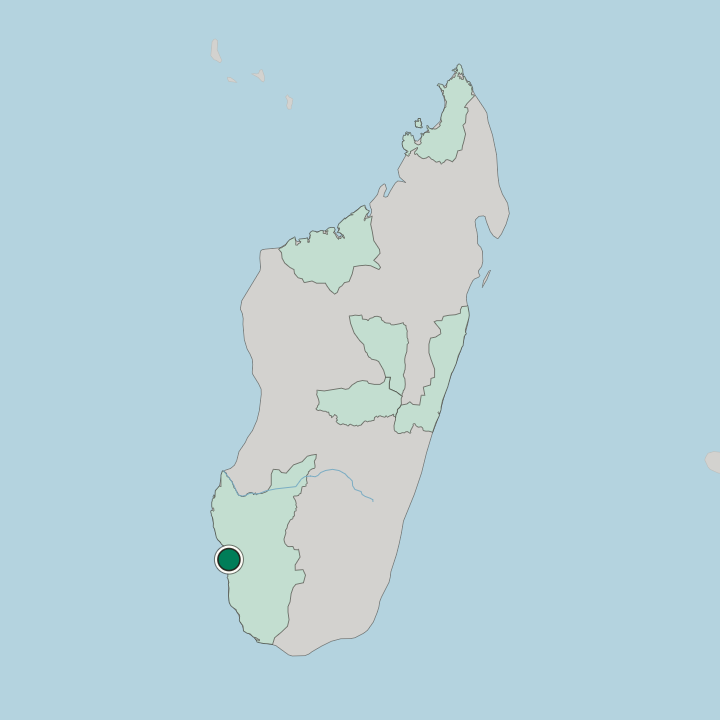
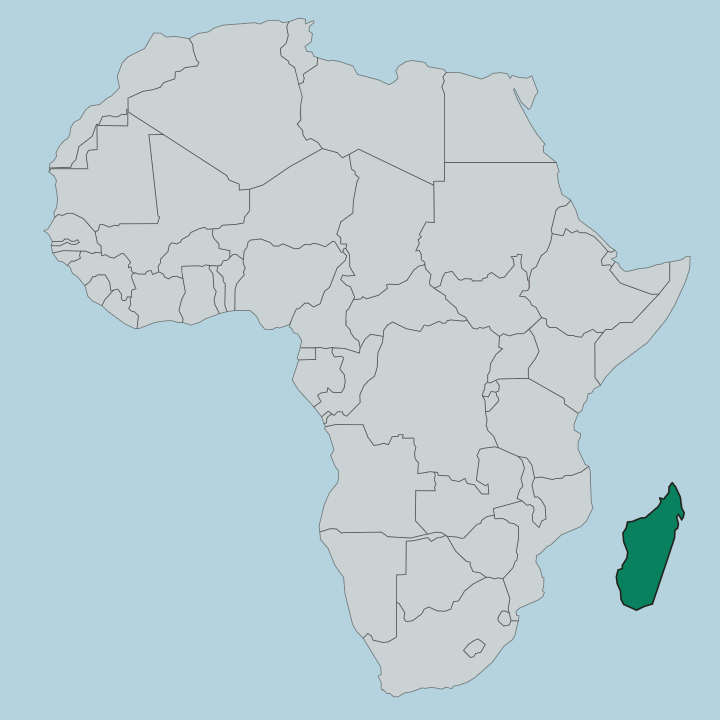
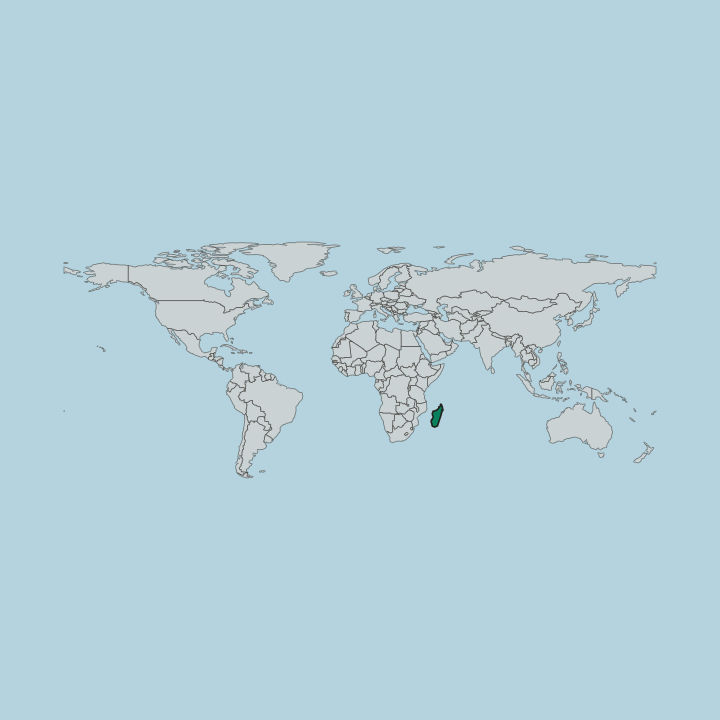
Toliara, still called Tuléar in French, ends the RN7 on the coast of southern Madagascar as capital of Atsimo-Andrefana.
Hotel links are affiliate links: booking through them may earn us a commission, at no extra cost to you. It never affects how places are ranked. How this works


Where to stay in Toliara
How the choice of base plays out on the ground.
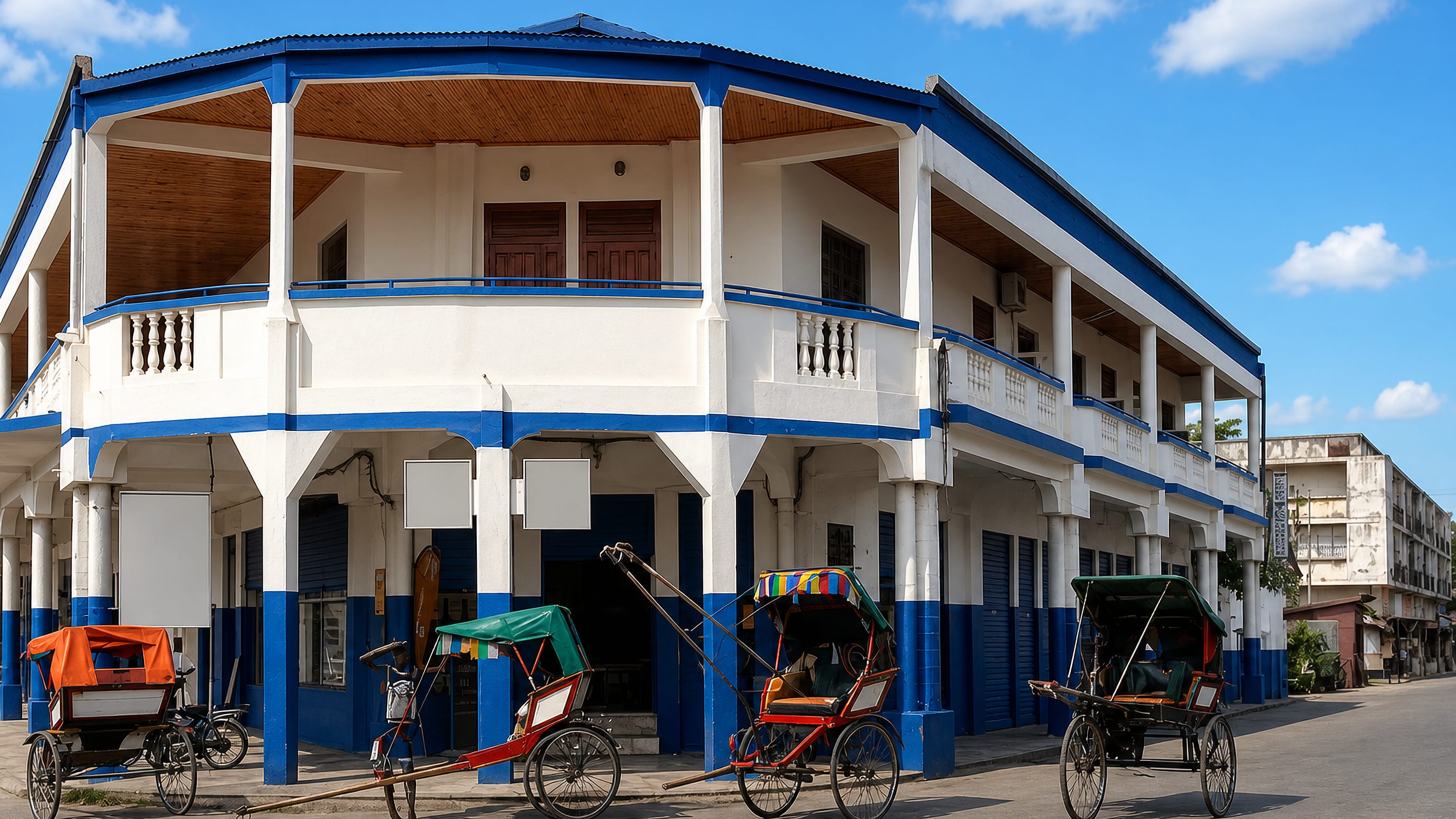
Boulevard Galliéni settles it for most visitors. Toliara's most representative street carries the main post office, the city hall, the banks, and the restaurants, and a room within a block of it means the Cedratom museums, the Musée de la Mer, and dinner are all on foot. Bazary be is the other central option.
The market quarter wakes early and stays noisy, but the downtown shell market behind the Alliance Française and the pousse-pousse ranks are right there, which suits anyone who came to see the city working rather than resting. Distances inside town are short. The grid Joseph Gallieni's administration laid out after 1897 runs straight, so almost nothing central sits more than a walk away, and the pousse-pousse pullers cover whatever the walk does not.
Ifaty changes the calculation entirely. Up the rough coast road north of Toliara the spiny forest comes down to the sand and the diving boats go out from the beach, so a stay there trades the museums for the reef. Anakao does the same to the south, reached by morning boat rather than road.
If you want the Grand Récif and quiet nights, go out; if you want the Cathédrale Saint Vincent de Paul, the university museums, and a walk to the market, stay on Boulevard Galliéni.
Find hotels in Toliara
Direct booking searches for these neighbourhoods.
Boulevard Galliéni
Toliara's most representative street lines up the city hall, the banks, and the Cedratom museums within a block of each other.Find hotels in Boulevard Galliénimarket mornings and pousse-pousse rides downtownBazary be
Rooms around Bazary be put the shell market behind the Alliance Française at the end of the street.Find hotels in Bazary bediving off the spiny-forest coast north of ToliaraIfaty
Ifaty sits up a rough coast road where the spiny forest reaches the sand and the diving boats launch. Rooms are few around here — worth securing early.Find hotels in IfatyHotel links are affiliate links: booking through them may earn us a commission, at no extra cost to you. It never affects how places are ranked. How this works
About Toliara
What is Toliara known for?
The motto says it plainly: Toliara tsy miroro, Toliara never sleeps. A port and a beach town at once, the city moves sisal, cotton, rice, and peanuts through the largest port in southern Madagascar and still earns its reputation as a night-time town. Sun does the rest.
Locals call it the Ville du soleil, and the Grand Récif offshore turns the shallow water into the reason most visitors drive the RN7 all the way south.
What are the main landmarks in Toliara?
Boulevard Galliéni is the street to walk first, and the monument to Monja Jaona stands along it. Two cathedrals hold the skyline: the Cathédrale Saint Vincent de Paul for the archdiocese founded in 1957, and the twin-towered Katedraly Loterana. The Fiangonana Rasalama Maritiora carries the name of Rafaravavy Rasalama, the first Malagasy Christian martyr.
Museums do the rest. The Musée de la Mer keeps a coelacanth landed near Anakao in 1995, the Cedratom shows Mahafaly funerary art, and the Arboretum d'Antsokay grows more than 920 plant species of spiny forest east of town.
What is the history of Toliara?
French buccaneers came first. They landed in the bay of Saint-Augustin near the Tropic of Capricorn during the seventeenth century and set up a trading post to deal with the Masikoro of the Fiherena kingdom. The name reached European charts early: Tulear appears on Van Keulen's map of 1689, and Port Tulle, Port Tullea, and Tullear Bay all follow through the eighteenth century before the francisation Tuléar settles in around 1875.
Malagasy speakers had their own names, Fitoliana and Ankatsakoa. Real growth waited for the colonial administration. After 1897 Joseph Gallieni moved the French services off the island of Nosy Ve and made the place a regional capital, laying out the grid of straight streets and wide avenues that still orders the centre.
Toliara replaced Tuléar officially once the FTM and the ministries adopted the Malagasy spelling, though the older form never left daily speech. Then came 1971. Monja Jaona led a peasant revolt out of the neglected south, aimed at officials and the gendarmerie rather than at teachers, doctors, or foreigners, and its violent suppression became a turning point that helped bring down the Tsiranana government the following year.
The Université de Toliara dates from that same year, carved out of the old Université de Madagascar. Later decades brought different pressures: the maize boom of the 1980s through the port, the kéré famine driving families in from the deep south, and the long argument over Base Toliara and its ilmenite. Toliara I remains the district that holds only this city.
Where is Toliara?
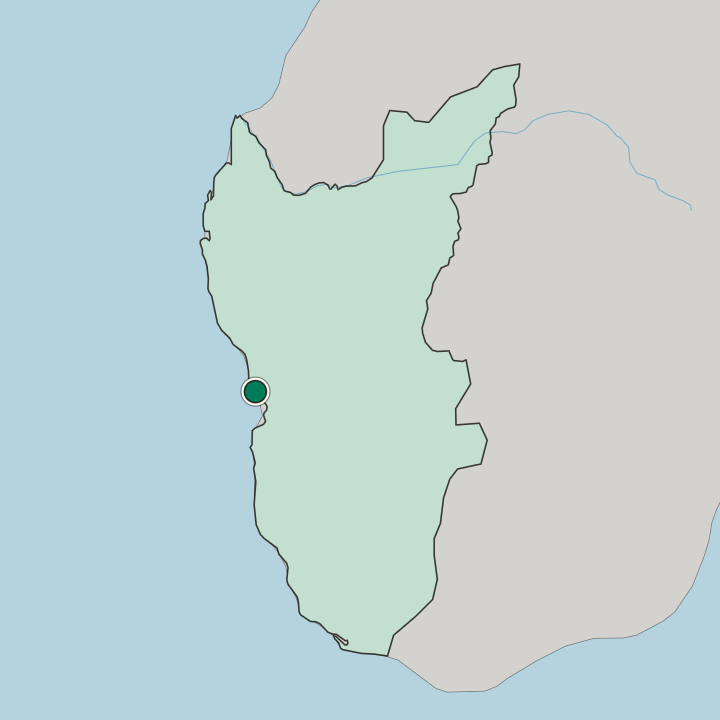
The Fiherenana built the ground Toliara stands on. Its deltaic plain spreads dunes, mangrove marsh, and alluvium across the southern half of the site, which is why tropical depressions and cyclones bring flooding, and the newer quarters have climbed onto the older dune ridges inland. Offshore the Grand Récif stretches 18 km long and 3 km wide, holding a shallow lagoon between reef and shore.
The shelf then slopes away. La Table, a small flat-topped hill east of town, gives the view back over the Mozambique Channel.
What is the climate of Toliara?
The tiok'antimo does the work here. That south wind sweeps the city hardest from May to September, the driest stretch of the year, and it is the reason Toliara feels less oppressive than a sub-arid coast at the edge of the tropics has any right to. Rain is scarce, under 400 mm in a year.
Sun is not: the nickname Ville du soleil rests on the strongest annual sunshine measured anywhere in Madagascar. The Mozambique Channel lies right alongside, calm and shallow enough over the Grand Récif for diving most of the year.
How do you get to Toliara?
The RN7 ends here, 951 km of asphalt from Antananarivo and 540 km on from Fianarantsoa. Taxi-brousse minibuses run the whole length from the Fasan-karana station in the capital and take the best part of a day and a night. Flying is the shortcut.
Madagascar Airlines flies in daily from Antananarivo, weekly from Morondava and twice weekly from Taolagnaro, into the aérodrome d'Andranomena that also carries the La Réunion and Maurice links. Ifaty lies north up a rough track; Anakao is reached by morning boat instead.
Common questions
What is the best area to stay in Toliara?
Boulevard Galliéni: walking to the Cedratom collections and the old post office. Bazary be: market mornings and pousse-pousse rides downtown. Ifaty: diving off the spiny-forest coast north of Toliara.
Good for
Updated September 2026