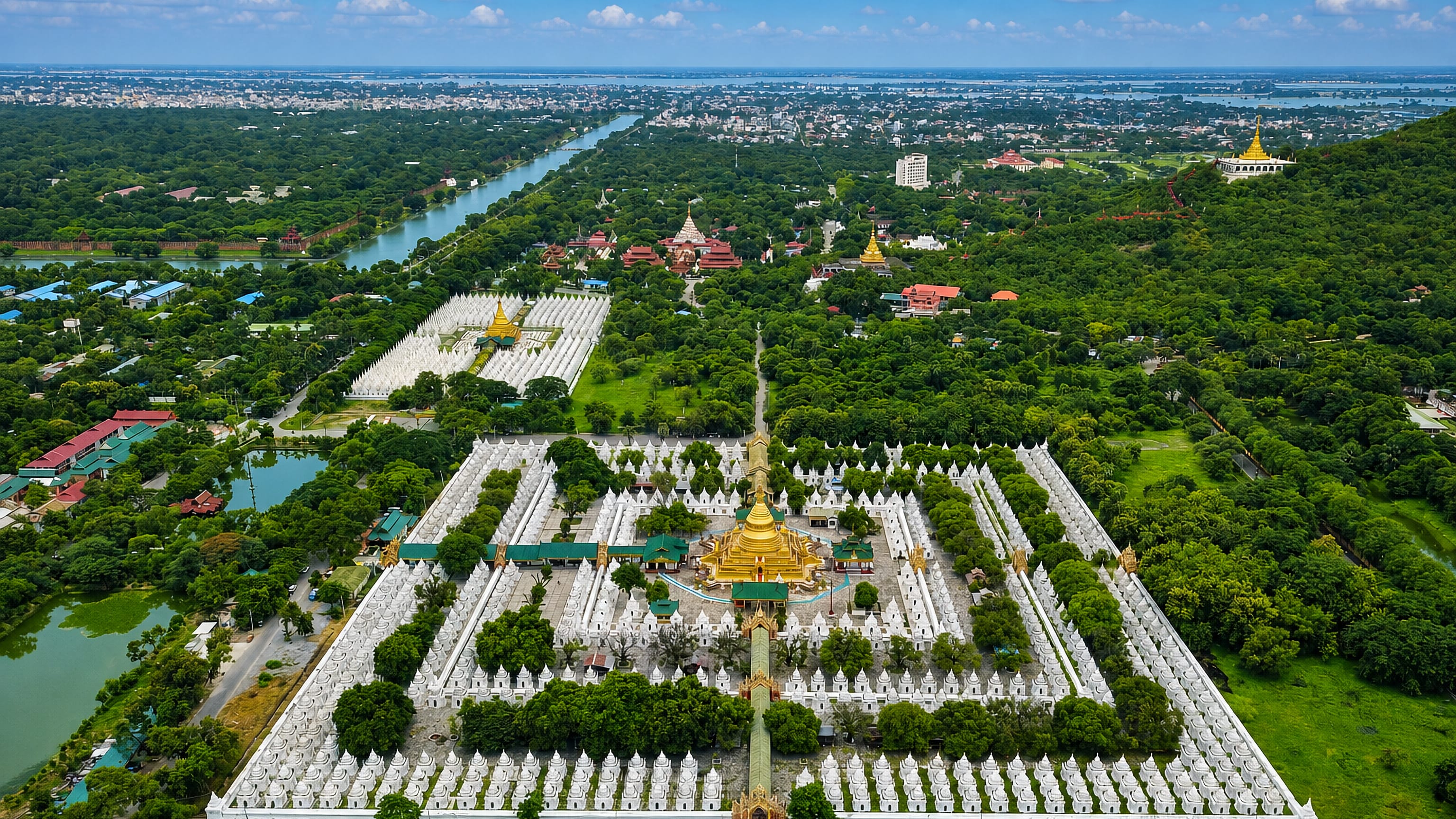
Myanmar · Mandalay Region
Where to Stay in Mandalay, Mandalay Region
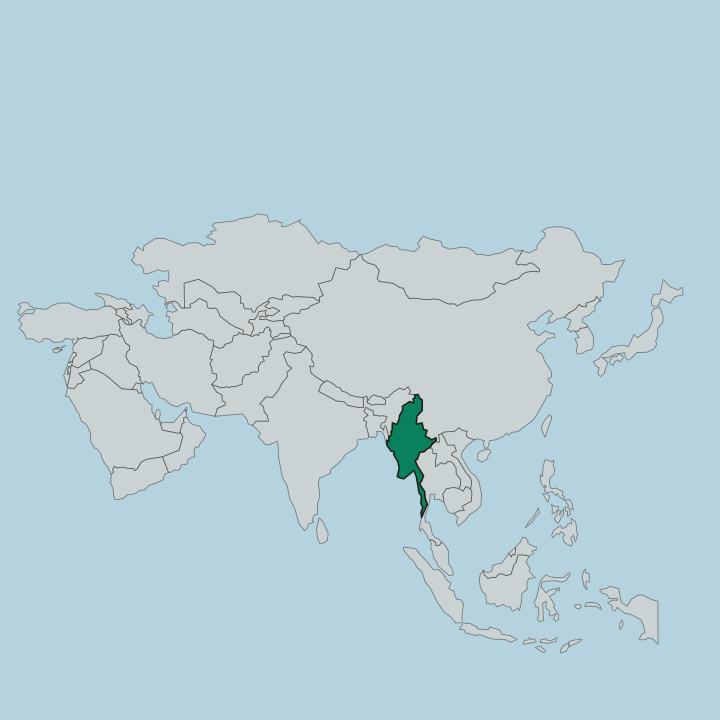
Mandalay is the last royal capital of Burma, a city of pagodas on the Irrawaddy in central Myanmar.
Hotel links are affiliate links: booking through them may earn us a commission, at no extra cost to you. It never affects how places are ranked. How this works


Where to stay in Mandalay
The practical side of choosing where to sleep.
Where you stay in Mandalay turns on the palace and the hill. The central streets around the moat keep the pagodas, the markets, and Mandalay Hill within reach, and staying downtown suits anyone here for the royal city. The palace walls run long and low.
Rooms sit near the moat and the shrines. Out toward the river and the edges, the city runs down to the Irrawaddy. A room near the water trades the centre for the docks, the sunsets, and a boat to the ruins of Amarapura and its long teak bridge.
The dry plain opens past the town. If you want the temples, stay near the hill; if you want the river, take a room by the water. Either way, the old capital is close at hand.
Find hotels in Mandalay
Direct booking searches for these neighbourhoods.
The centre
Around the royal palace moat and Mandalay Hill, within reach of the markets and shrinesFind hotels in The centreStays wanting the Irrawaddy and the boatsBy the river
Down toward the Irrawaddy docks, an easy boat to Amarapura and its teak bridgeFind hotels in By the riverHotel links are affiliate links: booking through them may earn us a commission, at no extra cost to you. It never affects how places are ranked. How this works
About Mandalay
Mandalay is the old royal city of Myanmar.
What is Mandalay known for?
Beneath a temple-crowned hill spread the moated palace of the last kings, the gilded Mahamuni shrine, and the marble slabs of the world's largest book, and the city remains the centre of Burmese Buddhism and craft. Gold leaf is still beaten in its lanes. Kings and temples mark the town.
What are the main landmarks in Mandalay?
Mandalay Hill and its palace crown the city. A moated royal palace fills the walled square below the temple-topped hill, the emblem of Mandalay, at the city's heart. Pagodas and monasteries ring the hill.
The Kuthodaw Pagoda holds the world's largest book in marble, the Mahamuni Temple keeps its golden Buddha, and the teak Shwenandaw Monastery shows the carving of the old palace.
What is the history of Mandalay?
Mandalay was raised as the last seat of the Burmese kings. King Mindon founded the city in 1857 and laid out a great square palace within a moat, meant to be the capital of his kingdom and a centre of Buddhist faith. The court did not last long.
The British seized the city in 1885 and sent the last king, Thibaw, into exile, ending the line of Burmese royalty for good. Yet Mandalay kept the soul of the nation. It stayed the heart of Burmese religion, learning, and art, its monasteries teaching the monks and its workshops beating gold leaf for the pagodas across the land.
War scarred the royal city. Fighting in the Second World War burned much of the old wooden palace, later rebuilt within its walls, and the shrines around it endured. The Mahamuni image still draws the faithful in gold.
Mandalay holds the memory of Burma's kings on the Irrawaddy.
Where is Mandalay?
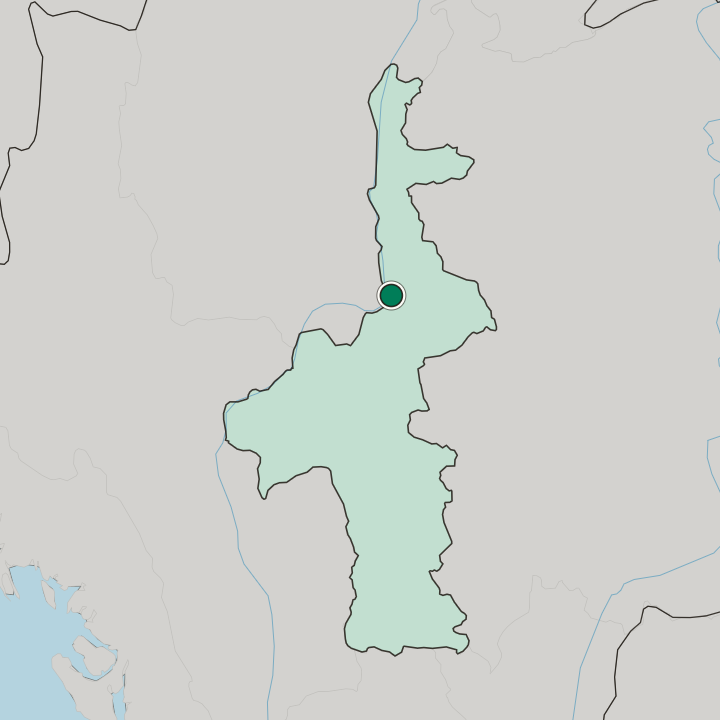
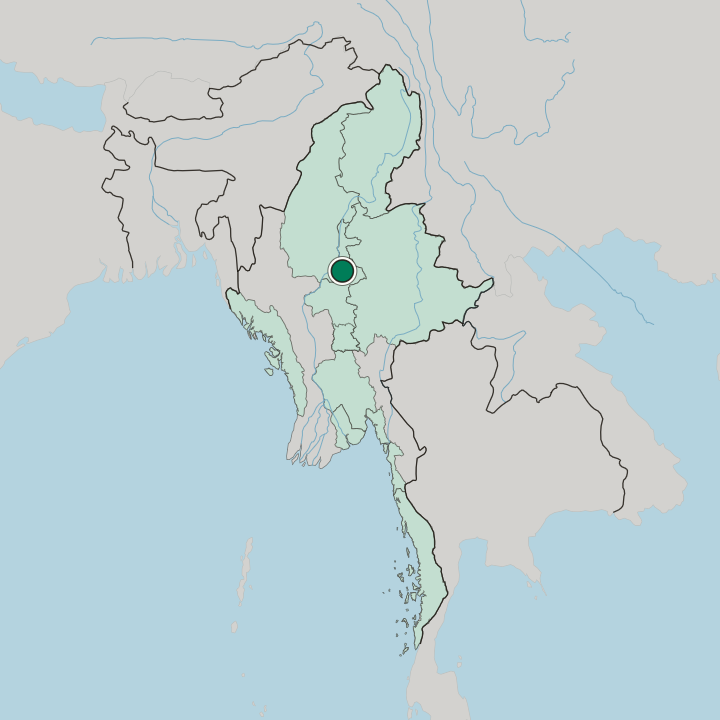
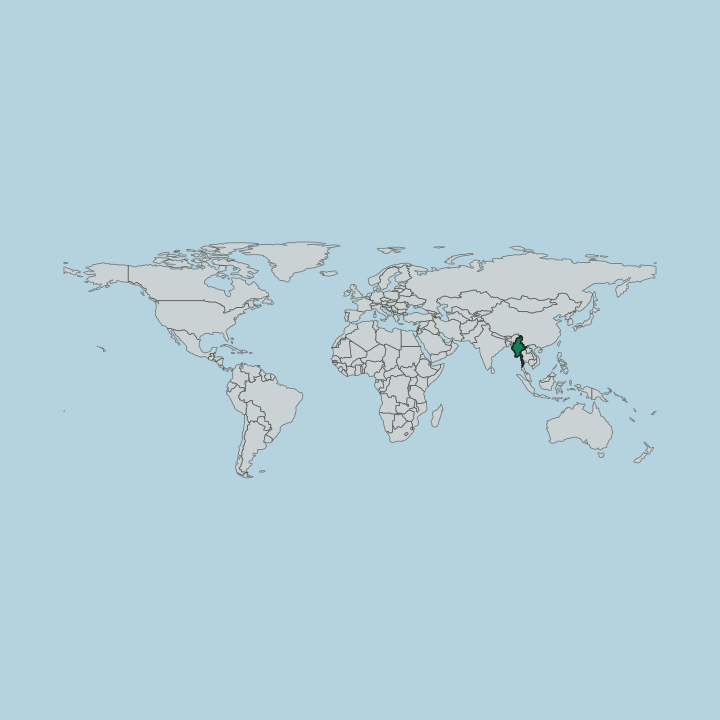
Mandalay lies on the Irrawaddy River in the dry heart of central Myanmar. The city spreads across a flat plain on the east bank of the great river, below the low rise of Mandalay Hill, in a hot lowland ringed by distant ranges. The wide river runs past the town.
Dry plains stretch away to the hills.
What is the climate of Mandalay?
The climate at Mandalay is tropical but dry, and hot with it. Scorching heat bakes the central plain through much of the year, and the monsoon brings its rains in a short wet season from summer into autumn. Dust hangs over the dry season.
The plain swelters under a fierce sun.
How do you get to Mandalay?
Mandalay lies at the centre of Myanmar on the Irrawaddy. Roads, rail, and river boats run to it from Yangon in the south and up the great river, and the city has an international airport. Buses reach the temple towns around.
Most arrive by road or river through the plain.
Common questions
What is the best area to stay in Mandalay?
The centre: Visitors here for the palace, pagodas, and hill. By the river: Stays wanting the Irrawaddy and the boats.
Good for
Another city in Mandalay Region
Updated September 2026