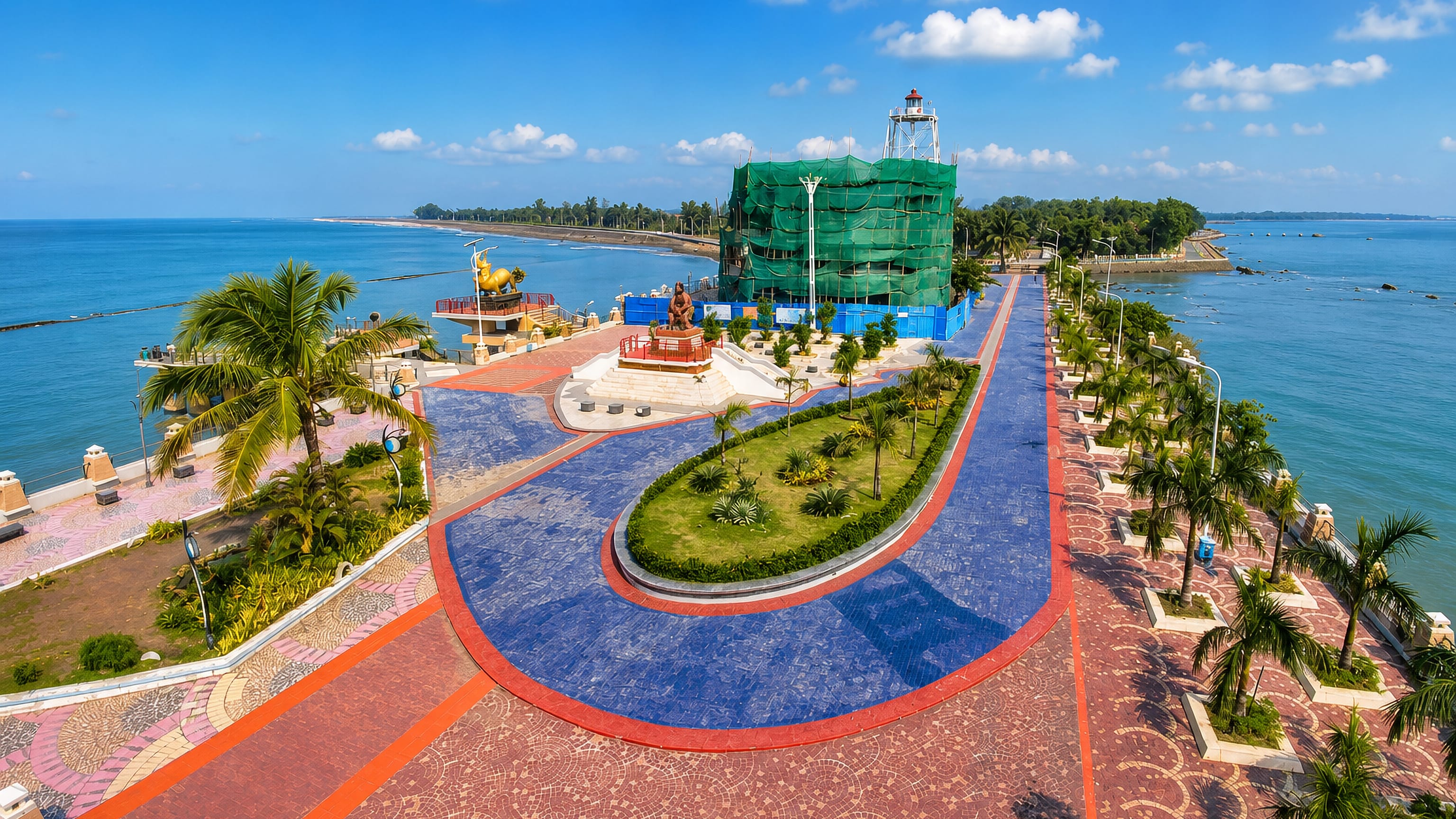
Myanmar · Rakhine State
Where to Stay in Sittwe, Rakhine State
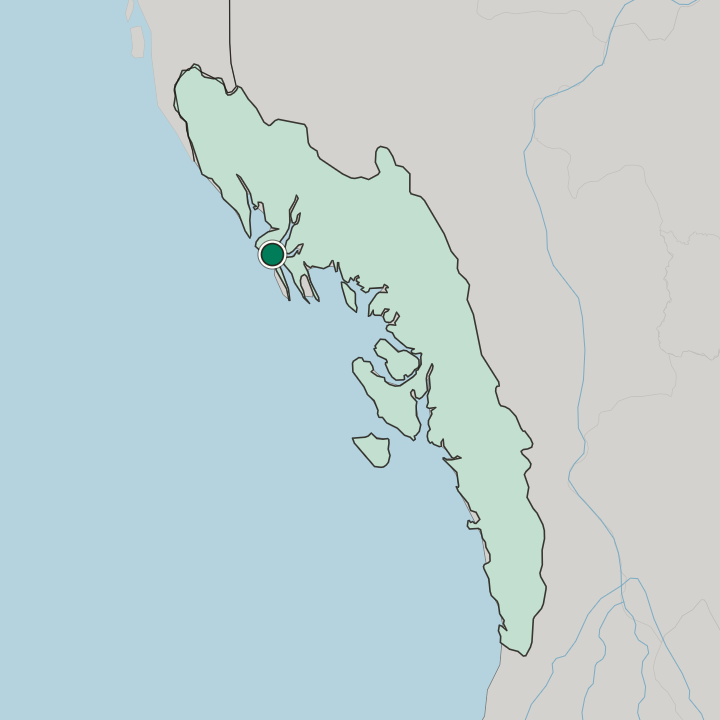
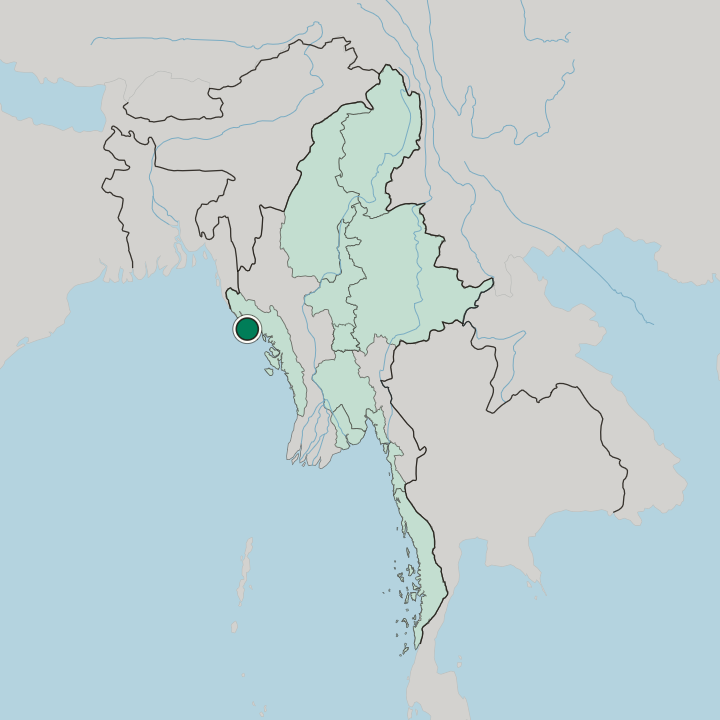
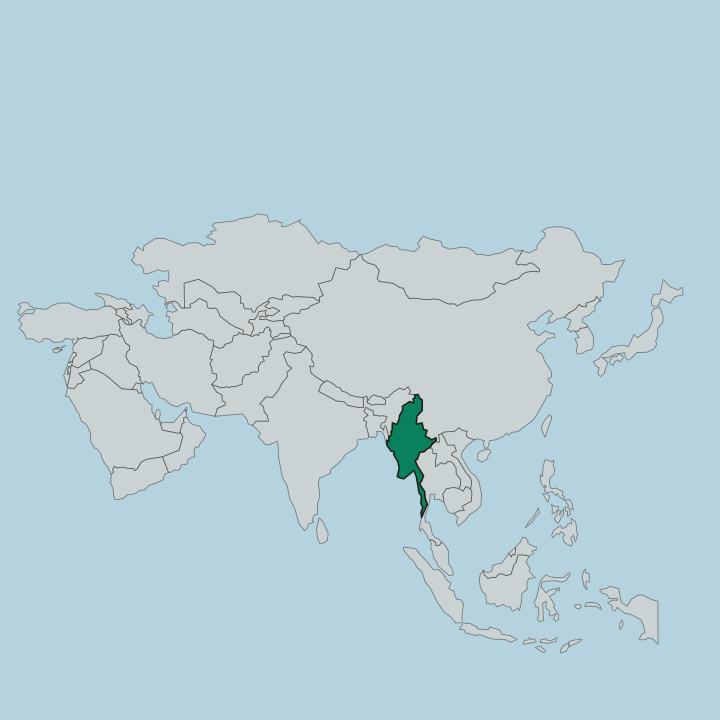
Sittwe, formerly Akyab, is the capital of Rakhine State, Myanmar, on an island where the Kaladan, Mayu and Lay Mro meet the Bay of Bengal.
Hotel links are affiliate links: booking through them may earn us a commission, at no extra cost to you. It never affects how places are ranked. How this works


Where to stay in Sittwe
How the choice of base plays out on the ground.
An island holds the whole city. Sittwe occupies estuarial ground formed where the Kaladan, the Mayu and the Lay Mro empty into the Bay of Bengal, so almost every part of it sits within reach of water on one side or another. The administrative core is compact.
Offices of Sittwe Township and Sittwe District sit with the state's own institutions, and a room in that quarter puts the Rakhine State Cultural Museum and the working side of the city on the same short walk. Water decides the rest. The seaward edge faces the Bay of Bengal while the landward side follows the Kaladan, and those two frontages give quite different mornings: open horizon on one, river traffic and the estuary channel on the other.
Rakhine State reaches well beyond the island, and Sittwe is the point most journeys through it begin or end, which is the practical argument for basing here rather than moving each night. Akyab is the name older maps use, and anyone reading those will find the same island, the same three rivers and the same estuary. The museum is the fixed point for a first afternoon.
Book near the water.
Find hotels in Sittwe
Direct booking searches for these neighbourhoods.
The museum quarter
The administrative middle of Sittwe, where the state collection stands beside the Township and District seatsFind hotels in The museum quarterStays that want open sea air rather than the estuary channelsThe Bay of Bengal frontage
The seaward edge of the island, facing the water the Kaladan, Mayu and Lay Mro empty into. Rooms are few around here — worth securing early.Find hotels in The Bay of Bengal frontageTravellers moving by river rather than by roadThe Kaladan side
The landward frontage of Sittwe's island, where the Kaladan runs down past the town toward the estuary. Lodging is scarce in this area; reserve in advance.Find hotels in The Kaladan sideHotel links are affiliate links: booking through them may earn us a commission, at no extra cost to you. It never affects how places are ranked. How this works
About Sittwe
Three rivers end here.
What is Sittwe known for?
The Kaladan, the Mayu and the Lay Mro come together at the Bay of Bengal, and the island they built between them carries Sittwe, the capital of Rakhine State. Administration follows from that: the city is the seat of Sittwe Township, of Sittwe District, and of the state itself. The Rakhine State Cultural Museum holds the collection that carries the region's name.
Akyab was the older name.
What are the main landmarks in Sittwe?
The museum carries the state's name. The Rakhine State Cultural Museum is the one named institution the city keeps in the record, holding the material of Rakhine State in a city that is also its administrative seat. Beyond it the landmarks are geographic rather than built: the meeting of the Kaladan, the Mayu and the Lay Mro, and the open reach of the Bay of Bengal past the island's edge.
Akyab named the same place.
What is the history of Sittwe?
One island answers to two names. Sittwe carries the name in use for the capital of Rakhine State, while Akyab is the form that older records and maps preserve, and both refer to the same estuarial island at the mouth of the Kaladan. The site explains the settlement.
An island formed at the confluence of the Kaladan, the Mayu and the Lay Mro, where all three empty into the Bay of Bengal, gives a natural point of control over river and sea traffic alike. Administrative weight accumulated on the same ground. Sittwe became the seat of Sittwe Township and of Sittwe District, and above both of those the capital of Rakhine State itself, so three tiers of administration answer to addresses on one island.
The Rakhine State Cultural Museum belongs to that role. A state collection sits where the state is governed from, which is why the museum in Sittwe carries the name of the whole of Rakhine State rather than of the city alone. Water did the rest.
The rivers have not moved. The Kaladan, the Mayu and the Lay Mro still meet at the same place, and the Bay of Bengal still takes them, so the geography that first justified a town on this island has outlasted every name applied to it.
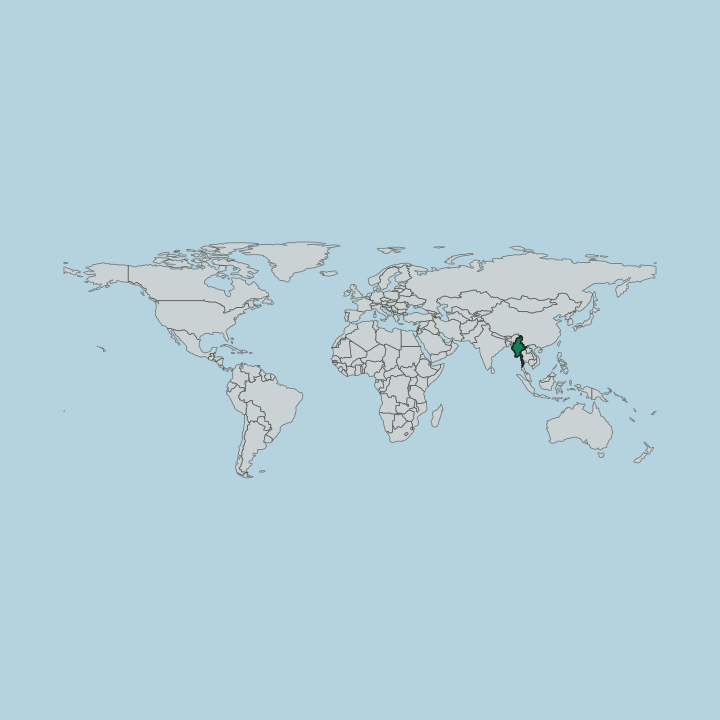
Where is Sittwe?
Everything here is estuary. Sittwe stands on an island created at the confluence of the Kaladan, the Mayu and the Lay Mro, the point at which all three of those rivers empty into the Bay of Bengal. Rakhine State runs on inland from it.
The tropical band north of the equator sets the light and the growing year, and the ground of Sittwe Township is low, worked by tide and river together.
What is the climate of Sittwe?
The Bay of Bengal drives the year. Sittwe faces open water in the tropical band north of the equator, so the sea rather than any distant range sets what arrives over the island, and the rivers carry the result back down. Rain runs off through three channels.
The Kaladan, the Mayu and the Lay Mro all drain into the same estuary, which is why the wet months are felt on the water as much as in the streets of Sittwe.
How do you get to Sittwe?
Arrivals reach an island. Sittwe is separated from the rest of Rakhine State by the water of the Kaladan and its neighbours, so any approach ends by crossing the estuary rather than simply driving in. The Bay of Bengal opens the other way.
Sea routes and the three rivers converge on Sittwe, which is also the seat of Sittwe Township and Sittwe District, so the city works as the point every journey through the state passes.
Common questions
What is the best area to stay in Sittwe?
The museum quarter: First visits wanting the Rakhine State Cultural Museum and the district offices on one walk. The Bay of Bengal frontage: Stays that want open sea air rather than the estuary channels. The Kaladan side: Travellers moving by river rather than by road.
Good for
Updated September 2026