Myanmar · Yangon Region
Where to Stay in Yangon, Yangon Region
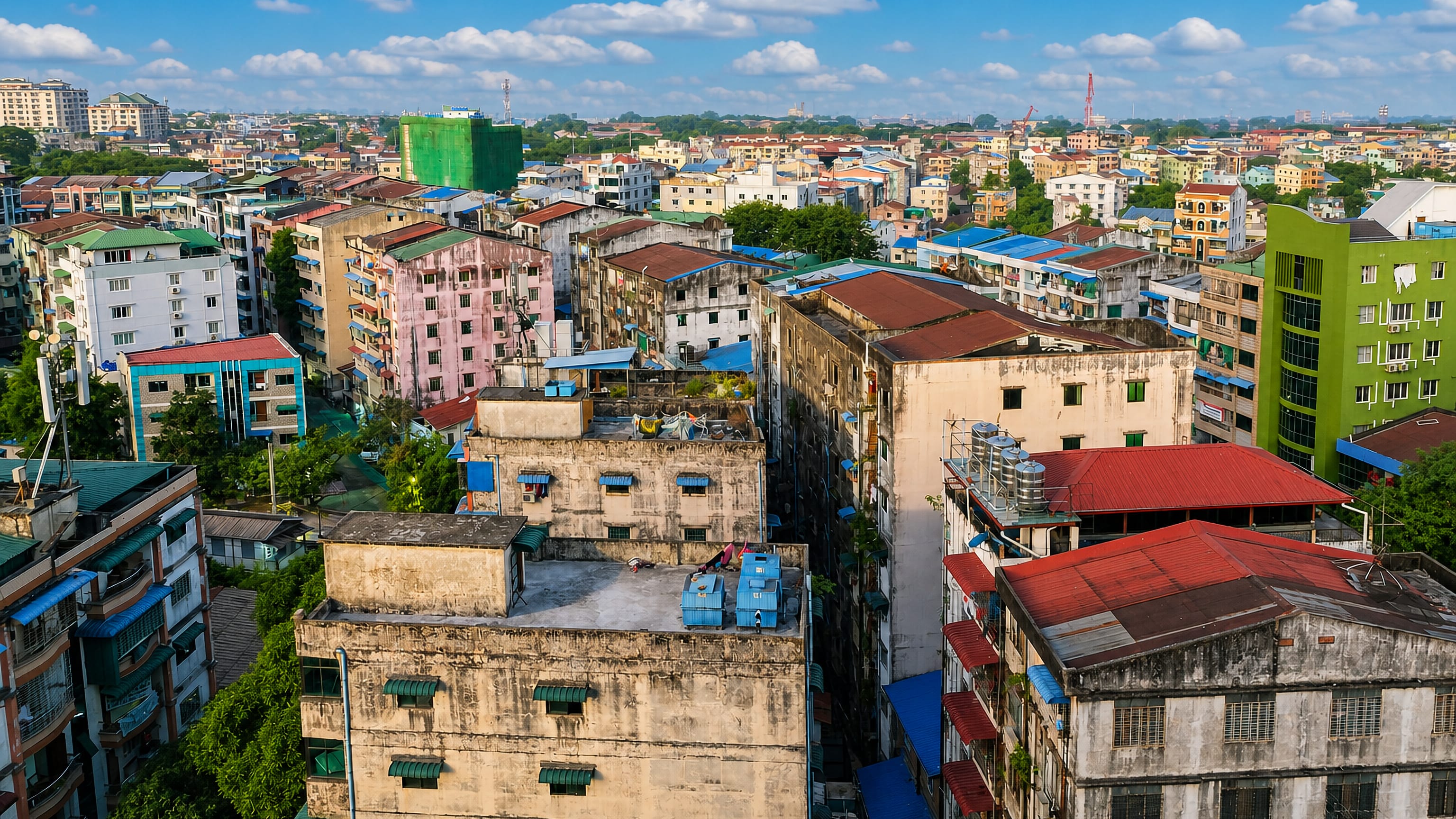
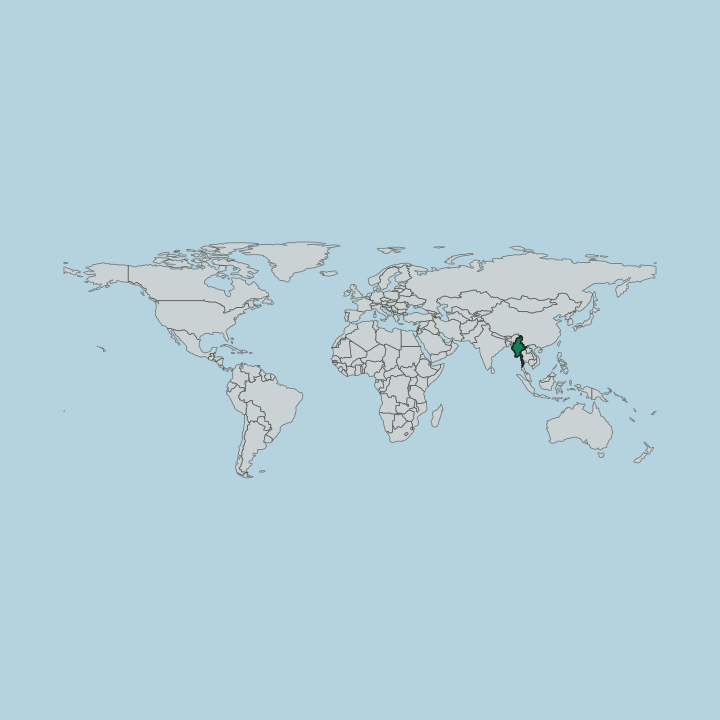
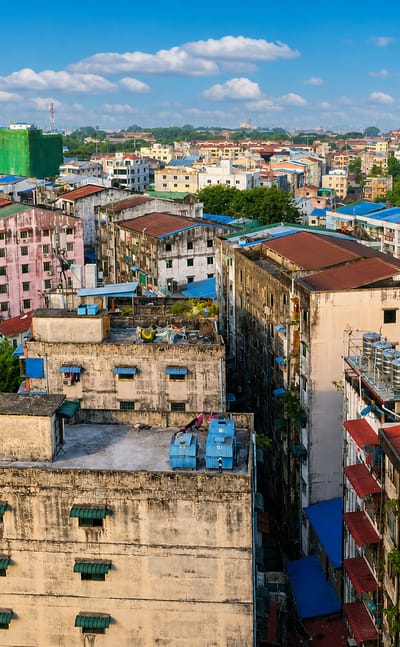
Colonial facades and gilded shrines fill Yangon, the most populous city of Myanmar and capital of the Yangon Region, long known in English as Rangoon.
Hotel links are affiliate links: booking through them may earn us a commission, at no extra cost to you. It never affects how places are ranked. How this works


Where to stay in Yangon
Where you base yourself shapes the visit — here's the character of each area.
 YangonMyanmar
Ahlone
West Gymnasium is the one entry the register grants Ahlone, a Yangon township of eleven wards with the Yangon River closing one of its sides.Where to stay → YangonMyanmar
Kyimyindine
Kyimyindine, filed by the registers as Kyimyindaing Township, divides into 21 wards and meets the Yangon River along one of its own boundaries.Where to stay →YangonMyanmarHledan
Hledan is a district of Yangon, in Myanmar's Yangon Region, and the register carries the name with almost nothing attached to it.Where to stay →Hotel links are affiliate links: booking through them may earn us a commission, at no extra cost to you. It never affects how places are ranked. How this works
Find hotels in Yangon
Direct booking searches for these neighbourhoods.
Colonial downtown
The old commercial core of Myanmar, holding the National Museum, Saint Mary's Cathedral, and the colonial-era streets on foot.Find hotels in Colonial downtowngreen surroundings near the Yangon Zoological Gardens and the lakeside mausoleaGarden districts
Leafier neighbourhoods around the parks, the Kandawmin Garden Mausolea, and the Martyrs' Mausoleum, a taxi ride from the downtown grid.Find hotels in Garden districtsHotel links are affiliate links: booking through them may earn us a commission, at no extra cost to you. It never affects how places are ranked. How this works
Things to do in Yangon
Ranked by global recognition; descriptions from Wikidata (CC0).
Museums & Galleries
3- National Museum (Yangon)
- Yangon Drugs Elimination Museum
- Myanmar Motion Picture Museum
Churches & Religious Sites
3- Saint Mary's Cathedral, Yangon
- Emmanuel Baptist Church
- Holy Trinity Cathedral, Yangon
Castles & Historic Sites
2- Martyrs' Mausoleum
- Kandawmin Garden Mausolea
Stadiums & Sports
2- BAA Ground
- West Gymnasium
Parks & Gardens
1- Ice Wonderland
Landmarks & Notable Places
1- Government House, Rangoon
worth knowingacross 6 categories in Yangon
About Yangon
Yangon is known as the commercial heart of Myanmar.
What is Yangon known for?
It is the country's most populous city and its most important trading centre, and it served as the national capital until the administrative seat moved to Naypyidaw in 2005. Older maps and English speech still call it Rangoon. The National Museum and the Bogyoke Aung San Museum keep its record, while the Yangon Zoological Gardens draw its families.
Commerce, not government, now sets its pace.
What are the main landmarks in Yangon?
Yangon carries a dense stock of built heritage. The National Museum and the Bogyoke Aung San Museum trace the country's history and its independence leader, while Saint Mary's Cathedral, Holy Trinity Cathedral, and the Armenian Apostolic Church of St. John the Baptist stand from the colonial era of Rangoon. Memory has its own ground.
The Martyrs' Mausoleum and the Kandawmin Garden Mausolea mark the city's honoured dead, and the Yangon Zoological Gardens draw its visitors among the older monuments of Myanmar.
What is the history of Yangon?
Yangon traces its founding to 1035, long before the English called it Rangoon. The settlement grew over the centuries into the country's leading town, and under colonial rule it was rebuilt on a grid that still shapes the downtown of the commercial centre of Myanmar. Churches, offices, and government buildings rose along those streets, among them Saint Mary's Cathedral and the old Government House.
The twentieth century made it a capital. Yangon served as the seat of the national government and gathered its museums and monuments, including the Bogyoke Aung San Museum and the Martyrs' Mausoleum. That role ended in 2005.
The government relocated the administrative functions to the purpose-built city of Naypyidaw, and Yangon kept its place as the largest city and trading hub of the Yangon Region rather than its political one.
Where is Yangon?
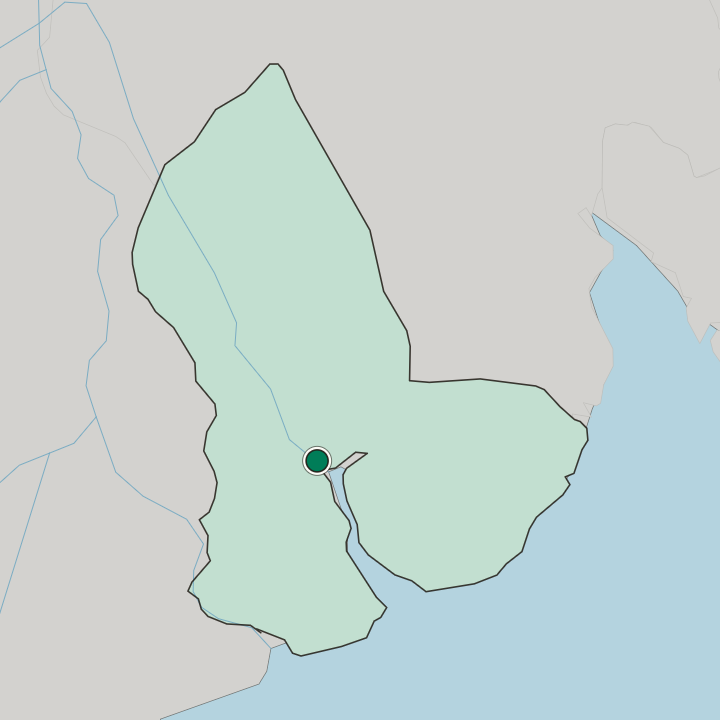
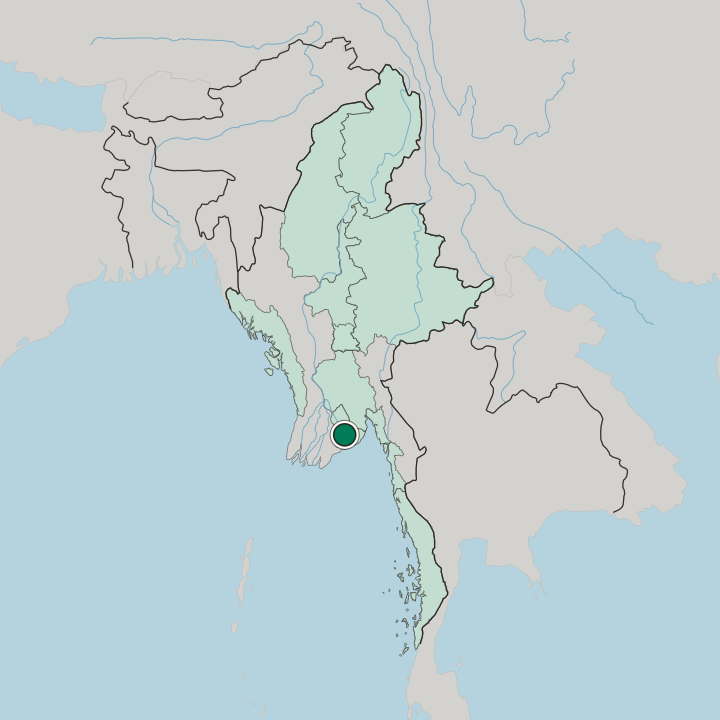
Yangon is the capital of the Yangon Region and the most populous city of Myanmar. It grew as the country's main trading centre, set apart from the inland, purpose-built site of Naypyidaw that took over the administrative role in 2005. Its parks give it breathing room.
The city gathers gardens and open grounds, from the Kandawmin Garden Mausolea to the Yangon Zoological Gardens, while the old colonial grid of Rangoon holds the dense built-up centre.
What is the climate of Yangon?
Yangon has a tropical monsoon climate. The rains rule the calendar. A hot, humid build-up gives way to a heavy southwest monsoon that drenches the Yangon Region through the middle months, then clears to a warmer, drier stretch across the turn of the year.
The gardens and open grounds of the city green under those long rains.
How do you get to Yangon?
Yangon is the main international gateway of Myanmar by air. The country's busiest airport lies on the edge of the city, and rail lines and highways run inland from it toward Naypyidaw and the rest of the Yangon Region. Coaches and trains gather in the centre.
Long-distance services terminate near the old downtown grid of Rangoon, from where the museums and heritage streets sit within walking reach.
Common questions
What is the best area to stay in Yangon?
Colonial downtown: walking the heritage grid, museums, and markets of Rangoon. Garden districts: green surroundings near the Yangon Zoological Gardens and the lakeside mausolea.
Good for
Updated October 2026