Mauritania · Dakhlet Nouadhibou
Where to Stay in Nouadhibou, Dakhlet Nouadhibou
Nouadhibou is a city of northern Mauritania on the Atlantic, a fishing and iron-ore port on a desert peninsula, end of one of the longest trains on earth.
Hotel links are affiliate links: booking through them may earn us a commission, at no extra cost to you. It never affects how places are ranked. How this works


Where to stay in Nouadhibou
Where the beds are, and what that means for the visit.
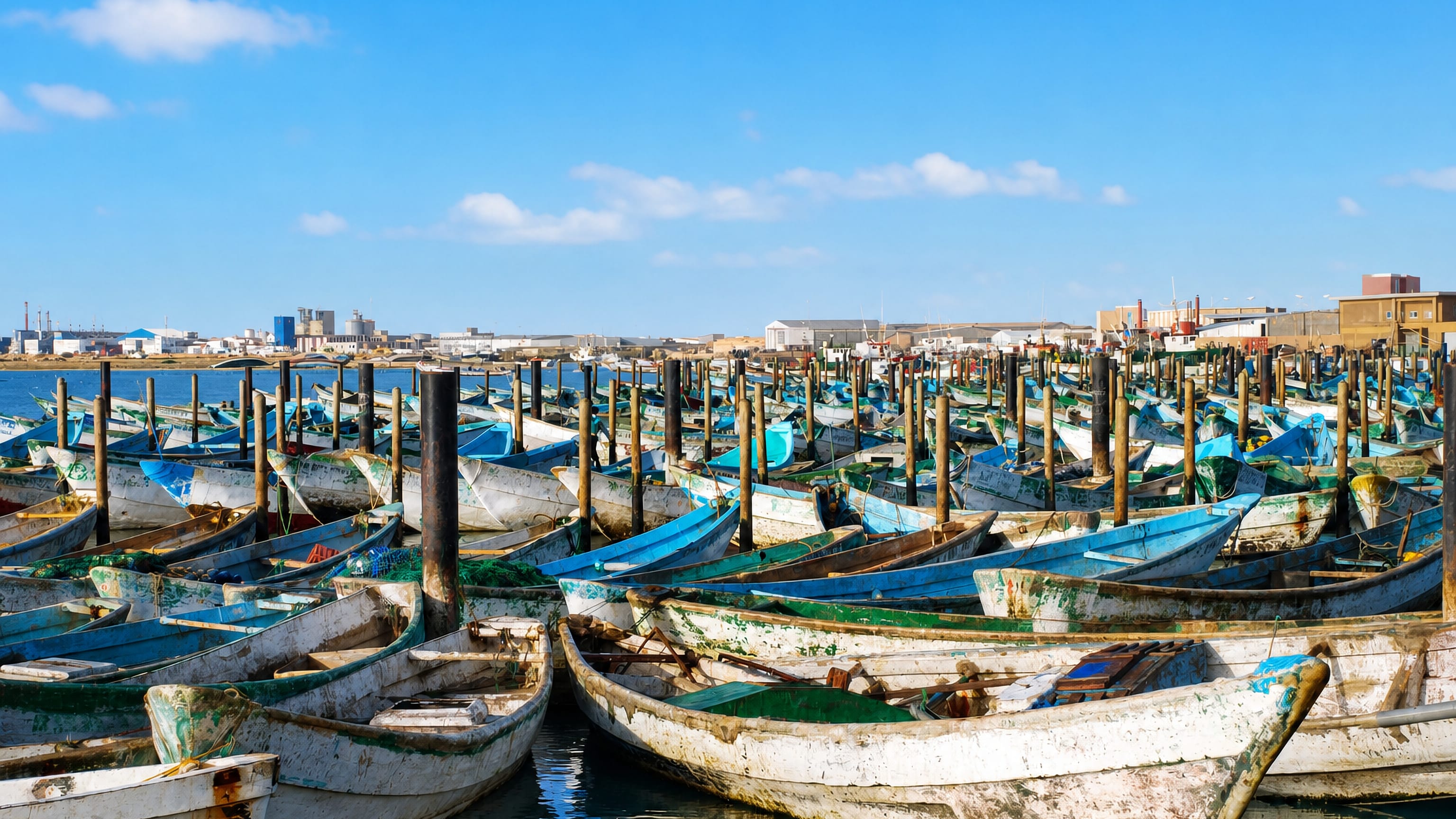
Where you stay in Nouadhibou turns on the town or the shore. The centre near the port keeps the market, the harbour, and the fish quays within a walk, and staying downtown suits anyone here for the town. The bay lies just west.
Boats unload their catch. Out along the cape and the desert, the town gives way to the quiet coast, the salt flats, and the tracks to Cap Blanc. A room out of the centre trades the streets for the empty beaches, the wide bay, and the birds of the far reserve.
Inland, there is nothing but open desert. Choose the centre for the quays, or the cape for the beaches. The ore train and the fishing bay hold the desert cape.
Find hotels in Nouadhibou
Direct booking searches for these neighbourhoods.
The port centre
By the fish quaysFind hotels in The port centreStays wanting the beaches and birdsThe cape
Out along the coastFind hotels in The capeHotel links are affiliate links: booking through them may earn us a commission, at no extra cost to you. It never affects how places are ranked. How this works
About Nouadhibou
Nouadhibou is the port city of the Mauritanian coast.
What is Nouadhibou known for?
On a bare peninsula where the Sahara reaches the ocean, in the north of Mauritania, it grew on iron and fish, and it keeps the great ore train rolling in from the desert mines, the busy fishing harbour on the bay, the wrecks of the ship graveyard in the shallows, and the bird reserve of the Banc d'Arguin down the coast. The cold sea teems with fish. Rusting hulks lie in the bay.
What are the main landmarks in Nouadhibou?
The iron-ore train is the pride of Nouadhibou. The immense line of wagons rolling in from the desert mines, one of the longest trains in the world, is the emblem of the town, out of downtown. Wrecks rust in the bay.
The ship graveyard of old hulls lies in the shallows off the port nearby, while the fishing harbour, the Cap Blanc seals, and the Banc d'Arguin birds mark the country around Nouadhibou.
What is the history of Nouadhibou?
Nouadhibou began as a fishing post. On the cape the Imraguen and other fishers worked the teeming waters, and a small trading post grew on the bay in colonial days. Then iron changed everything.
When rich iron ore was found in the desert far inland, a railway was driven across the Sahara to Nouadhibou, and the port grew to ship the ore to the world. The trains grew vast. Down the single line rolled some of the longest trains on earth, hauling ore from the mines of Zouérat to the sea.
The bay filled with wrecks. Over the years old ships were left to rust in the shallows, until the harbour held one of the great ship graveyards, and Nouadhibou grew as the second city of Mauritania, keeping its fish, its iron, and its birds. The ore trains still cross the sands.
Nouadhibou keeps its port city on the Atlantic.
Where is Nouadhibou?
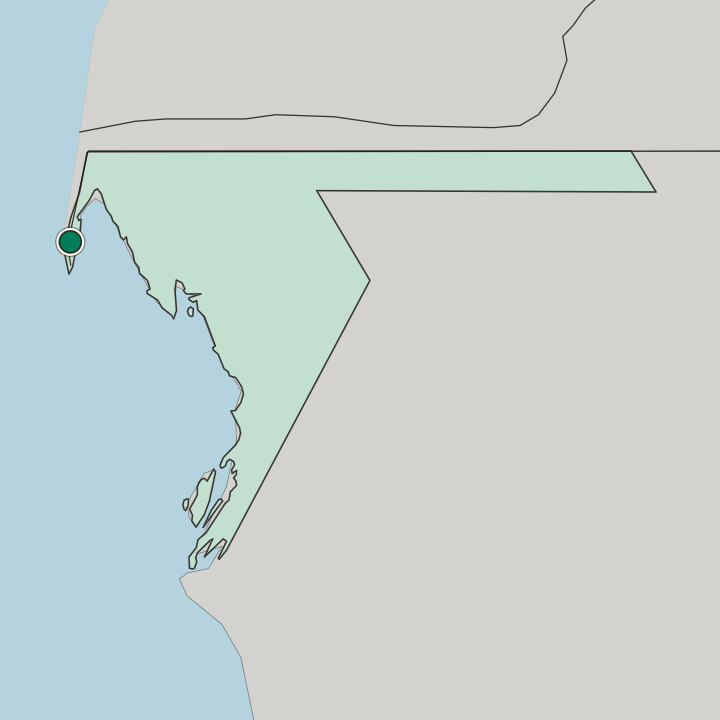
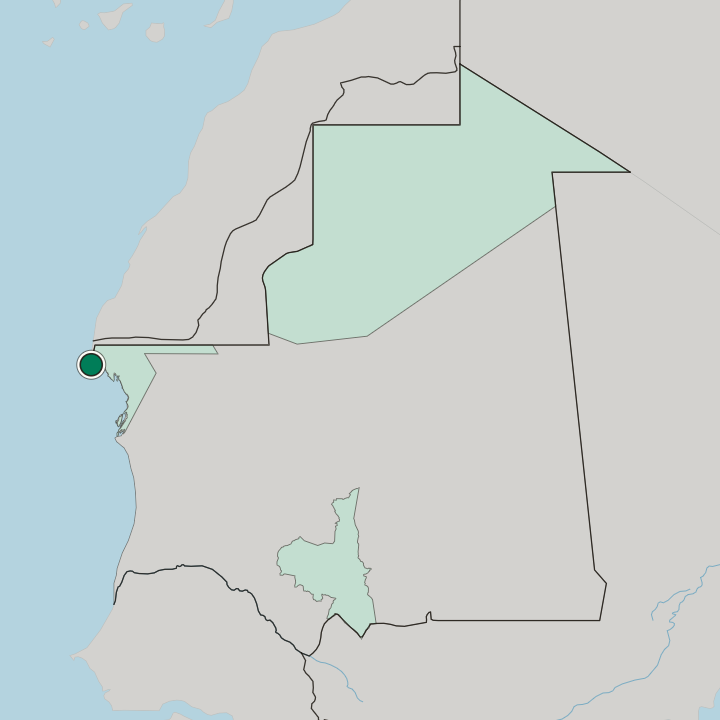
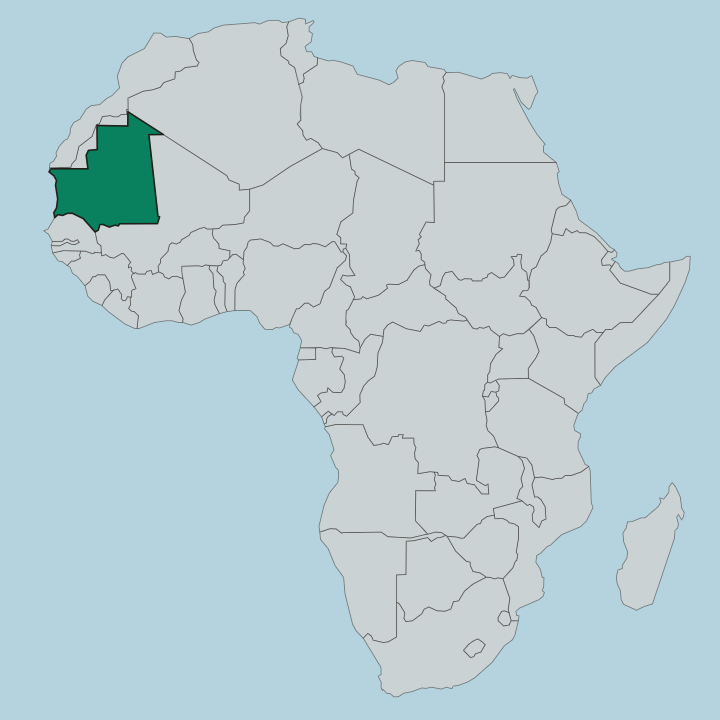
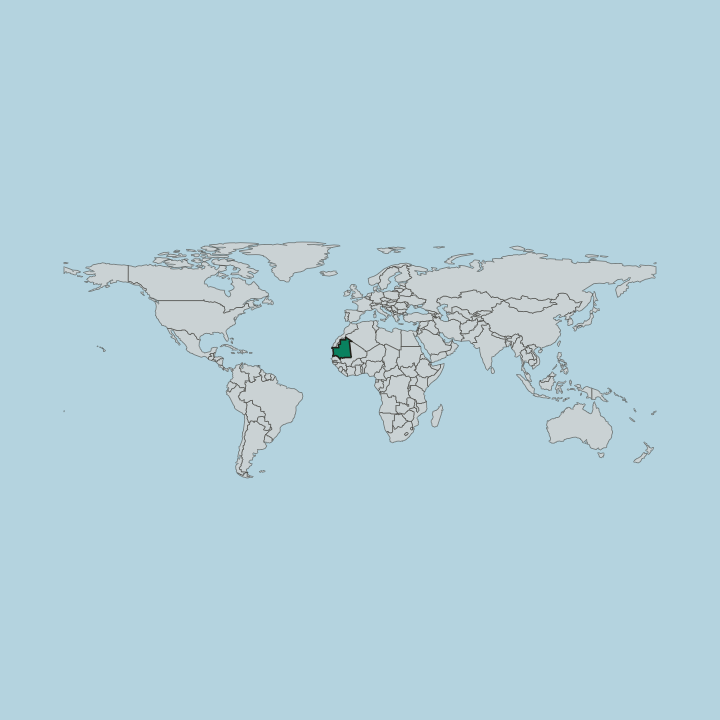
Nouadhibou lies in the far north of Mauritania, on a long peninsula in the Atlantic. The city sits on the sheltered Bay of the Levrier, on a spit of sand and rock between the desert and the sea, with the ocean and its rich fishing grounds to the west and the bare Sahara stretching away to the east. The cold current feeds the sea.
Bare desert runs to the shore.
What is the climate of Nouadhibou?
Nouadhibou has a mild, dry desert climate. Cool sea air tempers the desert heat all year, with almost no rain and steady trade winds off the ocean. Fog drifts in from the sea.
Dry winds cross the sands.
How do you get to Nouadhibou?
Nouadhibou lies in the far north of Mauritania, out on its ocean cape. The ore railway and a desert road run down from the interior, and flights land at its airport. Boats work the bay.
Nouakchott lies south down the coast.
Common questions
What is the best area to stay in Nouadhibou?
The port centre: Visitors here for the harbour and market. The cape: Stays wanting the beaches and birds.
Good for
Updated September 2026