Mauritania
Where to Stay in Nouakchott, Mauritania
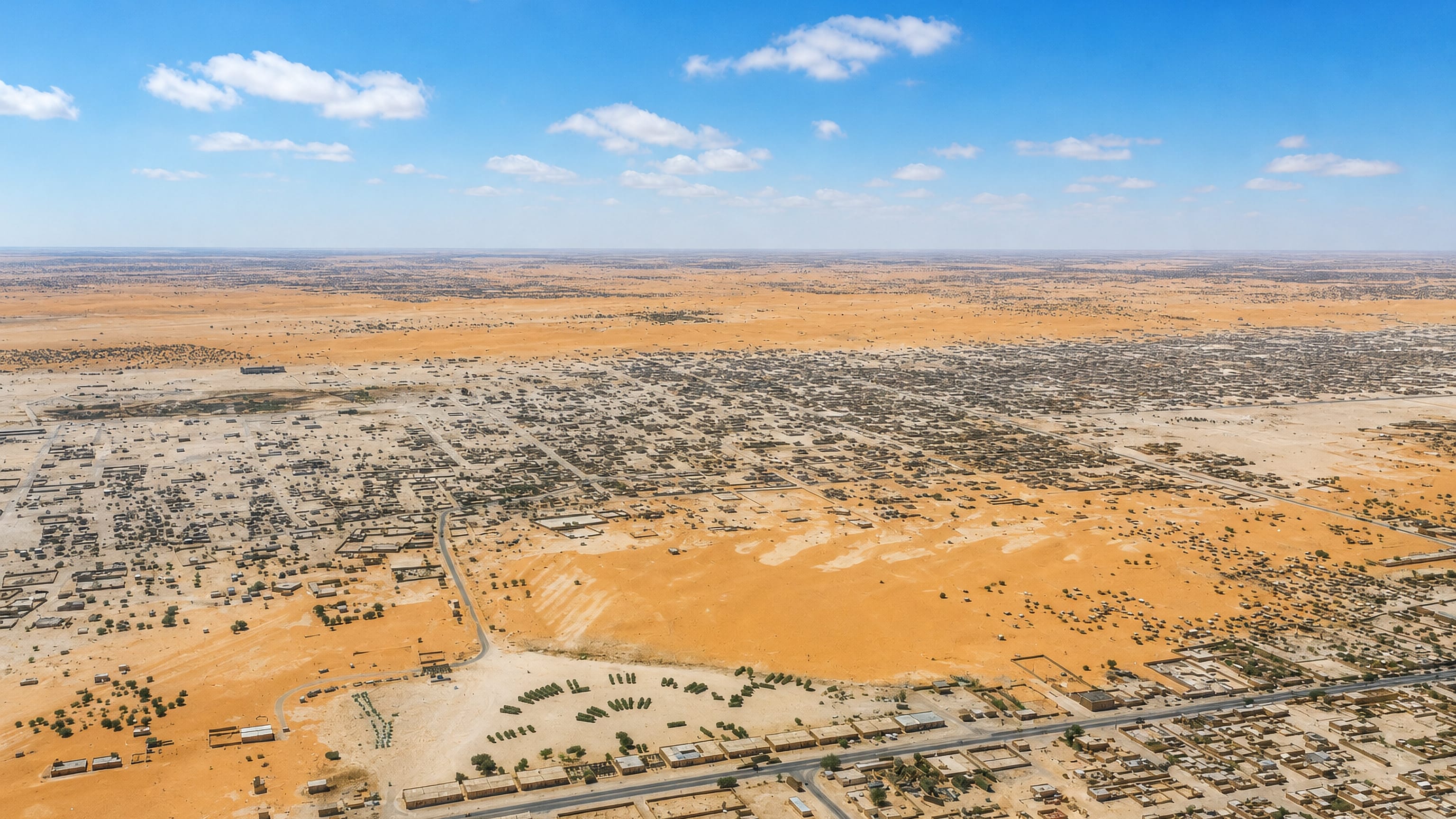
Sand meets sea at Nouakchott, the capital of Mauritania and one of the largest cities in the Sahara, home to the National Museum of Mauritania.
Hotel links are affiliate links: booking through them may earn us a commission, at no extra cost to you. It never affects how places are ranked. How this works


Where to stay in Nouakchott
The practical side of choosing where to sleep.
Nouakchott spreads flat across the sand between the Sahara and the coast, and its lodging gathers in the central districts of the Mauritanian capital. The centre is the base. Its avenues hold the National Museum of Mauritania and the Saint Joseph Cathedral, and the administrative offices of the country sit within walking distance of the main hotels.
From here the streets run out toward the deepwater port and the open desert beyond. The Ksar quarter offers an older base, one of the first parts of the city to be built. History gathers there.
The Stadium of Ksar stands among its streets, set back from the newer avenues of the centre, and the district keeps the feel of the early town. Toward the water the port district faces the coast, where the deepwater harbour works the sea. Stay in the centre for the museum and cathedral, or in Ksar for the older streets and the stadium, or near the port for the coast.
Find hotels in Nouakchott
Direct booking searches for these neighbourhoods.
City centre
The central avenues of Nouakchott hold the National Museum of Mauritania, the Saint Joseph Cathedral, and the administrative offices of the country.Find hotels in City centreTravellers who want the older streets of Nouakchott and the Stadium of KsarKsar
The Ksar quarter, one of the earliest parts of Nouakchott, keeps the feel of the early town and holds the Stadium of Ksar.Find hotels in KsarVisitors drawn to the coast and the working deepwater harbourPort district
The port district of Nouakchott faces the coast, where the deepwater harbour works the sea at the edge of the Sahara.Find hotels in Port districtHotel links are affiliate links: booking through them may earn us a commission, at no extra cost to you. It never affects how places are ranked. How this works
About Nouakchott
What is Nouakchott known for?
Nouakchott is known as the capital and largest city of Mauritania, one of the largest cities in the Sahara. It anchors the country. As the administrative and economic centre of the nation, it holds the National Museum of Mauritania and the Saint Joseph Cathedral within its streets.
A deepwater port sits on the coast. Beyond the city the Nouakchott-Oumtounsy International Airport carries the main air links of the southwestern part of the country.
What are the main landmarks in Nouakchott?
Nouakchott gathers its landmarks across the flat streets of the Mauritanian capital. The museum comes first. The National Museum of Mauritania holds the record of the country, while the Saint Joseph Cathedral rises among the central avenues.
Sport keeps a landmark of its own here. The Stadium of Ksar stands in the older Ksar quarter of the city, and the deepwater port works the coast at the western edge of Nouakchott in the Sahara.
What is the history of Nouakchott?
Nouakchott grew from a small settlement on the edge of the Sahara into the capital and largest city of Mauritania. The desert framed its rise. Chosen as the seat of the new nation in the southwestern part of the country, the town was laid out flat across the sand near the coast, and it became the administrative and economic centre of Mauritania as the state took shape.
The Ksar quarter, one of the first parts to be built, still marks the early town among the newer avenues. From that beginning the city reached toward the sea. A harbour changed everything.
The deepwater port was built to work the coast, opening the desert capital to shipping, and the National Museum of Mauritania and the Saint Joseph Cathedral rose among the central streets as the city grew. The Stadium of Ksar and the Nouakchott-Oumtounsy International Airport followed. Through it all Nouakchott held its place between the Sahara and the coast as the head of Mauritania.
Where is Nouakchott?
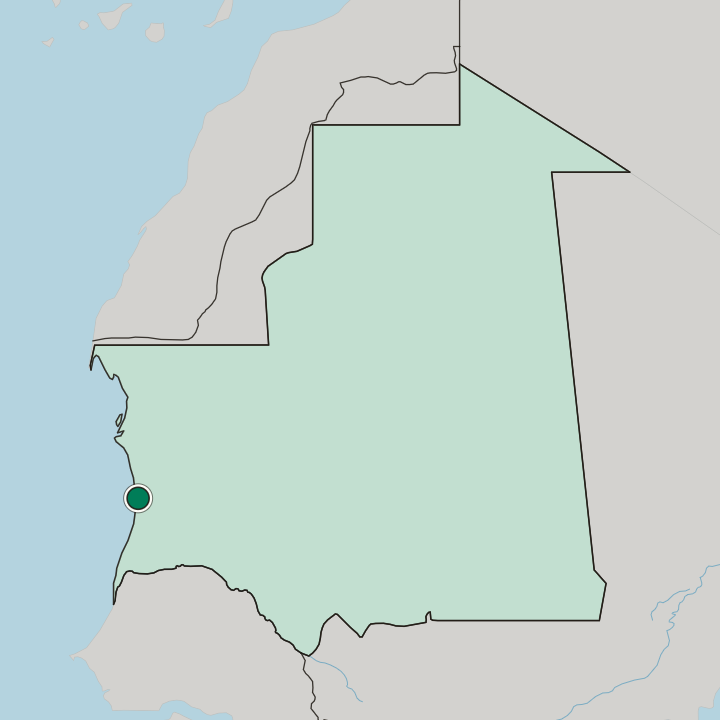
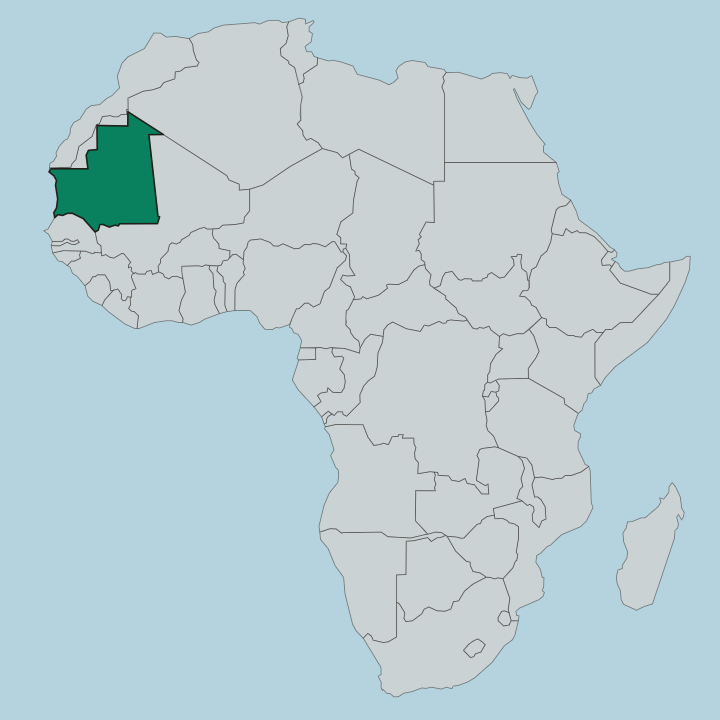
Nouakchott lies in the southwestern part of Mauritania, one of the largest cities in the Sahara, set on flat sand near the coast. The desert meets the sea here. The city spreads low and wide across the plain between the dunes and the water, with the deepwater port on its western edge.
Little relief breaks the ground. The Sahara runs inland from Nouakchott, and the coast holds the city to the west.
What is the climate of Nouakchott?
Nouakchott has a hot desert climate at the western edge of the Sahara. Rain rarely reaches the Mauritanian capital. Long dry spells hold over the sand of the Mauritanian capital, with only brief showers in the warm season, while the nearness of the coast softens the desert heat a little.
Dust blows in off the interior. The Sahara reaches to the streets of Nouakchott, and the sea air meets it at the deepwater port.
How do you get to Nouakchott?
Nouakchott is reached by air, sea, and road as the capital of Mauritania. The airport is the main gate. The Nouakchott-Oumtounsy International Airport carries the country's air links, one of its two international airports, while the deepwater port works sea traffic on the coast.
Roads run in across the Sahara. From the desert and the shore the routes converge on the flat centre of Nouakchott.
Common questions
What is the best area to stay in Nouakchott?
City centre: First-time visitors who want the National Museum of Mauritania and Saint Joseph Cathedral on foot. Ksar: Travellers who want the older streets of Nouakchott and the Stadium of Ksar. Port district: Visitors drawn to the coast and the working deepwater harbour.
Updated September 2026