Mauritius: Regions, Cities & Travel Guide
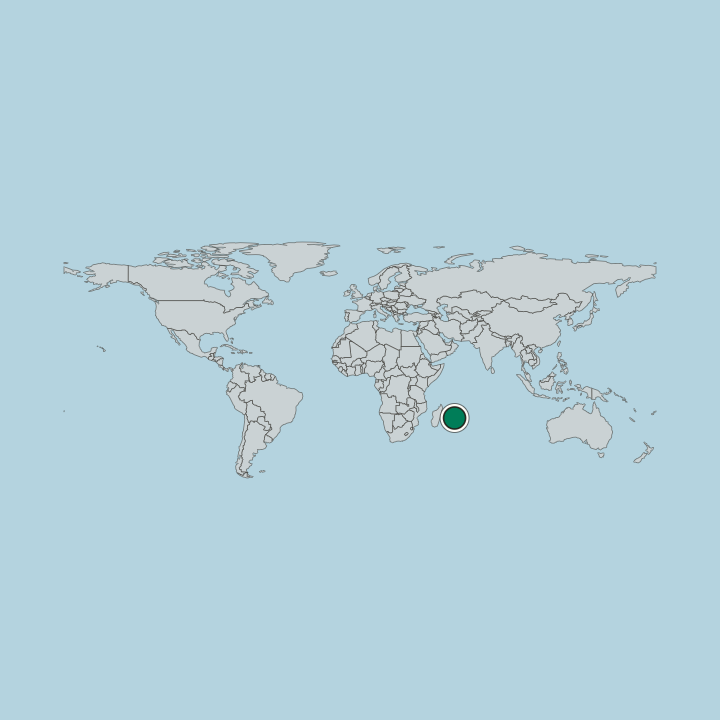
Mauritius is an island country in the Indian Ocean east of Madagascar, its capital and largest city being Port Louis.
Hotel links are affiliate links: booking through them may earn us a commission, at no extra cost to you. It never affects how places are ranked. How this works


Top destinations in Mauritius
One city to start from, then drill into its areas and hotels.
 Mauritius
Port Louis
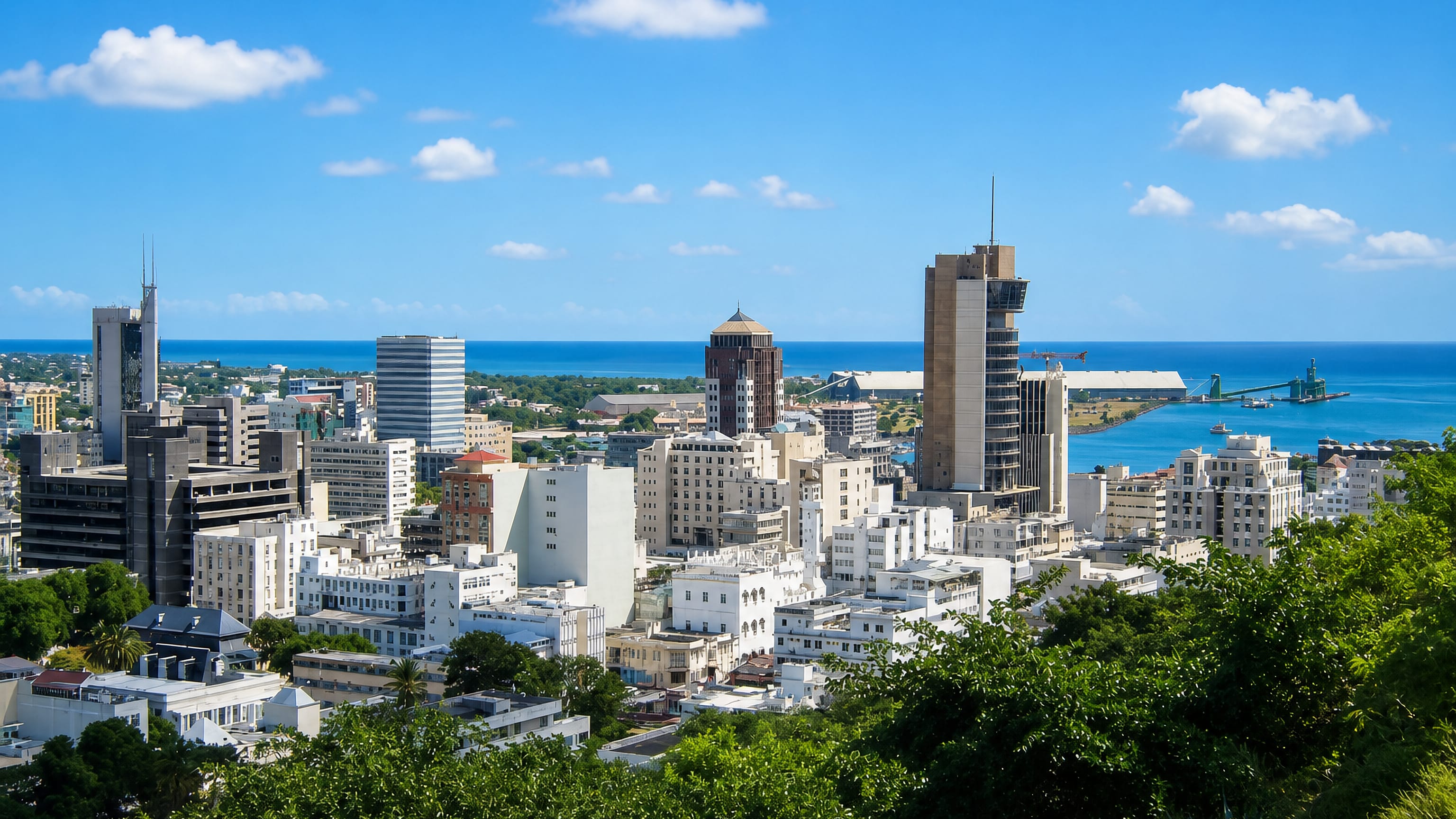
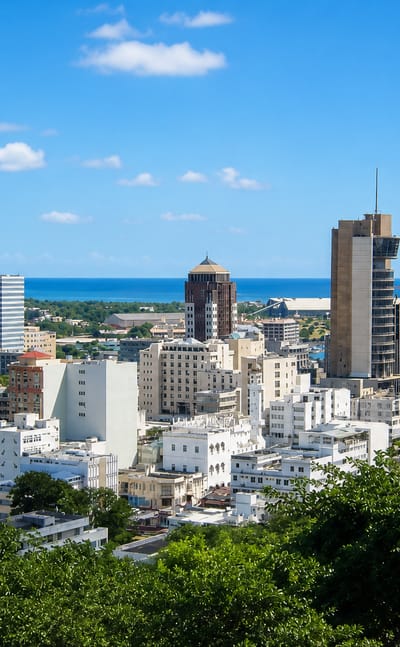
A bay ringed by mountains cradles Port Louis, the capital of Mauritius, a harbour city founded in 1735 in the Port Louis District.Where to stay →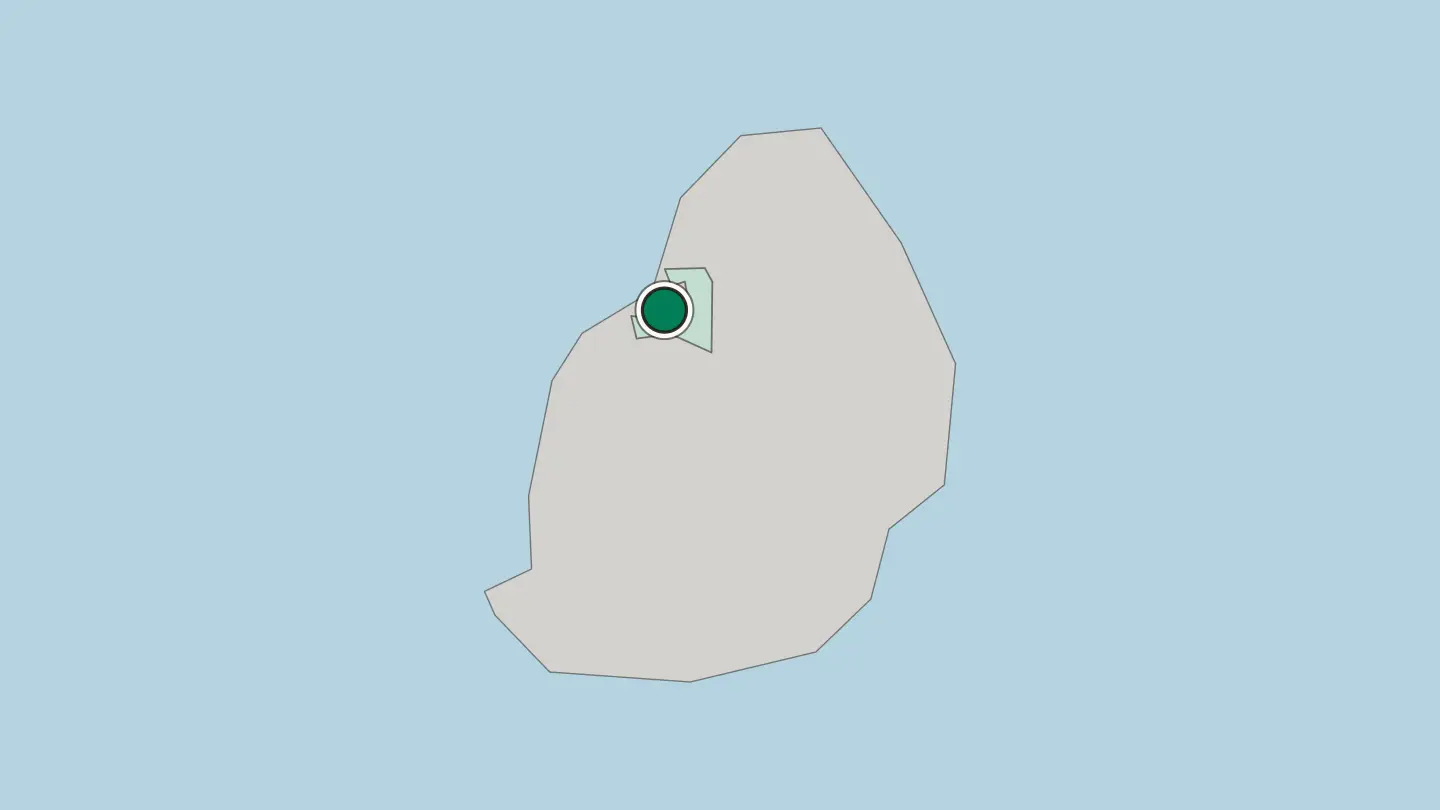
Hotel links are affiliate links: booking through them may earn us a commission, at no extra cost to you. It never affects how places are ranked. How this works
Browse by region
One region so far — open it to see its cities and towns.
About Mauritius
Reef-fringed lagoons ring the coast.
What is Mauritius known for?
Beach towns like Grand Baie in the north and Flic en Flac on the west draw most visitors, but the volcanic interior rewards those who climb inland. The peninsula of Le Morne Brabant rises over the south-west, while the forested ravines of the Black River Gorges shelter the last native ebony and endemic birds. Sugar cane still covers much of the lowland.
Kite-surfers, hikers, and reef-divers each find their corner of the island.
Where is Mauritius?
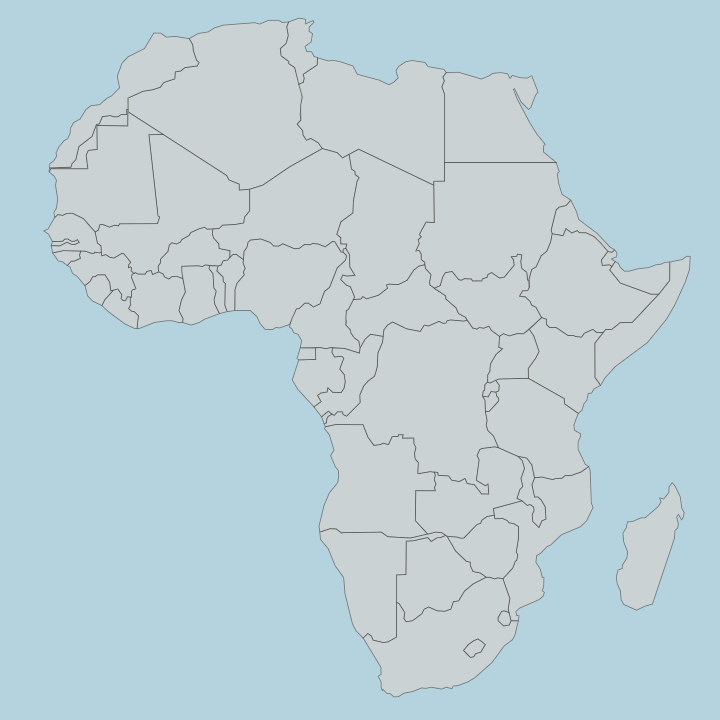
Mauritius sits alone in the western Indian Ocean, east of Madagascar and well off the African mainland. The main island is small and volcanic, and its shape tells the story of that origin: a broken ring of old lava mountains encircles a central plateau, and the land climbs from coastal plains toward it. The highest summit, Piton de la Petite Rivière Noire, stands in the south-west.
Sharper peaks punctuate the skyline elsewhere. The thumb-like Le Pouce rises behind Port Louis, and the sheer Le Morne Brabant juts into the sea at the south-west corner, a basalt monolith that was once a refuge for escaped slaves. Water and reef define the edges.
A near-continuous coral reef rings the island, holding a turquoise lagoon between shore and open sea, so most beaches face calm, shallow water. Short rivers run down from the plateau, cutting the deep ravines of the Black River Gorges, the largest tract of native forest left on the island. Beyond the main island the country reaches far across the ocean.
Rodrigues lies to the east, and with Réunion these islands form the Mascarene group, all sprung from the same volcanic hotspot. From reef to peak the whole place fits inside a single day's drive.
What is the history of Mauritius?
Mauritius had no native human population, and that blank slate shaped everything after. Arab and then Portuguese sailors charted the island, but the Dutch were the first to settle it, landing in 1598 and naming it for Prince Maurits. They cut its ebony forests, introduced sugar cane, and hunted the flightless dodo to extinction before abandoning the colony in 1710.
France took over next. Under the governor Mahé de La Bourdonnais the French built Port Louis into a naval base and shipbuilding centre, and worked the sugar estates with enslaved Africans and Malagasy. Britain seized the island in 1810 during the Napoleonic Wars and kept the French language, law, and Catholic Church largely in place.
Slavery ended in 1835, and to replace that labour planters brought hundreds of thousands of indentured workers from India to the cane fields. That migration remade the island's population and left its Indo-Mauritian majority. The country became independent on 12 March 1968, with Sir Seewoosagur Ramgoolam as its first prime minister, and later a republic.
Its history is written across a handful of centuries, not millennia.
What is Mauritius like?
Mauritius is a crossroads of peoples who arrived by ship, and the mix runs through daily life. Indentured labourers from India, enslaved and freed Africans, French planters, and Chinese traders each left a lasting mark. Kreol Morisien, a French-based creole, is the everyday tongue almost everyone speaks, while English serves as the language of government and French fills the newspapers and airwaves.
Faiths sit side by side. A Hindu temple, a mosque, a Tamil kovil, a church, and a Chinese pagoda can share one small town, and the calendar runs thick with festivals: Diwali lamps, Cavadee, Eid, Chinese New Year, and Christmas. The kitchen tells the same story of layered arrival.
Dholl puri, a soft split-pea flatbread wrapped around curry and chutney, is the street food everyone claims, alongside Chinese-style noodles, French pastries, and fiery rougaille tomato stews. Music carries the deepest memory. Séga, sung in creole to the beat of the ravanne drum, was born among enslaved Africans and remains the island's own sound, danced barefoot on the sand.
None of these strands has dissolved into the others. They coexist, distinct and interwoven at once. That plural texture is what people mean when they call the island Mauritian.
What is the climate of Mauritius?
Mauritius has a mild tropical climate cooled by the south-east trade winds. The Mauritian year falls into two seasons. A warm, humid summer runs roughly from November to April, and a drier, cooler winter fills the middle months, when the plateau around Curepipe turns noticeably fresher than the coast.
Cyclones can sweep in between January and March, bringing days of heavy rain. The windward east and the highlands catch far more rainfall than the sheltered western and northern shores. Sea temperatures stay swimmable all year.
How do you get to Mauritius?
Nearly every visitor to Mauritius lands by plane. Sir Seewoosagur Ramgoolam International Airport sits in the south-east, near Mahébourg, and handles the long-haul flights from Europe, the Gulf, Asia, and neighbouring African hubs. From there it is a road transfer to the coast: under an hour to Port Louis and the north, a little more to the west and the resort belt.
The island has no railway, so buses, taxis, and hire cars carry you around. Across the island, the drives stay short. Most corners lie within a couple of hours of the terminal.
Good for
Updated September 2026