Maldives · Kaafu Atoll
Where to Stay in Male, Kaafu Atoll
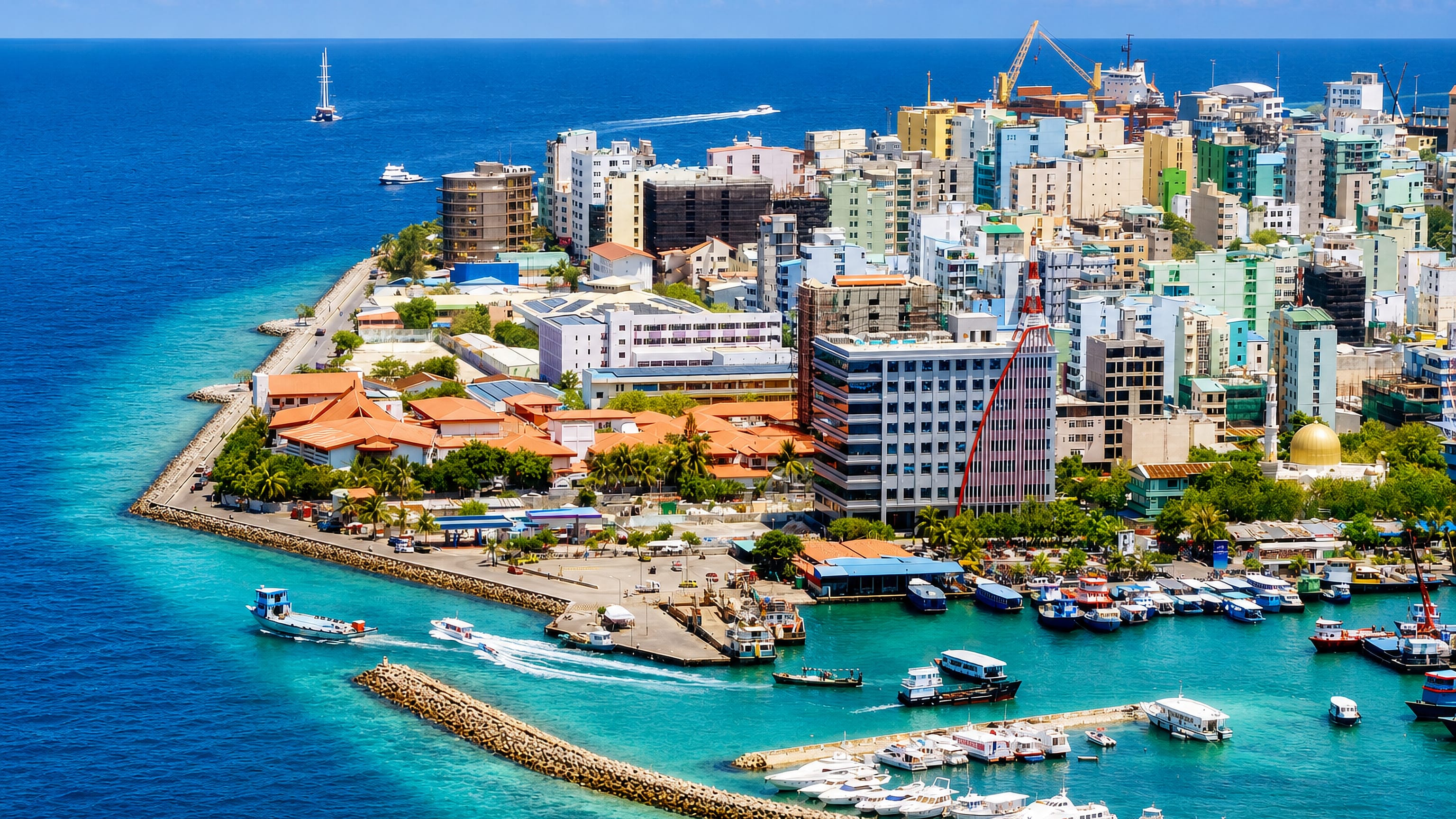
Narrow streets and colourful houses pack the islet of Malé, capital of the Maldives, at the southern rim of North Malé Atoll in Kaafu Atoll.
Hotel links are affiliate links: booking through them may earn us a commission, at no extra cost to you. It never affects how places are ranked. How this works


Where to stay in Male
Where the beds are, and what that means for the visit.
Malé fills a single islet, so staying in the city means staying in the thick of it. The dense street grid holds most of the capital's guesthouses and hotels, wound through narrow lanes and colourful houses within walking reach of the National Museum of Maldives and the markets. It suits travellers who want to feel the everyday life of the Maldives rather than a resort, and who accept close quarters over quiet, since the whole islet at the southern rim of North Malé Atoll is built up edge to edge.
The alternative lies just offshore. Many visitors use Malé only as the arrival point and cross by boat to the resort islands scattered through Kaafu Atoll, returning to the capital for the museum, the Galolhu National Stadium, or a walk in the old lanes. Beds in the city itself run to compact guesthouses.
For a stay grounded in local streets rather than a private island, the packed grid of Malé is the base.
Few places to stay in Male — most visitors book in Kaafu Atoll nearby.
Find hotels in Male
Direct booking search for this neighbourhood.
Hotel links are affiliate links: booking through them may earn us a commission, at no extra cost to you. It never affects how places are ranked. How this works
About Male
Malé is known as the dense island capital of the Maldives.
What is Male known for?
The city occupies the entire islet of Malé at the southern rim of North Malé Atoll, packed with narrow streets, colourful houses, and a strong communal feel. It is not a party place. The National Museum of Maldives and the Galolhu National Stadium hold its public life, and travellers who stop rather than transit find a distinctive character in the crowded lanes of Kaafu Atoll.
What are the main landmarks in Male?
Malé keeps its landmarks within the walkable grid of the islet. The National Museum of Maldives holds the country's collections in the heart of the capital, a short walk through the narrow streets from the harbour. Sport has its ground here too.
The Galolhu National Stadium anchors the city's matches and events, set among the colourful houses and packed lanes of the southern rim of North Malé Atoll.
What is the history of Male?
Malé has held its islet for many centuries. Settlement here is traced to the year 500, when the island at the southern rim of North Malé Atoll grew into the seat of the Maldives. Its position on the trade routes across the Indian Ocean gave a small coral island outsized weight, and generation by generation the capital filled every metre of ground with houses, mosques, and markets.
The island shaped the city. With no room to spread, Malé grew inward and upward, its narrow streets tightening over the centuries, until the whole islet of Malé was built edge to edge. The National Museum of Maldives keeps the record of that long history, from the early island kingdom to the modern capital of Kaafu Atoll.
Malé remained the country's centre throughout, the one dense city on a nation of scattered atolls.
Where is Male?
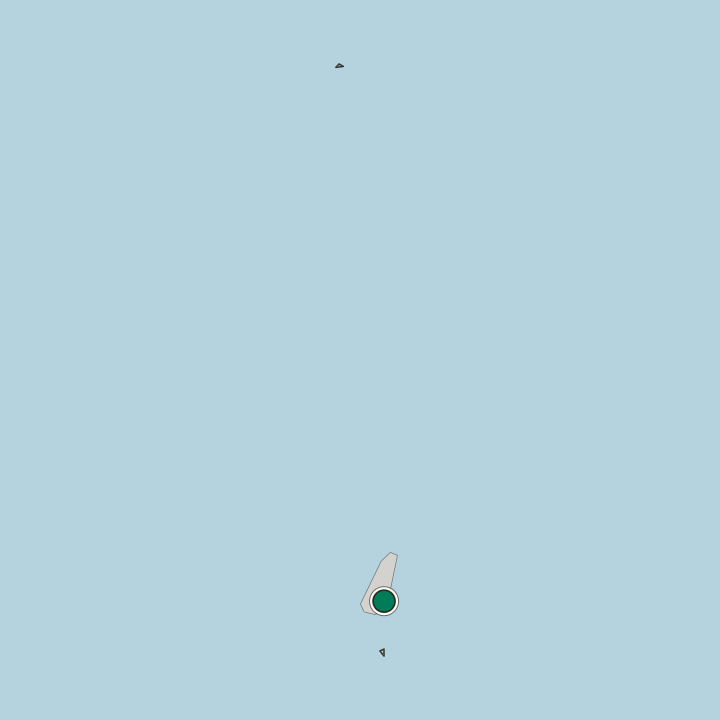
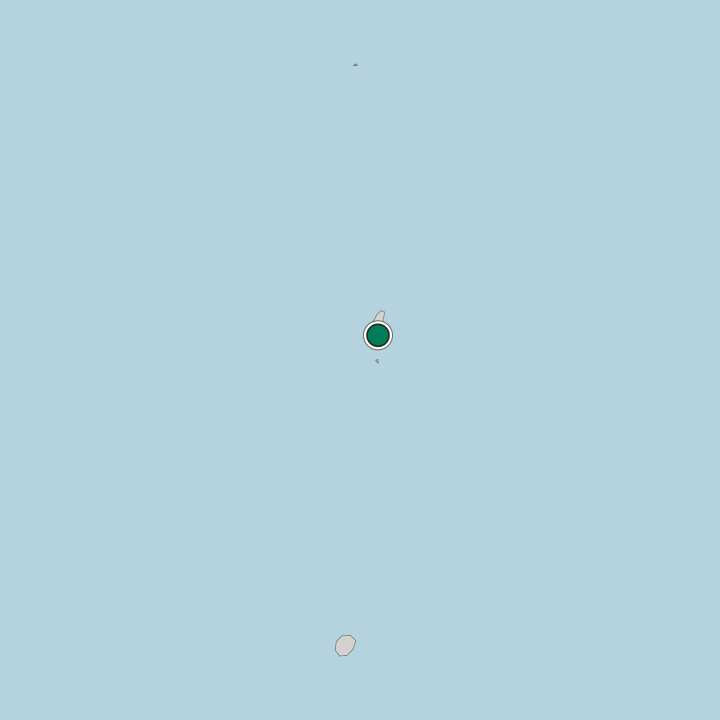
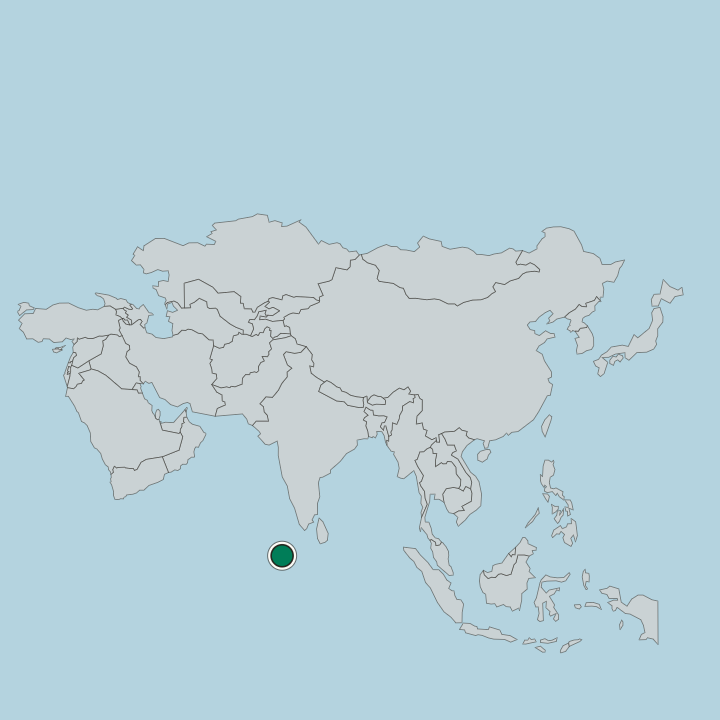
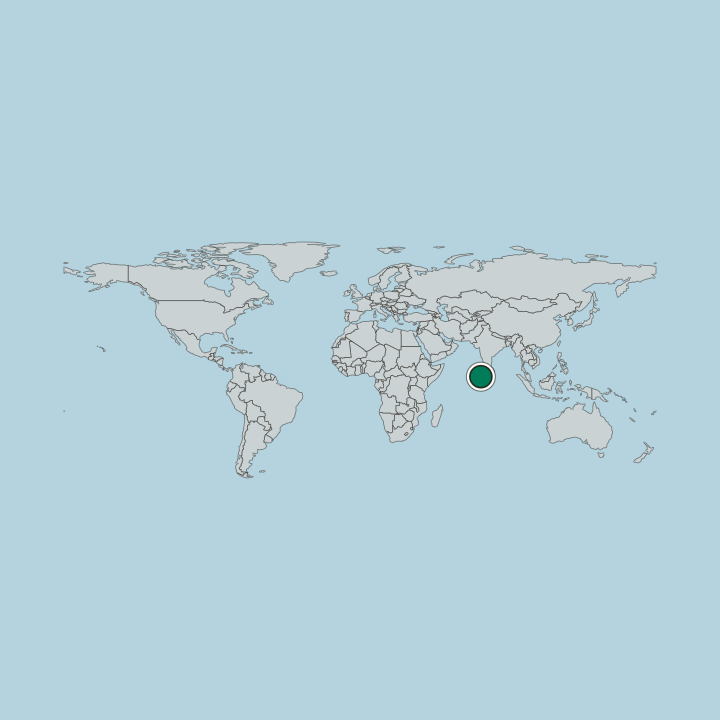
Malé occupies the entire islet of Malé at the southern rim of North Malé Atoll. The city fills a single low coral island in Kaafu Atoll, ringed by the Indian Ocean on every side and built up to its water's edge. Land is the scarce thing here.
With the whole islet given over to streets and houses, Malé has no countryside of its own, only the reef and lagoon of North Malé Atoll around it and the resort islands of the Maldives scattered beyond.
What is the climate of Male?
Malé has a tropical climate warmed by the Indian Ocean. The monsoon turns the year. A wetter southwest season brings the heavier rains and winds across North Malé Atoll, while a drier northeast season runs calmer and clearer, and the temperature stays hot and even through both.
The sea keeps the islet warm and humid the year round.
How do you get to Male?
Malé is reached by sea and air from across the Maldives. The country's main international airport sits on a neighbouring island in North Malé Atoll, linked to the capital by a short boat crossing and a causeway. Boats do the rest.
Ferries and speedboats connect Malé to the resort islands of Kaafu Atoll and the wider atolls, so nearly every visitor to the Maldives passes through the capital on the way in.
Common questions
What is the best area to stay in Male?
Malé island grid: everyday local life near the National Museum of Maldives and the markets. Kaafu Atoll resort islands: a private-island stay reached by boat from the capital.
Good for
Updated September 2026