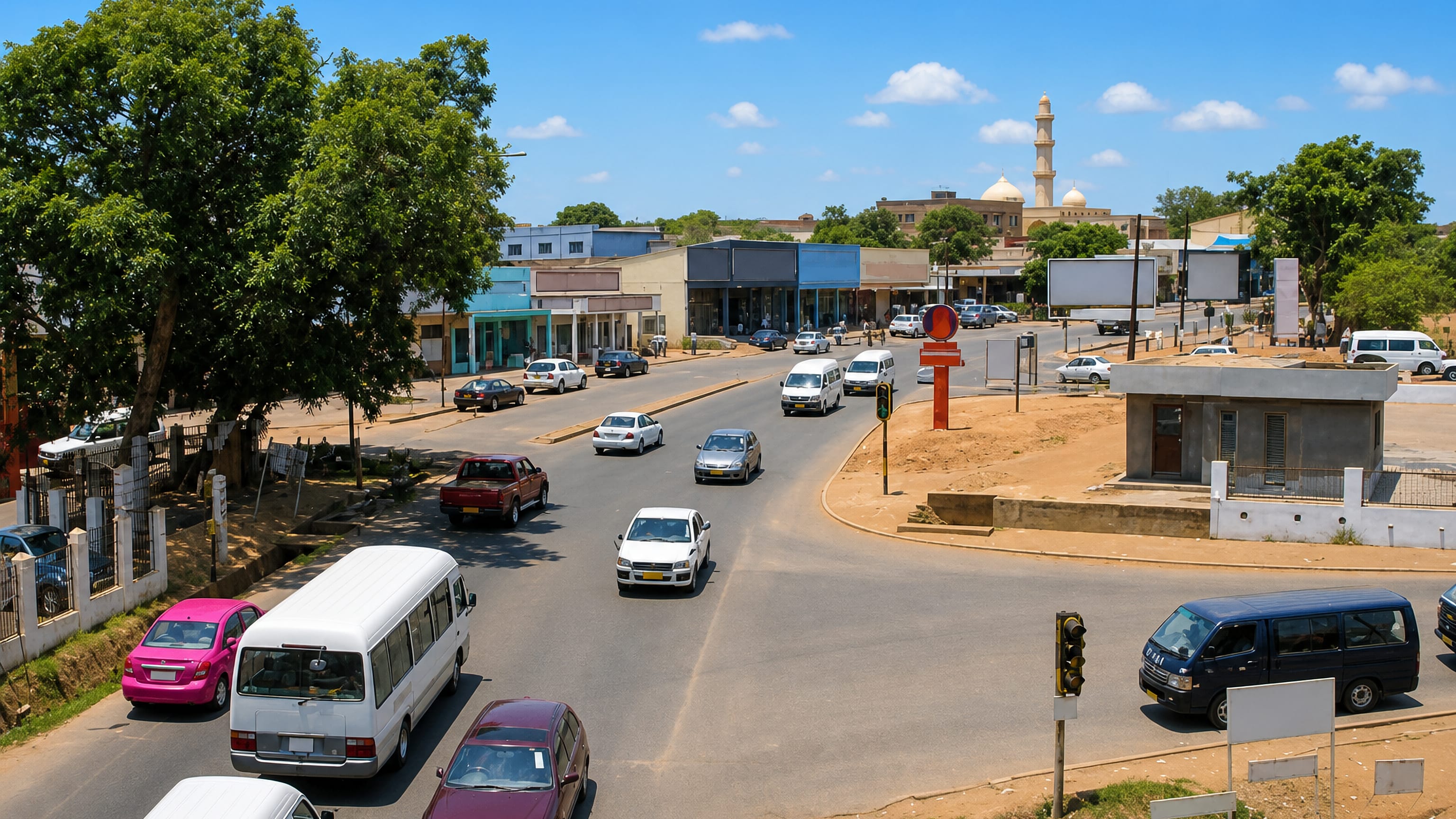
Malawi · Central Region
Where to Stay in Lilongwe, Central Region
Lilongwe is the capital of Malawi, a planned city on the Lilongwe River in the central plateau, split between an old market town and a government centre.
Hotel links are affiliate links: booking through them may earn us a commission, at no extra cost to you. It never affects how places are ranked. How this works


Where to stay in Lilongwe
Where visitors usually base themselves, and why.
Where you stay in Lilongwe turns on the Old Town or the centre. The Old Town keeps the markets, the mosque, and the riverside within a walk, and staying there suits anyone here for the markets. The river runs close by.
Stalls line the busy lanes. Out toward Capital Hill and the plateau, the town gives way to the government centre, the leafy suburbs, and the roads across the farmland. A room in the City Centre trades the market lanes for the wide avenues, the green gardens, and the quiet offices of the capital.
Past the avenues, the central plateau opens out toward the farmland. Stay in the Old Town for the markets, or in the centre for calm. The Old Town and the green plateau hold the capital city.
Find hotels in Lilongwe
Direct booking searches for these neighbourhoods.
The Old Town
In the old market townFind hotels in The Old TownStays wanting the offices and calmThe City Centre
By Capital HillFind hotels in The City CentreHotel links are affiliate links: booking through them may earn us a commission, at no extra cost to you. It never affects how places are ranked. How this works
About Lilongwe
Lilongwe is the capital city of Malawi.
What is Lilongwe known for?
On the Lilongwe River in the central plateau of the country, it grew from an old market town into the national capital, and it keeps the busy Old Town of its markets, the modern government centre on Capital Hill, the tobacco trade of the plateau, and the wildlife sanctuary along the river. The Lilongwe River threads through the middle of the city. Markets fill the streets.
What are the main landmarks in Lilongwe?
The Old Town is the pride of Lilongwe. The busy Old Town with its markets, its mosque, and its riverside stalls is the lively heart of the city, downtown. A wildlife sanctuary lines the river.
The nature sanctuary along the Lilongwe River shelters its animals in the middle of the town nearby, while the government centre, the tobacco floors, and the plateau farms mark the country around Lilongwe.
What is the history of Lilongwe?
A village stood on the river. Long ago a small town grew on the Lilongwe River, a market for the farms of the central plateau, on the road across the country. The town grew as a market.
Under colonial rule it became a trading centre of the plateau, drawing the farmers and the traders of the land around. The capital moved here. In the last century the country chose Lilongwe as its new capital, and a modern city was laid out on the plateau, with a government centre on Capital Hill north of the Old Town.
Tobacco built the trade. The tobacco of the plateau came in to the markets and the floors, and Lilongwe grew as the capital of Malawi, keeping its Old Town, its river, and its plateau. The river still runs through.
Lilongwe keeps its capital city on the plateau.
Where is Lilongwe?
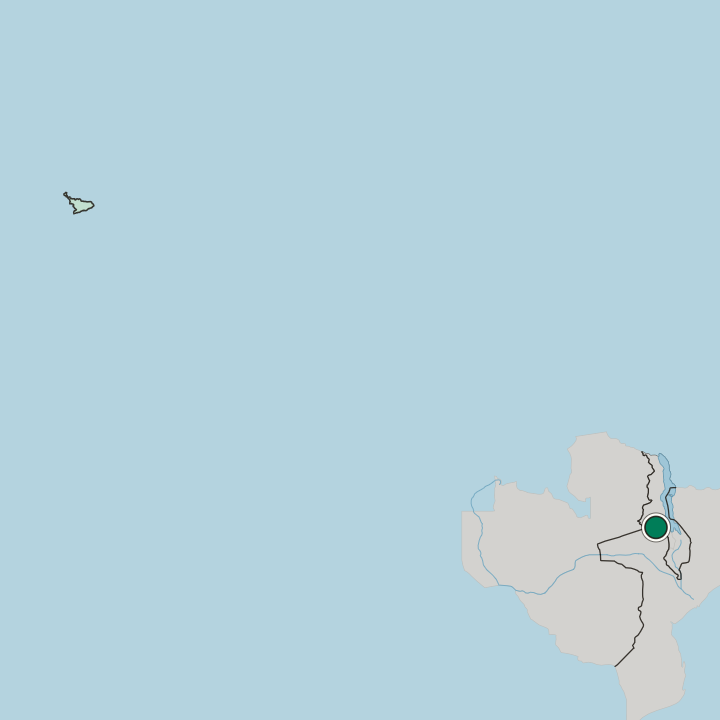
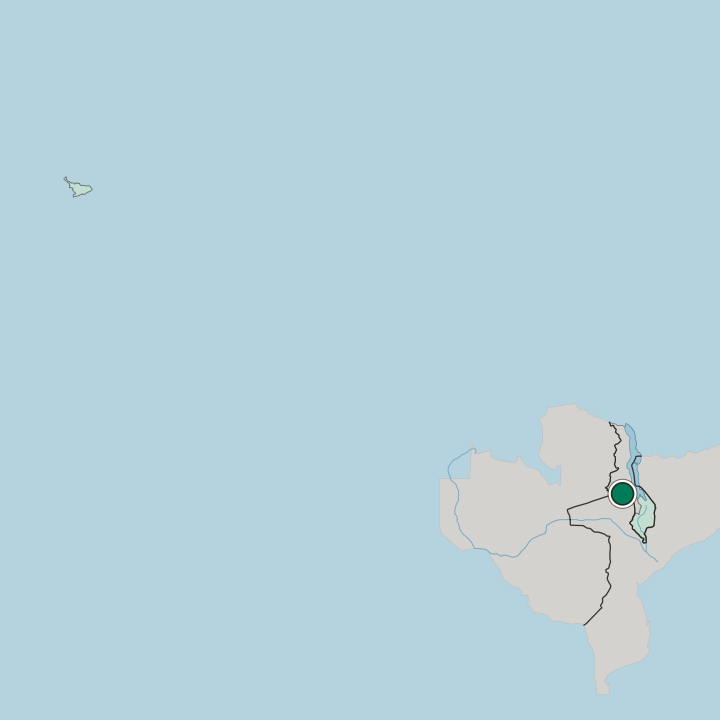
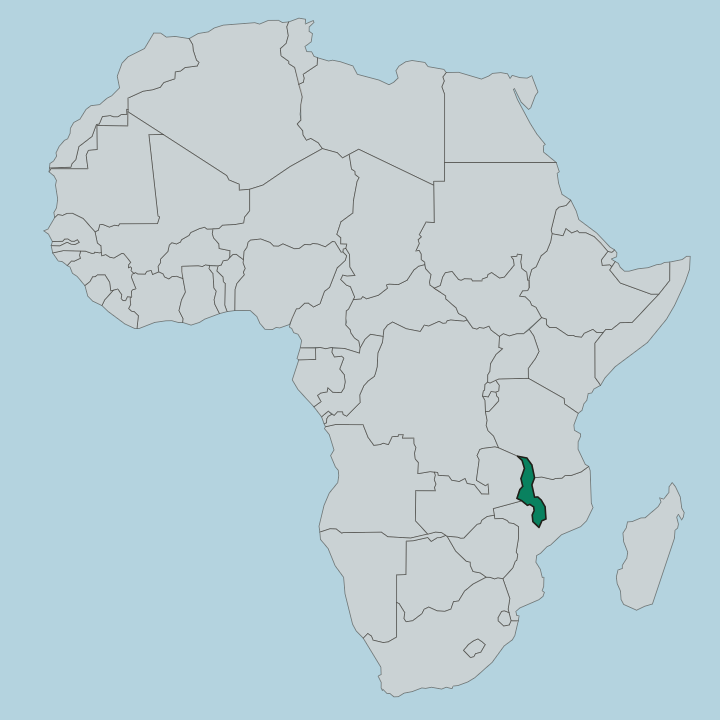
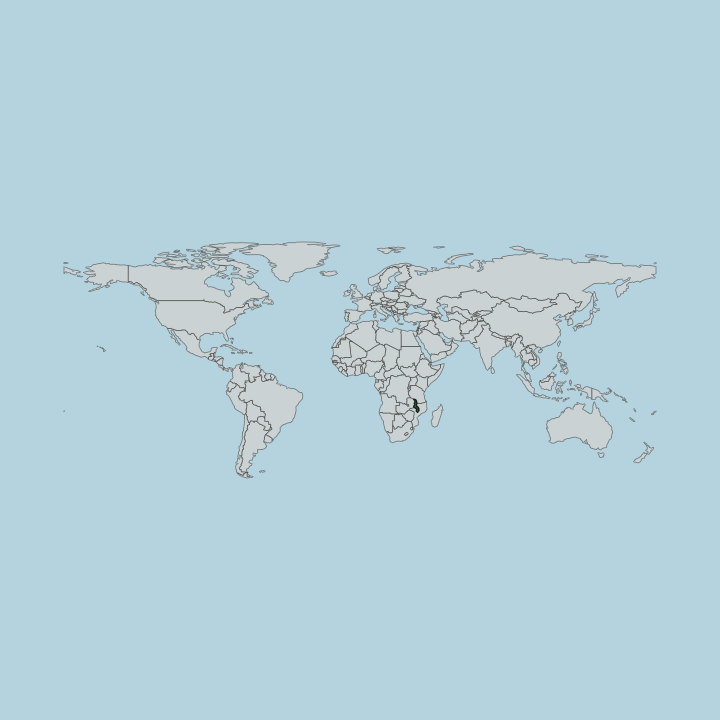
Lilongwe lies in the centre of Malawi, on the Lilongwe River. The city sits on the high central plateau of the country, on the banks of the Lilongwe River, in a land of farms and miombo woodland, with the plateau stretching away on every side and the low hills rising along the horizon. Green plateau rolls wide.
The river winds through.
What is the climate of Lilongwe?
Lilongwe has a mild, subtropical highland climate. Warm wet summers and cool dry winters cross the plateau, with a green rainy season and clear cool nights in winter. The rains green the plateau.
Winter's chill arrives after dark.
How do you get to Lilongwe?
Lilongwe lies in central Malawi, on the road to Lake Malawi. The highway and the roads run to it from Blantyre and the lake, and an airport serves the town. Roads cross the plateau.
Blantyre lies south down the road.
Common questions
What is the best area to stay in Lilongwe?
The Old Town: Visitors here for the markets and river. The City Centre: Stays wanting the offices and calm.
Good for
Updated September 2026