Malawi: Regions, Cities & Travel Guide
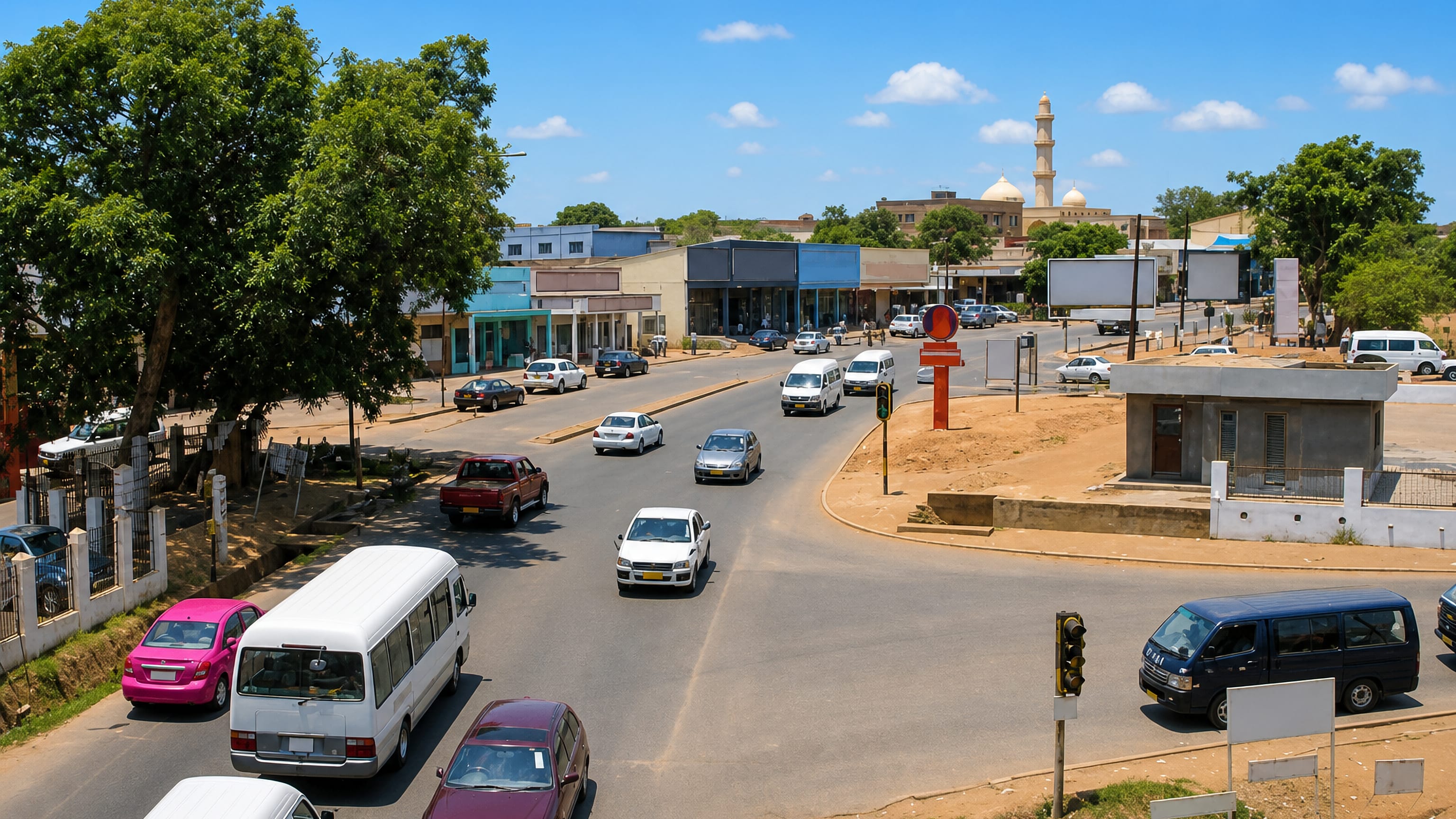
Malawi is a landlocked country in Southeast Africa, its long eastern edge tracing the shore of Lake Malawi.
Hotel links are affiliate links: booking through them may earn us a commission, at no extra cost to you. It never affects how places are ranked. How this works


Top destinations in Malawi
Cities to start from, then drill into areas and hotels.

 Malawi
Lilongwe
Lilongwe is the capital of Malawi, a planned city on the Lilongwe River in the central plateau, split between an old market town and a government centre.Where to stay →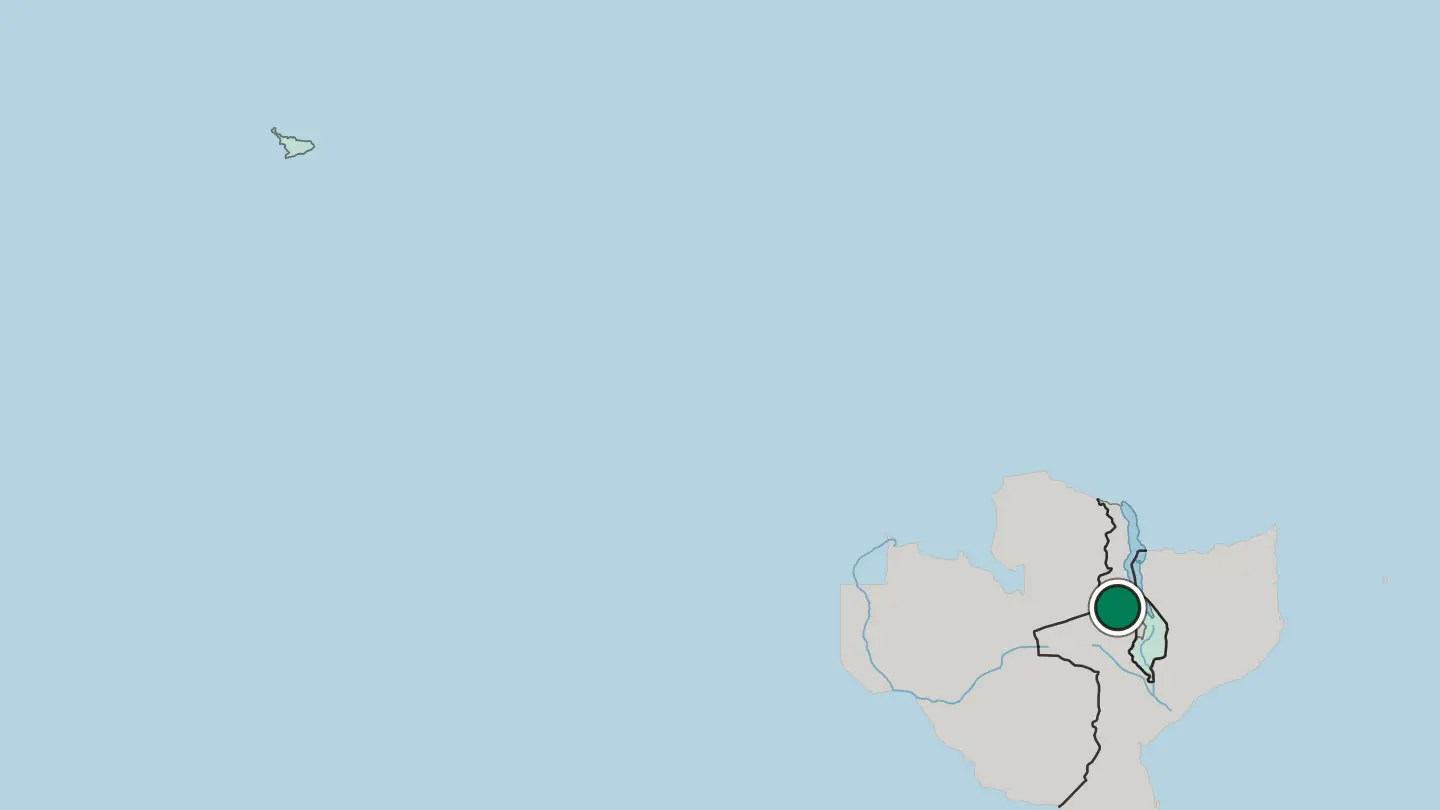
 Malawi
Blantyre
Blantyre is the commercial city of Malawi in the Shire Highlands, the country's oldest town, founded by Scottish missionaries near Mount Mulanje.Where to stay →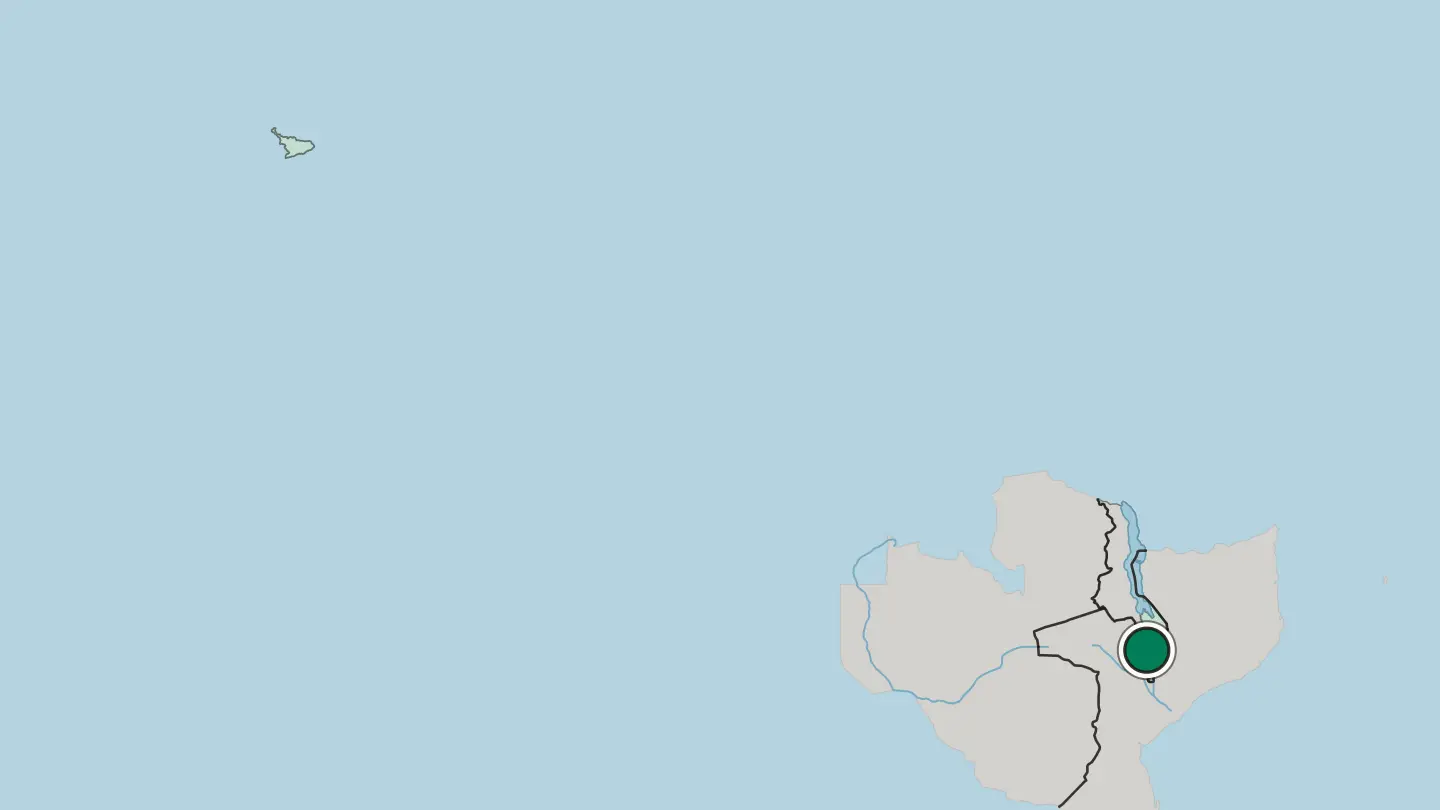
Hotel links are affiliate links: booking through them may earn us a commission, at no extra cost to you. It never affects how places are ranked. How this works
Regions of Malawi
Malawi
Central Region
Lilongwe, capital of both Central Region and Malawi, anchors a flat plateau region with an outlet on Lake Malawi.Towns & cities →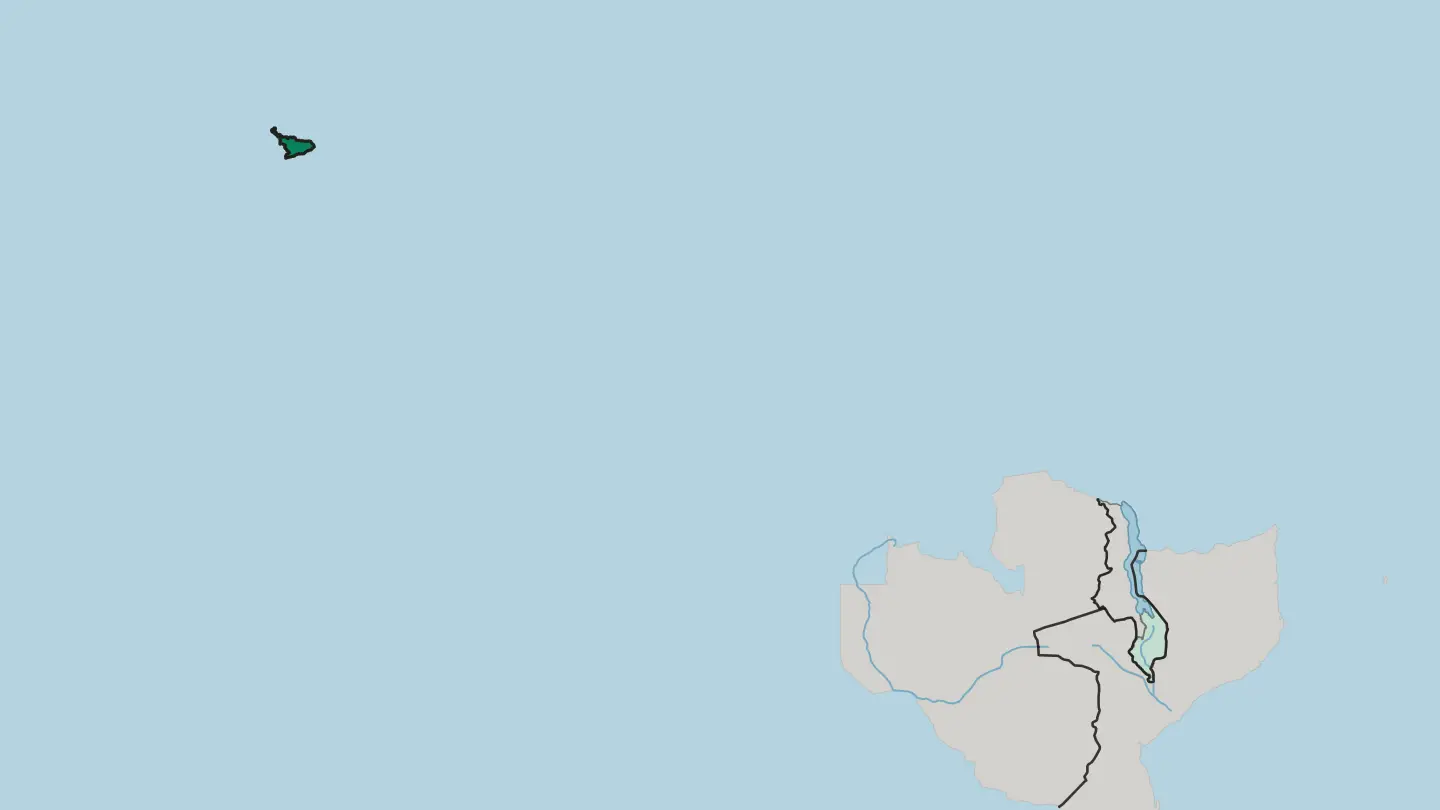 Malawi
Southern Region
Lakes Malawi, Malombe and Chilwa edge the Southern Region, whose capital Blantyre is also the commercial capital of Malawi.Towns & cities →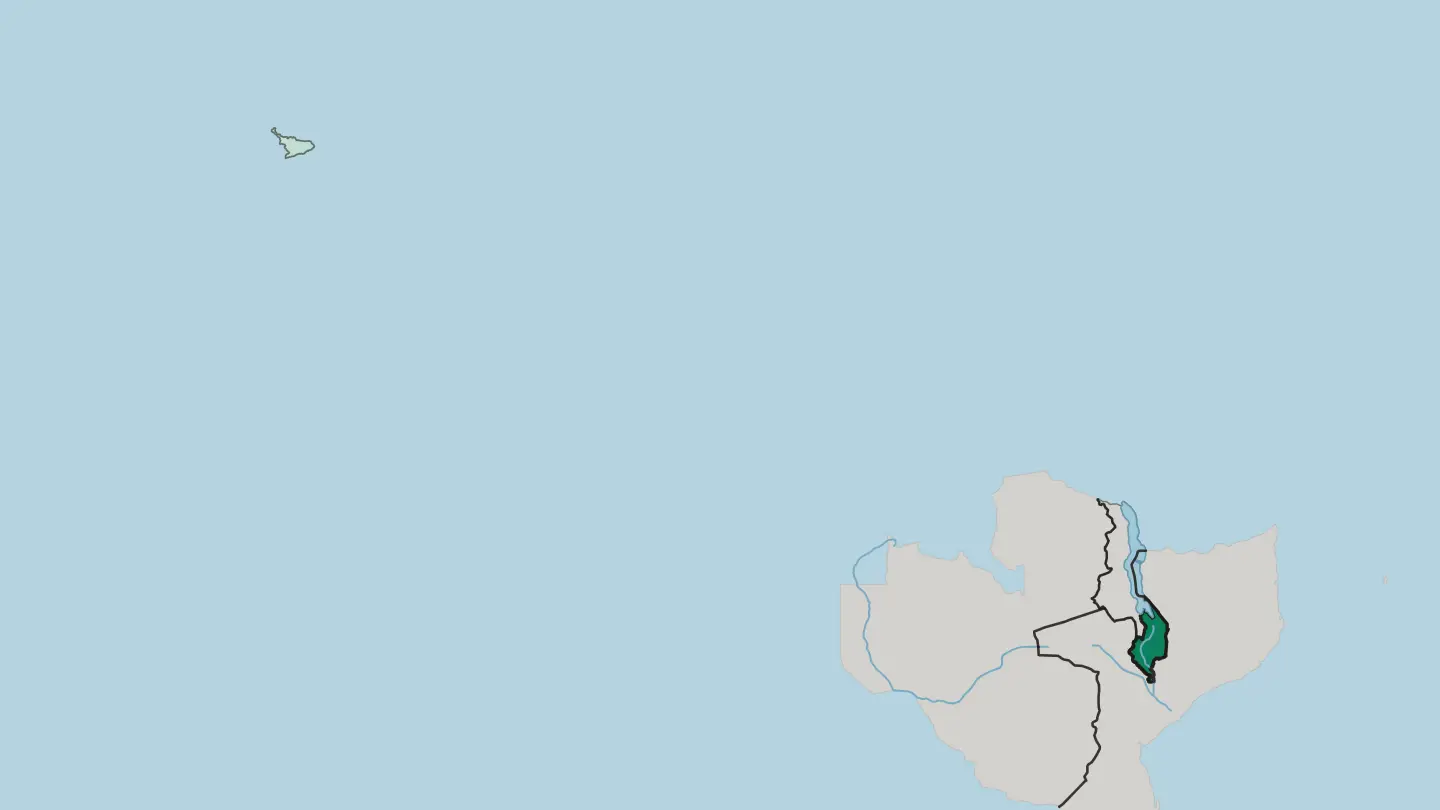
About Malawi
Malawi is known above all for its lake.
What is Malawi known for?
Lake Malawi fills the Rift Valley trough down the country's eastern flank and holds more freshwater fish species than any other lake on earth. Beyond the water, the land climbs to the granite dome of the Mulanje Massif in the south and the high grasslands of the Nyika Plateau in the north. Lilongwe is the capital, Blantyre the commercial hub. People call it the Warm Heart of Africa.
Where is Malawi?
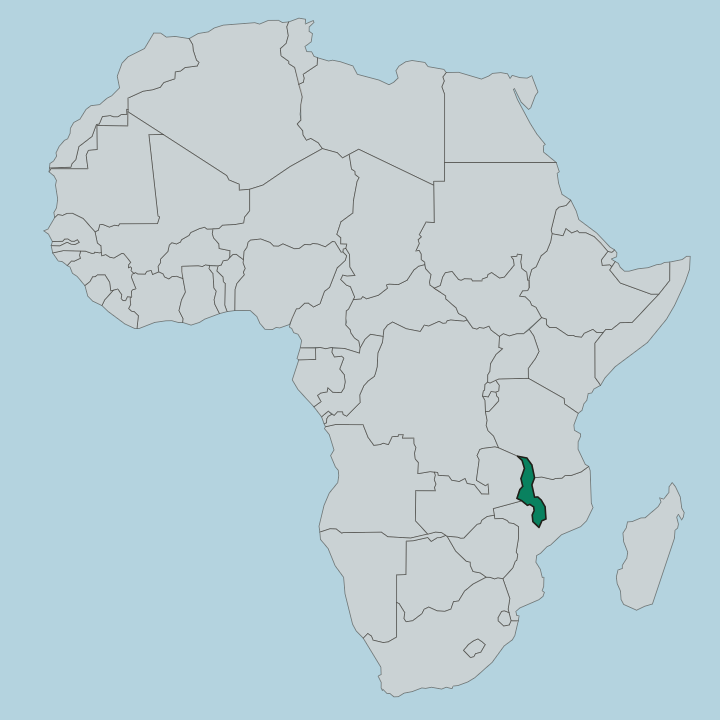
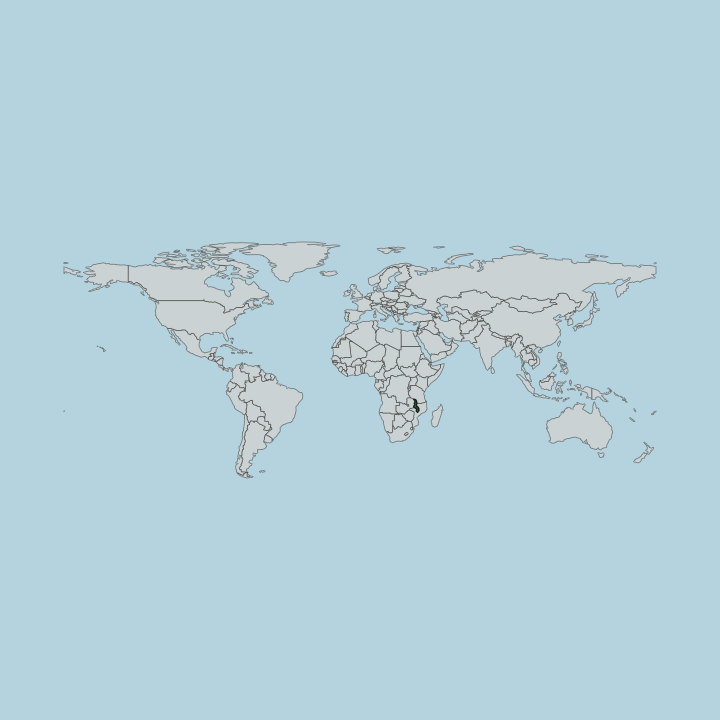
Malawi is a narrow, elongated country in Southeast Africa, hemmed in by Zambia to the west, Tanzania to the north, and Mozambique wrapping its eastern and southern sides. Its defining feature is the East African Rift Valley, a vast trough that runs the length of the land from north to south and holds Lake Malawi along most of the eastern border. The lake is enormous.
It covers roughly a fifth of the country's total area and drops away to great depths against the escarpment. West of the water the ground rises into the central plateaus, rolling farmland at moderate elevation where Lilongwe and much of the population sit. Higher still stand isolated highlands.
The Nyika Plateau and Viphya Mountains crown the north, while the Shire Highlands around Zomba lift the south. From the lake's southern tip the Shire River drains away through shallow Lake Malombe, gathering tributaries as it falls toward the Zambezi in Mozambique. The country's roof is the Mulanje Massif, a granite inselberg whose highest peak, Sapitwa, tops every other point in Malawi.
Its bare domes rise straight from the plain. Between lake, plateau, and mountain the terrain shifts quickly, packing tropical shore, temperate upland, and montane grassland into a strip you can cross in a day's drive.
What is the history of Malawi?
The country's name reaches back to the Maravi, a Chewa confederacy that spread across the Shire Highlands and the land west of the lake from around the fifteenth century. Its rulers, the Kalonga, held sway over trade routes toward the coast for generations before the state fragmented. Slave raiding tore at it next.
Yao and Swahili traders pushed inland during the nineteenth century, and it was into this that David Livingstone arrived, reaching Lake Malawi in 1859 and drawing Scottish missionaries after him. Britain declared a protectorate in 1891, ruling first as British Central Africa and, from 1907, as Nyasaland. The colonial decades bred deep grievance.
Land was taken for settler estates, labour drained south to the mines of Rhodesia and South Africa, and in 1915 the preacher John Chilembwe led a short, doomed rising against the order. Resentment hardened when Nyasaland was bound into the Federation of Rhodesia and Nyasaland in 1953, a union Africans across the territory opposed. Hastings Banda returned from decades abroad to lead that opposition, and the federation was dissolved.
Independence came on 6 July 1964, when Nyasaland took the name Malawi. Banda then ruled as a one-party strongman until multiparty elections in 1994 ended his grip. Zomba, the old colonial capital, gave way to Lilongwe in the 1970s.
What is Malawi like?
Malawi's culture runs on the languages and rituals its peoples carried into the region. The Chewa are the largest group, and their tongue, Chichewa, serves as a national language understood almost everywhere alongside official English. Other peoples give each region its own grain.
The Tumbuka hold the north, the Yao settled the south-eastern lakeshore and brought Islam with them, and the Ngoni arrived in the nineteenth century from Zulu country to the south, keeping their war dances and drumming. Among the Chewa the Nyau secret society stages the Gule Wamkulu, a masked dance of towering figures performed at funerals and initiations that stands among the region's most striking rituals. Food is plainer and universal.
The staple is nsima, a stiff porridge of pounded maize, eaten by hand with relishes of beans, greens, and stew, and most often with fish from the lake. Chambo, a bream found only in these waters, is the dish people ask for by name, while tiny dried usipa are fried whole. The lake feeds the table as much as the imagination.
Craft carries the same weight, from the woodcarvers of Mua to the reputation for openness that earned the country its nickname as the Warm Heart of Africa.
What is the climate of Malawi?
Malawi sits in the tropics, and its year splits cleanly in two. A dry season runs from May to October, bringing warm days, cool nights, and clear skies, while the wet season from November to April turns hot and humid with afternoon thunderstorms. Altitude matters as much as the calendar.
The lakeshore stays warm and sticky year-round, but the Nyika Plateau and the heights of the Mulanje Massif can turn genuinely cold, with frost on the highest ground. Elevation, not distance, decides the weather here.
How do you get to Malawi?
Nearly all visitors arrive by air. Kamuzu International Airport, north of Lilongwe, takes the bulk of international traffic, with connections through Johannesburg, Nairobi, and Addis Ababa; Chileka near Blantyre handles the rest and a short hop links the two. Overland routes cross from Zambia, Tanzania, and Mozambique for those already touring the region.
From the gateway cities, roads and light aircraft reach the lakeshore and the parks. Distances are modest by African standards.
Good for
Updated September 2026