Mozambique · Sofala Province
Where to Stay in Beira, Sofala Province
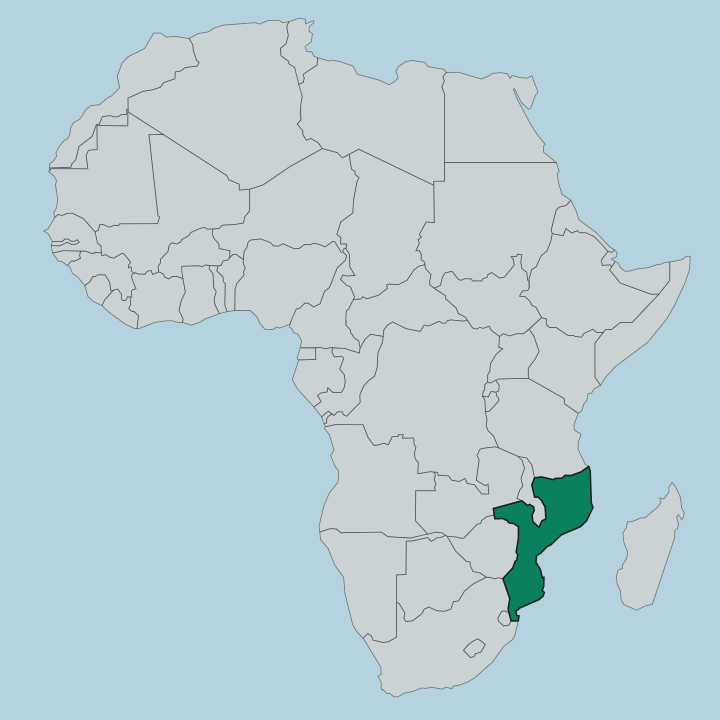
Beira is a port city of central Mozambique, the country's second city, a colonial harbour on the Indian Ocean at the mouth of the Pungwe.
Hotel links are affiliate links: booking through them may earn us a commission, at no extra cost to you. It never affects how places are ranked. How this works


Where to stay in Beira
Where visitors usually base themselves, and why.
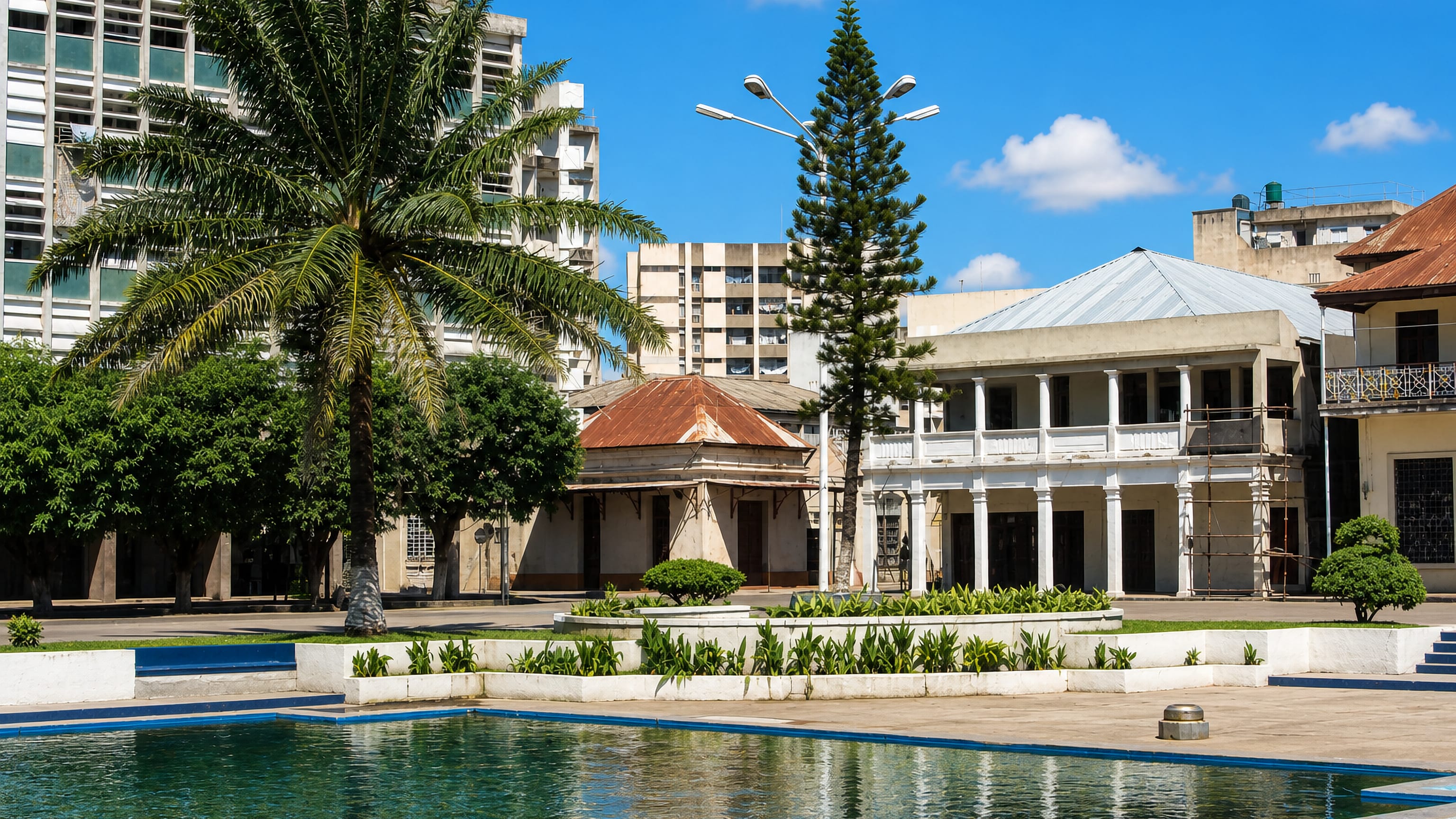
Where you stay in Beira turns on the old town or the beach. The streets around the centre keep the art-deco buildings, the market, and the cathedral within a walk, and staying downtown suits anyone here for the old port city. The old town stands faded.
Ships crowd the harbour. Out toward Macúti and the shore, the town gives way to the beach hotels, the lighthouse, and the ocean front. A room by the sea trades the streets for the long beach, the warm ocean, and the old wreck in the surf.
The tide runs far out. Stay downtown for the old town, or by the sea for the beach. The old town and the beach sit a short drive apart in Beira.
Find hotels in Beira
Direct booking searches for these neighbourhoods.
The old town
Around downtownFind hotels in The old townStays wanting the ocean and lighthouseMacúti beach
Out where Macúti's beachfront faces the oceanFind hotels in Macúti beachHotel links are affiliate links: booking through them may earn us a commission, at no extra cost to you. It never affects how places are ranked. How this works
About Beira
Beira is the ocean port of central Mozambique.
What is Beira known for?
On the Indian Ocean where the Pungwe and Buzi rivers reach the sea, it grew as the great harbour of the centre and the outlet of landlocked lands inland, and it keeps a busy deep-water port, the faded art-deco buildings of its colonial heart, the long Macúti beach with its lighthouse and old wreck, and the rail and road of the Beira corridor running to Zimbabwe. The wide sea rolls to the shore. The flat coast runs to the tide.
What are the main landmarks in Beira?
The Macúti beach is the seaside of Beira. The long ocean strand on the town's edge, marked by an old lighthouse and the rusting hulk of a wrecked ship in the surf, draws the city to the water, the emblem of the coast, on the shore. Art-deco streets fill the centre.
The faded colonial buildings of the old town line the avenues inland, while the deep-water port, the grand ruined hotel, and the cathedral mark the country around Beira.
What is the history of Beira?
Beira rose on an old trading coast. Long before the town, Swahili and Arab traders worked the Sofala shore just south, shipping the gold of the interior across the sea, and the Portuguese later chose this river mouth for a modern port. A company built the city.
Under the Mozambique Company grand offices, hotels, and wharves went up in the new port, and a railway was driven inland to carry goods to and from the lands beyond. It was the inland railway that turned Beira into a city. As the outlet for landlocked Rhodesia and the interior, the port grew rich on the trade of the corridor, and a bright colonial city of art-deco streets spread along the shore.
But the sea is hard on it. Storms and cyclones batter the low coast, and the great old hotel fell to ruin, yet Beira held on as the second city of Mozambique, keeping its port, its corridor, and its ocean beach. The ships still crowd the harbour.
Beira keeps its port and its corridor on the coast of Mozambique.
Where is Beira?
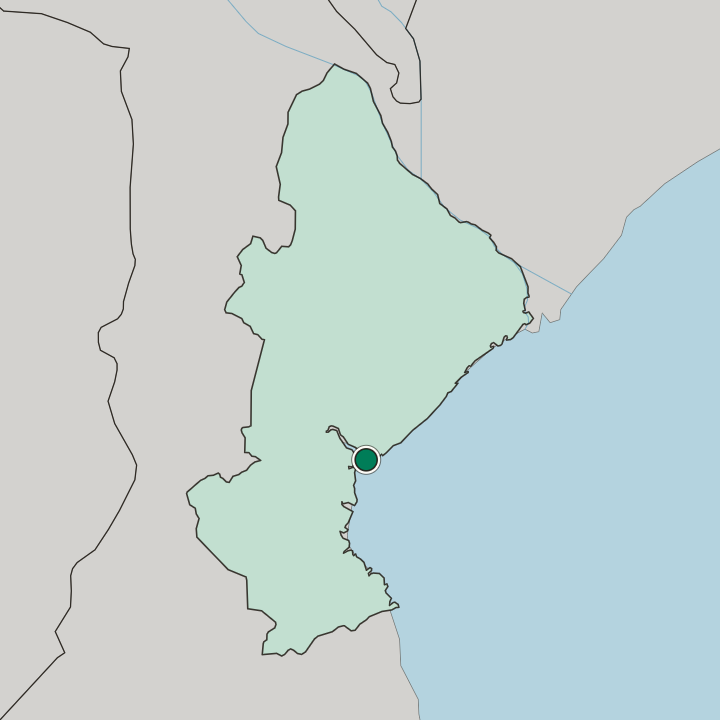
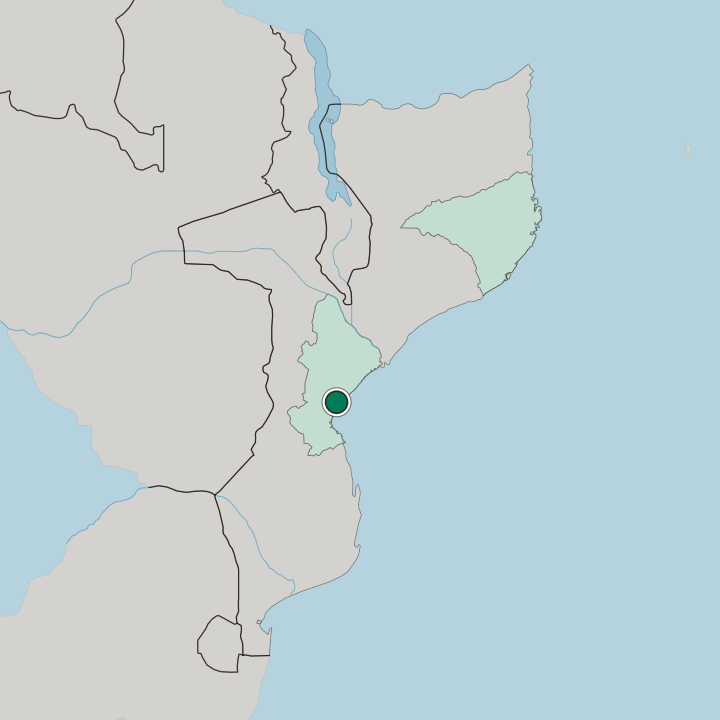
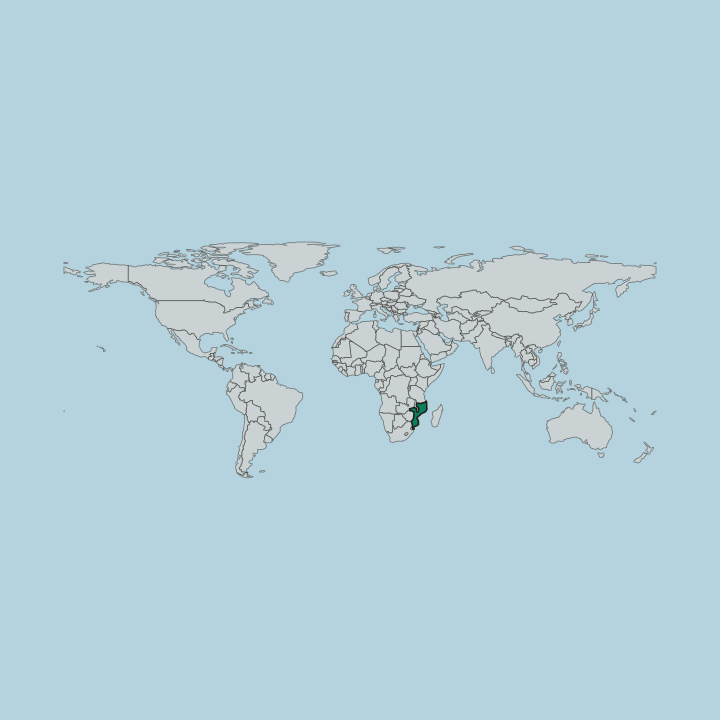
Beira lies in central Mozambique, on the Indian Ocean at the mouth of the Pungwe. The city sits on a low flat coast of sandbars and mangrove where the Pungwe and Buzi rivers spill into a wide bay, barely above the tide, with the warm ocean to the east and marshy plains inland. The sea laps the low shore.
Flat wetlands stretch behind.
What is the climate of Beira?
The climate at Beira is tropical, hot and heavy with rain. Warm damp weather holds all year on the coast, with a heavy rainy season and the risk of a cyclone off the ocean in the hot months. The wet season brings storms.
Dry months stay warm and clear.
How do you get to Beira?
Beira sits on the coast of central Mozambique, at the mouth of the Pungwe. Ships, road, and rail all reach its port, the corridor running inland to Zimbabwe and its own airport bringing flights down the coast. Cargo ships and small boats keep the Pungwe mouth busy.
Zimbabwe lies west up the corridor.
Common questions
What is the best area to stay in Beira?
The old town: Visitors here for the art-deco centre and port. Macúti beach: Stays wanting the ocean and lighthouse.
Good for
Updated September 2026