Mozambique: Regions, Cities & Travel Guide
Mozambique is a Southeast African country on the Indian Ocean, its long coast and Maputo capital facing the Mozambique Channel.
Hotel links are affiliate links: booking through them may earn us a commission, at no extra cost to you. It never affects how places are ranked. How this works


Top destinations in Mozambique
Cities to start from, then drill into areas and hotels.
 Mozambique
Maputo
Colonial palaces and concrete towers rise above the port at Maputo, capital of Mozambique, known for the Polana church and its harbourside centre.Where to stay →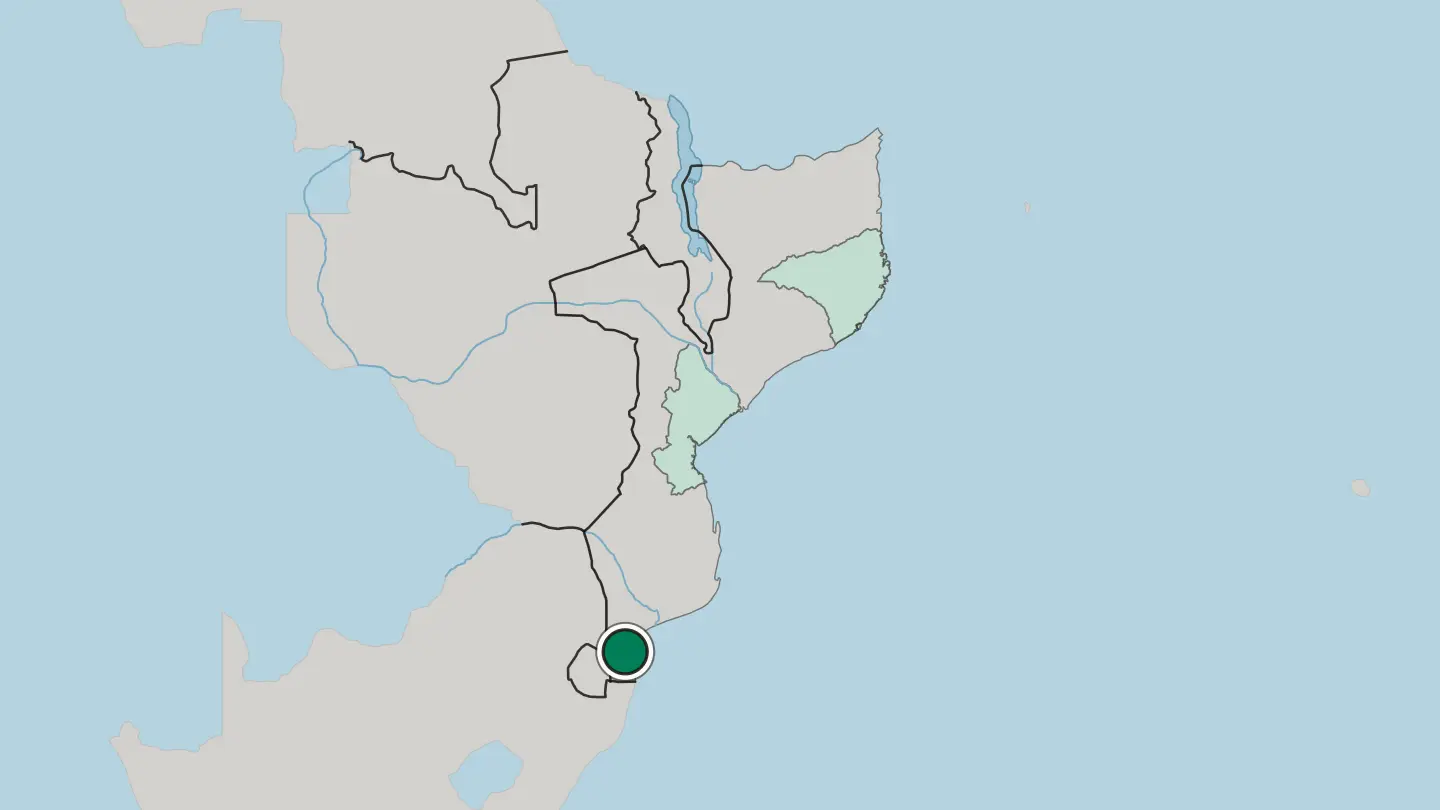
 Mozambique
Beira
Beira is a port city of central Mozambique, the country's second city, a colonial harbour on the Indian Ocean at the mouth of the Pungwe.Where to stay →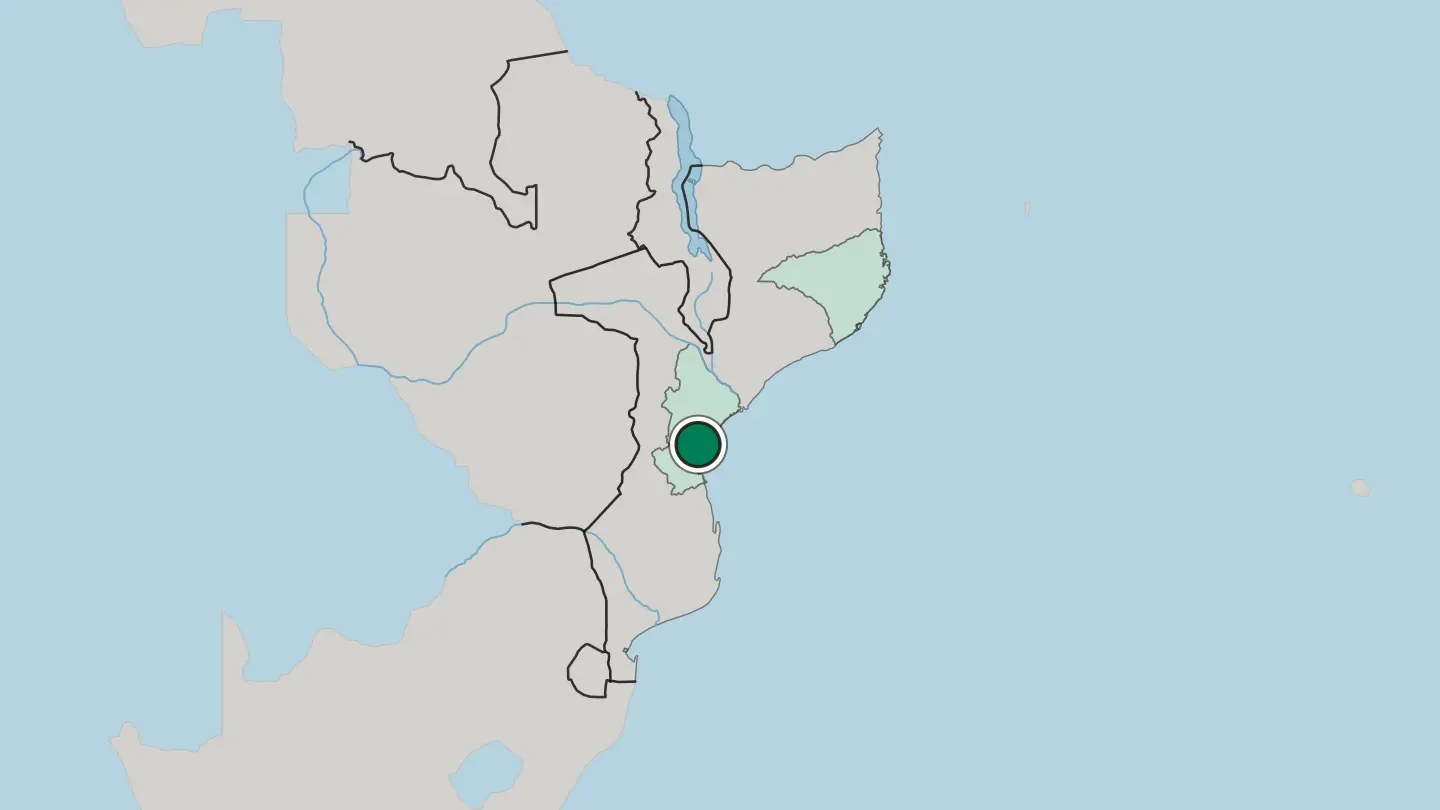 Mozambique
Mozambique
Mozambique is the island town in Nampula that once served as the capital of the country and now stands on a World Heritage Site.Where to stay →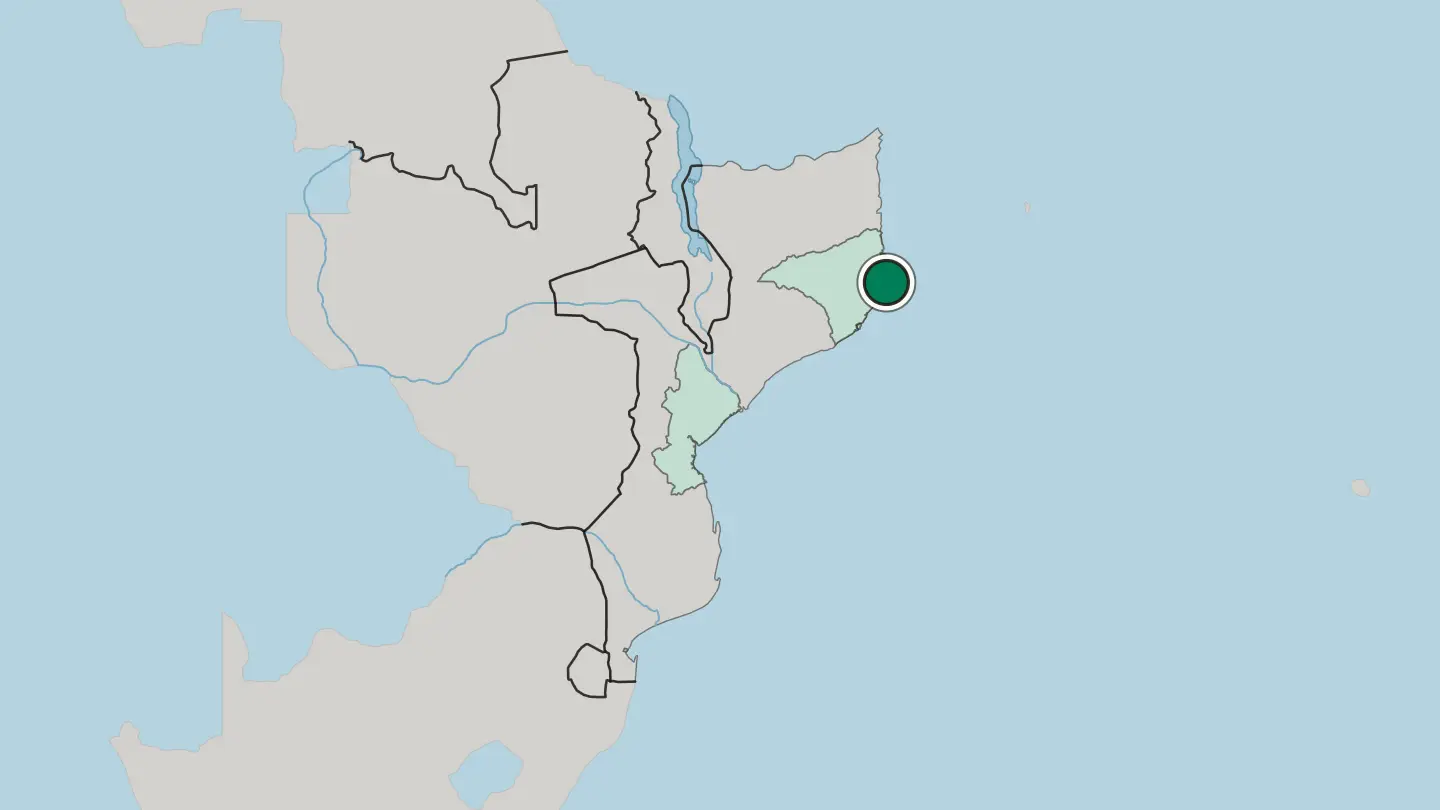 Mozambique
Nampula
Nampula is a city of northern Mozambique, the capital of the north, a plateau town of granite domes near the old island city of Ilha de Moçambique.Where to stay →
Hotel links are affiliate links: booking through them may earn us a commission, at no extra cost to you. It never affects how places are ranked. How this works
Regions of Mozambique
Mozambique
Cidade de Maputo
Cidade de Maputo is the city-region of Maputo, one of the provinces of Mozambique, its territory given over almost wholly to a single urban centre.Towns & cities →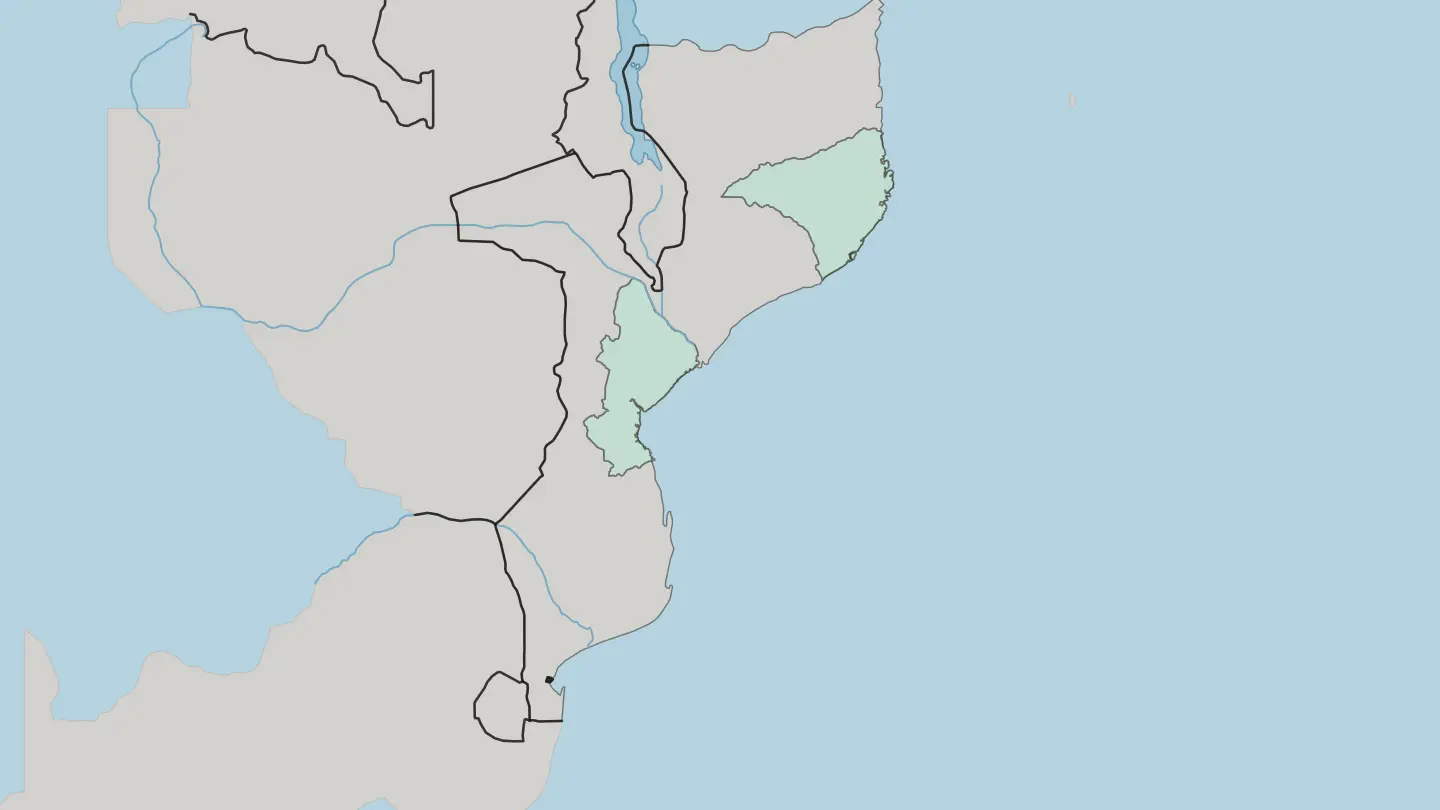 Mozambique
Nampula
Nampula is a province of northern Mozambique, the country's most populous, with the city of Nampula as its capital and regional market.Towns & cities →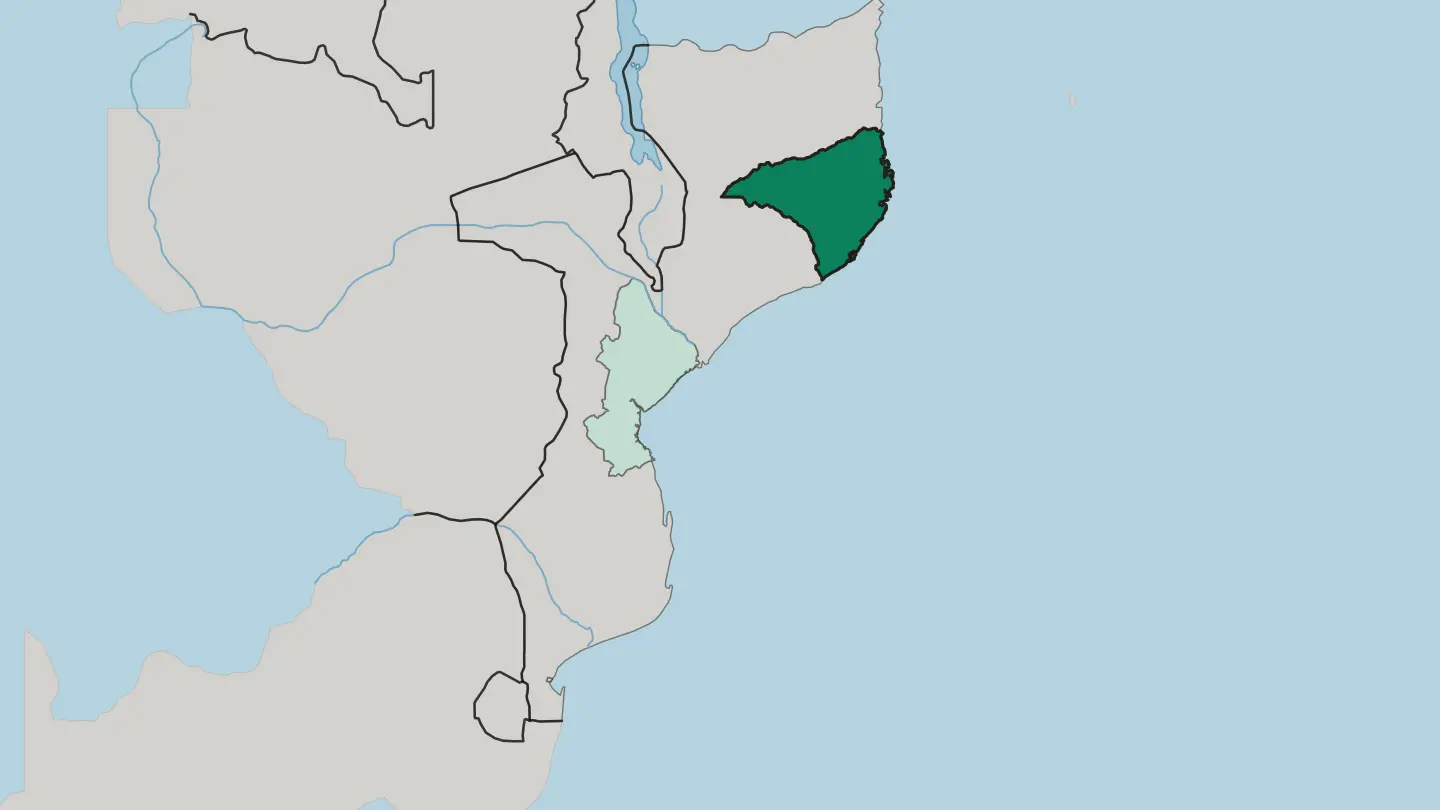 Mozambique
Sofala Province
Sofala Province takes its name from a ruined port 35 kilometres south of Beira, the city that serves as its capital.Towns & cities →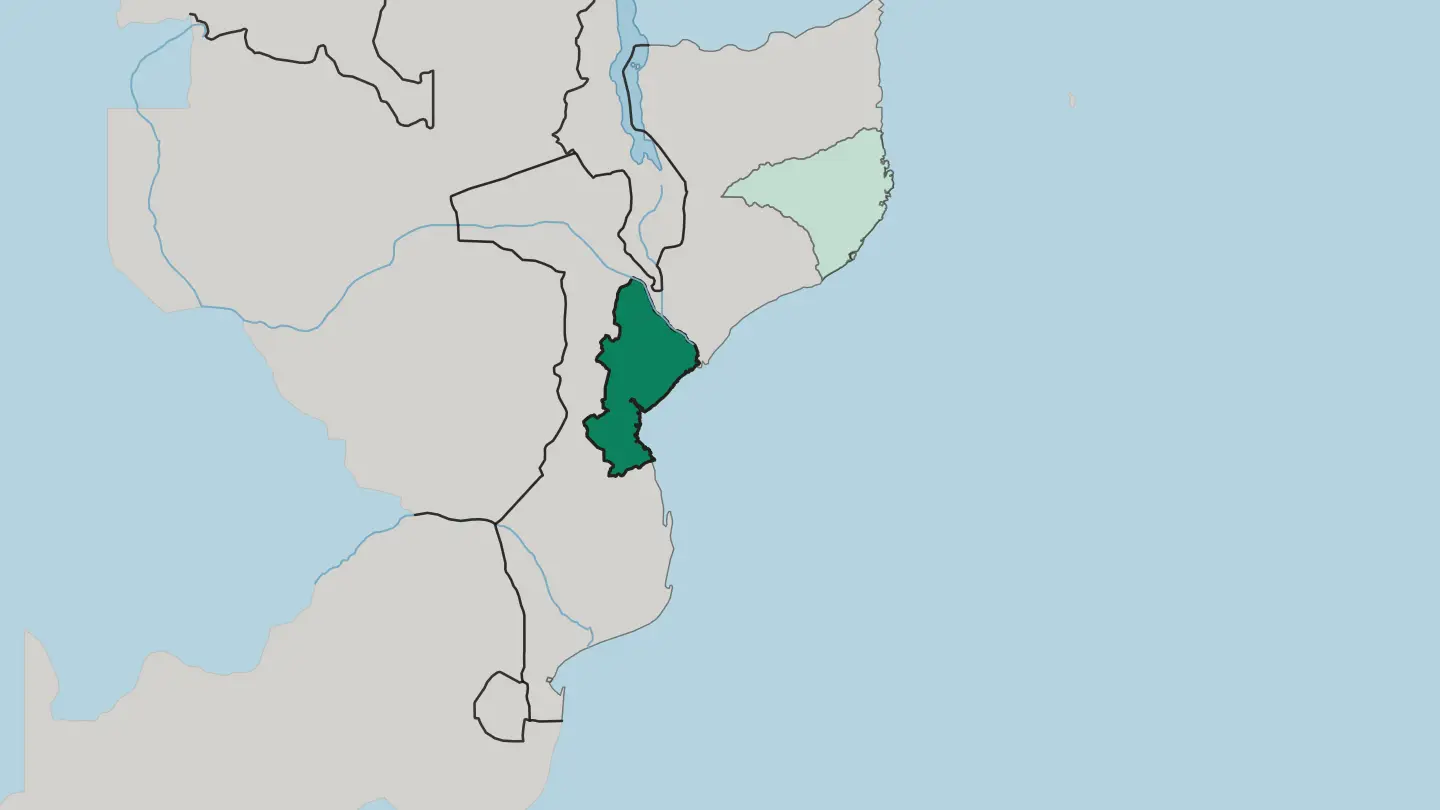
About Mozambique
Mozambique is known above all for its coast.
What is Mozambique known for?
The Bazaruto Archipelago off Vilankulo and the coral islands north of Pemba draw divers to warm, clear water, while Inhambane's palm-lined bays pull in beach travellers. Inland, the story changes. Gorongosa National Park spreads across the floor of the Great Rift Valley, and the Zambezi cuts the country in two on its run to the sea.
The old stone town on the Island of Mozambique holds centuries of trade in one small place.
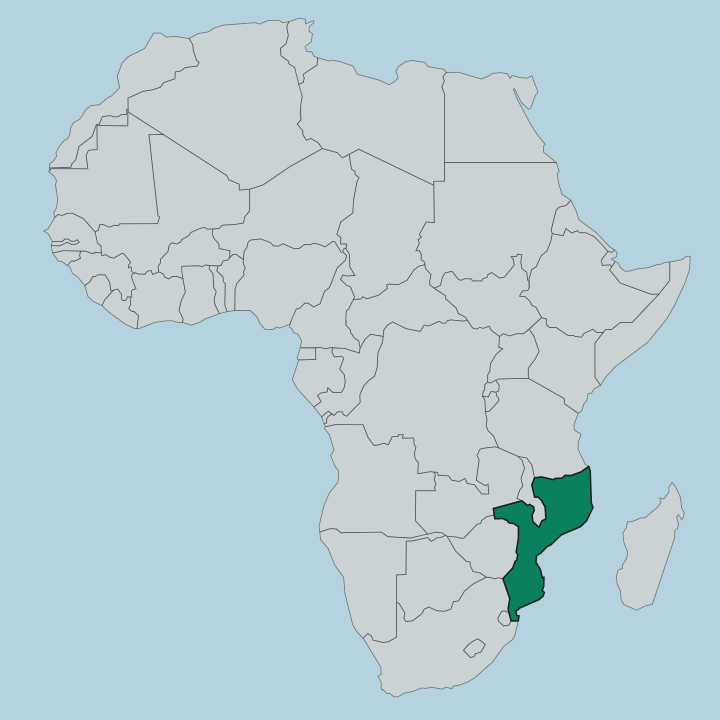
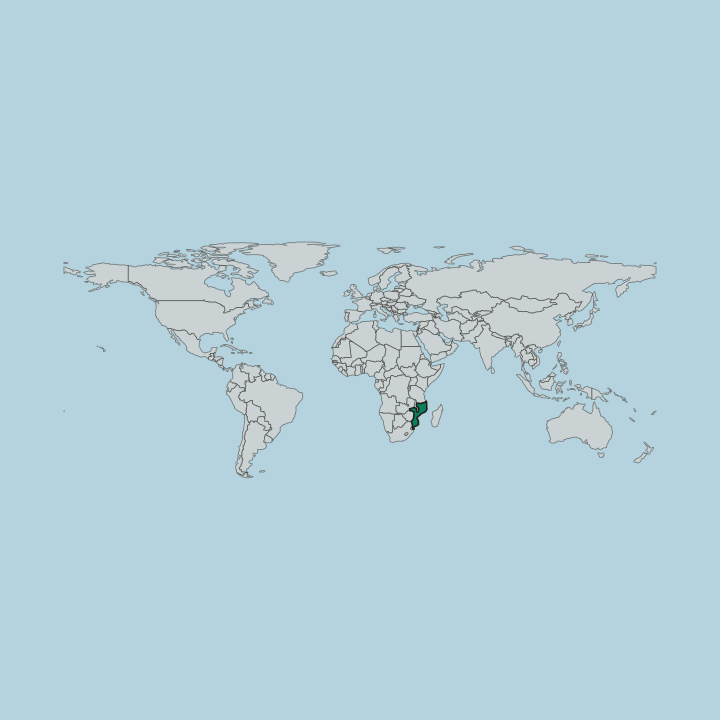
Where is Mozambique?
Mozambique stretches down the eastern edge of Southern Africa, its long shoulder pressed against the Indian Ocean along a coastline of more than 1,000 kilometres. The Zambezi orders the whole map. North of the river the narrow coastal plain climbs quickly inland to hills and low plateaus, then to the rugged highlands along the Zimbabwe and Malawi frontiers; south of it the lowlands broaden into wide, flat country that carries the Limpopo down to the sea.
This split runs deep. It shapes where people farm, where towns grew, and how the great rivers reach the coast. The high ground gathers in the west.
Monte Binga rises to 2,436 metres in the Chimanimani range on the Zimbabwe border, the highest point in the country, while Mount Gorongosa feeds the rivers that flood the plain in Gorongosa National Park below. Behind the Cahora Bassa dam, the Zambezi backs up into one of Africa's largest reservoirs in the Tete highlands. Offshore, the low sand and coral of the Bazaruto Archipelago and the Quirimbas break the run of beach.
From plateau rim to reef, the ground keeps changing.
What is the history of Mozambique?
Mozambique's coast was woven into Indian Ocean trade long before Europe arrived. Swahili and Arab merchants worked the northern harbours for gold, ivory, and cloth, and the Island of Mozambique grew into a thriving stone town at the centre of that network. Vasco da Gama put in there in 1498.
That landfall opened four centuries of Portuguese presence, and the island served as the colonial capital until the seat moved south to Maputo, then called Lourenço Marques, near the century's end. The empire held on longer here than almost anywhere. War came in 1964, when the Mozambique Liberation Front, FRELIMO, took up arms against Portuguese rule under Eduardo Mondlane and then Samora Machel.
A coup in Lisbon broke the deadlock. Independence arrived on 25 June 1975 with Machel as first president, and a long and ruinous civil war followed within two years, tearing at the young state until a peace accord in 1992. The scars are still legible in the country.
Recovery has been slow, uneven, and hard-won, and the coastal towns carry layers of that Swahili, Portuguese, and post-independence past in their streets. From island port to republic, the throughline is the ocean.
What is Mozambique like?
Mozambican culture grows from many roots at once. Portuguese is the official language and the common tongue between provinces, but Bantu languages like Emakhuwa carry daily life and oral tradition, and more than forty are spoken across the country. Music holds the culture together.
Marrabenta, born in the working suburbs of Lourenço Marques in the colonial years, fuses local rhythm with accordion and guitar into fast dance music, while the Chopi people of the south play timbila, tuned wooden xylophones whose orchestras UNESCO lists as intangible heritage. The coast feeds the table. Kitchens along the Indian Ocean turn out prawns and fish in coconut milk, garlic, and the fiery piri-piri chilli that Portuguese trade carried around the world, and matapa, cassava leaves pounded with peanuts and coconut, anchors the everyday meal.
Mozambique's craft traditions reach every bit as far back. The Makonde of the far north carve dense hardwood figures of ancestors and spirits that rank among the continent's finest sculpture, and the old town on the Island of Mozambique keeps its Swahili and Portuguese architecture in one weathered ensemble. It reads as several histories held in one place.
What is the climate of Mozambique?
Mozambique runs on a tropical rhythm of two seasons. The wet season falls between November and March, hot and humid, when most of the year's rain arrives and cyclones can spin in off the Mozambique Channel onto the central coast around Beira. The dry season, from April to October, is cooler and clearer.
Inland, the Zambezi valley stays notably drier than the rain-soaked central shore. Two seasons, one long coast.
How do you get to Mozambique?
Most travellers reach Mozambique by air through Maputo, the main international gateway in the south, with connections via Johannesburg, Lisbon, Doha, and Dar es Salaam. From there the domestic carrier fans out. Flights link Maputo to Beira, Nampula, Pemba, and Vilankulo, the practical way to cover a country this long.
Overland routes cross in from South Africa near the capital. Pick your entry to match the coast you want.
Good for
Updated September 2026