Niger
Niamey, Niger — Towns & Travel Guide
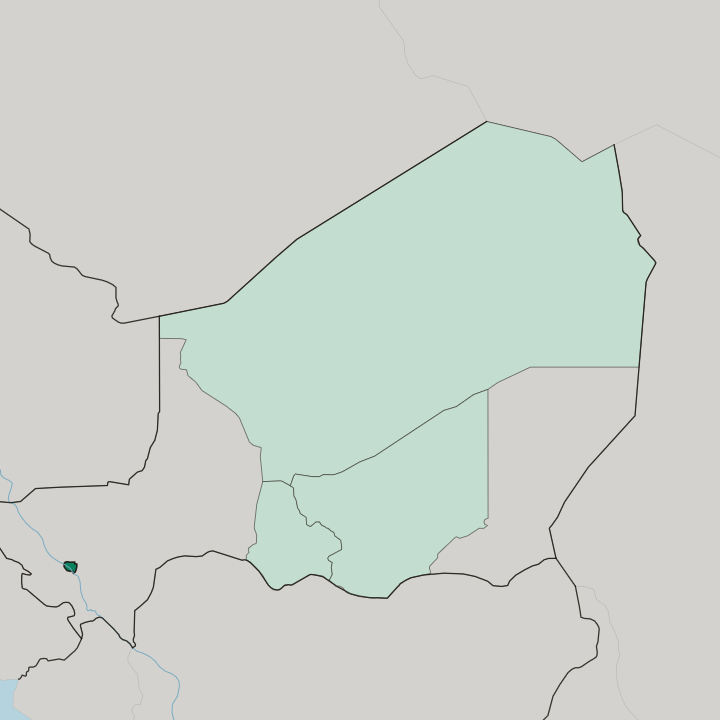
Niamey Region wraps the capital of Niger where the Niger River bends through the country's west, a small territory ringed by Tillabéri.
Hotel links are affiliate links: booking through them may earn us a commission, at no extra cost to you. It never affects how places are ranked. How this works


Towns & cities in Niamey
One town here has its own guide — it links to where to stay.

 Niger
Niger
Niamey
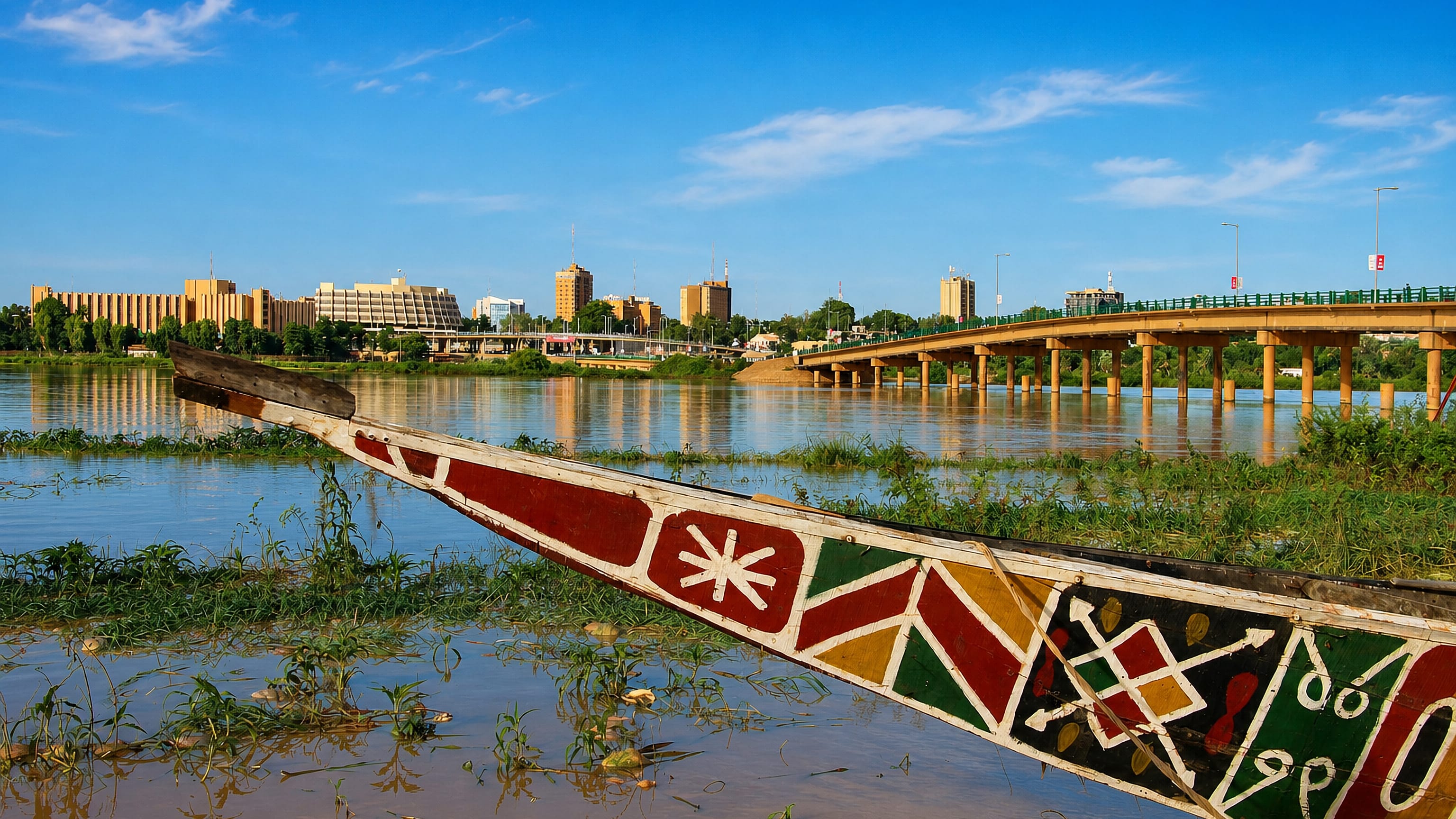
Low along the Niger River, Niamey is the calm, modern capital of Niger, known for its open-air markets, the Grand Mosque and views over the water.Where to stay →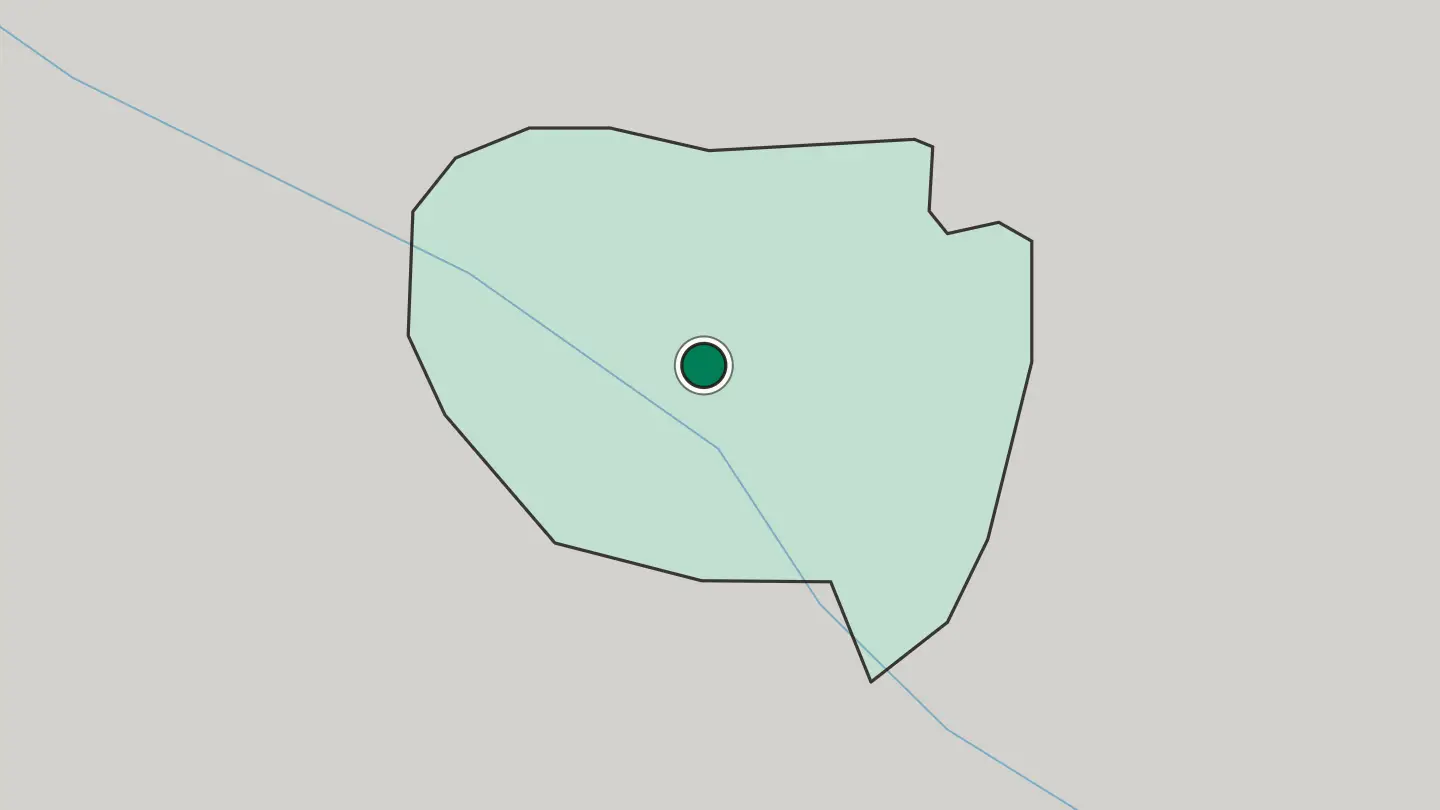
Hotel links are affiliate links: booking through them may earn us a commission, at no extra cost to you. It never affects how places are ranked. How this works
About Niamey
What is Niamey known for?
Niamey Region is known above all as the capital district of Niger, the seat of the city of Niamey and the nation's administrative, cultural and economic hub. It is Niger's smallest region. Its whole reach is bound to the banks of the Niger River, where open-air markets draw traders from the Tuareg, Songhai and Fulani communities and the Grand Mosque rises above the western part of the country.
The region sits apart from the surrounding Tillabéri, which encircles it on every landward side.
Where is Niamey?
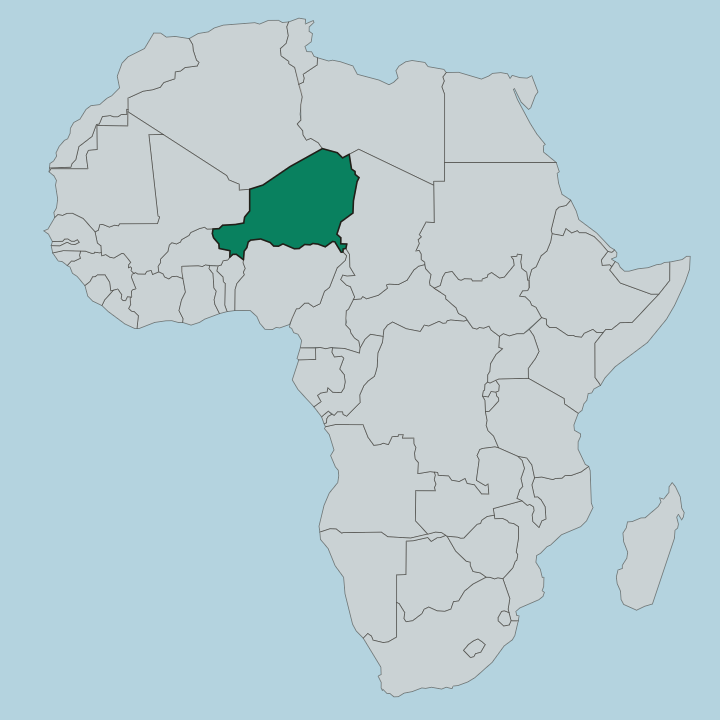
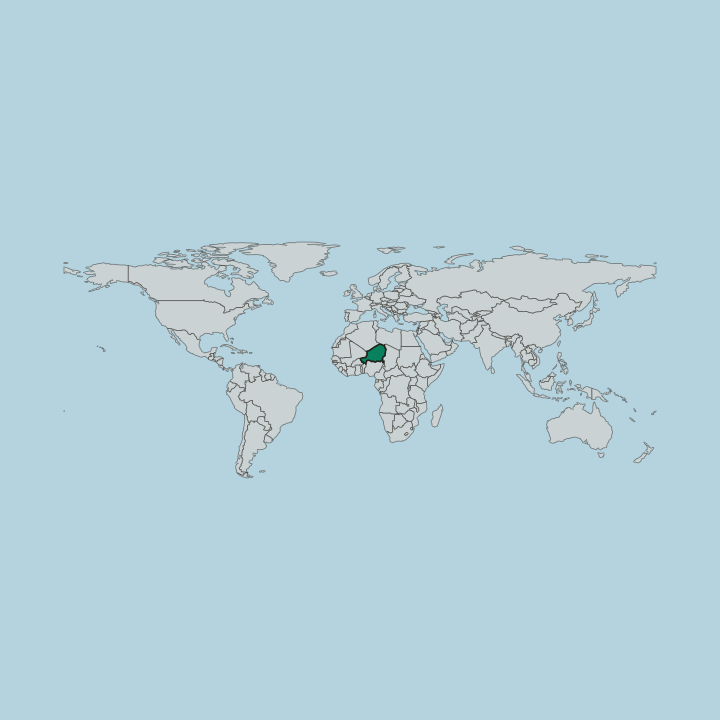
Niamey Region occupies the western reach of Niger, a small inland territory built entirely around the capital and set on the banks of the Niger River. The river cuts through it from the north-west toward the south-east, and the city of Niamey spreads mainly along the river's left bank while smaller quarters hold the opposite side. Tillabéri surrounds it.
That larger region encircles the capital district on every landward edge, so Niamey Region has no outer border of its own except the frontier it shares through Tillabéri with the wider country, and the Niger River remains the single defining line of its landscape. The setting is flat, tropical and Sahelian. Away from the river the land opens into the dry, open plains that run across this part of the western country, and the water of the Niger River gives the region its one durable natural feature and the reason the capital grew where it did.
Because the territory is compact and landlocked deep in West Africa, its geography looks inward to the city and the river rather than to any coast, with the surrounding Tillabéri forming the country beyond the capital's edge.
What is Niamey like?
Niamey Region carries the cultural life of Niger's capital, and French is the official language across the territory alongside the languages of its many communities. Life here is the city. The open-air markets of Niamey gather the Tuareg, Songhai and Fulani peoples, whose traders, dress and goods give the region a distinctly diverse character that reflects the wider country drawn into its capital.
Wrestling holds a place in the region's public life, and the Grand Mosque stands as the landmark of religious and civic gathering on the banks of the Niger River. That mix marks the region as the meeting ground of Niger. Because the capital pulls people from across the nation into a single western territory, everyday culture is urban, ethnically mixed and centred on the river, the markets and the mosque rather than on any rural landskap of its own.
The surrounding Tillabéri supplies much of the rural hinterland, while the region itself keeps the institutions, the trade and the civic rhythm of a national capital. It is compact, dense and unmistakably the country's core.
What is the history of Niamey?
Niamey Region takes its name and its whole purpose from the city of Niamey, which has served as the capital of Niger since the colonial era. Its history is the capital's history. As Niamey grew on the banks of the Niger River into the country's main economic centre, the surrounding territory was set apart from the wider Tillabéri as a distinct capital region governing the city and its immediate reach.
The river held the settlement. That inland, riverside setting kept the region at the administrative heart of Niger from the colonial period onward.
What is the climate of Niamey?
Niamey Region has a hot tropical Sahelian climate shaped by its position in the western part of Niger. The year splits into a long dry season and a shorter rainy one rather than into warm and cold, with the heat easing only a little when the rains reach the Niger River. Days run hot and dry.
Dust and dry winds cross the open plains around the capital through much of the year, while the river keeps a thread of green along its banks through the driest months.
How do you get to Niamey?
Niamey Region is reached through the city of Niamey, the most connected point in this part of Niger. National roads converge on the capital, linking the region outward across the surrounding Tillabéri and onward to the rest of the country, while the airport at the capital serves arrivals from abroad. Most travellers arrive at the city.
From Niamey, on the banks of the Niger River, the whole of the compact region and the encircling territory sit within short overland drives.
Common questions
What is the best area to stay in Niamey?
Niamey riverside core: First-time visitors basing beside the Niger River near Niger's government and market district.
More regions in Niger
Updated September 2026