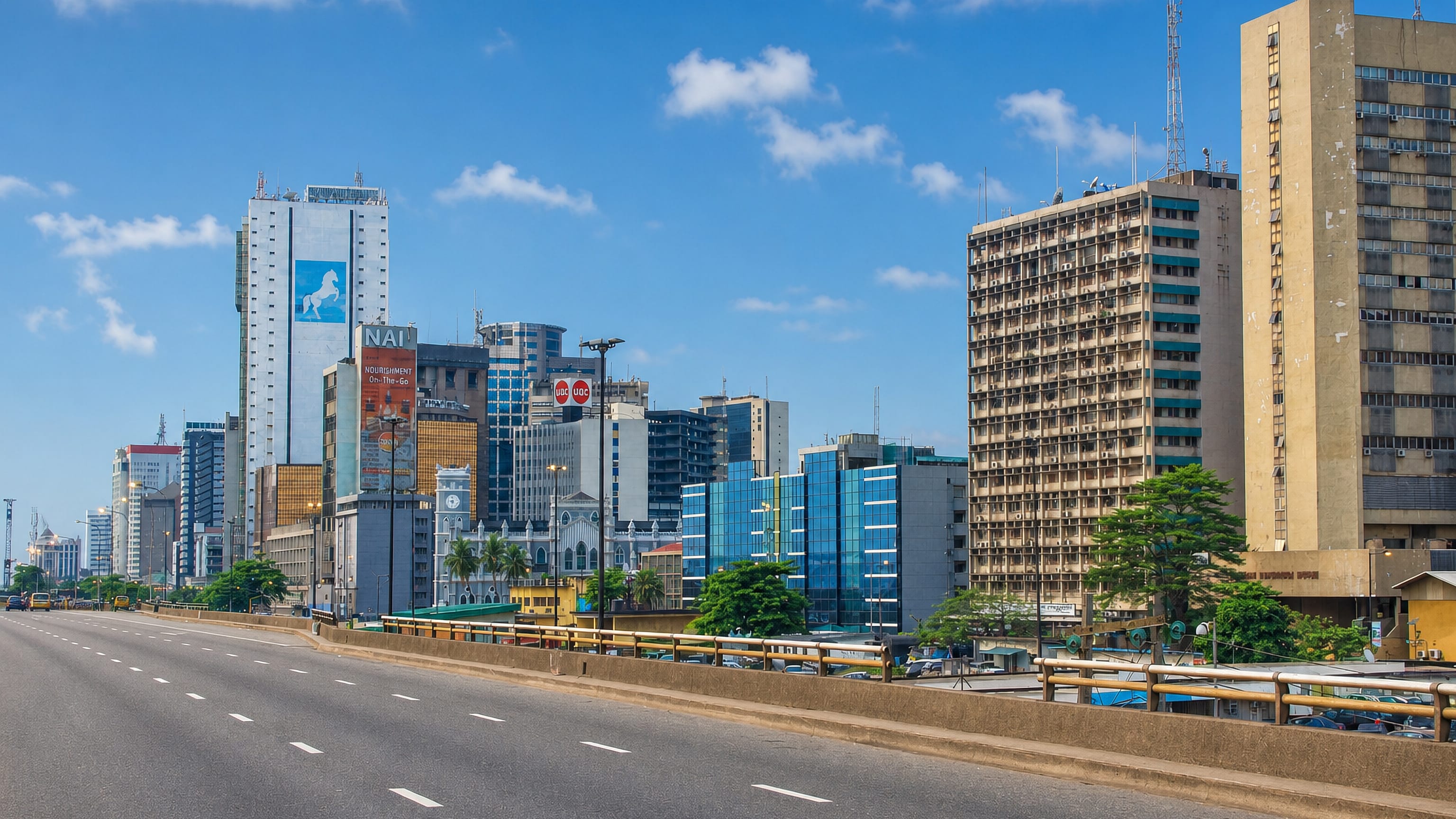
Nigeria · Lagos State
Where to Stay in Lagos, Lagos State
Lagos spreads across two main islands and the mainland of southwestern Nigeria, a port city and the home of the Nollywood film industry.
Hotel links are affiliate links: booking through them may earn us a commission, at no extra cost to you. It never affects how places are ranked. How this works


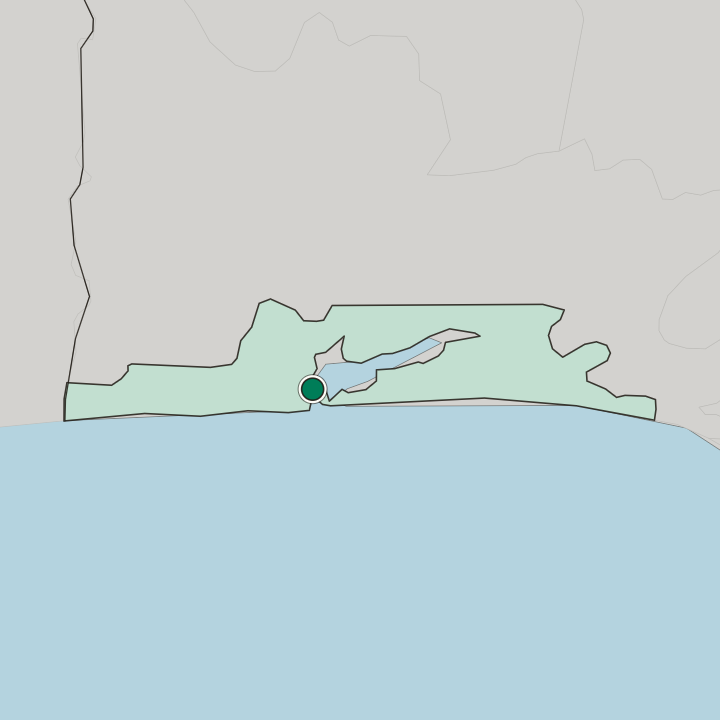
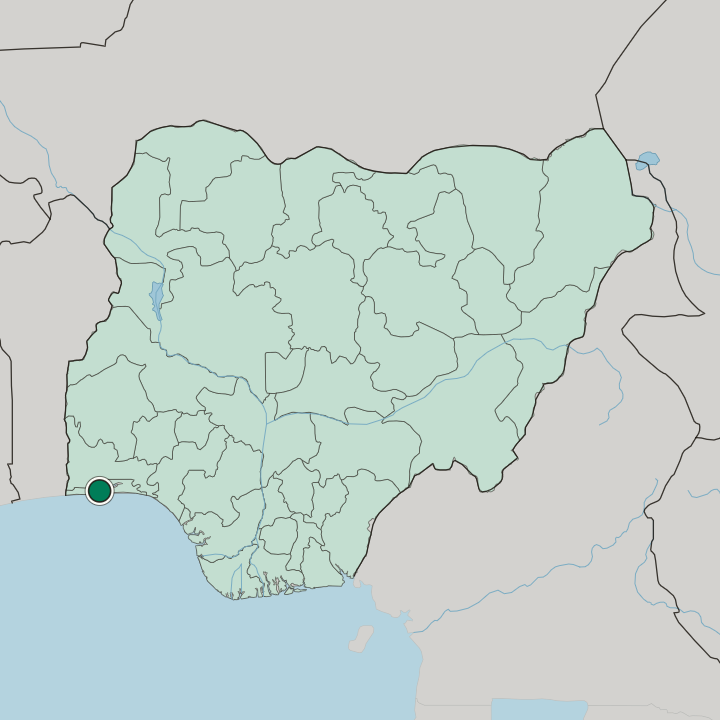
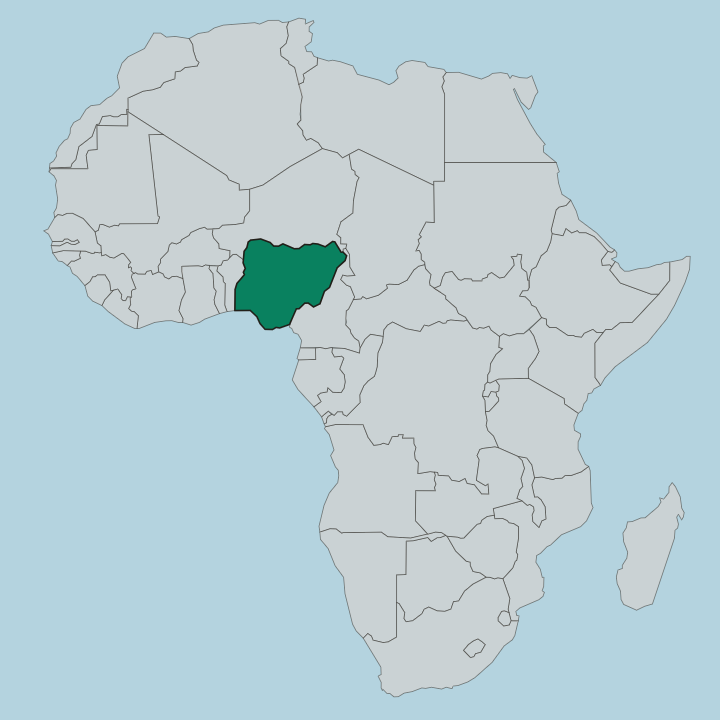
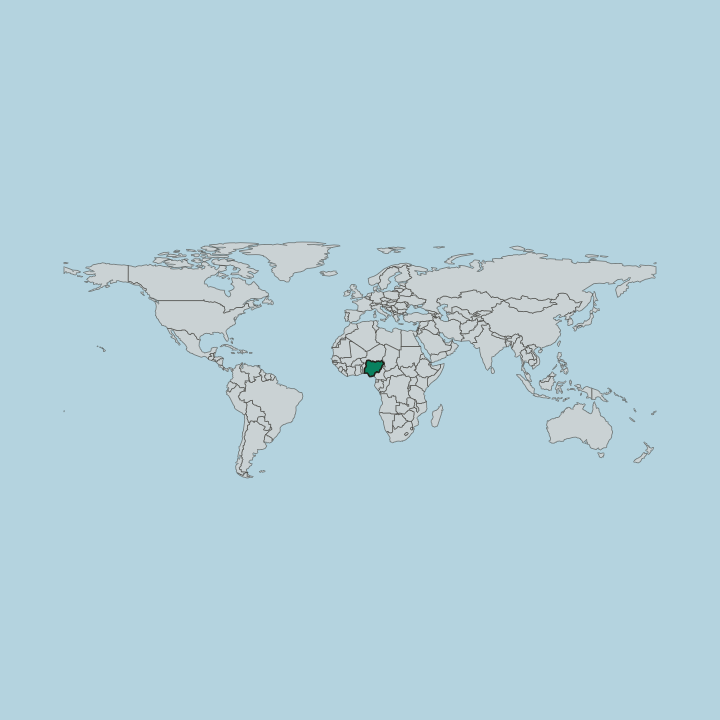
Where to stay in Lagos
One neighbourhood here has its own guide — here's what it is best for.
 LagosNigeria
Makoko
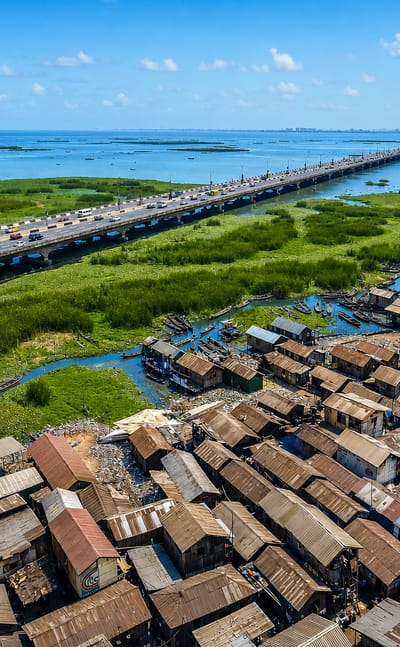
Makoko is a waterfront district of Lagos, part of it built on stilts over the lagoon and long home to the Egun fishing community.Makoko →Hotel links are affiliate links: booking through them may earn us a commission, at no extra cost to you. It never affects how places are ranked. How this works
Things to do in Lagos
Ranked by global recognition; descriptions from Wikidata (CC0).
Museums & Galleries
2- Nigerian National Museum, Lagos
- National Gallery of Modern Art
Churches & Religious Sites
3- Shitta-Bey Mosque
- Cathedral of the Holy Cross, Lagos
- Lagos Central Mosque
Castles & Historic Sites
3- Rio de la plata Heritage
- Tafawa Balewa Square
- Tinubu Square
Nature & Outdoors
1- Freedom Park
Stadiums & Sports
2- Onikan Stadium
- Rowe Park Sports Centre
Parks & Gardens
1- Apapa Amusement Park
Landmarks & Notable Places
2- Bookshop House
- Bogobiri House
worth knowingacross 7 categories in Lagos
About Lagos
What is Lagos known for?
Lagos is known as the port city of southwestern Nigeria that gave its name to Lagos State and to the Nollywood film industry. Music and film run through it. Long the commercial and financial hub of Nigeria, the city served as the national capital until 1991, when the seat of government moved inland to Abuja.
It fills two main islands and the mainland.
What are the main landmarks in Lagos?
Lagos gathers its landmarks around Tafawa Balewa Square, the National Arts Theatre, and the old markets of the island. Museums and monuments cluster here. The Nigerian National Museum and the National Gallery of Modern Art hold the city's collections, while the Cathedral of the Holy Cross and the Lagos Central Mosque stand over the streets near Freedom Park and Tinubu Square.
What is the history of Lagos?
Lagos traces its origins to 1472, when the settlement took shape on the islands of the southwestern Nigerian coast. Water made the place. The town rose on two main islands and the low mainland behind them, growing as a port whose harbour drew trade to this stretch of the coast over the centuries that followed.
The islands came first. From that island core the settlement spread outward, crossing to the mainland as it grew into the port city at the heart of the region that would carry its name, Lagos State. Lagos served as the national capital of Nigeria through much of the modern era.
That role ended in 1991. The government moved the capital inland to Abuja, in the centre of the country, yet the city held its place as the commercial and port hub of Nigeria and the anchor of Lagos State. Its weight only grew.
Long after the seat of government left for Abuja, the city on the islands stayed the country's main centre of trade, film, and music, its name carried by both the port and the surrounding state along the southwestern coast.
Where is Lagos?
Lagos sits on the southwestern coast of Nigeria, spread across two main islands and the mainland behind them. The water divides the city. Bridges tie the islands to the mainland, the built-up area of Lagos reaching inland from the port across the low coastal ground of southwestern Nigeria toward the wider country.
What is the climate of Lagos?
Lagos has a hot tropical climate, shaped by its place on the coast of southwestern Nigeria. Rainfall, not temperature, marks the seasons. Warm and humid the year round, the city swings between a long wet season and a shorter dry stretch, the sea air off the coast holding heavy rains over the islands and the mainland of Lagos.
How do you get to Lagos?
Lagos is reached by air, by sea, and by road from across Nigeria and beyond. The port pulls in ships. Flights and vessels arrive at the port city on the coast, while roads and the Eko Bridge and Carter Bridge carry traffic between the islands and the mainland, and long routes run inland toward Abuja and the rest of Lagos State.
Good for
Another city in Lagos State
Updated October 2026