Nigeria: Regions, Cities & Travel Guide
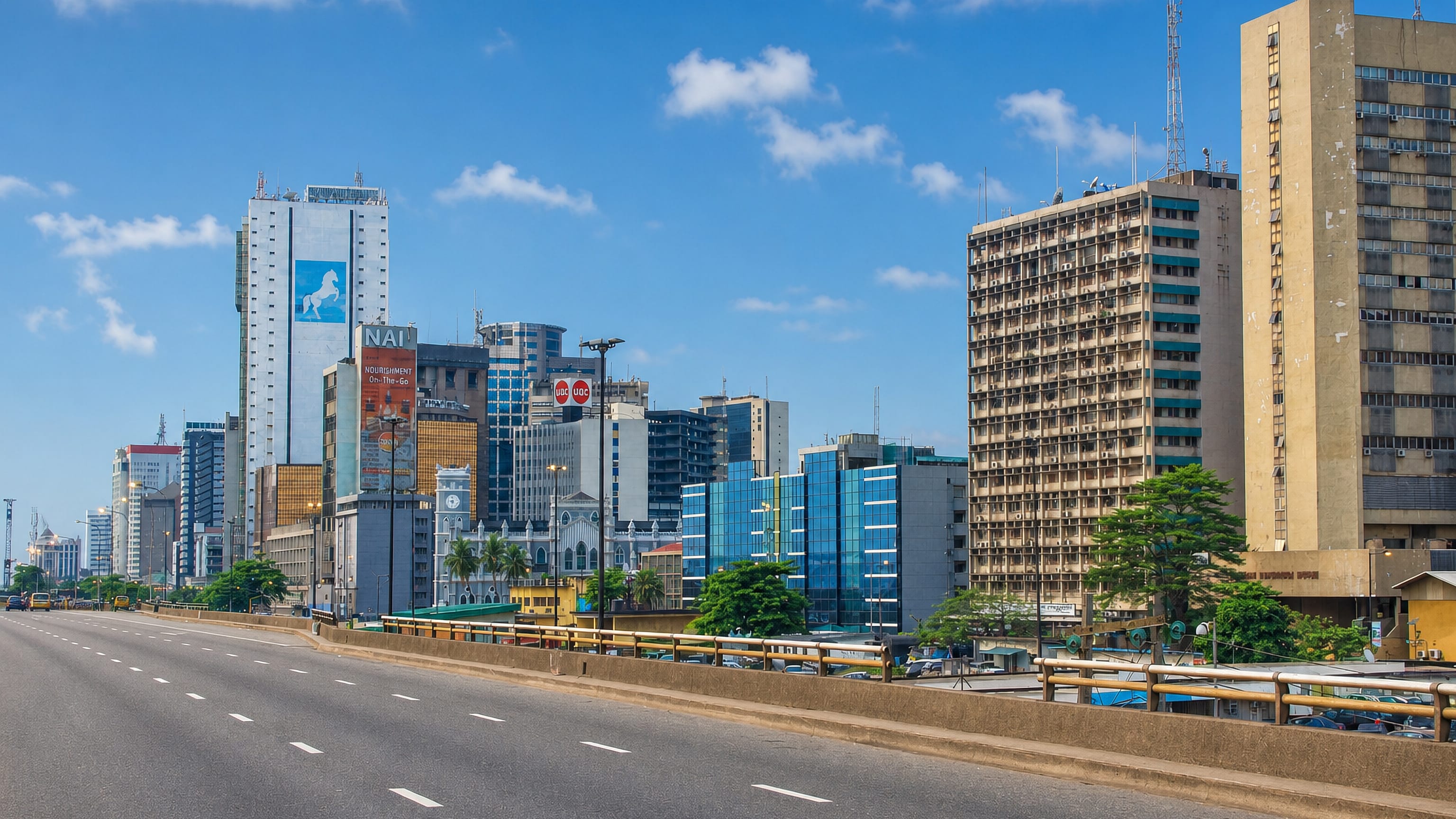
Nigeria is a large West African country on the Gulf of Guinea, the most populous nation in Africa, with Lagos on its Atlantic coast.
Hotel links are affiliate links: booking through them may earn us a commission, at no extra cost to you. It never affects how places are ranked. How this works


Top destinations in Nigeria
Cities to start from, then drill into areas and hotels.
 Nigeria
Lagos
Lagos spreads across two main islands and the mainland of southwestern Nigeria, a port city and the home of the Nollywood film industry.Where to stay →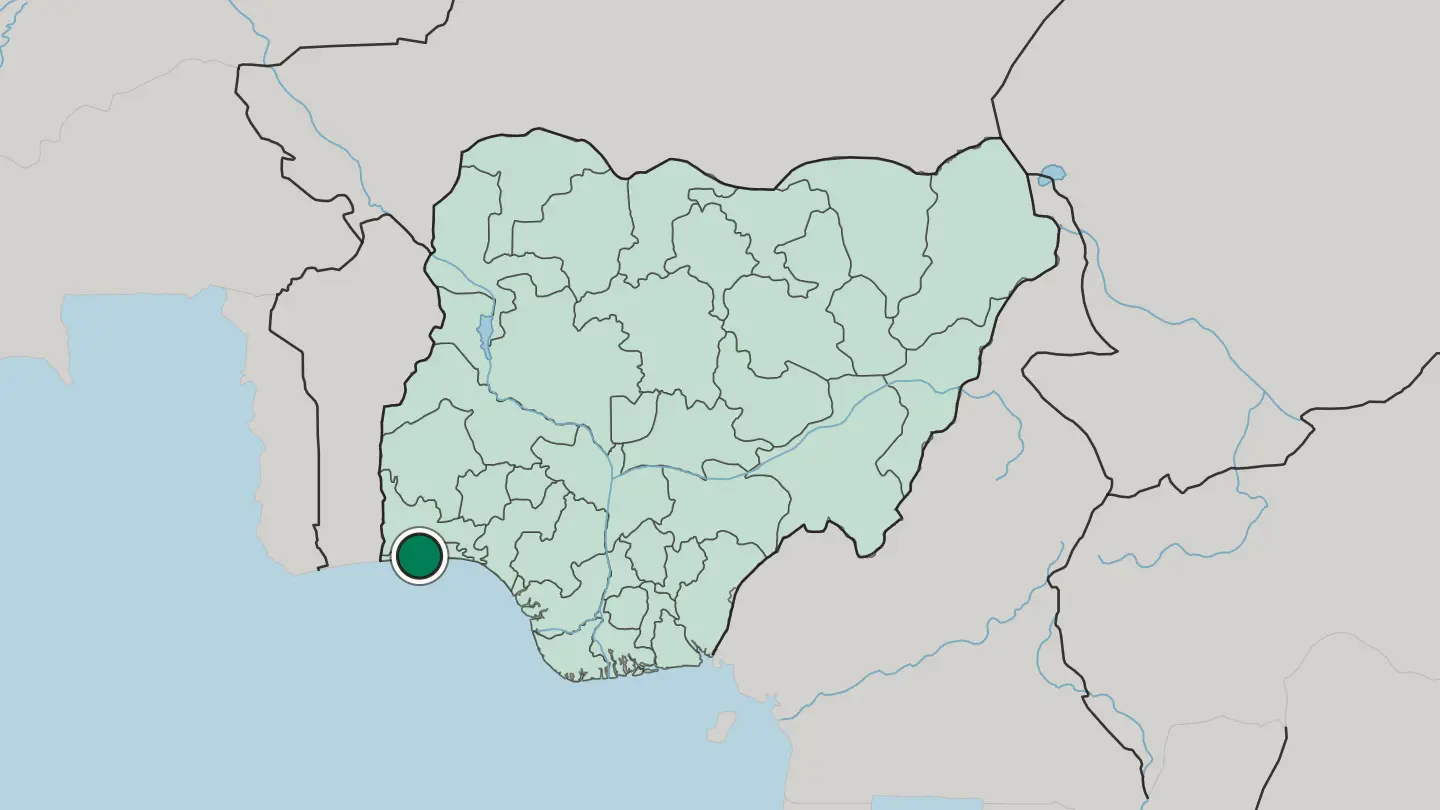
 Nigeria
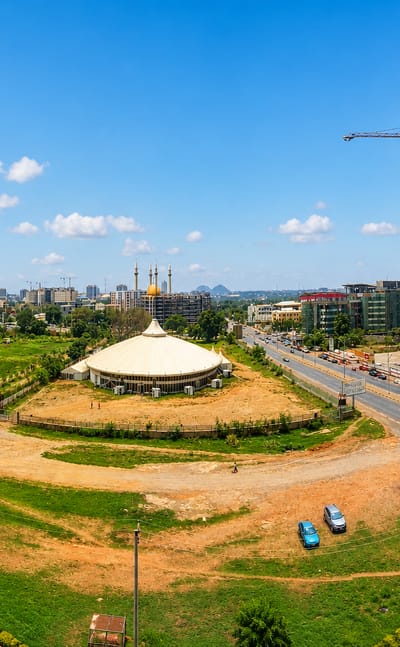
Abuja
Built at the geographic midpoint of the country, Abuja is the capital city of Nigeria, known for the National Church of Nigeria and the Unity Fountain.Where to stay →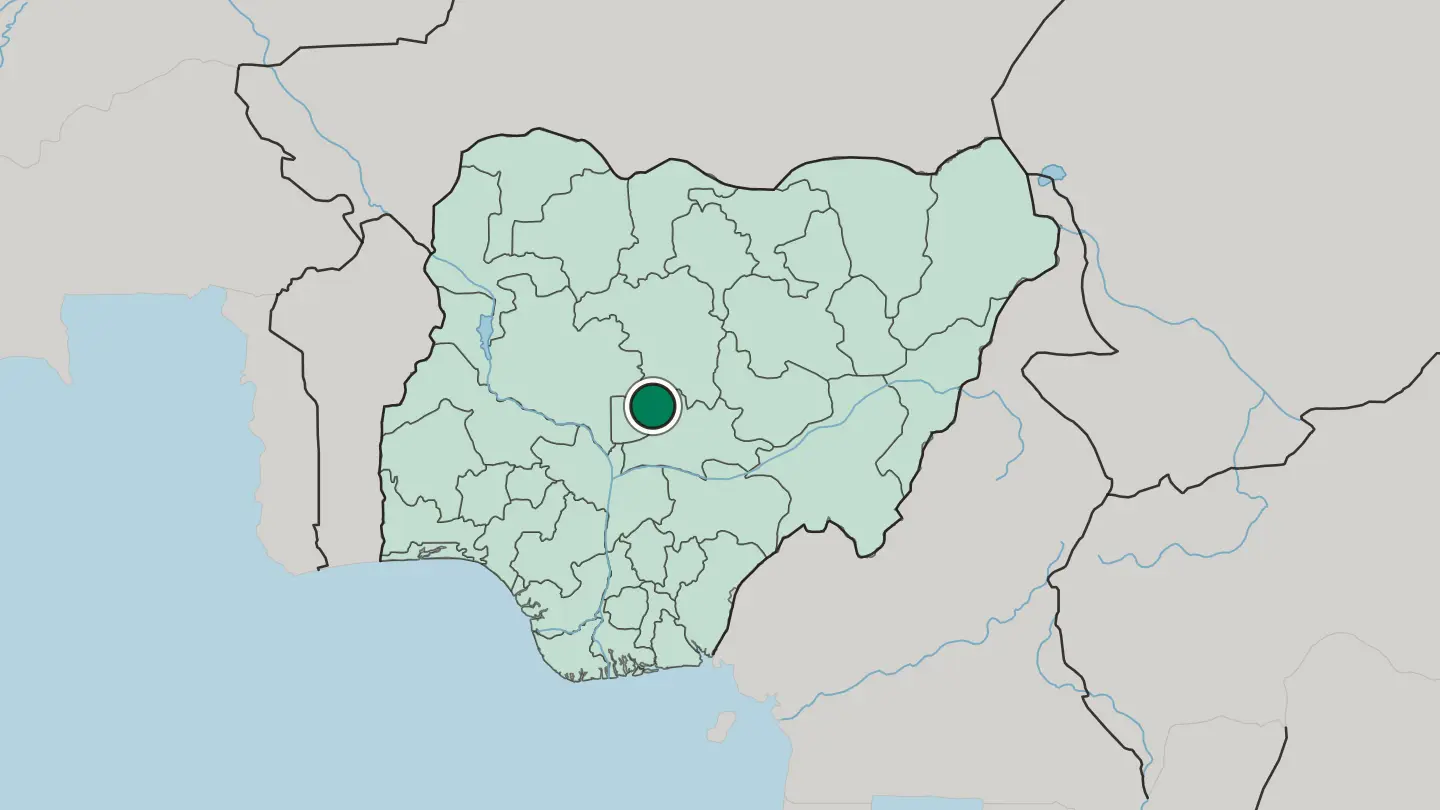
 Nigeria
Benin City
Benin City is the capital of Edo State in southern Nigeria, the ancient seat of the Kingdom of Benin and its famous bronze art.Where to stay →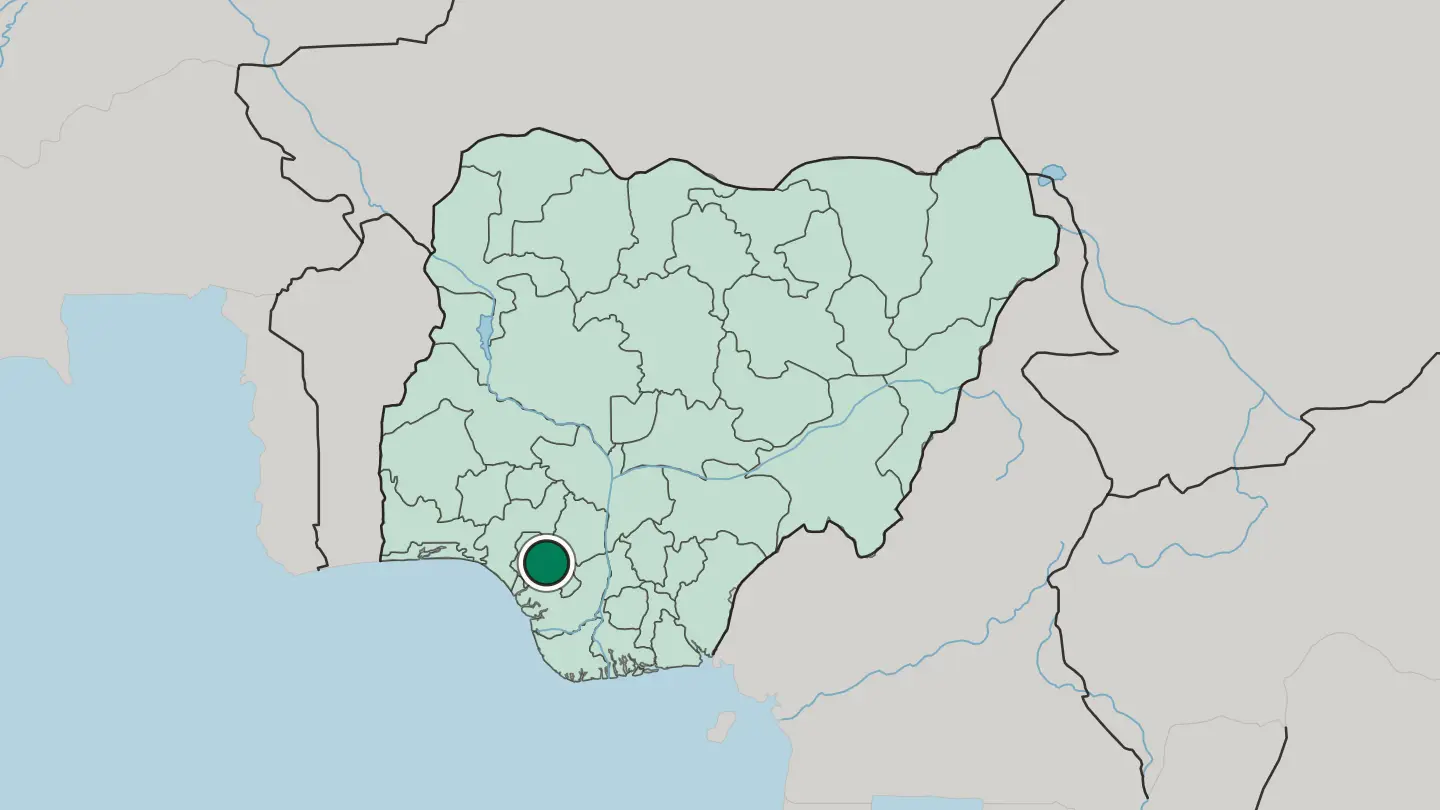
 Nigeria
Kano
Kano is the great ancient city of northern Nigeria, a walled Hausa capital on the edge of the Sahel that has traded across the Sahara for a thousand years.Where to stay →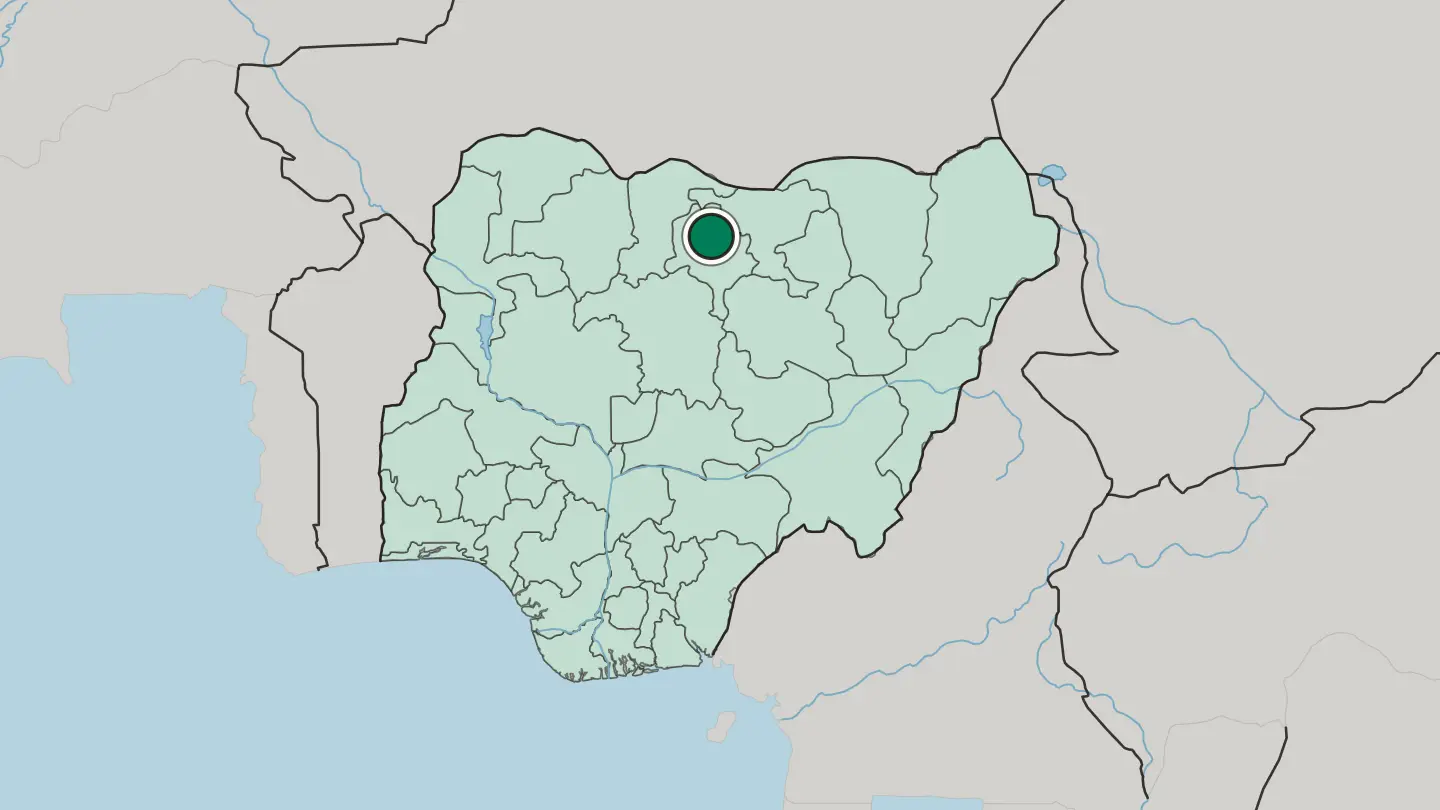
 Nigeria
Ibadan
Ibadan is a great Yoruba city of southwest Nigeria, capital of Oyo State, a vast spread of brown rooftops over the hills, once the strongest Yoruba town.Where to stay →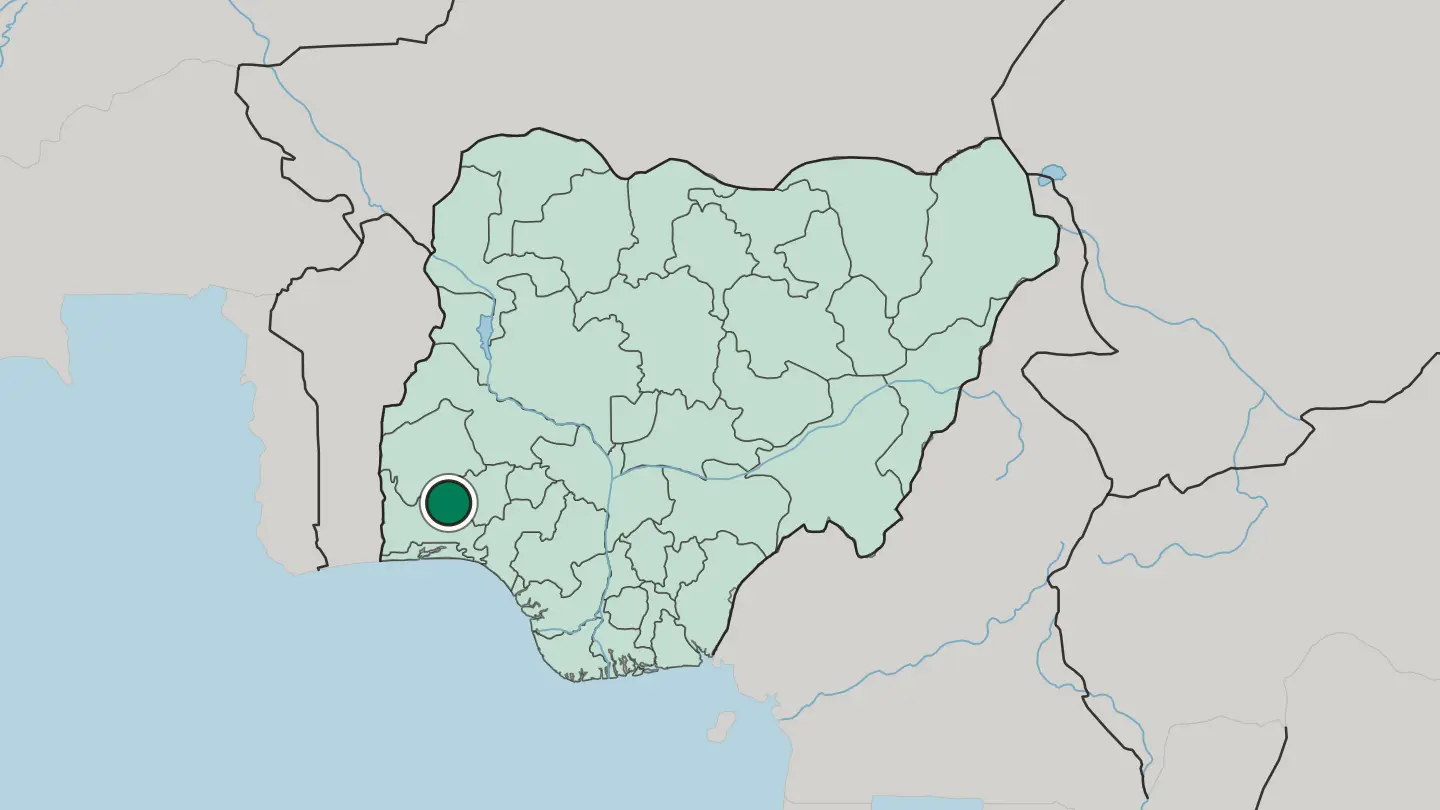
 Nigeria
Port Harcourt
Port Harcourt is the capital of Rivers State, a port city on the Bonny River in the Niger Delta and the centre of Nigeria's oil industry.Where to stay →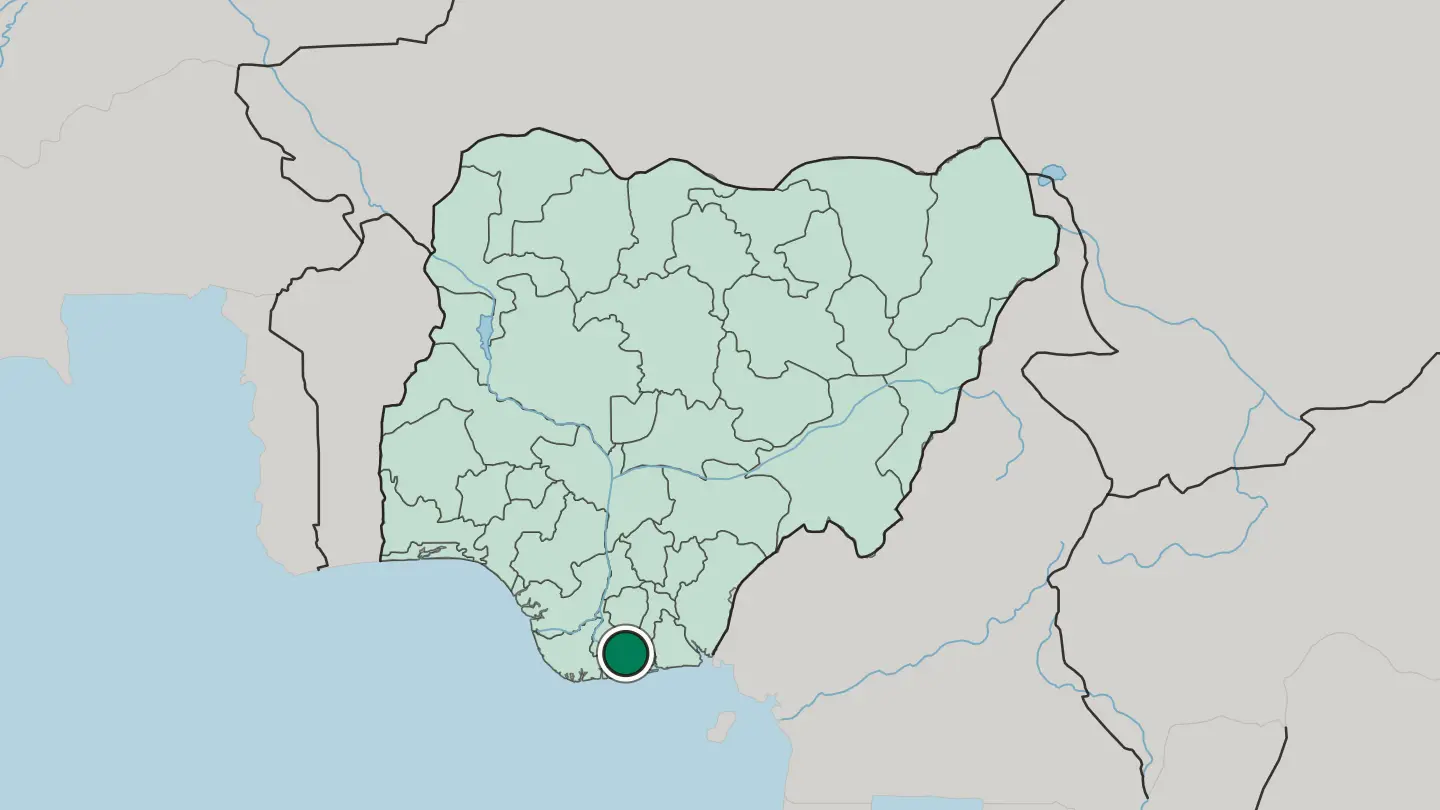
 Nigeria
Enugu
Enugu is a city of southeastern Nigeria, the old Coal City of the Igbo country, set below a green escarpment among wooded hills.Where to stay →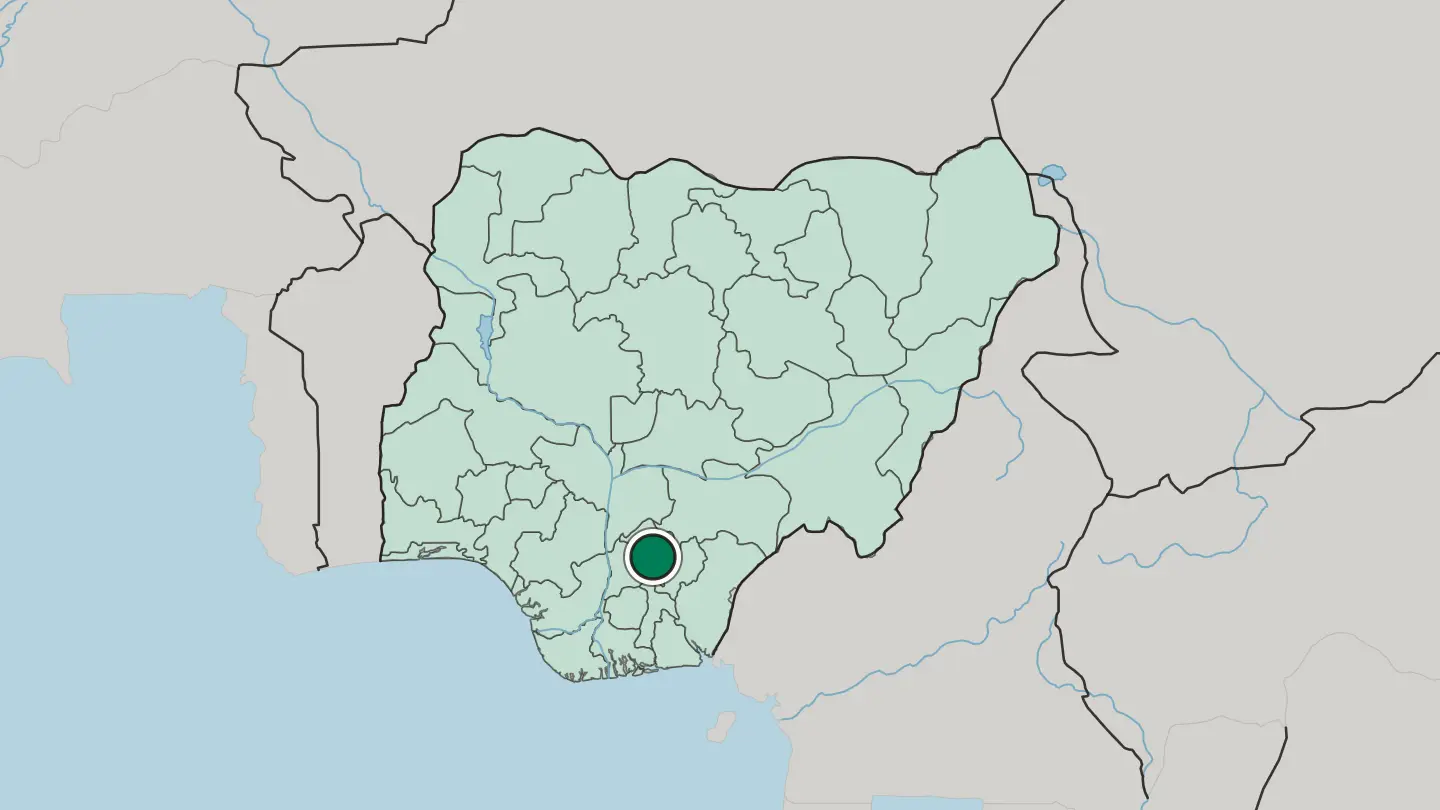
 Nigeria
Ile-Ife
Ile-Ife is the sacred city of the Yoruba in southwestern Nigeria, held to be the cradle of their people.Where to stay →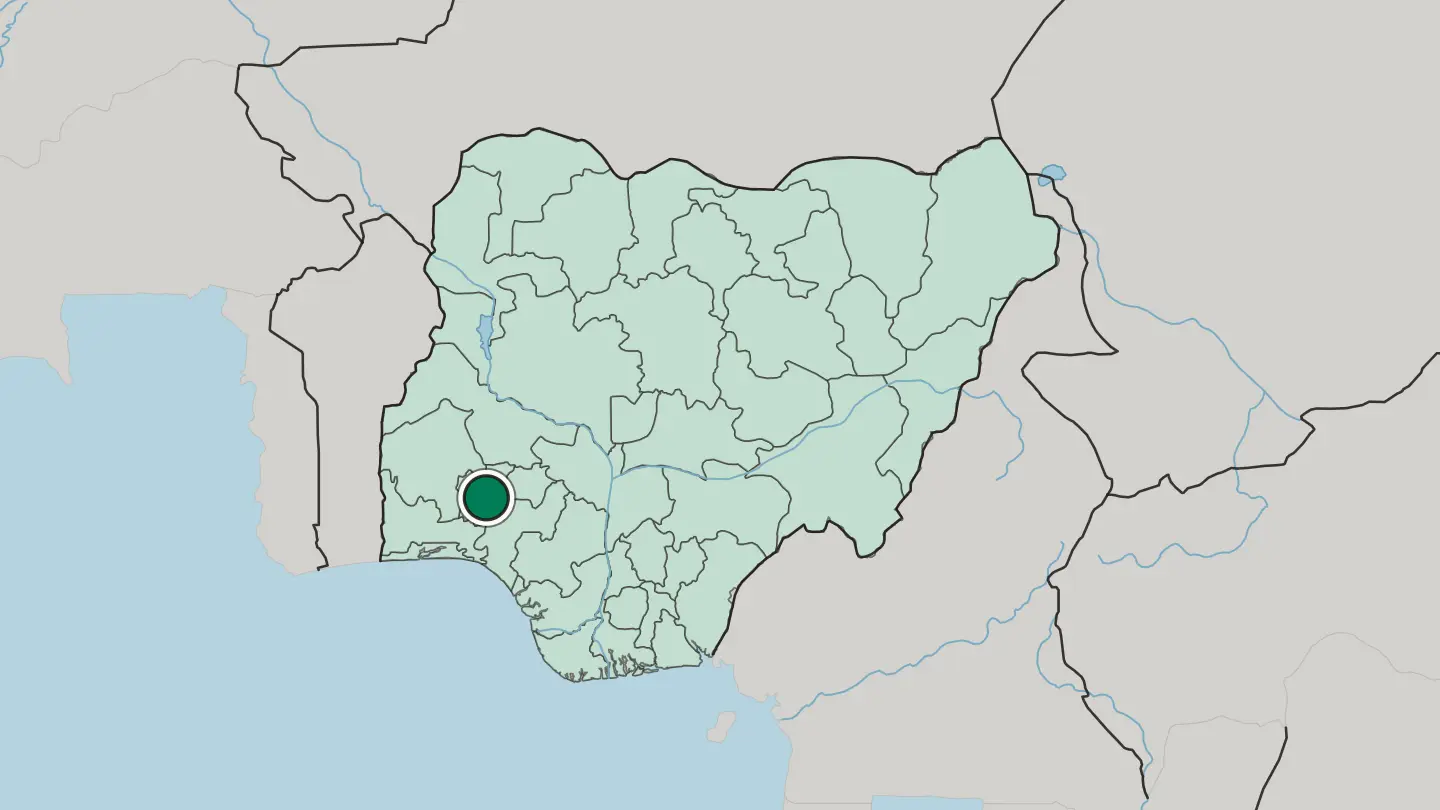
 Nigeria
Kaduna
Kaduna, founded in 1913 on the Kaduna River, is the capital of Kaduna State and a rail and road junction for the trade of Northern Nigeria.Where to stay →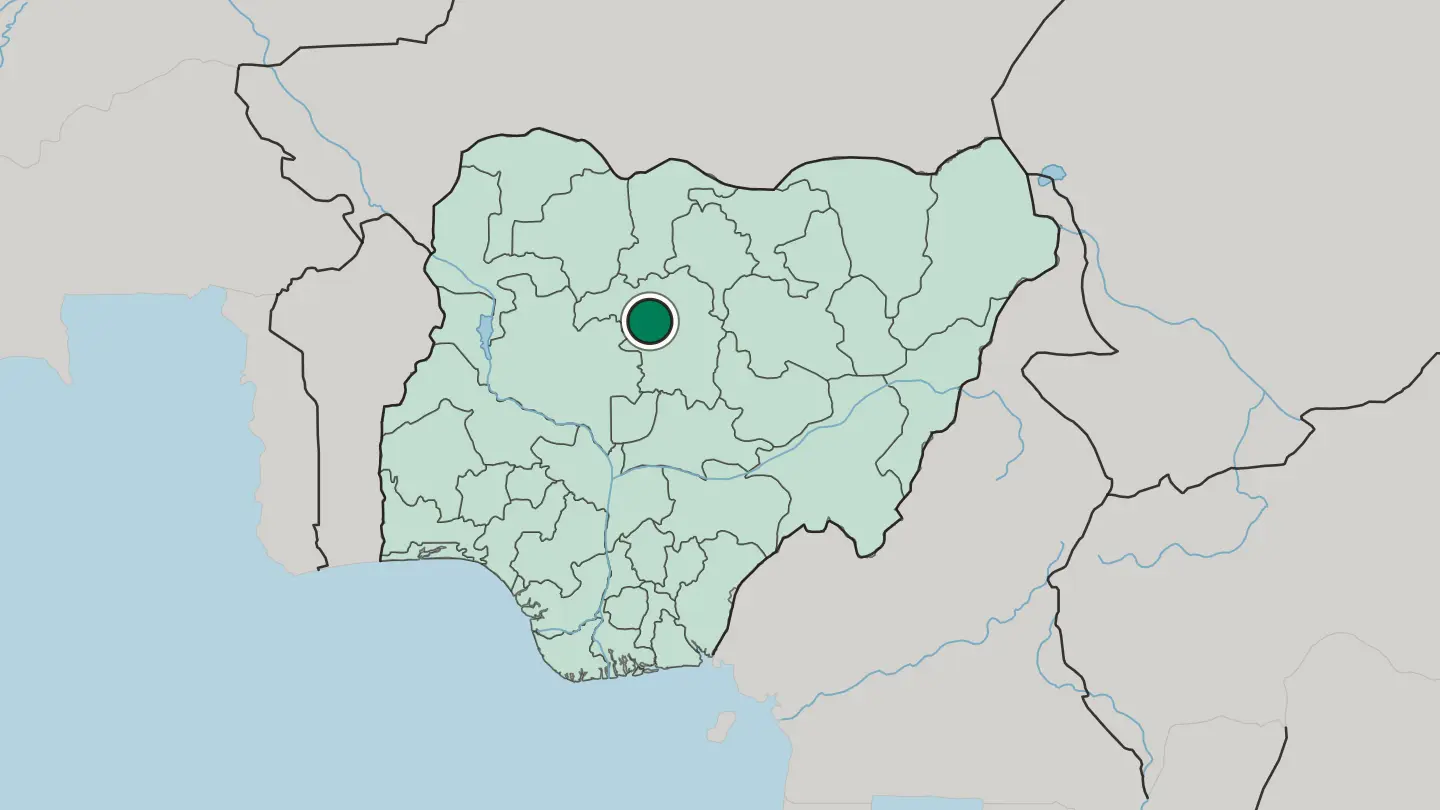
Hotel links are affiliate links: booking through them may earn us a commission, at no extra cost to you. It never affects how places are ranked. How this works
Regions of Nigeria
 Nigeria
Abia State
Abia State sits in Nigeria's Igbo south-east, split between forest hills and the manufacturing bustle of Aba.Towns & cities →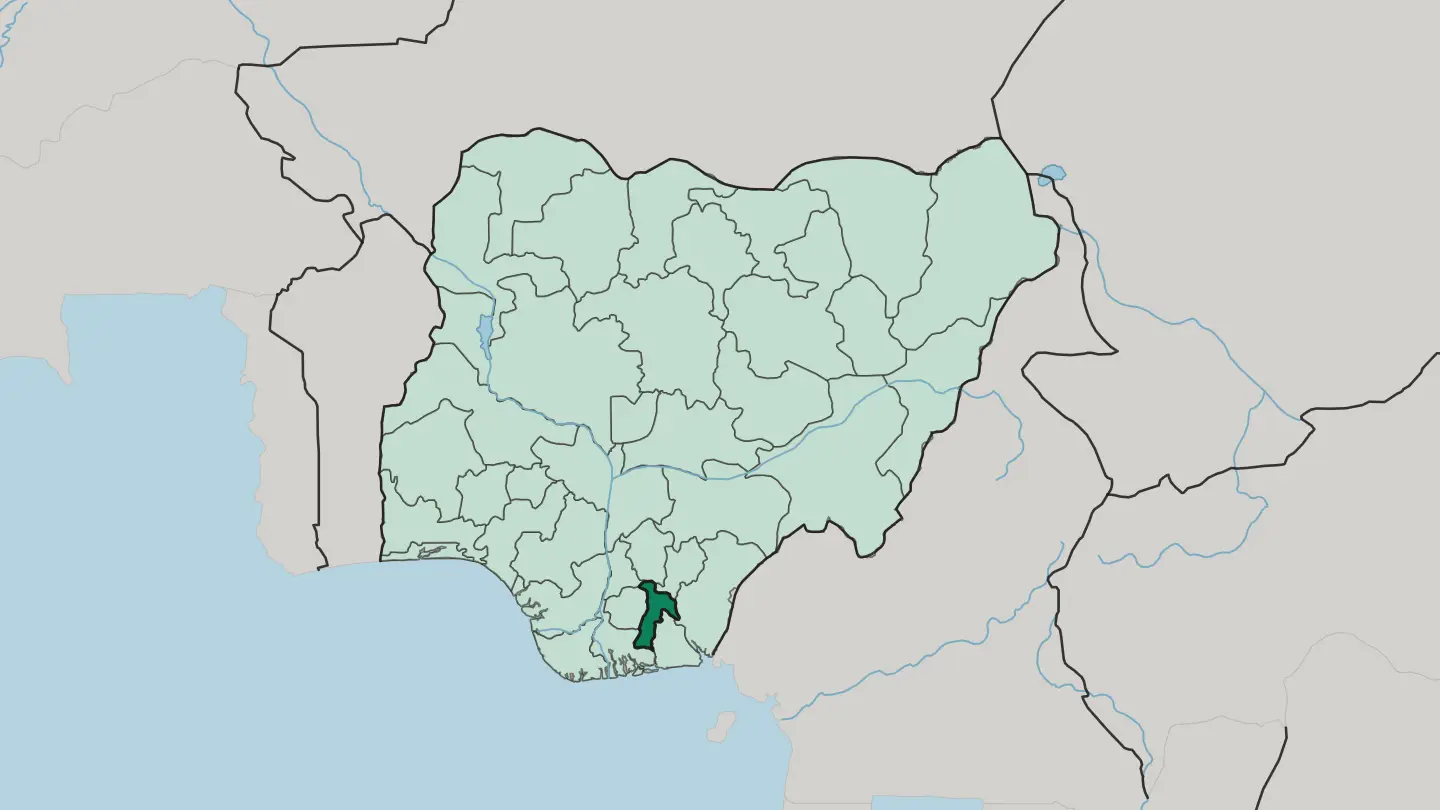
 Nigeria
Adamawa State
Adamawa State is a highland region of north-eastern Nigeria, drained by the Benue River and framed by mountains along the Cameroon border.Towns & cities →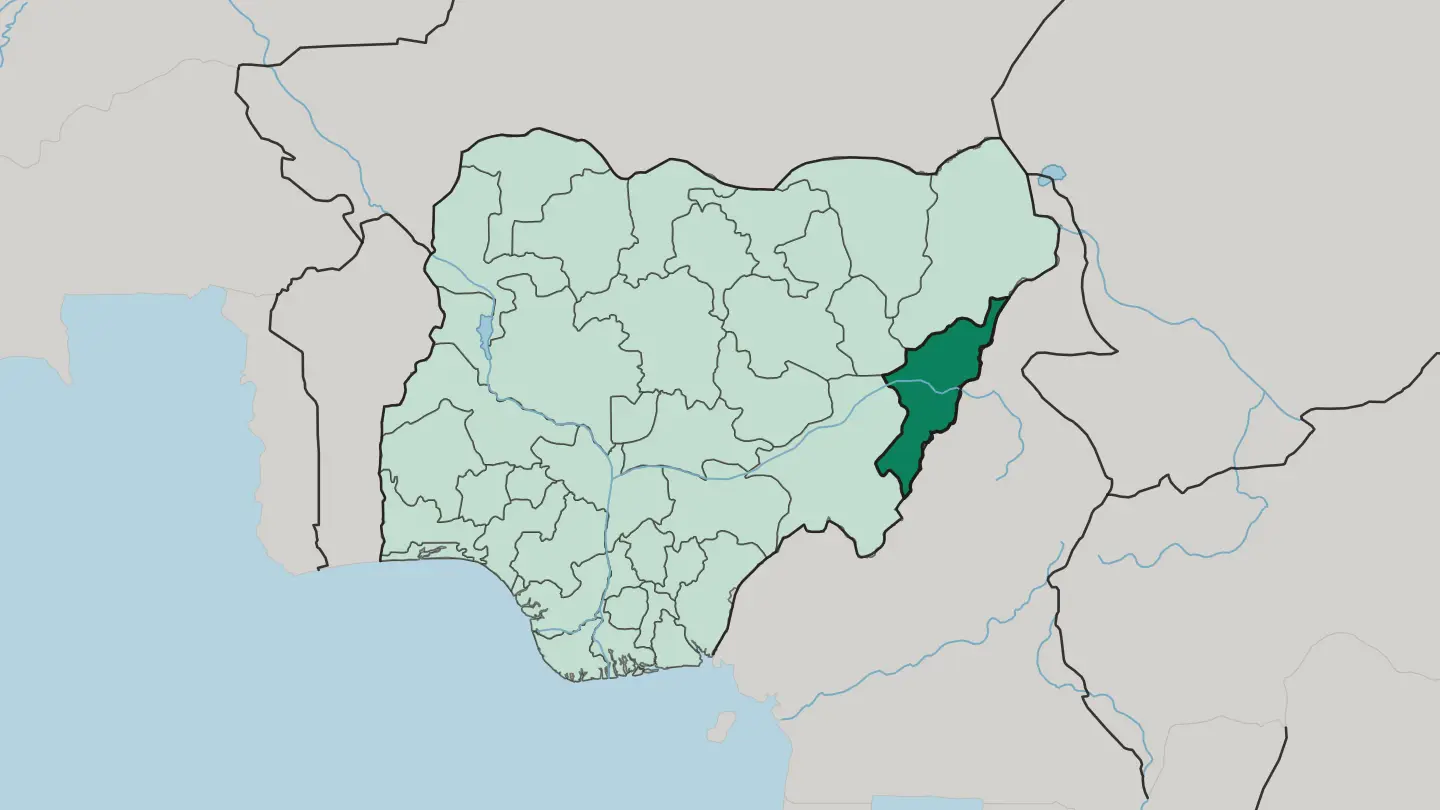
 Nigeria
Akwa Ibom State
Akwa Ibom is a coastal state in south-eastern Nigeria, named for the Qua Iboe River and edged by the Atlantic.Towns & cities →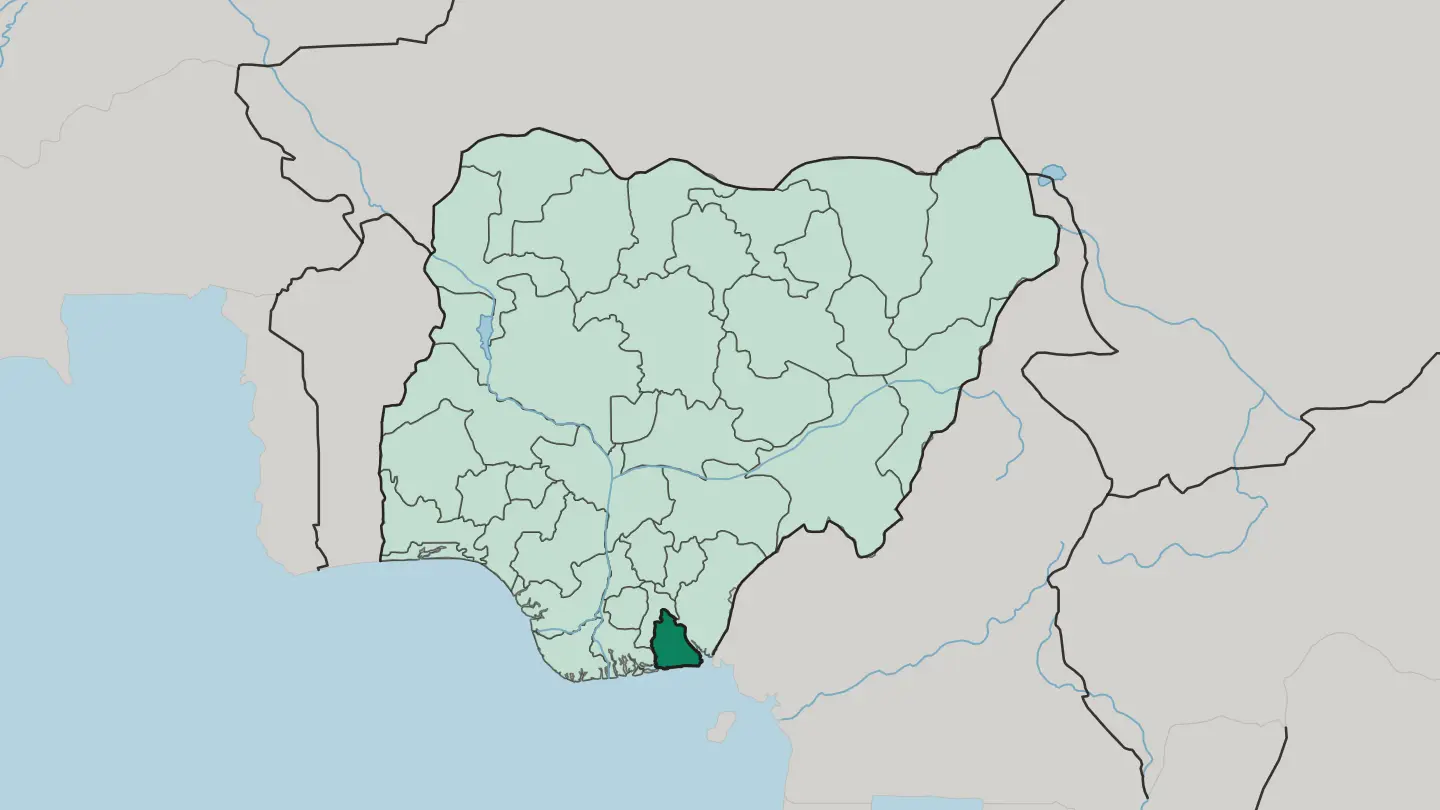
 Nigeria
Anambra State
Anambra State sits in south-east Nigeria, named for the Ọmambala River and anchored by the Niger port of Onitsha.Towns & cities →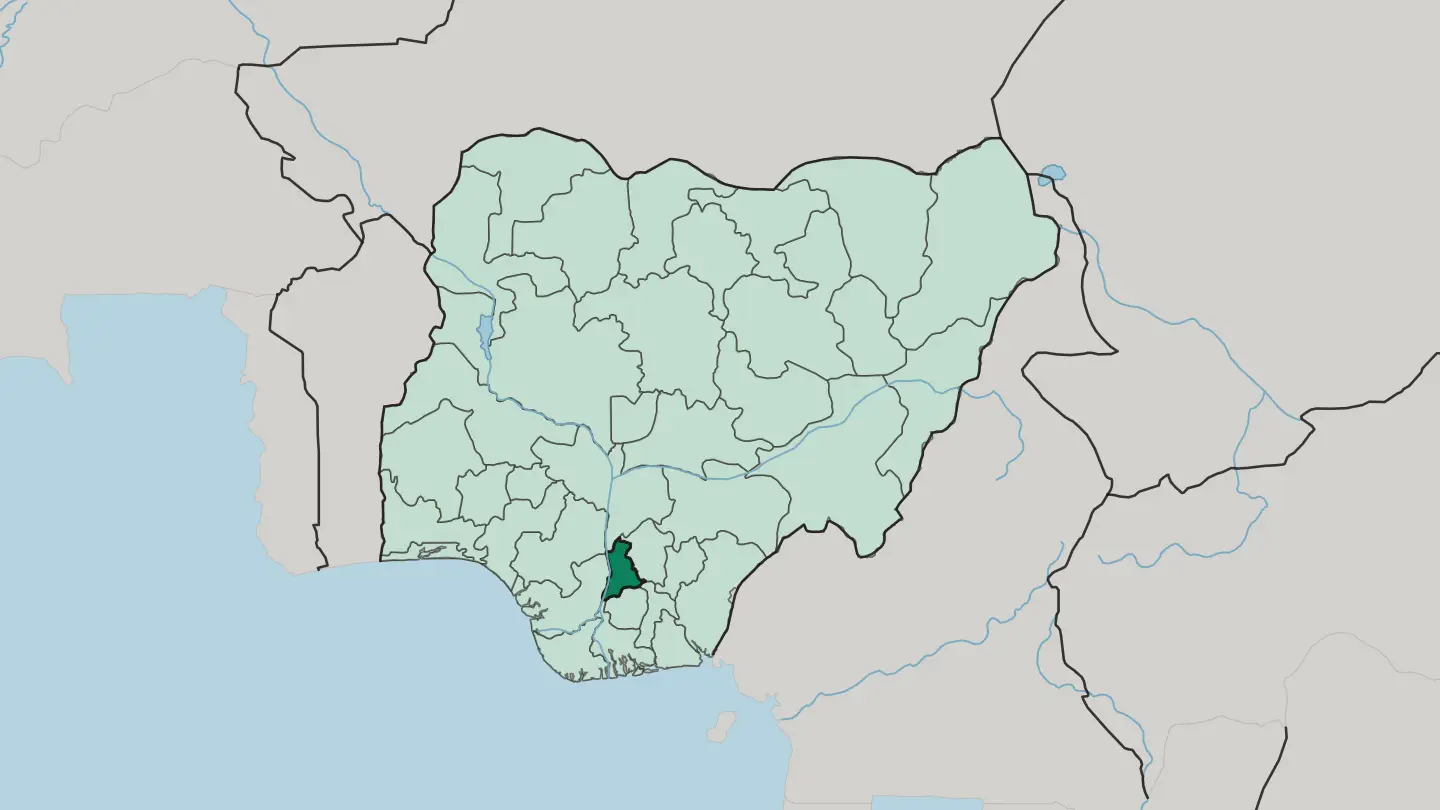
 Nigeria
Bauchi State
Bauchi State spreads across north-eastern Nigeria, from the Jos Plateau's northern rim out to Yankari's elephant country.Towns & cities →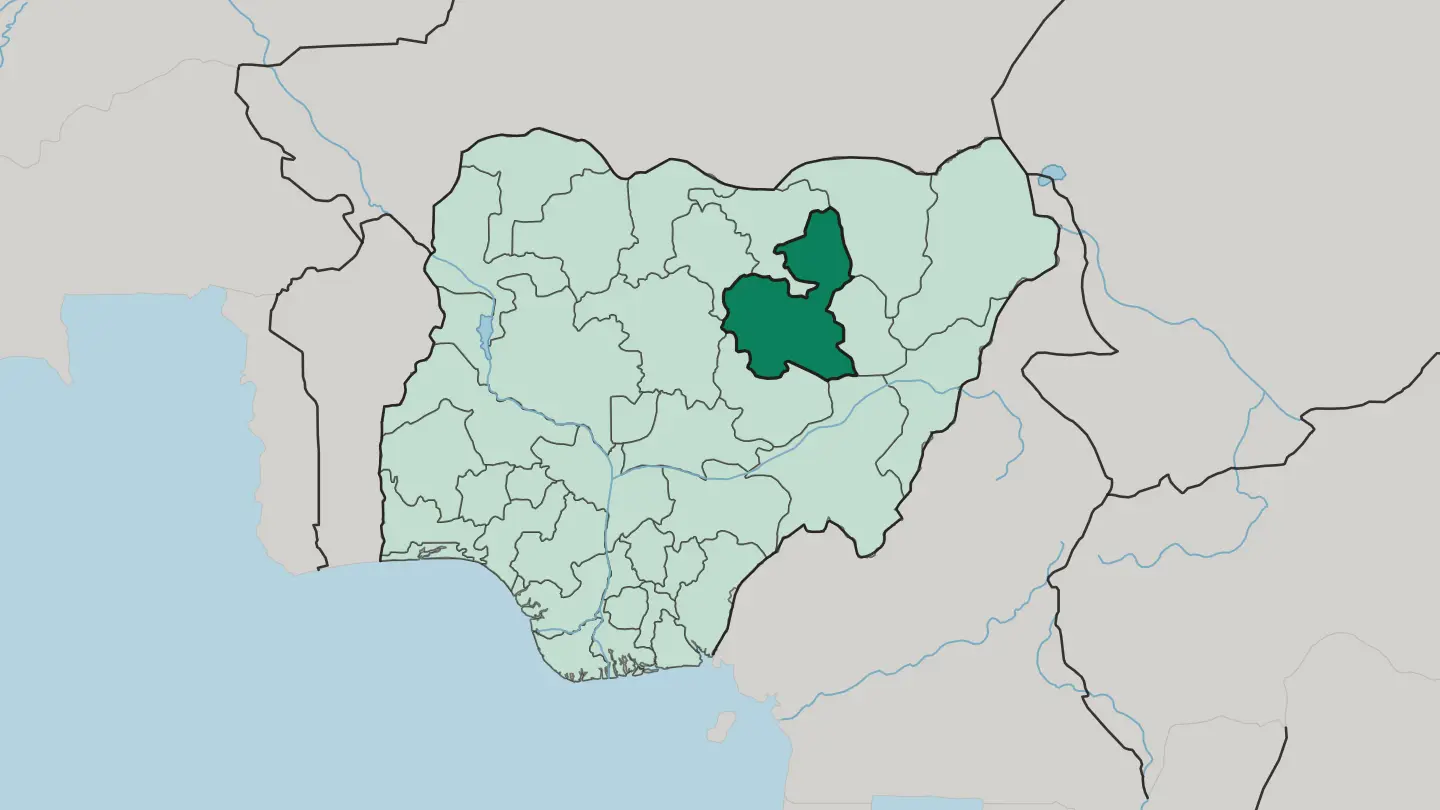
 Nigeria
Bayelsa State
Bayelsa State sits at the core of Nigeria's Niger Delta, an Ijaw homeland of creeks, mangrove and the Atlantic shore.Towns & cities →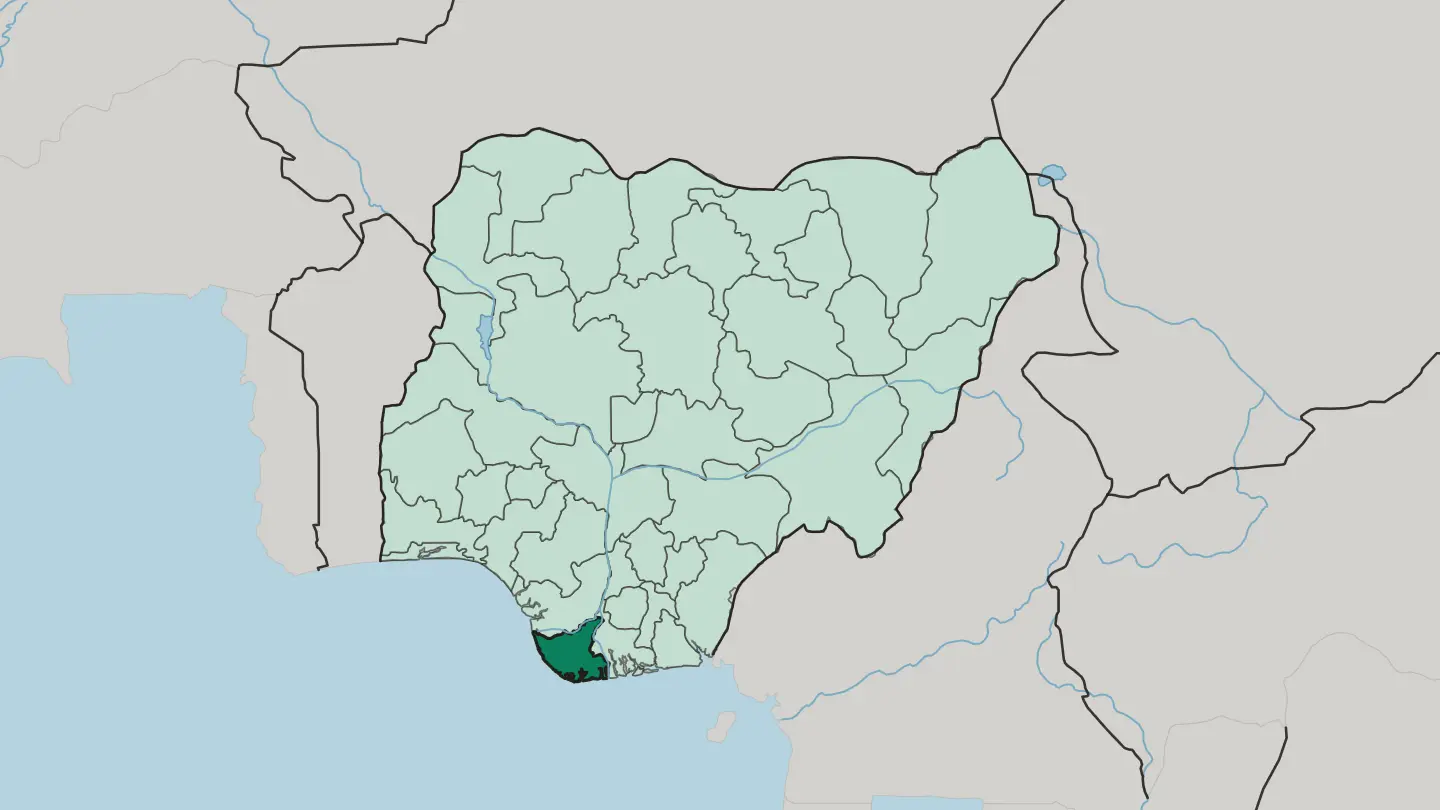
 Nigeria
Benue State
Benue State is the Food Basket of Nigeria, a green farming region in the Middle Belt named after the Benue River.Towns & cities →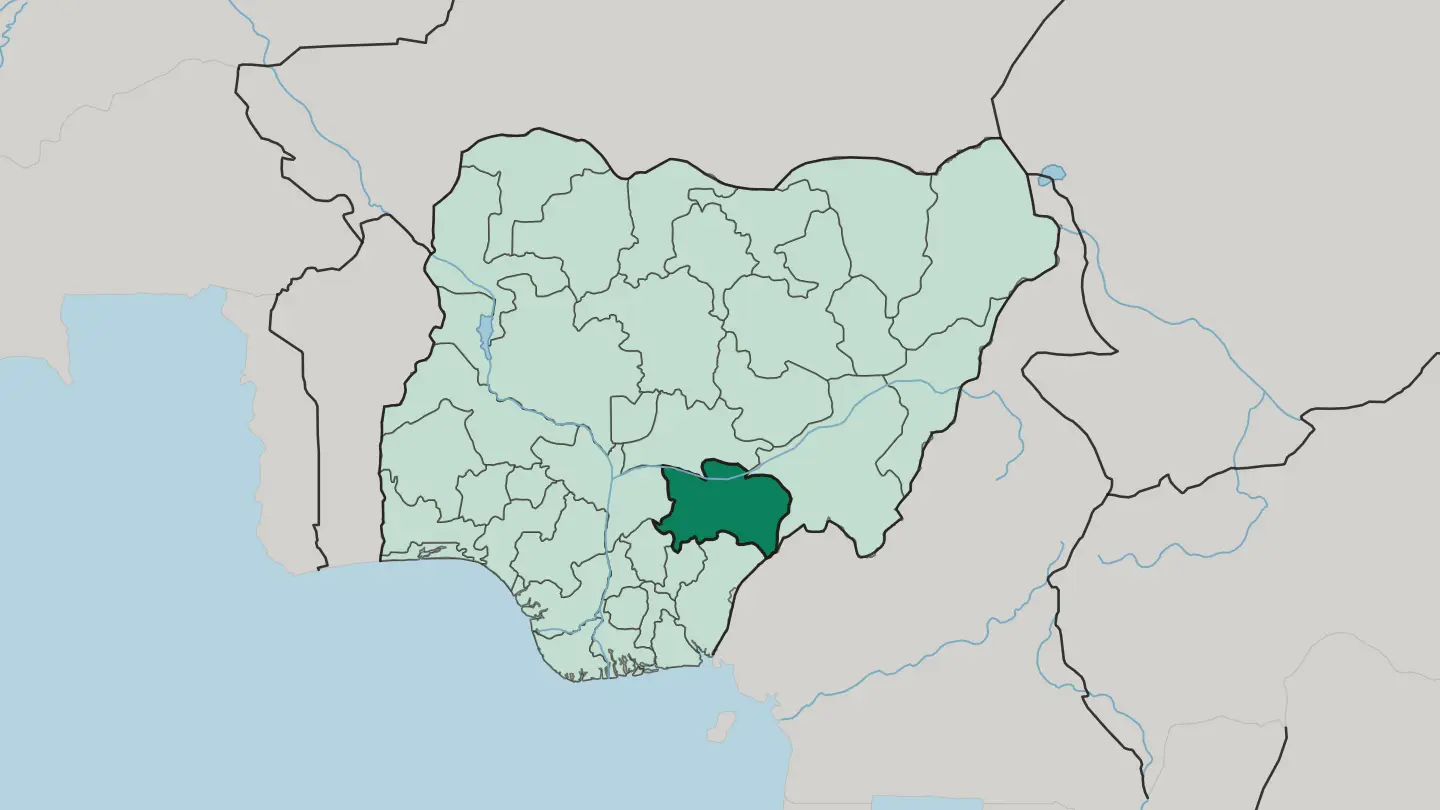
 Nigeria
Borno State
Borno State fills Nigeria's far north-east, wrapping the western shore of Lake Chad where three national borders meet.Towns & cities →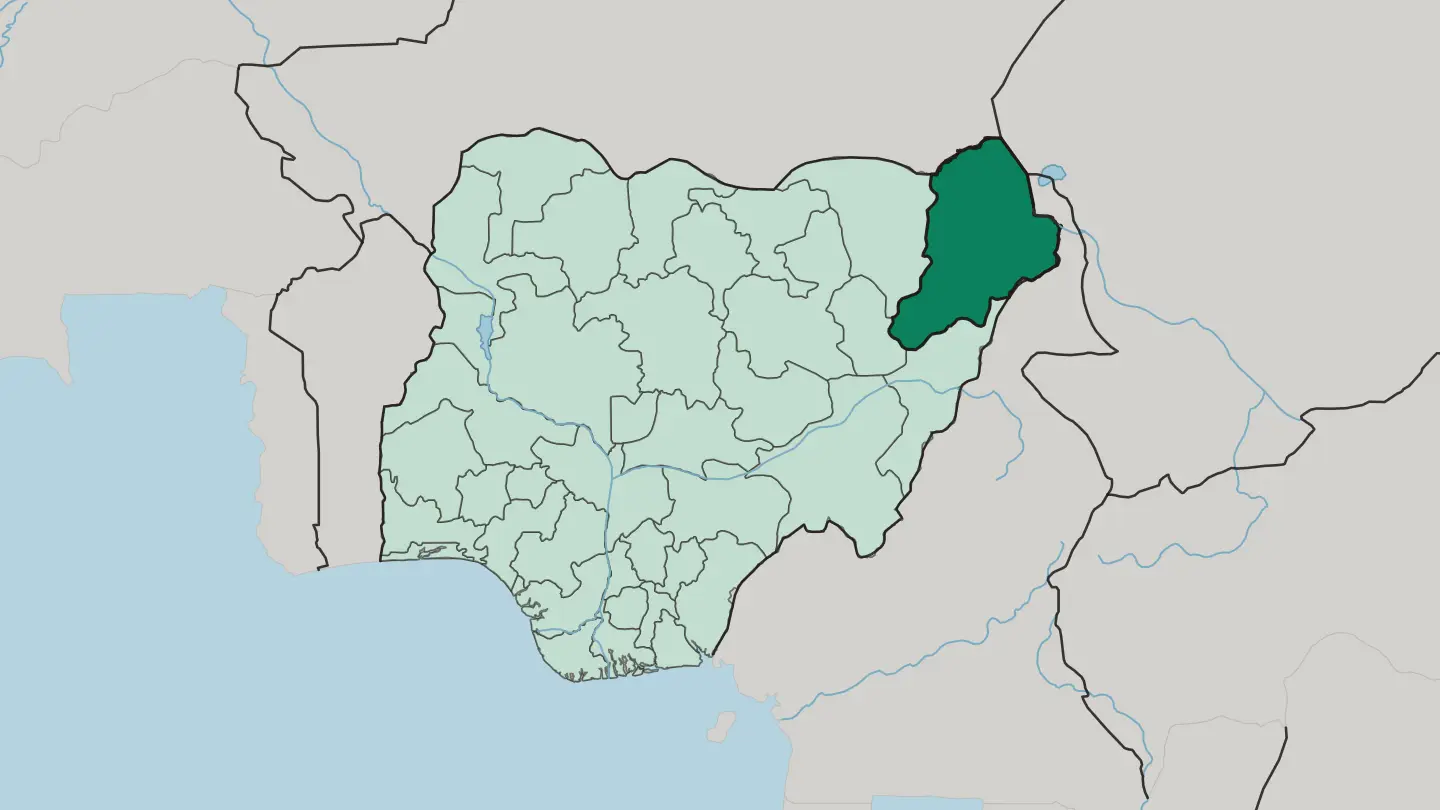 Nigeria
Cross River State
Cross River State is Nigeria's rainforest corner, running from Calabar on the coast up to the Obudu highlands.Towns & cities →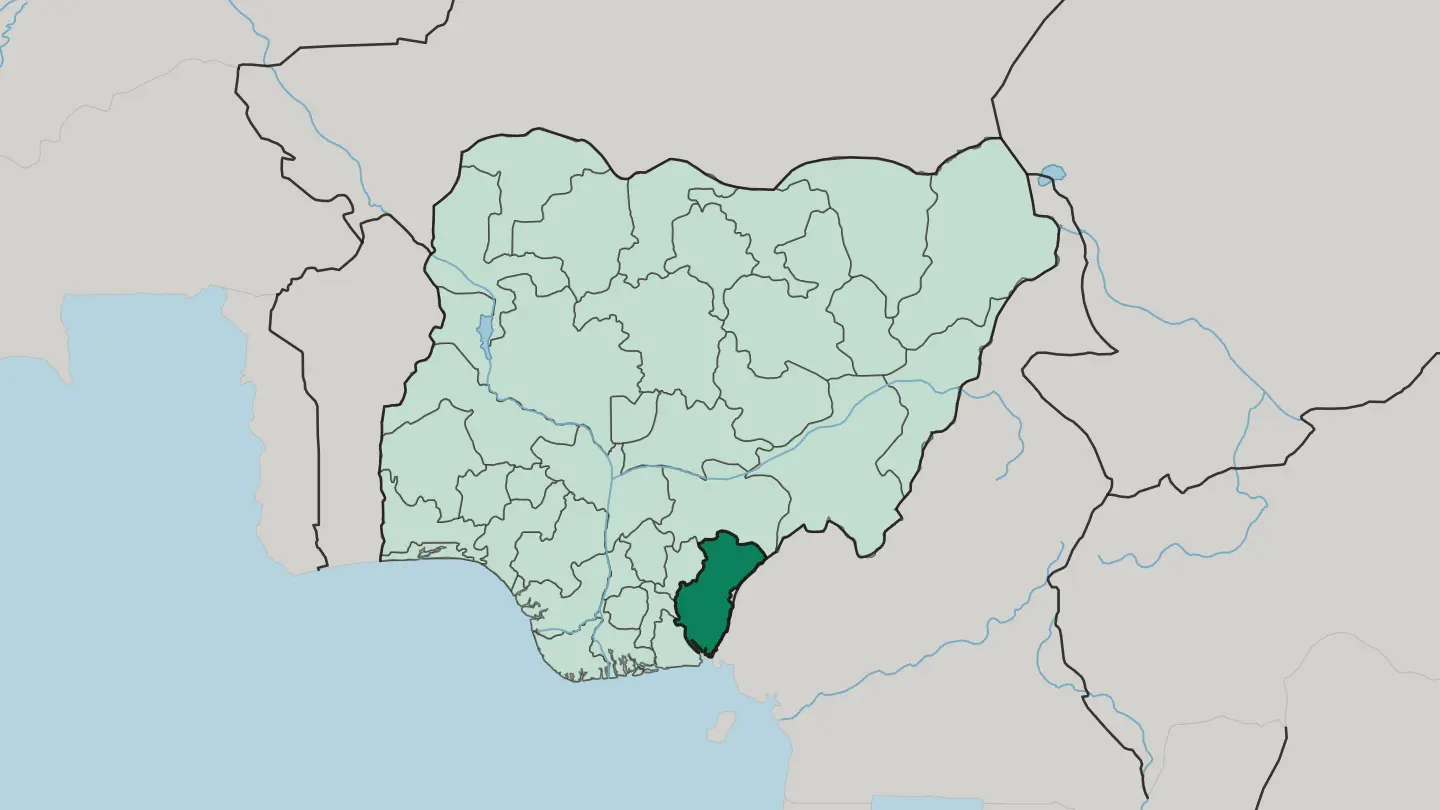 Nigeria
Delta State
Delta State fans out across the western Niger Delta in southern Nigeria, laced by the River Niger and its creeks.Towns & cities →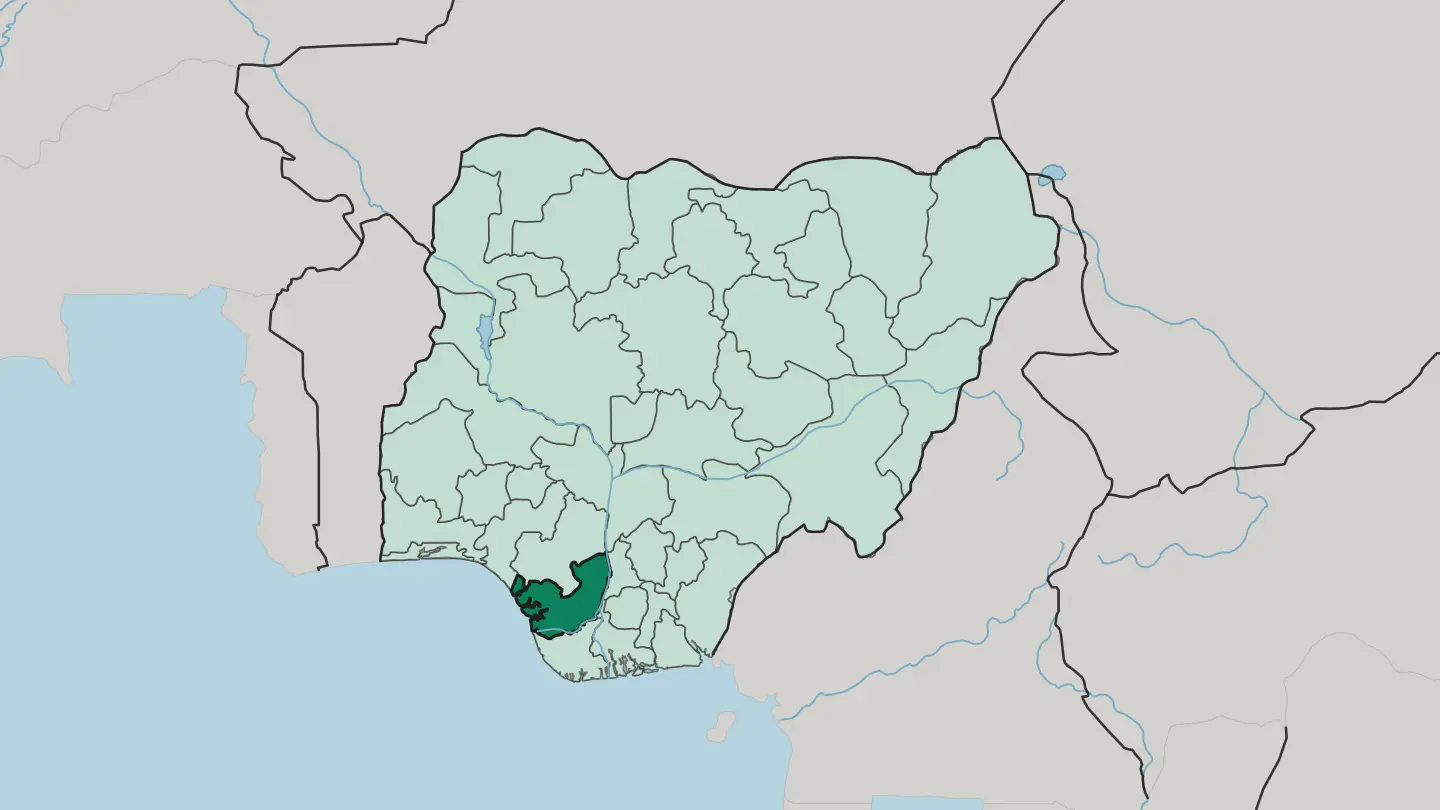 Nigeria
Ebonyi State
Ebonyi State is the rice-growing heart of south-eastern Nigeria, named for the Abonyi River and known as the Salt of the Nation.Towns & cities →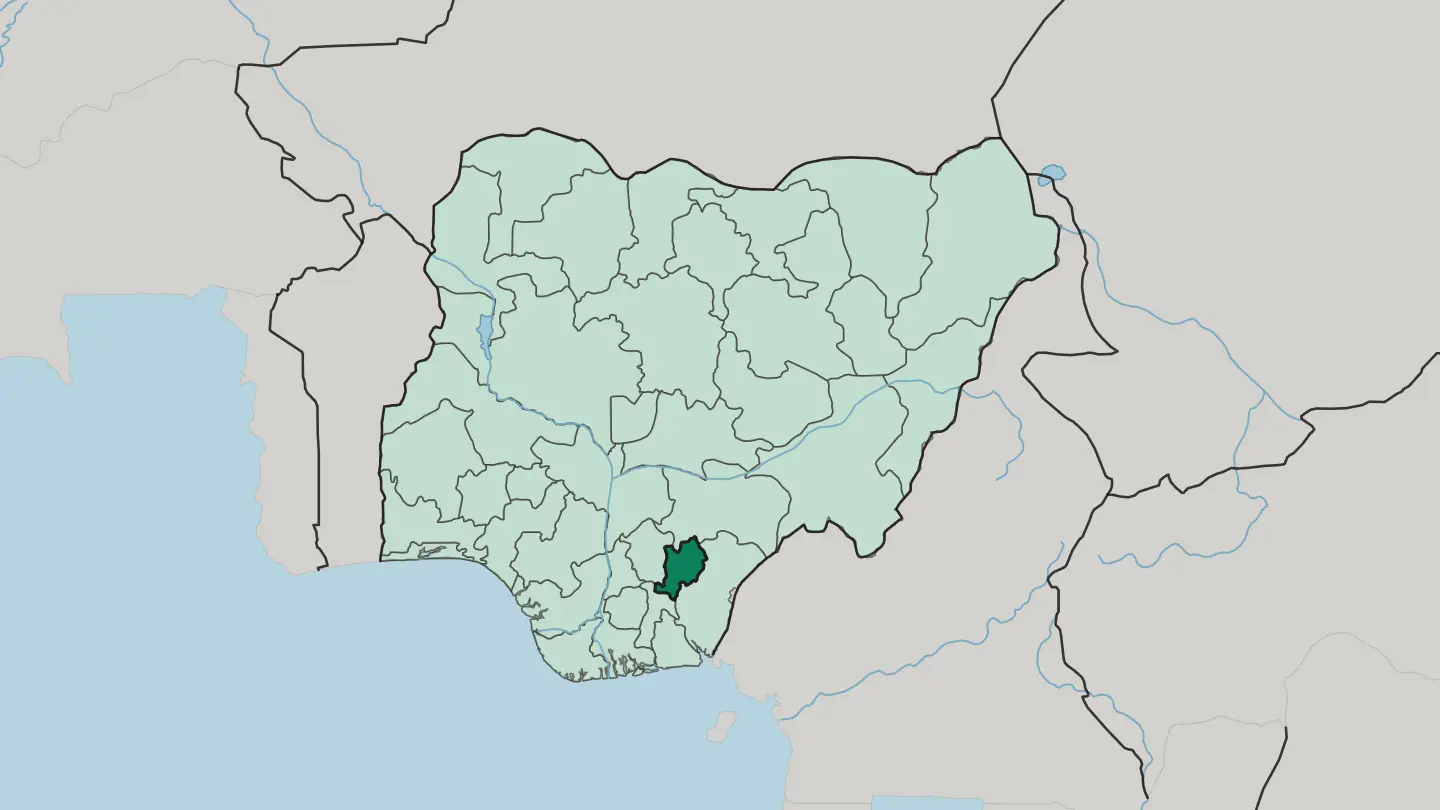 Nigeria
Edo
Edo is a rainforest state in southern Nigeria, its capital Benin City the seat of the old kingdom that cast the Benin Bronzes.Towns & cities →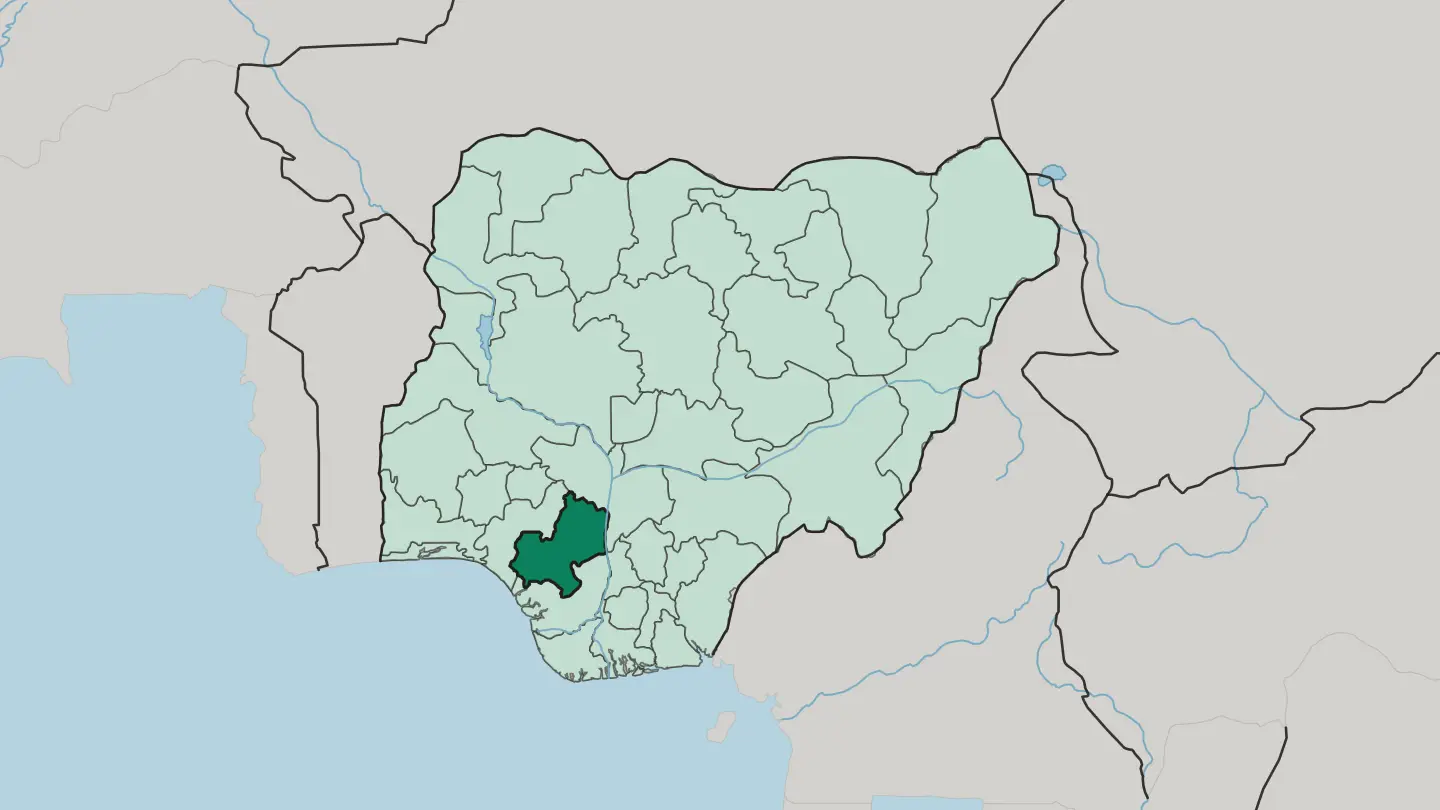
 Nigeria
Ekiti State
Ekiti State is the hill country of south-western Nigeria, an upland of dome rocks and forest with Ado-Ekiti at its centre.Towns & cities →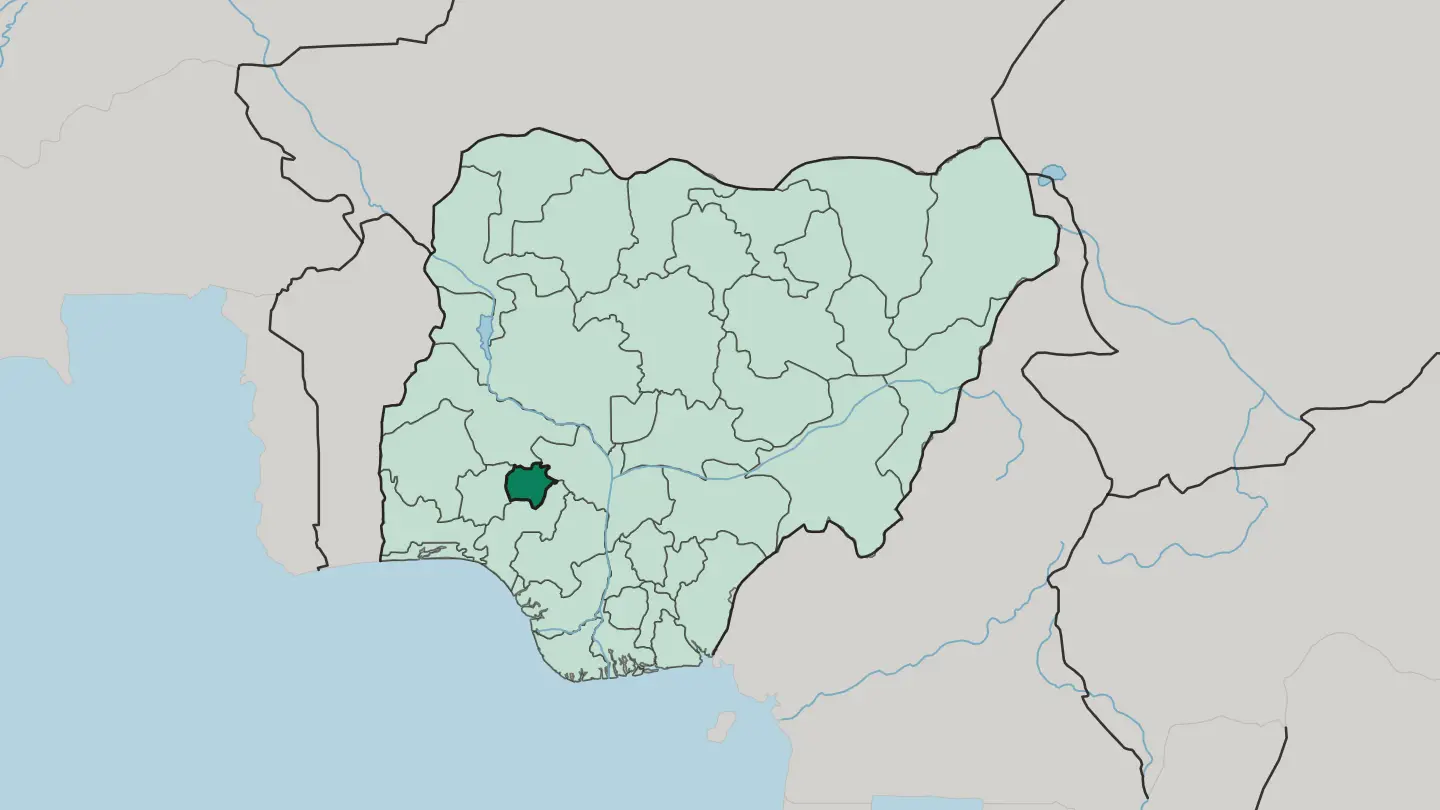 Nigeria
Enugu State
Enugu State is the coal-country heart of Igboland in south-eastern Nigeria, ranged along the Udi escarpment.Towns & cities →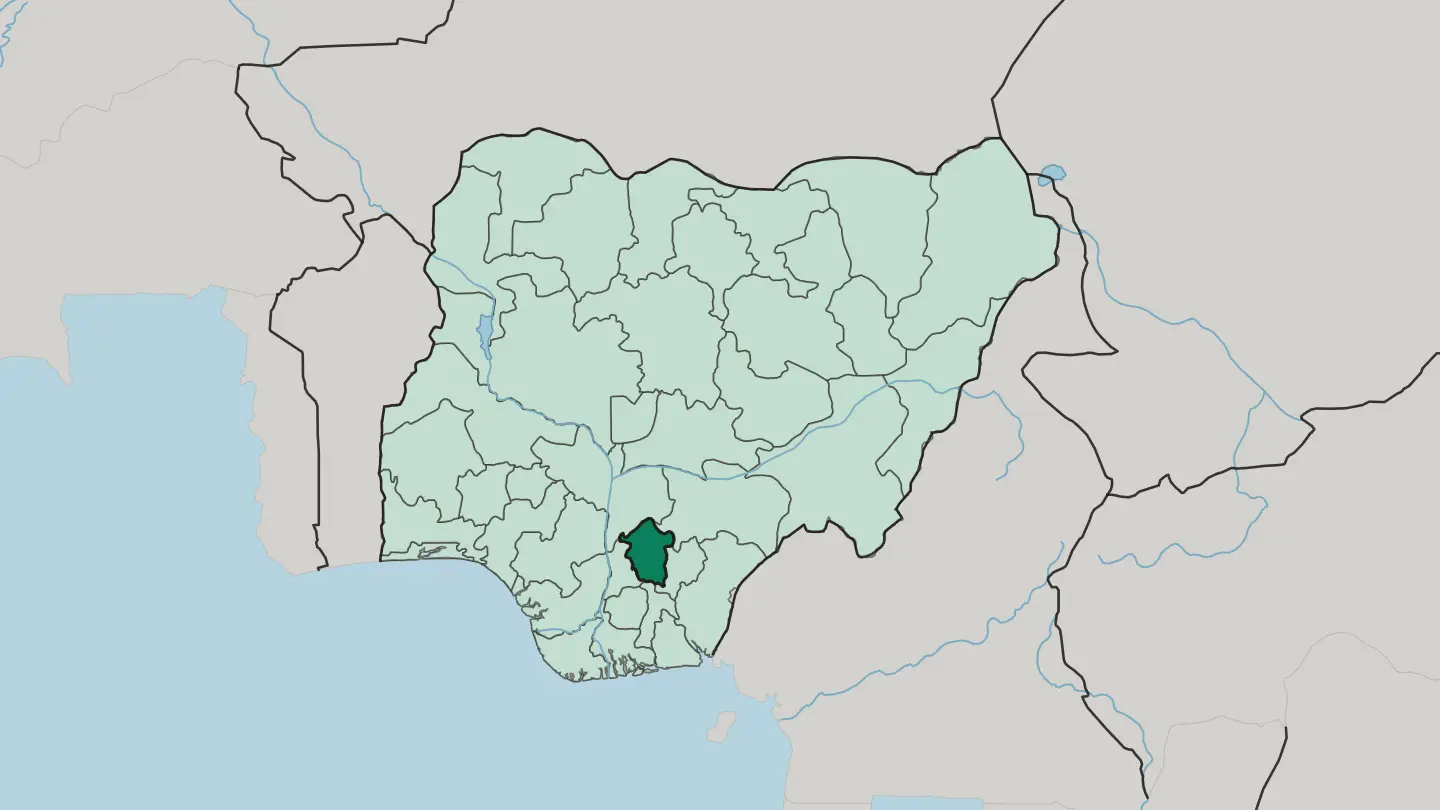 Nigeria
Federal Capital Territory
The Federal Capital Territory holds Abuja, Nigeria's planned capital, on the high savanna plains at the country's centre.Towns & cities →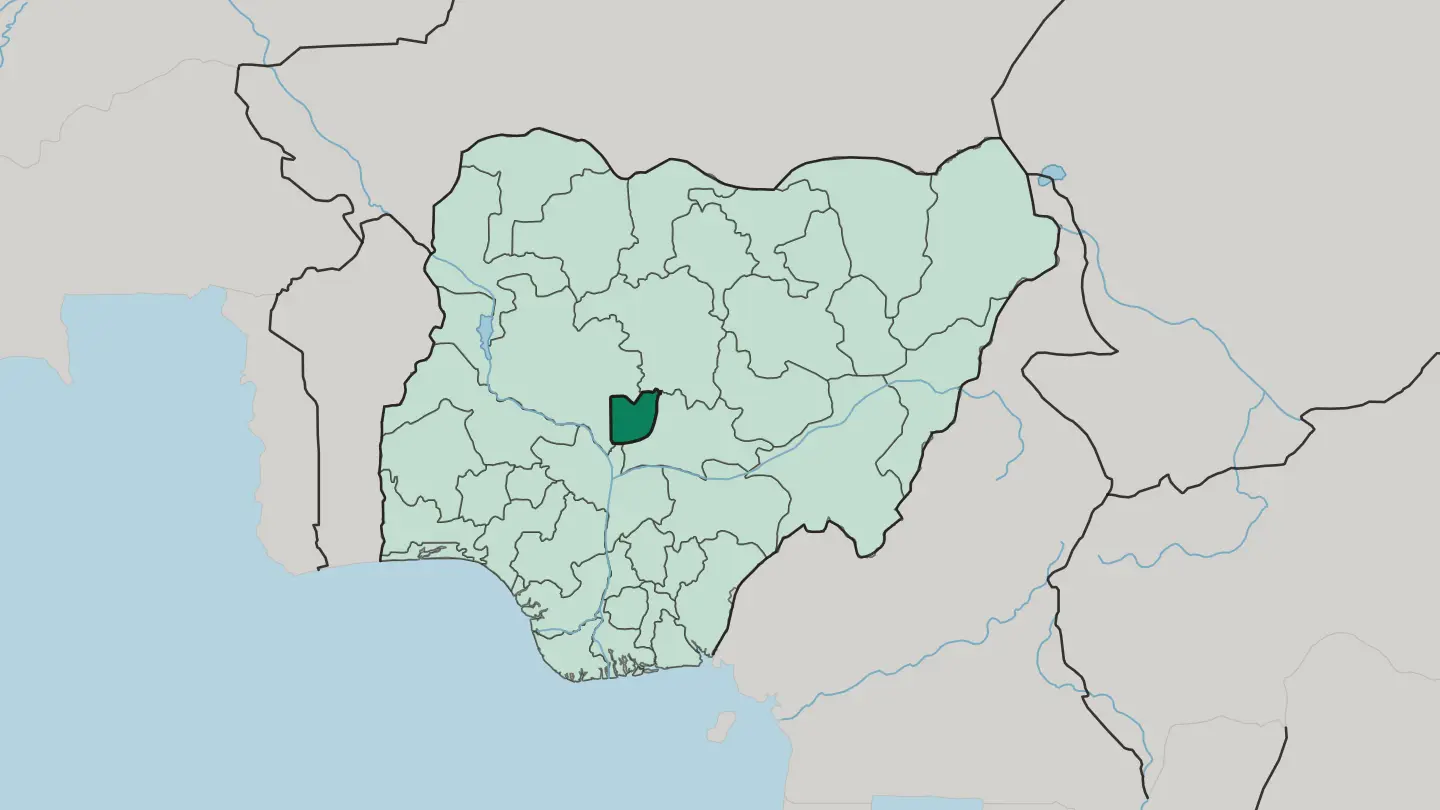 Nigeria
Gombe State
Gombe State is a savanna region of north-eastern Nigeria, built around the city of Gombe and the Gongola River.Towns & cities →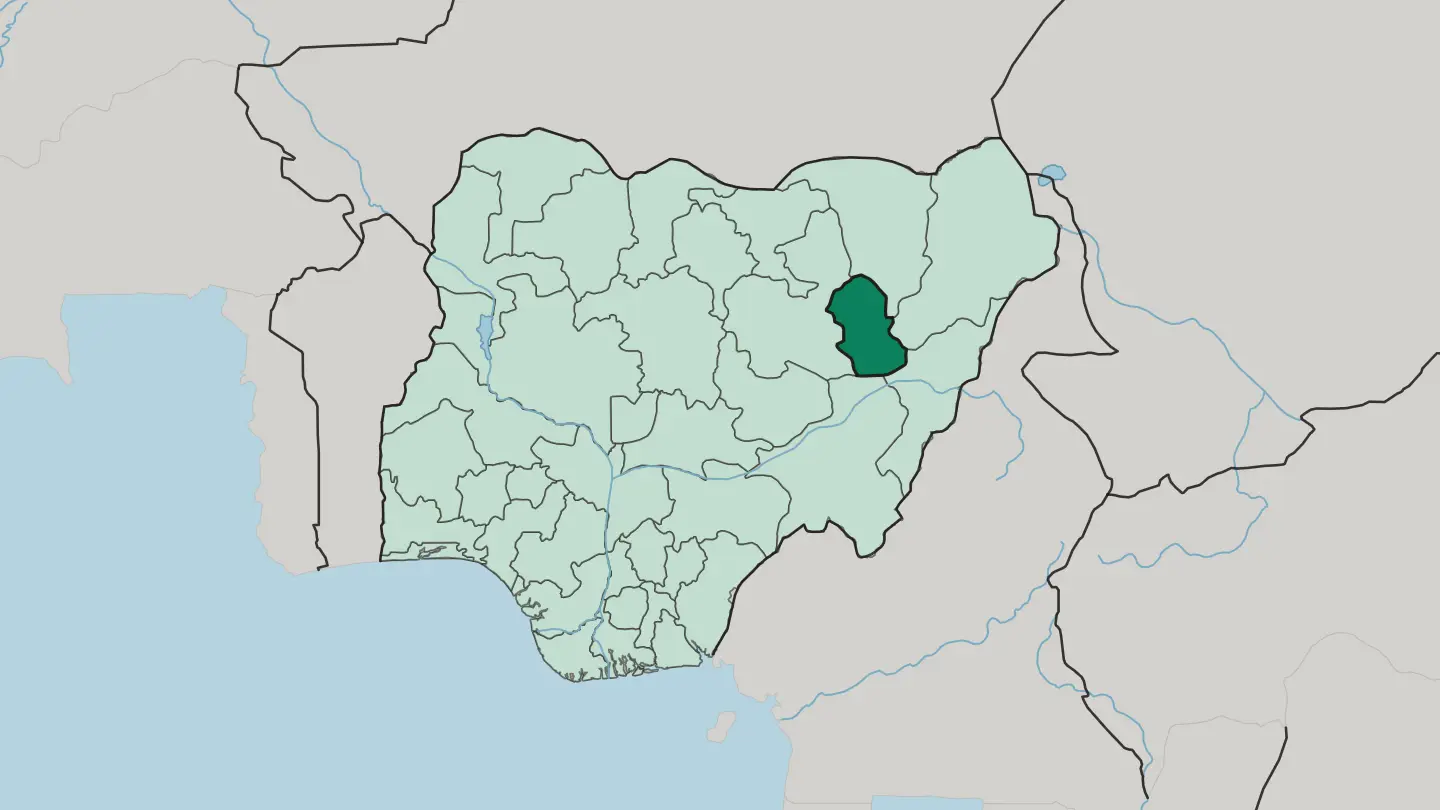
 Nigeria
Imo State
Imo State is the Igbo heartland of south-eastern Nigeria, named for the Imo River and built around its capital, Owerri.Towns & cities →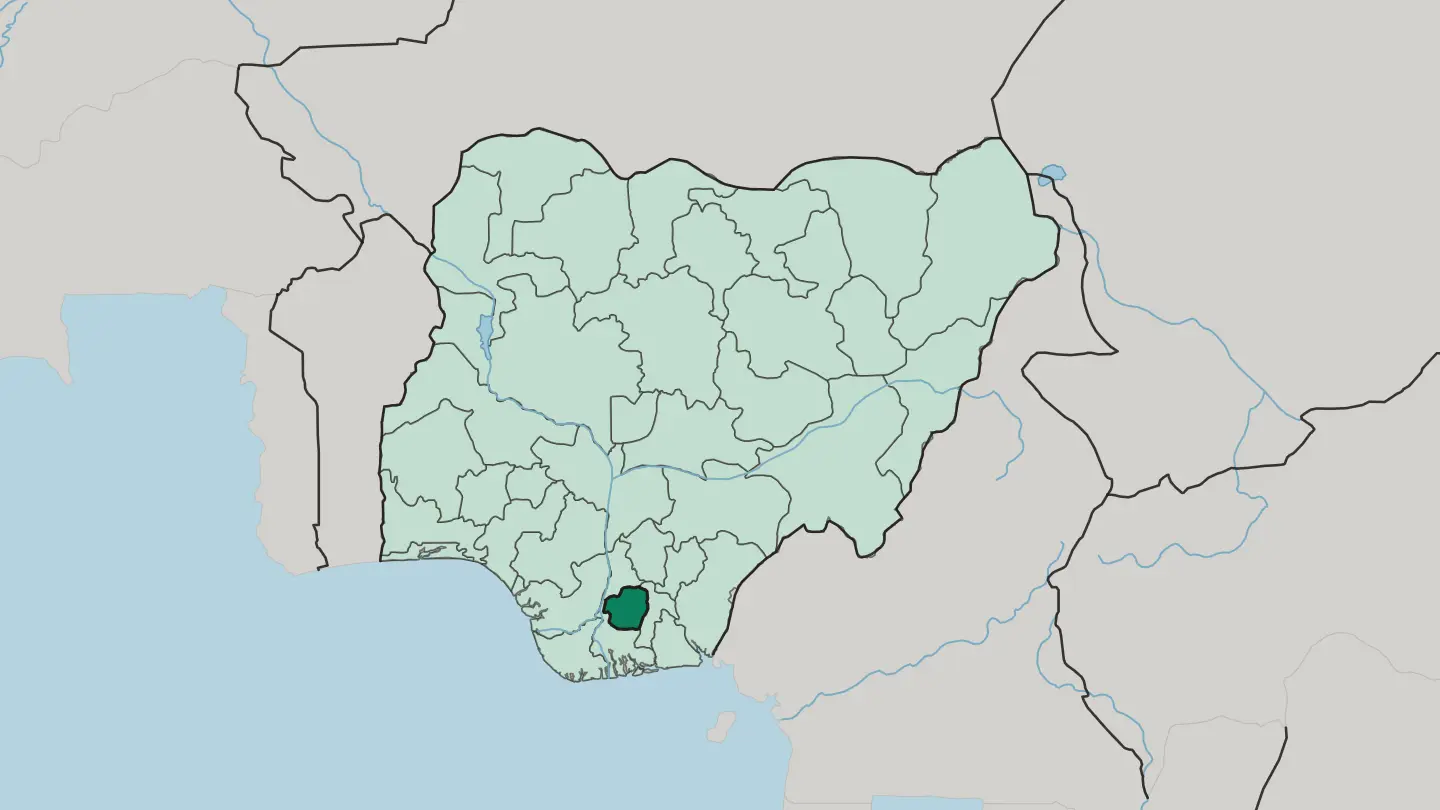 Nigeria
Jigawa State
Jigawa is a Sahel state in North-West Nigeria, its sandy plains reaching the Niger border and the Hadejia wetlands.Towns & cities →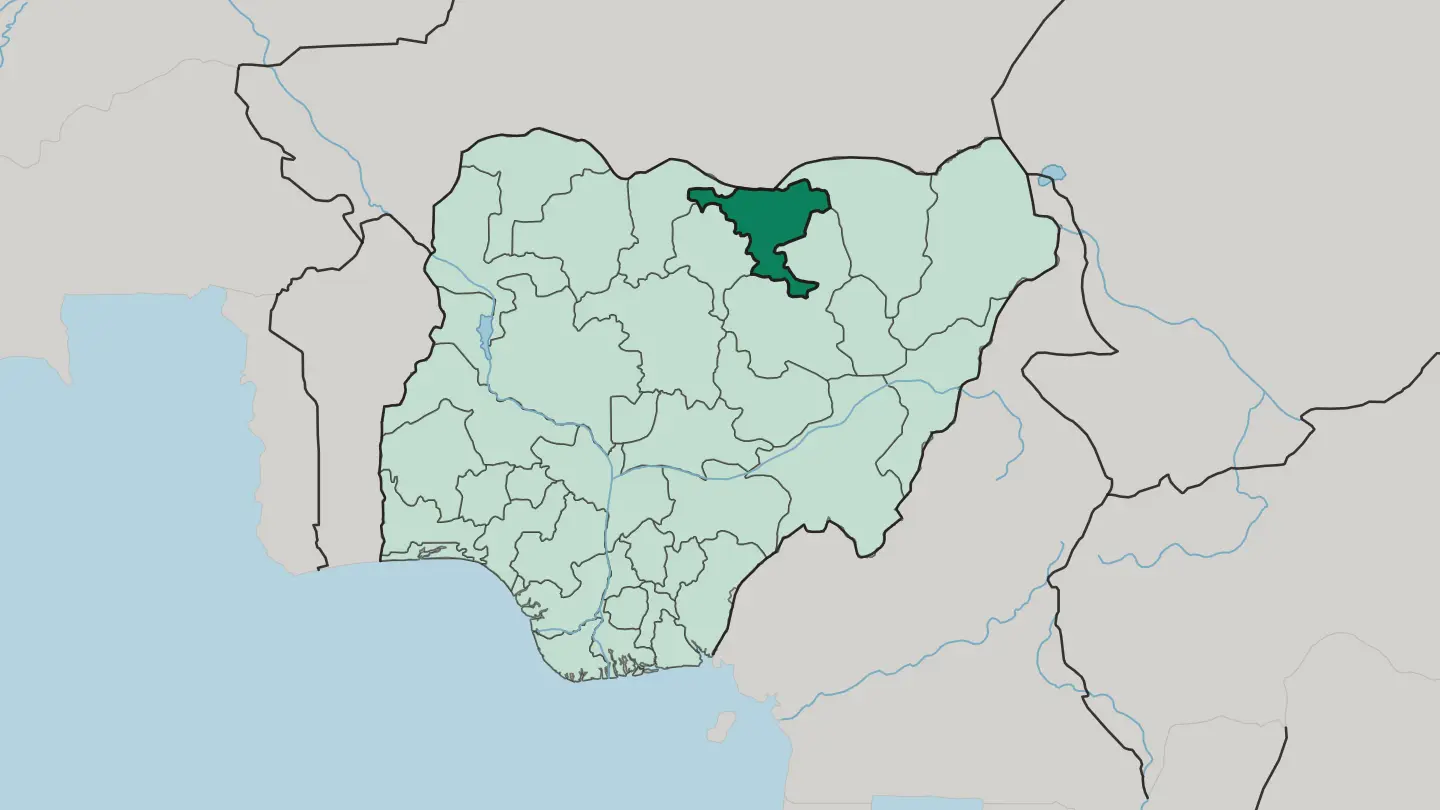 Nigeria
Kaduna State
Kaduna State spreads across the savannah of north-west Nigeria, its namesake capital straddling the Kaduna River.Towns & cities →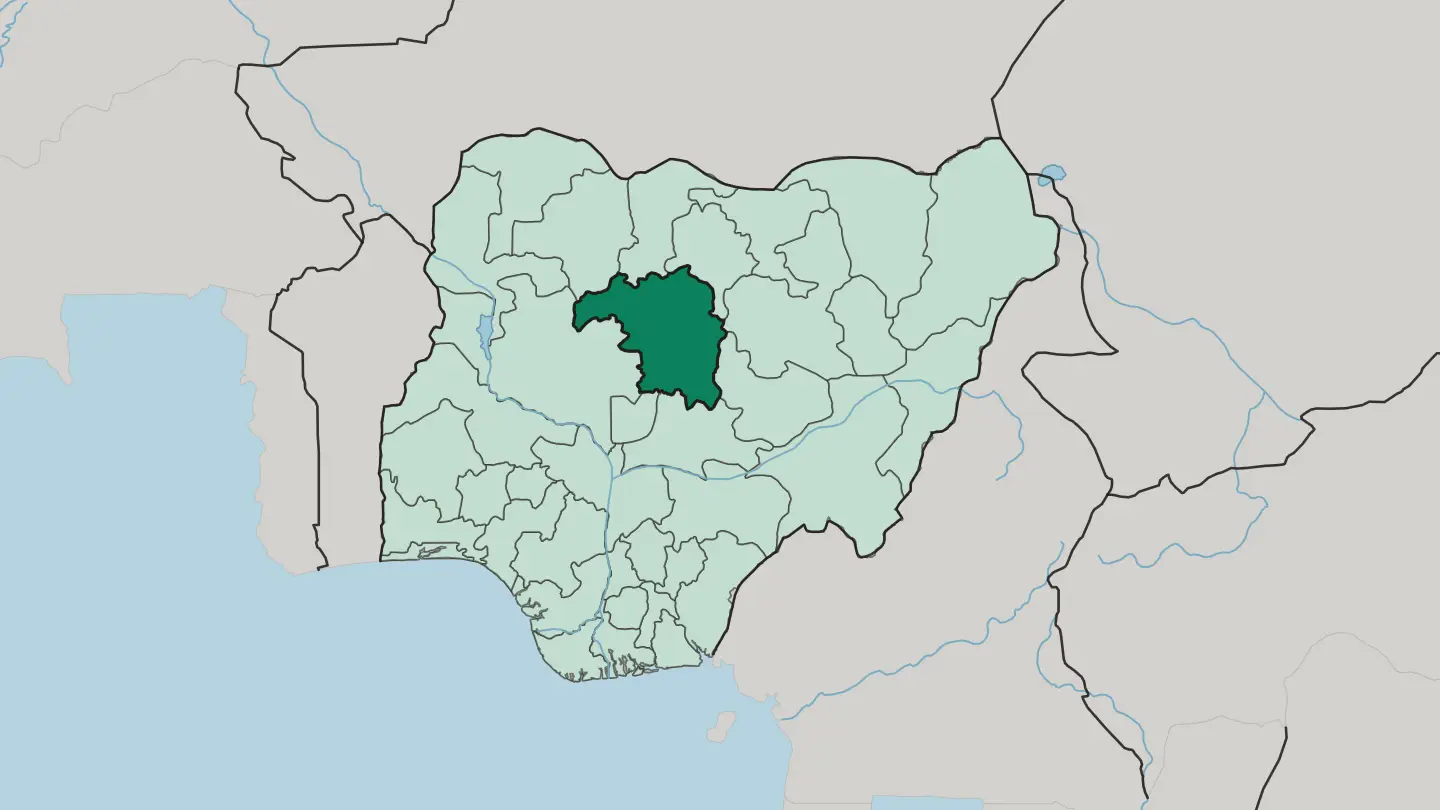 Nigeria
Kano State
Kano State fills the Sudanian savanna of northern Nigeria, its ancient walled capital the old crossroads of Saharan caravan trade.Towns & cities →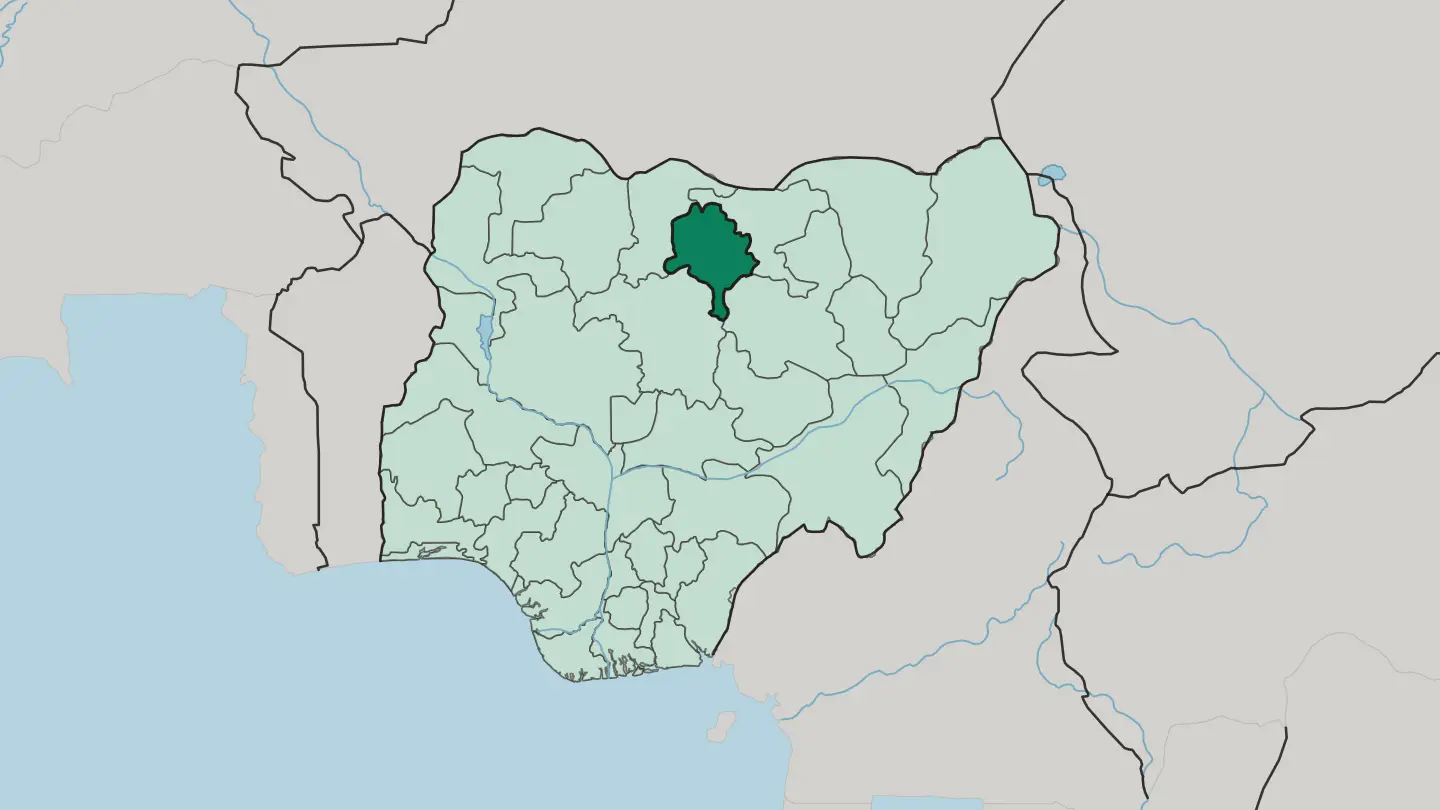 Nigeria
Katsina State
Katsina State is a Hausa heartland in far northern Nigeria, its savanna running to the Niger border.Towns & cities →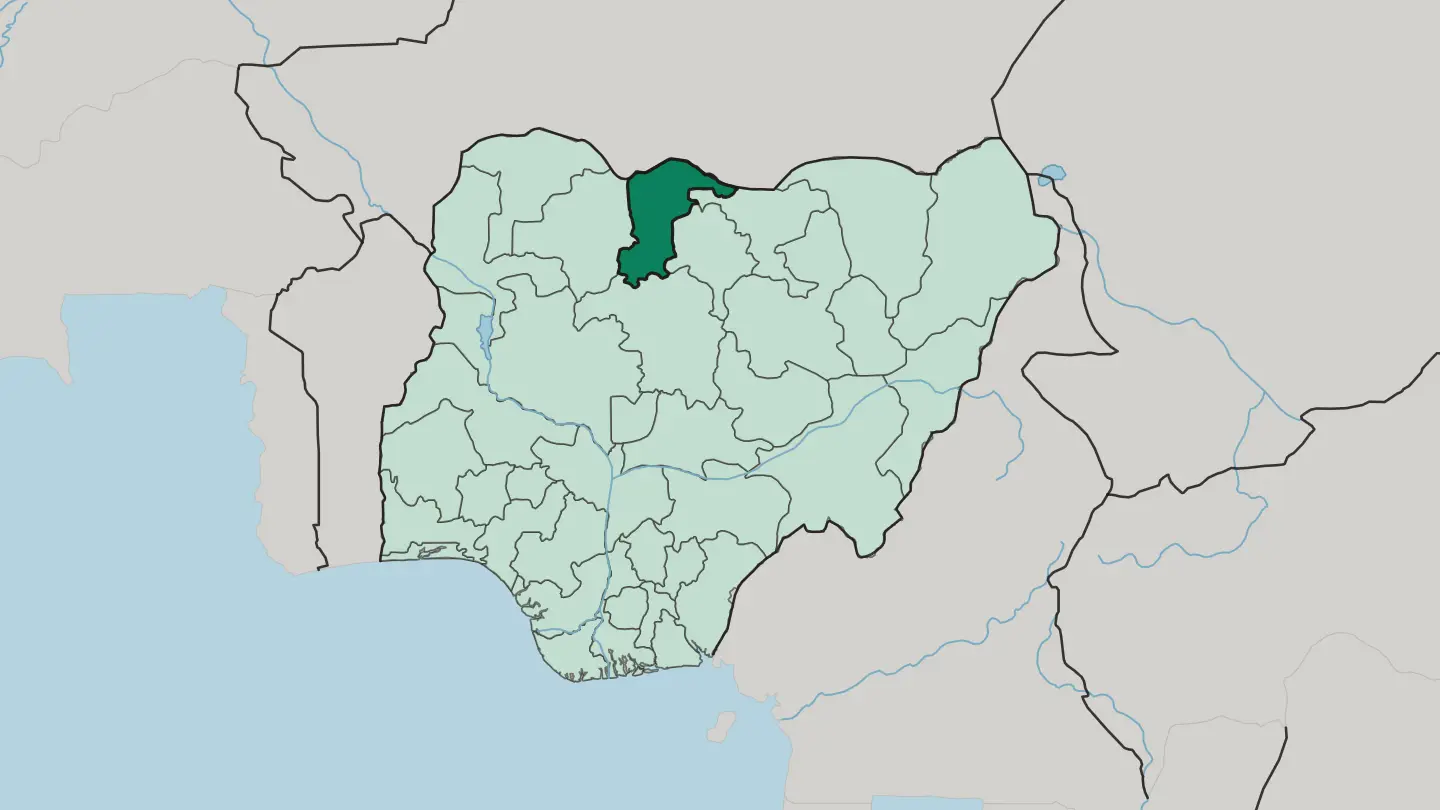 Nigeria
Kebbi State
Kebbi State fills Nigeria's far north-west, a savanna land drained by the Niger and the Rima and famous for the Argungu fishing festival.Towns & cities →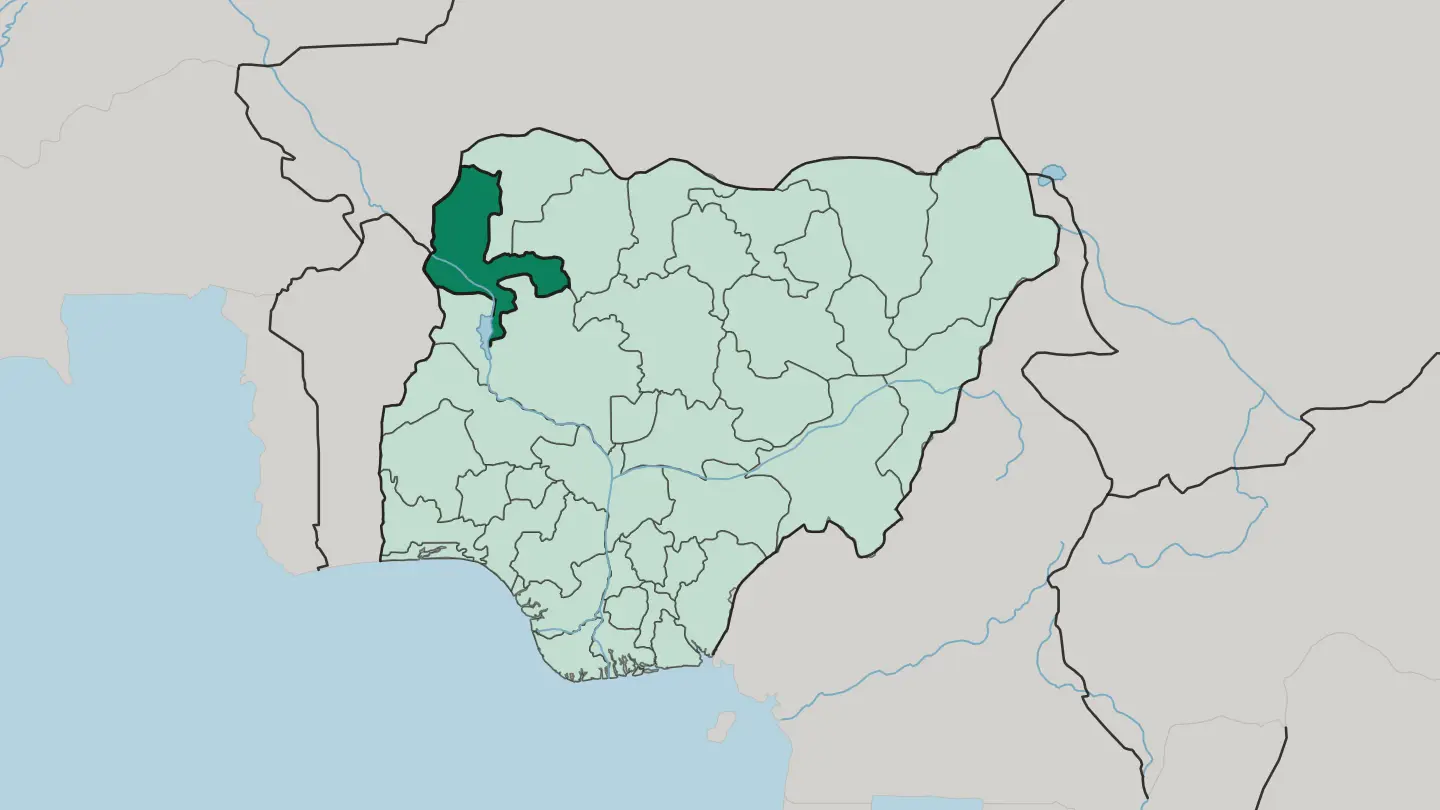 Nigeria
Kogi State
Kogi State sits where the Niger meets the Benue in central Nigeria, the country's only state to border ten others.Towns & cities →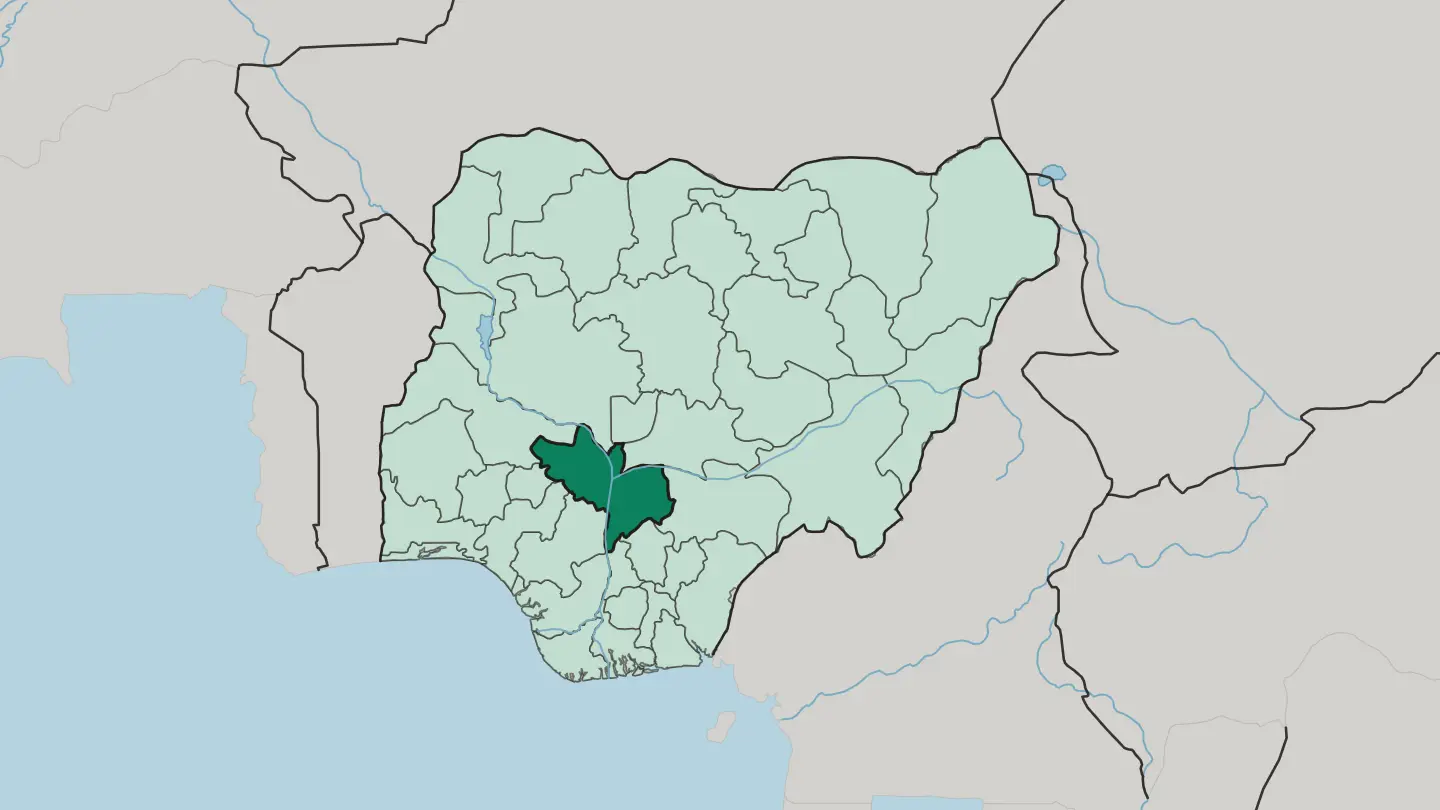
 Nigeria
Kwara State
Kwara is a North Central Nigerian state where the Niger River draws the northern border and Ilorin, its capital, joins the Hausa north to the Yoruba south.Towns & cities →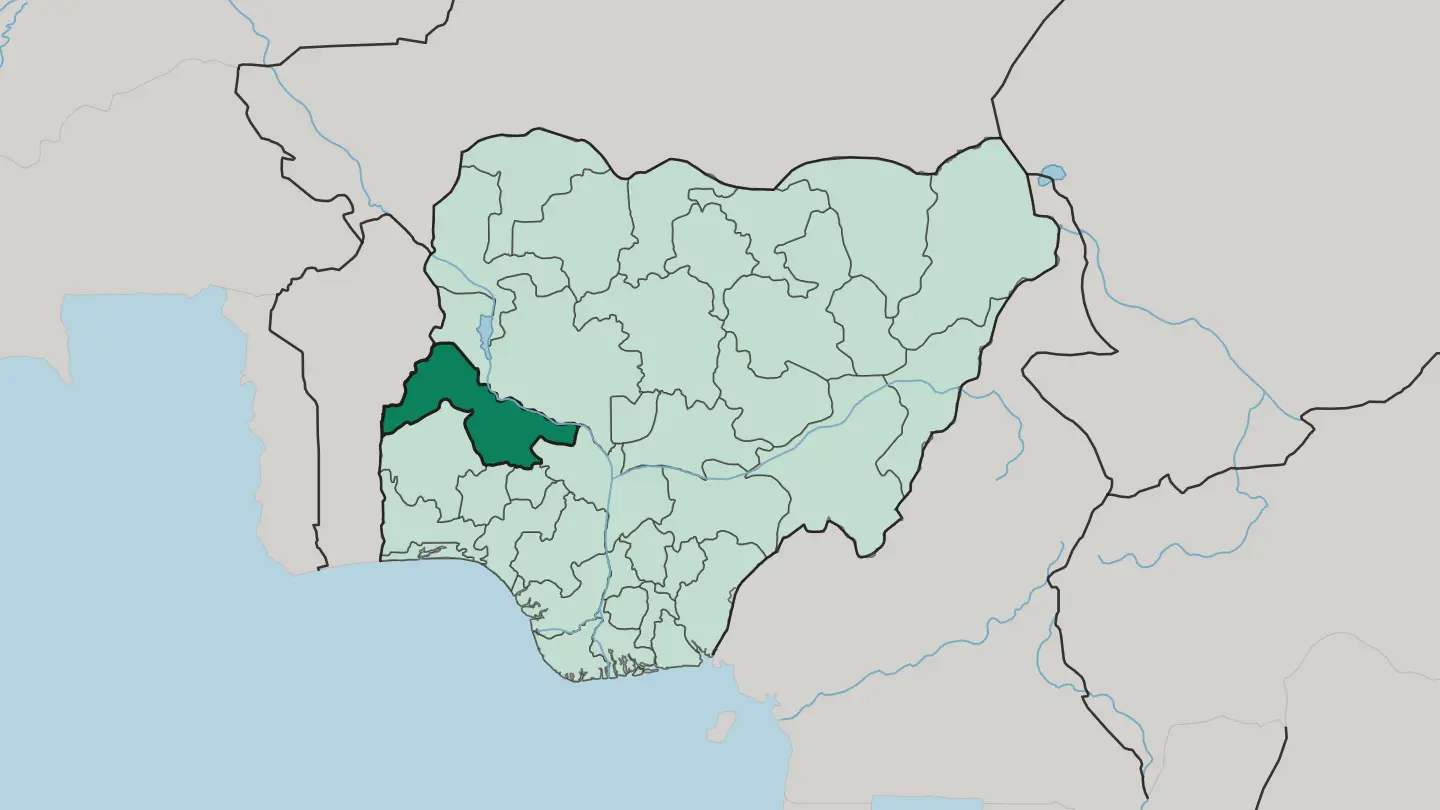 Nigeria
Lagos State
Lagos State lines the Bight of Benin in southwestern Nigeria, the country's smallest state by area, named for the port city of Lagos.Towns & cities →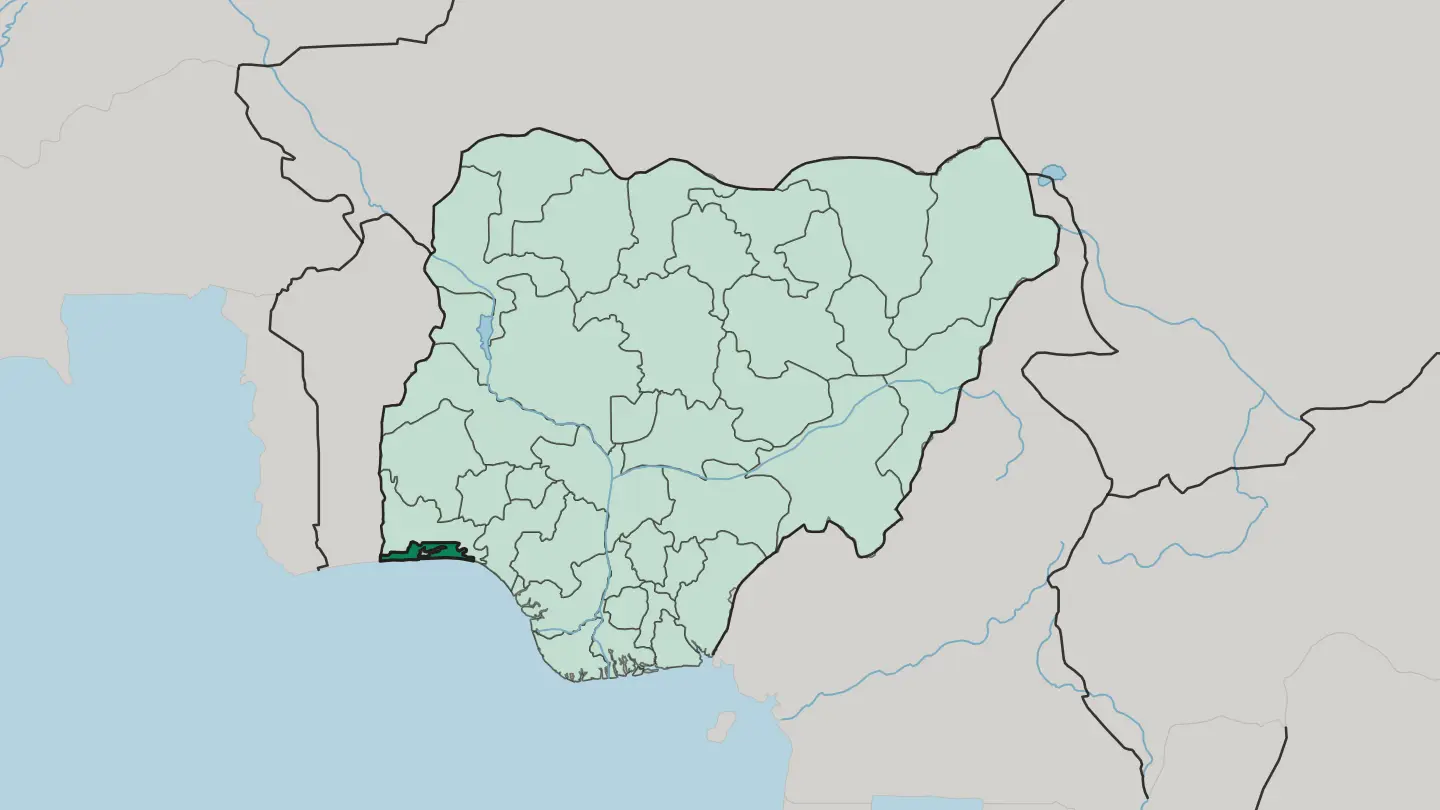
 Nigeria
Nasarawa State
Nasarawa State spreads across Nigeria's Middle Belt, where the Benue River, Guinea savanna and the Eggon Hills frame the capital at Lafia.Towns & cities →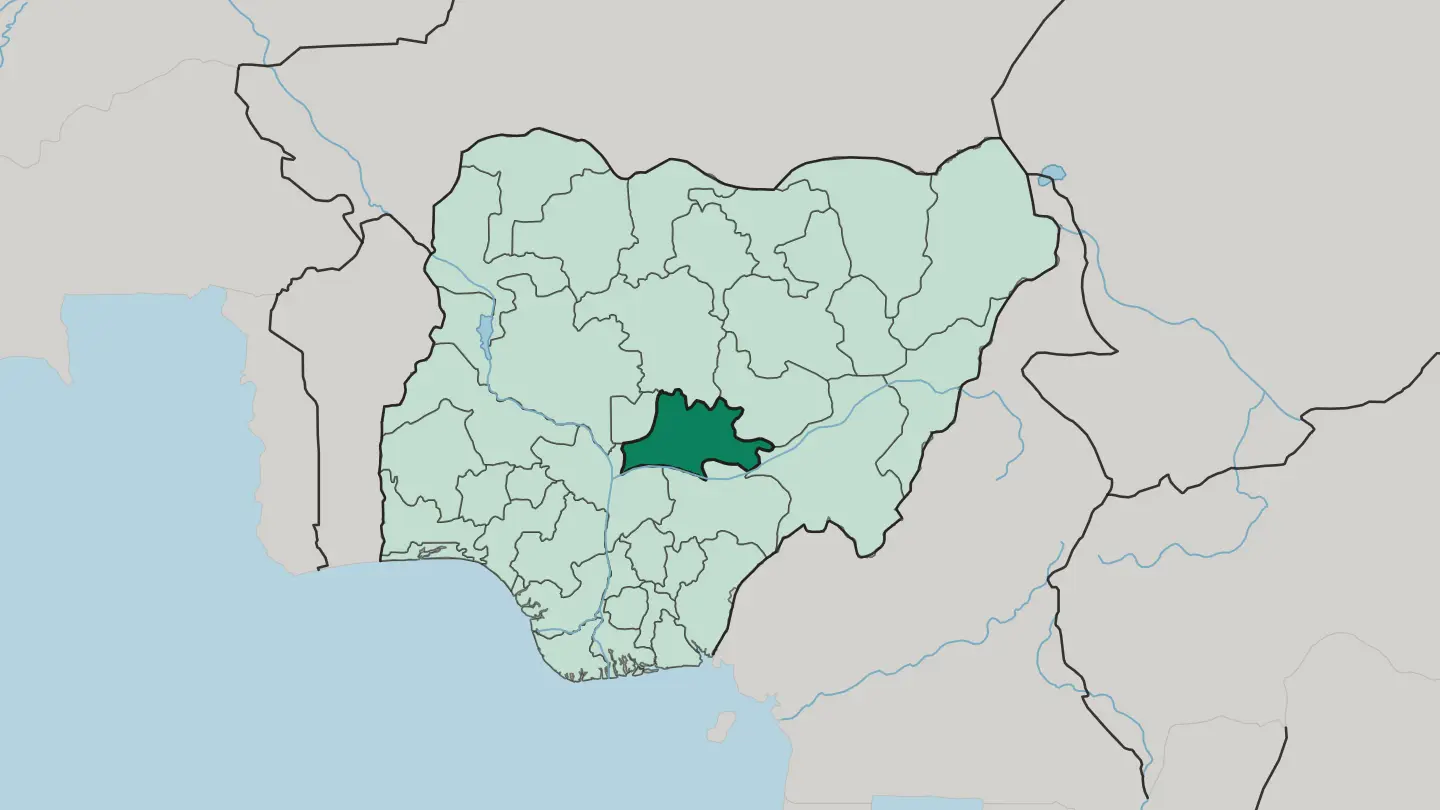 Nigeria
Niger State
Niger State is Nigeria's largest state by land, a west-central sweep of savanna where the Niger River draws its southern edge.Towns & cities →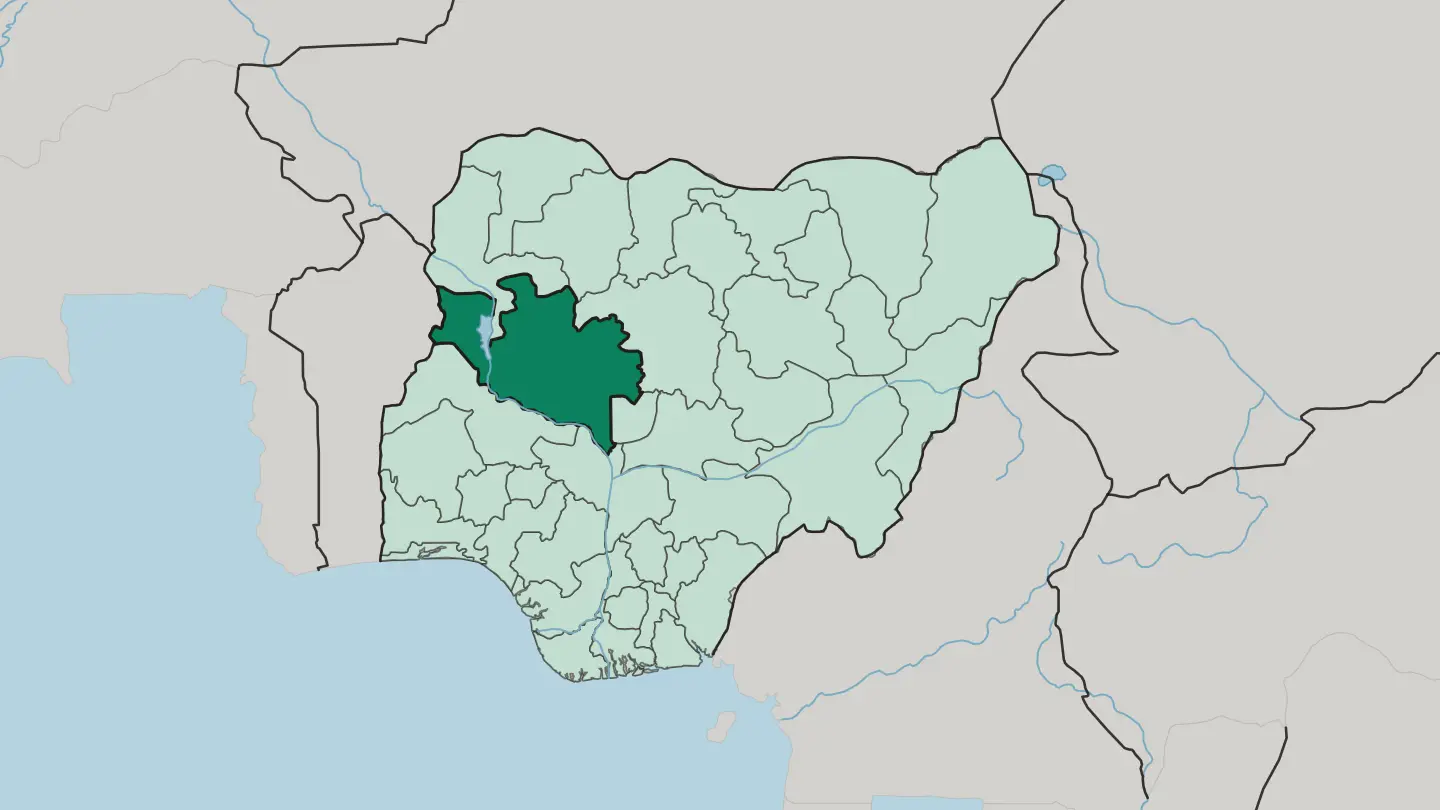
 Nigeria
Ogun State
Ogun State is a Yoruba region of south-western Nigeria, named for the Ogun River and ruled from Abeokuta beneath Olumo Rock.Towns & cities →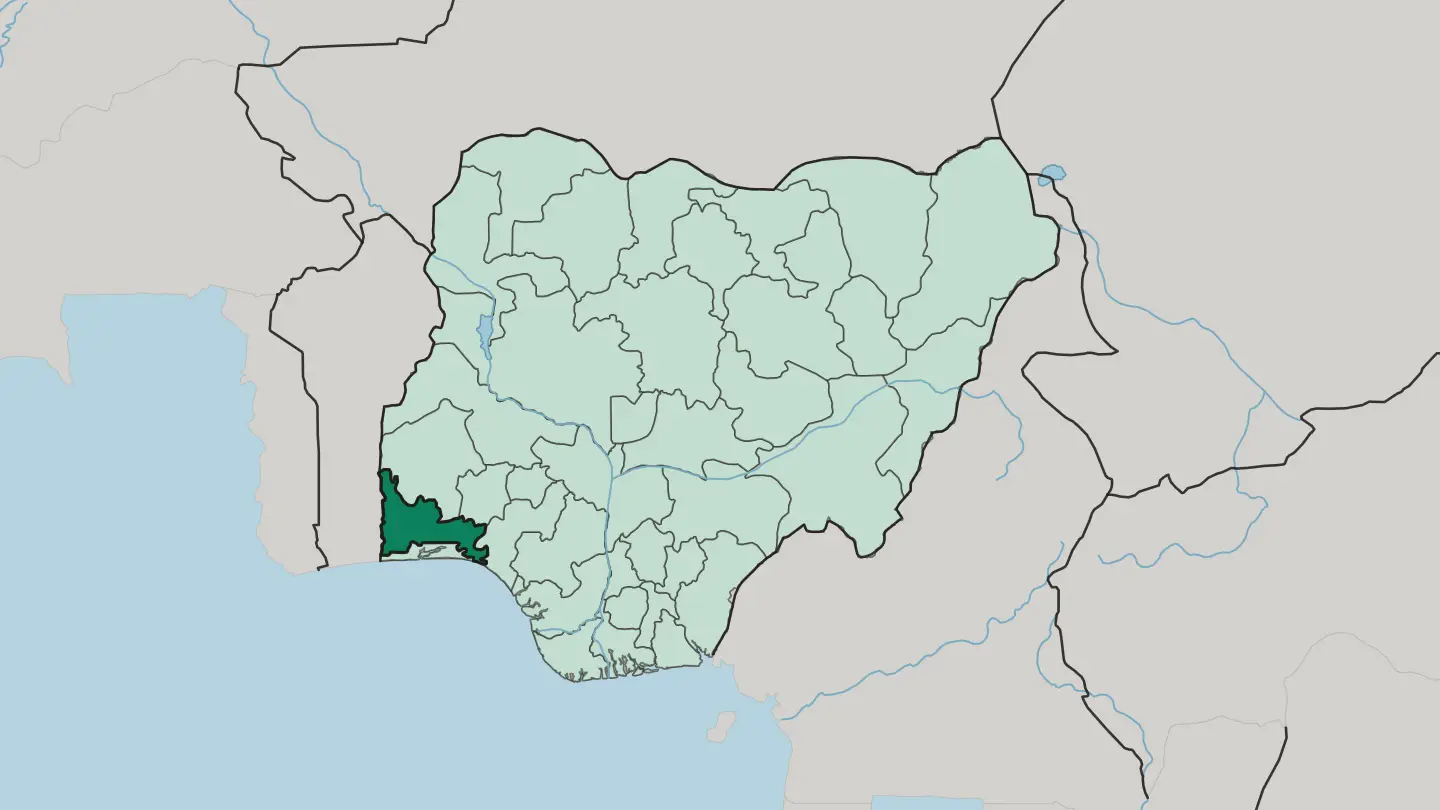
 Nigeria
Ondo State
Ondo State runs from the Idanre hills down to the Atlantic coast in south-western Nigeria, the cocoa-rich Sunshine State.Towns & cities →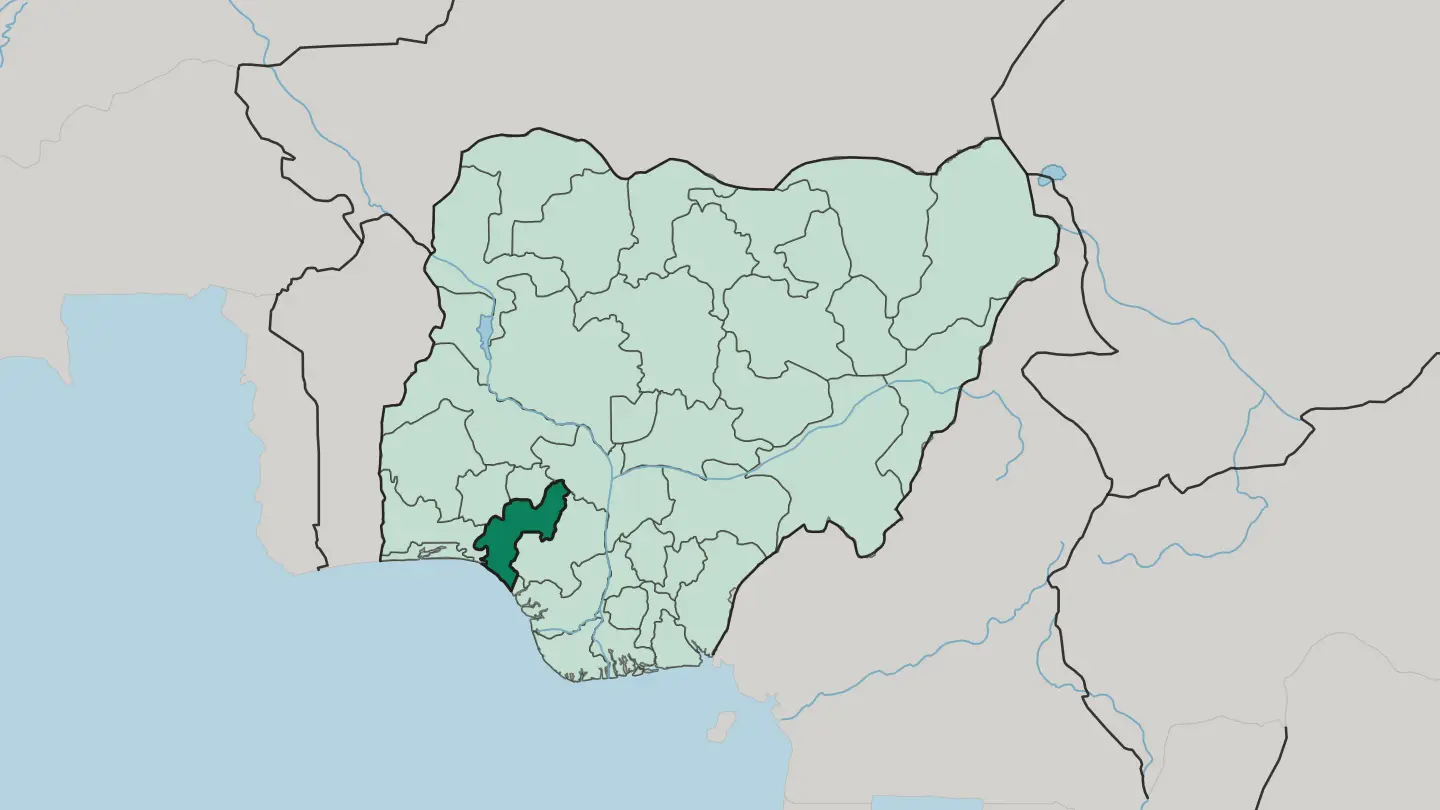 Nigeria
Osun State
Osun State sits inland in south-western Nigeria, named for the Osun River and cradle of the ancient Yoruba city of Ile-Ife.Towns & cities →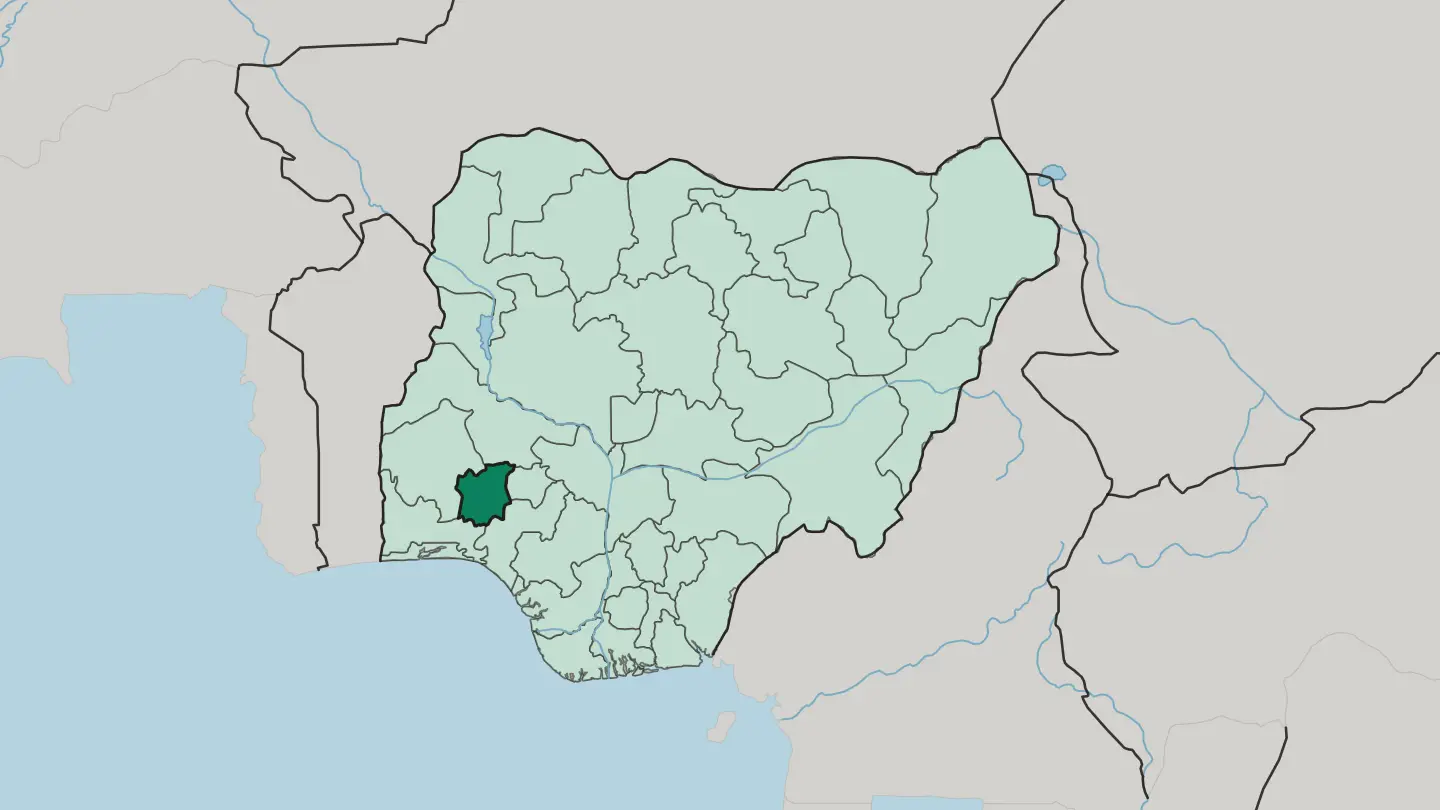 Nigeria
Oyo State
Oyo State fills the west of Yorubaland, its capital Ibadan sprawling in red-roof waves toward the savanna and the old Oyo Empire lands.Towns & cities →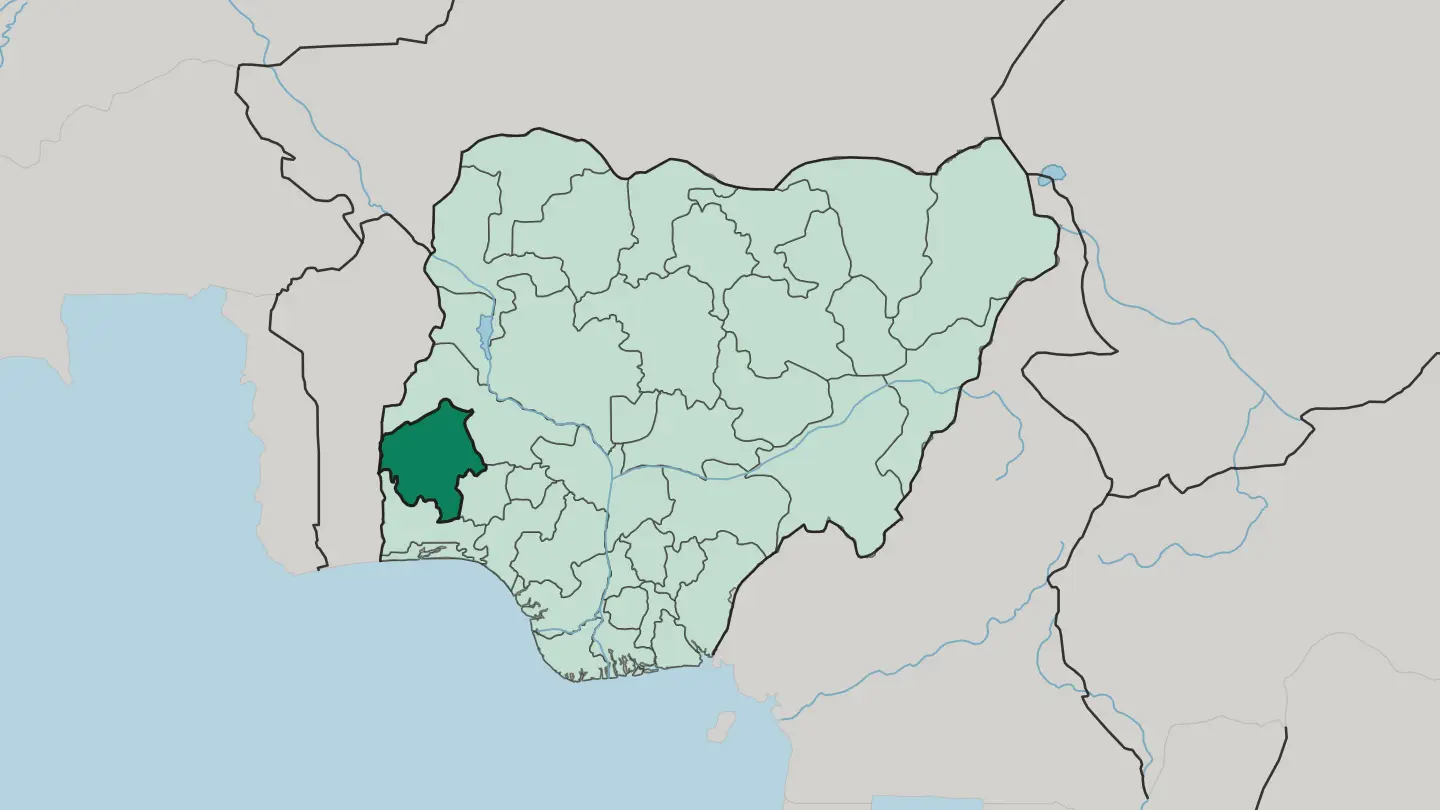
 Nigeria
Plateau State
Plateau State sits on the cool, high tableland of the Jos Plateau, at the heart of Nigeria's Middle Belt.Towns & cities →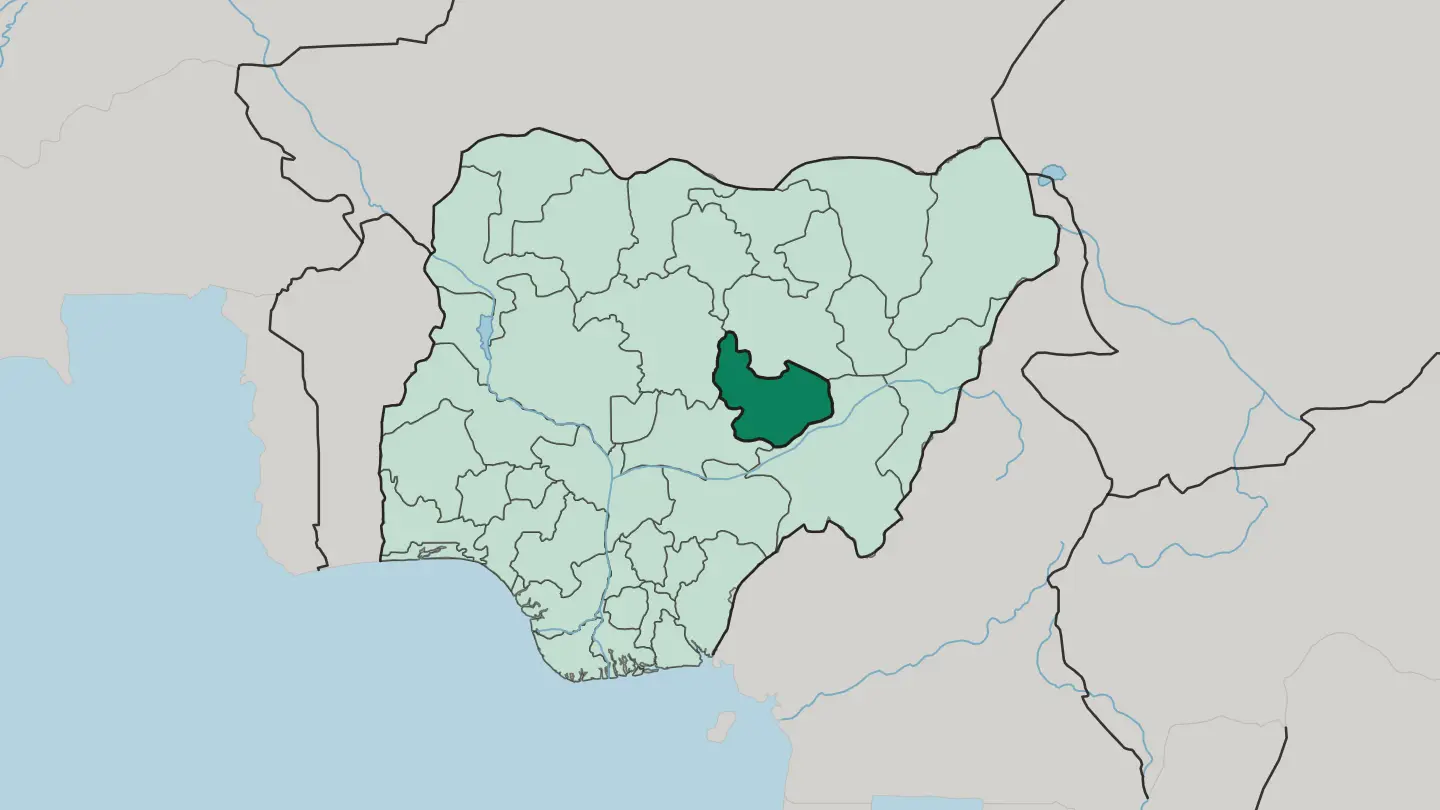 Nigeria
Rivers State
Rivers State lies in the Niger Delta of southern Nigeria, threaded with creeks and mangrove, its capital Port Harcourt set on the Bonny River.Towns & cities →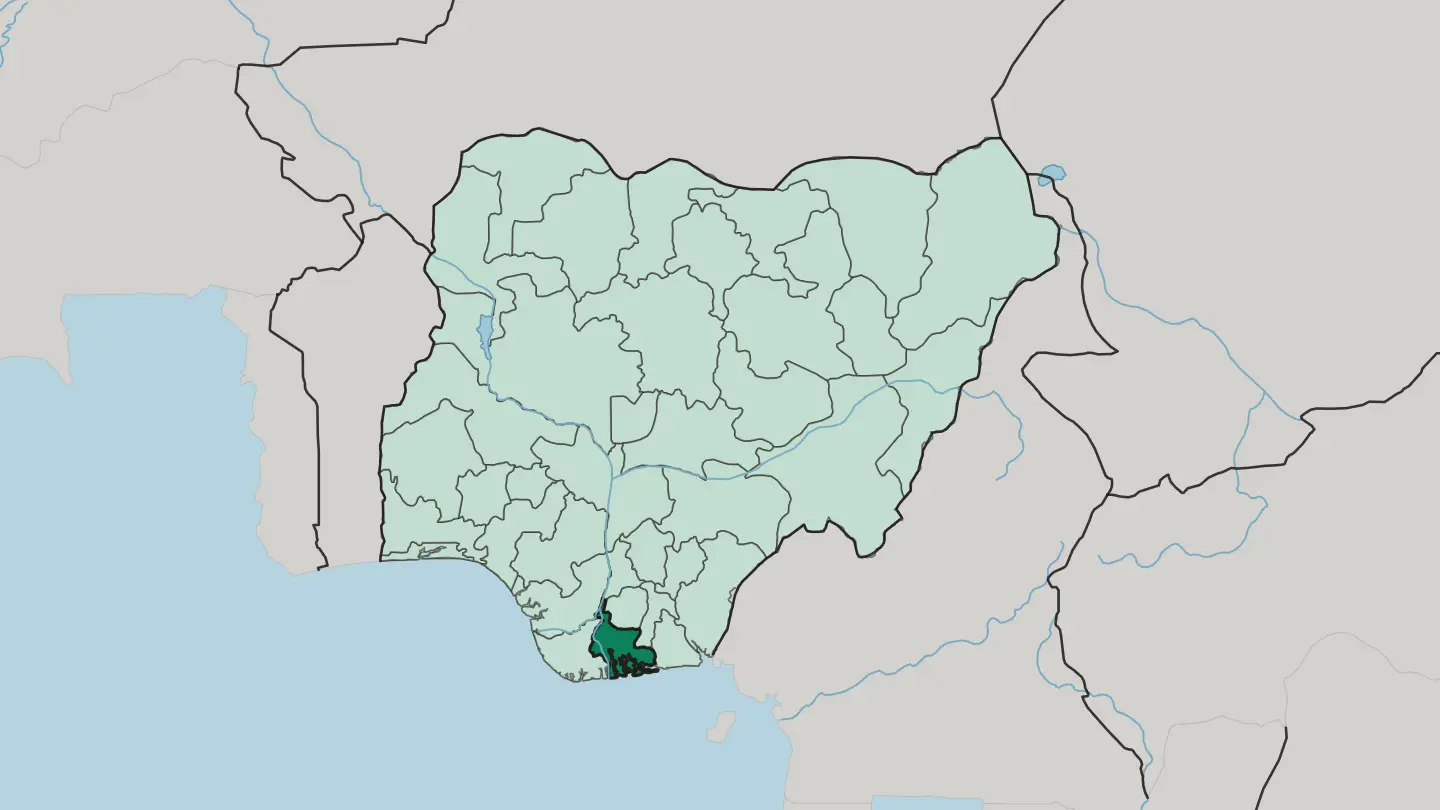
 Nigeria
Sokoto State
Sokoto State fills the far north-west of Nigeria, the old seat of the Sokoto Caliphate on the dry savanna where the Rima River runs.Towns & cities →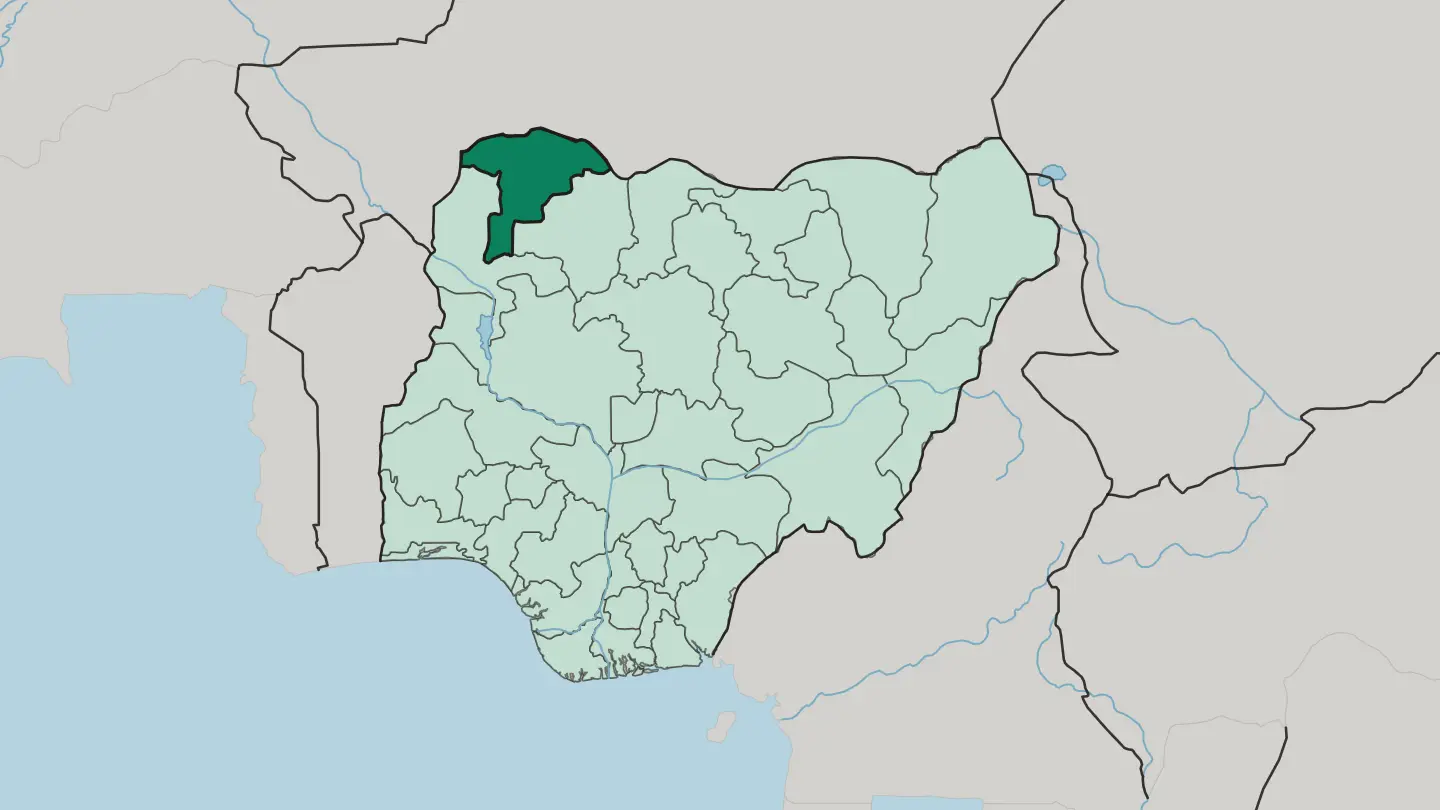 Nigeria
Taraba State
Taraba State fills a green corner of north-eastern Nigeria, where the Mambilla Plateau climbs toward Chappal Waddi, the country's highest peak.Towns & cities →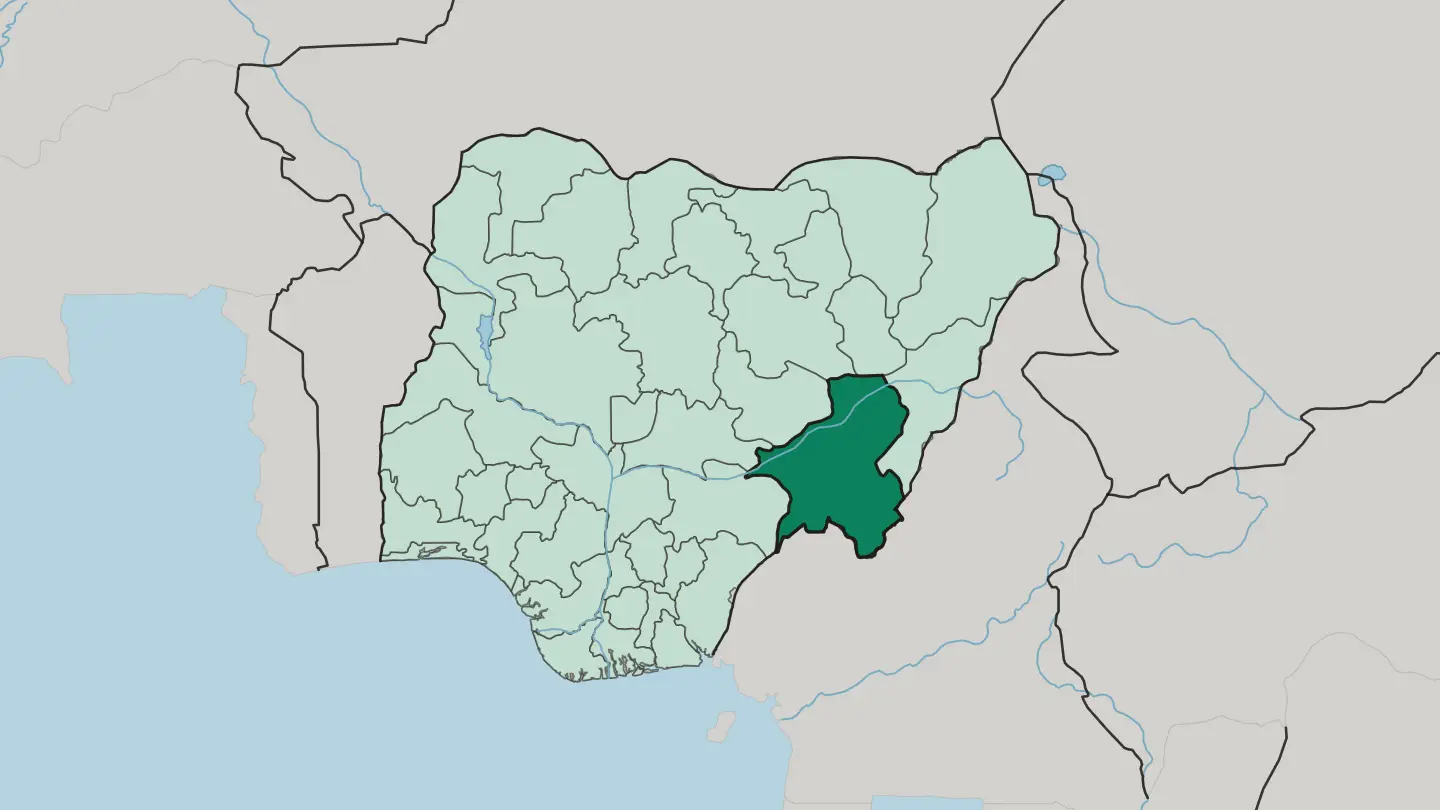 Nigeria
Yobe State
Yobe State spreads across Nigeria's dry north-east, a land of sandy savanna, cattle markets, and the seasonal Komadugu Yobe river.Towns & cities →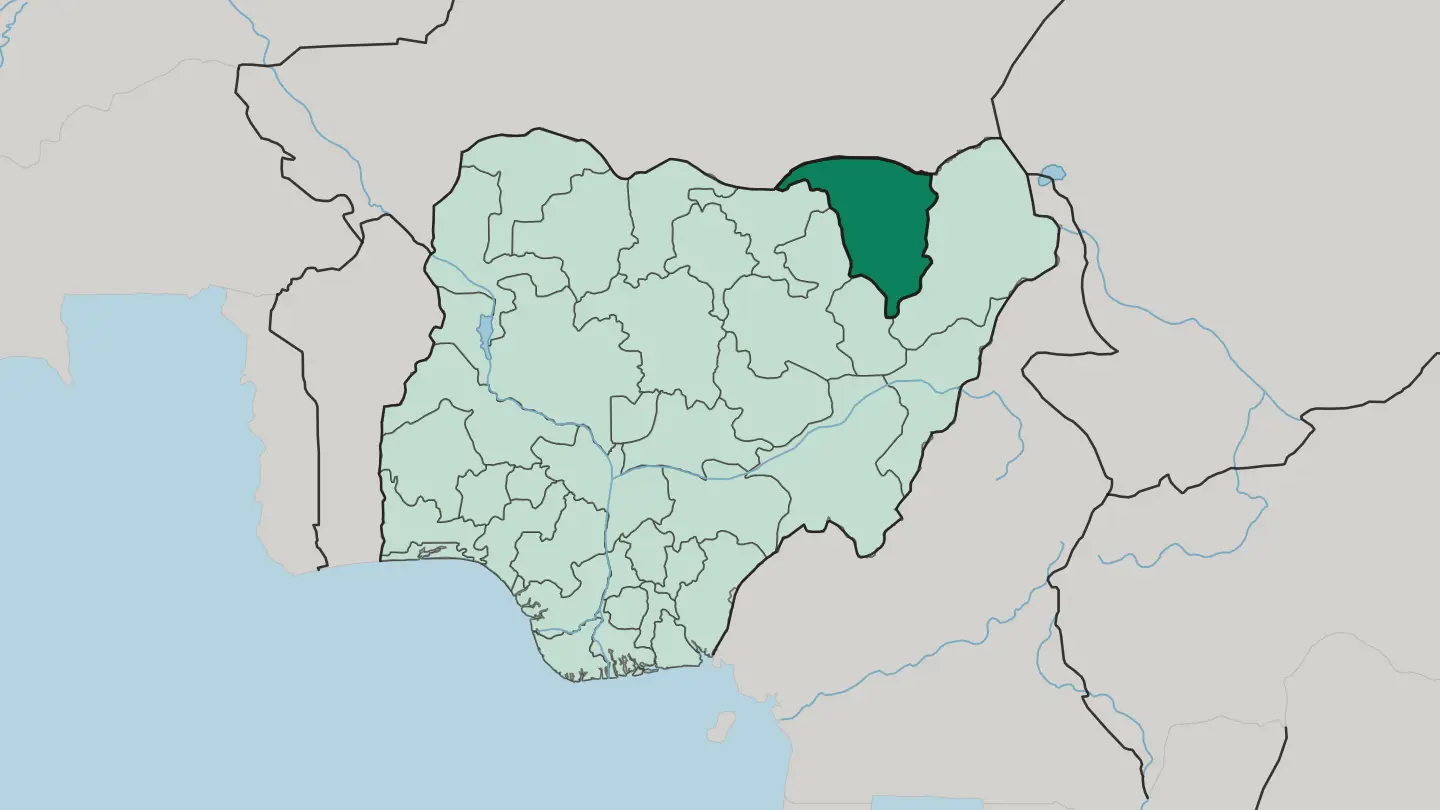 Nigeria
Zamfara State
Zamfara State fills the dry savanna of north-western Nigeria, where the Zamfara River runs west toward the Sokoto and Gusau anchors the plain.Towns & cities →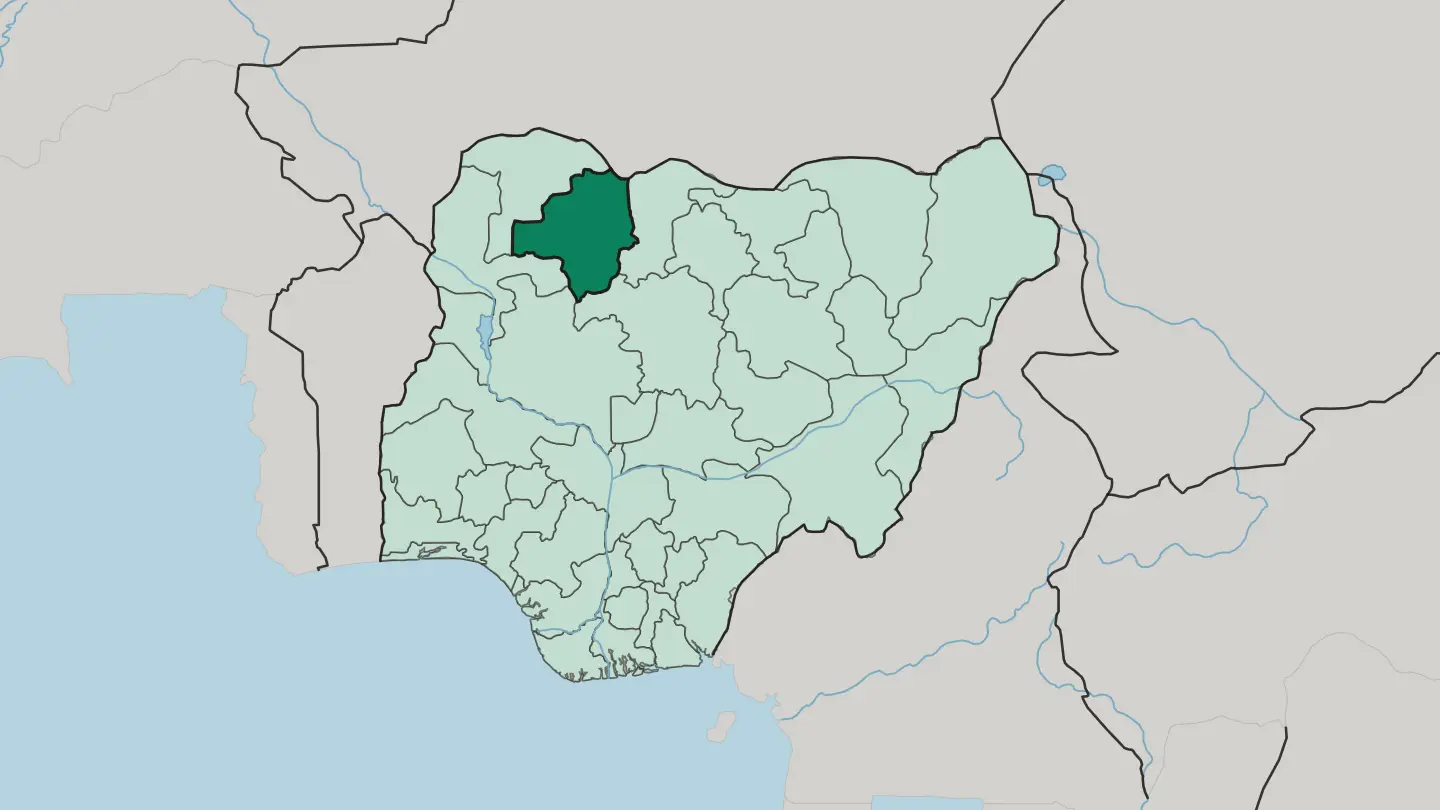
Explore by experience
Not sure which place? Start from how you want to travel.


About Nigeria
What is Nigeria known for?
Nigeria is known as the Giant of Africa, the most populous country on the continent. It stretches across West Africa, from the dry Sahel in the north down to the Gulf of Guinea on the Atlantic coast. Lagos leads its cities.
The inland capital, Abuja, sits near the country's centre, while hundreds of peoples and languages meet across its states. Its reach is vast.
Where is Nigeria?
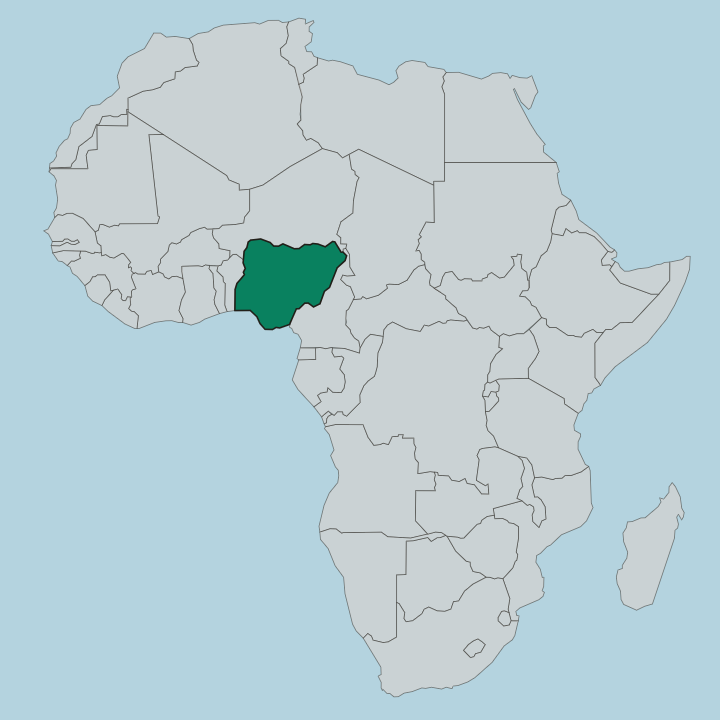
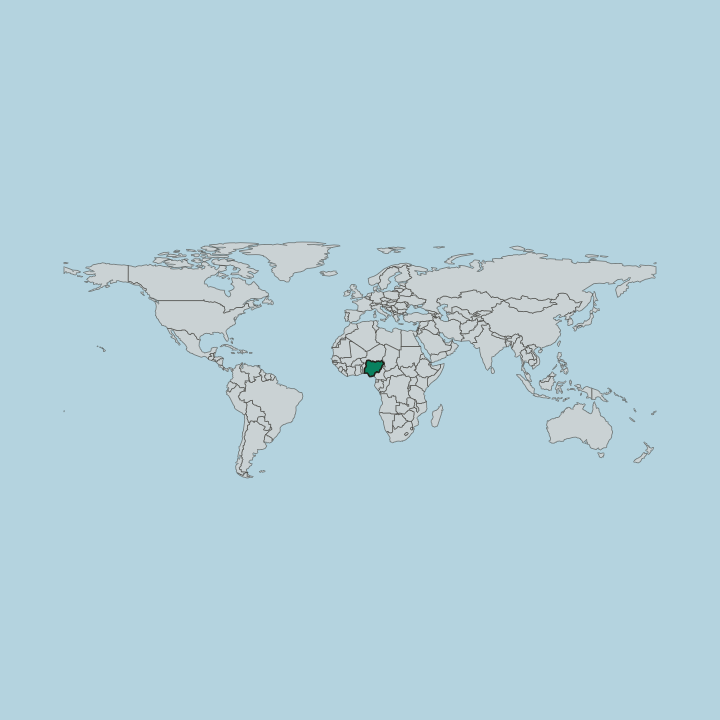
Nigeria occupies a broad stretch of West Africa, facing the Atlantic Ocean along its whole southern edge. The Gulf of Guinea forms that coast, a low shore of beaches, creeks and lagoons where Lagos sits. Behind it the coastal lowlands give way to farmland and hills.
Inland the land rises and grows drier. It climbs north through forest and open country toward the Sahel, the semi-desert belt that marks the country's northern reaches. This is among the largest countries in all of Africa.
Crossing Nigeria means covering serious ground. Four nations ring its land borders on the map. Niger lies to the north and Chad to the northeast, while Cameroon runs down the eastern side and Benin closes the west.
Rivers cross the interior toward the sea. They water broad farmland before reaching the coast. The federation is divided into 36 states and the Federal Capital Territory, where the planned capital of Abuja stands near the country's centre.
From the humid coast to the dry north, Nigeria spans a long reach of climate and landscape between the Gulf of Guinea and the Sahel.
What is the history of Nigeria?
Nigeria draws together many peoples who have lived across this part of West Africa for a very long time. Their roots run deep in the region. More than 250 ethnic groups and some 500 languages trace back through its history, from the Sahel in the north to the Gulf of Guinea in the south.
No single people fills the land. The country became a federal republic in 1963, binding these communities under one central government. That federal shape has framed its story since.
Power sits in a federation of 36 states and the Federal Capital Territory. For its centre the country built a new capital at Abuja, set inland near the middle of the map, away from the crowded coast. Lagos, the largest city, kept its place as the commercial heart on the Gulf of Guinea.
Both remain among the country's defining cities. The two cities have pulled in different directions ever since, one administrative and central, the other coastal and commercial. Across the states, the many peoples of Nigeria hold to their own languages and traditions.
That balance still defines the republic.
What is Nigeria like?
Nigeria is strikingly diverse. More than 250 ethnic groups live within its borders, speaking some 500 languages between them. Those peoples have shared this land for centuries.
English serves as the common language, the shared tongue of a country with no single mother language. It carries government, schooling and trade across every group. Across West Africa few places match its variety.
Each region carries its own dress, music and food, and none of it blends into one national style. The country's culture splits roughly between the north and the south. Contrasts run the length of the country.
In the north, older traditions of the Sahel shape daily life, while the southern regions along the Gulf of Guinea look to the coast and the wider world. Food, faith and language shift from state to state. Markets, festivals and places of worship fill the calendar right across the federation.
Each of the states adds its own layer to the whole. What holds it together is a shared national identity, carried in English and in the pride of the Giant of Africa. The mix is loud, deep and its own.
What is the climate of Nigeria?
Nigeria has a tropical climate that changes from south to north. The coast on the Gulf of Guinea stays hot, humid and wet for much of the year. The far north is drier.
Toward the Sahel, long dry spells and dusty winds give way to a short, heavy rainy season. Heat is the one constant.
How do you get to Nigeria?
Nigeria is reached mainly through Lagos, the country's busiest airport and seaport on the Gulf of Guinea. Flights land there from across Africa, Europe and beyond. The central capital, Abuja, takes a steady share of that traffic, and from both cities roads and domestic flights fan out to the 36 states.
Overland routes cross to Benin, Niger, Chad and Cameroon. The country is big, so distances run long.
Common questions
What is the best area to stay in Nigeria?
Lagos: a coastal city base with the widest flight links. Abuja: a calm, central base in the planned capital.
Good for
Updated September 2026