Nicaragua · Departamento de Granada
Where to Stay in Granada, Departamento de Granada
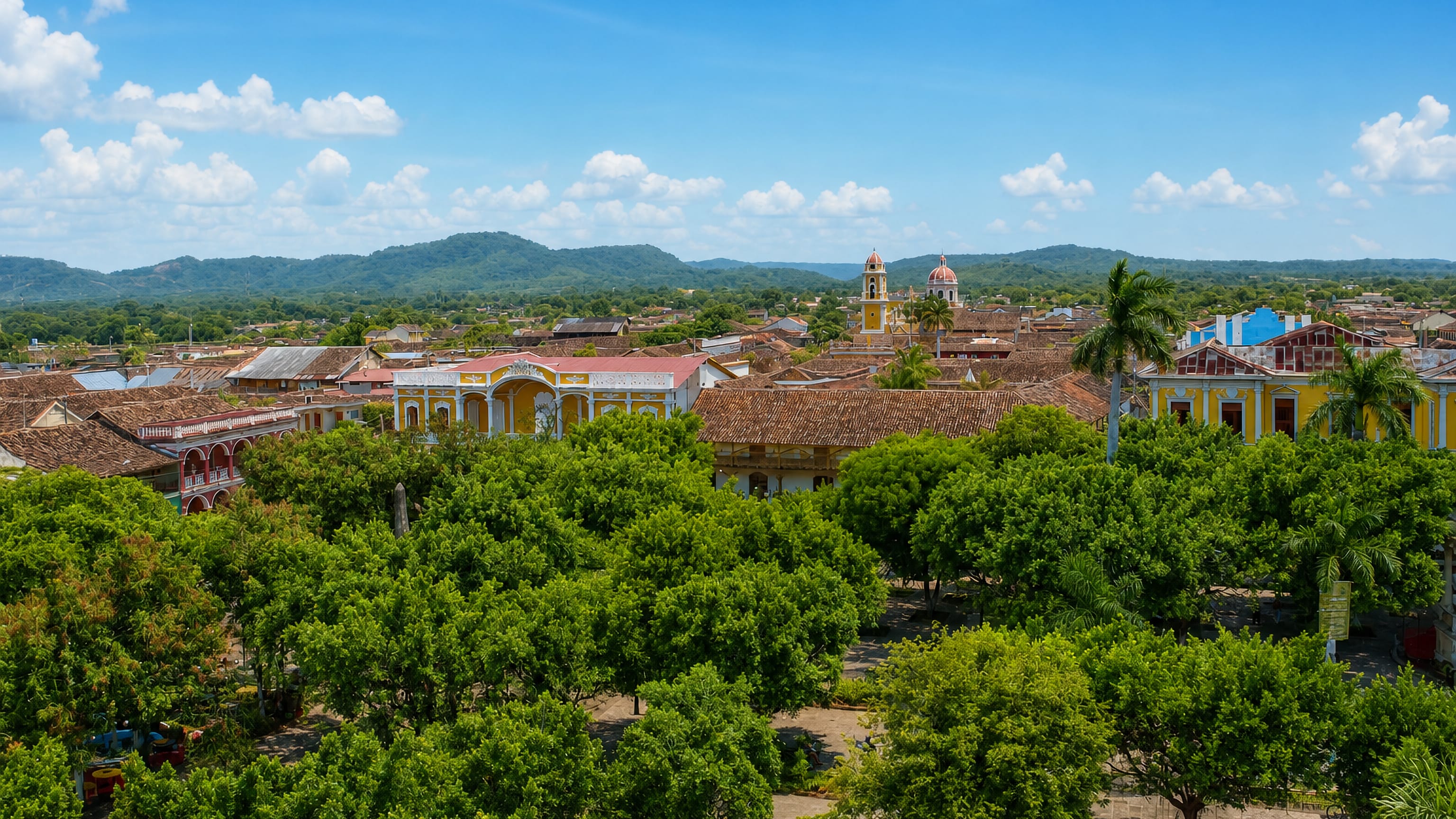
Granada stands on Lago Cocibolca. Dating from 1524, it is the oldest colonial city in Nicaragua and the capital of Granada Department.
Hotel links are affiliate links: booking through them may earn us a commission, at no extra cost to you. It never affects how places are ranked. How this works


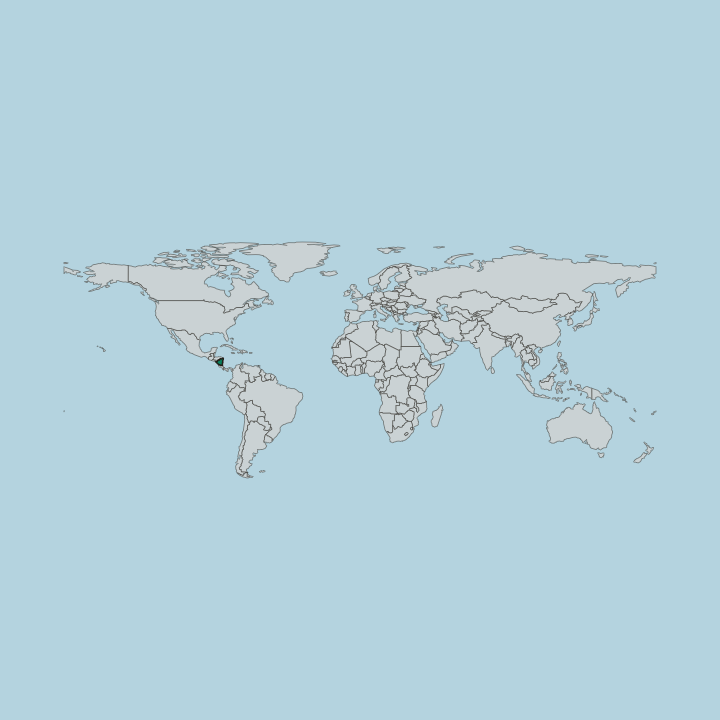
Where to stay in Granada
Where visitors usually base themselves, and why.
Most visitors sleep in the colonial grid. The blocks around the Catedral de Nuestra Señora de la Asunción hold the painted houses people come to see, and a room there puts the square, the restaurants and the churches inside a few minutes' walk. That is also the loudest part.
Iglesia de la Merced and the Convento de San Francisco stand close enough that the calmer streets behind them still count as central, which is the usual compromise in a town of this size. The lake gives the second choice. Rooms toward Lago Cocibolca trade the square for water, and they suit you if a boat onto the lake matters more than walking home from dinner in three minutes.
Options thin out that way. Granada draws expatriates as well as travellers, so the stock of small guesthouses and converted colonial houses runs deeper here than in most Nicaraguan towns of comparable size, and it spreads well past the cathedral blocks. Iglesia de Nuestra Señora de Guadalupe marks another such pocket.
The rivalry with León is old and endlessly repeated, and anyone taking in both colonial cities will hear the comparison made in Granada more than once before the first night is out.
Find hotels in Granada
Direct booking searches for these neighbourhoods.
Cathedral square
The Catedral de Nuestra Señora de la Asunción faces the plaza that the whole colonial grid hinges on.Find hotels in Cathedral squarecentral rooms one street back from the evening noiseLa Merced and San Francisco blocks
Iglesia de la Merced and the Convento de San Francisco sit among quieter streets that are still a short walk from the plaza.Find hotels in La Merced and San Francisco blockswaterfront rooms and mornings that start with a boatLago Cocibolca shore
Lago Cocibolca reaches the edge of town, and craft leave from the shore rather than from the colonial centre. Rooms are few around here — worth securing early.Find hotels in Lago Cocibolca shoreHotel links are affiliate links: booking through them may earn us a commission, at no extra cost to you. It never affects how places are ranked. How this works
Things to do in Granada
Ranked by global recognition; descriptions from Wikidata (CC0).
Churches & Religious Sites
3- Convento de San Francisco Heritage
- Catedral de Nuestra Señora de la Asunción
- Iglesia de la Merced
Castles & Historic Sites
1- Monumento a Rubén Darío
worth knowingacross 2 categories in Granada
About Granada
Colour is the first thing.
What is Granada known for?
Rows of painted colonial facades run back from the central square, and the Catedral de Nuestra Señora de la Asunción anchors them in a city that has drawn travellers and expatriates longer than anywhere else in Nicaragua. The lake does the rest. Lago Cocibolca lies at the edge of the grid, and the old argument with León over which city came first runs through everything the buildings record.
What are the main landmarks in Granada?
The cathedral is the landmark. Catedral de Nuestra Señora de la Asunción faces the central square, and three further religious buildings fill out the colonial inventory: Convento de San Francisco, Iglesia de la Merced and Iglesia de Nuestra Señora de Guadalupe. Poetry gets a monument too.
Monumento a Rubén Darío honours the poet in a country that treats him as its own, and the churches around it show how much of Granada's early standing went into masonry.
What is the history of Granada?
Granada dates from 1524. That makes it the oldest colonial city in Nicaragua, and it shares its founding year with León, which is where the rivalry between the two began and why it has never quite been settled. Both claim seniority.
The claim matters less than what it produced: a grid of churches and painted houses that survived long enough to become the reason people come, with the Convento de San Francisco and Iglesia de la Merced among the inheritance. Lago Cocibolca lay at the settlement's back from the first day. Wealth and politics followed.
Granada counted among the most important cities in Nicaragua economically and politically, and the architecture of the centre is the plainest surviving record of what that position paid for. The department took the city's name. Granada Department is administered from here, and the Catedral de Nuestra Señora de la Asunción has stood at the centre of civic life as much as religious life for the whole of that time.
Rubén Darío is remembered in stone. Monumento a Rubén Darío sets the poet down in a city that trades on its past more openly than its neighbours do, which is a large part of why expatriates have settled here in numbers no other Nicaraguan town matches.
Where is Granada?
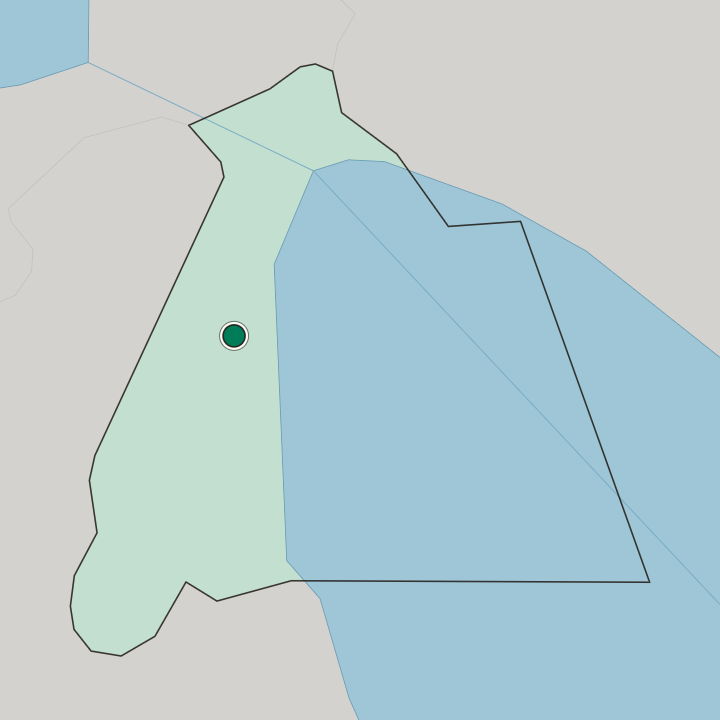
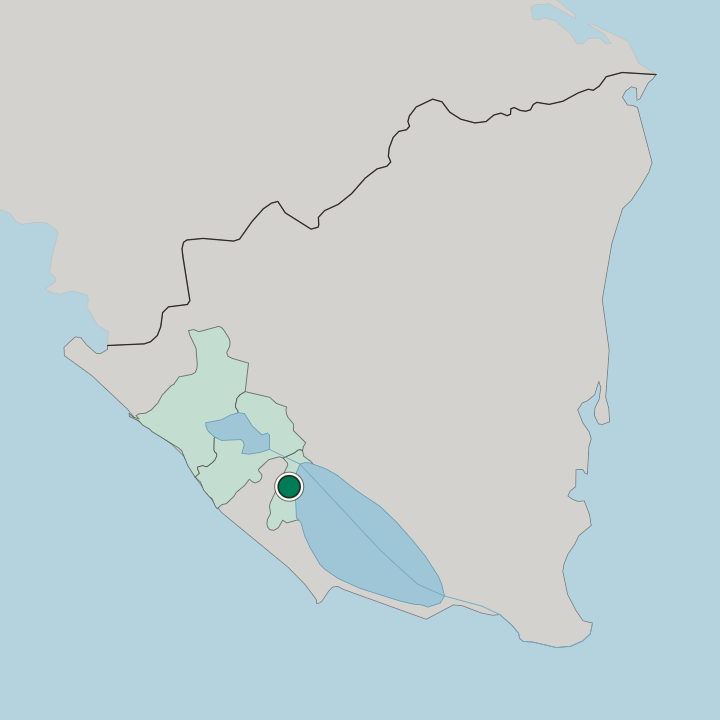
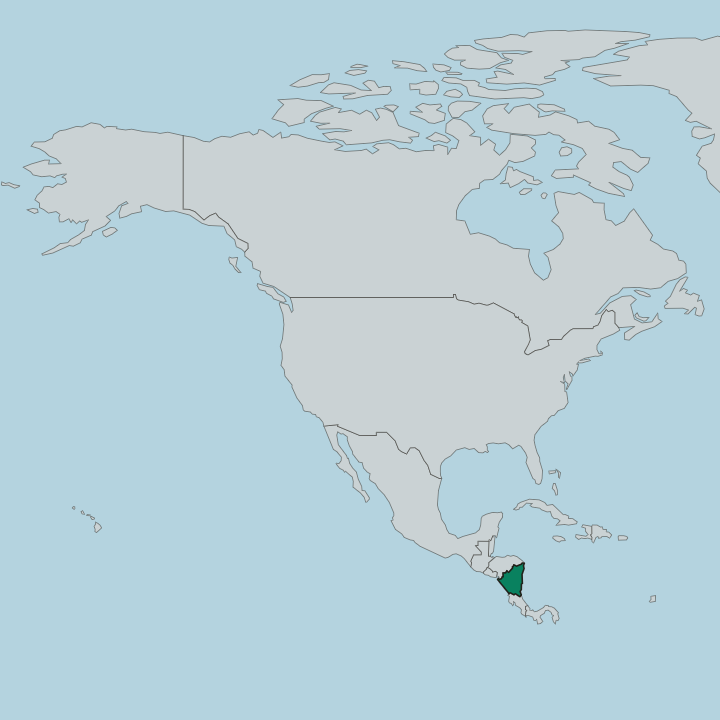
The lake is the frame. Granada stands on the shore of Lago Cocibolca, and that water is the feature that sets it apart from the other colonial towns of Nicaragua. Tropical heat sits over the lake all year.
Past the built-up grid the municipality takes in a broad stretch of countryside, so Granada Department covers far more ground than the walkable centre suggests, and the lakeshore runs the length of one whole side of it.
What is the climate of Granada?
The lake tempers the heat. Granada sits in the tropics, where the year is measured out in rain rather than in temperature, and air moving off Lago Cocibolca is the main thing that makes a hot afternoon in the colonial grid bearable. Rain arrives in season.
Masonry streets hold their warmth into the night, so shade and an early start count for more than the month a visitor happens to pick.
How do you get to Granada?
Visitors reach Granada over land. Roads bring almost everyone in, and the grid is small enough that the cathedral square, the churches and the guesthouses are all reachable on foot once the bags are down. The lakefront handles what moves by water.
León lies within reach for anyone pairing the two colonial cities, and the same roads carry the daily traffic between Granada and the rest of Granada Department.
Common questions
What is the best area to stay in Granada?
Cathedral square: a first visit that wants the painted square on the doorstep. La Merced and San Francisco blocks: central rooms one street back from the evening noise. Lago Cocibolca shore: waterfront rooms and mornings that start with a boat.
Good for
Updated October 2026