Nicaragua: Regions, Cities & Travel Guide
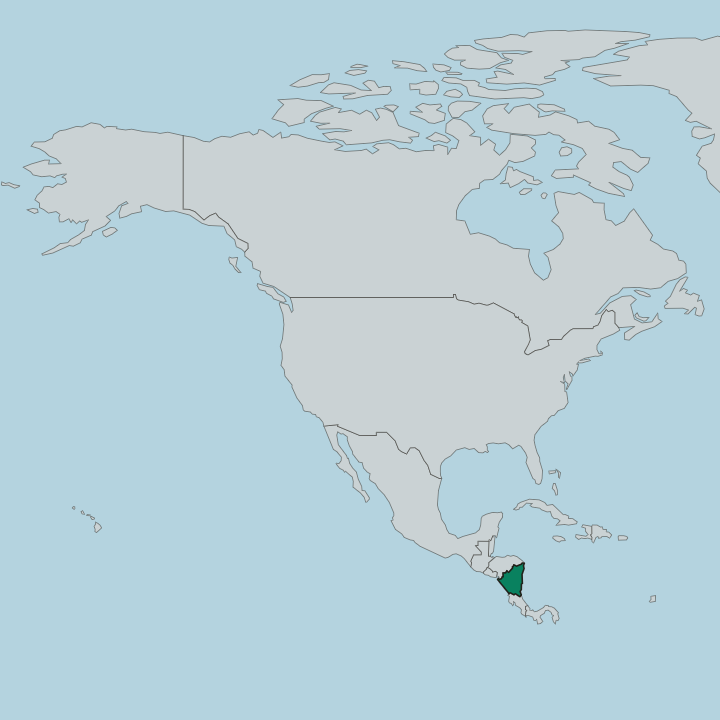
Nicaragua is the largest country in Central America, a land of lakes and volcanoes with Managua as its capital.
Hotel links are affiliate links: booking through them may earn us a commission, at no extra cost to you. It never affects how places are ranked. How this works


Top destinations in Nicaragua
Cities to start from, then drill into areas and hotels.
 Nicaragua
Managua
Managua, founded in 1819 beside Lake Managua, is the capital and largest city of Nicaragua and one of the largest in Central America.Where to stay →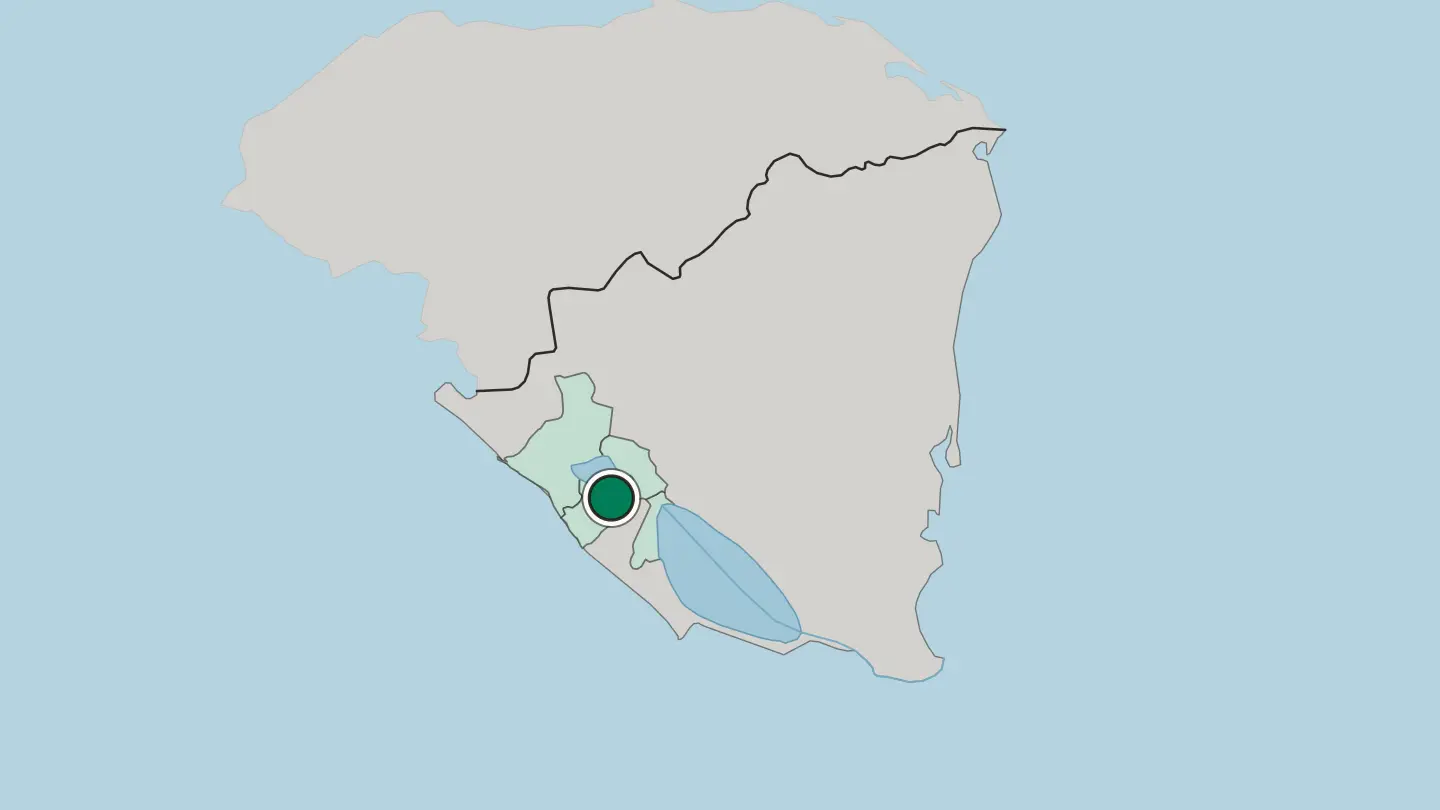
 Nicaragua
Granada
Granada stands on Lago Cocibolca. Dating from 1524, it is the oldest colonial city in Nicaragua and the capital of Granada Department.Where to stay →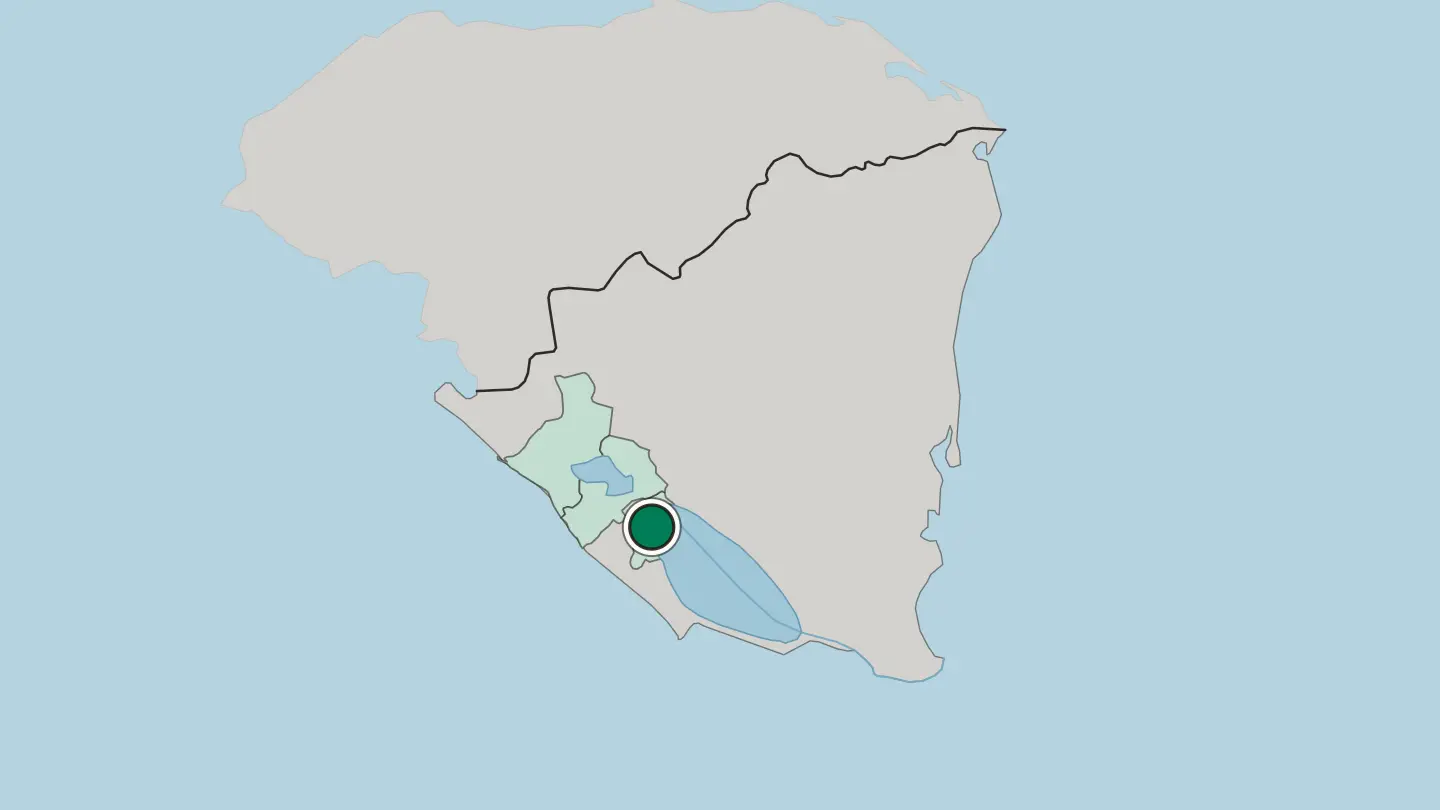 Nicaragua
León
Spanish founders laid out León in 1524. The city heads León Department and stands second in size in Nicaragua, behind Managua alone.Where to stay →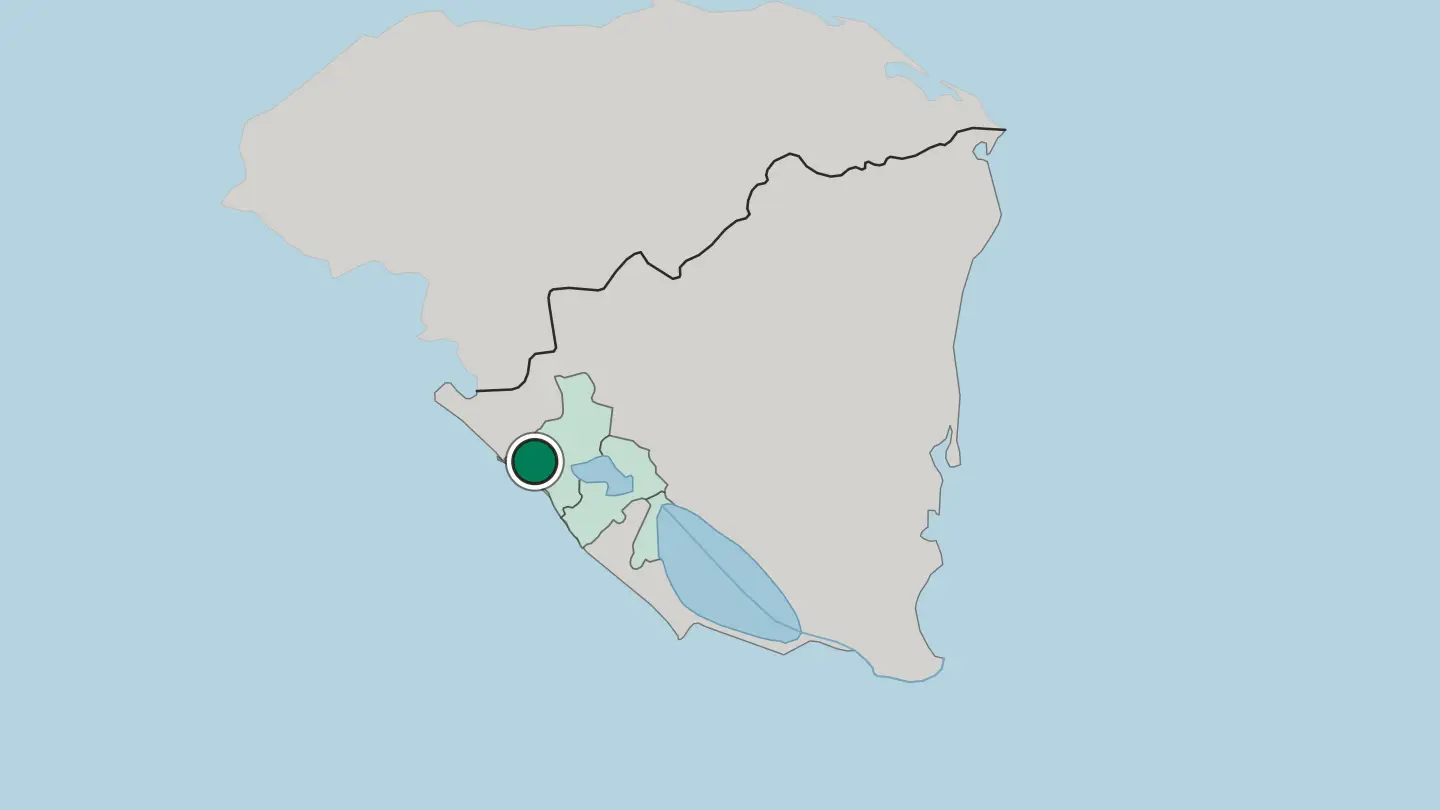
Hotel links are affiliate links: booking through them may earn us a commission, at no extra cost to you. It never affects how places are ranked. How this works
Regions of Nicaragua
Nicaragua
Departamento de Granada
Departamento de Granada is a department of Nicaragua created in 1858, governed from the city of Granada that gives it its name.Towns & cities →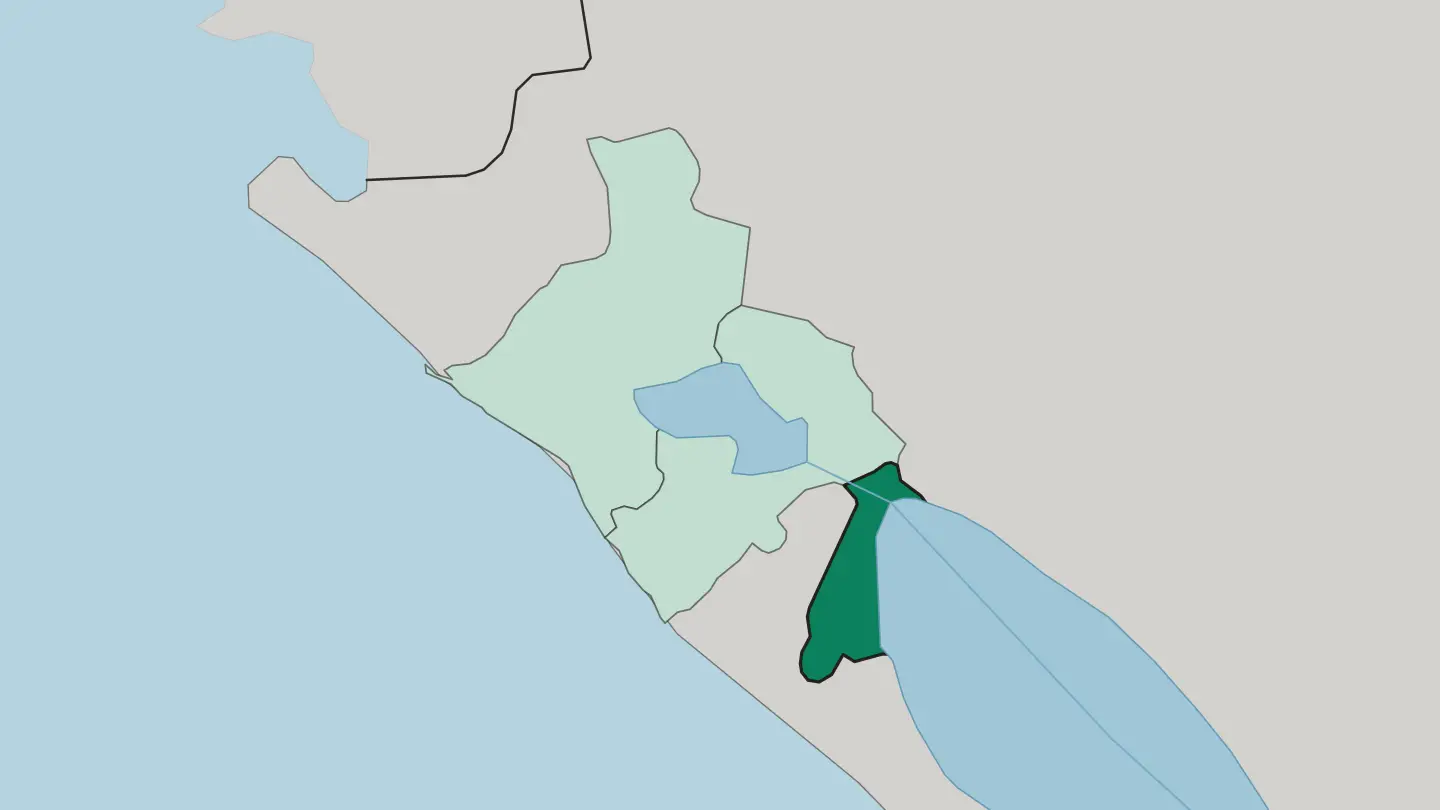 Nicaragua
Departamento de León
Departamento de León is a volcanic department of Nicaragua holding Momotombo and Cerro Negro, governed from the city of León.Towns & cities →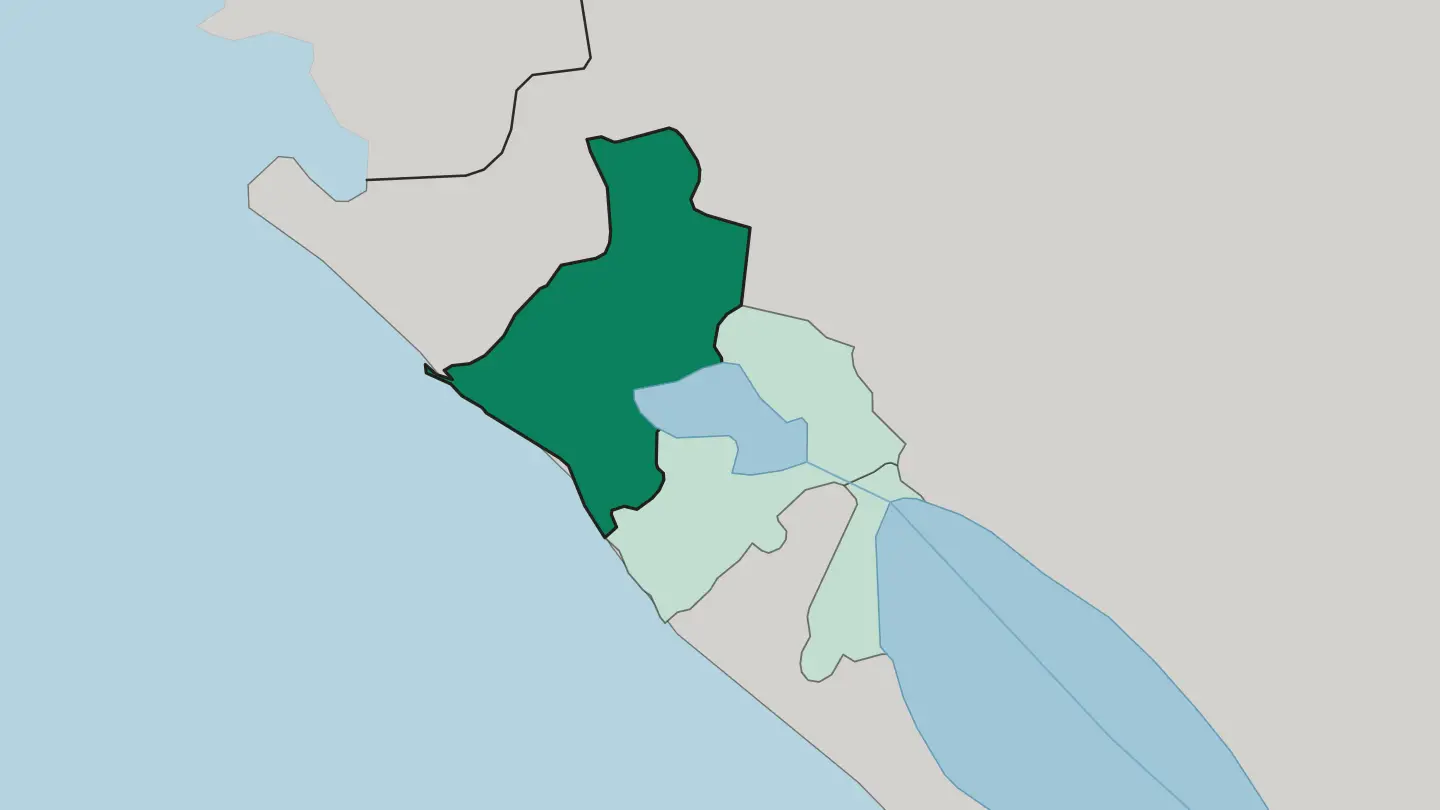 Nicaragua
Departamento de Managua
Departamento de Managua runs from the Pacific Ocean to the shores of Lake Managua, with the city of Managua as its seat.Towns & cities →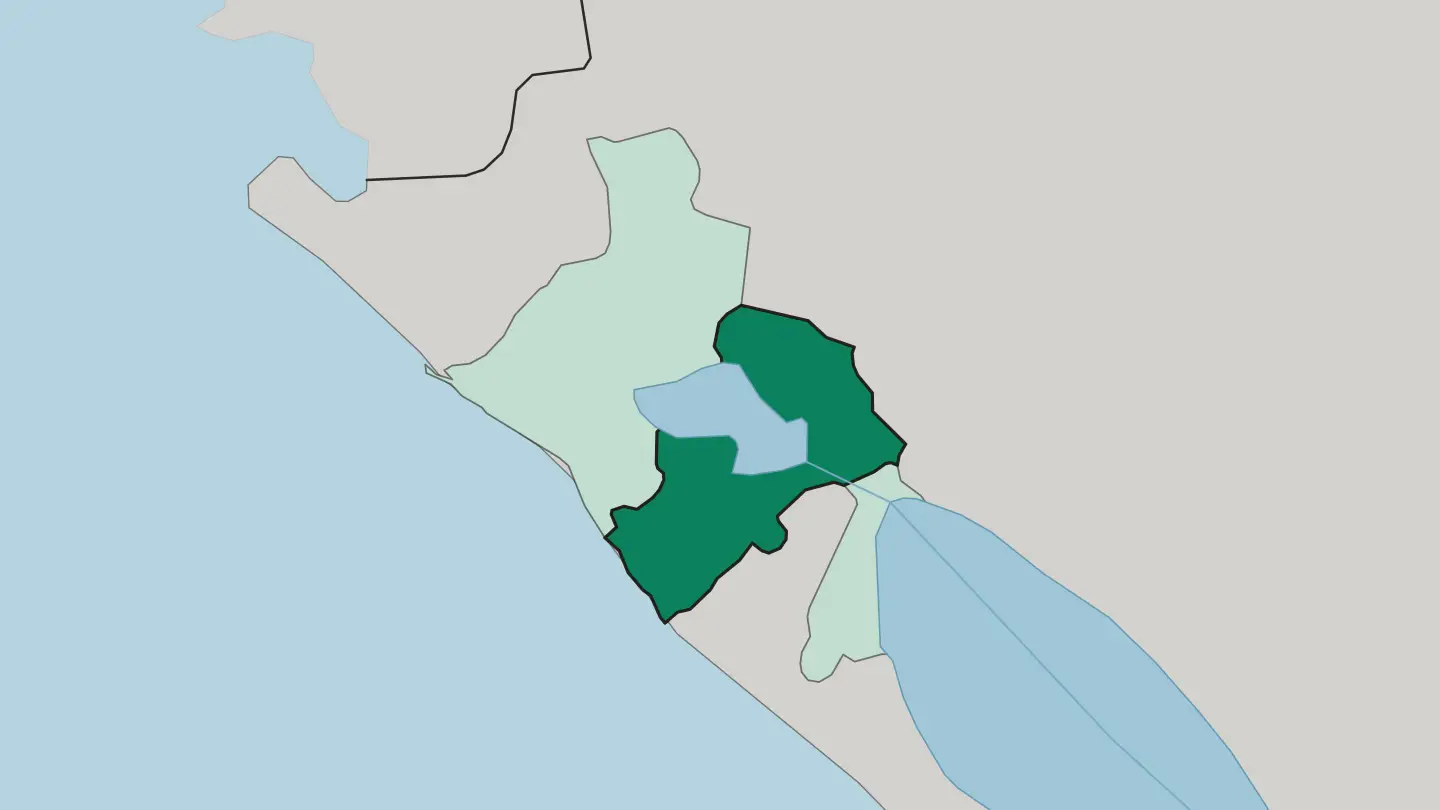
About Nicaragua
What is Nicaragua known for?
Nicaraguans call their homeland the país de lagos y volcanes, the country of lakes and volcanoes. Both features dominate. Lake Nicaragua, Cocibolca to locals, is the largest freshwater body in Central America, and from its surface rises Ometepe, an island built by two joined volcanoes.
The colonial cities of Granada and León draw most first-time visitors, while the smoking caldera of the Masaya Volcano and the Pacific surf town of San Juan del Sur pull the rest. Far east, the Corn Islands sit alone in warm Caribbean water.
Where is Nicaragua?
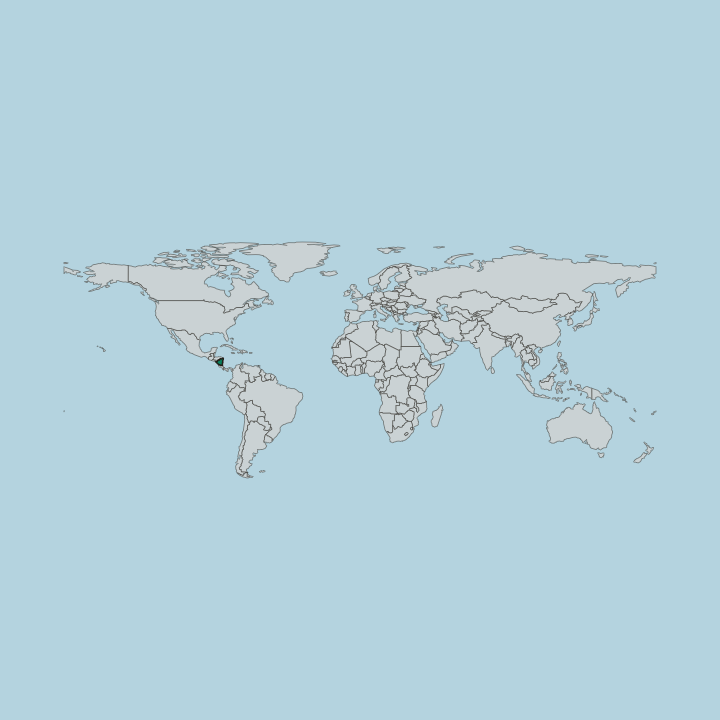
Nicaragua is the largest country in Central America and the least densely settled, its land falling into three distinct belts that run roughly parallel from the Pacific to the Caribbean. The Pacific lowlands form the western third, a warm plain of fertile volcanic soil, crater lakes, and a chain of active volcanoes that includes the Masaya Volcano south of Managua. Here sits Lake Nicaragua, called Cocibolca, the largest freshwater body in Central America and home to the island of Ometepe, which two volcanoes shaped into an hourglass.
Water defines the west. The central highlands rise behind the plain, a cooler country of pine ridges, coffee slopes, and river valleys around Matagalpa and Jinotega. Rain feeds this middle ground heavily.
East of the mountains the land drops toward the Caribbean lowlands, a vast, thinly populated expanse of rainforest, lagoons, and slow rivers that drain toward the Mosquito Coast. That eastern shore, named for the Miskito people, feels like a separate country that is wetter and greener and reached mostly by boat or small plane. From volcanic west to jungle east, the terrain shifts completely across a single country.
What is the history of Nicaragua?
Spanish colonists founded Granada and León in 1524, and the rivalry between those two cities shaped the centuries that followed. Granada, on Lake Nicaragua, grew rich as a conservative merchant city trading down the San Juan River to the Caribbean; León became the liberal seat of clergy and university. That split ran deep.
When Central America broke from Spain in 1821, León rejected the move while Granada backed it, and the two carried their feud into an independent republic that seceded from the regional federation in 1838. The nineteenth century brought foreign meddling. An American adventurer, William Walker, seized power briefly in the 1850s before being driven out, and the United States occupied the country for much of the early twentieth century.
Out of that occupation rose Augusto César Sandino, whose guerrilla resistance later gave its name to the Sandinistas. The Somoza family then held a hereditary dictatorship from the 1930s until 1979, when the Sandinista revolution toppled it after a brutal war. Managua itself was flattened by an earthquake in 1972 and rebuilt piecemeal.
The past here is anything but settled.
What is Nicaragua like?
Two Nicaraguas meet in the country's culture, and neither cancels the other. The Pacific side is Spanish-speaking and Catholic, its identity built from Indigenous and colonial roots, and it gave the Spanish-speaking world its greatest modern poet. Rubén Darío, born in the town now named for him, founded the Modernismo movement and remade poetry across every country that speaks Spanish; his name marks the national theatre in Managua.
Poetry is a point of pride. Everyday culture leans on the marimba, on the masks and pottery of Masaya, and on food that starts with gallo pinto, the fried rice and beans eaten at nearly every meal, and rises to the banquet-sized nacatamal steamed in plantain leaf. The Caribbean coast tells a different story.
There, Creole, Garífuna, and Miskito communities speak English and Indigenous languages, cook with coconut and seafood, and dance the Afro-Caribbean Palo de Mayo each May. One flag flies over two very different peoples.
What is the climate of Nicaragua?
Nicaragua is tropical and warm the year round, with two seasons rather than four. The dry season runs from December to April, when the Pacific side sees clear skies and dusty heat and rain almost stops in Managua. From May into November the wet season takes over, heaviest in September and October.
The Caribbean lowlands stay far wetter than the Pacific plain throughout the year, soaked by moisture off the sea. Altitude softens the heat around Matagalpa. Pack for warmth and sudden downpours.
How do you get to Nicaragua?
Nearly everyone flies into Managua. Augusto C. Sandino International Airport is the country's main gateway, linked to the United States, Mexico, Panama, and neighbouring Central American capitals, and it also runs the small domestic flights out to the Corn Islands. Overland buses cross the borders from Costa Rica to the south and Honduras to the north.
From Managua the Pacific cities are a short drive: Granada, León, and Masaya all sit within reach. The east is the hard part, reached by plane or river.
Good for
Updated September 2026