Nicaragua · Departamento de León
Where to Stay in León, Departamento de León
Spanish founders laid out León in 1524. The city heads León Department and stands second in size in Nicaragua, behind Managua alone.
Hotel links are affiliate links: booking through them may earn us a commission, at no extra cost to you. It never affects how places are ranked. How this works


Where to stay in León
How the choice of base plays out on the ground.
The cathedral block is the default. Rooms around León Cathedral leave the central square, the Museum of Traditions and Legends and the Museo de la Revolución within a walk short enough that a taxi never has to enter the day. Noise comes with that convenience.
Anyone who prefers quieter blocks can look toward the Church of la Recolección, which stands away from the busiest corners while keeping the centre in reach, and the colonial courtyard houses on those streets are where much of the smaller accommodation in León has ended up. Sutiava is the other option. The parish around Saint John the Baptist of Sutiava Church holds its own identity apart from the university streets, and it suits you if you want the everyday city rather than the visitor circuit.
Lodging thins out in that parish. Distances stay short in either case, because the colonial grid that carries most of León is compact enough to cross on foot in well under an hour. Volcanoes and beaches lie outside the city.
Anyone building days around them is better placed near the centre, where excursions gather and where the museums fill the hours that a hot afternoon takes out of a schedule, than in a quiet street on the edge of town.
Find hotels in León
Direct booking searches for these neighbourhoods.
Around León Cathedral
León Cathedral, the Museo de la Revolución and the Museum of Traditions and Legends all stand within a few blocks.Find hotels in Around León Cathedralquieter nights a short walk from the university streetsLa Recolección
The blocks around the Church of la Recolección stay residential, with courtyard houses converted to small guesthouses.Find hotels in La Recoleccióntravellers drawn to the Sutiava parish and its churchSutiava
Saint John the Baptist of Sutiava Church anchors a parish that kept its identity apart from the colonial grid. Lodging is scarce in this area; reserve in advance.Find hotels in SutiavaHotel links are affiliate links: booking through them may earn us a commission, at no extra cost to you. It never affects how places are ranked. How this works
Things to do in León
Ranked by global recognition; descriptions from Wikidata (CC0).
Museums & Galleries
2- Museum of Traditions and Legends
- Ortiz-Gurdián Foundation Art Center
Churches & Religious Sites
3- León Cathedral UNESCO
- Saint John the Baptist of Sutiava Church Heritage
- Church of la Recolección, León, Nicaragua
worth knowingacross 2 categories in León
About León
Poetry and student life carry the name.
What is León known for?
Rubén Darío and Alfonso Cortés, the two poets most closely tied to León, belong to a city whose university has long set the intellectual tone of Nicaragua. León Cathedral fronts the central square. The Ortiz-Gurdián Foundation Art Center keeps painting a short walk from the same square, and the reading and argument that come with a university town shape the evenings more than any single sight does.
What are the main landmarks in León?
León Cathedral sets the scale. Two more colonial churches follow it, the Church of la Recolección in the centre and Saint John the Baptist of Sutiava Church out in Sutiava, each with its own facade and its own congregation. The museums split by subject.
Revolutionary history goes to the Museo de la Revolución, folklore to the Museum of Traditions and Legends, and painting to the Ortiz-Gurdián Foundation Art Center.
What is the history of León?
The Spanish founded León in 1524. Santiago de los Caballeros de León was the full name given at the founding, and the shortened form is the one that survived into ordinary use. Few cities in the Americas are older.
That early date put León among the first Spanish foundations on the mainland, and the colonial churches still standing in its centre are the visible record of the centuries that followed. León Department takes its name from the city and keeps its seat there. The university changed what the city was for.
León became the intellectual centre of Nicaragua, a place known for teaching and for the poets it produced, while Managua grew into the largest city in the country. Rubén Darío is the name most often attached to it. Alfonso Cortés belongs to the same line, and between them they give León a literary standing that its churches and museums alone would not explain.
Later came revolution. The Museo de la Revolución keeps that period in front of visitors, in a city where the fighting and its aftermath remain part of how the place describes itself, and where the Church of la Recolección and Saint John the Baptist of Sutiava Church carry the older inheritance alongside it.
Where is León?
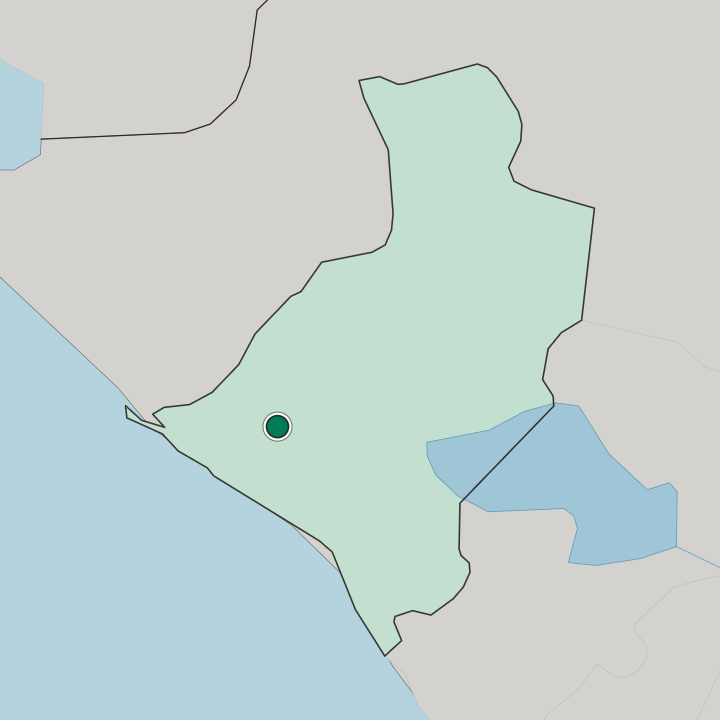
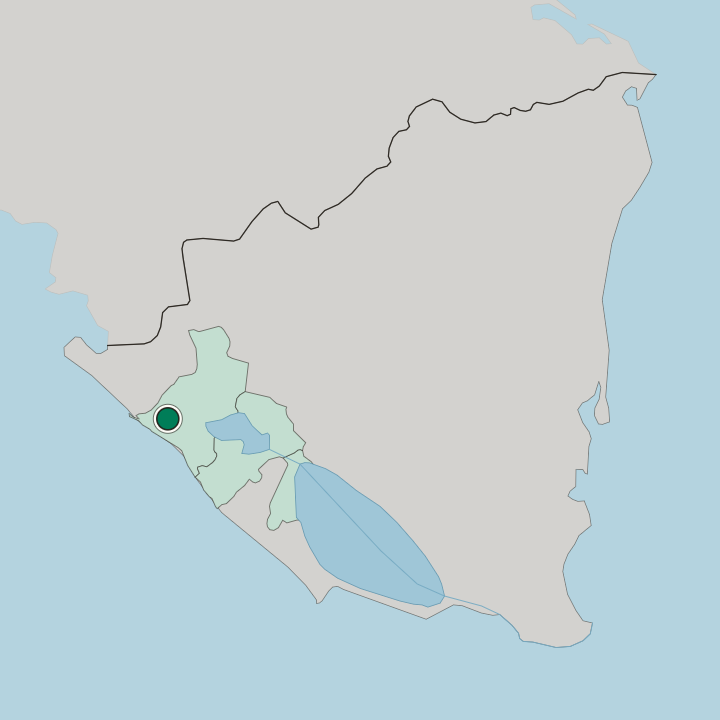
Volcanoes stand behind the city. León lies between that volcanic line and the beaches that pull people out of town on hot afternoons, close enough to both that a single day can take in either one. Tropical country surrounds it all.
Its municipality reaches well past the built-up grid into open countryside, so the León of the map is far larger than the walkable colonial core, and León Department around it carries the same name again.
What is the climate of León?
Heat runs through the whole calendar. León sits in the tropics, so the year divides by rainfall rather than by temperature, and the gap between the wet months and the dry ones matters far more to a visit than the name of the month does. Masonry along the colonial streets holds the day's warmth well past sunset, and the volcanoes inland give the afternoons no relief.
Shade belongs in every day's plan.
How do you get to León?
Arrivals come through Managua. The road between the two cities is the ordinary way in, and once inside León the colonial grid is compact enough that León Cathedral, the museums and the university sit within walking distance of one another. Taxis cover the rest.
Trips out to the volcanoes and the beaches around León run as excursions arranged in town, rather than as anything served by a city network, and Sutiava is the one district far enough out to make that ride worth checking.
Common questions
What is the best area to stay in León?
Around León Cathedral: walk-everywhere stays beside the cathedral square. La Recolección: quieter nights a short walk from the university streets. Sutiava: travellers drawn to the Sutiava parish and its church.
Good for
Updated October 2026