Nicaragua · Departamento de Managua
Where to Stay in Managua, Departamento de Managua
Managua, founded in 1819 beside Lake Managua, is the capital and largest city of Nicaragua and one of the largest in Central America.
Hotel links are affiliate links: booking through them may earn us a commission, at no extra cost to you. It never affects how places are ranked. How this works


Where to stay in Managua
How the choice of base plays out on the ground.
The old centre is not the middle. Managua lost most of its historical downtown in the 1972 quake, so the Old Cathedral of Managua and the Xolotlán Promenade sit in a lakeside quarter that the rest of the city grew away from. Monuments cluster there.
Monumento Rubén Darío, La Sombra de Sandino and Monumento al Soldado de la Patria are among the monuments that give the city its public sculpture. The Immaculate Conception Cathedral marks the newer side. A room near it puts a visitor in the part of Managua rebuilt after the earthquake, which is where the theatres, museums and hotels of the capital ended up.
Acahualinca is the other draw. The Ancient footprints of Acahualinca are the oldest trace the city keeps, and they fit into the same day as the Xolotlán Promenade for anyone staying near the lake. Managua Department surrounds the capital.
Beds outside the city belong to that wider department rather than to Managua itself, and a quieter night out there means a drive back in the morning. Most visits stay central. Monumento a los próceres del ALBA and the cathedrals are all inside the built-up capital, so one base covers the monuments, the lake front and the museums together.
Find hotels in Managua
Direct booking searches for these neighbourhoods.
The lakeside old centre
The Old Cathedral of Managua and the Xolotlán Promenade share the quarter the 1972 quake emptied. Lodging is scarce in this area; reserve in advance.Find hotels in The lakeside old centreHotel rooms in the Managua rebuilt after 1972Around the Immaculate Conception Cathedral
The Immaculate Conception Cathedral stands in the part of the capital that took over from the old downtownFind hotels in Around the Immaculate Conception CathedralAn early start at the Ancient footprints of AcahualincaAcahualinca
Acahualinca holds the ancient footprints, the oldest trace Managua keeps. Lodging is scarce in this area; reserve in advance.Find hotels in AcahualincaQuieter nights away from the monuments of the capitalOut in the Managua Department
The Managua Department spreads beyond the built-up city, trading Monumento Rubén Darío for spaceFind hotels in Out in the Managua DepartmentHotel links are affiliate links: booking through them may earn us a commission, at no extra cost to you. It never affects how places are ranked. How this works
Things to do in Managua
Ranked by global recognition; descriptions from Wikidata (CC0).
Churches & Religious Sites
2- Old Cathedral of Managua
- Immaculate Conception Cathedral, Managua
Castles & Historic Sites
3- Ancient footprints of Acahualinca
- Monumento a los próceres del ALBA
- La Sombra de Sandino
worth knowingacross 2 categories in Managua
About Managua
The lake sets the frame.
What is Managua known for?
Managua lies along the shore of Lake Managua, and the Xolotlán Promenade runs beside the water as the city's public front onto it. Earthquakes rewrote the centre. A quake in 1972 took most of the historical downtown, which is why the Old Cathedral of Managua and the Immaculate Conception Cathedral belong to two different periods in the same city.
What are the main landmarks in Managua?
Two cathedrals face each other. The Old Cathedral of Managua belongs to the downtown the 1972 earthquake took, while the Immaculate Conception Cathedral serves the capital that replaced it. Footprints predate both.
The Ancient footprints of Acahualinca survive from far earlier, while the city's monuments run from the Xolotlán Promenade to Monumento Rubén Darío and La Sombra de Sandino. Monumento al Soldado de la Patria and Monumento a los próceres del ALBA complete the set.
What is the history of Managua?
Managua dates from 1819. That founding year is recent beside the Ancient footprints of Acahualinca, which record people on this ground long before any town was laid out beside the lake. The capital came later.
Managua now serves as the capital and largest city of Nicaragua, and as the seat of the Managua Department that surrounds it. The ground here moves. Managua has been threatened by earthquakes throughout its existence, and the quake of 1972 destroyed most of the historical downtown, taking the centre of the capital with it.
The Old Cathedral of Managua stayed. It survives from the city that stood before the earthquake, while the Immaculate Conception Cathedral belongs to the Managua built afterwards. Monuments record the twentieth century.
La Sombra de Sandino, Monumento al Soldado de la Patria and Monumento a los próceres del ALBA are the named monuments the city carries from that period, and they stand in public spaces rather than in museums. Rubén Darío is remembered separately. Monumento Rubén Darío carries his name, and the Xolotlán Promenade gives the lake shore a public face to match the monuments inland.
Where is Managua?
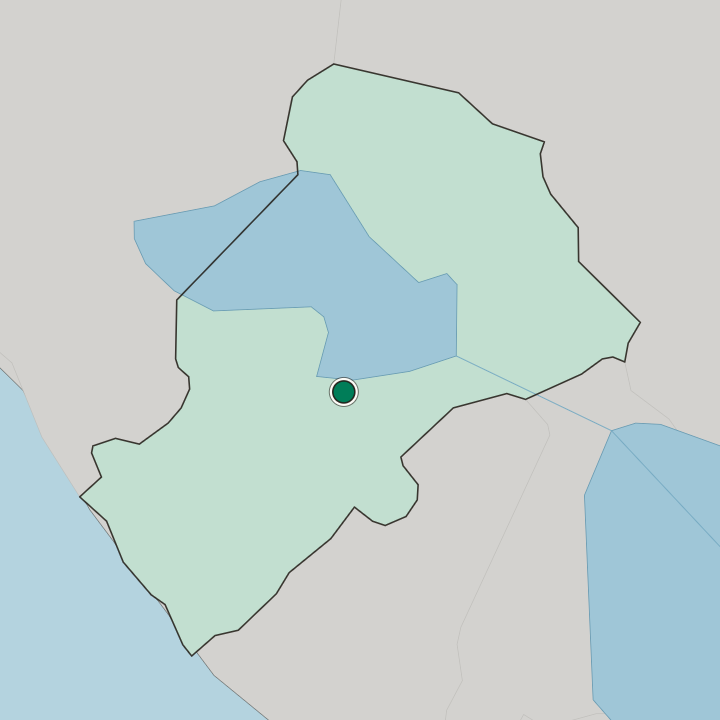
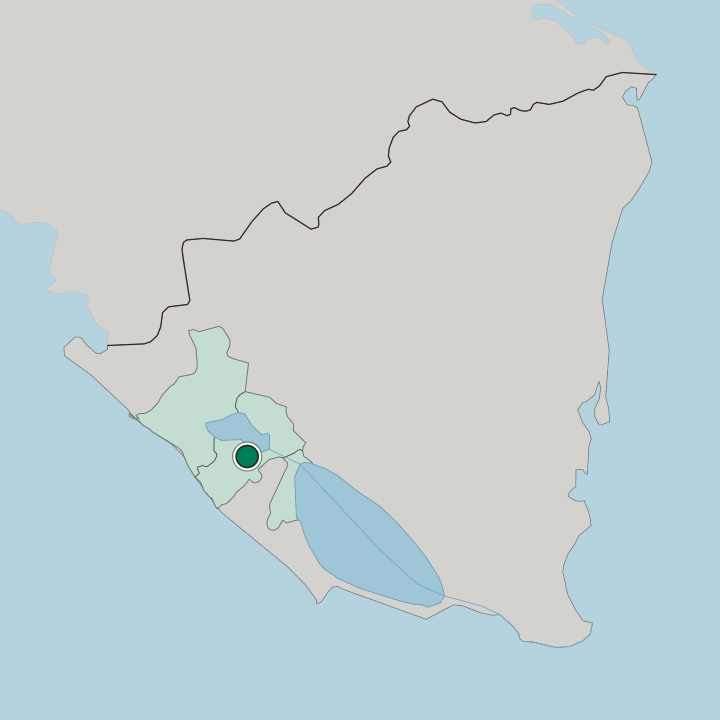
Lake Managua defines one edge. The capital stands on its shore, and the built-up area spreads back from the water into the Managua Department, one of the largest urban areas in Central America. Acahualinca sits within it.
The Xolotlán Promenade belongs to the lake side, while the newer districts run back from the shore.
What is the climate of Managua?
Lake Managua holds the heat. The city sits within the tropics beside a large body of water, so the year divides into wet and dry rather than into seasons of temperature. Rain finds the lake either way.
Walking the Xolotlán Promenade suits the early hours, and the cathedrals give shade at the hottest part of the afternoon.
How do you get to Managua?
Roads meet in the capital. Managua is the capital and largest city, so the roads of the Managua Department converge on it before running out to the rest of Nicaragua. Inside the city, distance matters.
The old lakeside quarter around the Old Cathedral of Managua and the Xolotlán Promenade lies apart from the rebuilt districts near the Immaculate Conception Cathedral, and crossing between them is a drive rather than a walk.
Common questions
What is the best area to stay in Managua?
The lakeside old centre: Walking the Xolotlán Promenade and the Old Cathedral of Managua. Around the Immaculate Conception Cathedral: Hotel rooms in the Managua rebuilt after 1972. Acahualinca: An early start at the Ancient footprints of Acahualinca. Out in the Managua Department: Quieter nights away from the monuments of the capital.
Good for
Updated October 2026