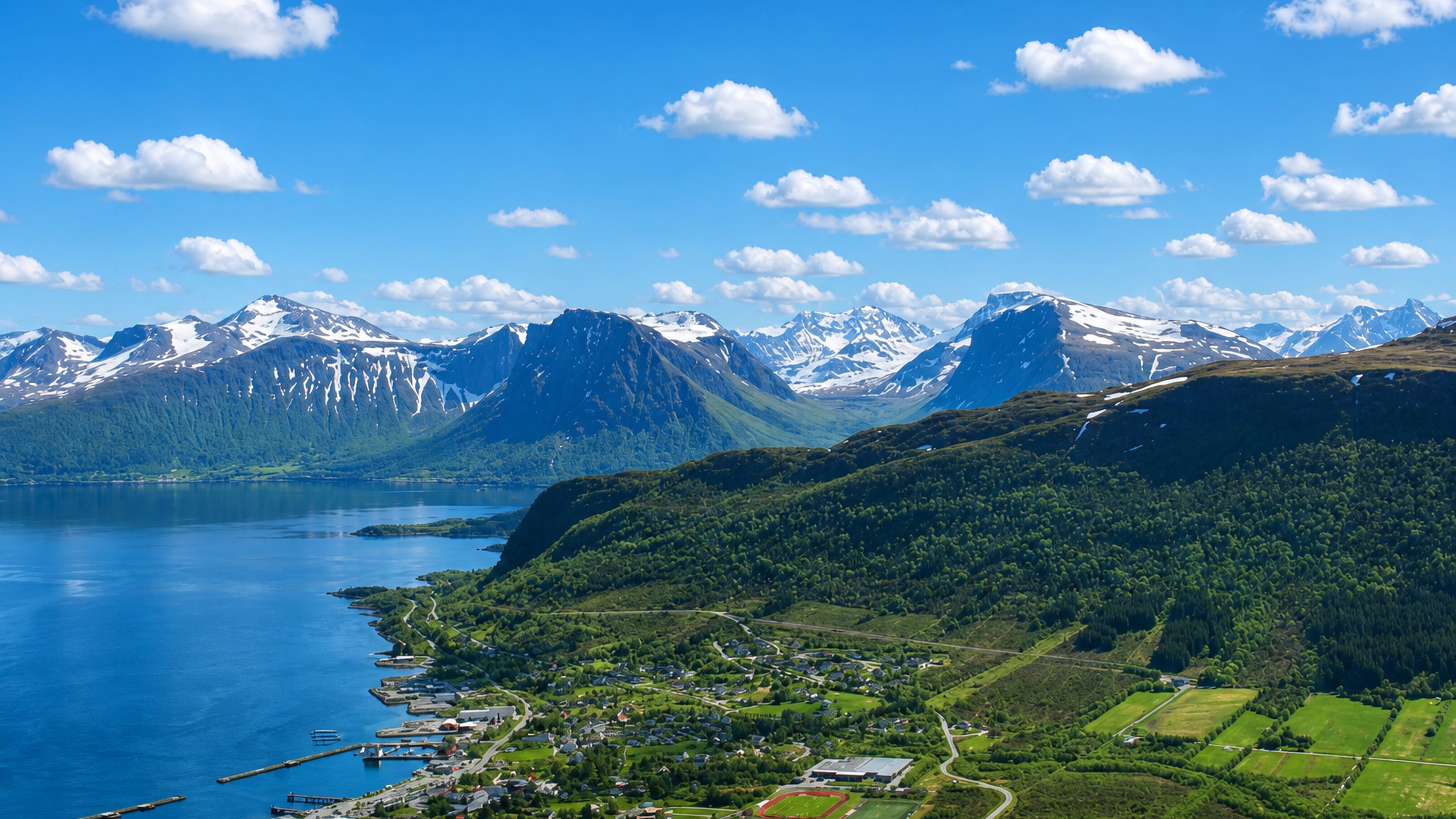
Norway · Møre og Romsdal fylke
Where to Stay in Hareid, Møre og Romsdal fylke
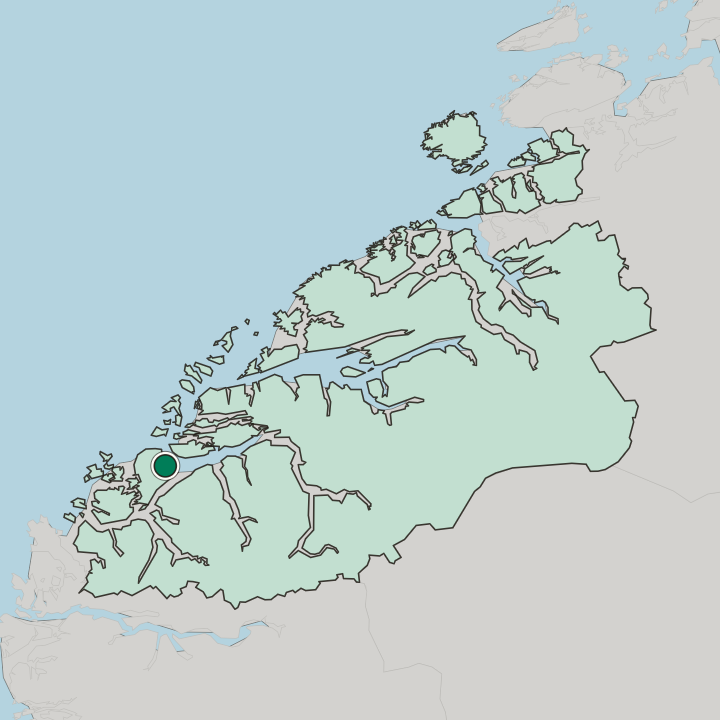
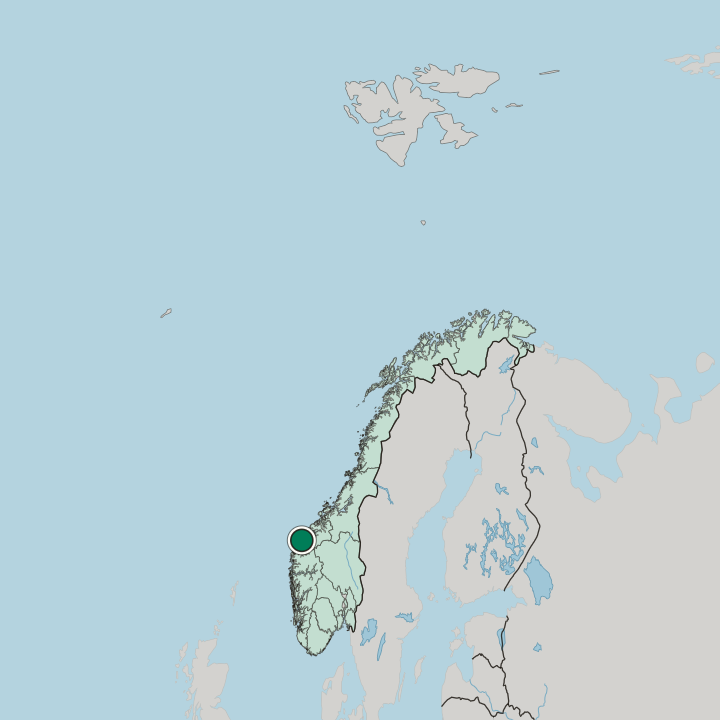
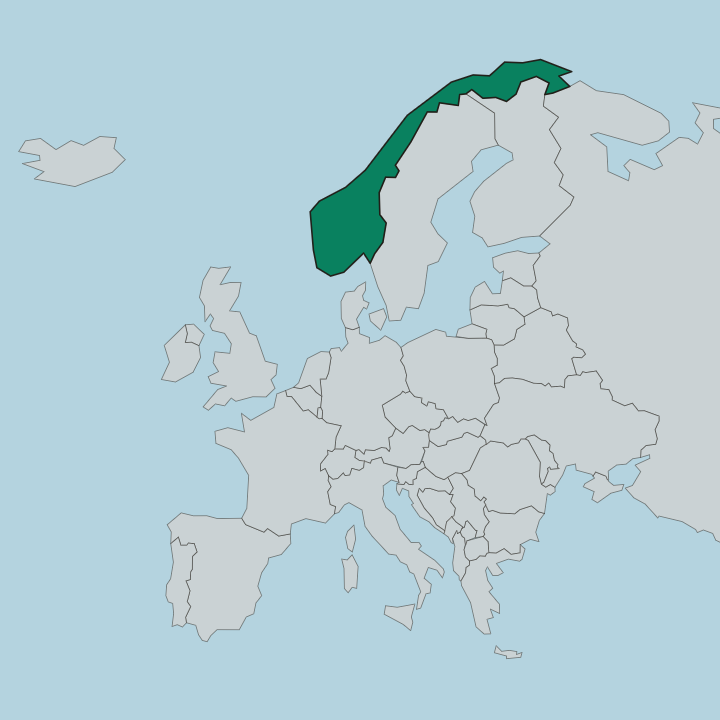
Hareid is a coastal town and municipal centre in the south-western part of Møre og Romsdal, in western Norway (Vestlandet).
Hotel links are affiliate links: booking through them may earn us a commission, at no extra cost to you. It never affects how places are ranked. How this works


Where to stay in Hareid
Where the beds are, and what that means for the visit.
Most beds in Hareid gather in the centre by the harbour, where hotels and guest rooms stand within a short walk of the ferry quay, the shops and Hareid kirke up the slope. The centre suits visitors who want the waterfront and the crossing on the doorstep. With the quay and the shops so close, the harbour centre is the natural choice.
Toward Ishavsmuseet Aarvak and the coast road, rooms sit handy for travellers drawn to the Arctic story and the open shore of the island. Beds there run quiet most of the year. Out through the rest of the municipality, among the farms and the parishes of the south-western part of Møre og Romsdal, holiday houses and small stays spread for those touring the coast by car.
Lodging grows sparse beyond the town. Book ahead in the warm season, when the ferry and the coast draw travellers to this corner of western Norway (Vestlandet).
Find hotels in Hareid
Direct booking searches for these neighbourhoods.
Harbour centre by the ferry quay
rooms by the Hareid ferry quay below Hareid kirkeFind hotels in Harbour centre by the ferry quaytravellers drawn to the Arctic sealing storyCoast road toward Ishavsmuseet Aarvak
beds near Ishavsmuseet Aarvak and the open shore. Few places to stay nearby — book ahead.Find hotels in Coast road toward Ishavsmuseet Aarvakdrivers touring the south-western part of Møre og RomsdalHareid municipality farms
holiday houses among the island parishes beyond the town. Few places to stay nearby — book ahead.Find hotels in Hareid municipality farmsHotel links are affiliate links: booking through them may earn us a commission, at no extra cost to you. It never affects how places are ranked. How this works
About Hareid
What is Hareid known for?
Hareid is the centre of its municipality, set on the shore of an island coast in the south-western part of Møre og Romsdal. Ishavsmuseet Aarvak tells the story of the Arctic sealing fleets that worked the northern ice from this stretch of coast, and Hareid kirke marks the parish above the harbour. The sea shaped the town.
Ferries cross the strait from the quay, and the church, the museum and the waterfront together frame a place that grew where the islands of western Norway (Vestlandet) face the open water.
What are the main landmarks in Hareid?
Hareid kirke rises above the harbour. The listed parish church gives the town its fixed point, set on the slope over the waterfront and the ferry quay. Down by the open shore stands Ishavsmuseet Aarvak.
The museum keeps the memory of the Arctic sealing fleets that sailed north to the ice from this stretch of coast, the chief draw of the town. Church and museum mark the two poles of Hareid in the south-western part of Møre og Romsdal.
What is the history of Hareid?
Hareid grew where the shore of an island gave fishing and trading boats a working berth in the south-western part of Møre og Romsdal. The sea ruled the early life of the place, and the Arctic sealing trade carried its crews north to the ice each season, a chapter now kept in Ishavsmuseet Aarvak down by the water. Boats came and went.
Hareid kirke rose to serve the parish above the harbour, the fixed point of a settlement scattered along the coast of western Norway (Vestlandet). The sealing faded, but the coast held its trades. Fishing, the ferry crossing and the slow gathering of shops and services carried Hareid on, and it grew into the centre of its municipality.
The old seafaring story lives on in the museum at Ishavsmuseet Aarvak, while the listed church of Hareid kirke still marks the parish above the quay, and the town settled into its role as the market and crossing point for the farms and parishes of the island in Møre og Romsdal.
Where is Hareid?
Hareid lies on the shore of an island in the south-western part of Møre og Romsdal, in western Norway (Vestlandet). The town gathers around the harbour and the ferry quay, the houses rising from the waterfront toward Hareid kirke and the slopes behind, with Ishavsmuseet Aarvak set down by the open shore. Sea and hill frame the place.
The municipality reaches out across the island and along the coast, taking in the farms and the parishes beyond the built-up edge of the town, where the sounds run between the islands toward the open Atlantic.
What is the climate of Hareid?
Hareid has the wet, mild maritime climate of the island coast of Vestlandet. Winters stay cool and grey rather than harsh, the open sea around the island holding hard frost and deep snow back from the low ground by the harbour through most of the season. Summers run cool and damp.
The water of the coast tempers the warmth and feeds the wind under the long northern daylight, while rain off the Atlantic reaches this corner of the south-western part of Møre og Romsdal in every month of the year.
How do you get to Hareid?
Hareid is reached by the ferry crossing and the coast road. The car ferry runs to the quay in the centre, a short walk from the shops and Hareid kirke, linking the island to the wider routes of Møre og Romsdal. Many drive in from the coast.
Roads thread the islands and sounds of the south-western part of Møre og Romsdal toward the town and Ishavsmuseet Aarvak, while the regional airports handle the longer journeys of travellers reaching this part of western Norway (Vestlandet) from afar.
Common questions
What is the best area to stay in Hareid?
Harbour centre by the ferry quay: visitors crossing the strait and wanting the waterfront. Coast road toward Ishavsmuseet Aarvak: travellers drawn to the Arctic sealing story. Hareid municipality farms: drivers touring the south-western part of Møre og Romsdal.
Good for
More cities in Møre og Romsdal fylke
Updated September 2026