
Norway: Regions, Cities & Travel Guide
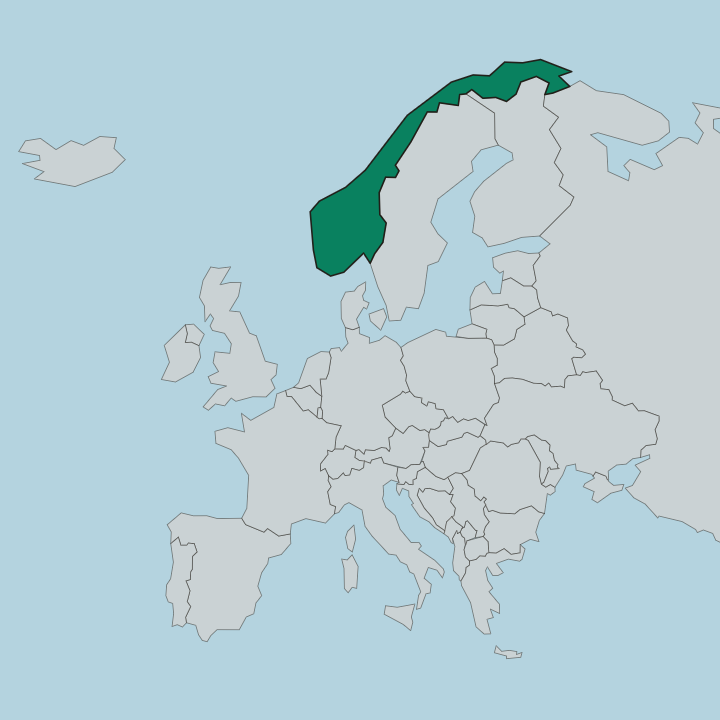
Norway runs up the west of the Scandinavian Peninsula in northern Europe, a coast of fjords, valleys, forests, and lakes.
Hotel links are affiliate links: booking through them may earn us a commission, at no extra cost to you. It never affects how places are ranked. How this works


Top destinations in Norway
Cities to start from, then drill into areas and hotels.
 Norway
Oslo
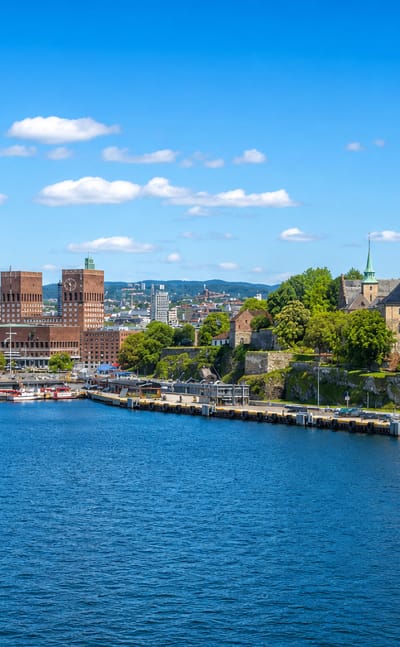
Oslo is Norway's capital, set at the head of its fjord in south-eastern Norway, the Østlandet region.Where to stay →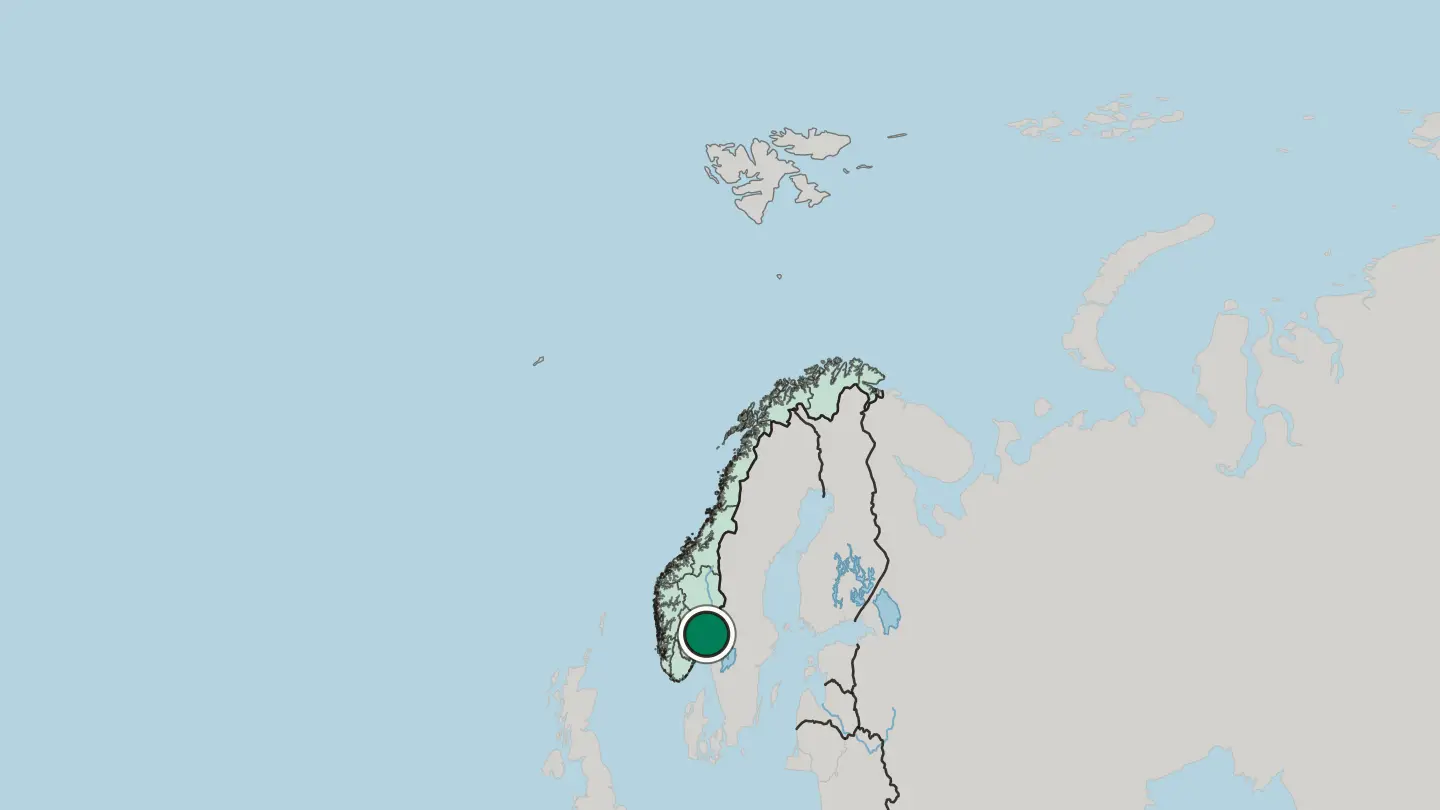
 Norway
Bergen
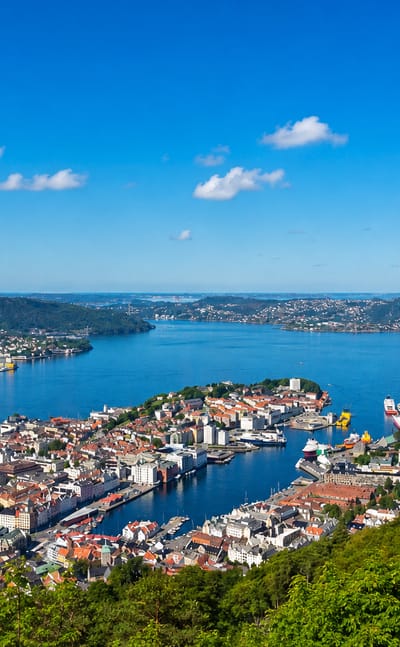
Bergen is Norway's second city, a Hanseatic port set among fjords and mountains in western Vestland.Where to stay →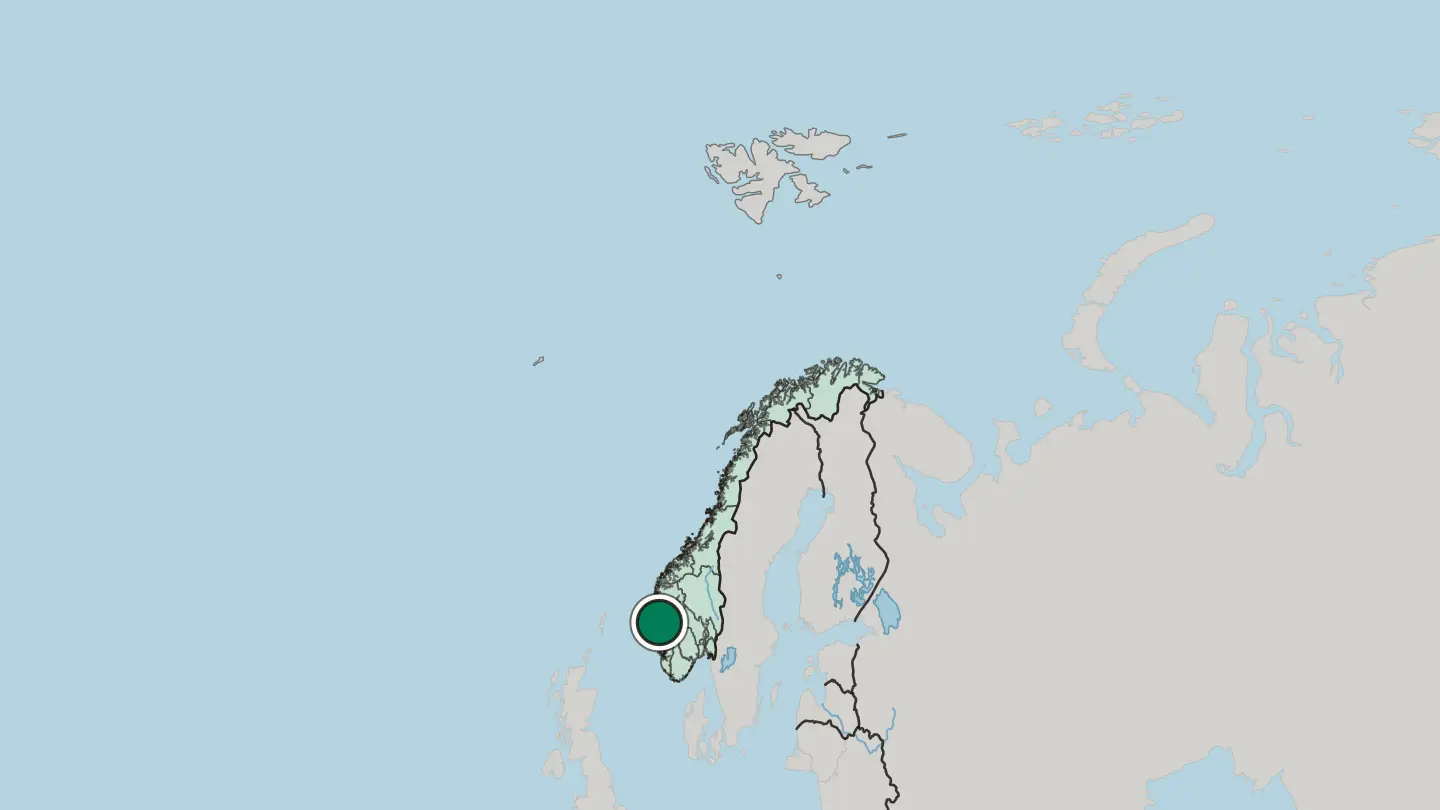
 Norway
Trondheim
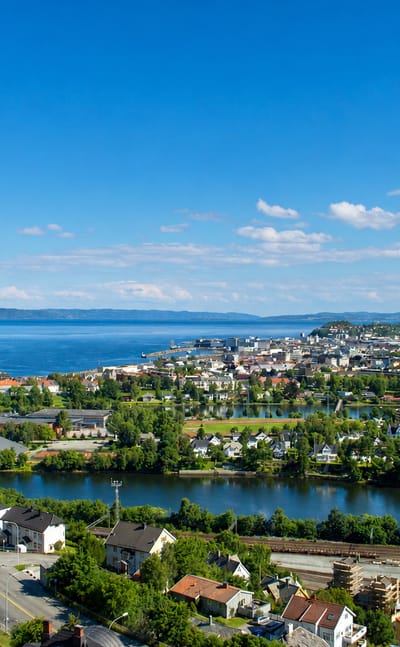
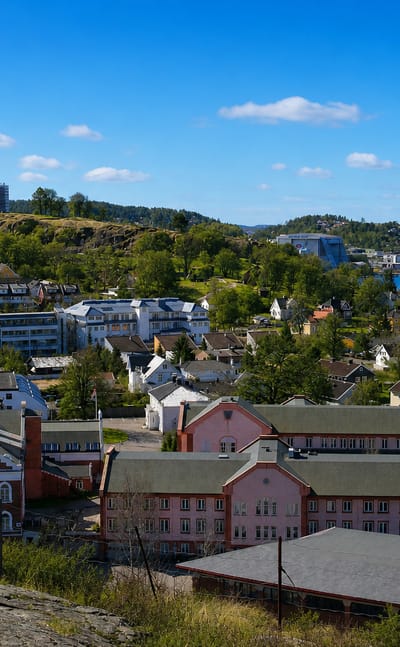
Trondheim is a cathedral city in central Norway, set where the Nidelva bends into the Trondheimsfjord beneath the spires of Nidarosdomen.Where to stay →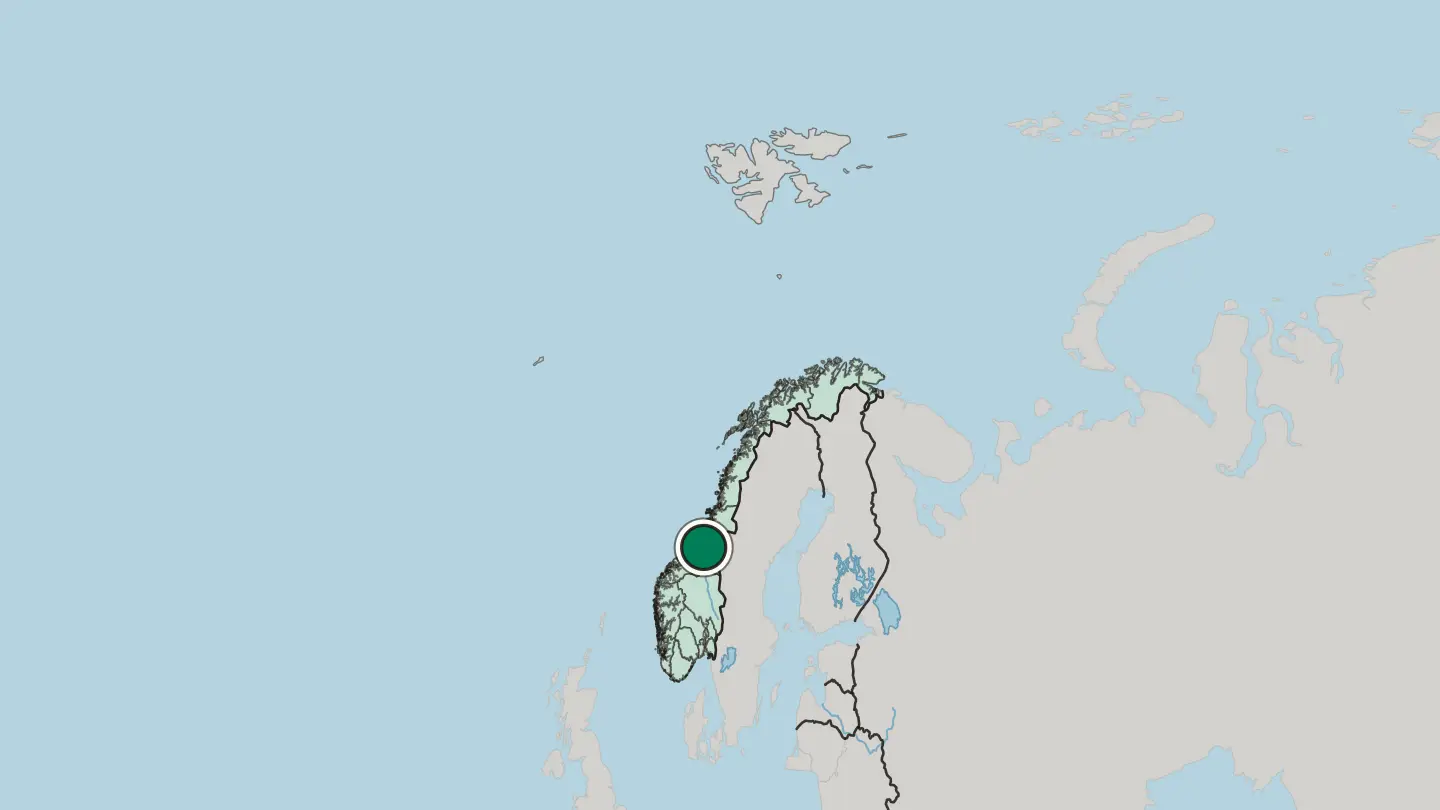
 Norway
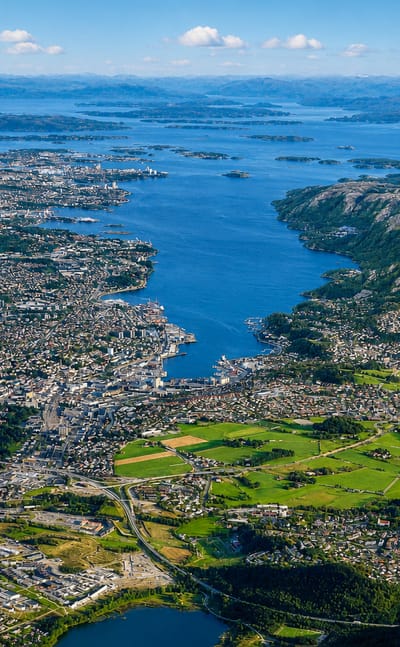
Stavanger
Stavanger is an oil-industry and harbour city on the coast of western Norway, the seat of Rogaland and home to a preserved wooden old town.Where to stay →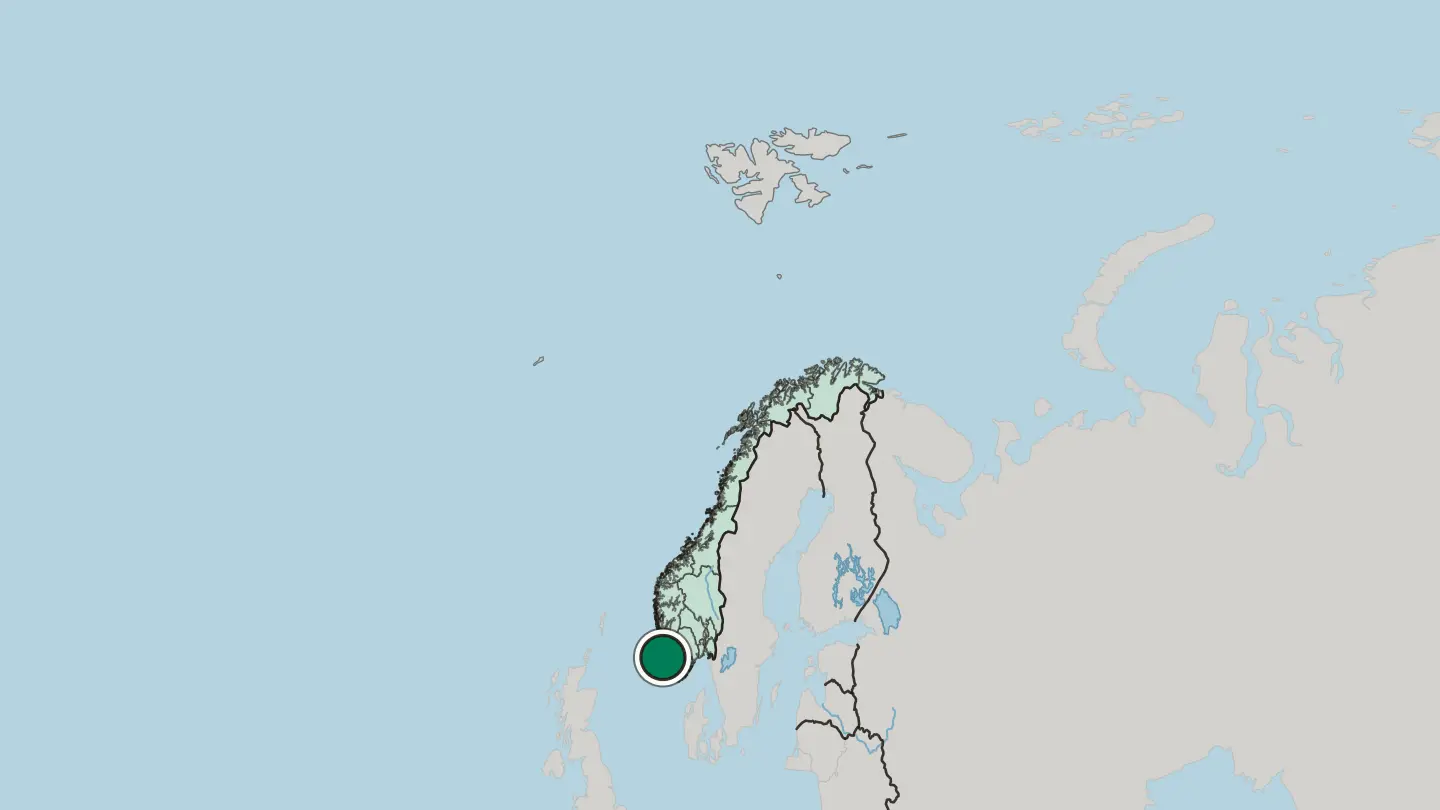
 Norway
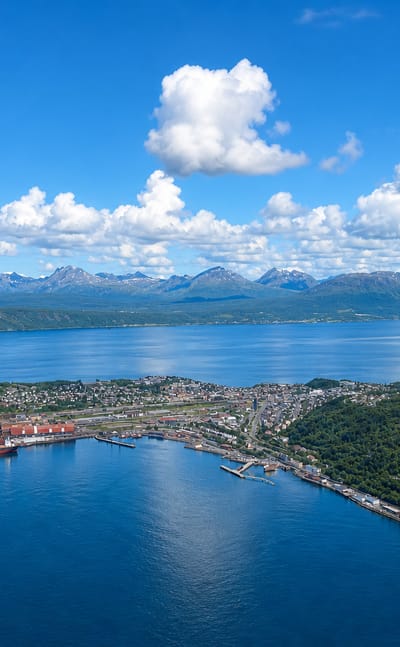
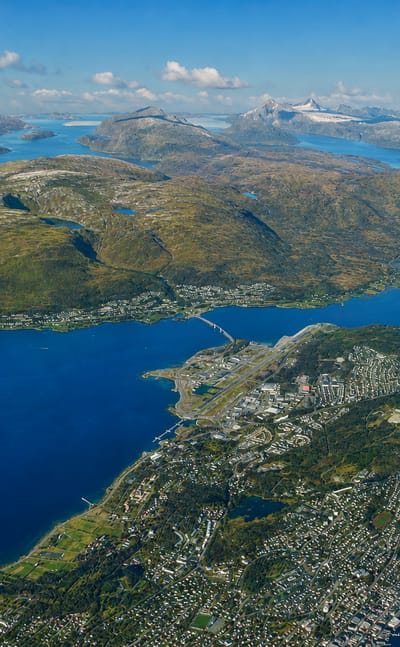
Narvik
Narvik is a fjord port in northern Norway, set in the north-eastern part of Nordland on the Nord-Norge coast.Where to stay →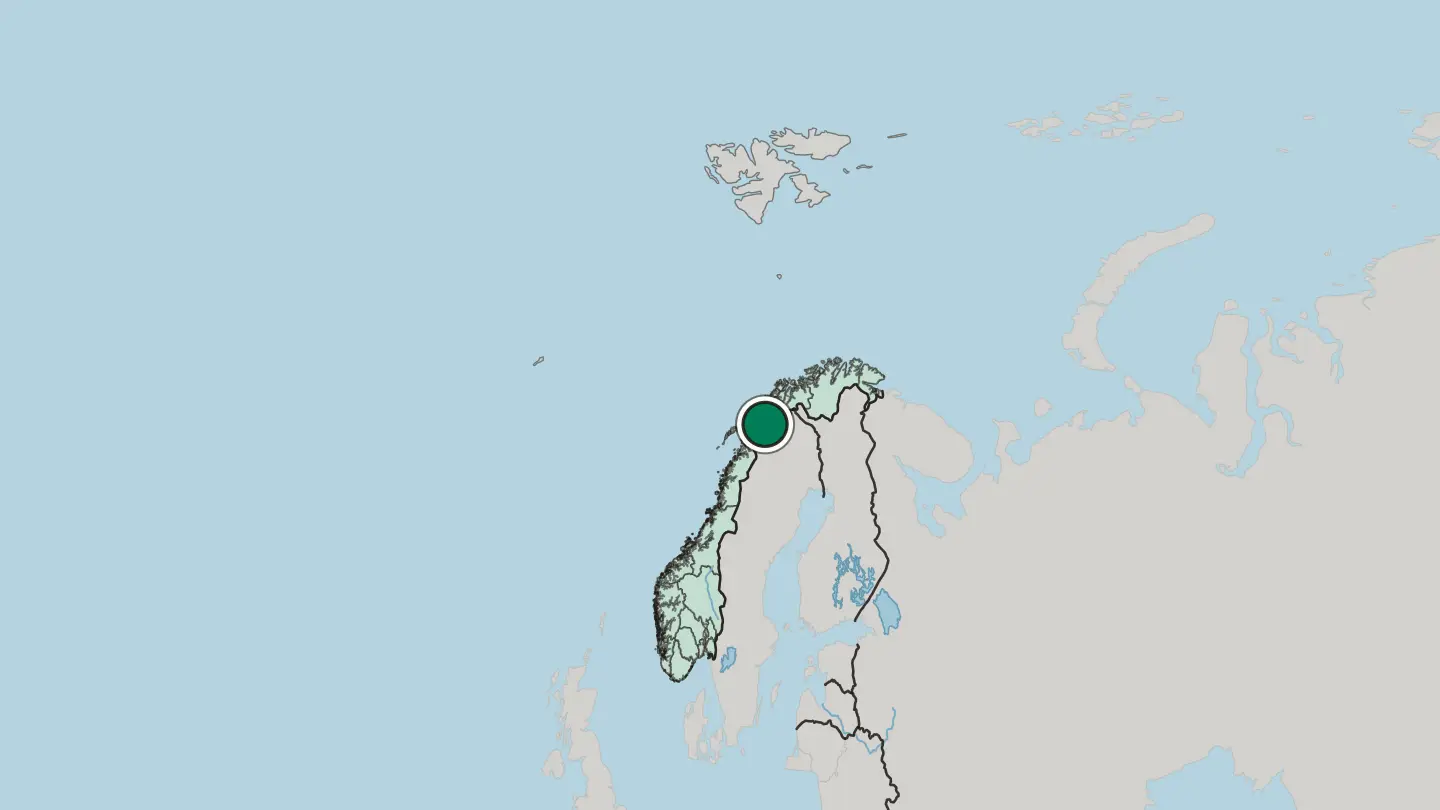
 Norway
Tromsø
Tromsø is an Arctic island city on Tromsøya, in the northern part of Troms, in northern Norway.Where to stay →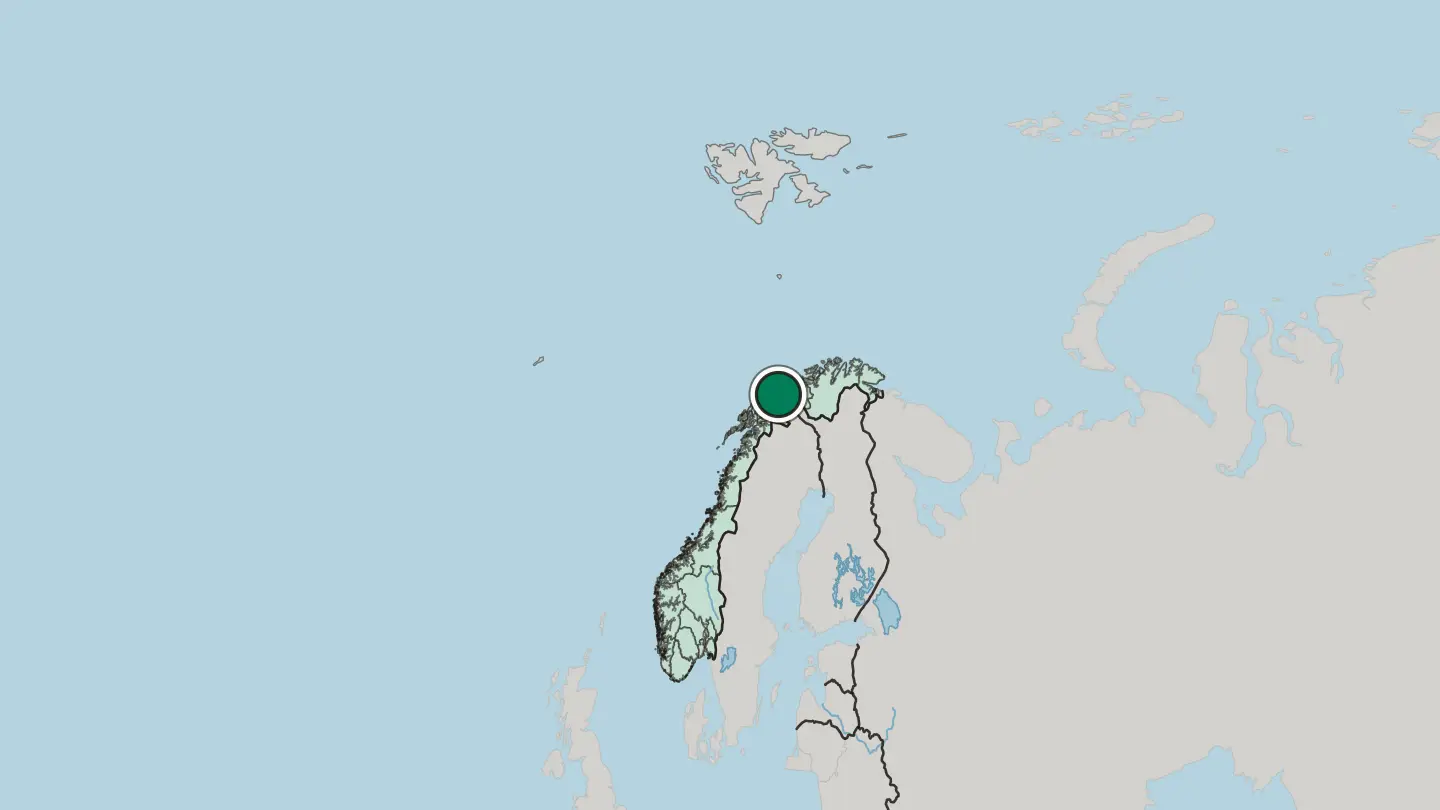
 Norway
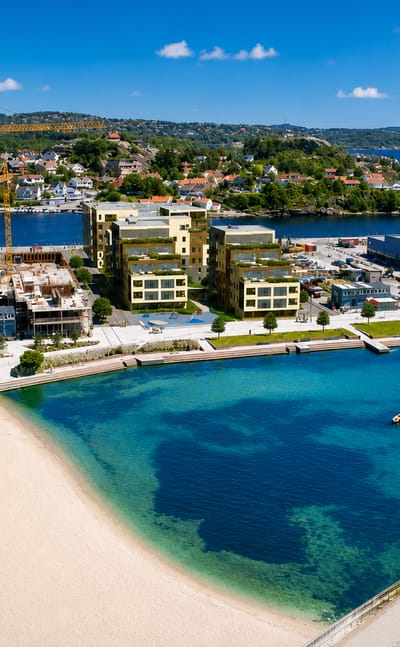
Kristiansand
Kristiansand is the coastal capital of the Sørlandet, a 17th-century grid town in the southern part of Agder, in southern Norway.Where to stay →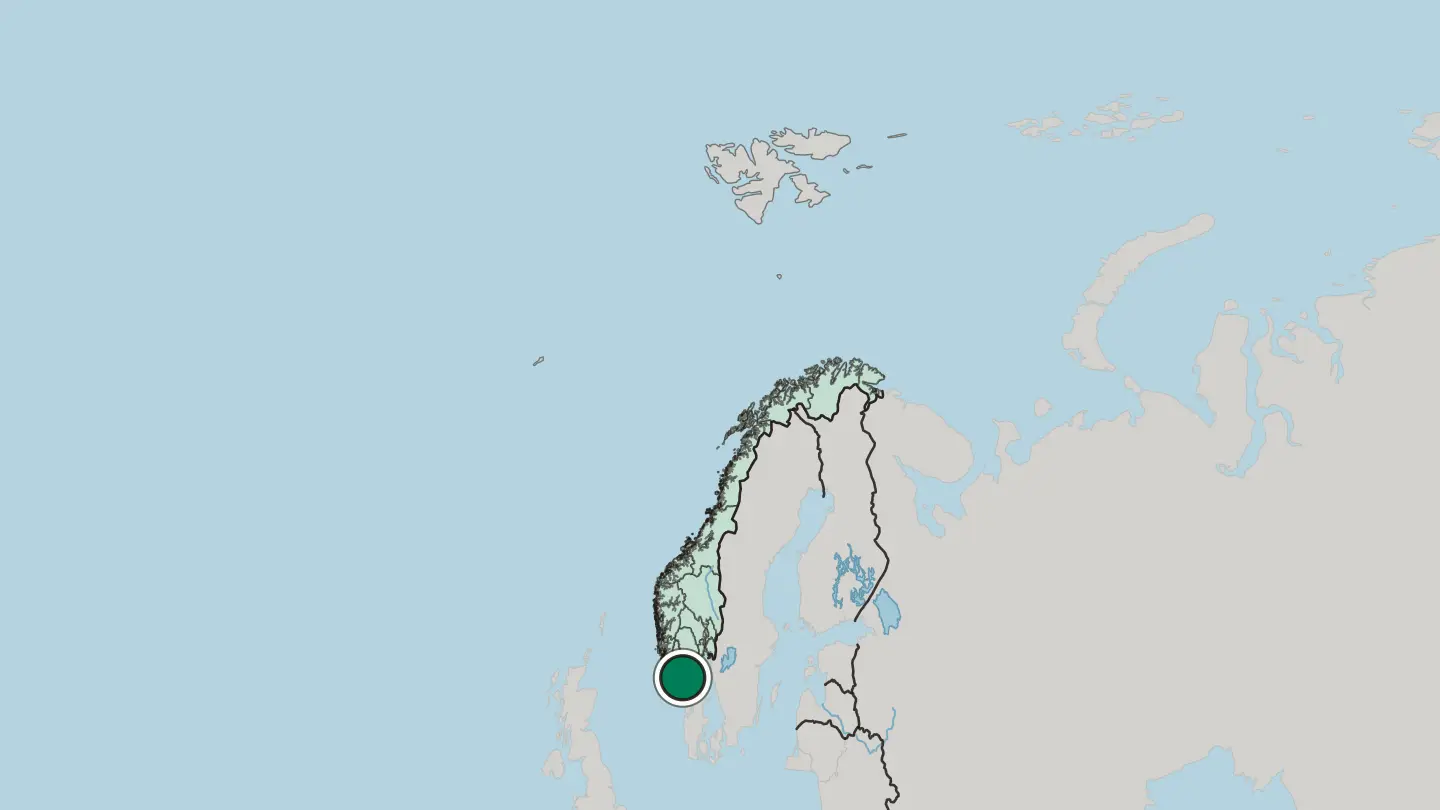
 Norway
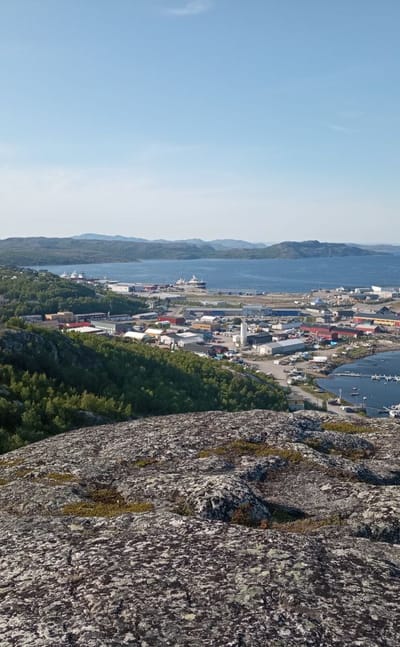
Kirkenes
Kirkenes is a border port in Sør-Varanger, near the Russian frontier in northern Norway.Where to stay →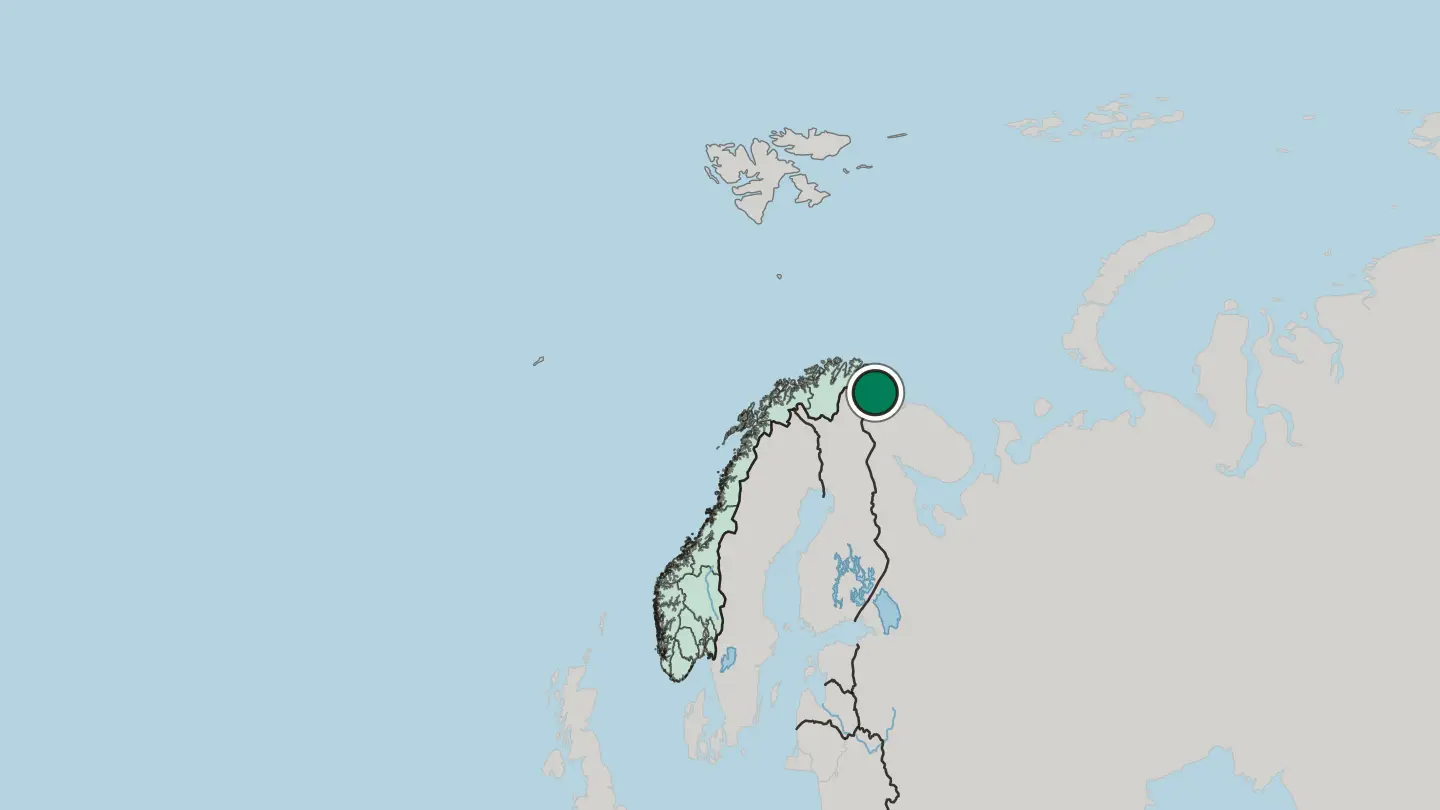
 Norway
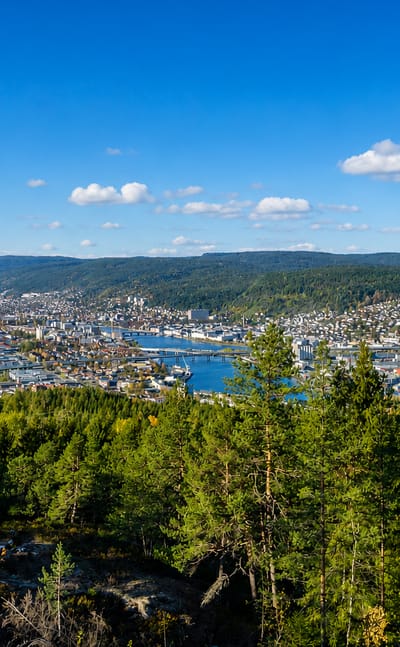
Drammen
Drammen is a river city on the Drammenselva, the south-eastern part of Buskerud, in south-eastern Norway.Where to stay →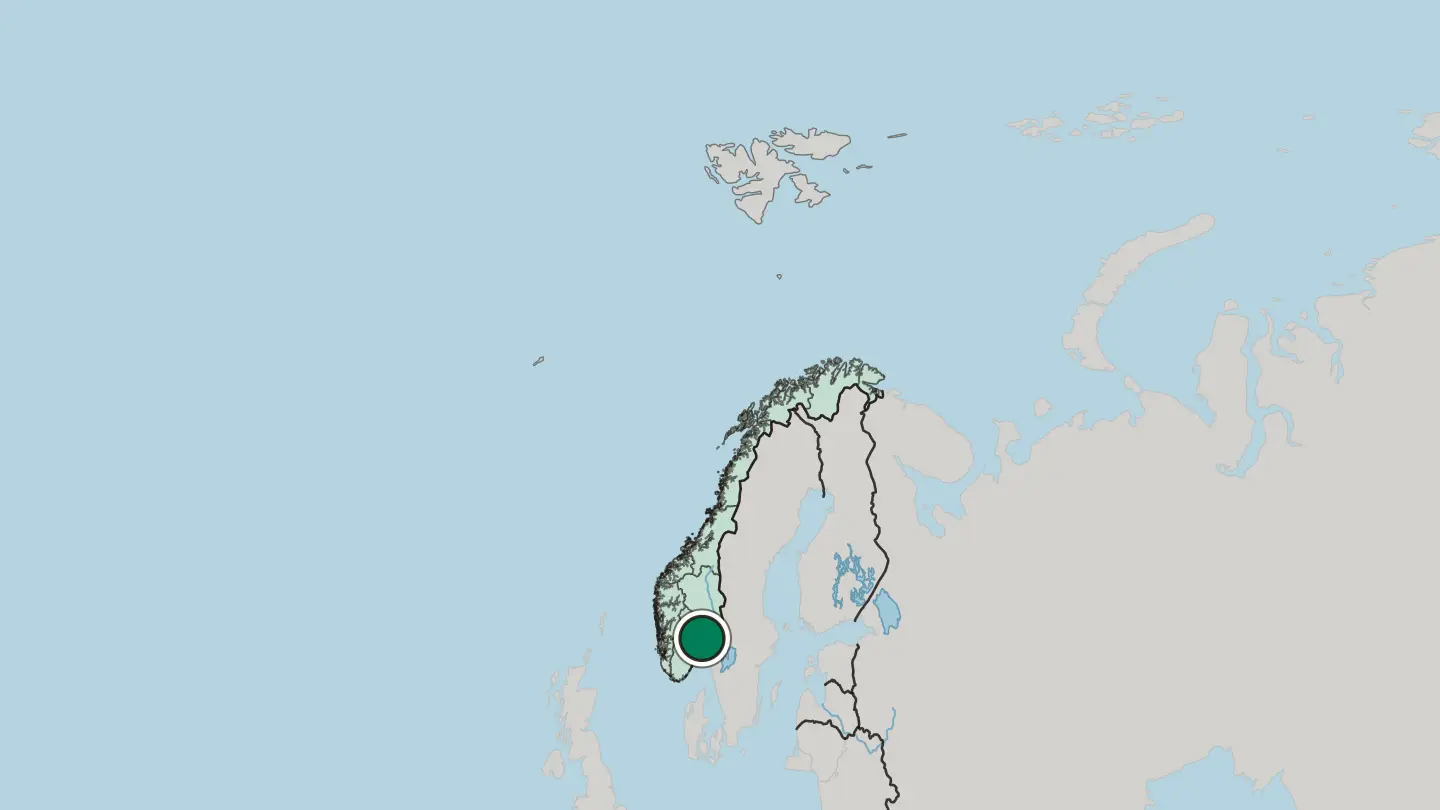
Hotel links are affiliate links: booking through them may earn us a commission, at no extra cost to you. It never affects how places are ranked. How this works
Regions of Norway
Norway
Agder
Agder is a coastal county in southern Norway, the Sørlandet region, with Kristiansand as its largest city and seat.Towns & cities →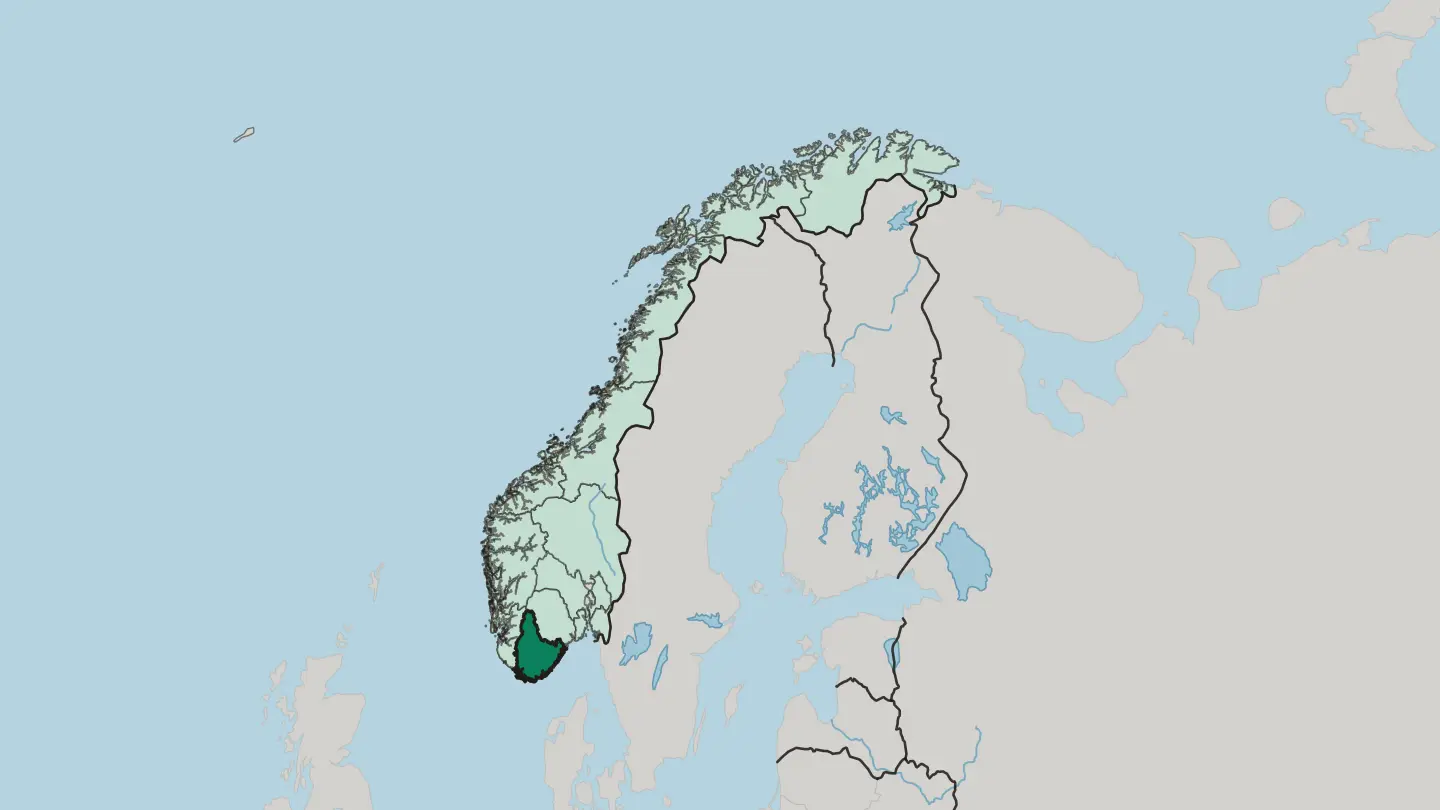
 Norway
Akershus fylke
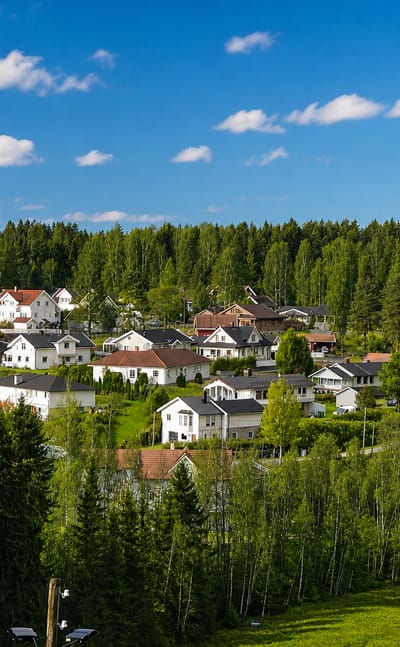
Akershus is the county ringing Oslo in south-eastern Norway, the Østlandet heartland and core of the Greater Oslo Region.Towns & cities →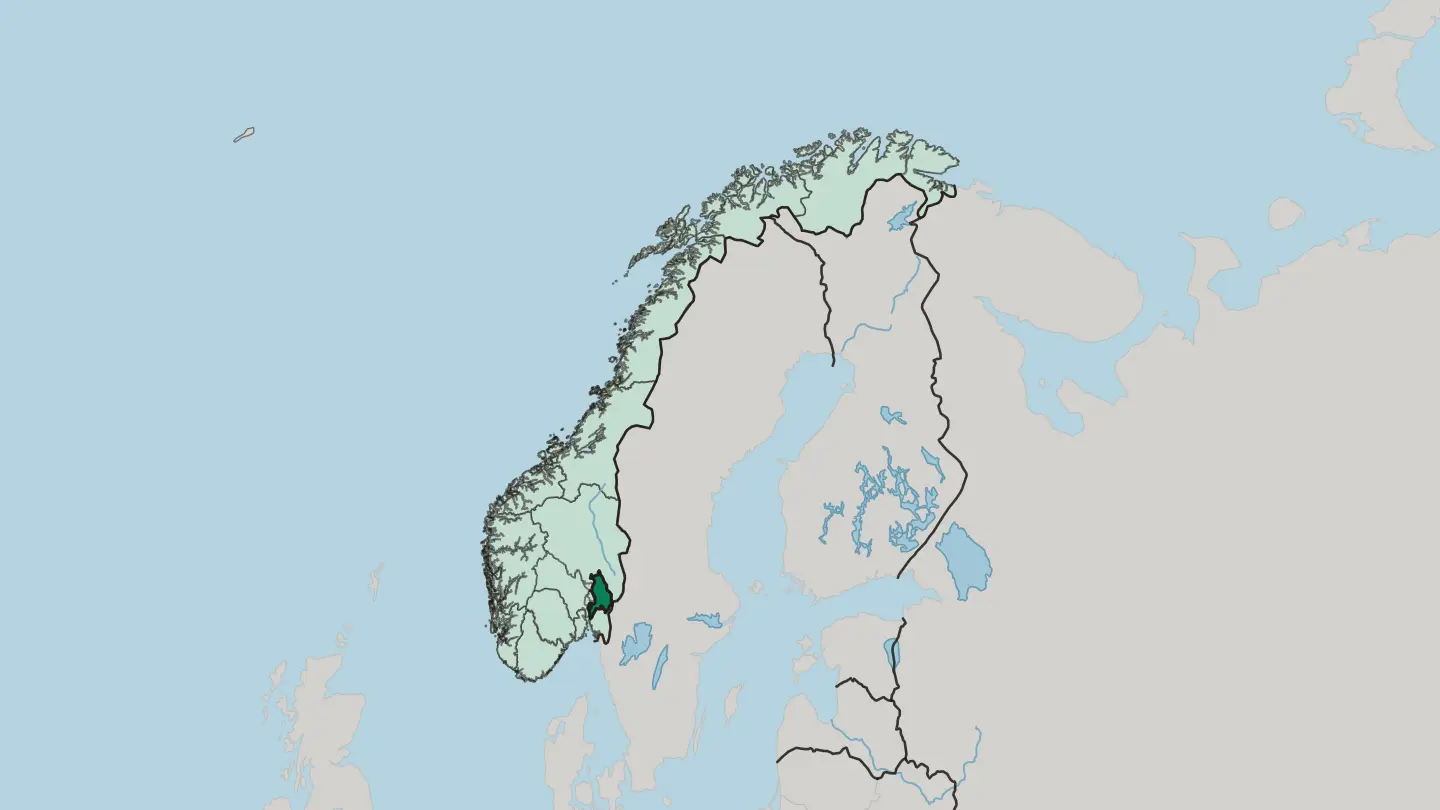 Norway
Buskerud fylke
Buskerud is a county in south-eastern Norway, reaching from the Oslofjord to the Hardangervidda, with Drammen as its centre.Towns & cities →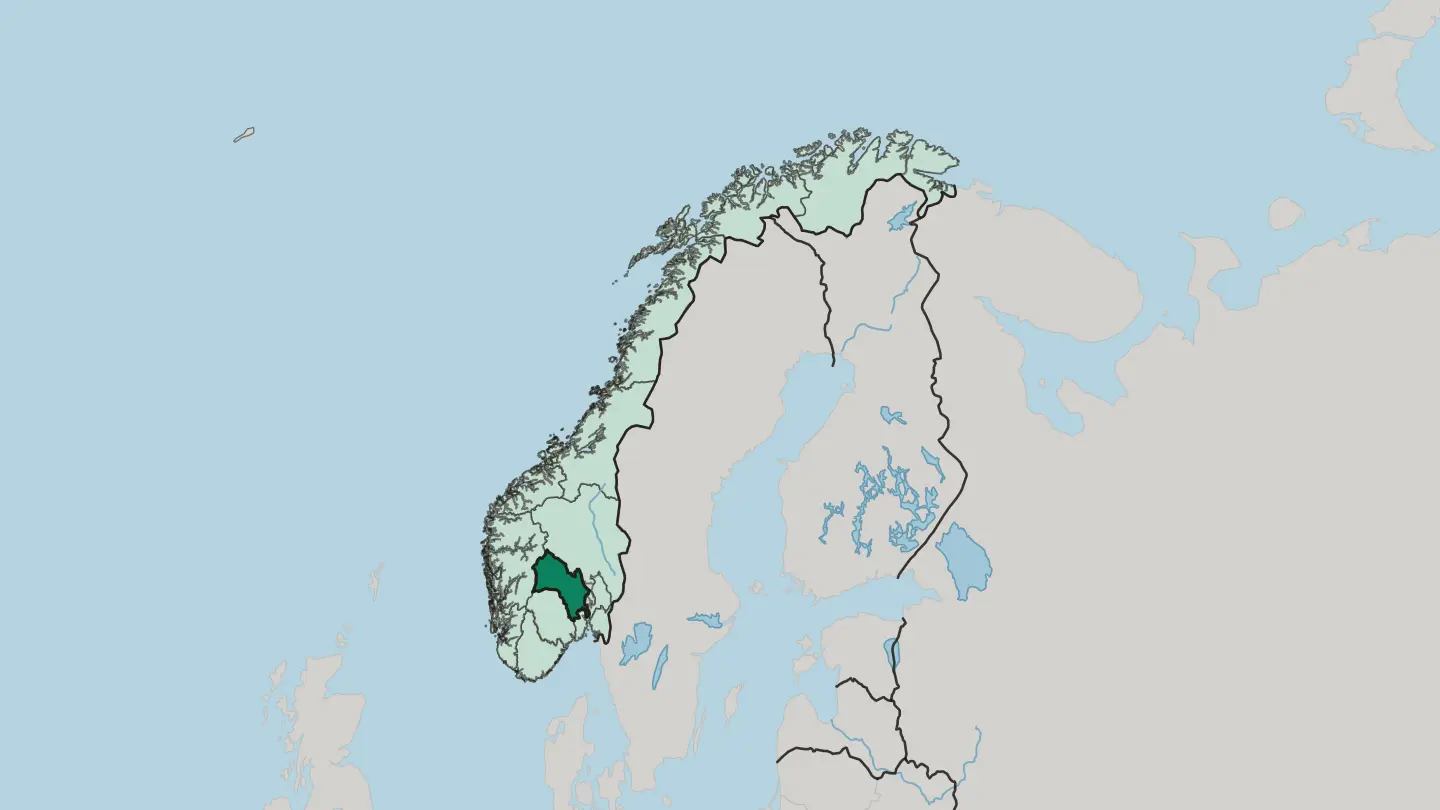 Norway
Finnmark
Finnmark is Norway's northernmost county, a vast Arctic fylke of the Nord-Norge region, known in Sámi as Finnmárkku fylka.Towns & cities →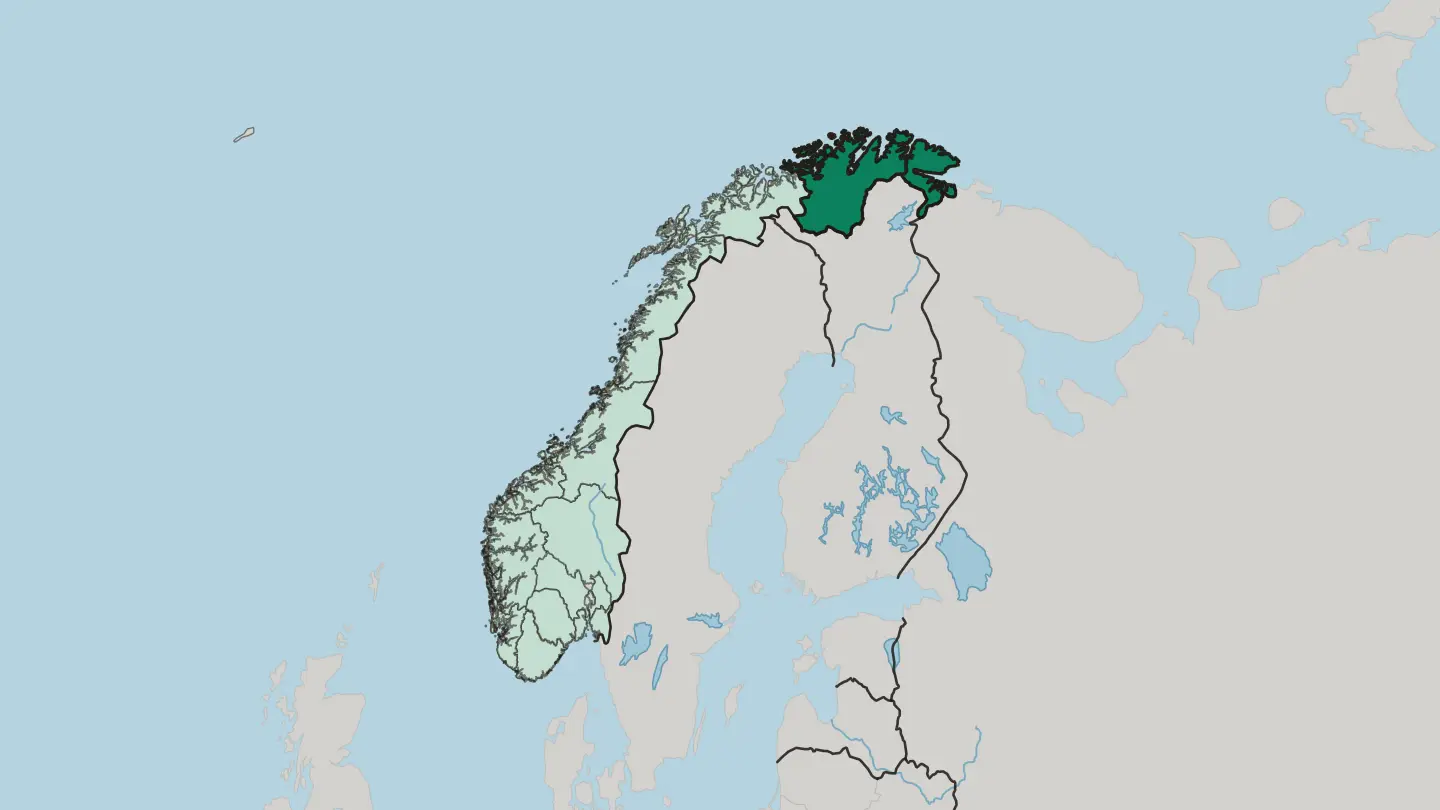
 Norway
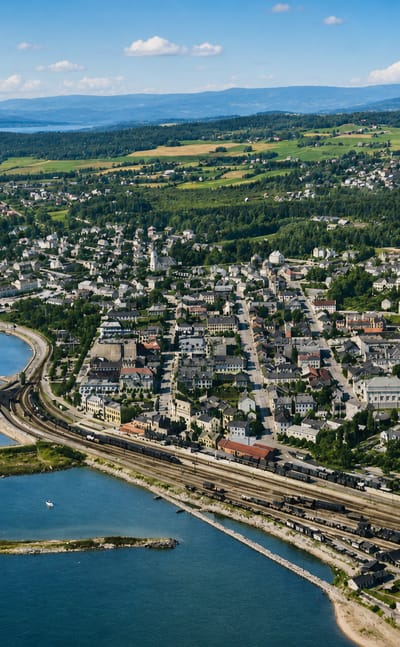
Innlandet
Innlandet is an inland county in south-eastern Norway, formed in 2020 from the old counties of Oppland and Hedmark.Towns & cities →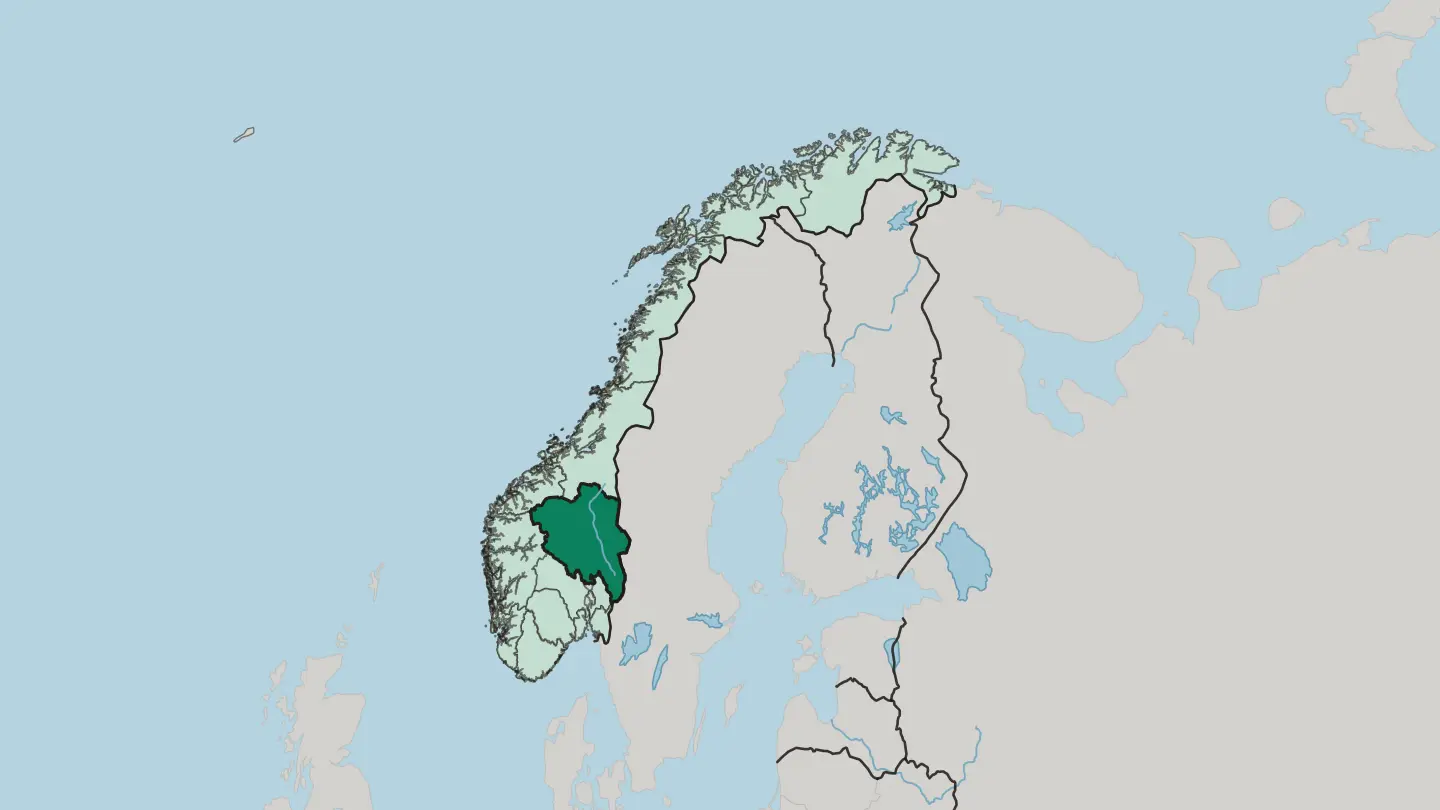
 Norway
Møre og Romsdal fylke
Møre og Romsdal is a coastal county in western Norway, the Vestlandet region, with Ålesund as its largest town and Molde as its seat.Towns & cities →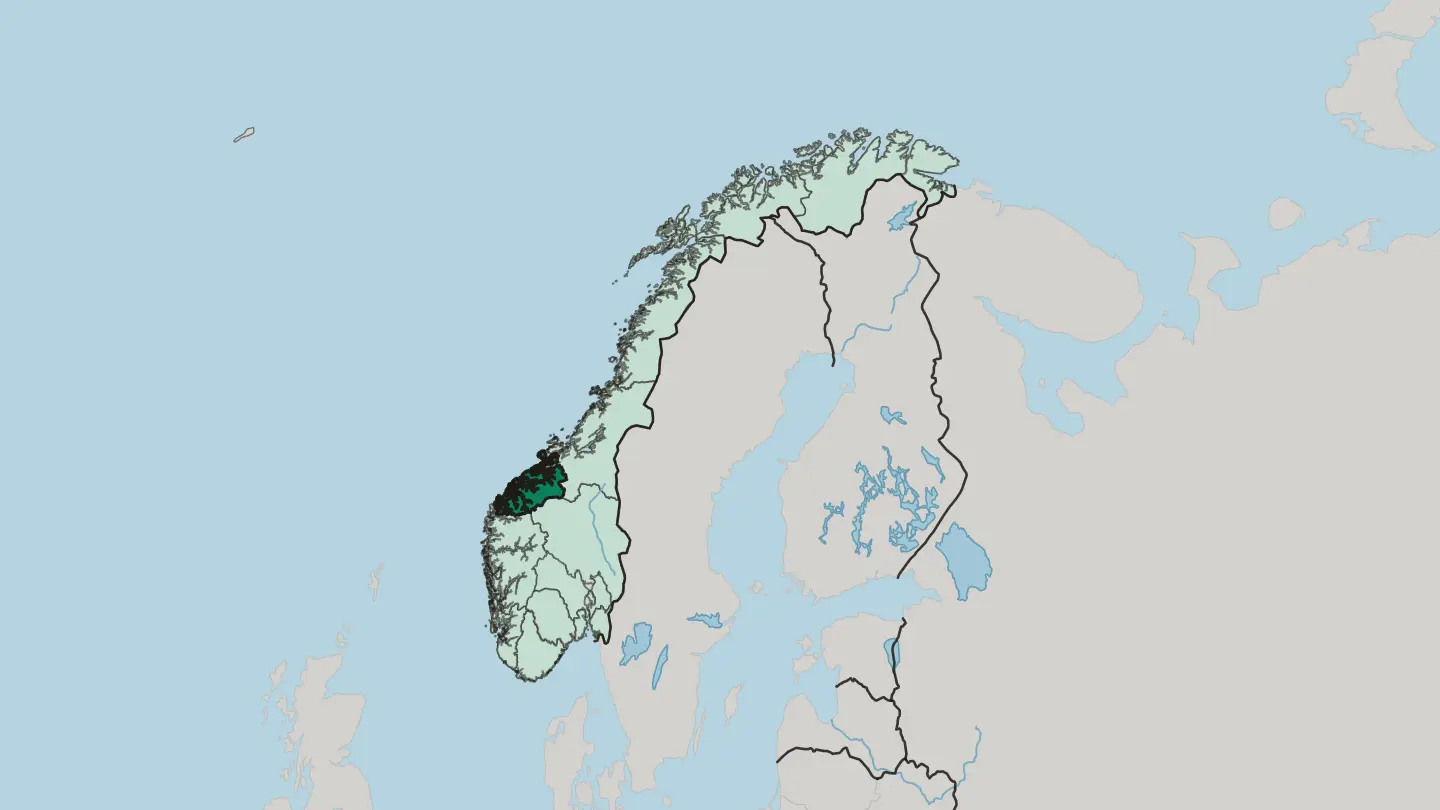 Norway
Nordland
Nordland is a long coastal county in northern Norway, the Nord-Norge region, stretching up the Atlantic seaboard with Bodø as its seat.Towns & cities →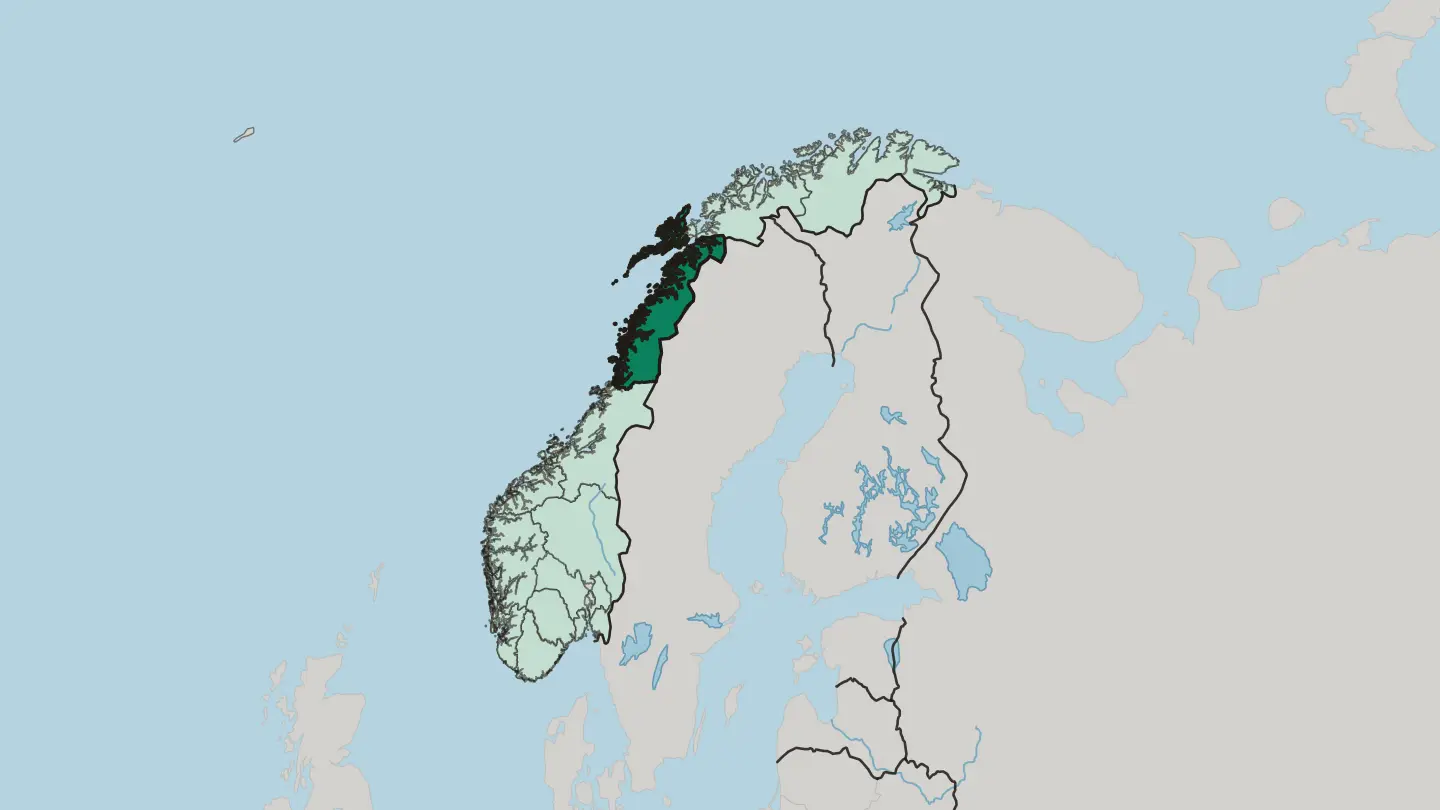 Norway
Oslo County
Oslo is the capital of Norway and a county of its own in south-eastern Norway, the Østlandet region.Towns & cities →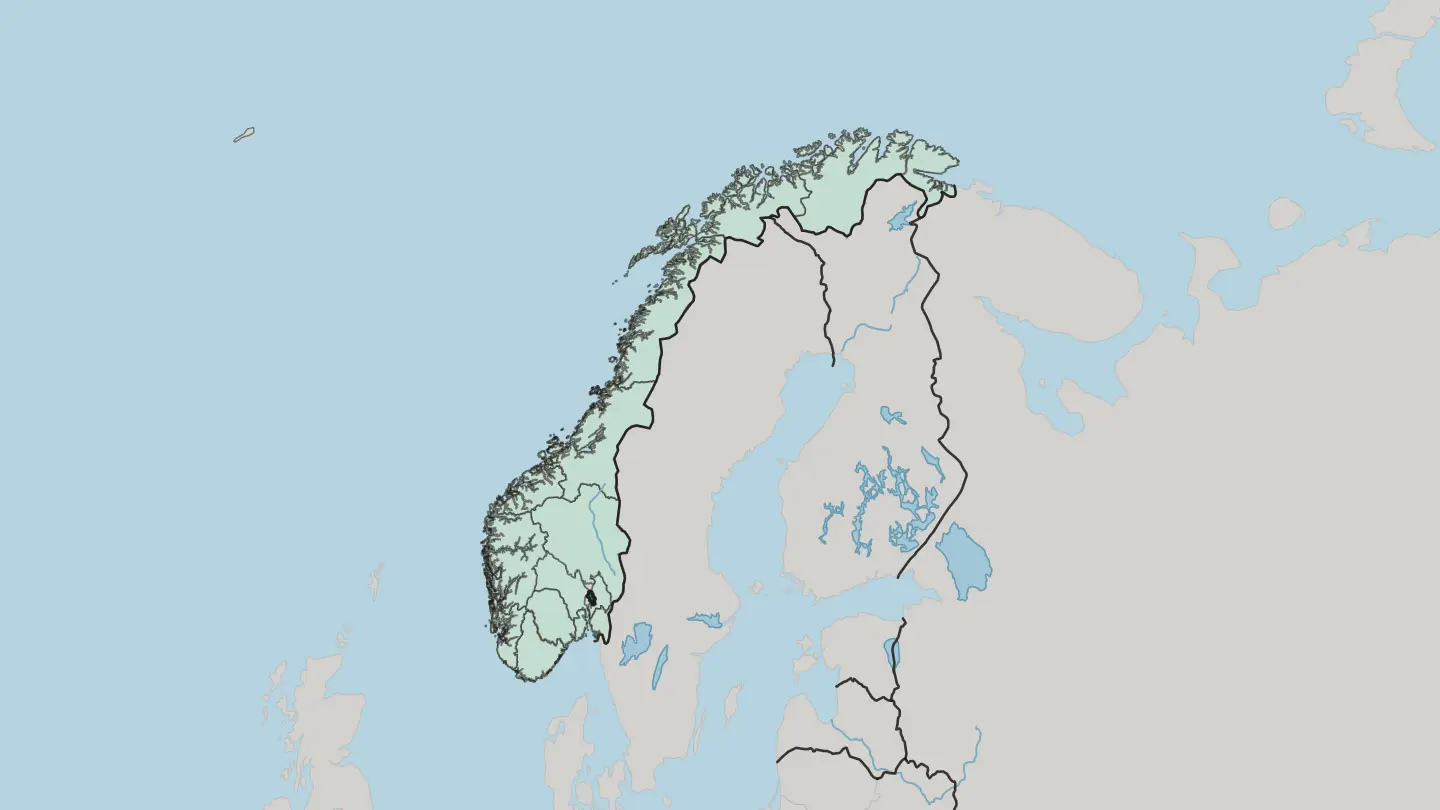 Norway
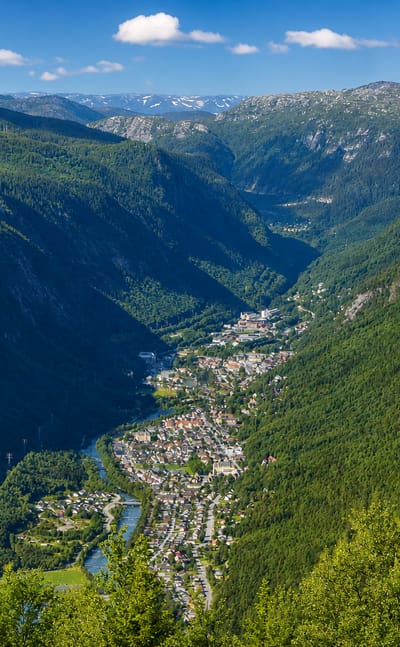
Rogaland Fylke
Rogaland is the south-western coastal county of Norway, the Vestlandet region, with Stavanger as its largest city.Towns & cities →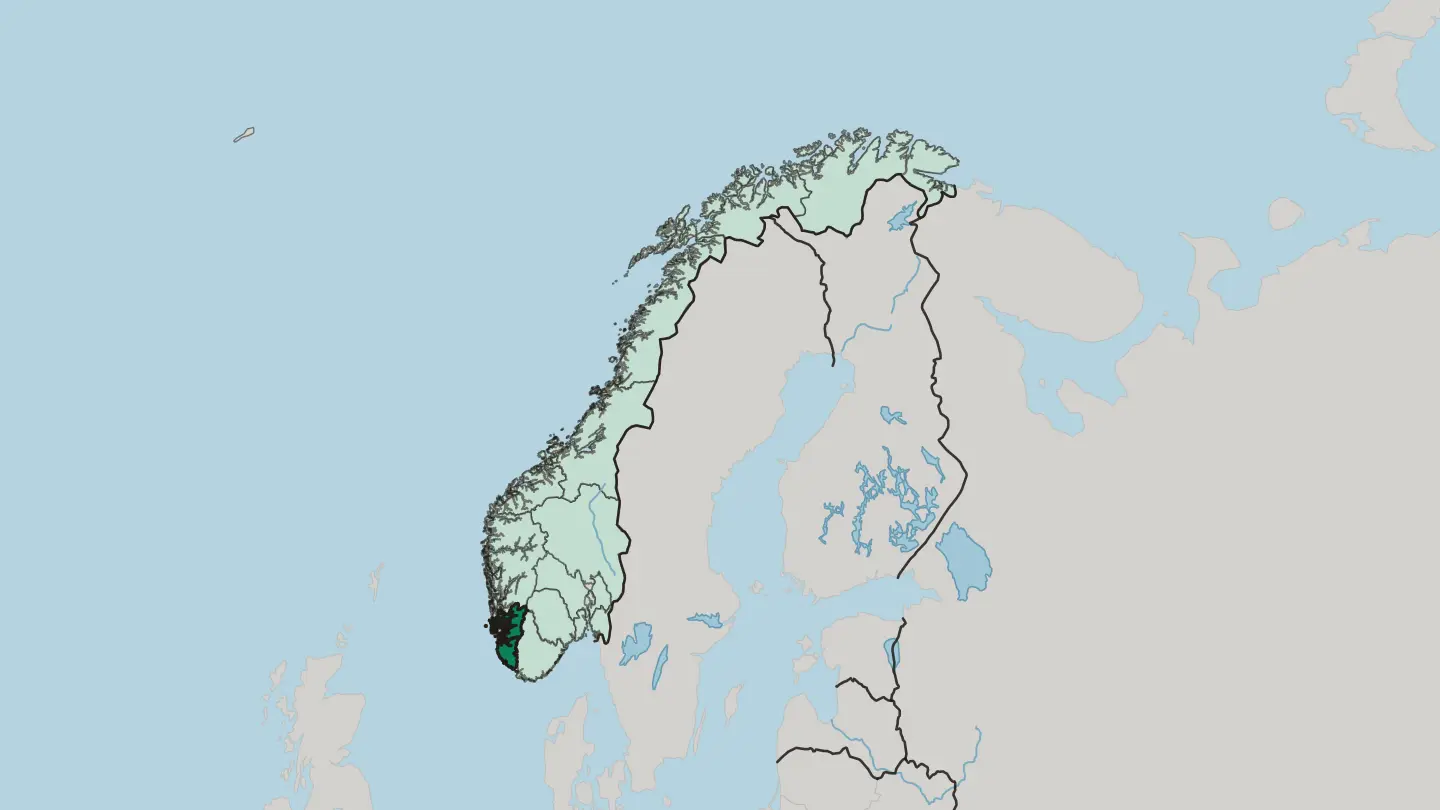
 Norway
Telemark fylke
Telemark is a county in south-eastern Norway, a large inland fylke in the Østlandet region of the country.Towns & cities →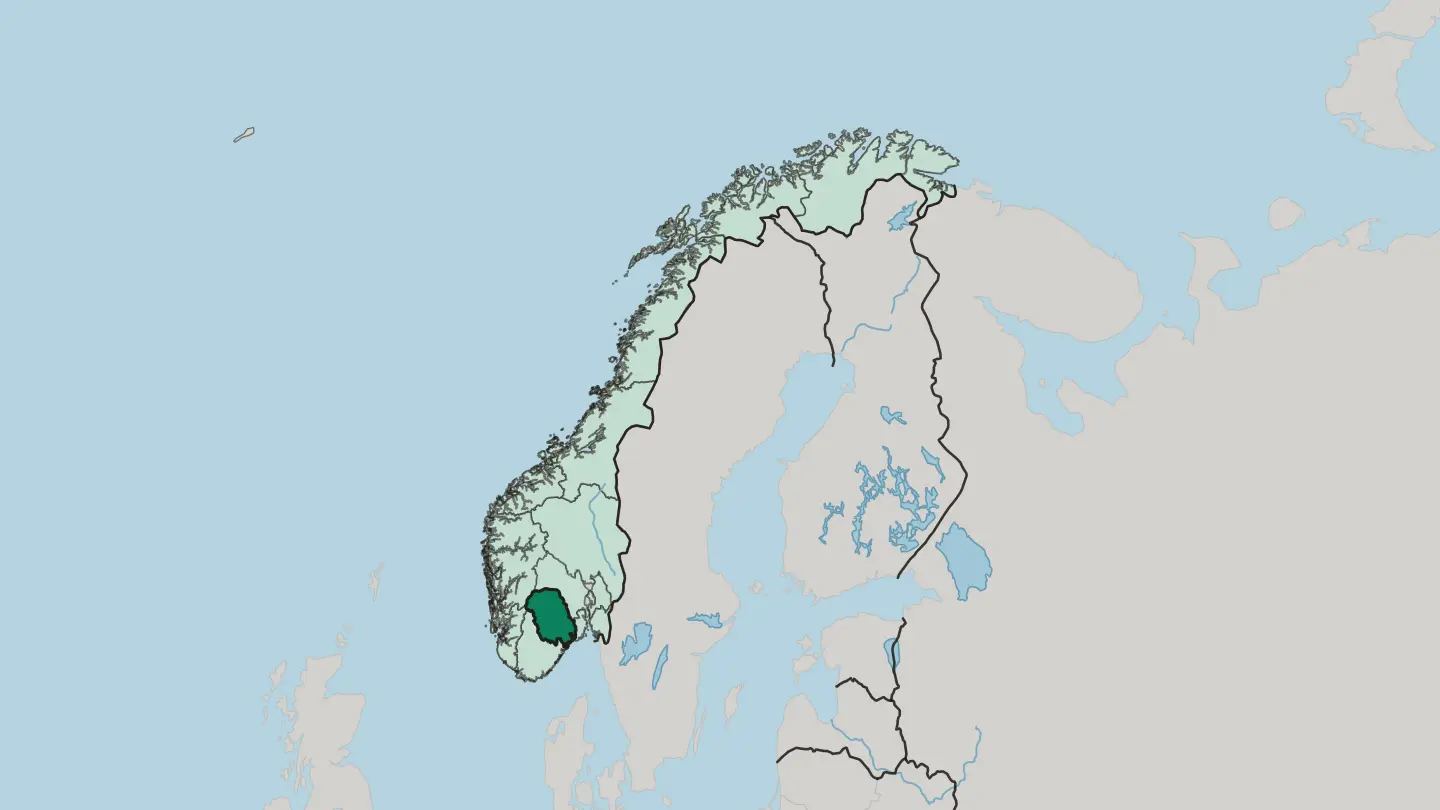 Norway
Troms
Troms is a county in northern Norway, a fylke of the Nord-Norge region also known by its Sámi name, Romssa fylka.Towns & cities →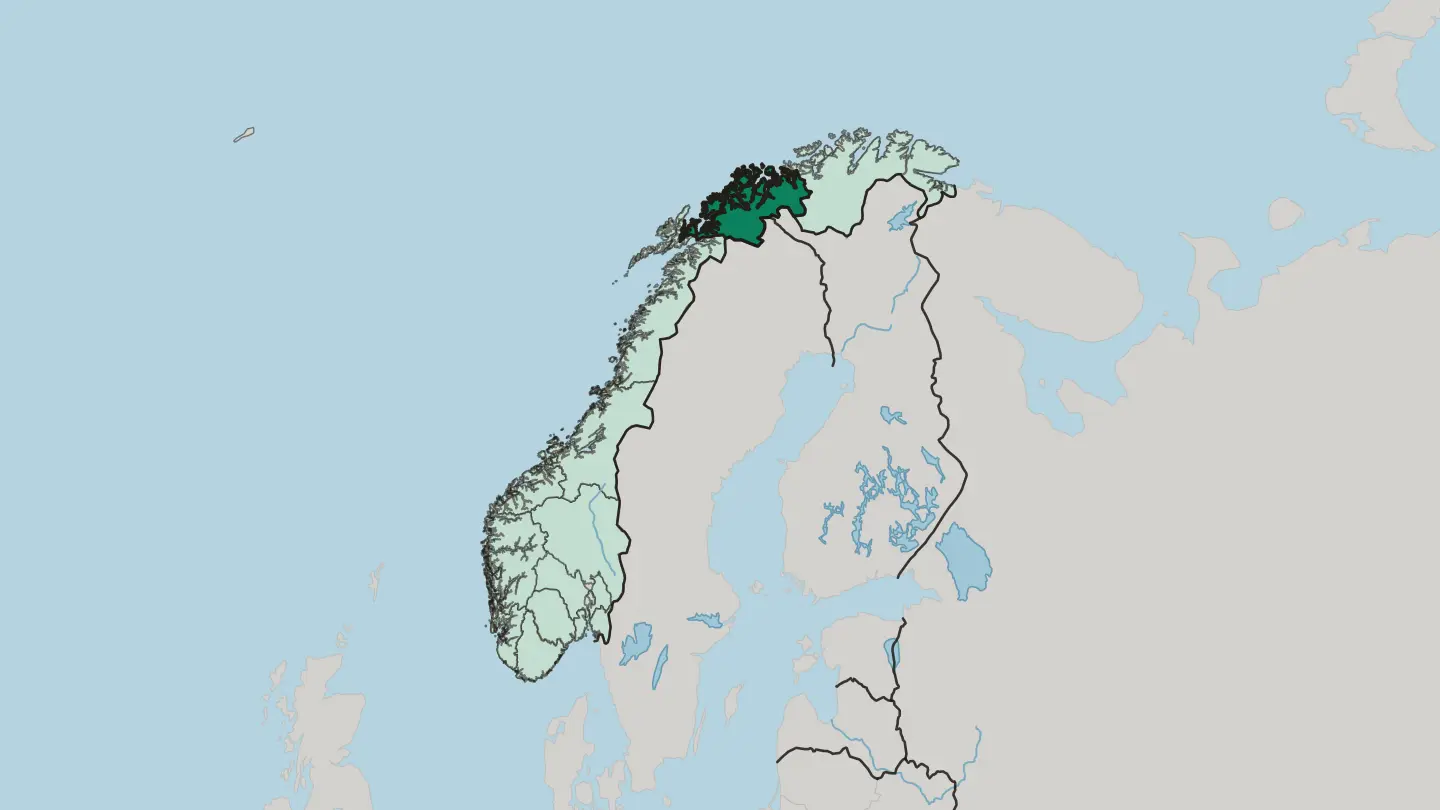 Norway
Trøndelag
Trøndelag is a county of central Norway, the broad farming and fjord region between the eastern uplands and the sea.Towns & cities →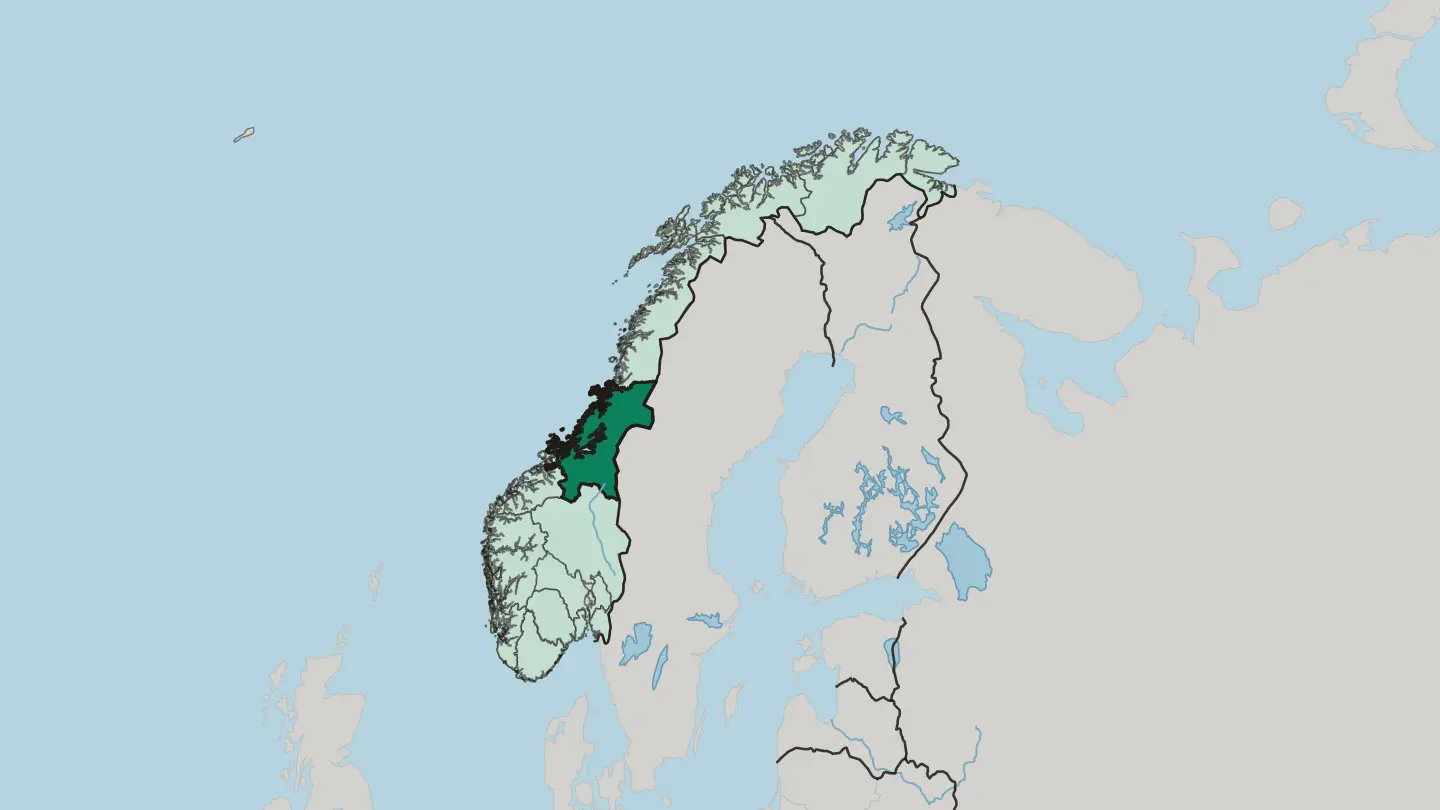
 Norway
Vestfold fylke
Vestfold is a county on the western shore of the Oslofjord in south-eastern Norway, with Tønsberg as its seat.Towns & cities →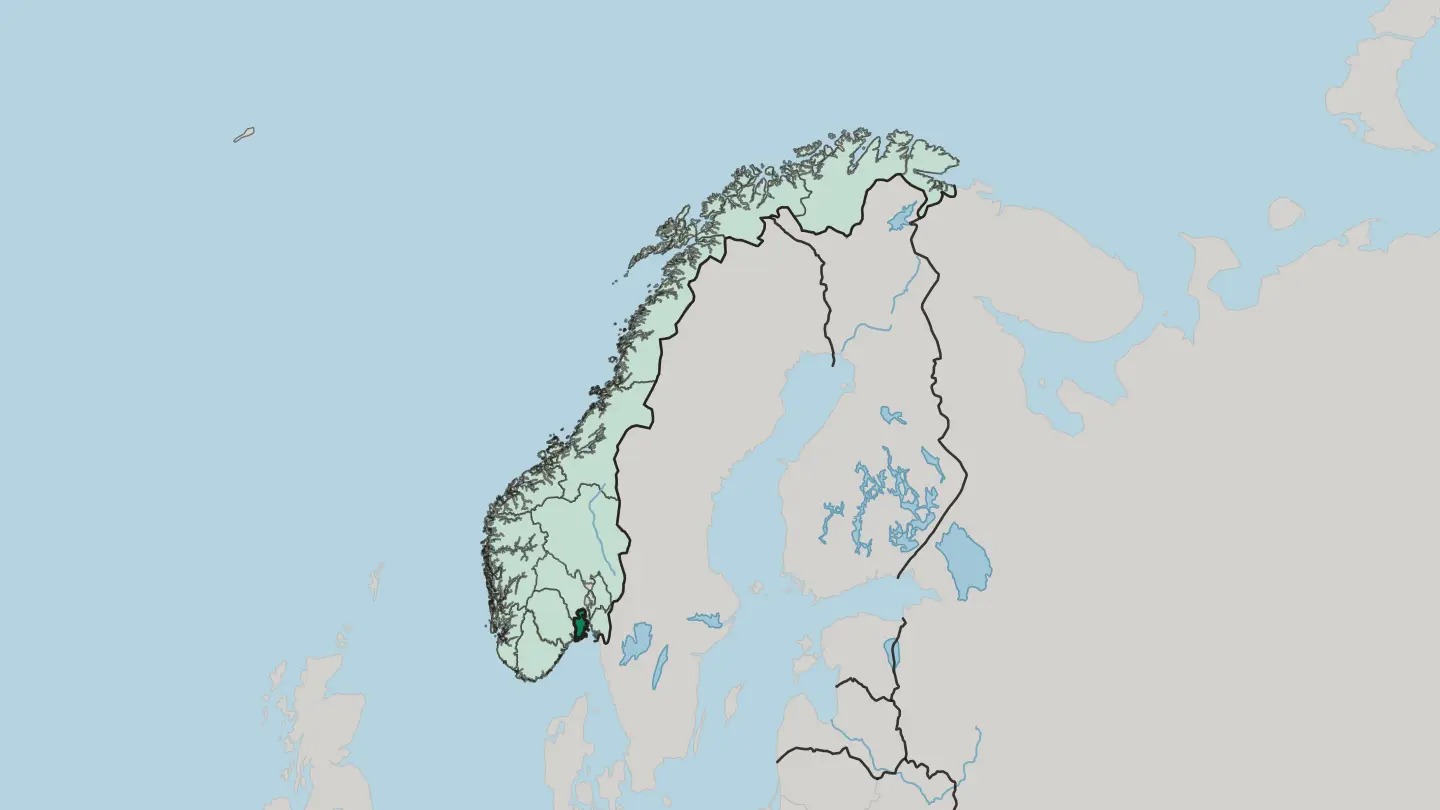 Norway
Vestland
Vestland is the fjord county of western Norway, the Vestlandet region, with Bergen as its largest city and administrative centre.Towns & cities →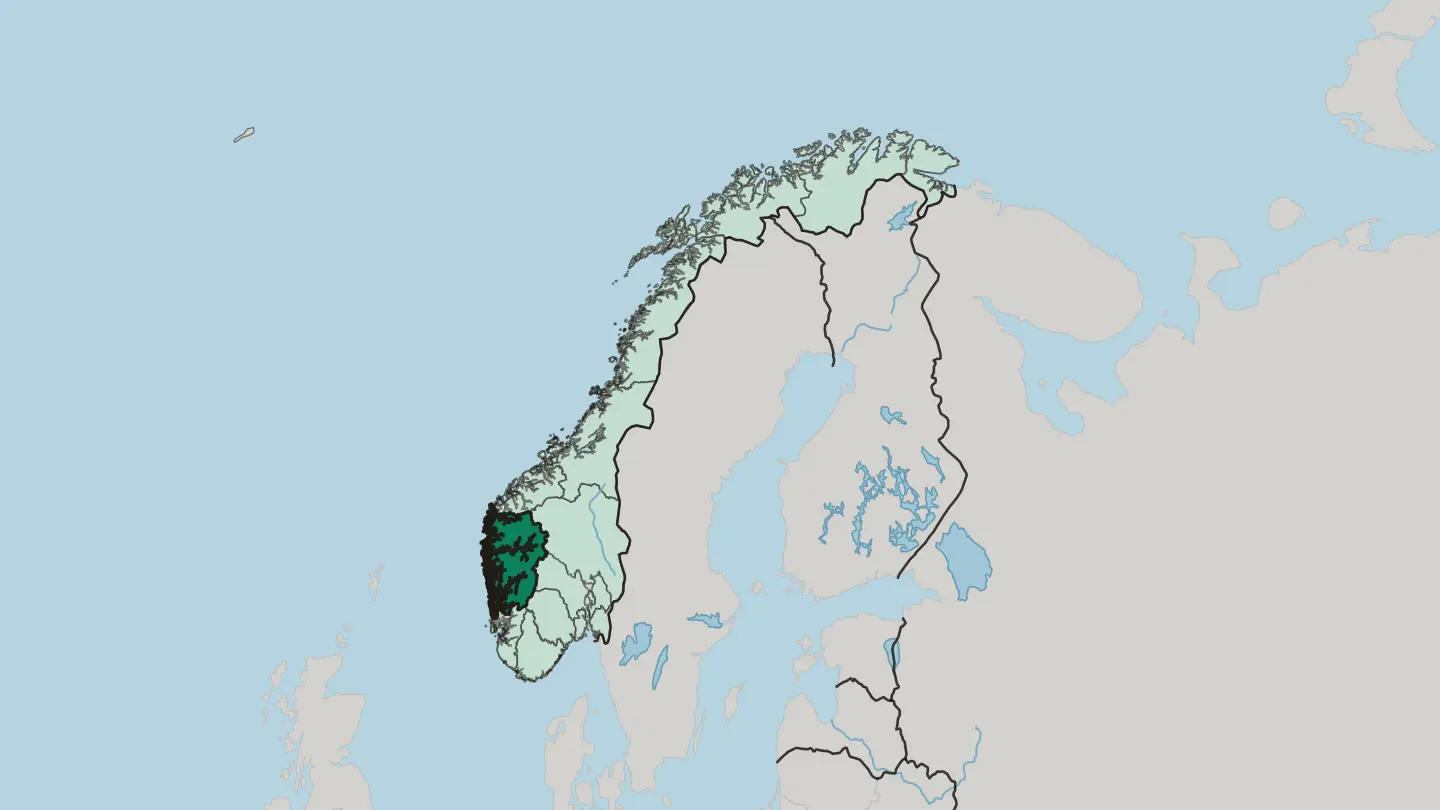
 Norway
Østfold fylke
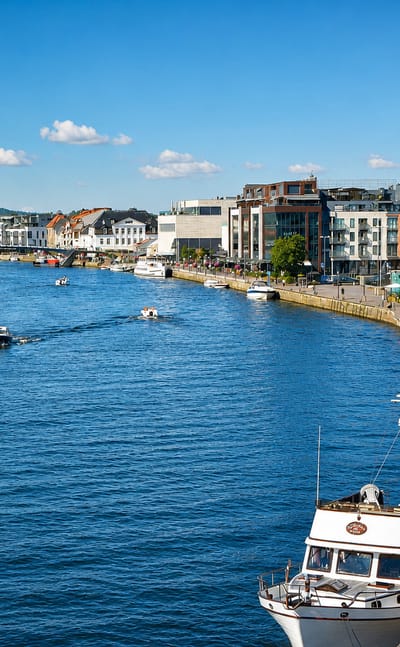
Østfold is a county in south-eastern Norway, the Østlandet region, with Fredrikstad as its largest city.Towns & cities →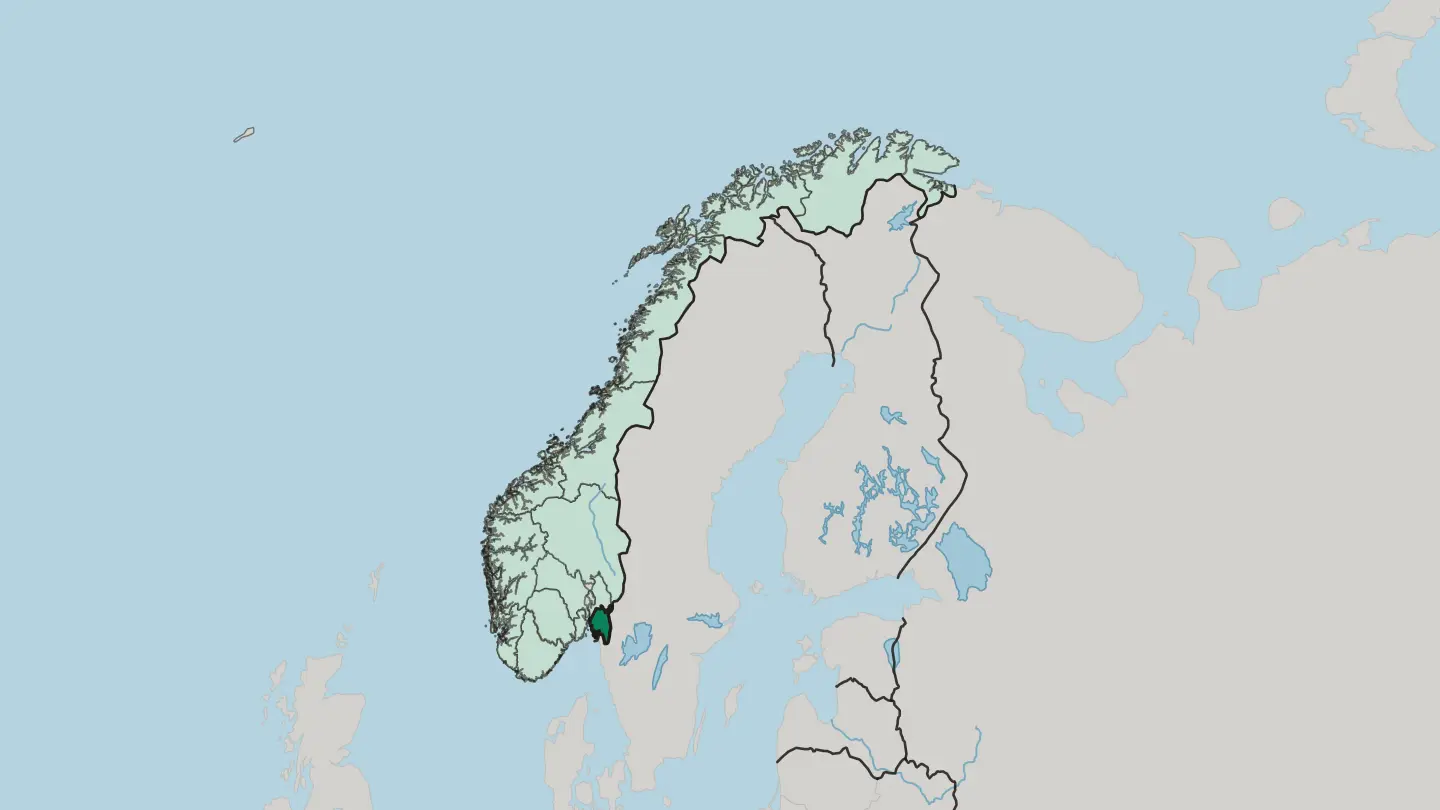
Explore by experience
Not sure which place? Start from how you want to travel.
About Norway
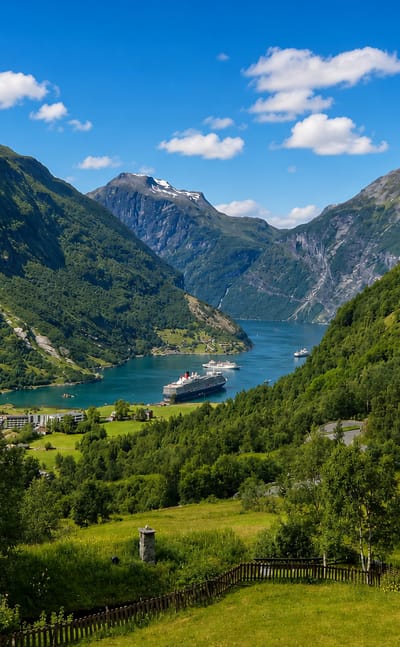
Fjords cut the country open.
What is Norway known for?
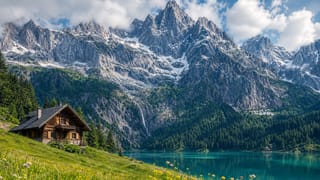
Long arms of the sea reach far inland between steep walls, threading past great valleys, wide forests, and lakes that fill the hollows the ice left behind. Oslo and Bergen anchor the lived-in south. North of them the land thins and rises into the Arctic, where the midnight sun burns through the short summer nights and the Northern Lights wheel over the dark of winter, drawing travellers up the Norwegian Sea coast toward the far island of Svalbard.
Where is Norway?
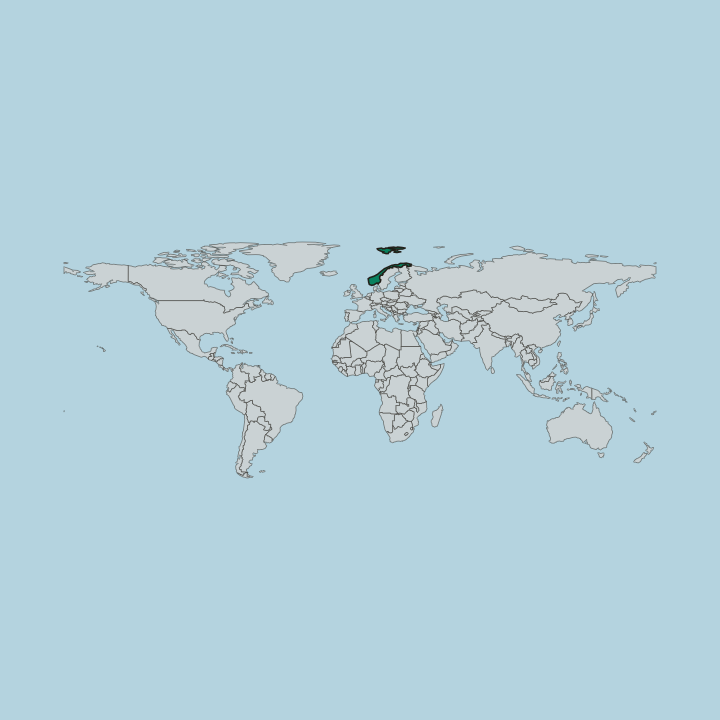
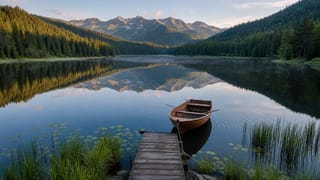
Norway holds the western and northernmost reach of the Scandinavian Peninsula in northern Europe. The land is a long, narrow strip wrung out along the coast, its interior a tangle of great valleys, wide forests, and lakes between bare uplands, while the sea works the whole western edge into the deep fjords the country is named for. Mountains run its length.
High ground forms a watershed close to the coast, so rivers and valleys fall steeply west to the fjords and more gently east toward Sweden, which shares Norway's long eastern border. Open water faces the country on every side. The Skagerrak strait washes the far south, the North Sea and the Norwegian Sea run up the western flank, and the Barents Sea closes the Arctic top, where Finland and Russia meet Norway at the northeastern corner.
Far out lie the outliers. The remote Arctic island of Jan Mayen and the archipelago of Svalbard belong to the kingdom, carrying it well into polar waters beyond the mainland's northern cape.
What is the history of Norway?
The crown is old, the borders modern. From the fjords and valleys of the Scandinavian Peninsula the early Norse put to sea as Vikings, ranging across the North Sea and the Norwegian Sea and binding the scattered coastal districts under a single line of kings. The realm then spent long centuries inside larger unions.
Norway was joined first to Denmark and afterward to Sweden, and through those years its language, law, and seafaring trade carried on along the same coast while the capital shifted and the throne lay elsewhere. Independence came late and by separation. The kingdom of Norway took its present sovereign shape in 1905, when the union with Sweden was dissolved and a constitutional monarchy was settled with Oslo as capital.
The sea kept its grip on the country's fortunes. Fishing along the Norwegian Sea and the Barents Sea, timber from the forests, and later the petroleum drawn from beneath the North Sea built a wealthy modern nation, one whose reach still runs north past the mainland to Svalbard and the lonely island of Jan Mayen.
What is Norway like?
Norwegian life grows out of the fjords and the long coast. For centuries the great valleys kept districts apart while the sea joined them, breeding a culture that is close to its weather, fond of the outdoors, and tied to fishing, timber, and the slow work of farming steep ground. The language is Norwegian.
It carries the old district dialects that the valleys preserved, and it reaches from Oslo in the populous south up the Norwegian Sea coast to the Arctic edge where the midnight sun and the Northern Lights mark the turning year. The far north shapes the national imagination as much as the cities do. Oslo and Bergen hold the museums, the music, and the trade, yet the country looks outward to its wild rim, to Svalbard and Jan Mayen in the polar dark and to the open water of the Barents Sea.
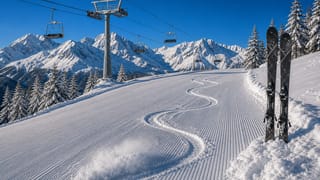
Custom keeps the old ways near. Skiing, hiking, and the cabin in the forest run through ordinary life, and the same fjords, valleys, and lakes that divided the early kingdom now bind a single modern nation along the western Scandinavian Peninsula.
What is the climate of Norway?
Norway holds a temperate, maritime climate that the long coast keeps milder than its northern reach would suggest. The North Sea and the Norwegian Sea push warm Atlantic water up the western fjords, so the coast stays wet and grey rather than frozen, while the great valleys and uplands inland run colder and drier behind the mountain wall. The far north is another world.
Beyond the Arctic edge the midnight sun holds off the summer dark and the long polar night falls in winter over the Barents Sea, lengthening every season toward the extremes of light and shadow.
How do you get to Norway?
Most arrive through Oslo. The capital's airport and rail lines make the busiest gateway into the country, sitting at the head of its long fjord, while Bergen on the western coast adds a second air and sea entry that opens the fjord routes. Overland the long eastern border carries road and rail in from Sweden, with quieter Arctic crossings from Finland and Russia in the far northeast.
Boats finish the journey. Ferries and coastal ships thread up the Norwegian Sea between the fjord towns and run out across the North Sea to the Continent.
Common questions
What is the best area to stay in Norway?
Oslo: first-timers using rail and the capital's fjord-head harbour. Bergen and the western fjords: travellers touring the cliffs by boat and car.
Good for
Updated September 2026