
Norway
Oslo County, Norway — Towns & Travel Guide
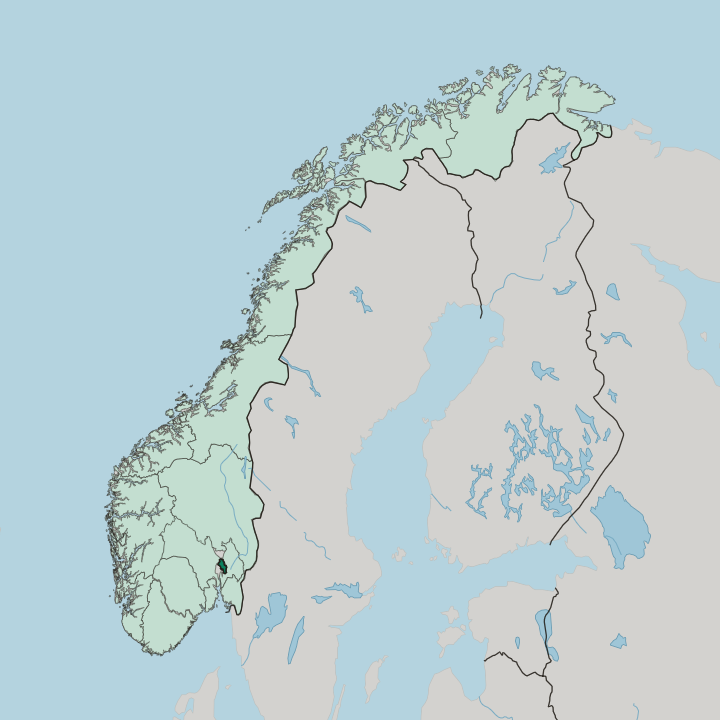
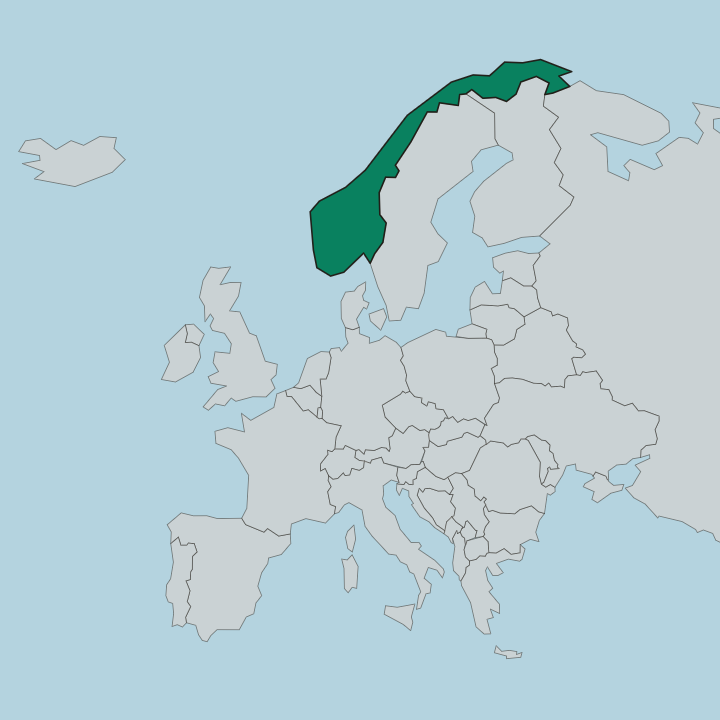
Oslo is the capital of Norway and a county of its own in south-eastern Norway, the Østlandet region.
Hotel links are affiliate links: booking through them may earn us a commission, at no extra cost to you. It never affects how places are ranked. How this works


Towns & cities in Oslo County
One town here has its own guide — it links to where to stay.
 Norway
Oslo
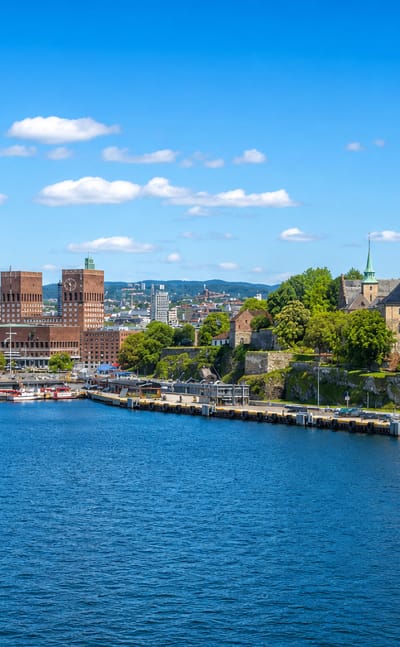
Oslo is Norway's capital, set at the head of its fjord in south-eastern Norway, the Østlandet region.Where to stay →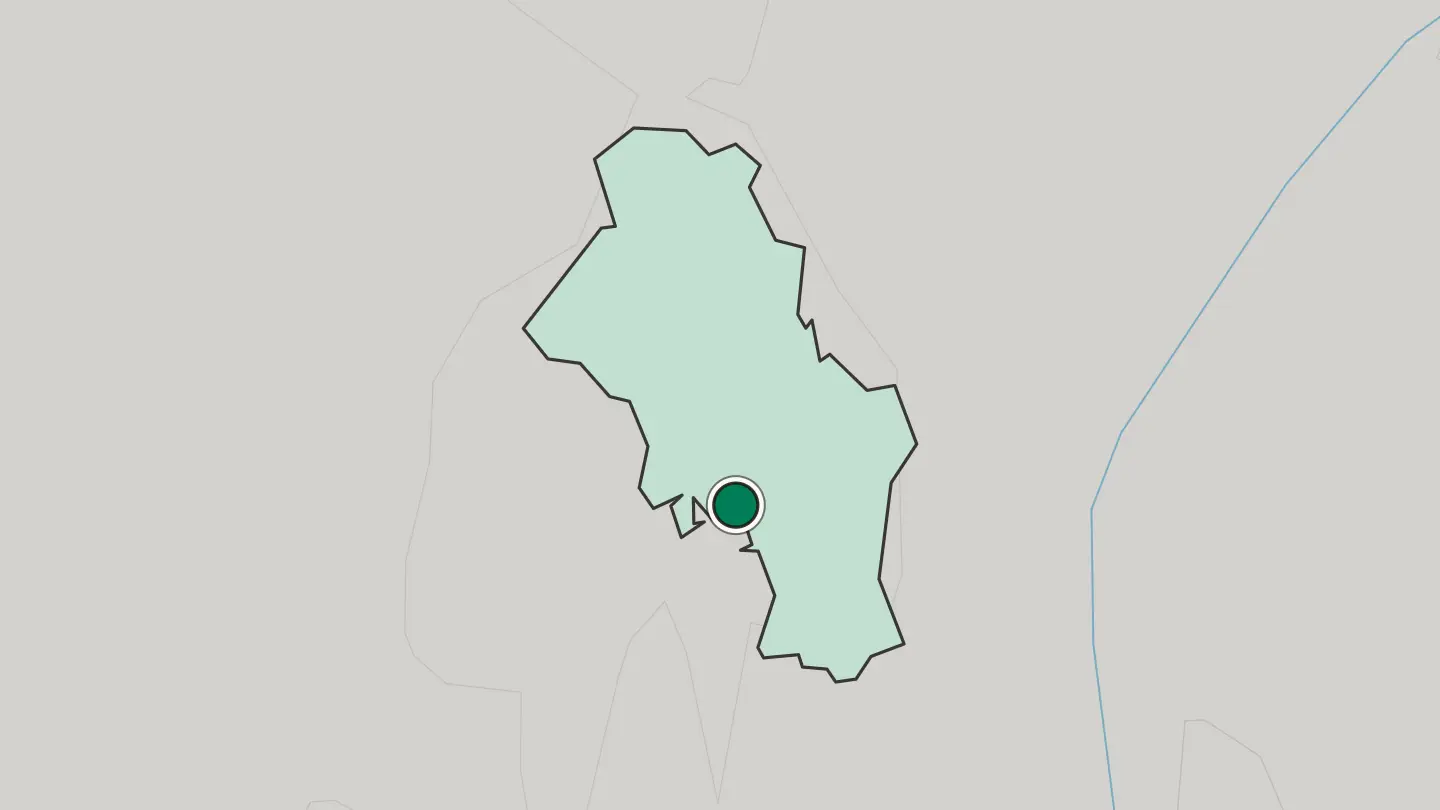
Hotel links are affiliate links: booking through them may earn us a commission, at no extra cost to you. It never affects how places are ranked. How this works
About Oslo County
Oslo is the capital.
What is Oslo County known for?
It is the seat of government and the largest population centre of Norway, and unusually it counts as both a county and a single municipality, a city that doubles as a fylke in its own right. Østlandet meets at its door. Ringed by the neighbouring county of Akershus and sitting at the centre of the country's south-eastern heartland, Oslo serves as the hub that the rest of the Kingdom of Norway routes through.
Where is Oslo County?
Oslo occupies a small, self-contained county in south-eastern Norway, set in the central part of the country within the Østlandet region. The county is tiny by Norwegian standards, almost wholly urban, a single dense city that fills nearly all of its own administrative area rather than spreading across forest and fjell like the larger counties around it. Land is at a premium here.
The capital is hemmed in on its landward sides by the much larger county of Akershus, which wraps around it and carries the commuter belt and the open country that Oslo itself has no room for. The setting is southern and inland-facing. Unlike the western fjord counties, Oslo sits in the gentler, more populous south-east of Norway, the heartland that Norwegians call Østlandet.
The whole of the surrounding region drains toward it. As the seat of the Kingdom of Norway and the meeting point of the south-eastern lowlands, the city anchors a county whose importance comes not from its size but from its place at the centre of the country.
What is Oslo County like?
Oslo carries the cultural weight of the whole country. As the capital of Norway and the seat of its monarchy and government, the city gathers the national institutions, the universities, and the museums that a place of its size in the south-east could not otherwise hold. The capital sets the national tone.
Much of what Norwegians read, watch, and debate is made here, in the dense urban county at the centre of Østlandet, and the spoken Norwegian of the south-east carries far beyond the city limits as a kind of standard. The city's character is that of a small capital wearing a large role. Oslo keeps the close, outdoor-minded habit common across Norway, with the forest and water of the surrounding county of Akershus never far from the streets, yet it also holds the outward pull of a national hub.
Government and culture concentrate here. The result is a compact south-eastern city that speaks for the wider Kingdom of Norway while staying, in daily life, recognisably part of the Østlandet heartland around it.
What is the history of Oslo County?
Oslo's roots run to 1048. The town grew up in the south-eastern lowlands of Norway and, after centuries as a provincial seat under foreign-held crowns, rose to become the fixed capital of the country. When the modern kingdom took its sovereign shape, Oslo was confirmed as the seat of the Kingdom of Norway.
The city later absorbed its inner surroundings and was set apart as a county in its own right, distinct from the wider Akershus and the rest of Østlandet that had once enclosed it. A medieval port turned national capital.
What is the climate of Oslo County?
Oslo has a temperate climate, milder and more sheltered than its far-northern position suggests. Sitting inland in the south-eastern lowlands of Norway rather than out on the exposed western coast, the capital sees warm, light-filled summers and cold, snowy winters, with a wider swing between the seasons than the rain-soaked fjord cities to the west. Summers run warm here.
The surrounding county of Akershus and the wider Østlandet share this sheltered continental rhythm, the gentlest large-scale climate the country has away from the far southern coast.
How do you get to Oslo County?
Oslo is the gateway. As the capital of Norway it carries the country's busiest airport and the hub where the national rail and road networks converge, the point most travellers pass through before going anywhere else. The main airport actually sits in Akershus, the county that rings the capital, linked into the city centre by fast rail in minutes.
From there the lines fan out across Østlandet and beyond. Trains and roads run from the south-eastern hub to every corner of the country, making Oslo the natural first stop in Norway.
Common questions
What is the best area to stay in Oslo County?
Oslo: first-timers wanting a transit-easy capital base. Akershus: travellers overflowing the capital.
Good for
More regions in Norway
Updated September 2026