Norway · Vestfold fylke
Where to Stay in Larvik, Vestfold fylke
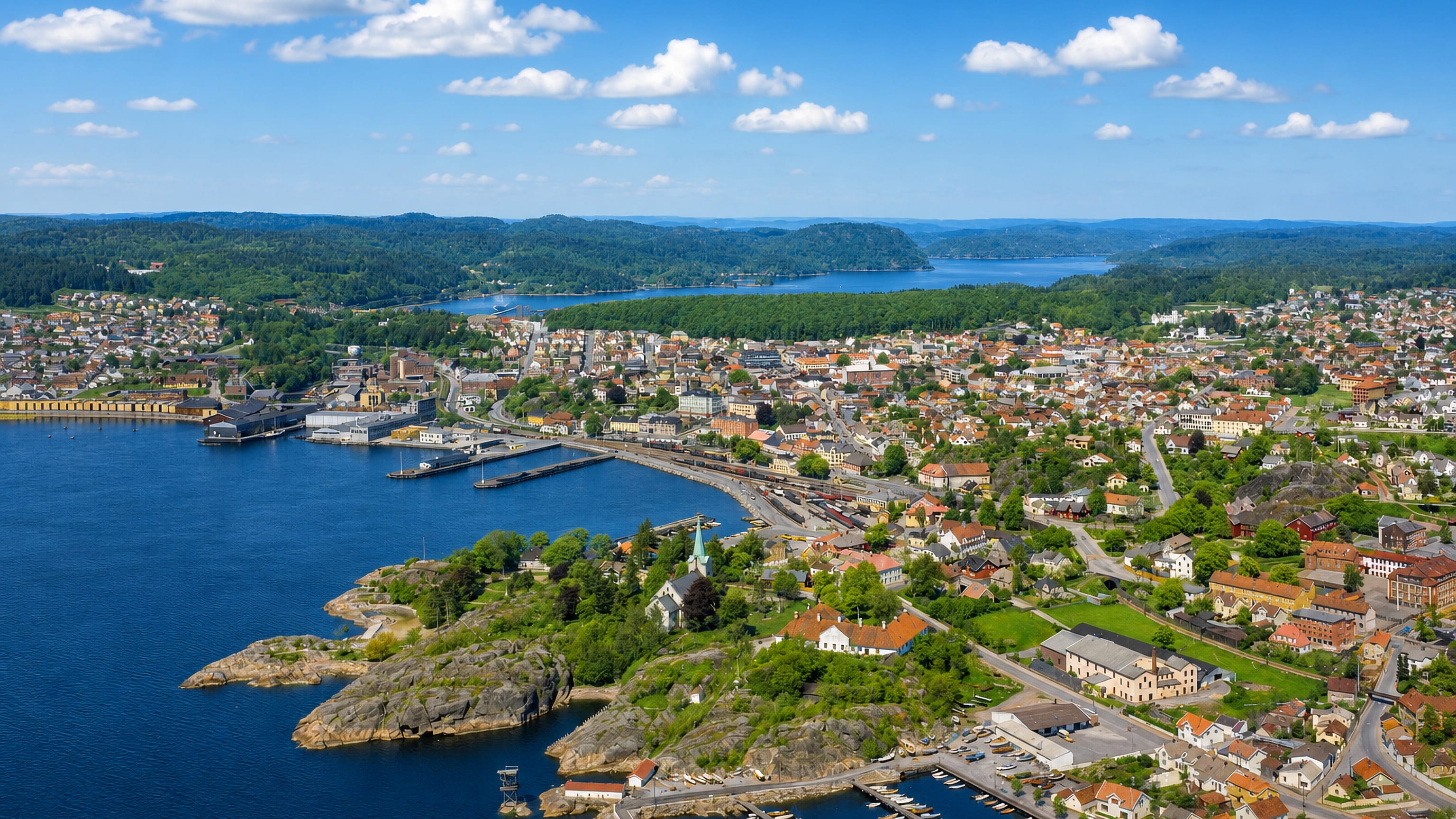
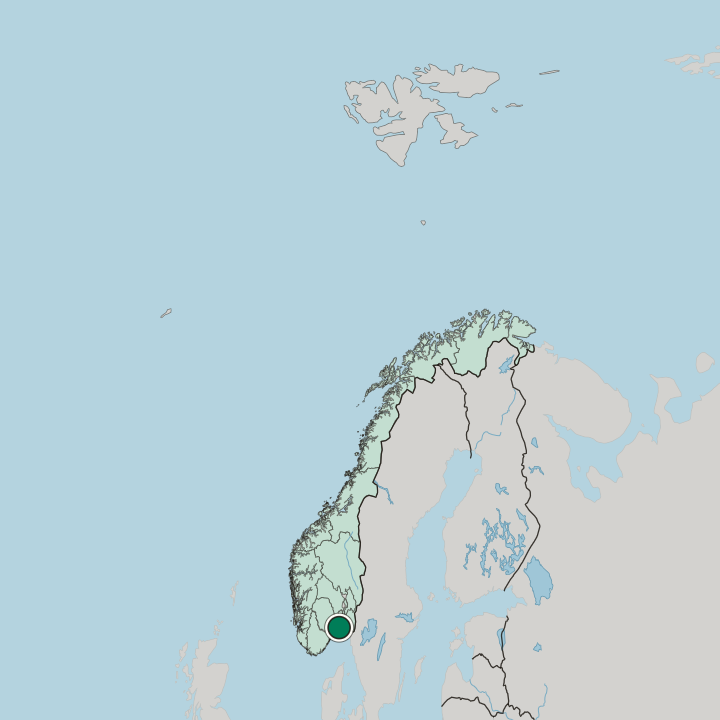
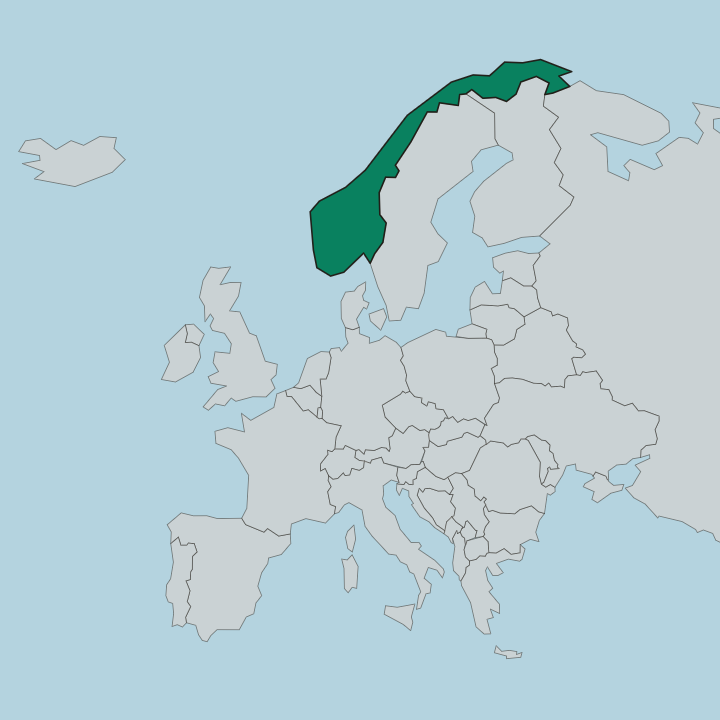
Larvik is a seafaring town on the coast, in the south-western part of Vestfold, in south-eastern Norway.
Hotel links are affiliate links: booking through them may earn us a commission, at no extra cost to you. It never affects how places are ranked. How this works


Where to stay in Larvik
The practical side of choosing where to sleep.
Most beds in Larvik gather in the centre by the harbour, where hotels and guest rooms stand within a short walk of the quays, the shops and the waterfront that Larvik Sjøfartsmuseum looks out across. The centre suits visitors who want the seafaring history and the coast on the doorstep. The harbour centre is the obvious footing.
Out toward the old Langestrand quarter, rooms sit near Langestrand kirke and the slopes above the water, a quieter choice within reach of the centre. Langestrand holds only a handful of them. South and along the coast the villages of the wider municipality, among them Stavern and Helgeroa, hold summer lodging and small guesthouses for travellers who tour the south-western part of Vestfold by car and bus.
Reserve well ahead in the warm season, when the harbour, the coast and the seaside villages draw visitors to this corner of south-eastern Norway.
Find hotels in Larvik
Direct booking searches for these neighbourhoods.
Larvik harbour centre
rooms by the waterfront and Larvik SjøfartsmuseumFind hotels in Larvik harbour centretravellers wanting the old seafaring quarterLangestrand above the water
lodging near Langestrand kirke on the slopes above the harbour. Beds are limited here, so book early.Find hotels in Langestrand above the waterdrivers touring the south-western part of VestfoldStavern and Helgeroa coast
summer rooms in the seaside villages of Stavern and Helgeroa. Few places to stay nearby — book ahead.Find hotels in Stavern and Helgeroa coastHotel links are affiliate links: booking through them may earn us a commission, at no extra cost to you. It never affects how places are ranked. How this works
Things to do in Larvik
Ranked by global recognition; descriptions from Wikidata (CC0).
Museums & Galleries
2- Larvik Museum heritage institution
- Larvik sjøfartsmuseum
Churches & Religious Sites
3- Langestrand Church Heritage
- Nanset Church
- Østre Halsen Church
Castles & Historic Sites
1- Valbysteinene archaeological site
worth knowingacross 3 categories in Larvik
About Larvik
What is Larvik known for?
Larvik is the southernmost of the larger towns of Vestfold, a coastal place whose trade always faced the sea. Larvik Sjøfartsmuseum keeps the seafaring record of the town, set beside Larvik Museum, which holds the wider story of the district. The sea built the town.
Above the harbour Langestrand kirke marks an old quarter, while the runestones of Valbysteinene stand on the country ground as one of the older marks left across this municipality in Vestfold.
What are the main landmarks in Larvik?
Larvik Sjøfartsmuseum stands by the Larvik waterfront. The museum keeps the seafaring record of the coast, set close to Larvik Museum, which holds the wider history of the district, the chief draw for visitors to the town. Churches mark the quarters around.
Langestrand kirke rises above the old harbour ground, while Nanset kirke and Østre Halsen kirke serve the spread of the municipality back from the shore. Older marks survive too. The runestones of Valbysteinene stand on the country ground of this part of Vestfold, among the oldest sights of the district.
What is the history of Larvik?
Larvik grew where the land met the sea. Older marks survive in the country around the town than at the harbour itself, among them the runestones of Valbysteinene, which stand on the ground of this part of Vestfold from a time long before the port took shape below them. People came to the coast early.
A harbour later made Larvik a seafaring town, its trade and its ships reaching out from the quays where Larvik Sjøfartsmuseum now keeps the long record of that life, while Larvik Museum holds the wider story of the district around it. Quarters spread back from the water. Langestrand kirke rose above the old harbour ground, and as the place grew, Nanset kirke and Østre Halsen kirke served the streets that reached inland from the shore.
The sea shaped the centuries here. Larvik became the seat of its municipality in Vestfold, drawing the coastal villages of Stavern and Helgeroa and the inland farms of the south-western part of Vestfold together under one town in south-eastern Norway.
Where is Larvik?
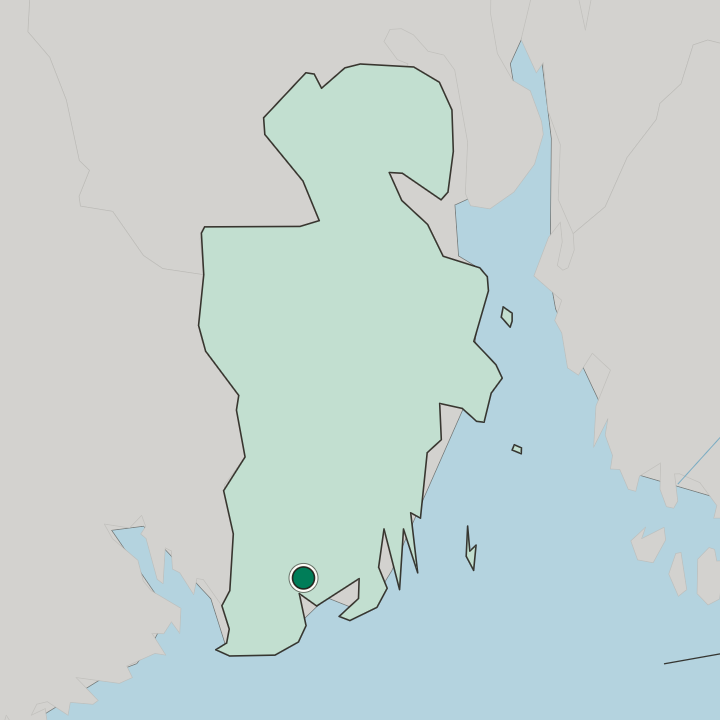
Larvik lies on the coast, in the south-western part of Vestfold, in south-eastern Norway. The town gathers around its harbour, the sea opening to the south and the wooded country rising behind, with the old quarter of Langestrand on the slopes above the water. The coast frames the town.
This municipality in Vestfold reaches west and south from Larvik along the shore, taking in the seaside villages of Stavern and Helgeroa and the farmland of the inland parishes between the coast and the forest.
What is the climate of Larvik?
Larvik has the mild coastal climate of the southern Vestfold shore. Winters stay cool rather than harsh, the open sea to the south holding hard frost and lasting snow off the low ground around the harbour through much of the season. The warm months bring long daylight.
Water along the coast tempers the heat and steadies the air under the long northern daylight, while rain and cloud reach this corner of Vestfold in every month of the year.
How do you get to Larvik?
Larvik sits on the coast of the south-western part of Vestfold, reached by road and rail from the towns to the north and by the ferry routes that link the port to the wider coast. The harbour ties the town to the sea, and from the centre it is a short bus ride to the seaside villages of Stavern and Helgeroa. A good share come by car.
The main roads carry the traffic of this Vestfold municipality along the shore and inland past Langestrand kirke, while the wider airports and rail of the region handle the longer journeys of travellers reaching this part of south-eastern Norway.
Common questions
What is the best area to stay in Larvik?
Larvik harbour centre: visitors wanting Larvik Sjøfartsmuseum and the quays. Langestrand above the water: travellers wanting the old seafaring quarter. Stavern and Helgeroa coast: drivers touring the south-western part of Vestfold.
Good for
More cities in Vestfold fylke
Updated October 2026