New Zealand · Southland
Where to Stay in Invercargill, Southland
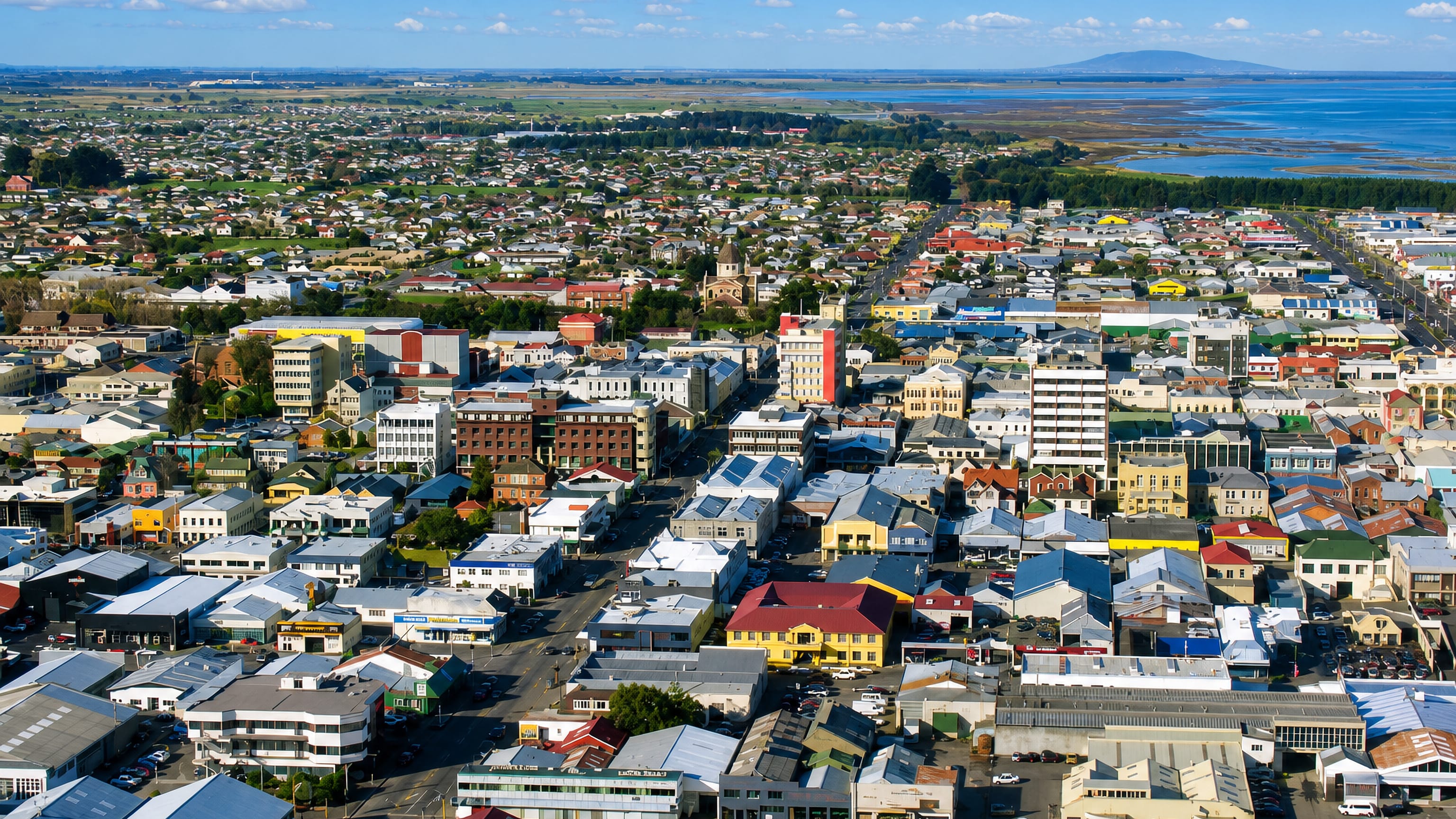
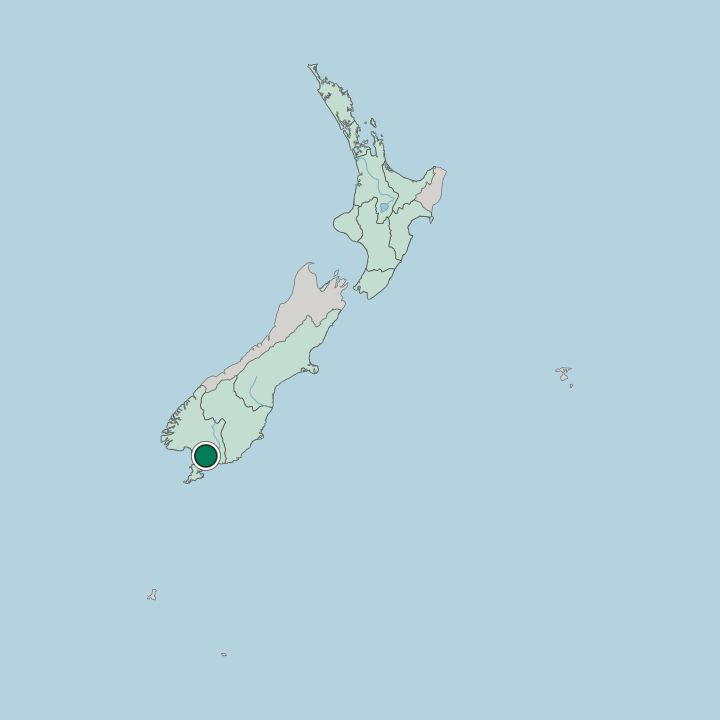
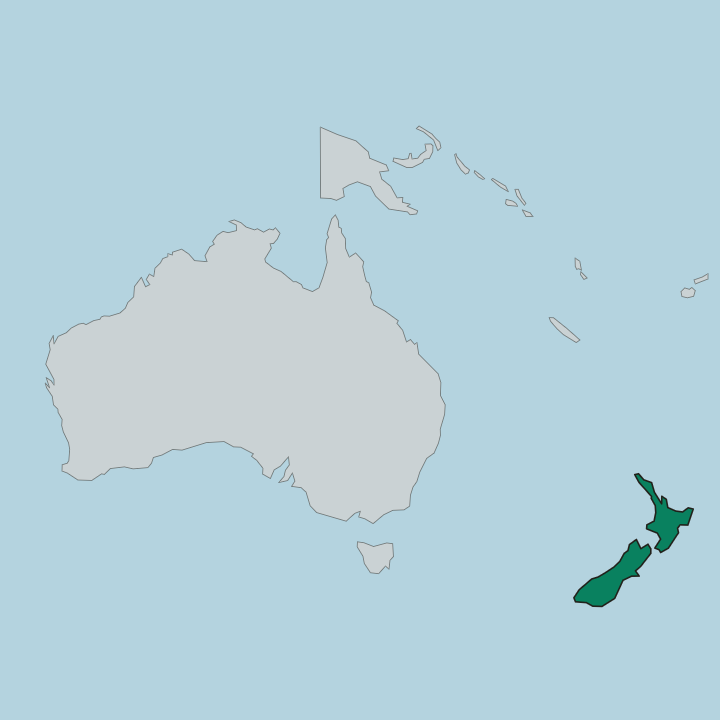
Invercargill is the southernmost city of New Zealand, a Scottish-founded town on the far south of the South Island.
Hotel links are affiliate links: booking through them may earn us a commission, at no extra cost to you. It never affects how places are ranked. How this works


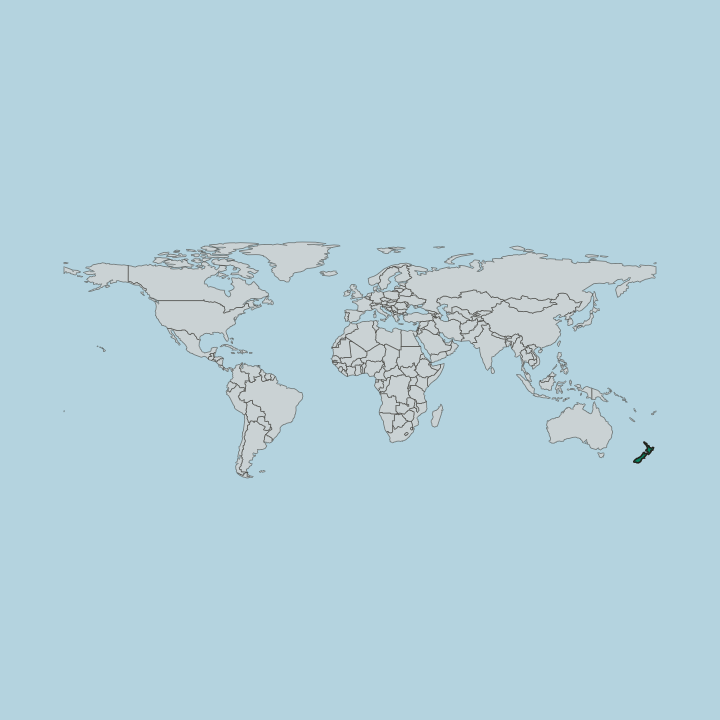
Where to stay in Invercargill
The practical side of choosing where to sleep.
Choosing a room in Invercargill comes down to the town centre or the outskirts. The wide streets around the town centre keep the museums, the shops, and the churches within a walk, and staying downtown suits anyone here for the city. The broad avenues run quiet at night.
Rooms sit near the water tower and the parks. Out toward the estuary and the edges, the town spreads into calm suburban streets. A room away from the centre trades the shops for parking, space, and an easy road to the coast and the ferry.
The flat farmland opens past the town. If you want the museums and the shops, stay in the centre; if you want space and the coast, take a room outside. Either way, the far south is at the door.
Find hotels in Invercargill
Direct booking searches for these neighbourhoods.
The centre
Around the town centre and the water tower, within a walk of the museumsFind hotels in The centreQuieter stays near the coast and the ferryEstuary and edges
Toward the estuary on the town's edge, an easy road to the Stewart Island ferryFind hotels in Estuary and edgesHotel links are affiliate links: booking through them may earn us a commission, at no extra cost to you. It never affects how places are ranked. How this works
Things to do in Invercargill
Ranked by global recognition; descriptions from Wikidata (CC0).
Museums & Galleries
3- Southland Museum and Art Gallery
- Bill Richardson Transport World
- Classic Motorcycle Mecca
Churches & Religious Sites
6- St. Mary's Basilica Heritage
- St Paul's Church Heritage
- Bank of New Zealand (Former) Heritage
- First Presbyterian Church Heritage
- Central Methodist Church Heritage
Show 1 more →
- Christ Church Heritage
Landmarks & Notable Places
8- Rakauhauka House Heritage
- House Heritage
- House (133 Leet Street) Heritage
- House (135 Leet Street) Heritage
- House (143 McMaster Street) Heritage
Show 3 more →
- House (170 Balmoral Dr) Heritage
- House (225 Ettrick Street) Heritage
- House (269 Ness Street) Heritage
worth knowingacross 3 categories in Invercargill
About Invercargill
Invercargill is the southernmost city in New Zealand.
What is Invercargill known for?
Laid out on a wide grid by Scottish settlers, it sits near the wild Foveaux Strait, the last city before Stewart Island and the deep south, its broad streets lined with Victorian stone. It keeps the record-breaking motorcycle of Burt Munro. The far south fills the town.
What are the main landmarks in Invercargill?
The old motorcycle of Burt Munro is Invercargill's oddest treasure. His record-breaking Indian still stands in the E Hayes and Sons hardware shop, a favourite stop in the city, among the tools and hardware. Museums fill the wide town.
The Southland Museum and Art Gallery, the Bill Richardson Transport World, and the Classic Motorcycle Mecca gather machines and history, while Saint Mary's Basilica rises over the streets.
What is the history of Invercargill?
Invercargill was planned by Scottish pioneers. In the 1850s Scots settlers laid out a town on the southern plain, naming its wide streets after the rivers of home, and it grew as the port and market of the far south. Gold and wool built the town.
Wealth from the goldfields and the sheep runs raised grand Victorian buildings, a water tower, and broad tree-lined avenues across the flat land. The far south shaped its character. Cut off at the bottom of the country, Invercargill became a hardy, self-reliant place, its people proud of their Scottish roots and their wild weather.
A local hero won it fame. The motorcyclist Burt Munro set a world speed record on a machine tuned in the town, a story told the world over, and his old Indian still stands in a shop in the town. Museums now gather the region's past.
Invercargill keeps its Victorian streets at the bottom of the world.
Where is Invercargill?
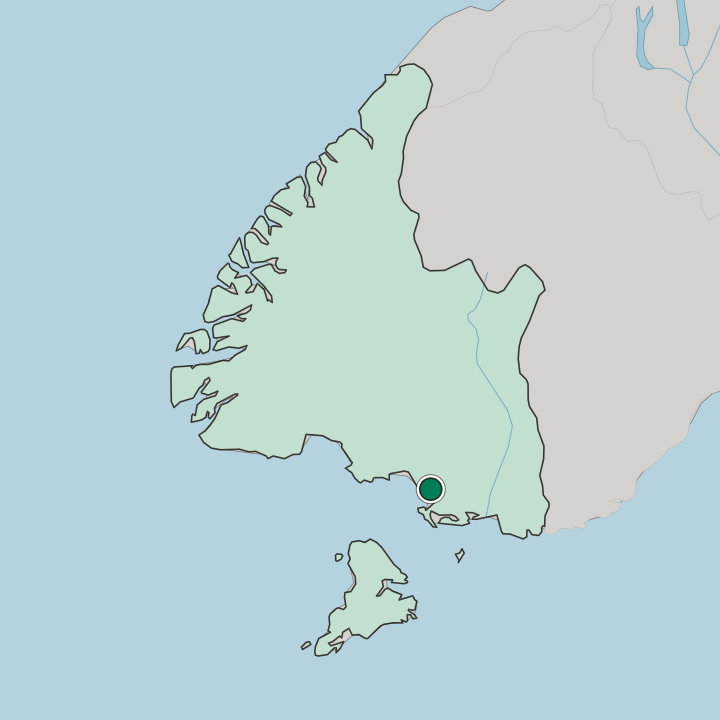
Invercargill lies on a flat plain at the bottom of New Zealand. The city spreads across low, windswept farmland on the far south of the South Island, near the Foveaux Strait and the estuary that opens to the sea. Green paddocks stretch flat to the horizon.
The cold southern ocean lies just beyond.
What is the climate of Invercargill?
Invercargill has a cool and windy maritime climate. Mild but damp summers and cold winters follow the far-southern seasons, and the wind blows hard and often off the Southern Ocean. Rain falls on many days of the year.
The southern light stays long in summer and short in winter.
How do you get to Invercargill?
Invercargill lies at the far southern tip of the South Island. Roads run to it from Dunedin and Queenstown across the plains, and a small airport links the city to the north, while ferries cross the strait to Stewart Island. Buses reach the towns of Southland around.
Most arrive by road down the island.
Common questions
What is the best area to stay in Invercargill?
The centre: Visitors here for the museums, shops, and churches. Estuary and edges: Quieter stays near the coast and the ferry.
Good for
Updated October 2026