
New Zealand: Regions, Cities & Travel Guide
New Zealand is a Pacific island nation of two long islands, capital Wellington, largest city Auckland.
Hotel links are affiliate links: booking through them may earn us a commission, at no extra cost to you. It never affects how places are ranked. How this works


Top destinations in New Zealand
Cities to start from, then drill into areas and hotels.

 New Zealand
Auckland
Water frames Auckland, the largest city of New Zealand, spread across the North Island between two harbours and the islands of the Hauraki Gulf.Where to stay →
 New Zealand
Wellington
Wind combs the harbour at Wellington, the capital of New Zealand, set on the North Island between Cook Strait and the Remutaka Range.Where to stay →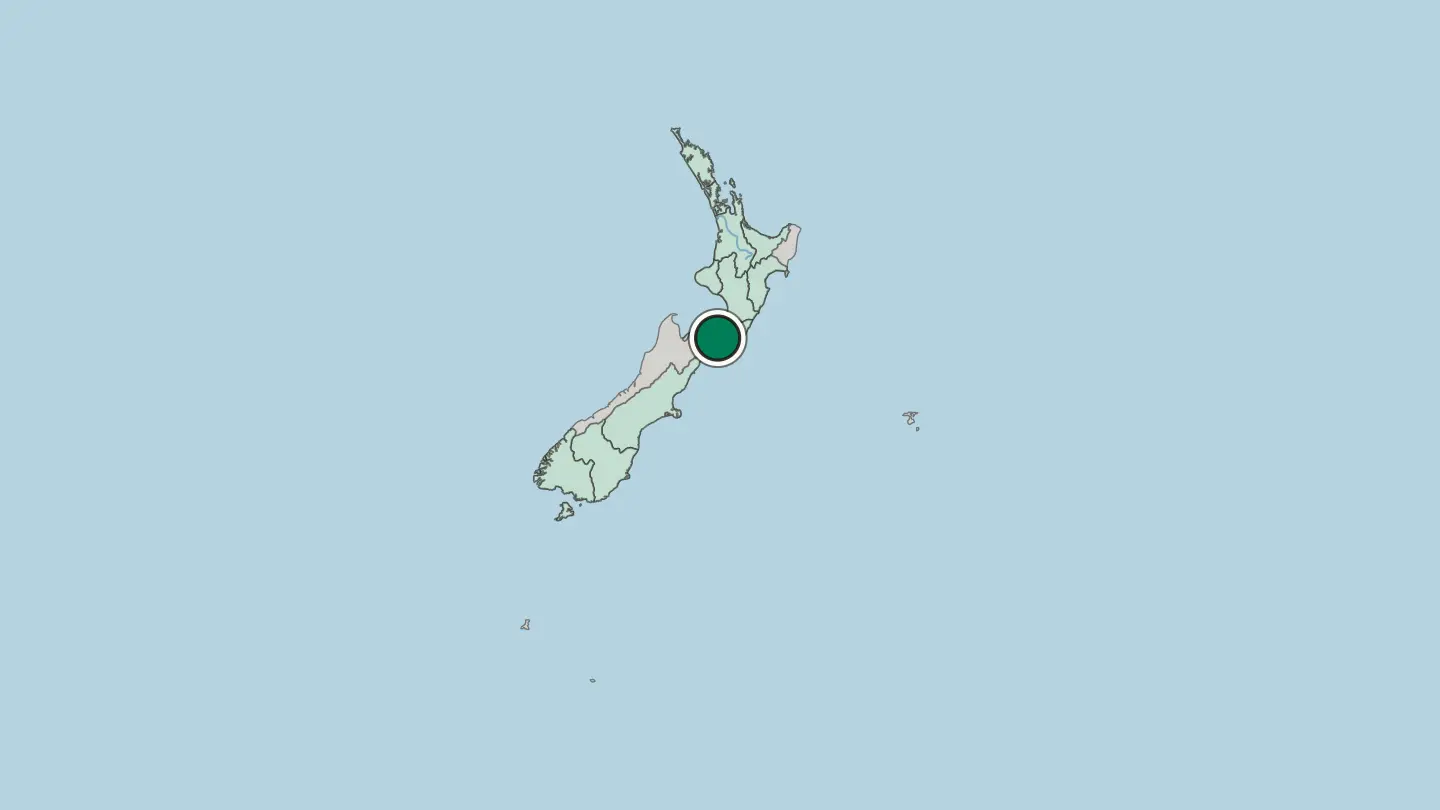
 New Zealand
Christchurch
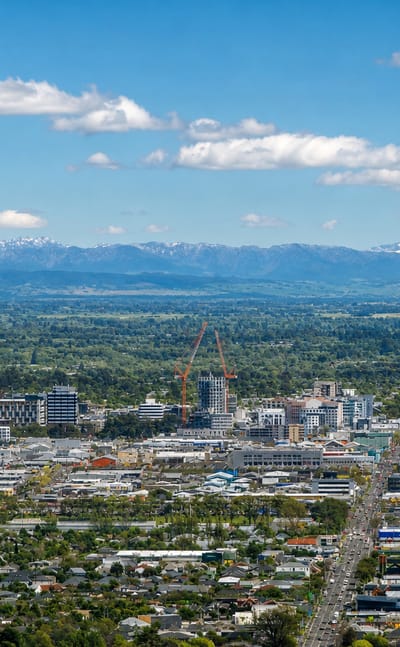
The Avon River winds through Christchurch, the largest city of the South Island of New Zealand, spread flat across the Canterbury Plains.Where to stay →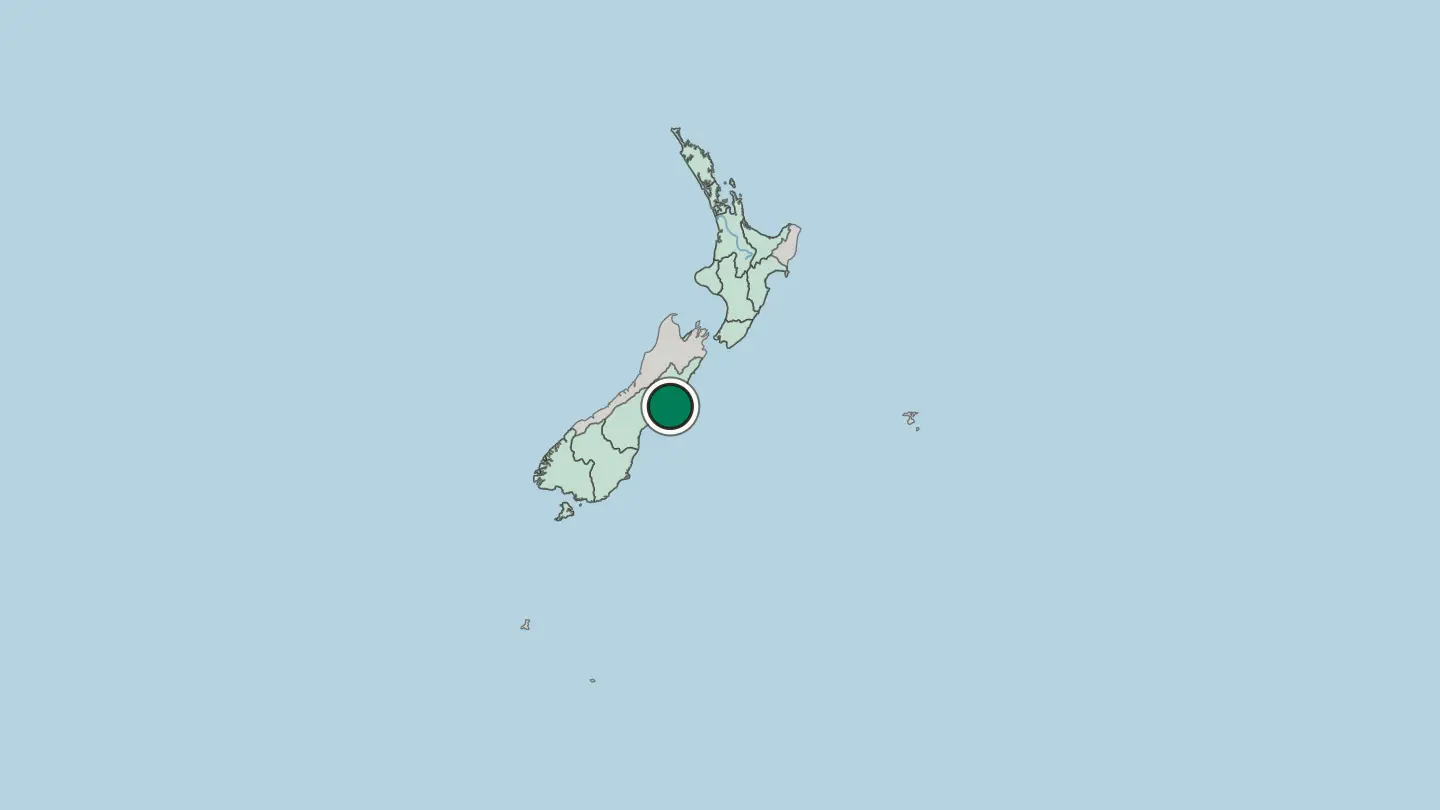
 New Zealand
Dunedin
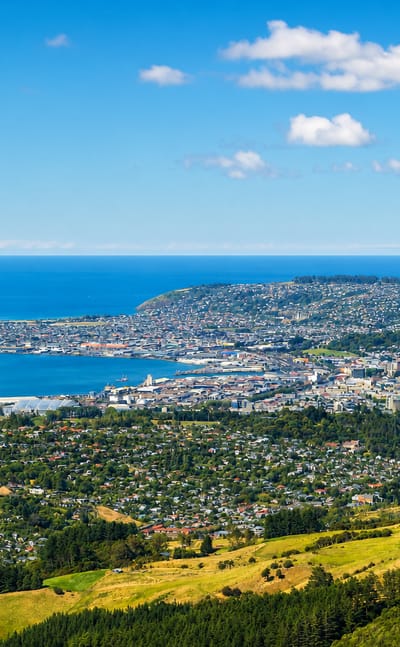
Scottish stone lines Dunedin's harbour, principal city of Otago on the South Island of New Zealand, known for the Otago Museum and First Church of Otago.Where to stay →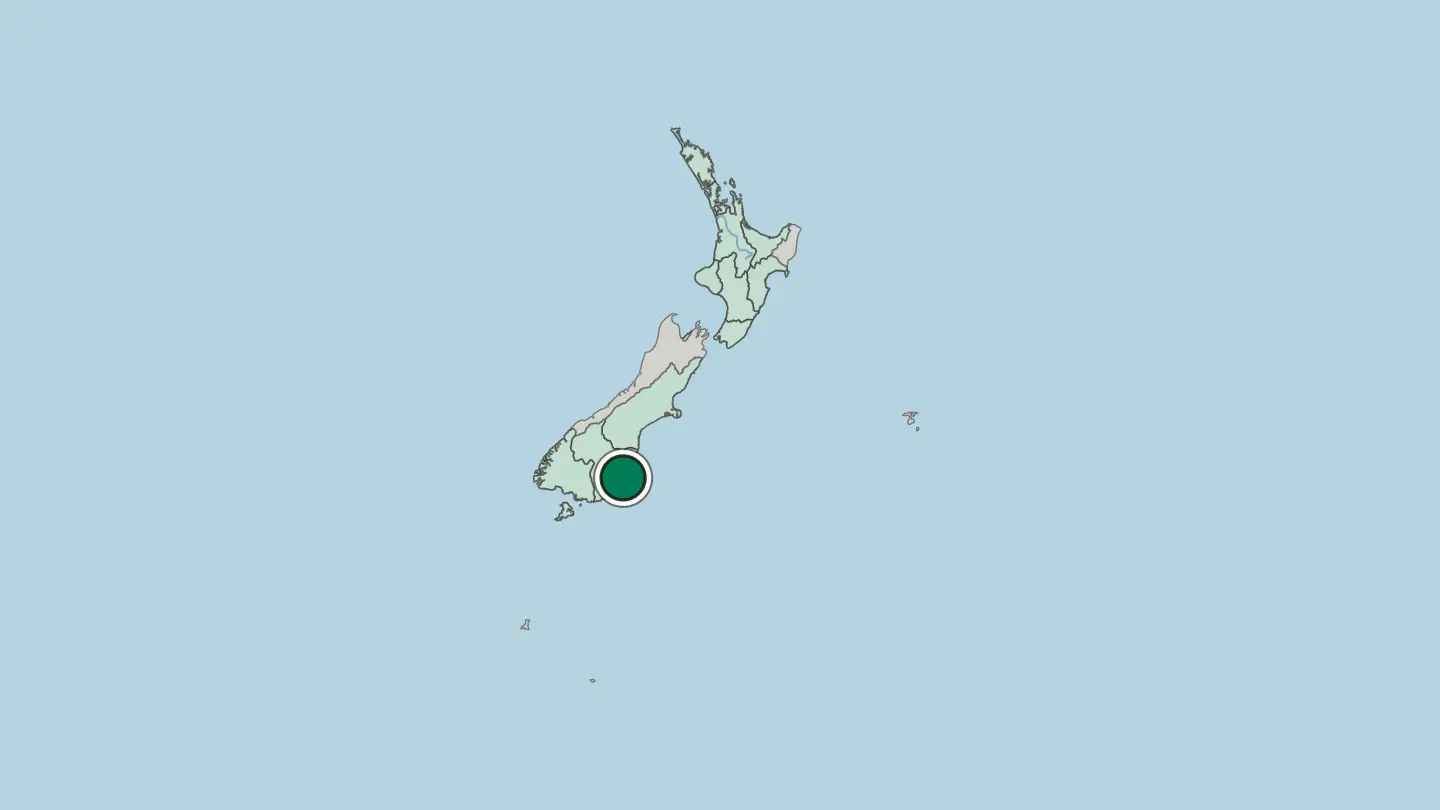
 New Zealand
Hamilton
Hamilton is an inland city on the banks of the Waikato River, the seat of the Waikato region in New Zealand's North Island.Where to stay →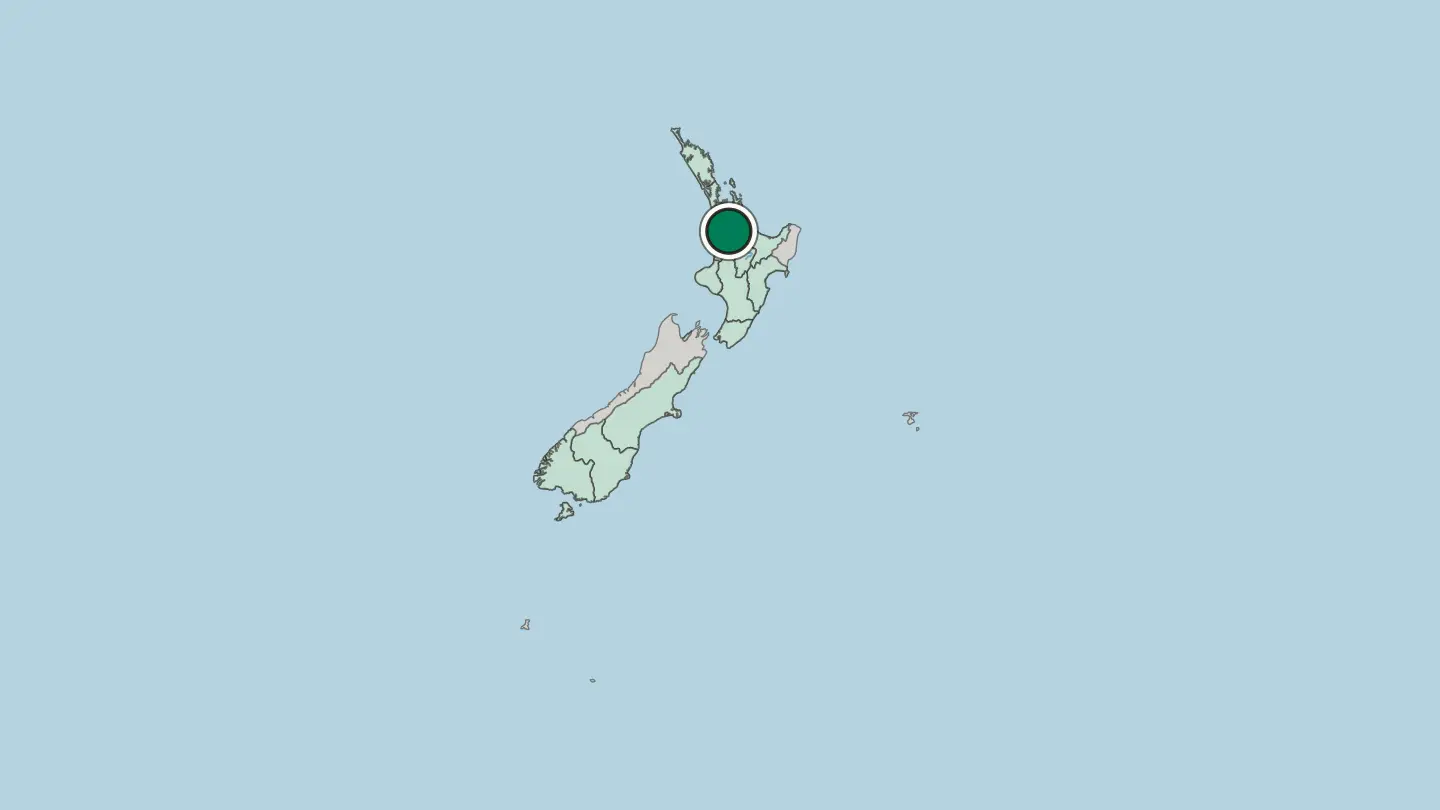
 New Zealand
Invercargill
Invercargill is the southernmost city of New Zealand, a Scottish-founded town on the far south of the South Island.Where to stay →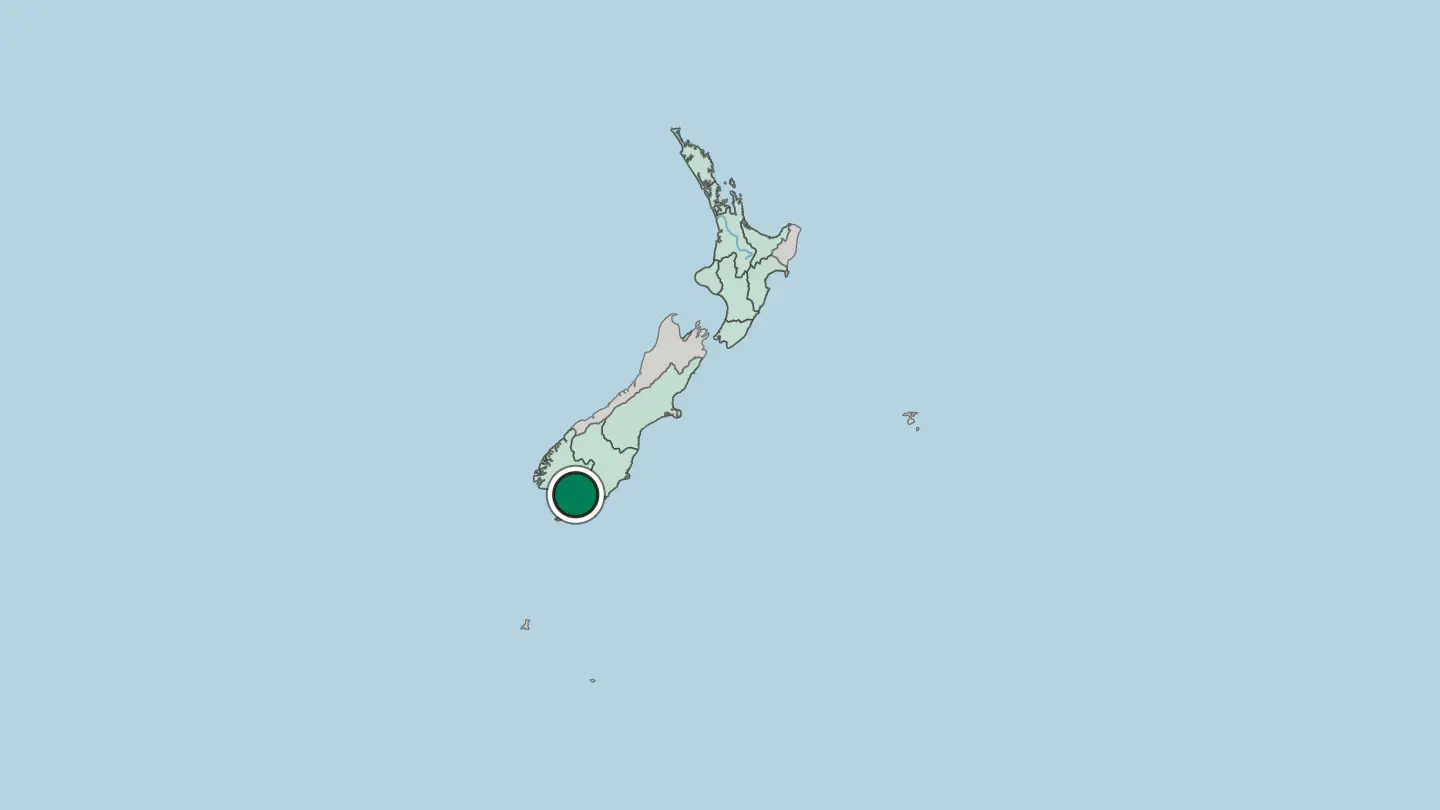
 New Zealand
Rotorua
Rotorua stands on the southern shores of Lake Rotorua, a geothermal city in the Bay of Plenty Region of New Zealand's North Island.Where to stay →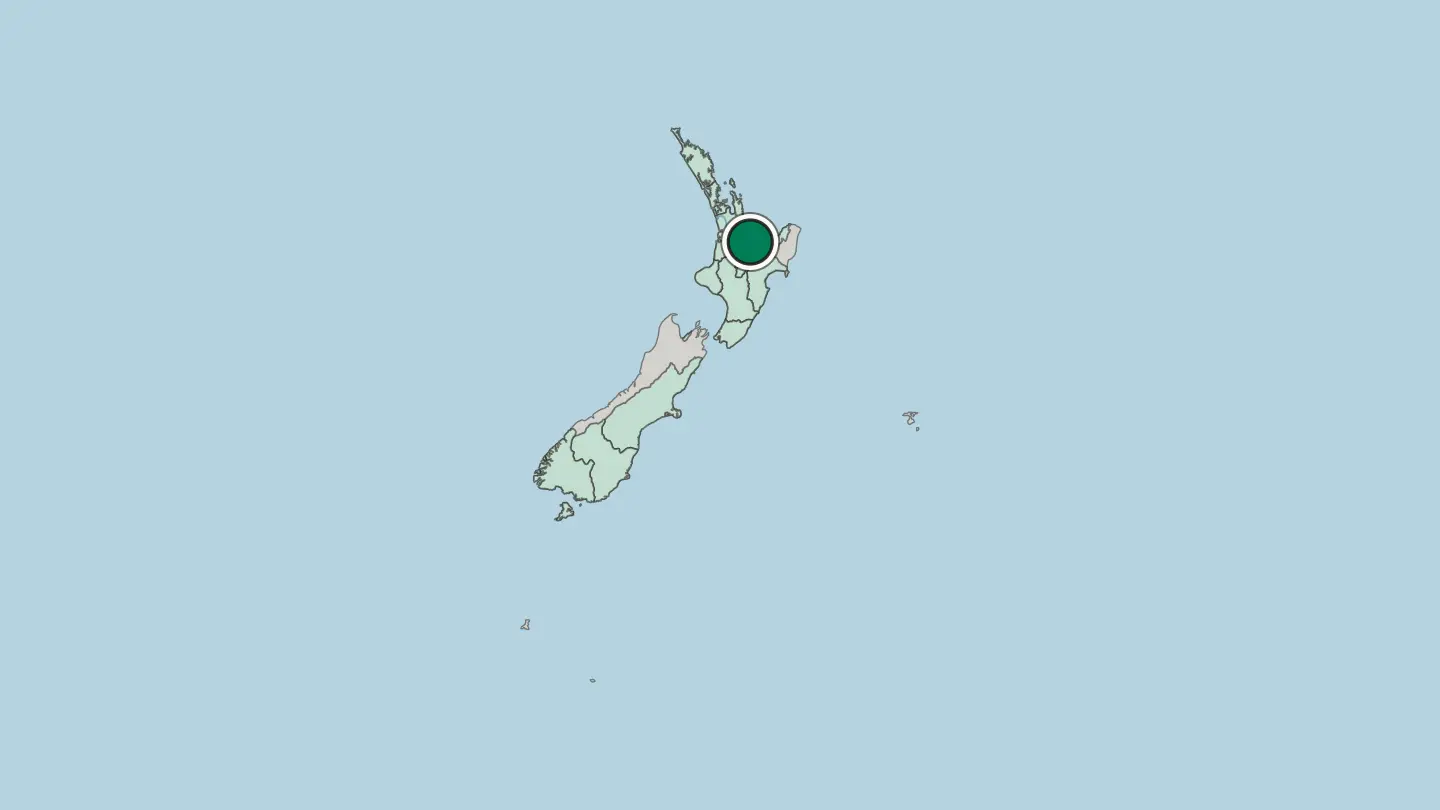
 New Zealand
Tauranga
Tauranga is a city of the Bay of Plenty in New Zealand, a sunny harbour town under an old volcanic cone, ringed by beaches and kiwifruit orchards.Where to stay →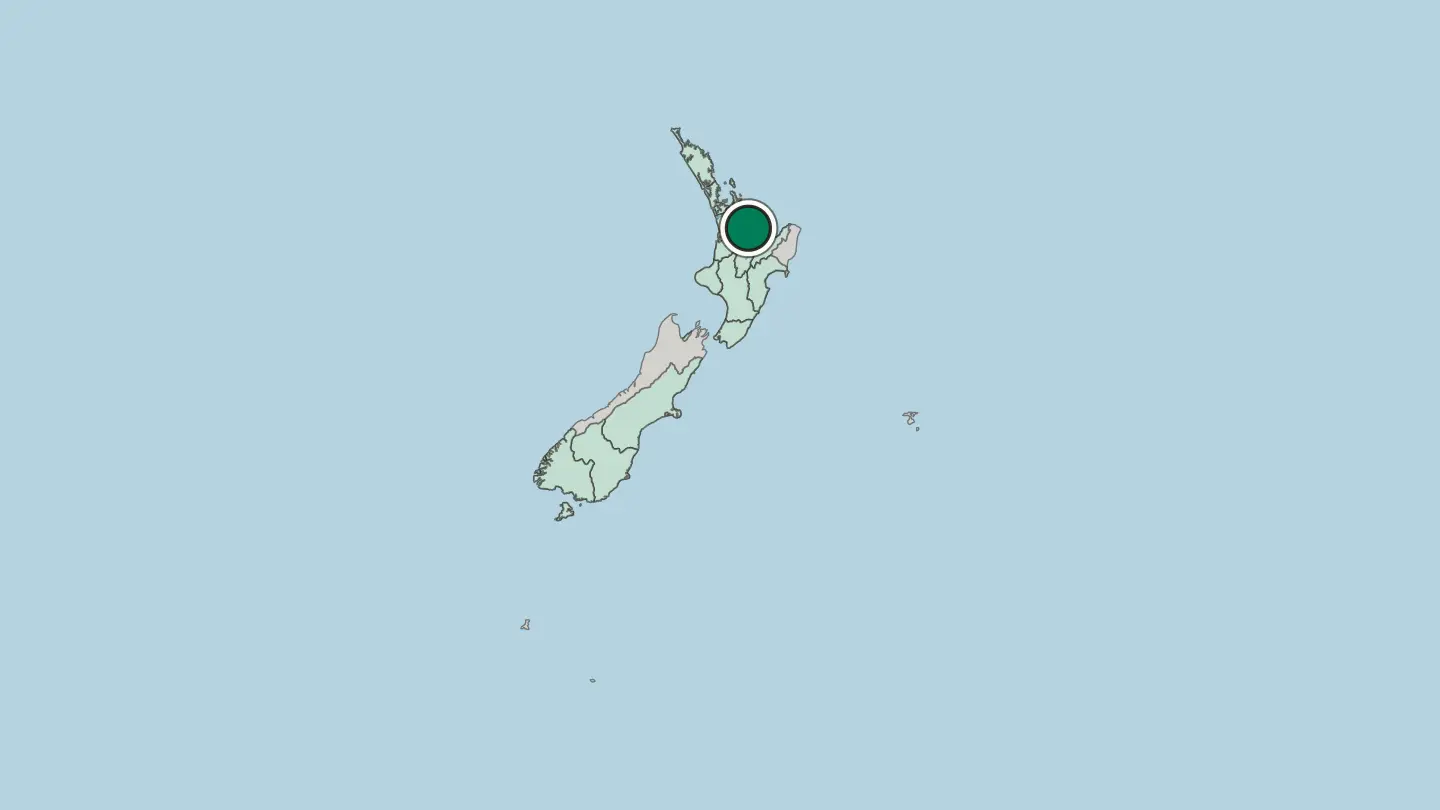
 New Zealand
Napier
Napier is a coastal city in Hawke's Bay on the east of New Zealand's North Island, famous for its Art Deco streets.Where to stay →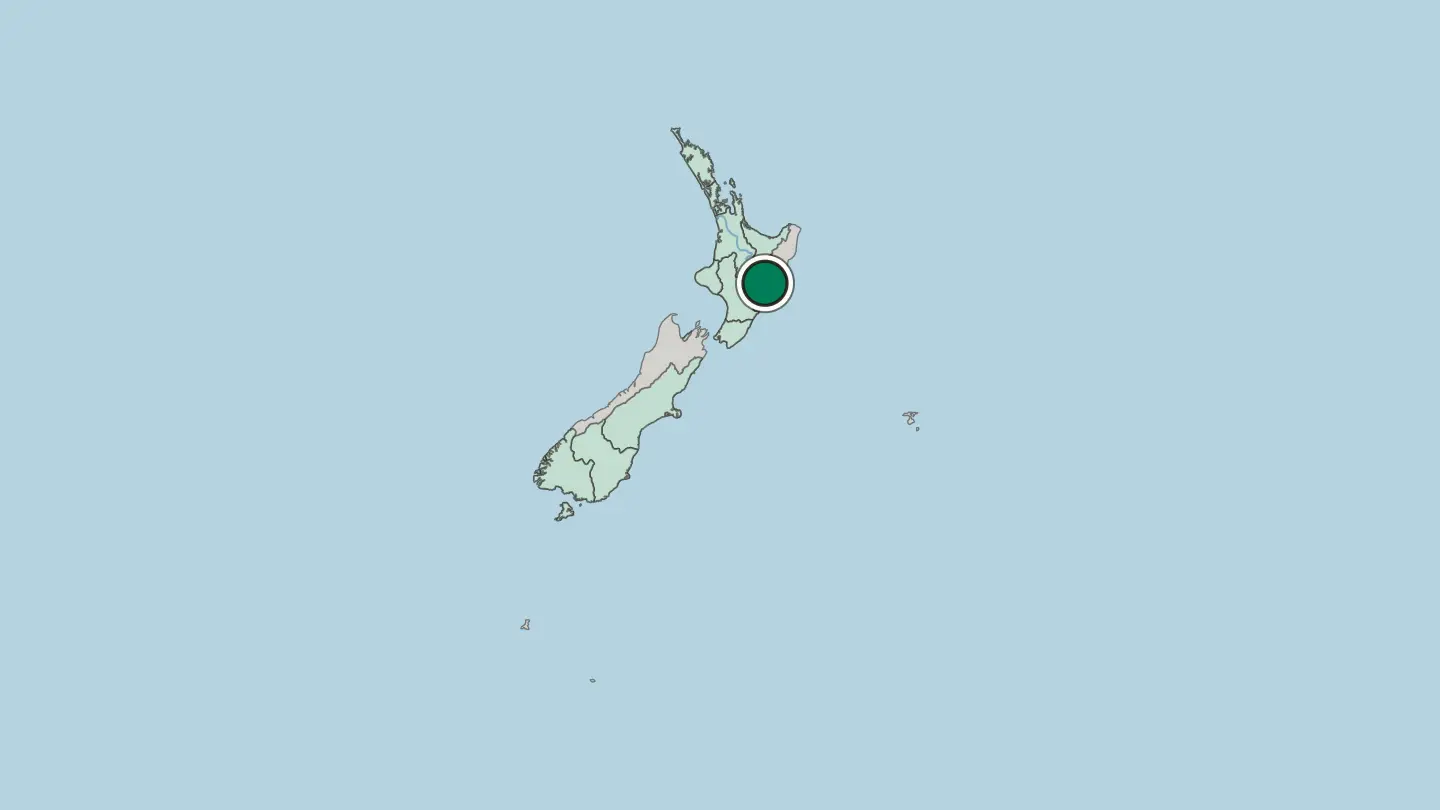
Hotel links are affiliate links: booking through them may earn us a commission, at no extra cost to you. It never affects how places are ranked. How this works
Regions of New Zealand
New Zealand
Auckland
The Auckland Region wraps the isthmus city and the islands of the Hauraki Gulf on the North Island of New Zealand, rural coast and harbours together.Towns & cities →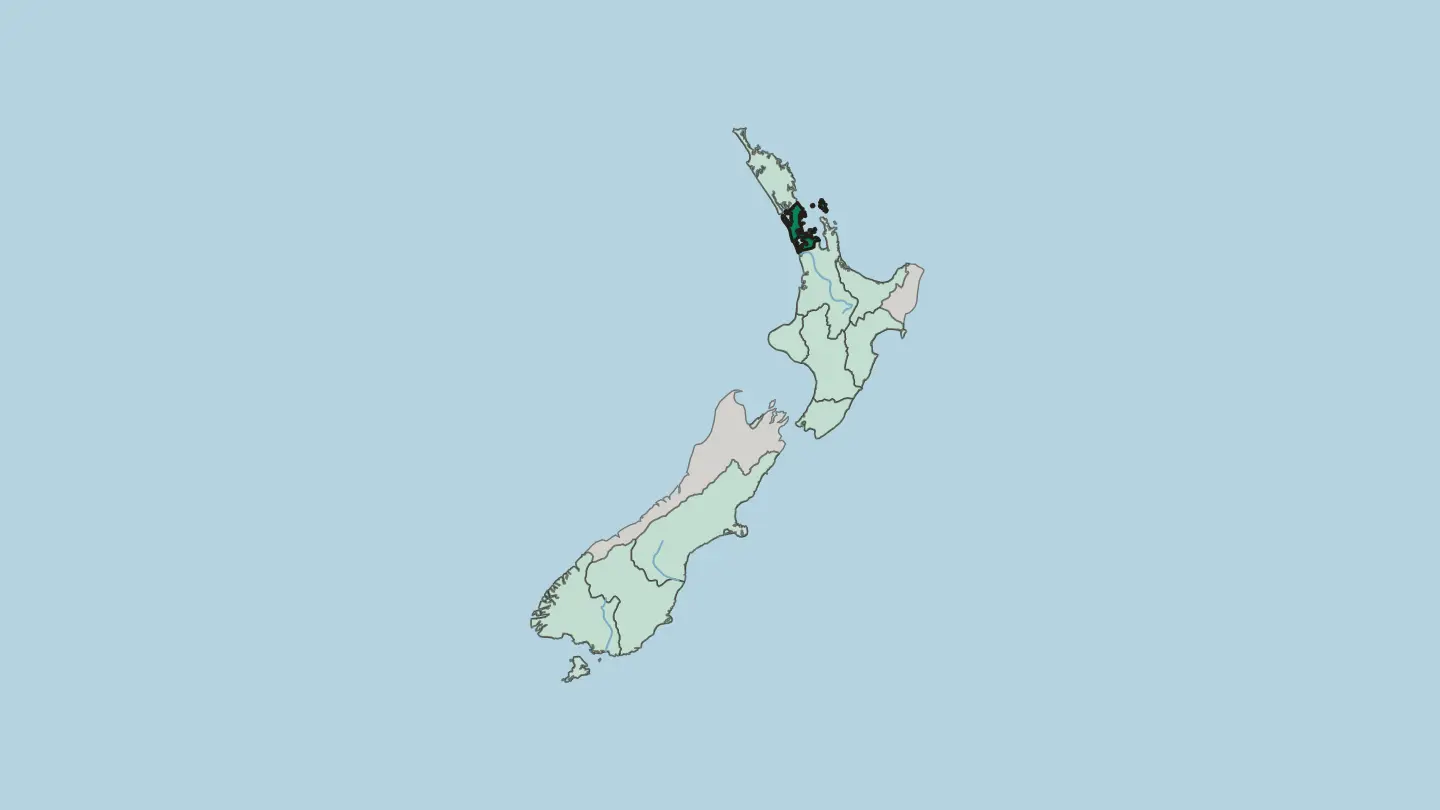 New Zealand
Bay of Plenty
The Bay of Plenty is a New Zealand region on the north-east coast of the North Island, wrapped around the bight James Cook named for its food supplies.Towns & cities →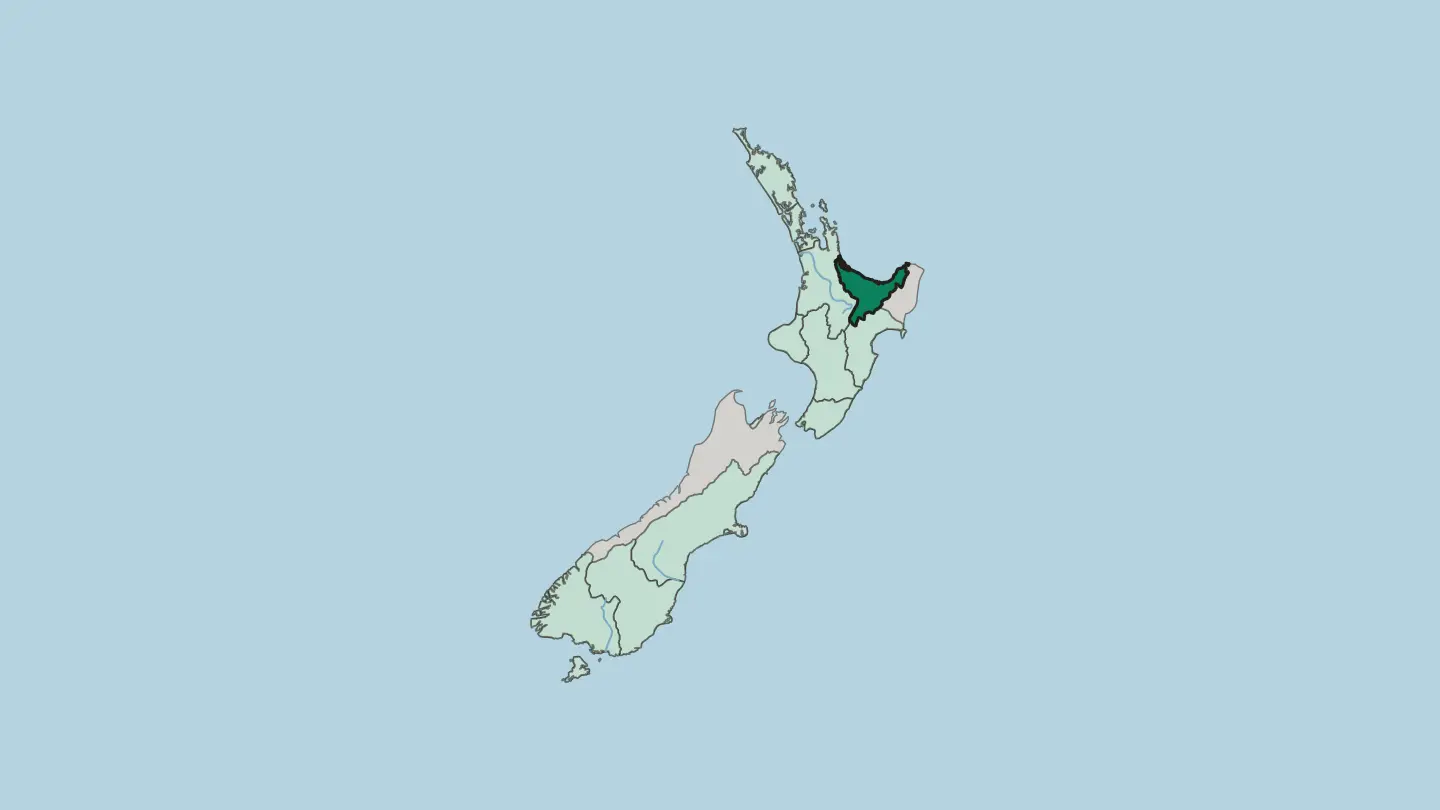 New Zealand
Canterbury
The Canterbury region stretches across the eastern South Island of New Zealand, from the Pacific Ocean over the wide Canterbury Plains around Christchurch.Towns & cities →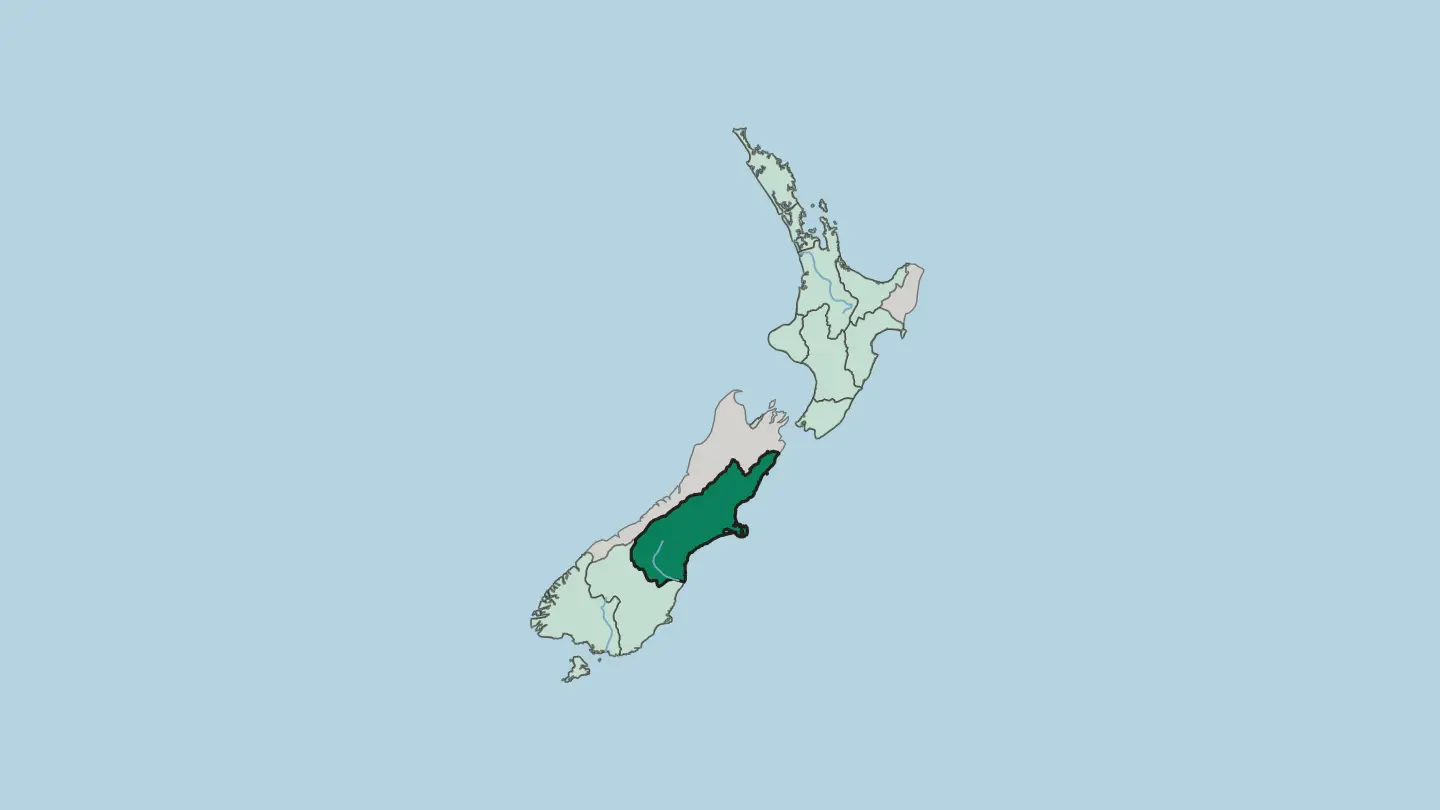 New Zealand
Hawke's Bay
Hawke's Bay spreads along the east coast of the North Island, its twin cities of Napier and Hastings standing on the horticultural Heretaunga Plains.Towns & cities →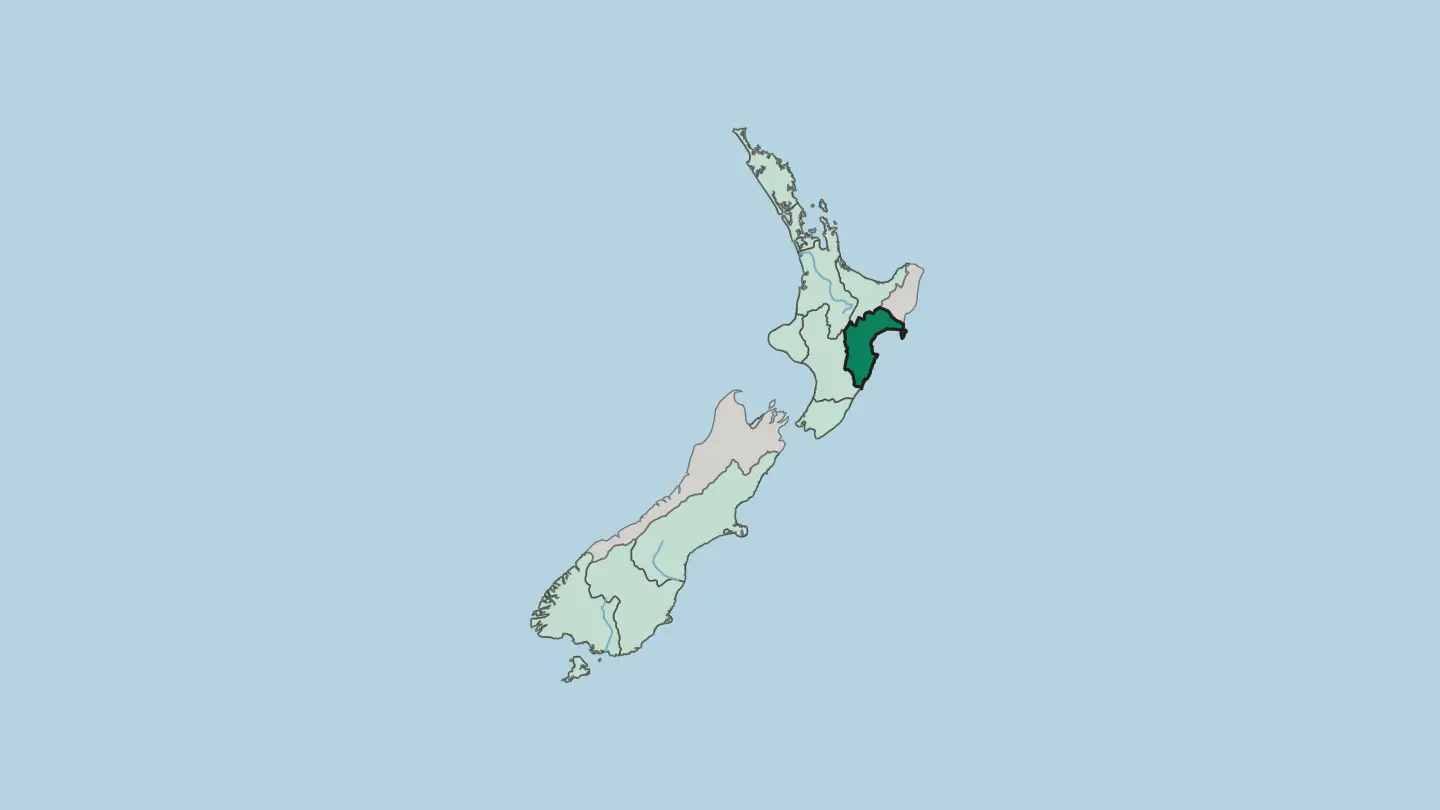
 New Zealand
Manawatu-Wanganui
Manawatu-Wanganui sits in the lower half of the North Island, a large New Zealand region whose main centres are Palmerston North and Whanganui.Towns & cities →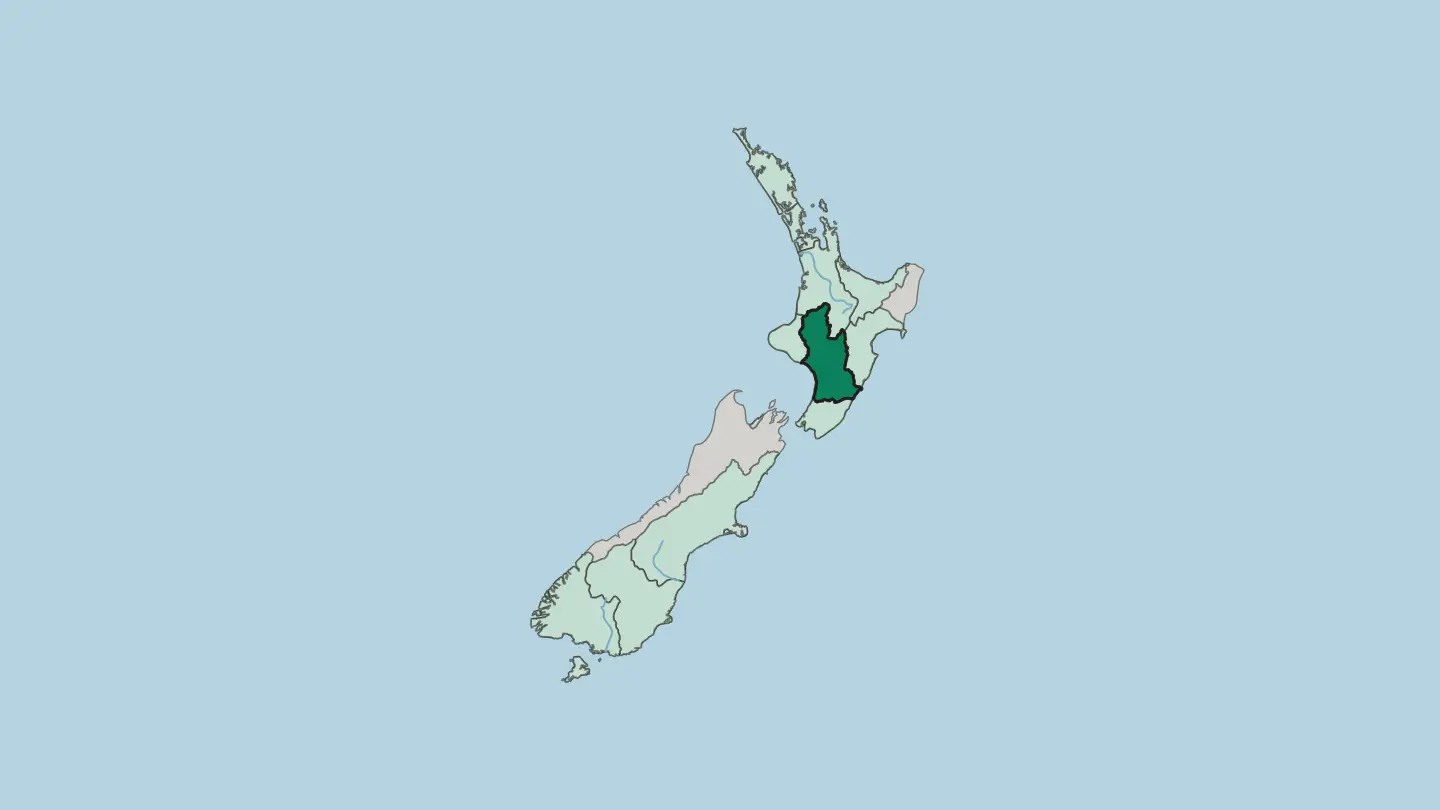
 New Zealand
Nelson
Nelson is a city and unitary authority on the eastern shores of Tasman Bay, at the top of the South Island and the oldest city there.Towns & cities →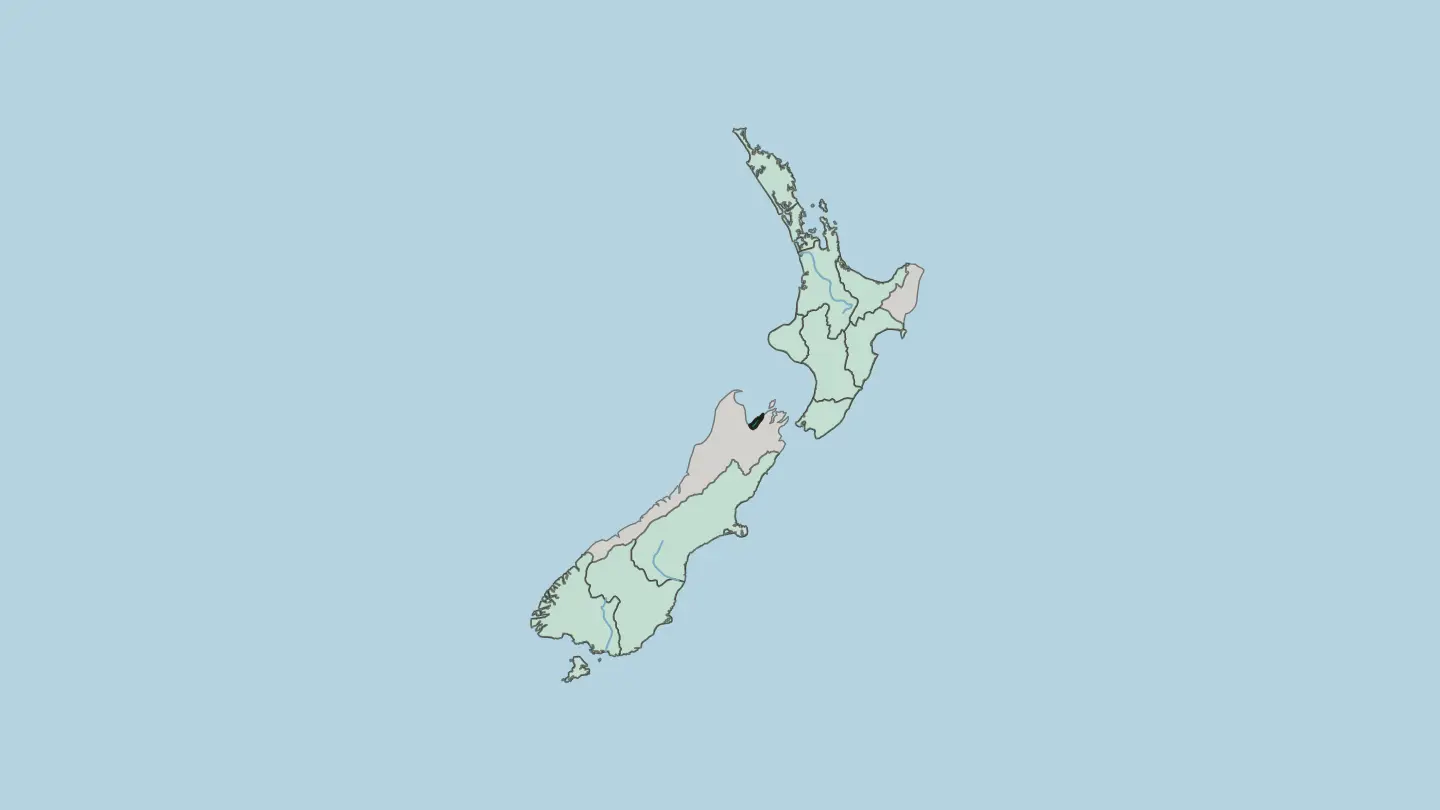
 New Zealand
Northland
Northland runs from Te Hana up to Cape Reinga at the top of the North Island, with Whangārei its only city and Kerikeri its largest town.Towns & cities →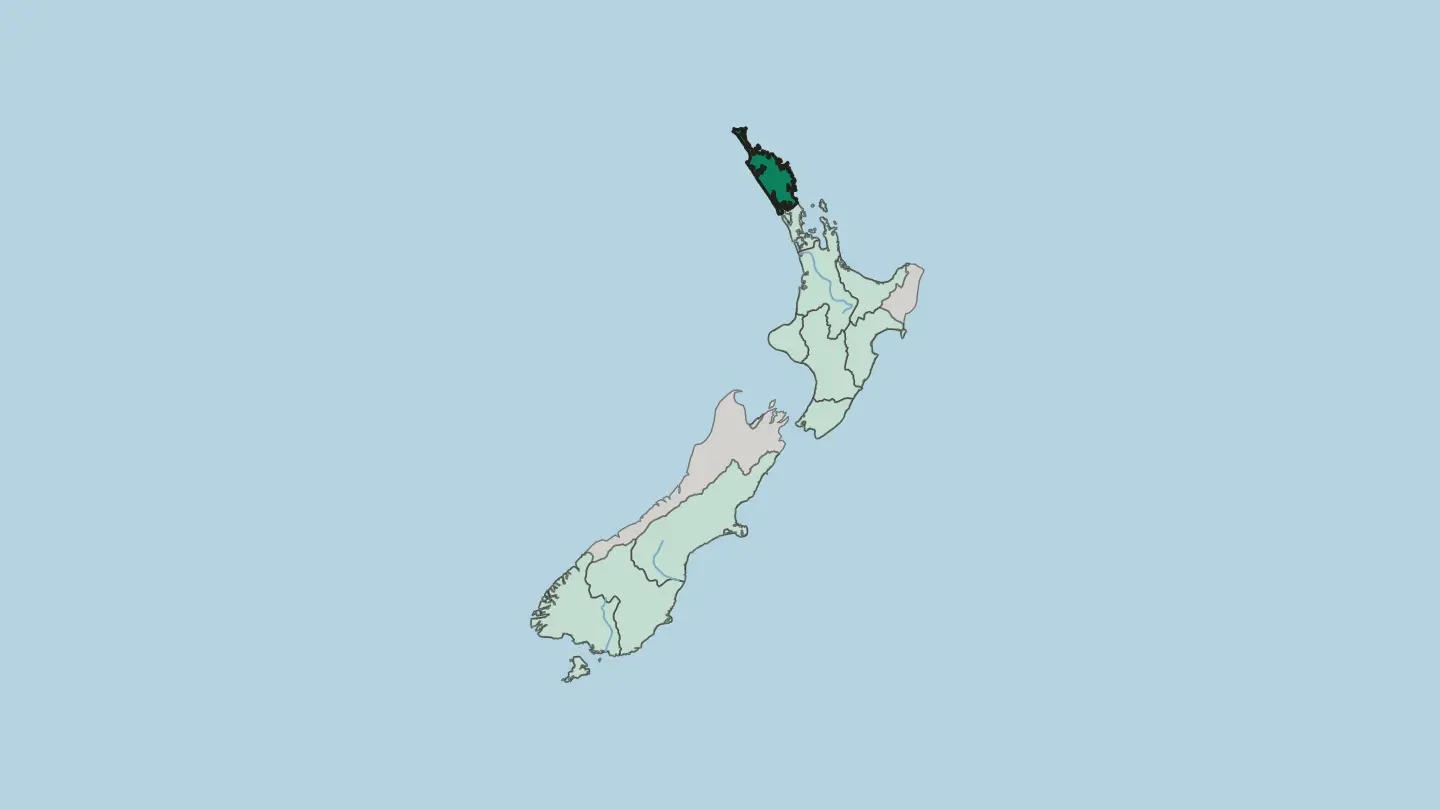 New Zealand
Otago
Hill country and sheltered valleys fill Otago, a region in the southern half of the South Island of New Zealand, with Dunedin on its coast.Towns & cities →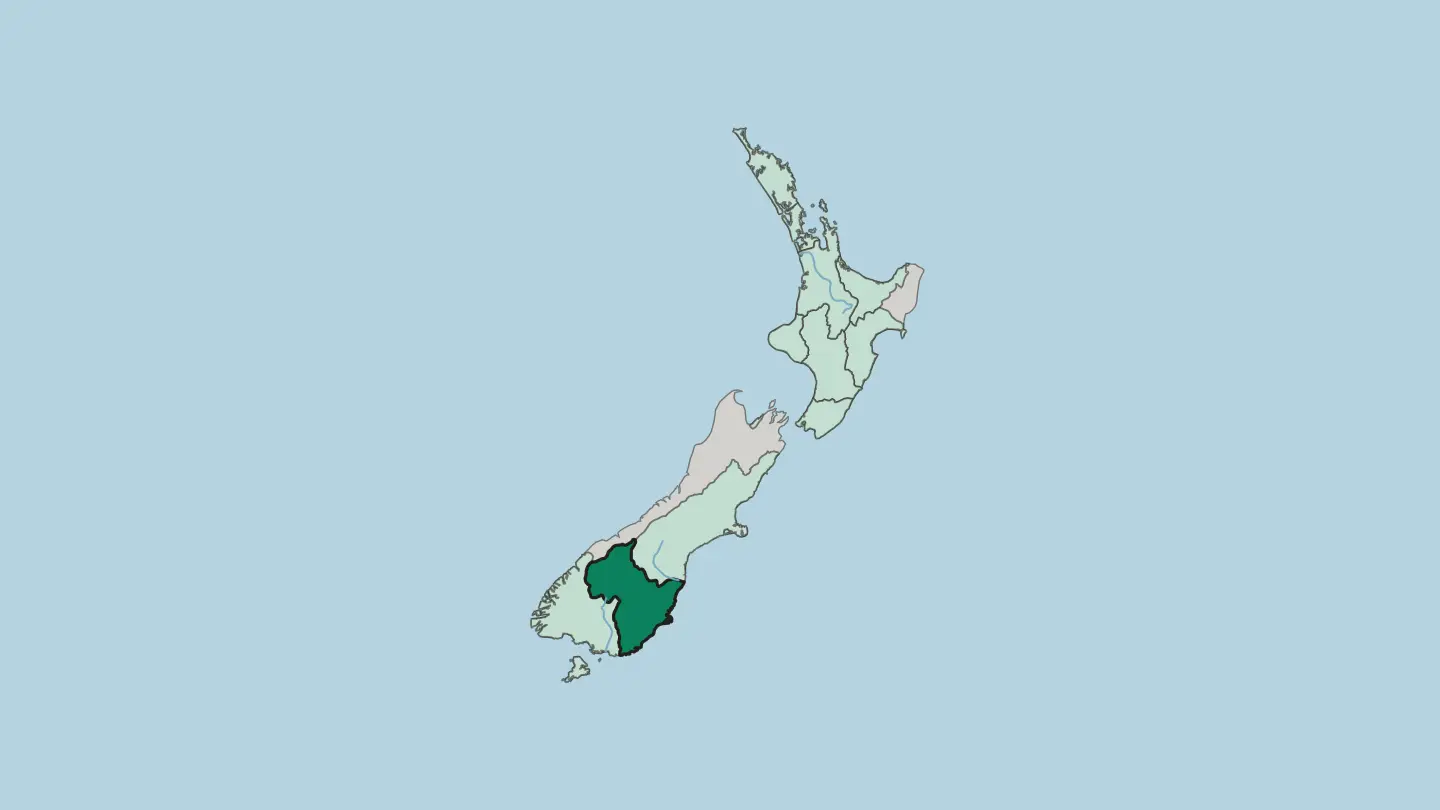 New Zealand
Southland
Southland closes out the South Island, mountains and glaciers above, farm plains below, Invercargill its only city, Stewart Island offshore.Towns & cities →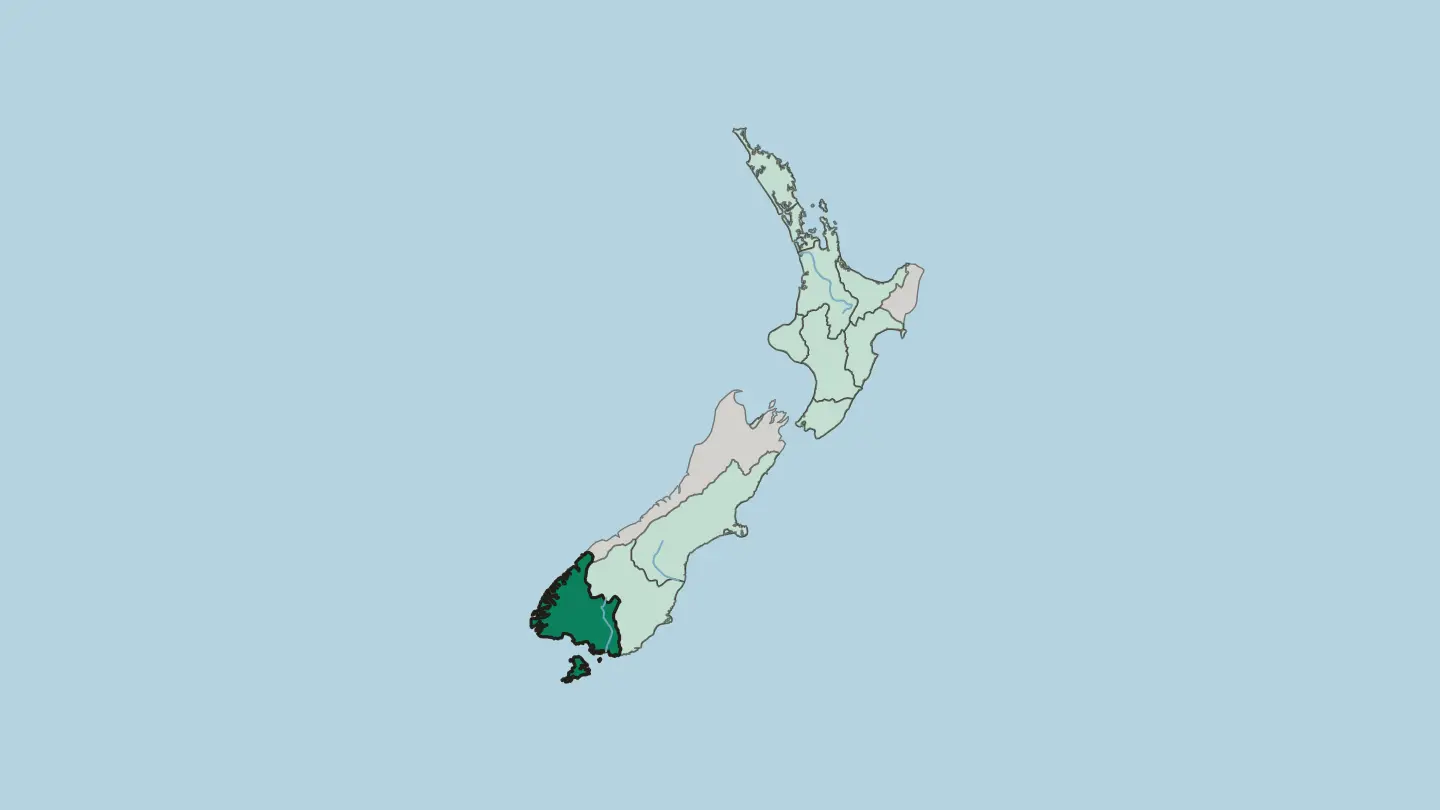 New Zealand
Taranaki
Mount Taranaki stands at the middle of its own region, a stratovolcano with coastal plain to the west and farm country spreading east.Towns & cities →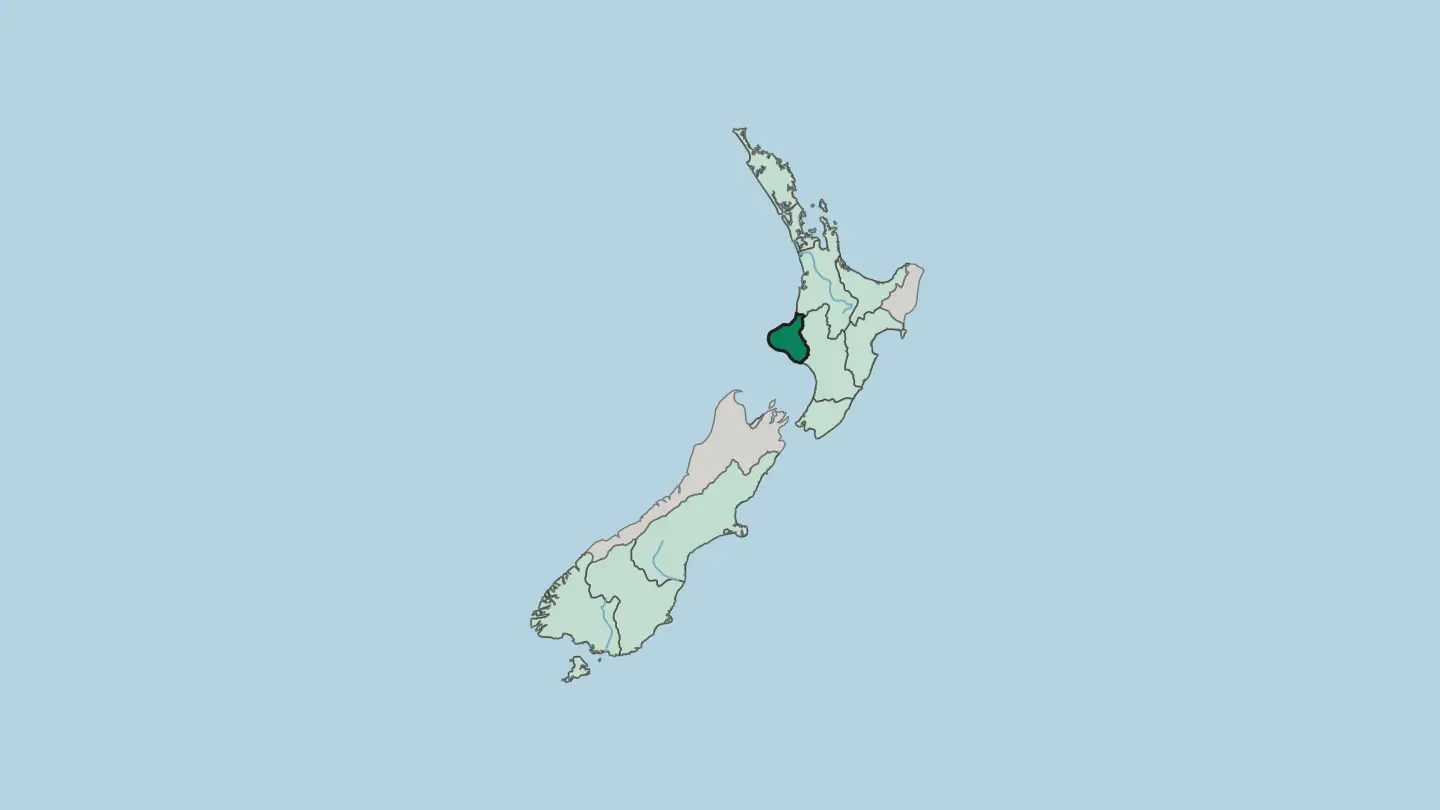 New Zealand
Waikato
The Waikato River runs the length of the region named for it, south of Auckland, past Hamilton City and the lakes behind its hydroelectric dams.Towns & cities →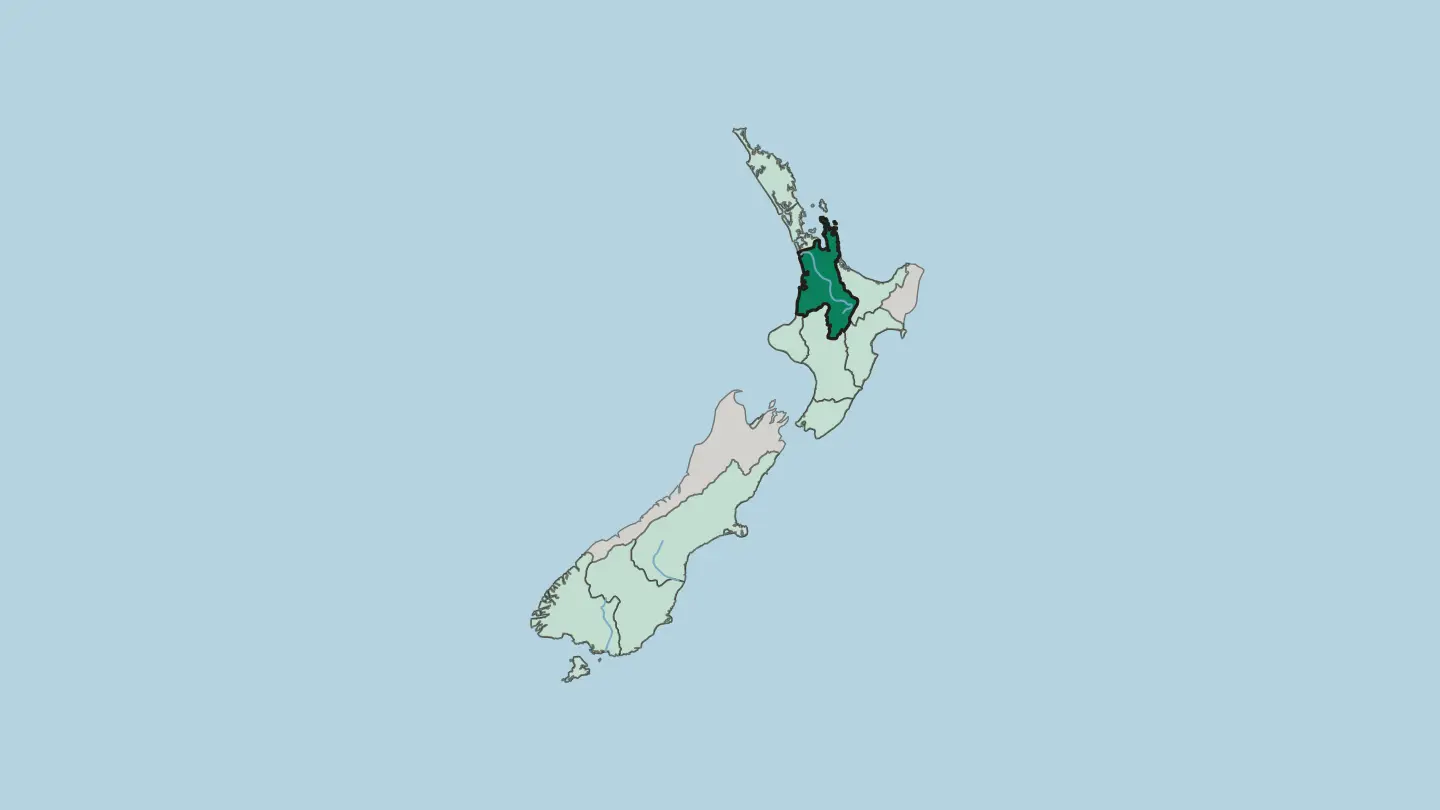 New Zealand
Wellington
The Wellington Region spreads across the southern corner of the North Island of New Zealand, from Cook Strait inland behind the Remutaka Range.Towns & cities →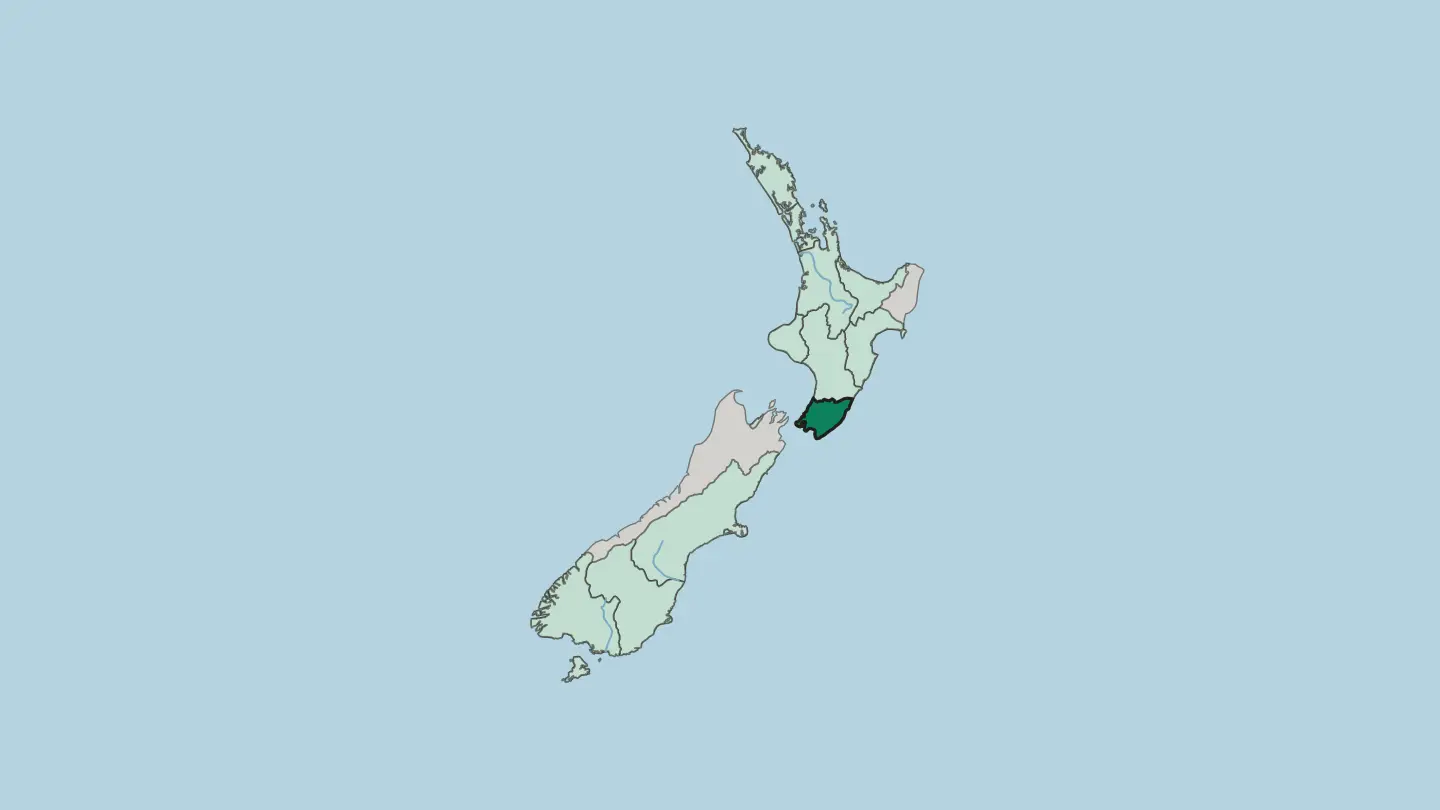
Explore by experience
Not sure which place? Start from how you want to travel.

About New Zealand
What is New Zealand known for?
Two islands hold the country's fame. The Southern Alps run the length of the South Island, crowned by Aoraki / Mount Cook, while the drowned valleys of Fiordland cut deep into the south-western coast. Milford Sound is the picture most travellers carry home.
The North Island trades peaks for geothermal ground, and Rotorua steams with mud pools and geysers within an hour's drive of Lake Rotorua. Rugby's All Blacks and the flightless kiwi round out the shorthand.
Where is New Zealand?
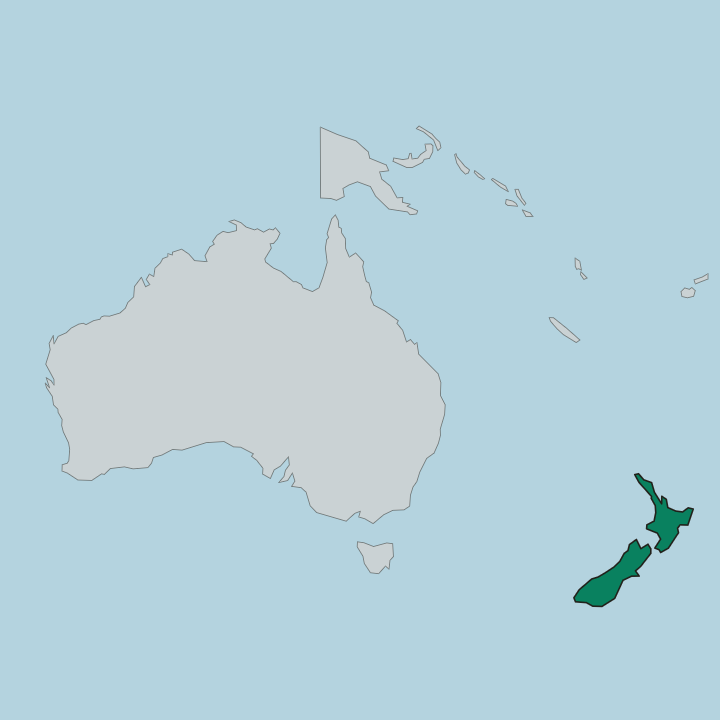
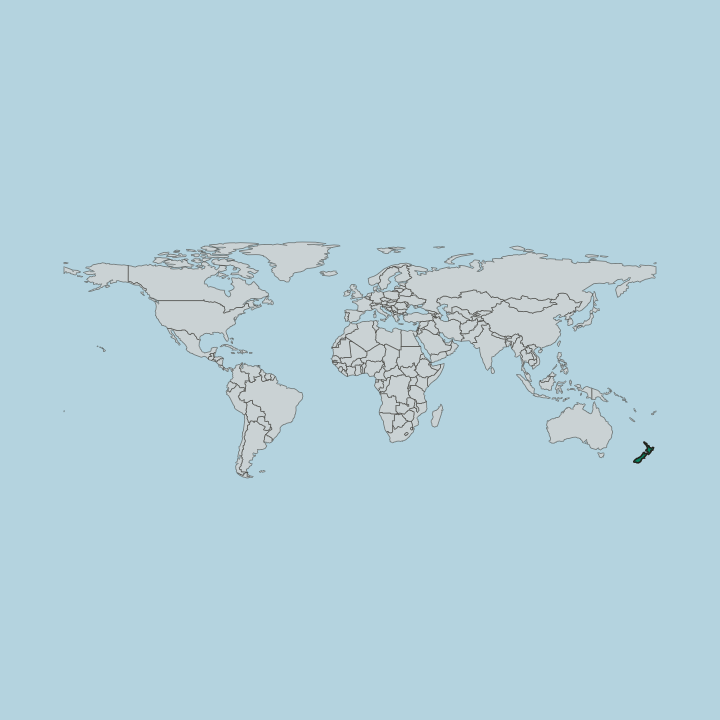
New Zealand sits alone in the south-western Pacific, east of Australia across the Tasman Sea, made of two main islands and hundreds of smaller ones. Cook Strait divides them. The North Island is the smaller and busier, its interior a volcanic plateau where Tongariro's cones and the geothermal fields around Rotorua mark the boundary of two grinding tectonic plates.
The Waikato River, the country's longest, drains this heart of the island northward to the Tasman Sea. Water shapes the place everywhere you look. The South Island is larger, higher, and far emptier.
The Southern Alps run almost its full length like a spine, throwing up Aoraki / Mount Cook, the highest summit in the country, and shedding glaciers down both flanks. West of the divide the land plunges to a wet, forested coast; the ice-carved fiords of Fiordland, Milford Sound among them, are the most dramatic edge of all. East of the mountains the Canterbury plains flatten out toward Christchurch, and the dry basins of Otago fall away to the southern shore.
From subtropical north to sub-Antarctic south, the country packs a continent's variety into a narrow, tilted land.
What is the history of New Zealand?
New Zealand was the last large landmass on earth settled by people. Polynesian voyagers, the ancestors of the Māori, reached these islands by ocean-going canoe around the thirteenth century, and over the following generations they spread across both islands, naming the land Aotearoa and building tribal societies bound to river, coast, and forest. Their world stood on its own for centuries.
European contact came late and hard, opening with Dutch and British navigators and then a rush of sealers, whalers, and traders in the early nineteenth century. The pivot was 1840. That year, at Waitangi in the Bay of Islands, Māori chiefs and the British Crown signed the Treaty of Waitangi, the document still treated as the country's founding agreement.
Its English and Māori texts did not say the same thing, and that gap drove the land wars and grievances of the decades that followed. Settlers poured in; the frontier pushed onto Māori land. From colony the country moved slowly toward self-rule and, in the twentieth century, full independence.
The Treaty remains a live, contested foundation, and reckoning with it runs through public life to this day.
What is New Zealand like?
New Zealand's culture braids two threads that no longer sit apart. Māori tradition supplies much of the national grammar: the haka performed before an All Blacks match, the pōwhiri that welcomes visitors onto a marae, place names like Aotearoa and Aoraki carried in everyday speech. Te reo Māori shares official status with English.
This is not folklore kept behind glass. It is a living inheritance woven into schooling, ceremony, and the way the country presents itself to the world. Alongside it runs a settler culture of the outdoors and the understated.
New Zealanders prize tramping, sailing, and the long summer at the beach; the food leans on lamb, seafood, kūmara, and the pavlova argued over with Australia. The hāngī, meat and vegetables steamed for hours in an earth oven, remains the centrepiece of a Māori feast. Cities stay small and low.
Wellington concentrates the film, coffee, and craft-beer scenes, while Auckland's Pacific and Asian communities give the largest city its distinct flavour. Rugby stitches the whole thing together. The silver fern reads as shorthand for a way of life.
What is the climate of New Zealand?
New Zealand's climate is temperate and maritime, softened everywhere by the surrounding ocean. The far north around the Bay of Islands runs subtropical and humid, while Fiordland and the West Coast catch the full weight of the westerlies, drenched with several metres of rain a year. Cross the Southern Alps and the picture flips.
Sheltered in the mountains' rain shadow, Central Otago and inland Canterbury are the country's driest, near semi-arid, with hot summers and hard frosts. Seasons sit opposite the northern hemisphere. Snow falls on the alps through winter.
How do you get to New Zealand?
Flying in is how nearly everyone reaches New Zealand. Auckland handles the bulk of long-haul flights and serves as the main hub for the North Island, while Christchurch is the busiest arrival point for the South Island; Wellington and Queenstown take shorter regional and trans-Tasman routes. The two islands are joined by the ferry across Cook Strait, a three-hour crossing between Wellington and the Marlborough Sounds that many treat as a scenic leg in its own right.
From the airports it is road or domestic flight onward. The country is long and thin, so plan the driving. Do not underestimate the kilometres.
Good for
Updated September 2026