New Zealand · Waikato
Where to Stay in Hamilton, Waikato
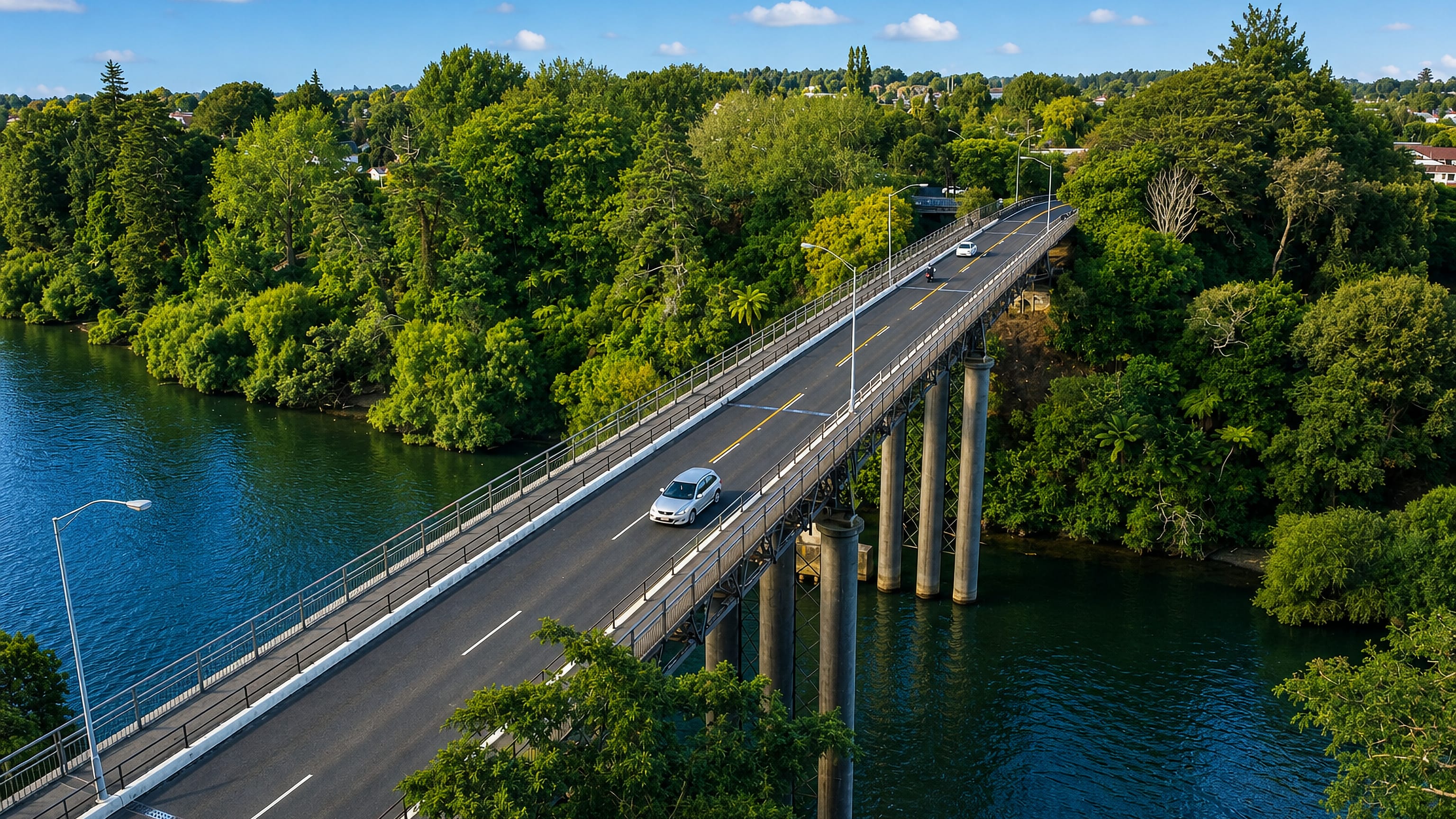
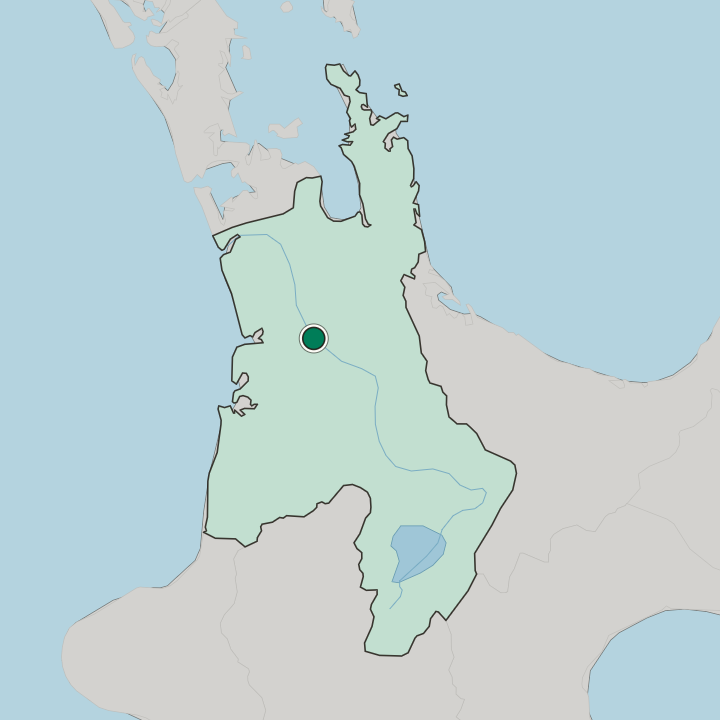
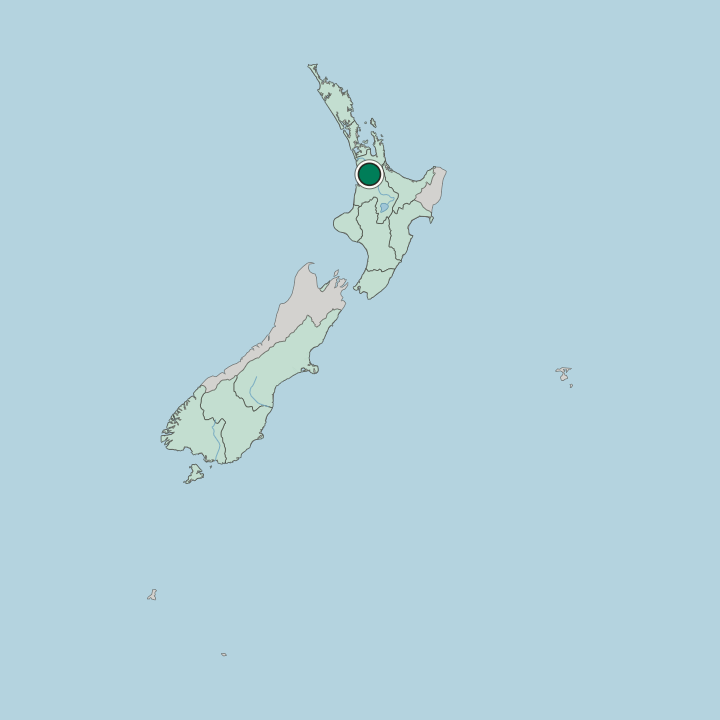
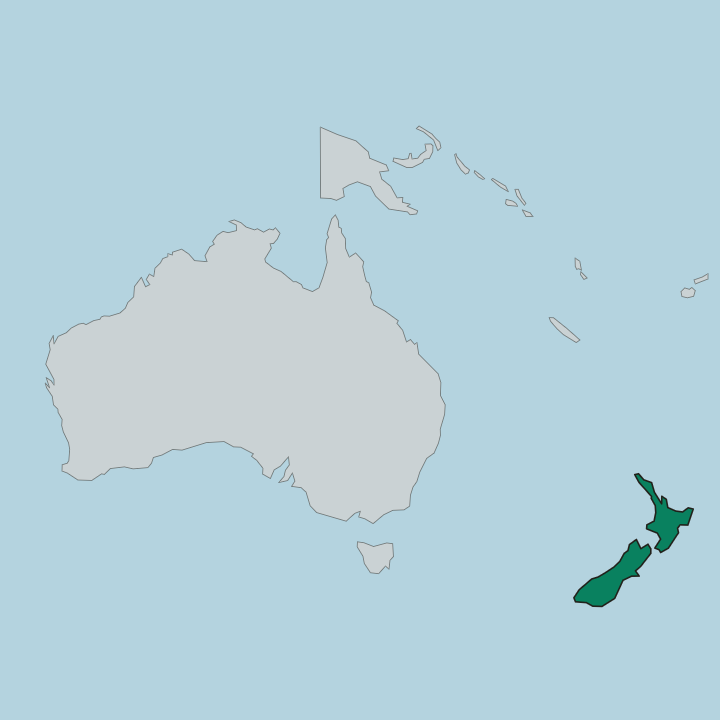
Hamilton is an inland city on the banks of the Waikato River, the seat of the Waikato region in New Zealand's North Island.
Hotel links are affiliate links: booking through them may earn us a commission, at no extra cost to you. It never affects how places are ranked. How this works


Where to stay in Hamilton
Not every neighbourhood fits every trip — here's what each one is good for.

 HamiltonNew Zealand
Frankton Junction
Hamilton's passenger railway station stands at Frankton Junction, a central suburb of the New Zealand city threaded by State Highway 1C.Where to stay →HamiltonNew ZealandHamilton East
Grey Street carries the commercial precinct of Hamilton East, a central Hamilton suburb of early twentieth-century villas and bungalows.Where to stay →Hotel links are affiliate links: booking through them may earn us a commission, at no extra cost to you. It never affects how places are ranked. How this works
Find hotels in Hamilton
Direct booking searches for these neighbourhoods.
Central Hamilton
The blocks around Albert Street put the Waikato Museum and the river paths within a short walk.Find hotels in Central HamiltonQuieter streets in the old railway quarterFrankton
Built around the Frankton Junction Railway House Factory, with a short run back into the centre.Find hotels in FranktonParking, space, and day drives into the WaikatoForest Lake
Suburban streets off Forest Lake Road, handy for Hamilton Gardens and the roads out of the city.Find hotels in Forest LakeHotel links are affiliate links: booking through them may earn us a commission, at no extra cost to you. It never affects how places are ranked. How this works
Things to do in Hamilton
Ranked by global recognition; descriptions from Wikidata (CC0).
Museums & Galleries
1- Waikato Museum
Stadiums & Sports
1- Seddon Park
Landmarks & Notable Places
8- Bankwood House Heritage
- Frankton Junction Railway House Factory Heritage
- Greenslade House Heritage
- House (102 Forest Lake Road) Heritage
- House (126 Forest Lake Road) Heritage
Show 3 more →
- House (32 Albert Street) Heritage
- Jolly House (Chateau Windemere) Heritage
- Kaiapoi House (Former) Heritage
worth knowingacross 3 categories in Hamilton
About Hamilton
The river carries the name.
What is Hamilton known for?
Hamilton Gardens ranks as the leading visitor attraction anywhere in the Waikato region, and the city was named the most beautiful large city in New Zealand in 2020. Cricket aside, Seddon Park is the open ground people name first. The Waikato Museum holds the region's collections beside the water, and Hamilton answers to The Tron in everyday speech.
What are the main landmarks in Hamilton?
Hamilton Gardens leads the list. The Waikato Museum stands by the river and holds the region's collections, and Seddon Park is the other name that appears on every account of the city's landmarks. Heritage listings cover the rest: the Water Tower, Bankwood House, Greenslade House, Jolly House at Chateau Windemere, the former Kaiapoi House, and the listed dwellings at 32 Albert Street and along Forest Lake Road.
Frankton Junction keeps its own entry, the Railway House Factory.
What is the history of Hamilton?
Hamilton's older record survives in its buildings. What stands as the record is a heritage register of houses, a factory, and a water tower, each one a fixed point in how the city filled the ground beside the Waikato River. Frankton Junction tells the clearest part.
The Frankton Junction Railway House Factory ties that quarter to the railway, and its listing keeps a working-industrial chapter on the register beside the residential ones. The Water Tower stands for the municipal side of that work. Homes account for the remainder.
Bankwood House, Greenslade House, and the dwelling at 32 Albert Street are listed alongside the pair on Forest Lake Road, at numbers 102 and 126, a set that shows how ordinary streets were built out and then kept. Jolly House, also known as Chateau Windemere, and the former Kaiapoi House sit in the same register, names that outlasted their first owners. The Waikato Museum gathers what the buildings cannot, holding the region's collections in one place and giving the older Waikato story a room in the middle of the city.
In 2020 the city was named the most beautiful large city in New Zealand, a judgement about how all that accumulated fabric reads from the street.
Where is Hamilton?
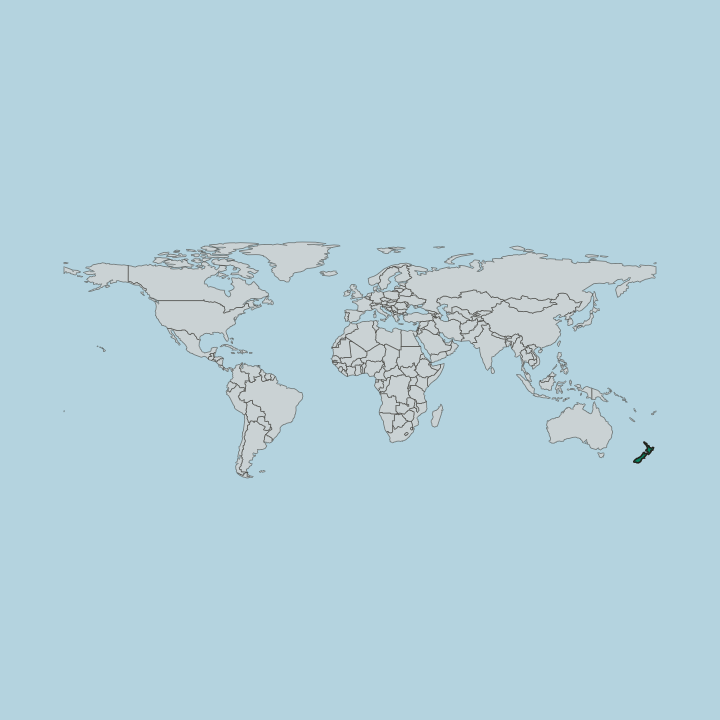
The Waikato River runs through it. Hamilton sits inland in the North Island, without a coast of its own, and the river gives the city its axis, its crossings, and the green edges that follow the water through the built-up ground. About 110 square kilometres of land carry the city, which spreads into a wider Hamilton Urban Area beyond the boundary.
Waikato farmland surrounds the rest.
What is the climate of Hamilton?
Seasons run inverted here. Hamilton lies in the temperate band of the southern hemisphere, so the warm months fall around January and February while July sits at the cold end of the year. Being an island, the North Island keeps sea air over the whole of it, which pulls the extremes in at both ends despite the inland setting of the Waikato basin.
Nothing here is extreme.
How do you get to Hamilton?
Every arrival in Hamilton comes by land. The city sits inland in the North Island, so arrivals come by road or rail rather than by water, and Frankton Junction is the name the railway left behind on the city's map. As the seat of the Waikato region, the city sits where the region's roads converge, and the crossings over the Waikato River carry that traffic through the middle of it.
Frankton Junction still names the rail side.
Common questions
What is the best area to stay in Hamilton?
Central Hamilton: Museum and riverbank walking without a car. Frankton: Quieter streets in the old railway quarter. Forest Lake: Parking, space, and day drives into the Waikato.
Good for
Updated September 2026