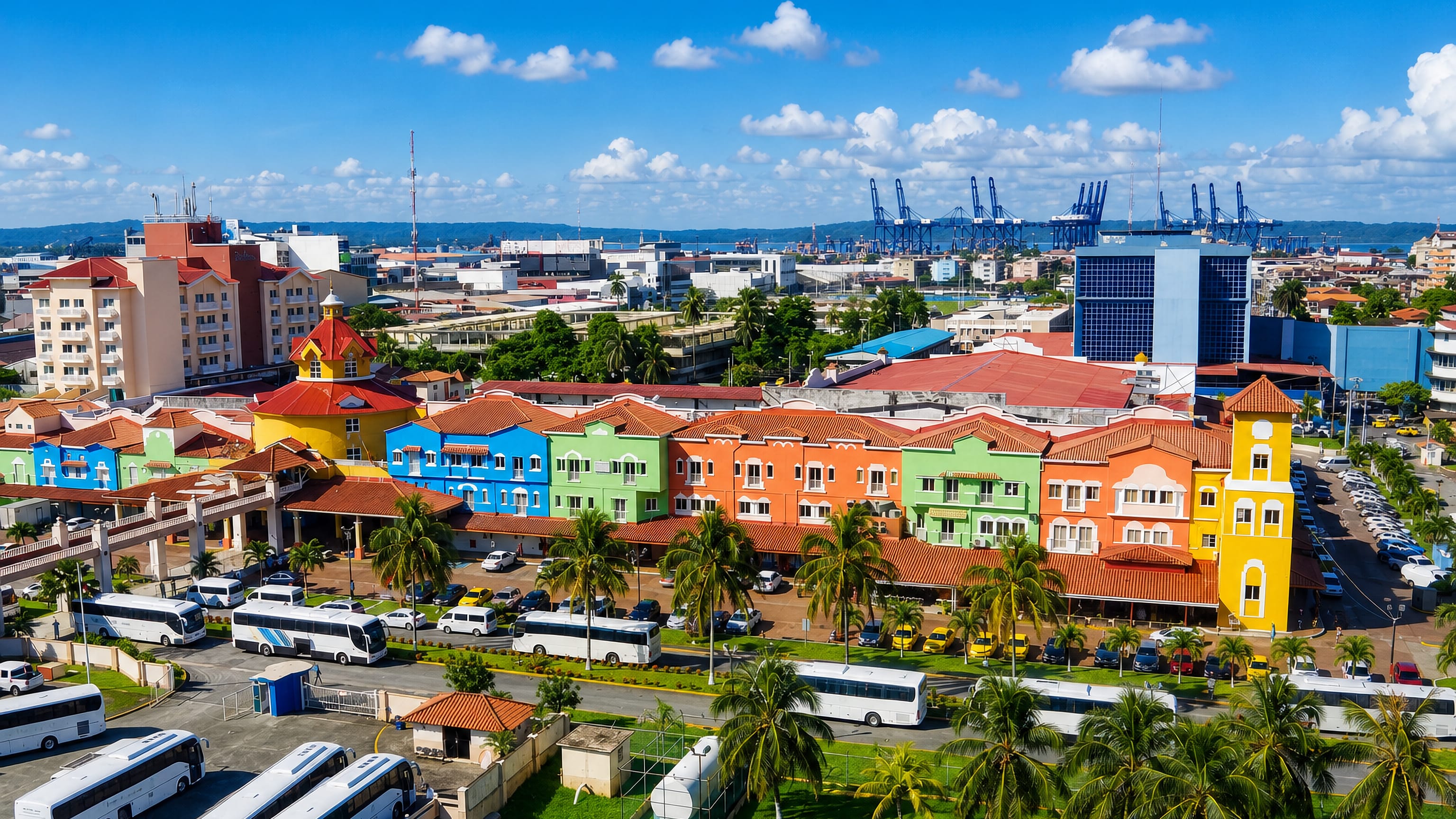
Panama · Provincia de Colón
Where to Stay in Colón, Provincia de Colón
Colón is a city on the Caribbean coast of Panama, at the Caribbean end of the Panama Canal below the great locks of Gatún.
Hotel links are affiliate links: booking through them may earn us a commission, at no extra cost to you. It never affects how places are ranked. How this works


Where to stay in Colón
The practical side of choosing where to sleep.
Where you stay in Colón turns on the town or the canal. The streets of the centre keep the old buildings, the market, and the cathedral within reach, and staying downtown suits anyone here for the city. The old town lines the shore.
Ships pass off the coast. Out toward the locks and the forts, the town gives way to the canal, the free zone, and the green hills. A room by the canal trades the streets for the great locks, the passing ships, and the Spanish forts of the coast.
The forest climbs the hills. Stay downtown for the old town, or by the canal for the locks. From the locks, the old streets of Colón are only a few minutes back.
Find hotels in Colón
Direct booking searches for these neighbourhoods.
The town centre
Around downtown by the shoreFind hotels in The town centreStays wanting the Gatún locks and fortsThe canal and locks
Out toward the canalFind hotels in The canal and locksHotel links are affiliate links: booking through them may earn us a commission, at no extra cost to you. It never affects how places are ranked. How this works
Things to do in Colón
Ranked by global recognition; descriptions from Wikidata (CC0).
Churches & Religious Sites
3- Immaculate Conception Cathedral, Colón Heritage
- Iglesia de Cristo a Orillas del Mar Heritage
- Iglesia de la Medalla Milagrosa Heritage
Castles & Historic Sites
2- Estatua Cristóbal Colón Heritage
- Casco Antiguo de Colón
worth knowingacross 2 categories in Colón
About Colón
Colón is the Caribbean city of the canal.
What is Colón known for?
On a low island at the Atlantic end of the Panama Canal, it was built as the sea terminus of the railway across the isthmus, and it keeps the great triple locks of Gatún that lift ships to the canal, a huge free-trade zone of warehouses, the old Caribbean-French streets of the town, and the Spanish treasure forts of the coast nearby. The ships wait off the shore. The green isthmus rises inland.
What are the main landmarks in Colón?
The Gatún Locks are the great sight near Colón. The three vast steps of the canal locks, lifting ocean ships high to the lake behind, stand a little south of the town, the emblem of the coast, above the water. A free zone fills the port.
The huge free-trade zone of warehouses crowds the harbour with goods, while the old town streets, the Spanish forts, and the canal ships mark the country around Colón.
What is the history of Colón?
Colón was born of the railway to the Pacific. In the days of the California gold rush, an American company built a railway across the isthmus of Panama, and at its Caribbean end they laid out a new city on a swampy island. The railway crossed the isthmus.
Colón grew as the Atlantic port of the first railway to link the two oceans, a rough boom town of trade and fever on the coast. The canal made it a canal city. When the French and then the Americans dug the great canal across the isthmus, Colón became its Atlantic port, and the huge locks of Gatún were raised nearby to lift the ships.
Trade filled the free zone. In the last century a great free-trade zone of warehouses grew by the port, one of the largest in the world, and Colón lived by the ships, the locks, and the trade of the canal. The ships still line the roadstead.
Colón keeps its locks and its port at the mouth of the canal.
Where is Colón?
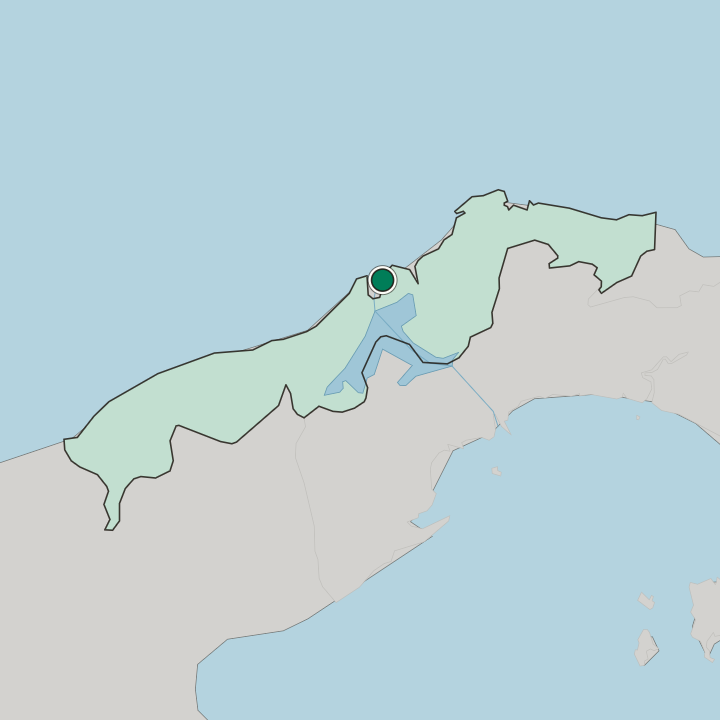
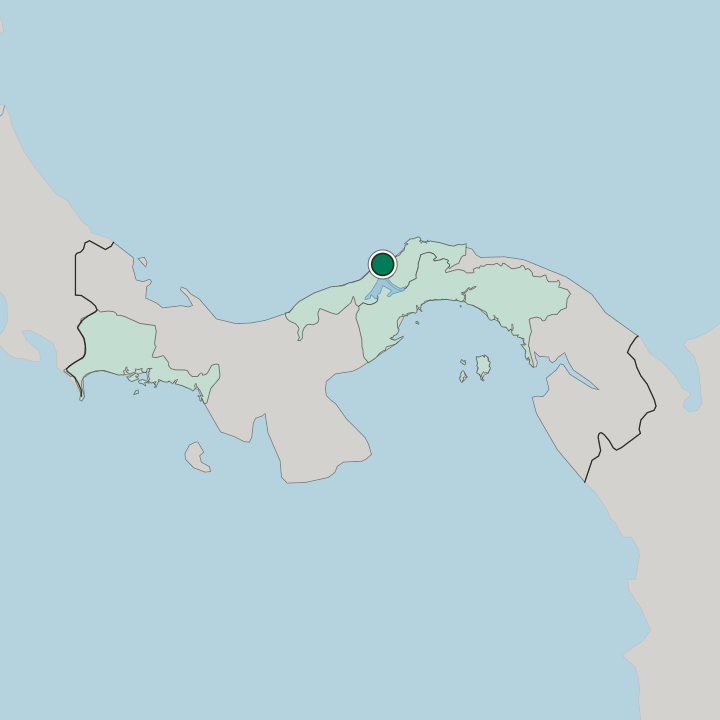
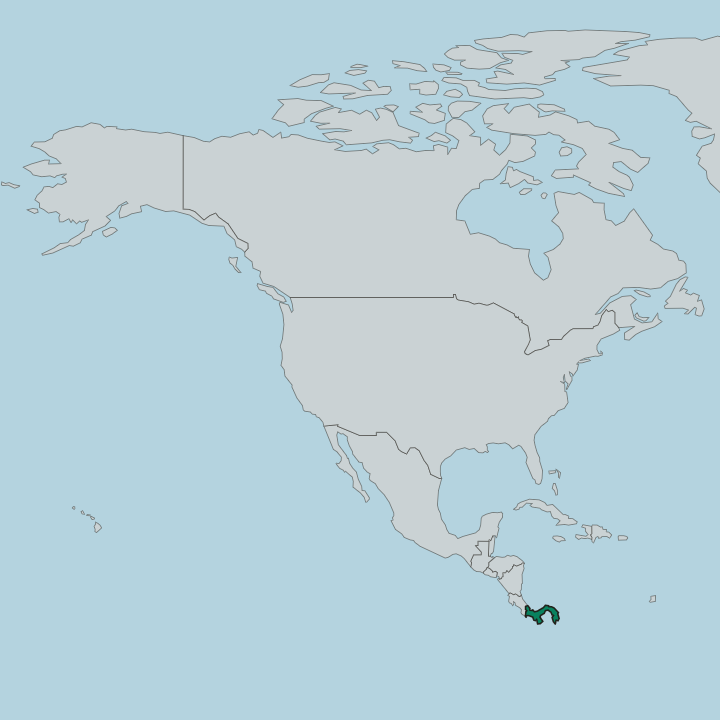
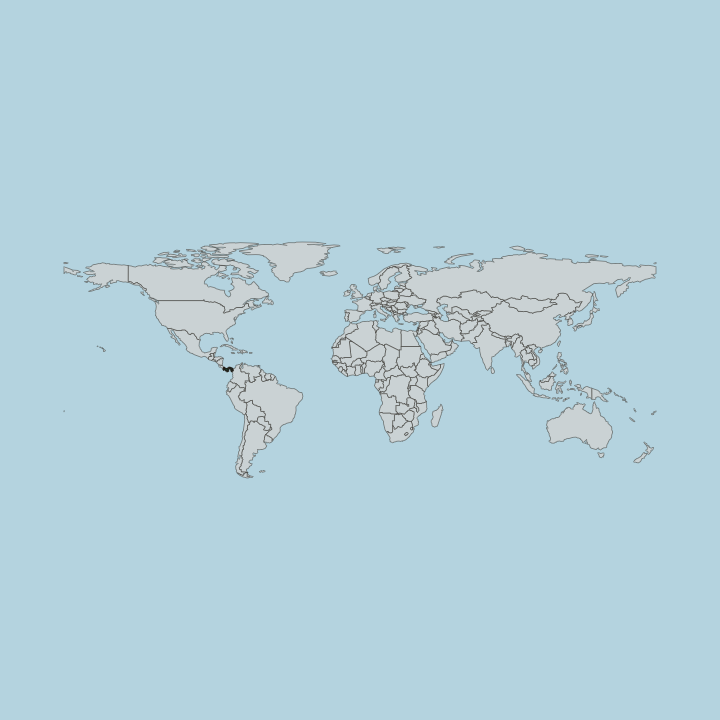
Colón lies on the Caribbean coast of Panama, at the Atlantic end of the canal. The city stands on a low flat island in the bay where the canal reaches the sea, hot and wet, with the great locks and lakes of the canal behind it and green forested hills rising across the water. Warm sea opens to the north.
The forest walls the isthmus.
What is the climate of Colón?
Colón lies in the soaking, hot tropics. Warm damp weather holds all year on the coast, with very heavy rain through much of the year, among the wettest in the land, and steaming heat the year round. Rain pours down the year round.
The heat hangs wet and heavy.
How do you get to Colón?
Colón lies on the Caribbean coast, at the Atlantic end of the Panama Canal. Roads and rail run to it across the isthmus from Panama City, and ships come in from the sea to the port. Ships pass through the locks.
Panama City lies south over the isthmus.
Common questions
What is the best area to stay in Colón?
The town centre: Visitors here for the old town and market. The canal and locks: Stays wanting the Gatún locks and forts.
Good for
Updated October 2026