Peru · Departamento de Moquegua
Where to Stay in Ilo, Departamento de Moquegua
Ilo is a port first. The city administers Ilo Province from the coast of southern Peru, ranking second in the Moquegua Region.
Hotel links are affiliate links: booking through them may earn us a commission, at no extra cost to you. It never affects how places are ranked. How this works


Where to stay in Ilo
How the choice of base plays out on the ground.
Rooms in Ilo divide between the harbour front and the older streets around the iglesia de San Jerónimo de Ilo, and the difference is mostly one of noise and of what stands outside the door. The port never fully stops. Staying near it puts the working quay and the early traffic within earshot, which suits anyone whose reason for being in Ilo is the harbour itself.
The church side trades that for quiet. Museo Chiribaya gives the third option a reason. Beds within reach of it suit a stop built around the collection rather than around the water, and the museum sets the pace of that kind of visit.
The Chiribaya material is what the town puts on show, and the walk from those streets to the quay is not a long one. Estadio Mariscal Nieto pulls its own nights. You want the harbour front if the port is the point, the church streets if it is not, and somewhere between the two if Ilo Province and the wider Moquegua Region are on the itinerary as well.
Distances inside the town stay short.
Find hotels in Ilo
Direct booking searches for these neighbourhoods.
Ilo harbour front
The working harbour is the reason most people stop in Ilo, and rooms on this side put the quay and its early traffic directly outside.Find hotels in Ilo harbour frontQuieter streets around the iglesia de San Jerónimo de IloAround the iglesia de San Jerónimo de Ilo
The parish church marks the colonial layer of Ilo, and the streets around it stay back from the harbour noise while keeping the walk to it short.Find hotels in Around the iglesia de San Jerónimo de IloStops built around the Chiribaya collectionNear Museo Chiribaya
Museo Chiribaya holds the Chiribaya record kept in the town, and beds within reach of it suit a visit that starts at the display cases rather than the water.Find hotels in Near Museo ChiribayaMatch nights at Estadio Mariscal NietoEstadio Mariscal Nieto side
Estadio Mariscal Nieto gathers Ilo's crowd on match days, and rooms on that side avoid the harbour traffic entirely.Find hotels in Estadio Mariscal Nieto sideHotel links are affiliate links: booking through them may earn us a commission, at no extra cost to you. It never affects how places are ranked. How this works
About Ilo
Cargo and archaeology sit side by side in Ilo.
What is Ilo known for?
The Museo Chiribaya gives the Chiribaya record a home in the town, while the iglesia de San Jerónimo de Ilo carries the older, colonial layer of the same town. Football fills the Estadio Mariscal Nieto. Everything else in Ilo runs back through the water.
What are the main landmarks in Ilo?
Three named sites, and one of them is a museum. Museo Chiribaya holds the archaeological side, while the iglesia de San Jerónimo de Ilo represents the colonial one and carries the parish dedication. Estadio Mariscal Nieto covers the rest.
Ilo keeps a short list, and the harbour rather than any monument is what most arrivals notice first.
What is the history of Ilo?
The Chiribaya name comes first. Museo Chiribaya carries it, and the collection is the reason the coast around Ilo reads as occupied ground long before any colonial parish was drawn on it. No charter year attaches to Ilo in the record.
The parish came with the Spanish period. The iglesia de San Jerónimo de Ilo fixes that dedication in stone, and its presence is the clearest surviving mark of the colonial layer in the town. Then the port took over.
Ilo grew into the shipping point for its part of the coast, and the harbour is what separates it from the inland towns of the Moquegua Region in both work and layout. Administration followed the traffic. The town became capital of Ilo Province and the second city of the Moquegua Region, which put provincial offices beside the shipping business rather than in a separate quarter.
Estadio Mariscal Nieto arrived with the crowd that a working port gathers. Those three named buildings, Museo Chiribaya, the iglesia de San Jerónimo de Ilo and Estadio Mariscal Nieto, carry most of what the town keeps on its own historical record. Departamento de Moquegua still frames all of it.
Where is Ilo?
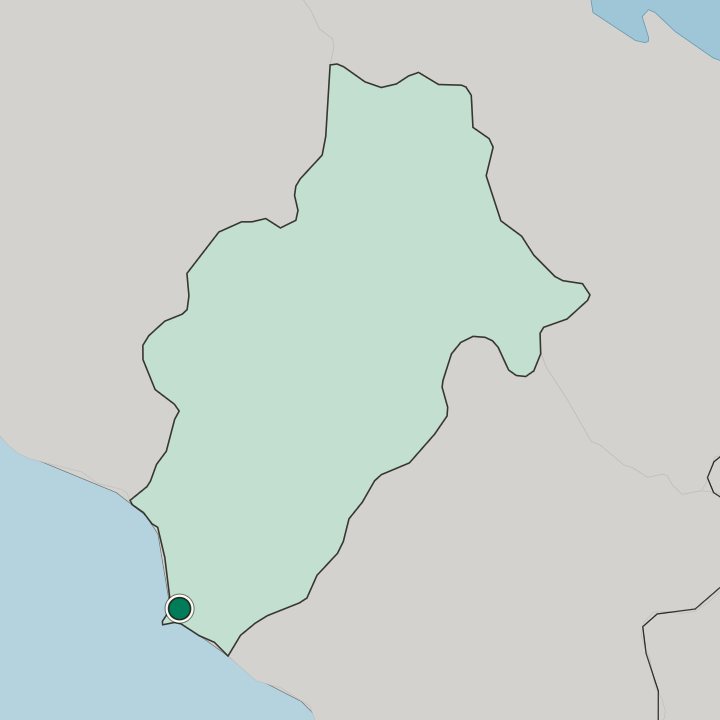
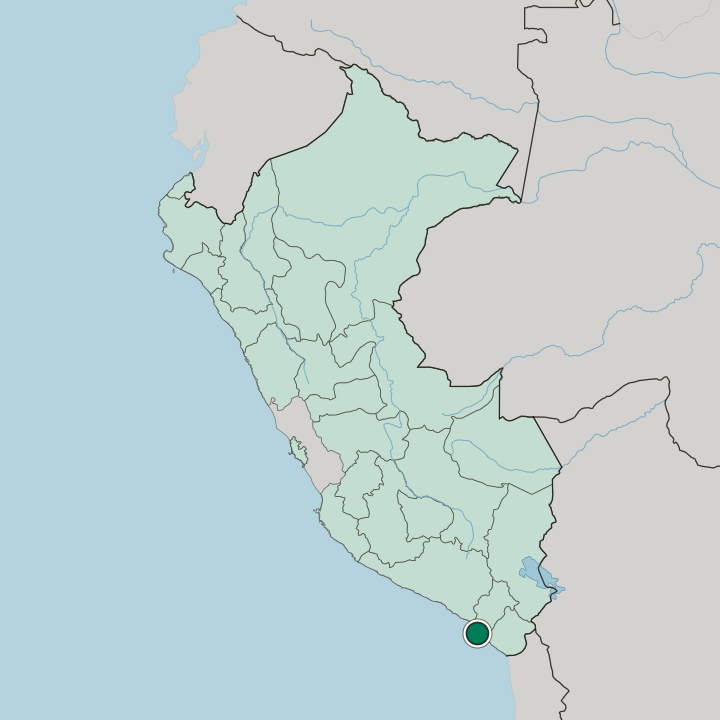
Ilo's whole frontage is open sea. The city occupies the coastal end of Ilo Province, a district of close to three hundred square kilometres that reaches the sea at the harbour. The port fixes the plan.
Streets run to the waterfront, the iglesia de San Jerónimo de Ilo stands back from it, and the rest of the Moquegua Region lies inland from the harbour that gives the town its purpose.
What is the climate of Ilo?
Water off Ilo keeps the swings small. The town lies in the tropical belt, yet its weather answers to the sea rather than to the interior of the Moquegua Region, so the daily range stays narrower on the quay than it does inland. Seasons are a mild affair.
What changes most across the year is the sea air over Ilo Province, not the thermometer.
How do you get to Ilo?
Approaches follow the coast. Ilo lies at the seaward end of its province, so the run in tracks the shoreline rather than crossing the interior of the Moquegua Region, and the harbour resolves before the streets do. Ships use the port directly.
Once here, the walk from Estadio Mariscal Nieto to the iglesia de San Jerónimo de Ilo covers most of what the town names, and Ilo Province spreads back from that same shore.
Common questions
What is the best area to stay in Ilo?
Ilo harbour front: Nights kept within earshot of the Ilo quay. Around the iglesia de San Jerónimo de Ilo: Quieter streets around the iglesia de San Jerónimo de Ilo. Near Museo Chiribaya: Stops built around the Chiribaya collection. Estadio Mariscal Nieto side: Match nights at Estadio Mariscal Nieto.
Another city in Departamento de Moquegua
Updated September 2026