Peru: Regions, Cities & Travel Guide
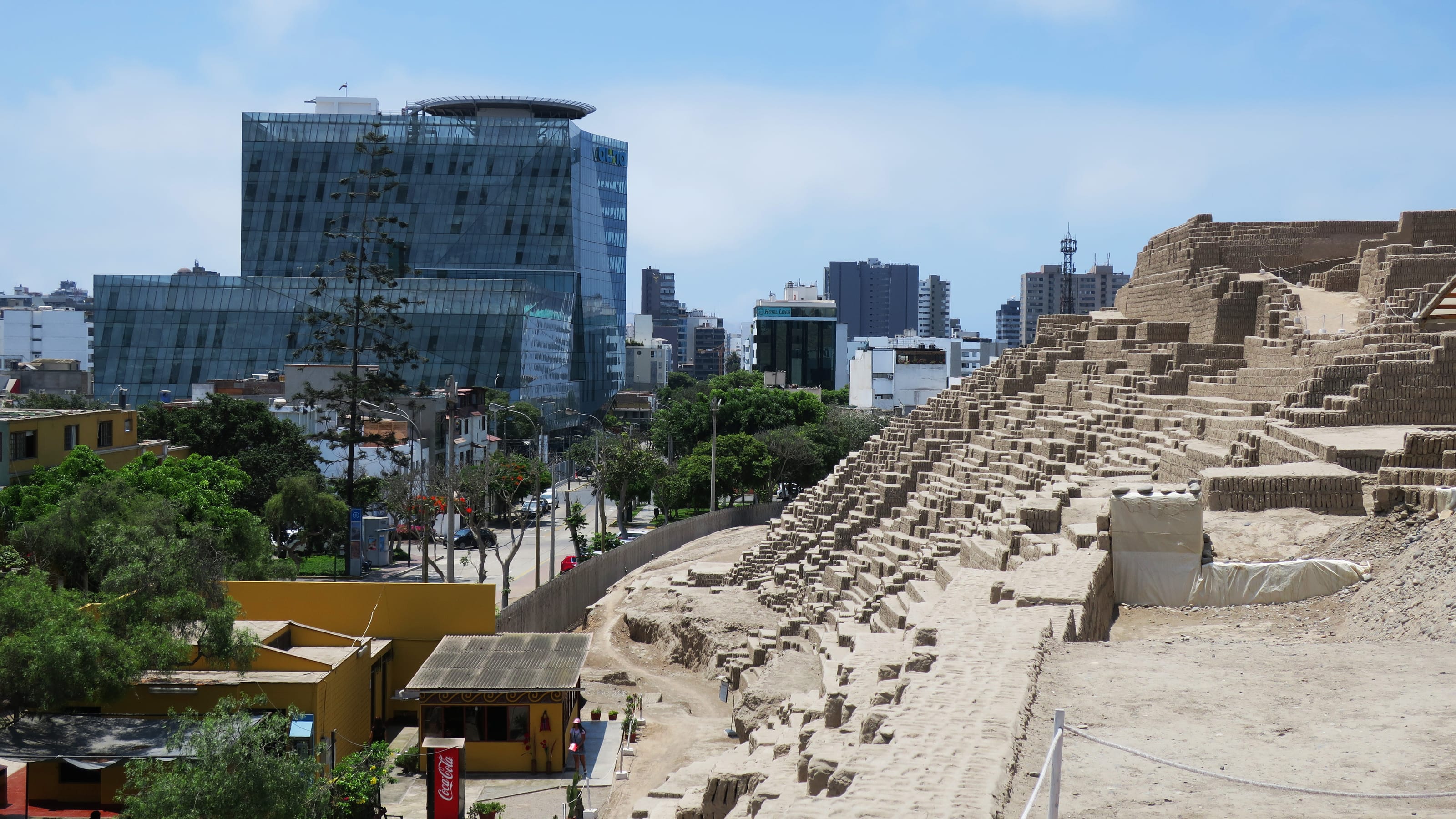
Peru reaches from a Pacific desert coast across the Andes to the Amazon rainforest, cradle of the Inca world and setting of Machu Picchu.
Hotel links are affiliate links: booking through them may earn us a commission, at no extra cost to you. It never affects how places are ranked. How this works


Top destinations in Peru
Cities to start from, then drill into areas and hotels.
 Peru
Peru
Lima
Lima spreads along Peru's desert coast above the Pacific, the national capital founded in 1535, its colonial core crowned by the Cathedral of Lima.Where to stay →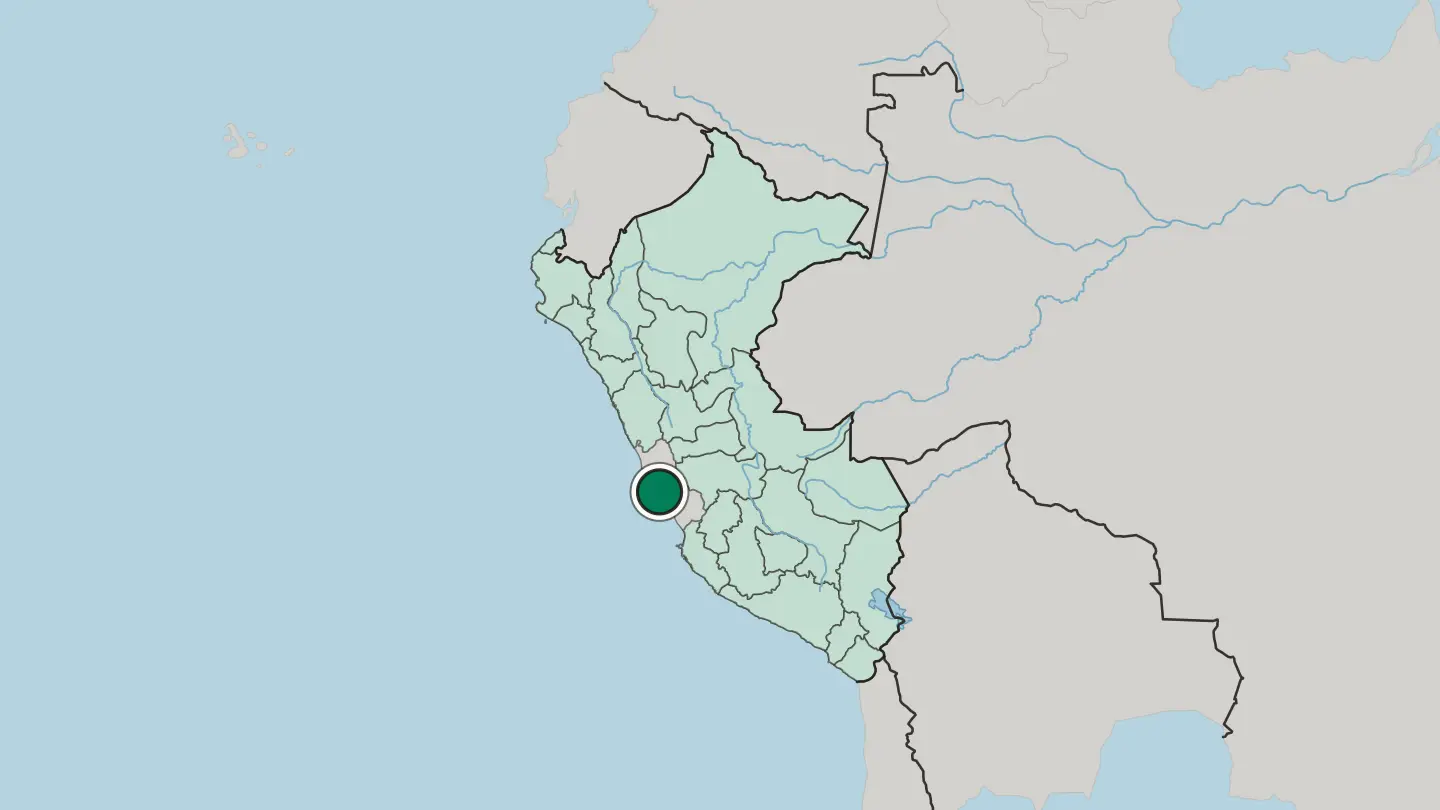
 Peru
Peru
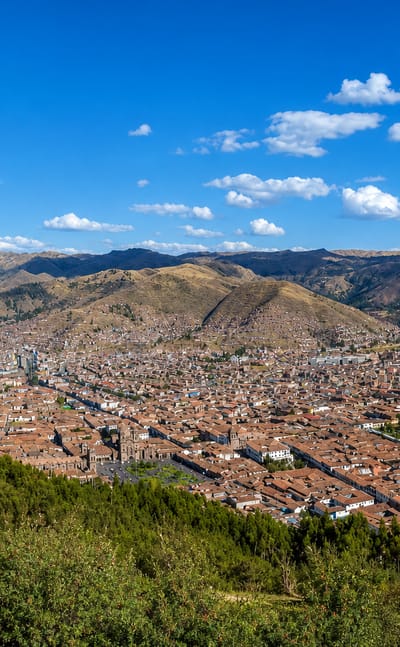
Cusco
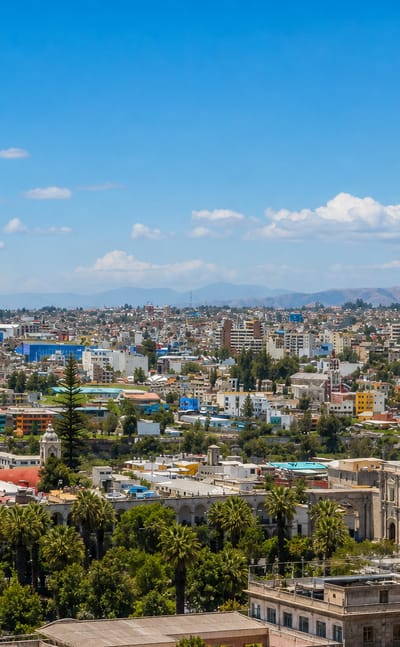
Cut stone walls climb the hills of Cusco, a city in southeastern Peru and former Inca capital, known for Saqsaywaman and Coricancha.Where to stay →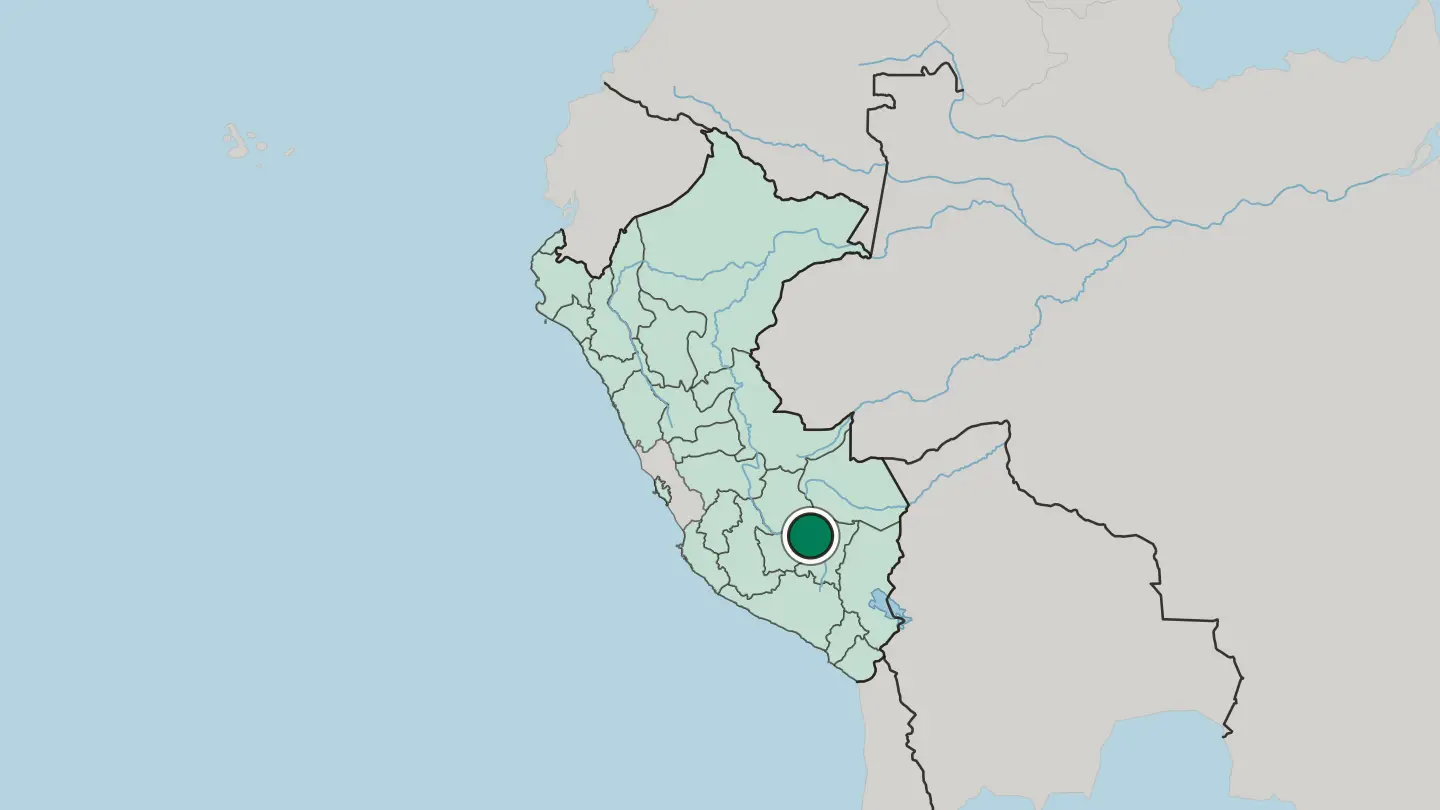
 Peru
Peru
Arequipa
Pale volcanic stone frames the plazas of Arequipa, a city below three volcanoes in the Department of Arequipa, Peru, known for Santa Catalina Monastery.Where to stay →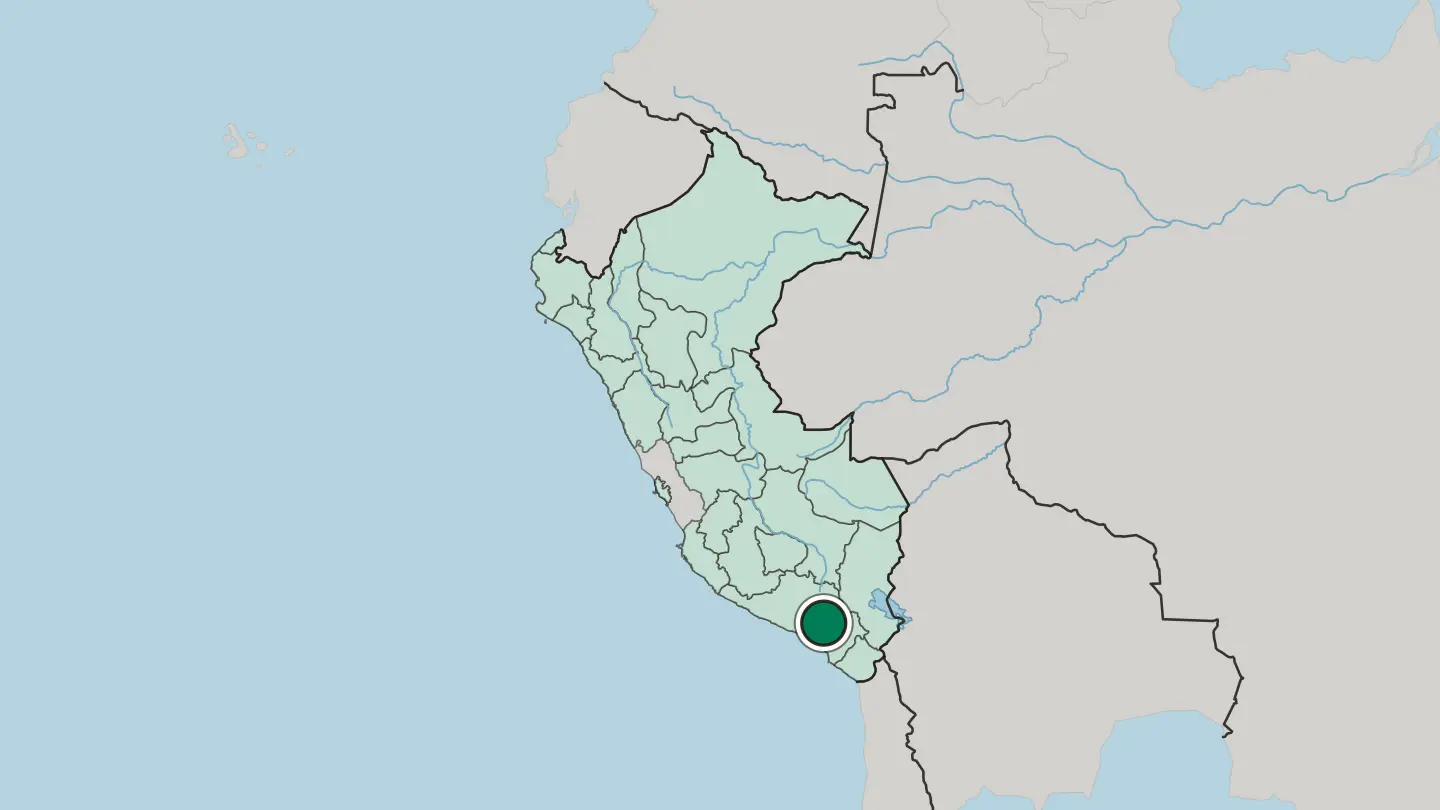
 Peru
Peru
Iquitos
Iquitos is a city of the Peruvian Amazon, the largest town on earth that no road can reach, set deep in the rainforest on the great river.Where to stay →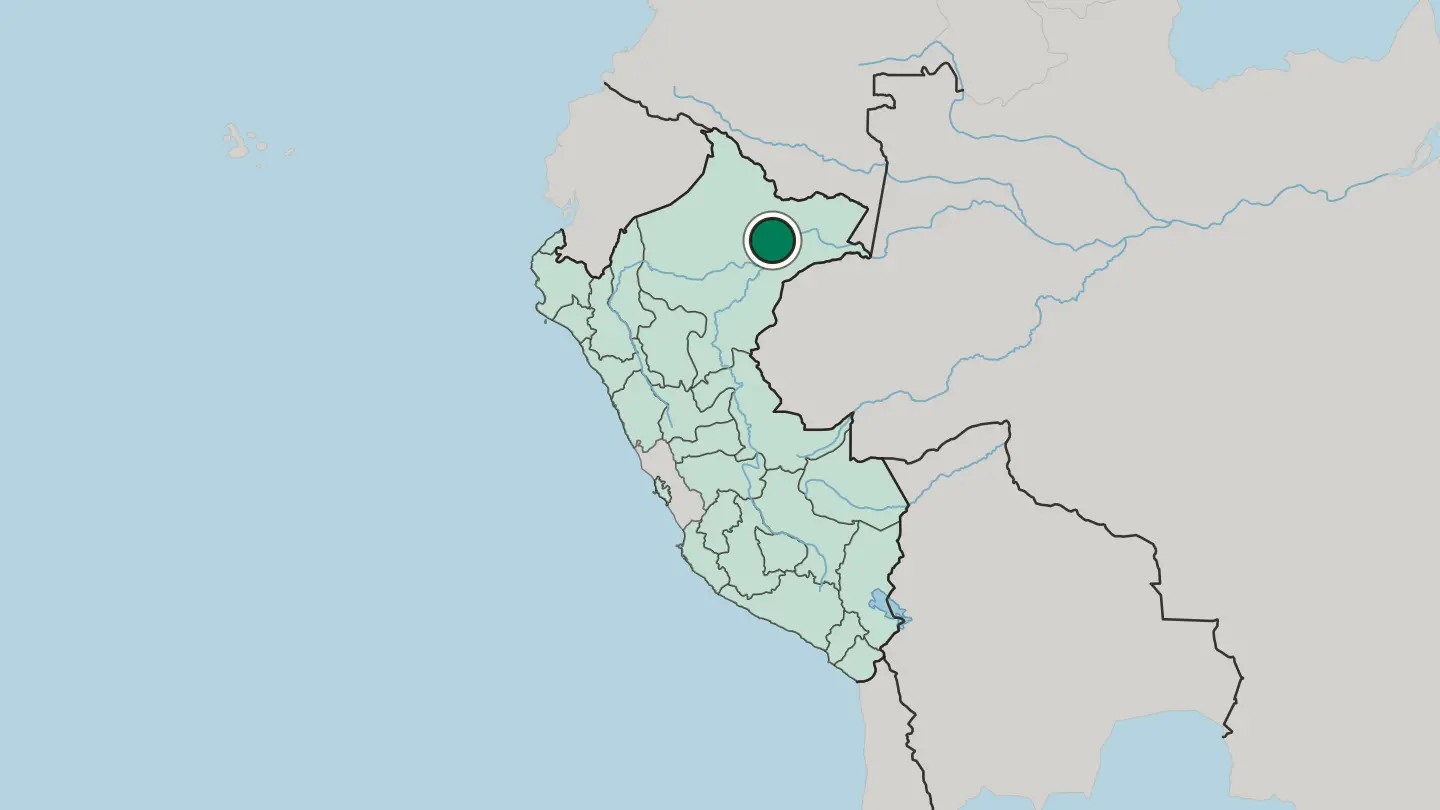
 Peru
Peru
Trujillo
Trujillo is a colonial city on the desert coast of northern Peru, near the great adobe ruins of Chan Chan.Where to stay →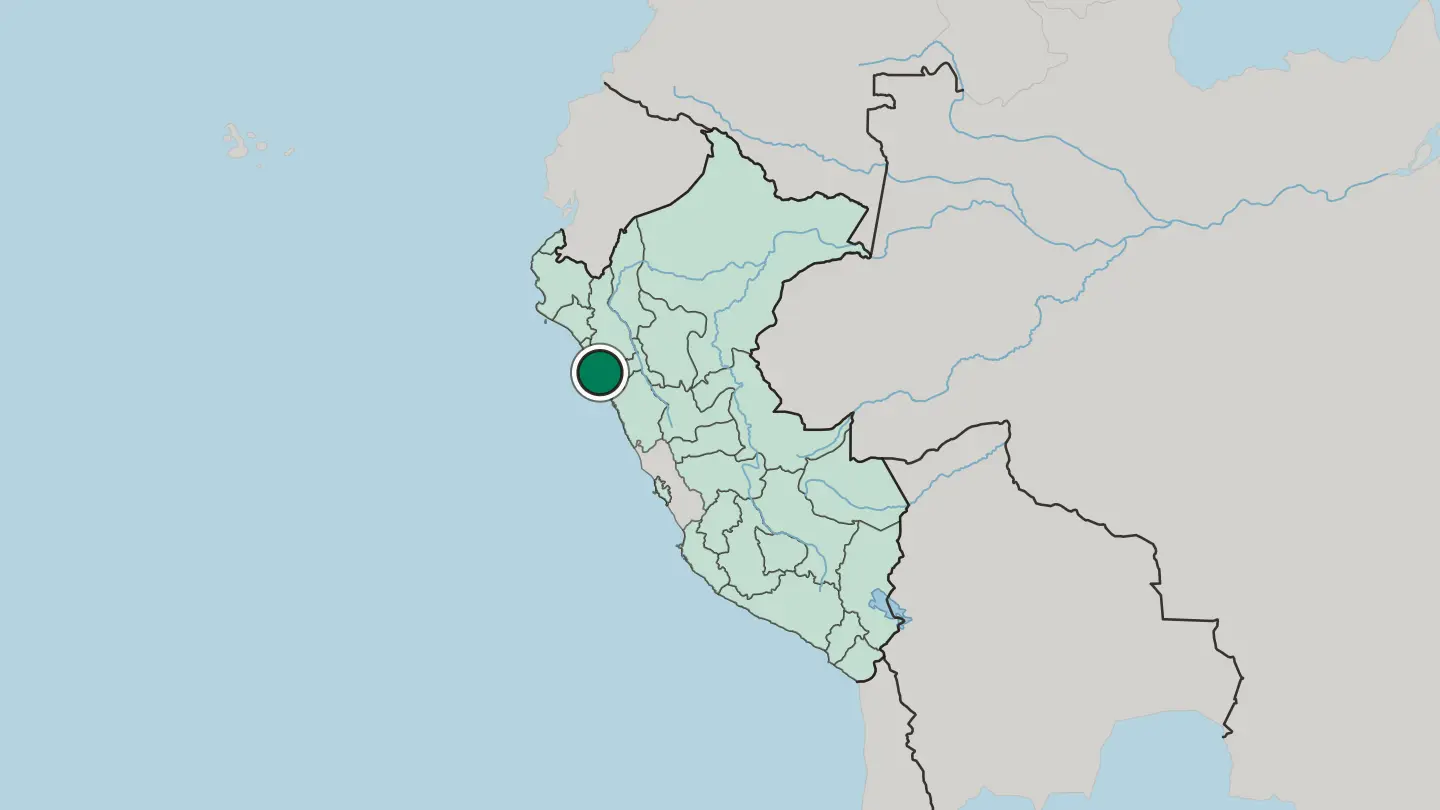
 Peru
Peru
Callao
Callao is the chief port of Peru, a historic harbour city on the Pacific beside Lima, guarded by a great Spanish fortress.Where to stay →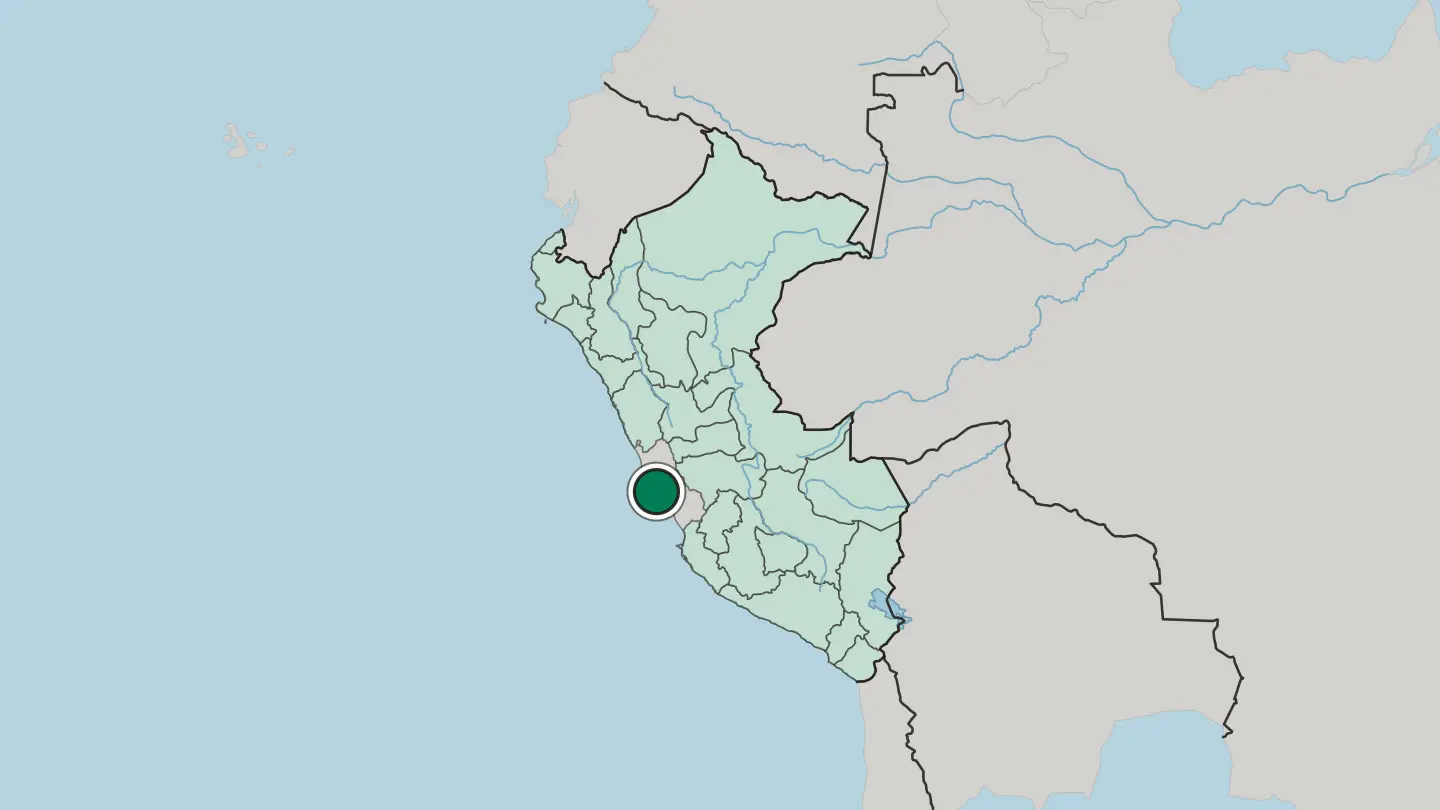
 Peru
Peru
Cajamarca
Cajamarca is a highland city of northern Peru, the place where the Spanish seized the last Inca emperor and brought down his empire.Where to stay →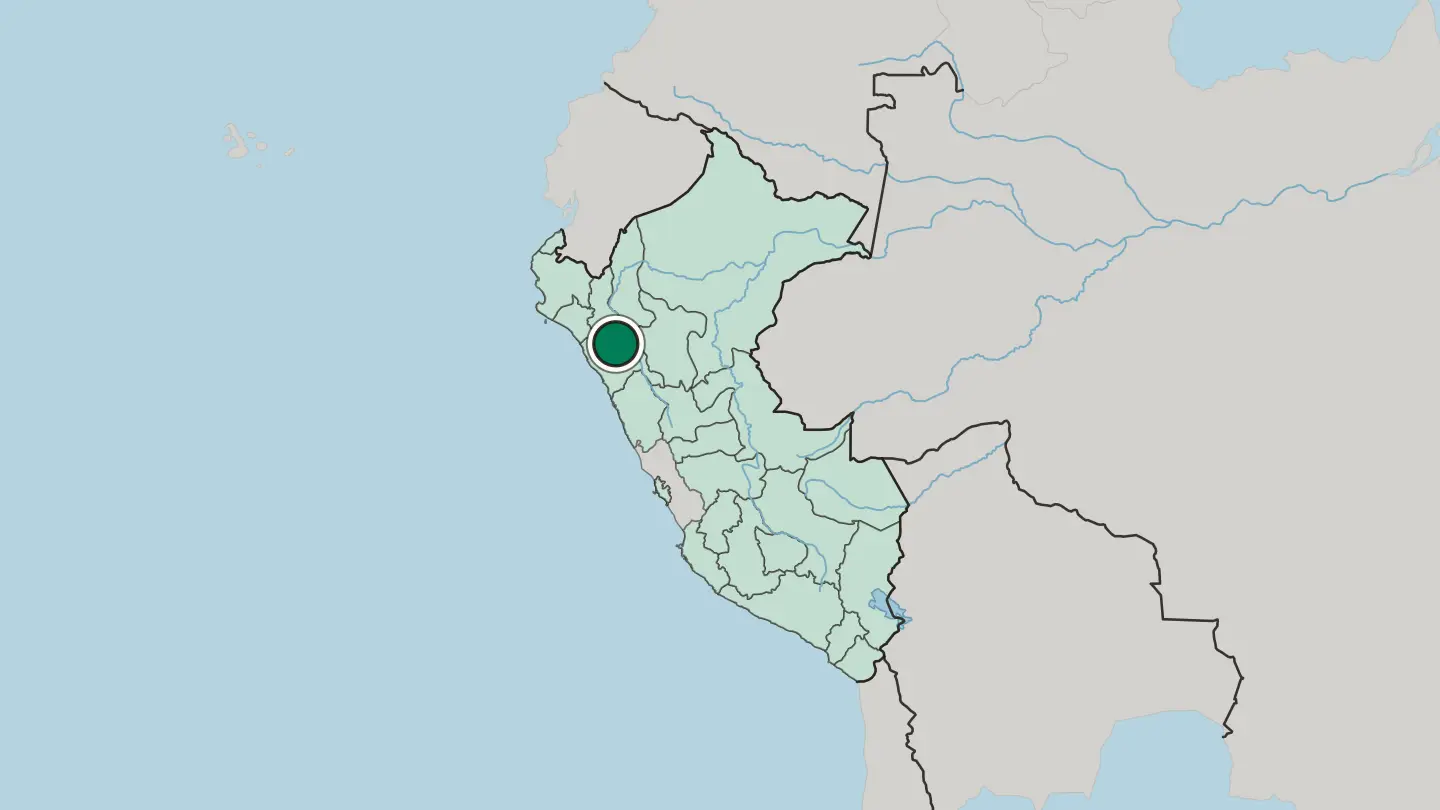
 Peru
Peru
Puno
Puno is a city of the Peruvian Altiplano on the shore of Lake Titicaca, the folklore capital of Peru high on the roof of the Andes.Where to stay →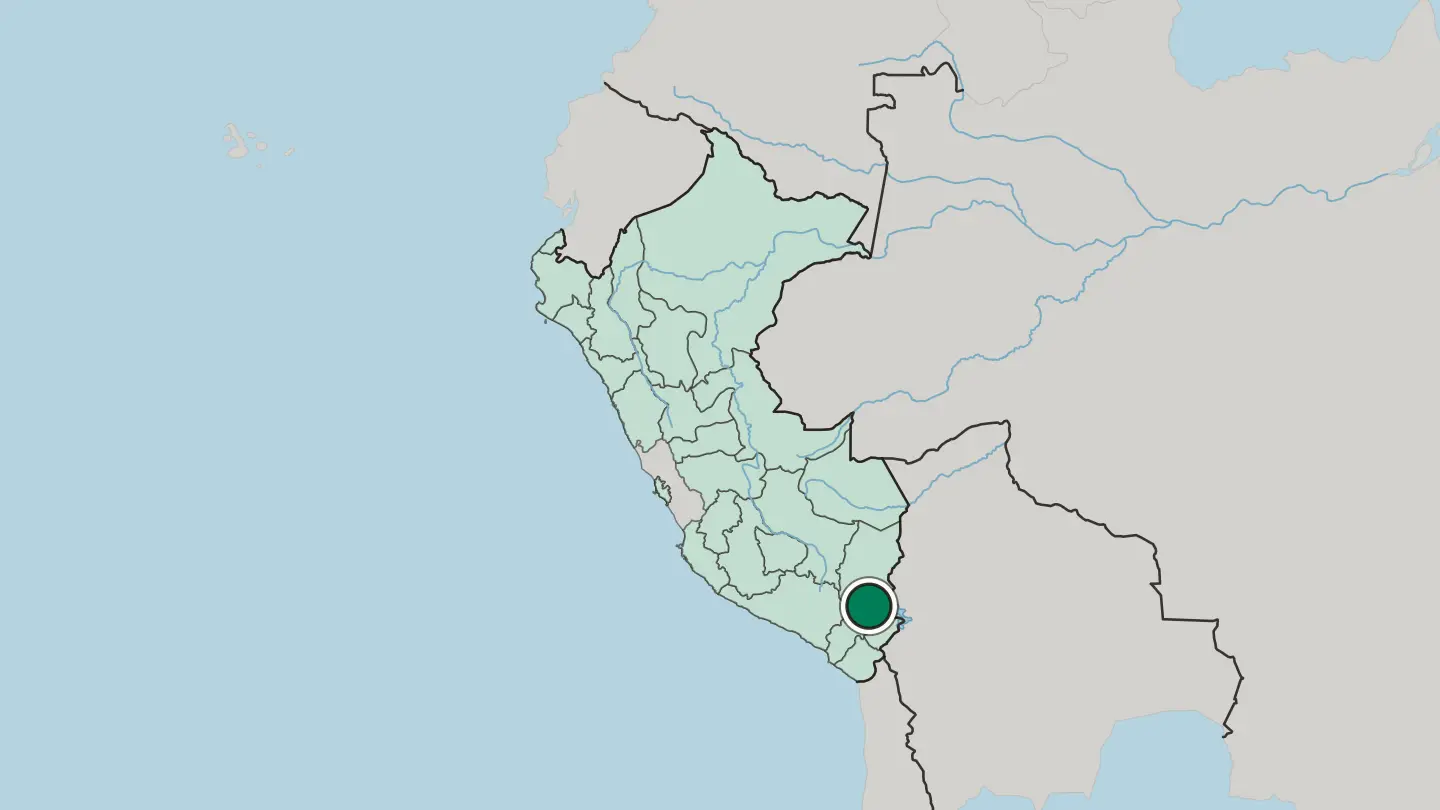
 Peru
Peru
Ayacucho
Ayacucho is a colonial city high in the southern Andes of Peru, famous for its many churches and its Holy Week.Where to stay →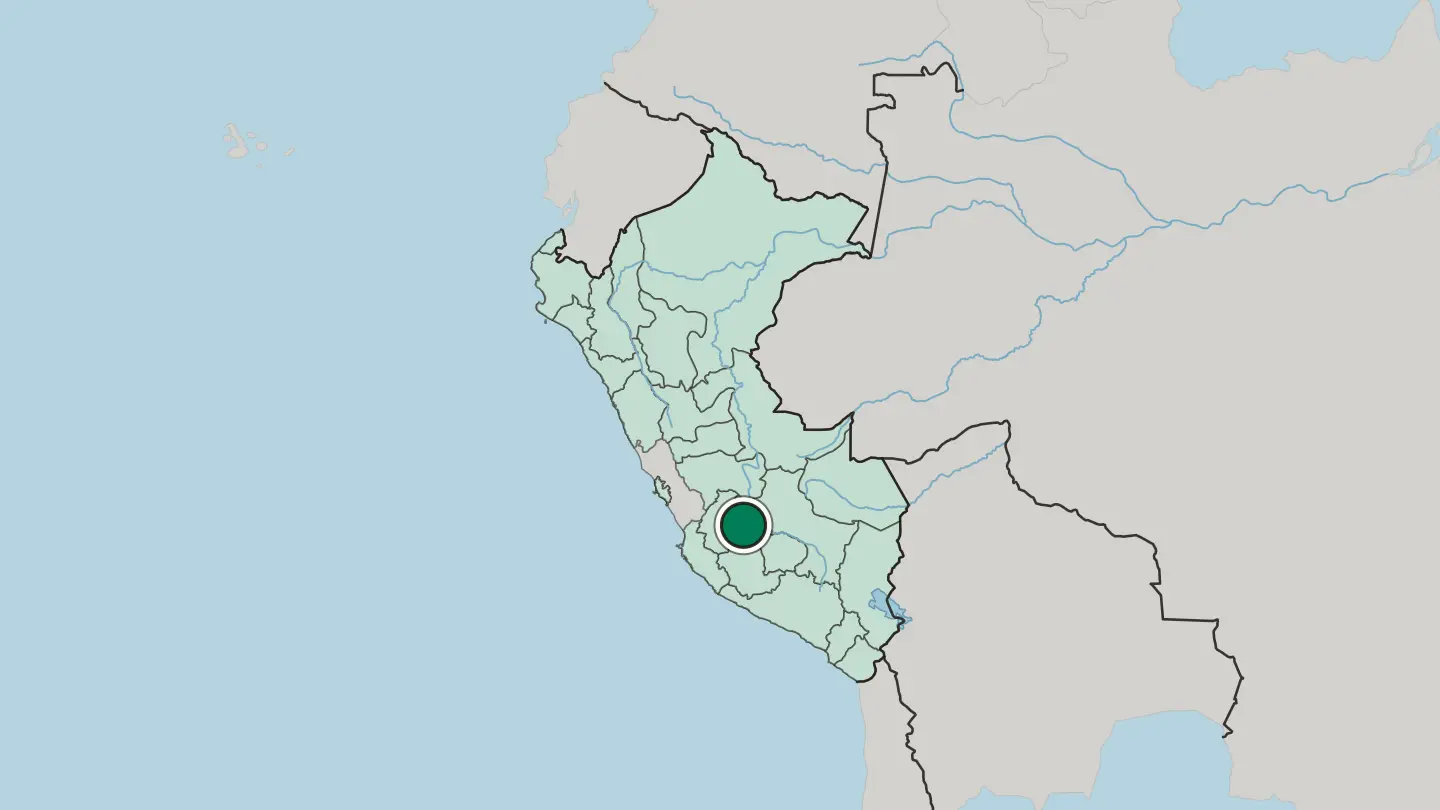
Hotel links are affiliate links: booking through them may earn us a commission, at no extra cost to you. It never affects how places are ranked. How this works
Regions of Peru
Peru
Departamento de Amazonas
Amazonas is northern Peru's cloud-forest department, where the Utcubamba carves past Kuélap and the Gocta waterfall drops from the mist.Towns & cities →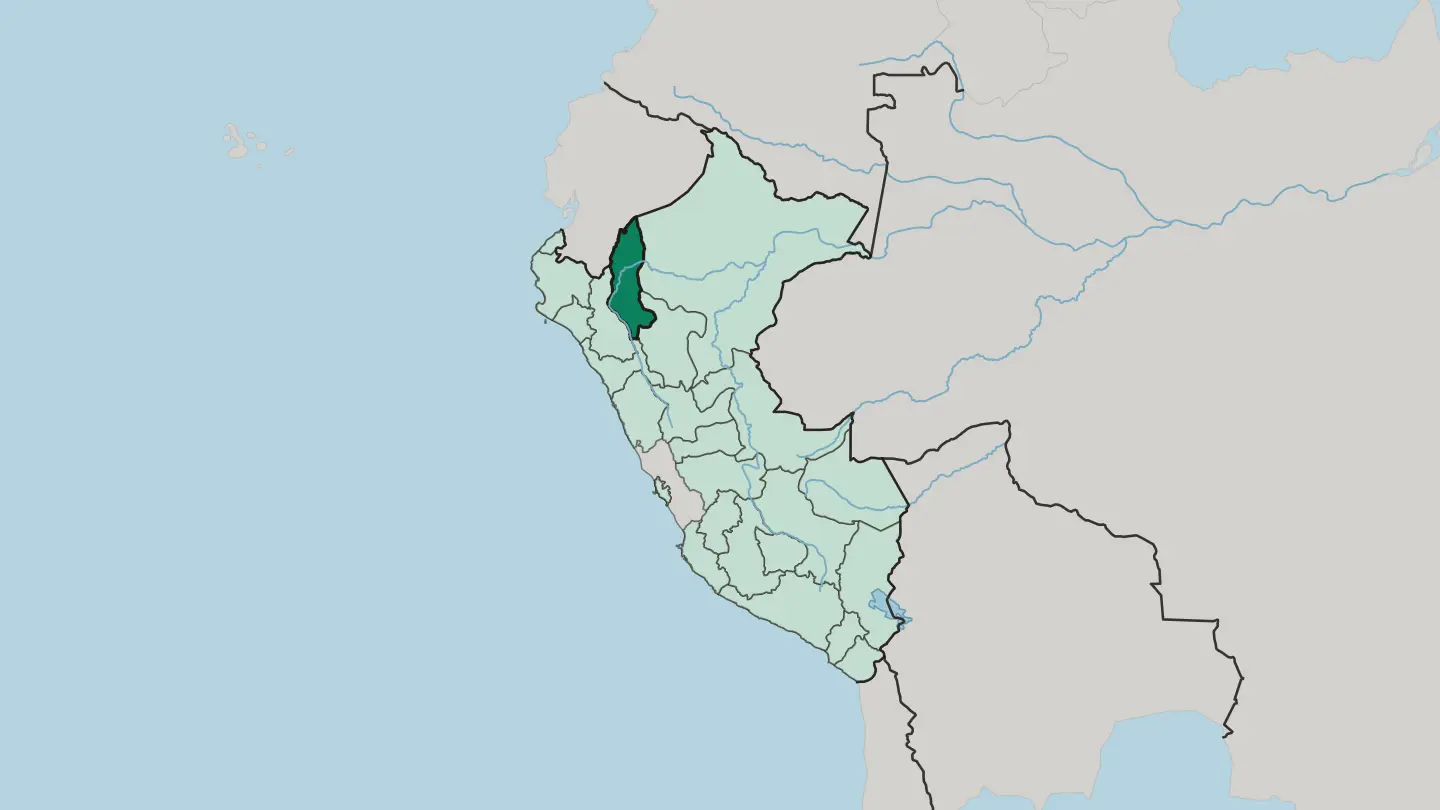
 Peru
Peru
Departamento de Ancash
Áncash is the Peruvian region of the Cordillera Blanca, where Huascarán and the Callejón de Huaylas draw trekkers north of Lima.Towns & cities →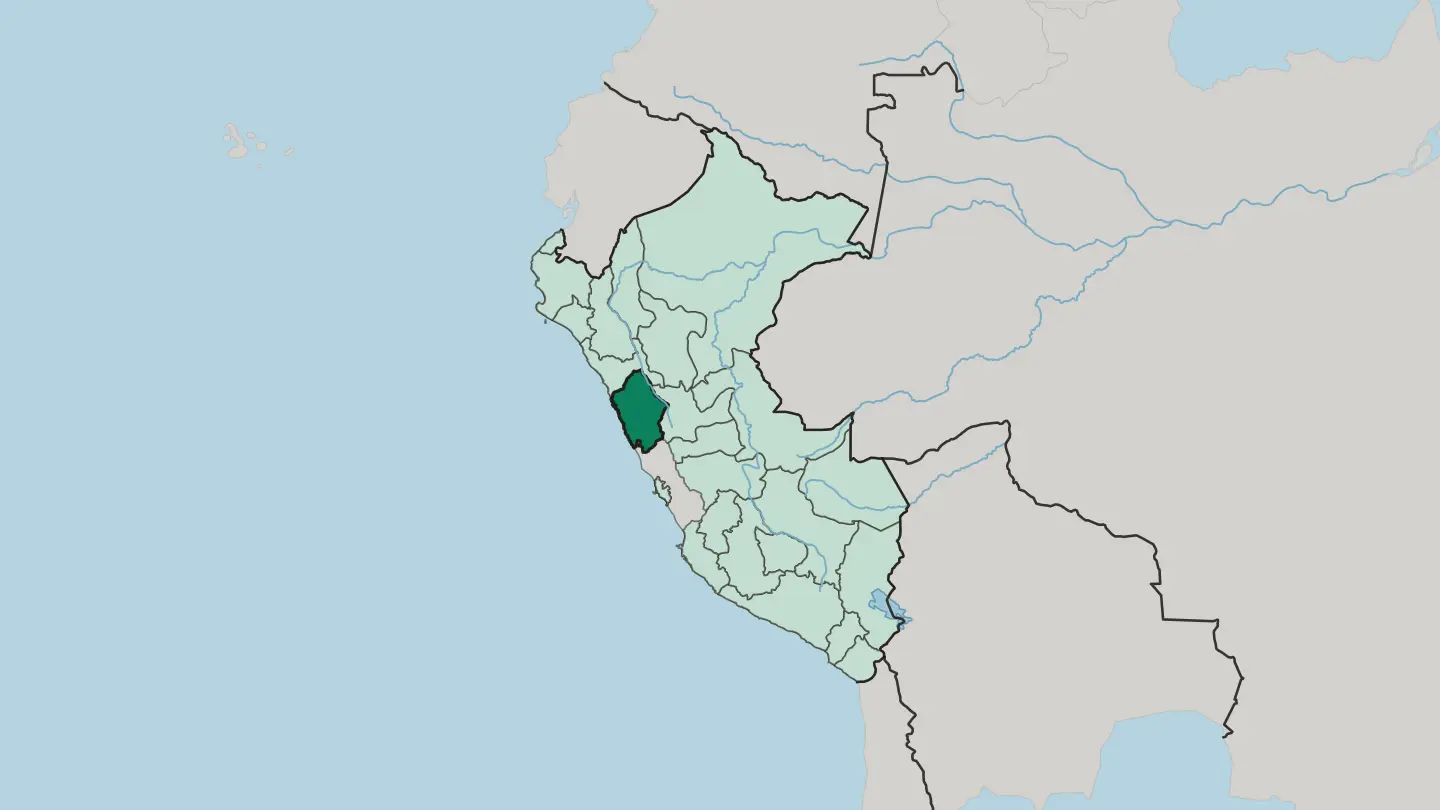
 Peru
Peru
Departamento de Apurímac
Apurímac is a rugged Andean region of southern Peru, named for the deep canyon river the Inca called the chief oracle.Towns & cities →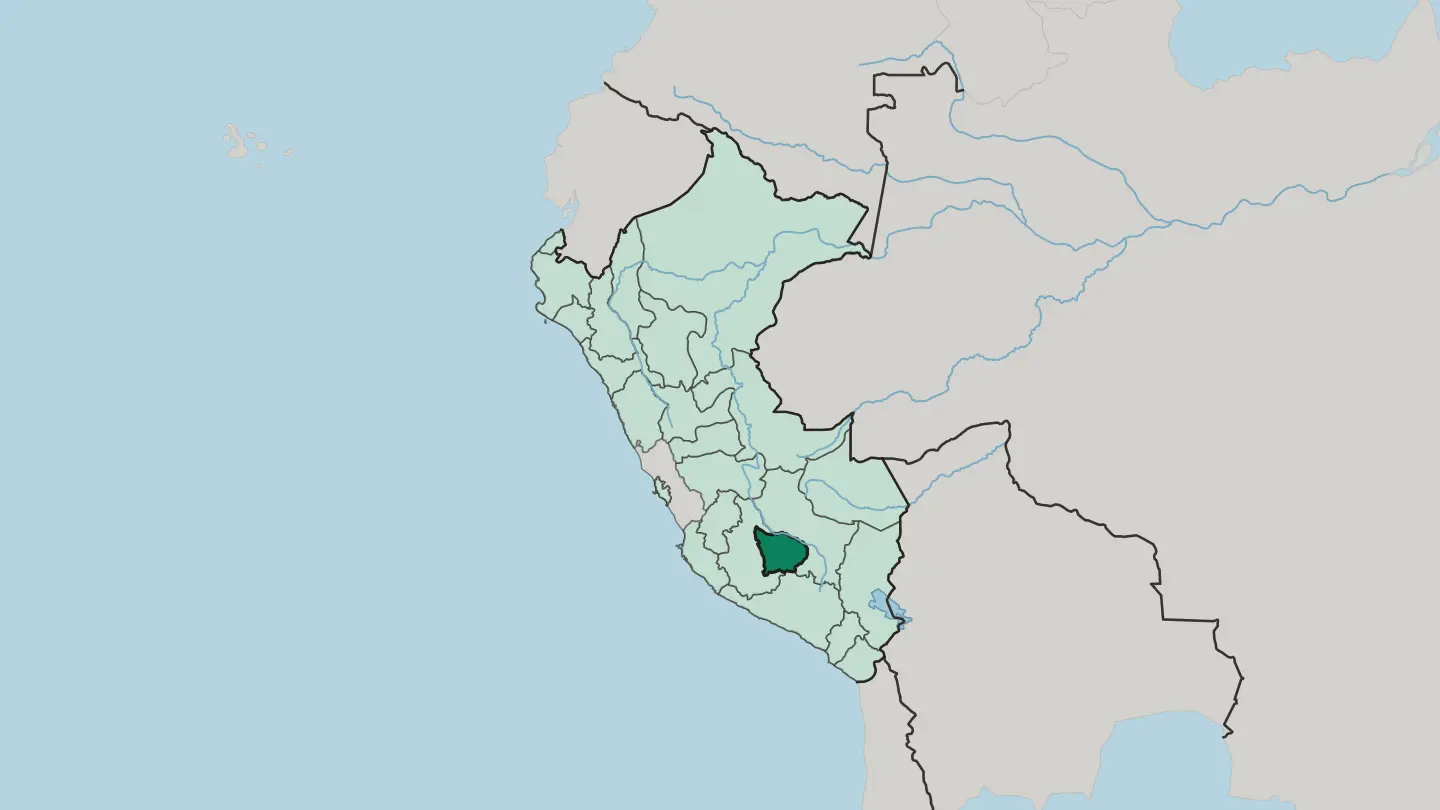 Peru
Peru
Departamento de Arequipa
Arequipa is a volcano-ringed region of southern Peru, where the White City sits beneath Misti and canyons cut toward the Pacific.Towns & cities →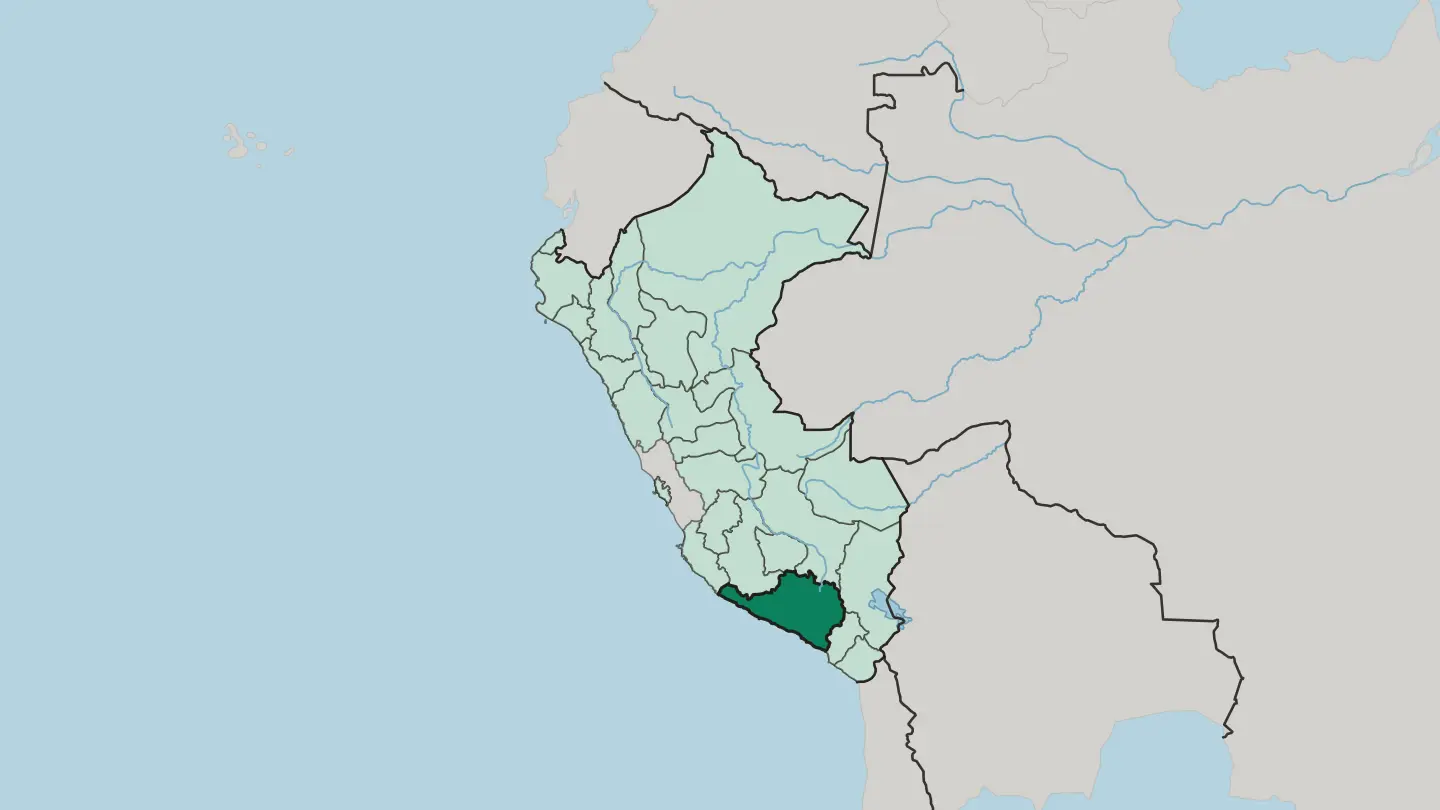 Peru
Peru
Departamento de Ayacucho
Ayacucho fills the south-central Andes of Peru, a region of colonial churches, Quechua craft towns and the battlefield that sealed its independence.Towns & cities →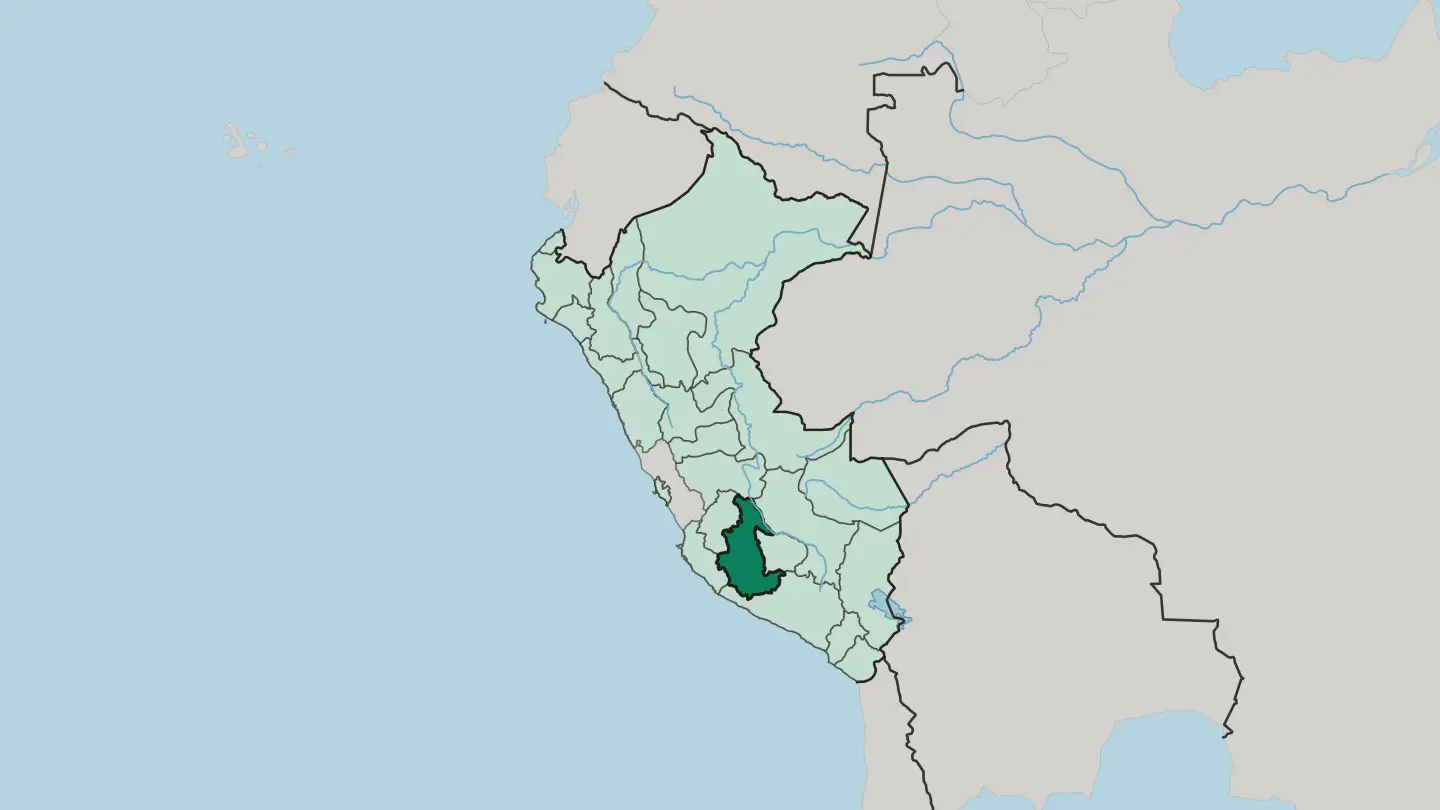 Peru
Peru
Departamento de Cajamarca
Cajamarca is a highland department of northern Peru, where Spanish conquistadors seized the Inca emperor Atahualpa in 1532.Towns & cities →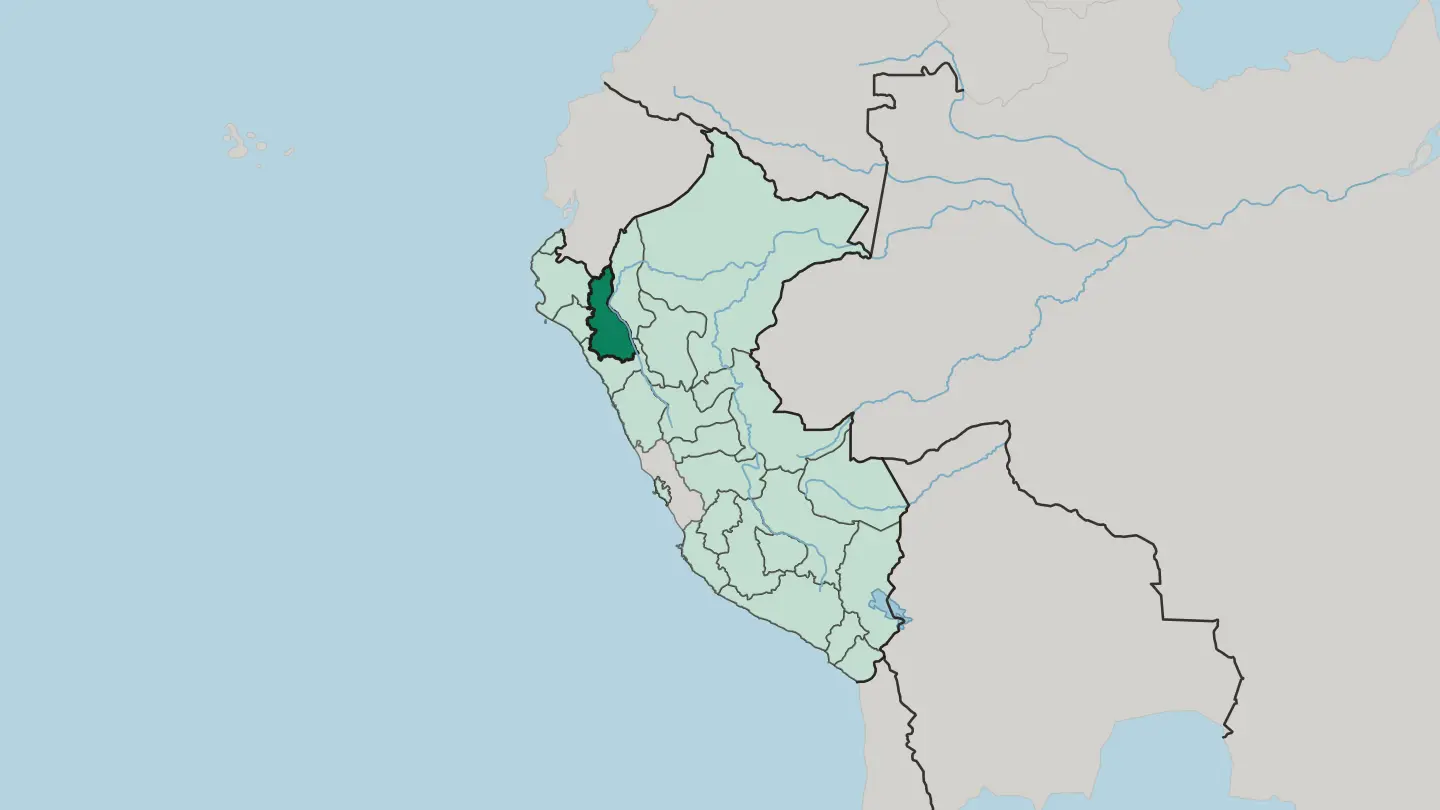 Peru
Peru
Departamento de Cusco
Departamento de Cusco holds the old Inca heartland of southeastern Peru, from the city of Cusco up to Machu Picchu.Towns & cities →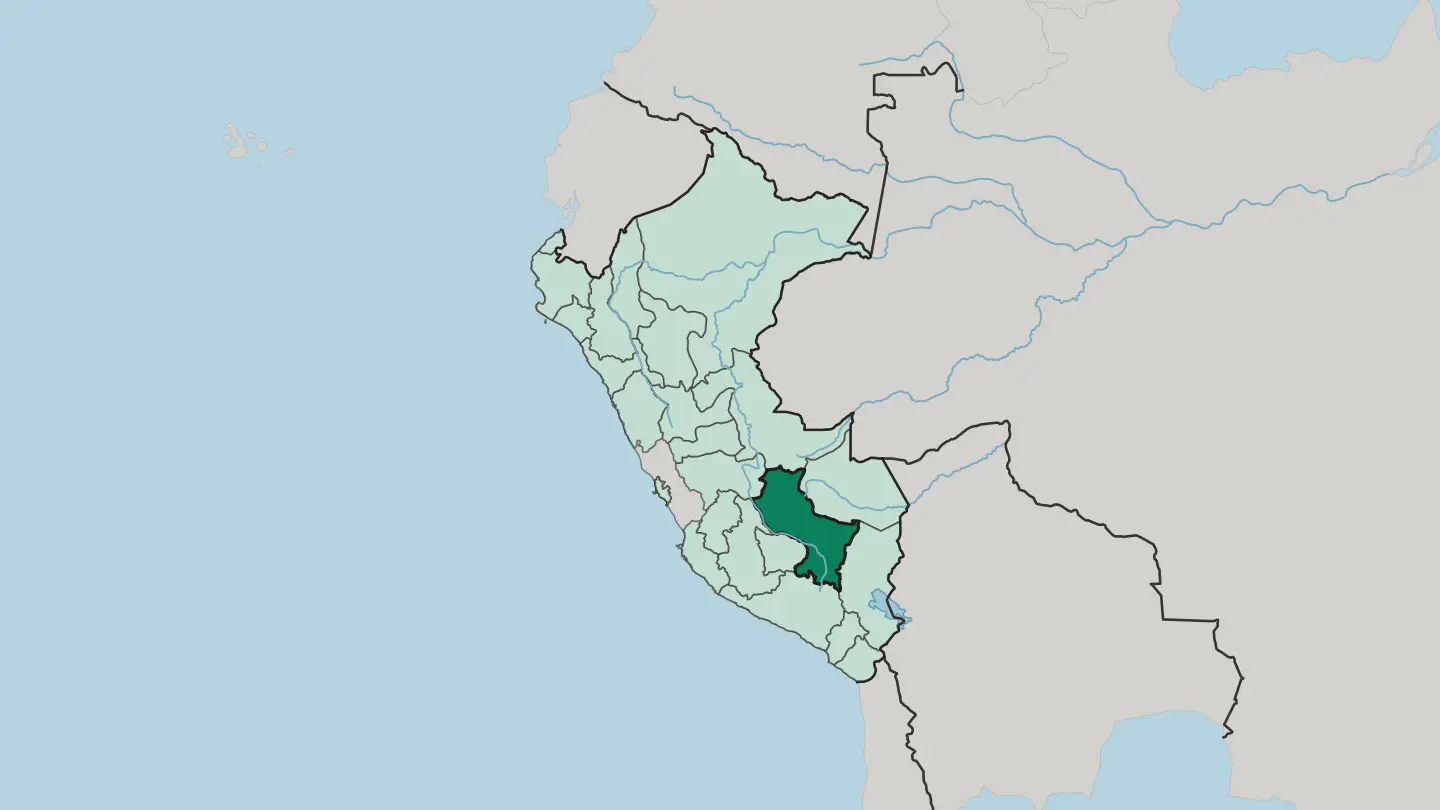 Peru
Peru
Departamento de Huancavelica
Huancavelica is a high Andean department of central Peru, a cold mercury-country of puna grassland above the Mantaro river.Towns & cities →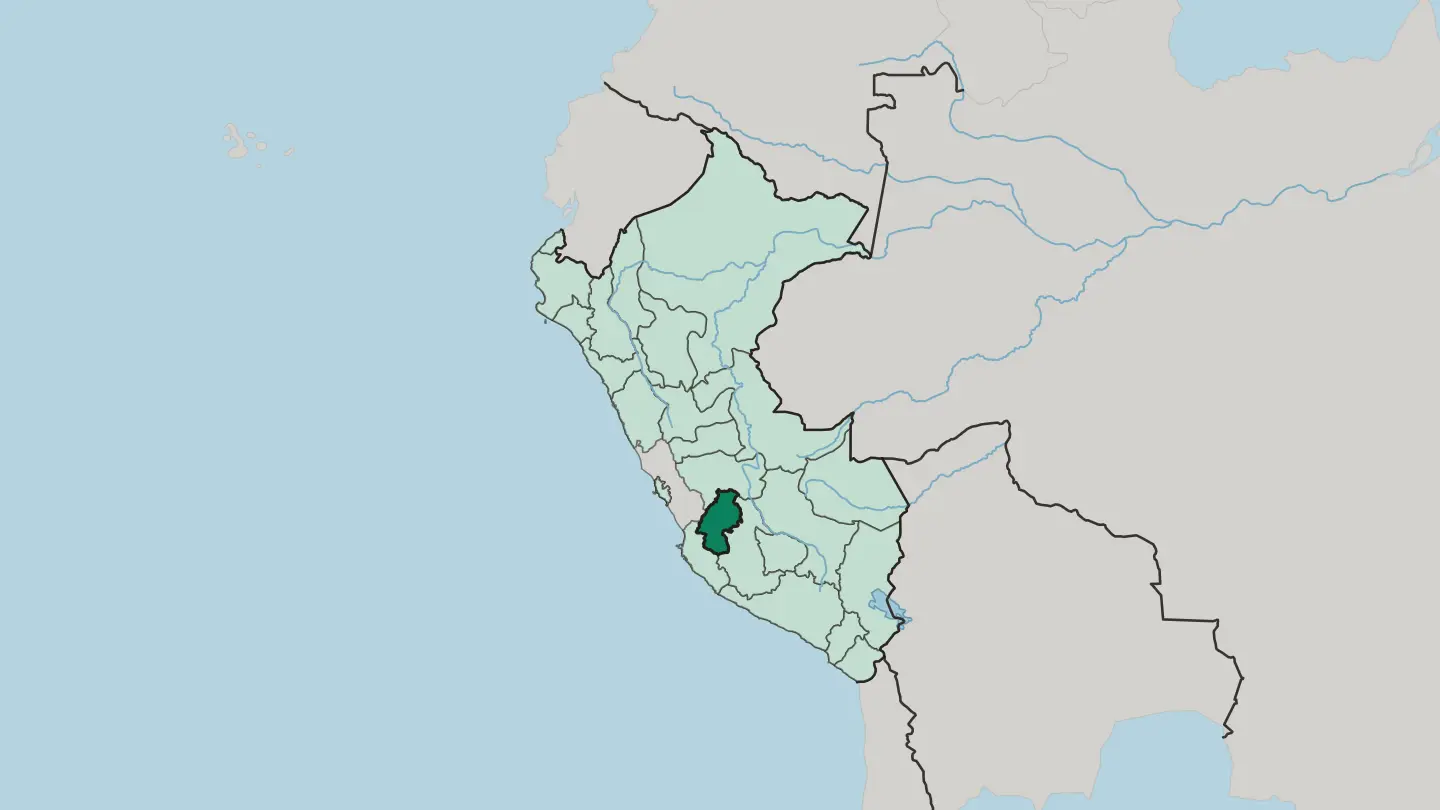
 Peru
Peru
Departamento de Huánuco
Departamento de Huánuco is a region of central Peru where the Andean sierra drops into high jungle along the Huallaga River.Towns & cities →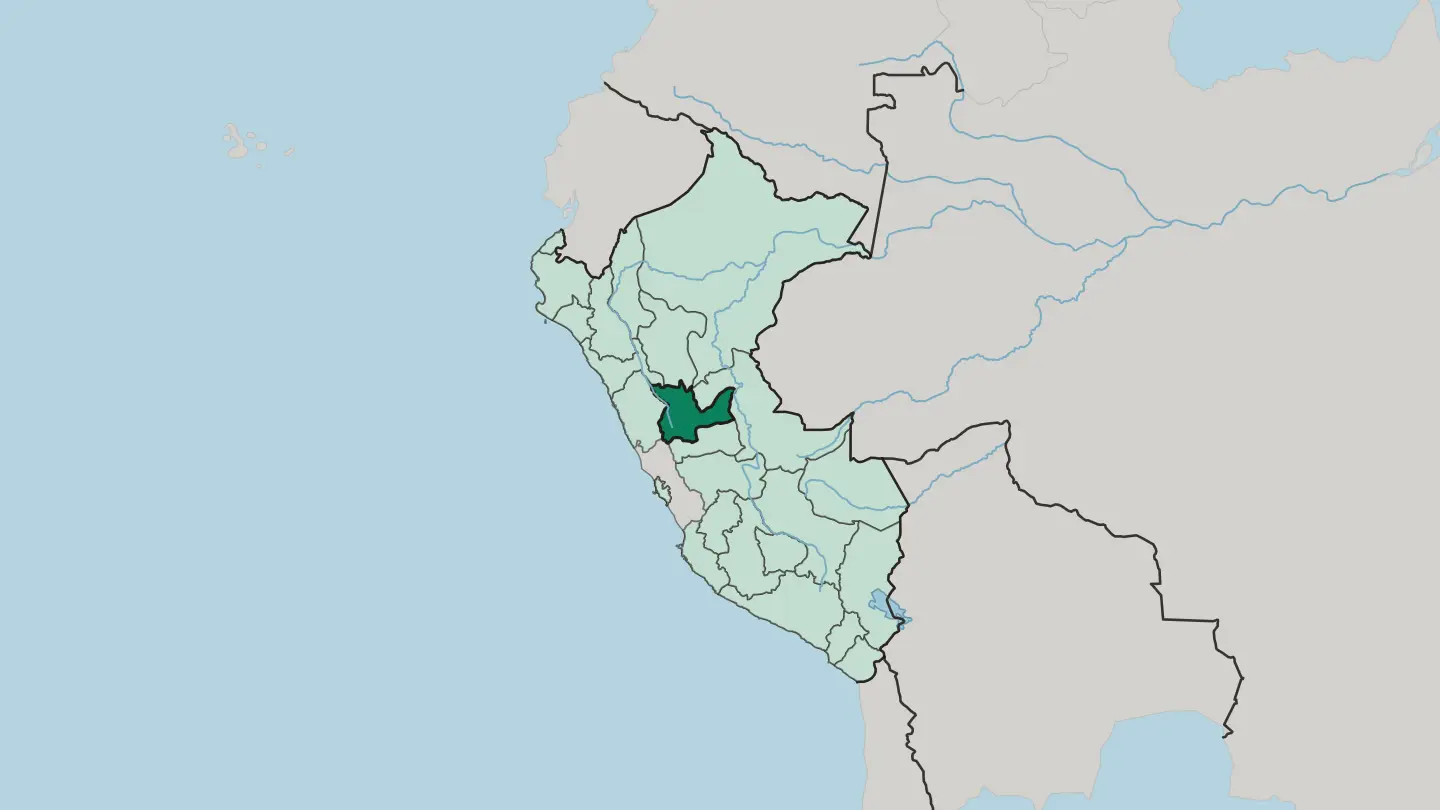
 Peru
Peru
Departamento de Ica
Ica is Peru's sun-baked desert coast, home to the Nazca Lines, the Huacachina oasis and the vineyards that make pisco.Towns & cities →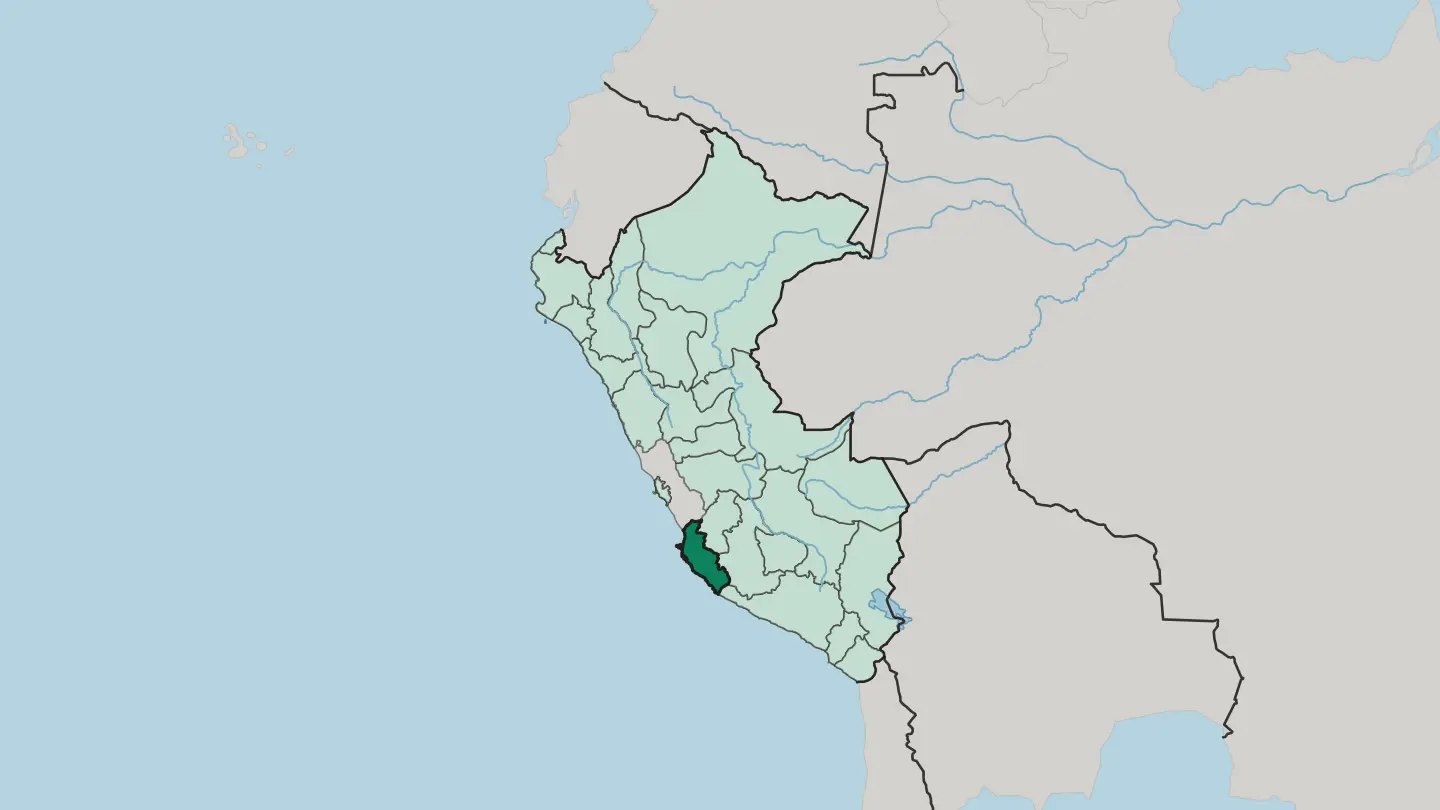
 Peru
Peru
Departamento de Junín
Junín is central Peru's two-worlds department: high Andean grassland around Huancayo, dropping east into Amazon coffee country.Towns & cities →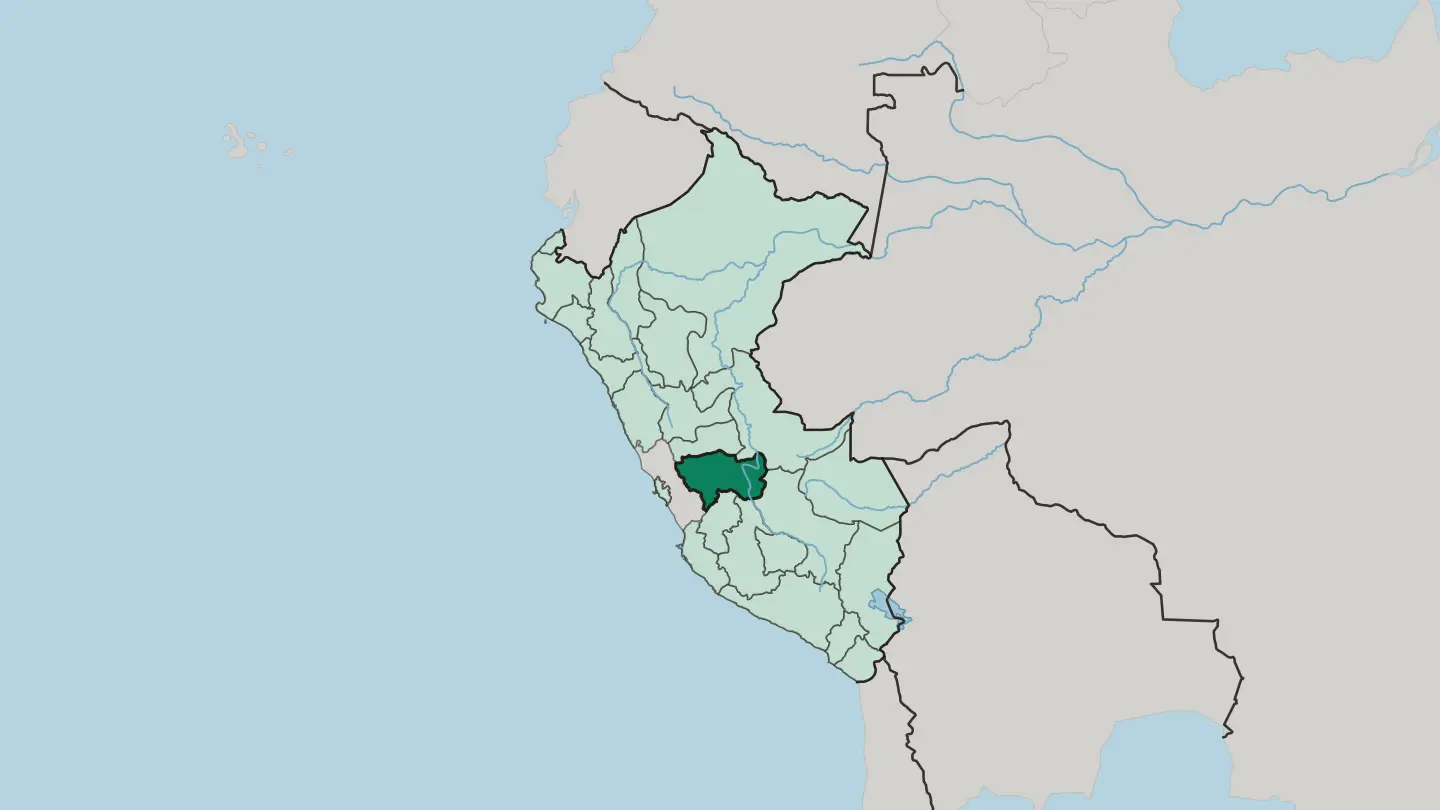 Peru
Peru
Departamento de La Libertad
La Libertad is a region of northern Peru spanning coast, Andes and Amazon rainforest, with Trujillo and the mud city of Chan Chan on its shore.Towns & cities →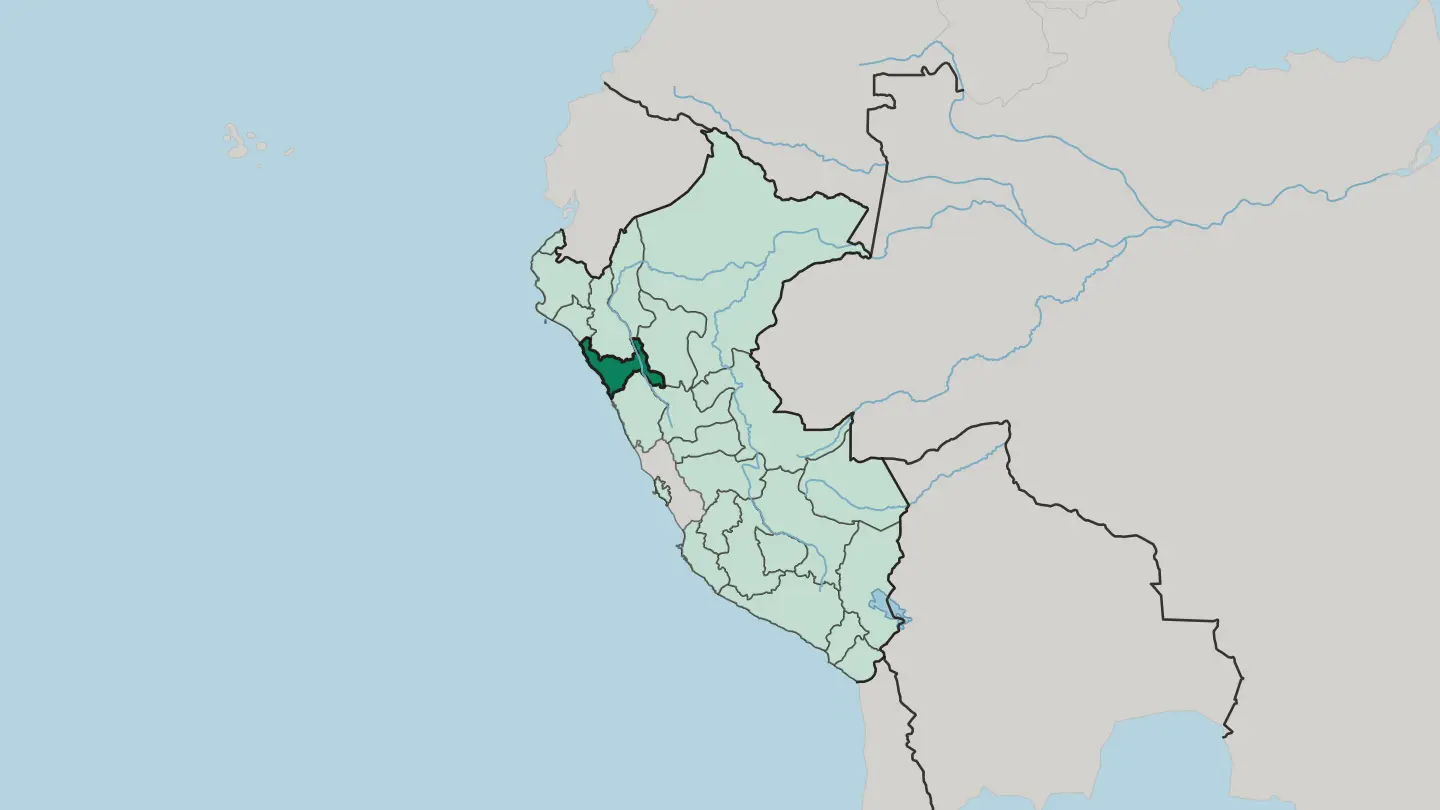
 Peru
Peru
Departamento de Lambayeque
Lambayeque is a desert department on Peru's northwest coast, ruled from Chiclayo, dense with Moche gold and mudbrick pyramids.Towns & cities →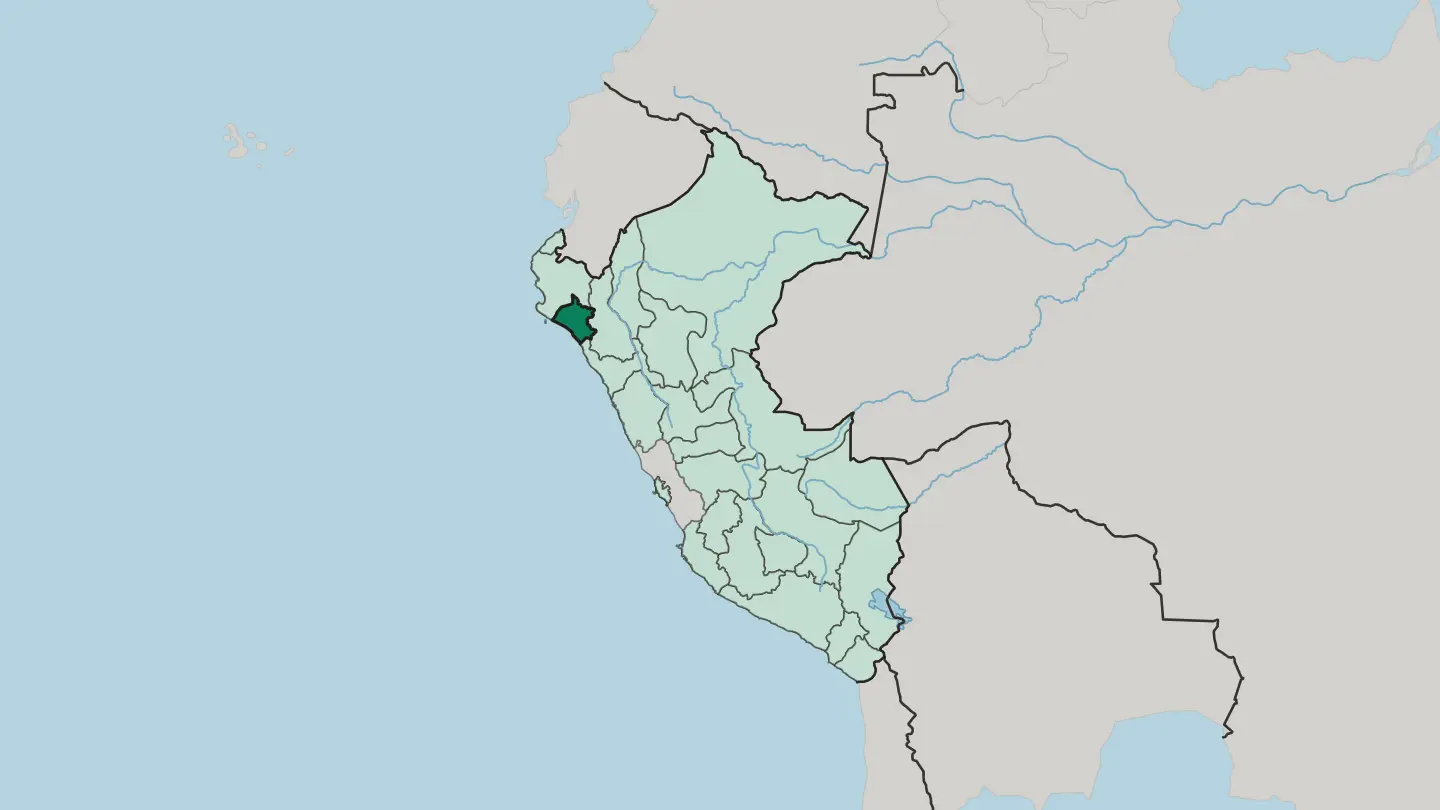
 Peru
Peru
Departamento de Lima
Departamento de Lima wraps Peru's capital in coastal desert and Andean valleys, from the Pacific shore up to the peaks of the western Andes.Towns & cities →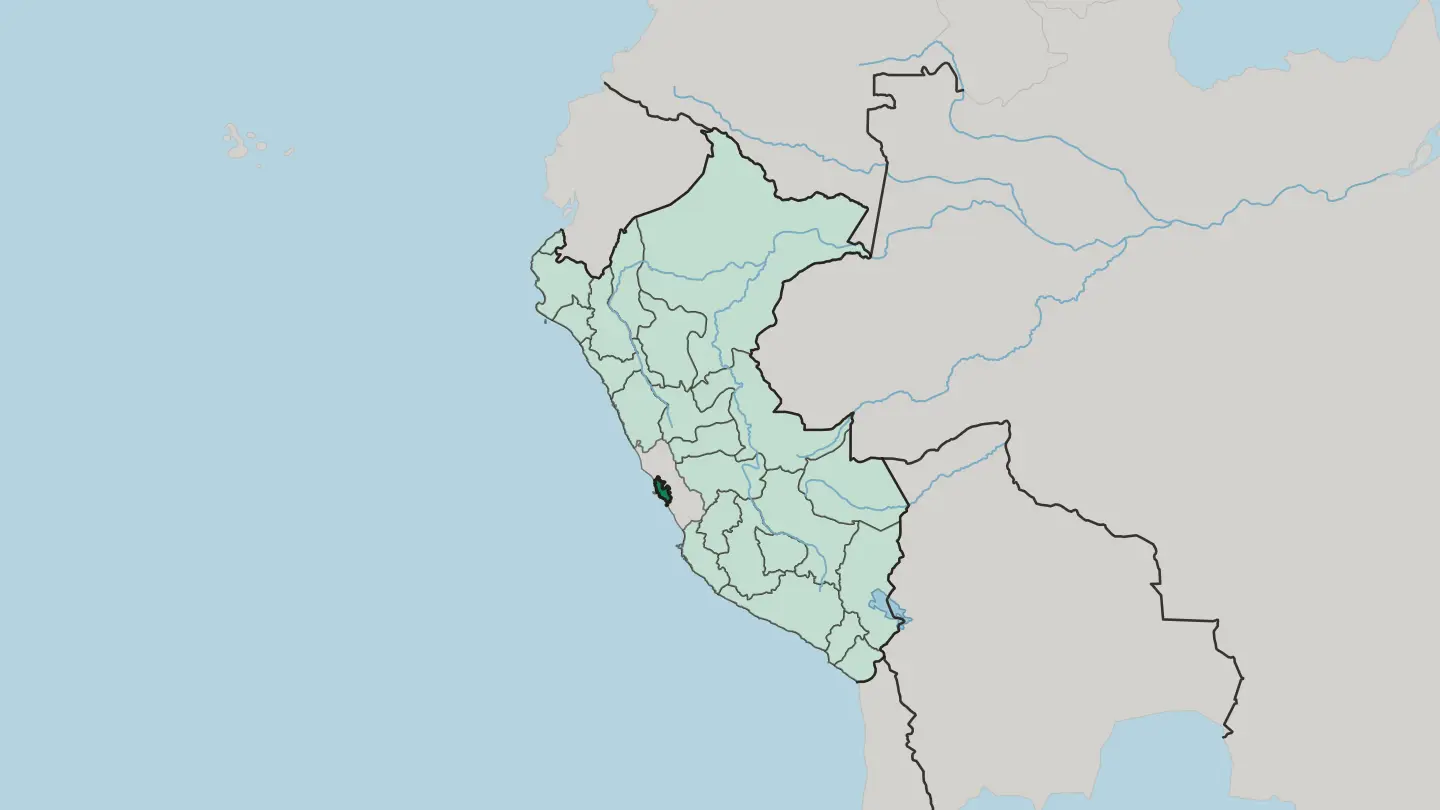 Peru
Peru
Departamento de Loreto
Loreto is Peru's largest department, an Amazon rainforest expanse reached only by river or air, ruled from the port of Iquitos.Towns & cities →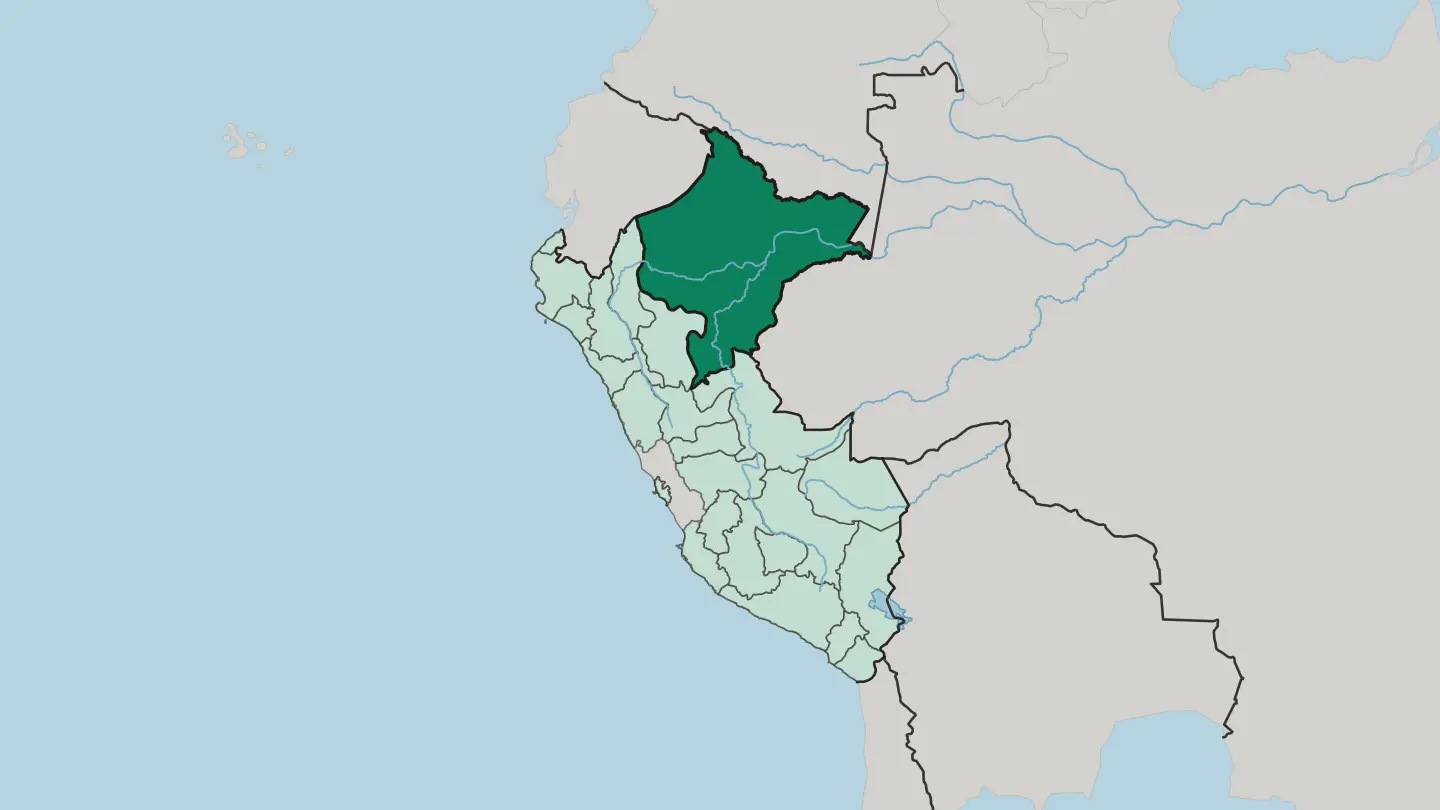
 Peru
Peru
Departamento de Madre de Dios
Madre de Dios is a department of Peru in the Amazon Basin, named for the river that crosses it, with Puerto Maldonado as its capital.Towns & cities →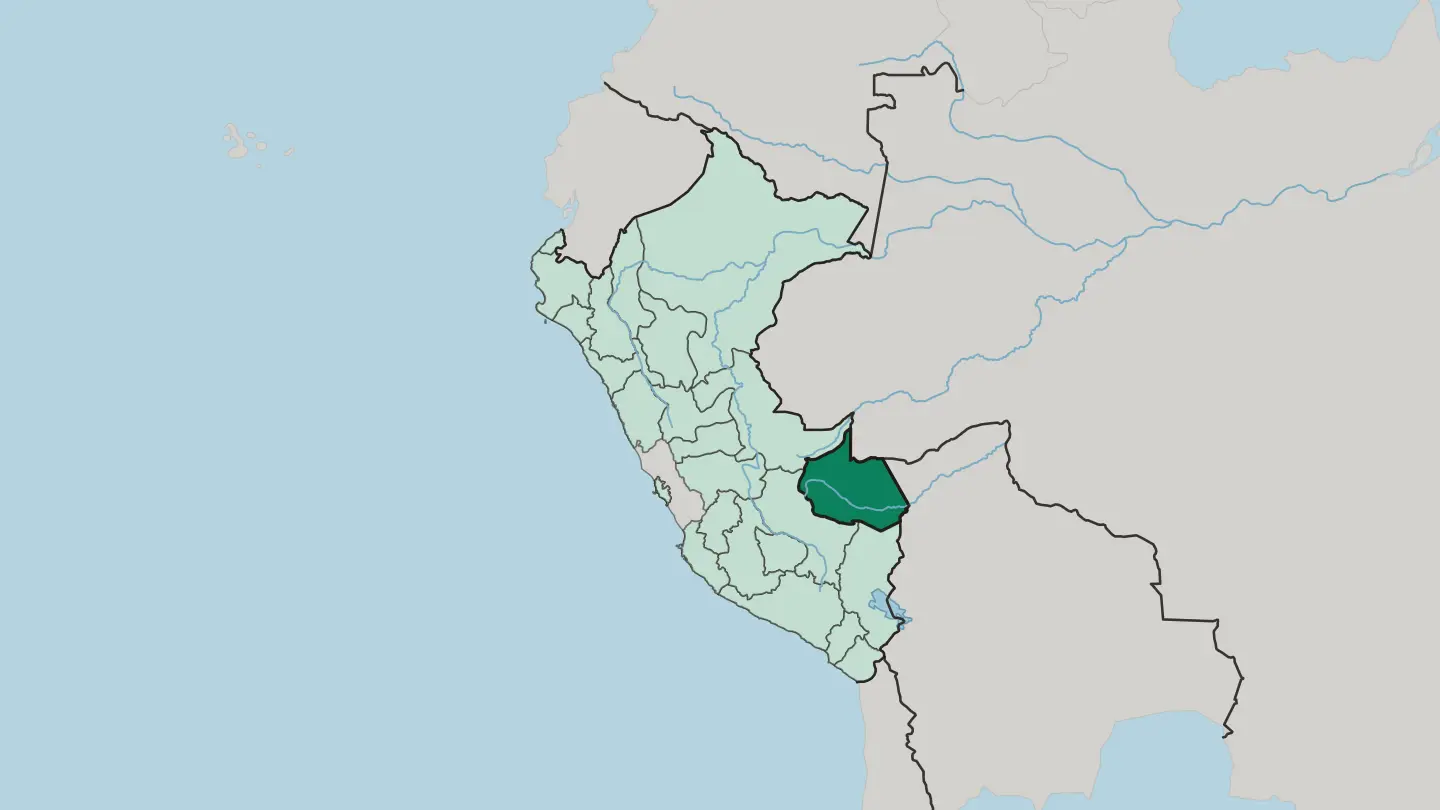
 Peru
Peru
Departamento de Moquegua
Moquegua is a department of Peru that runs from the coast up into the highlands, with the city of Moquegua as its capital and only named centre.Towns & cities →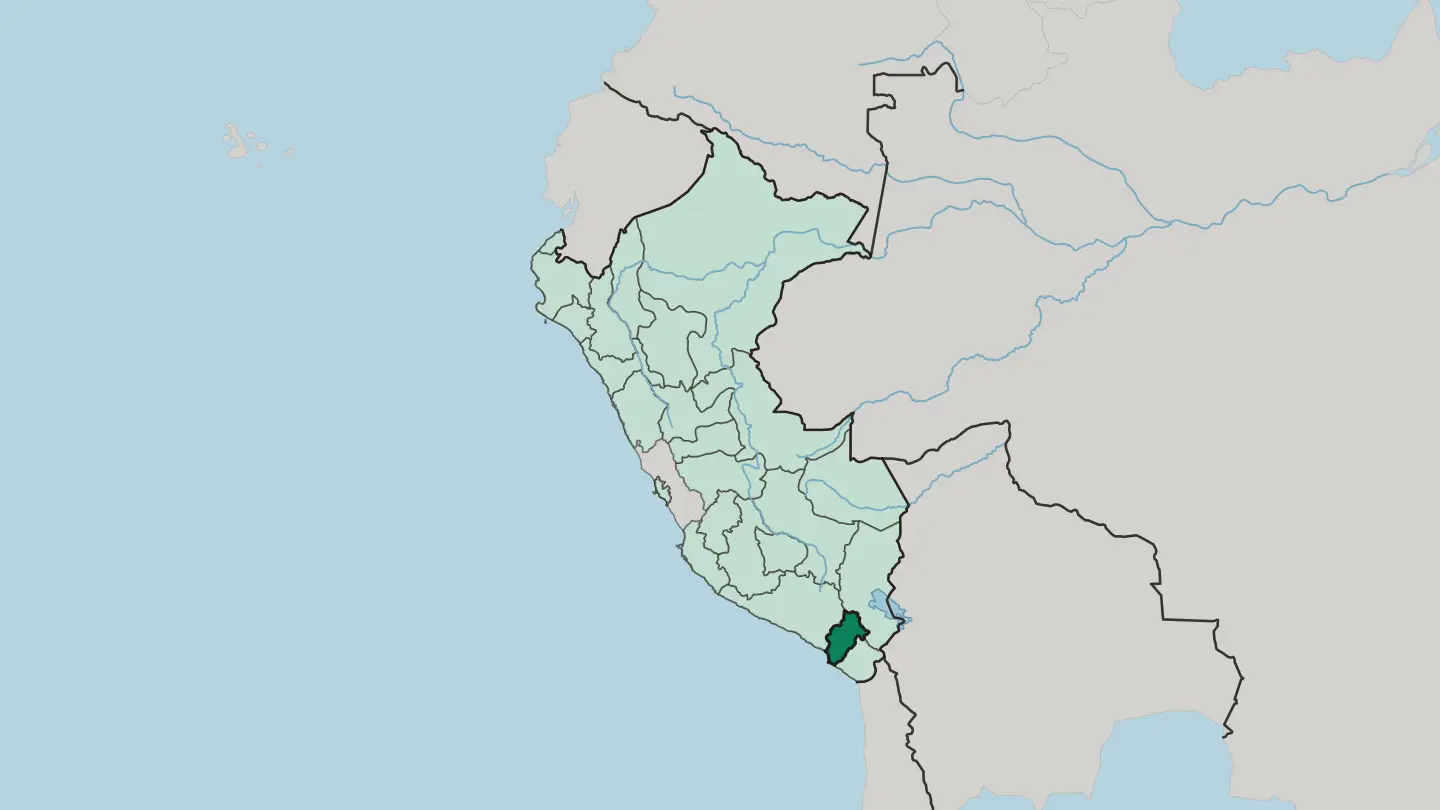 Peru
Peru
Departamento de Pasco
Pasco is a department in Peru's central highlands, administered from Cerro de Pasco, the city that carries the department's name inside its own.Towns & cities →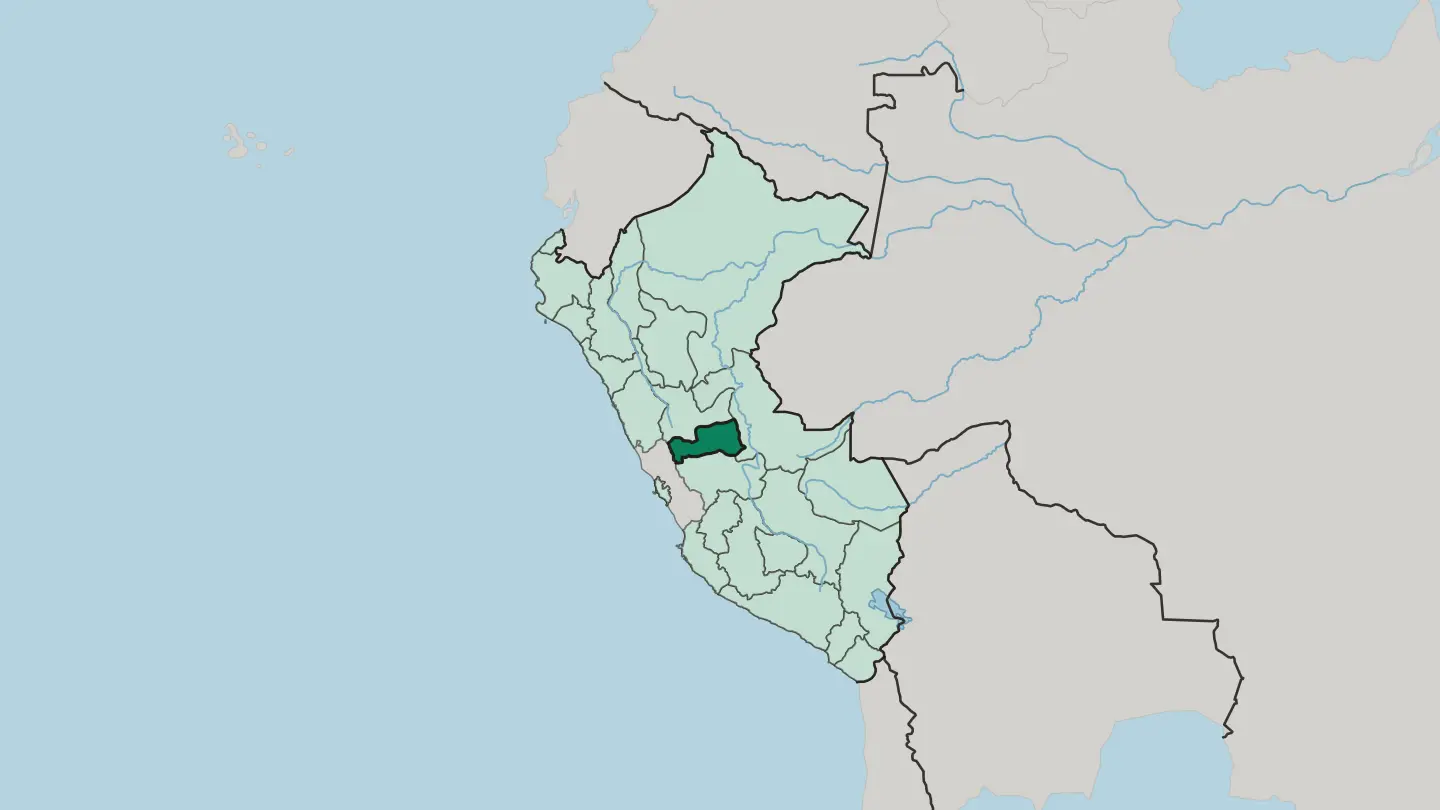
 Peru
Peru
Departamento de Piura
Piura is Peru's hot northwestern corner, where the Sechura Desert meets warm Pacific surf towns like Máncora.Towns & cities →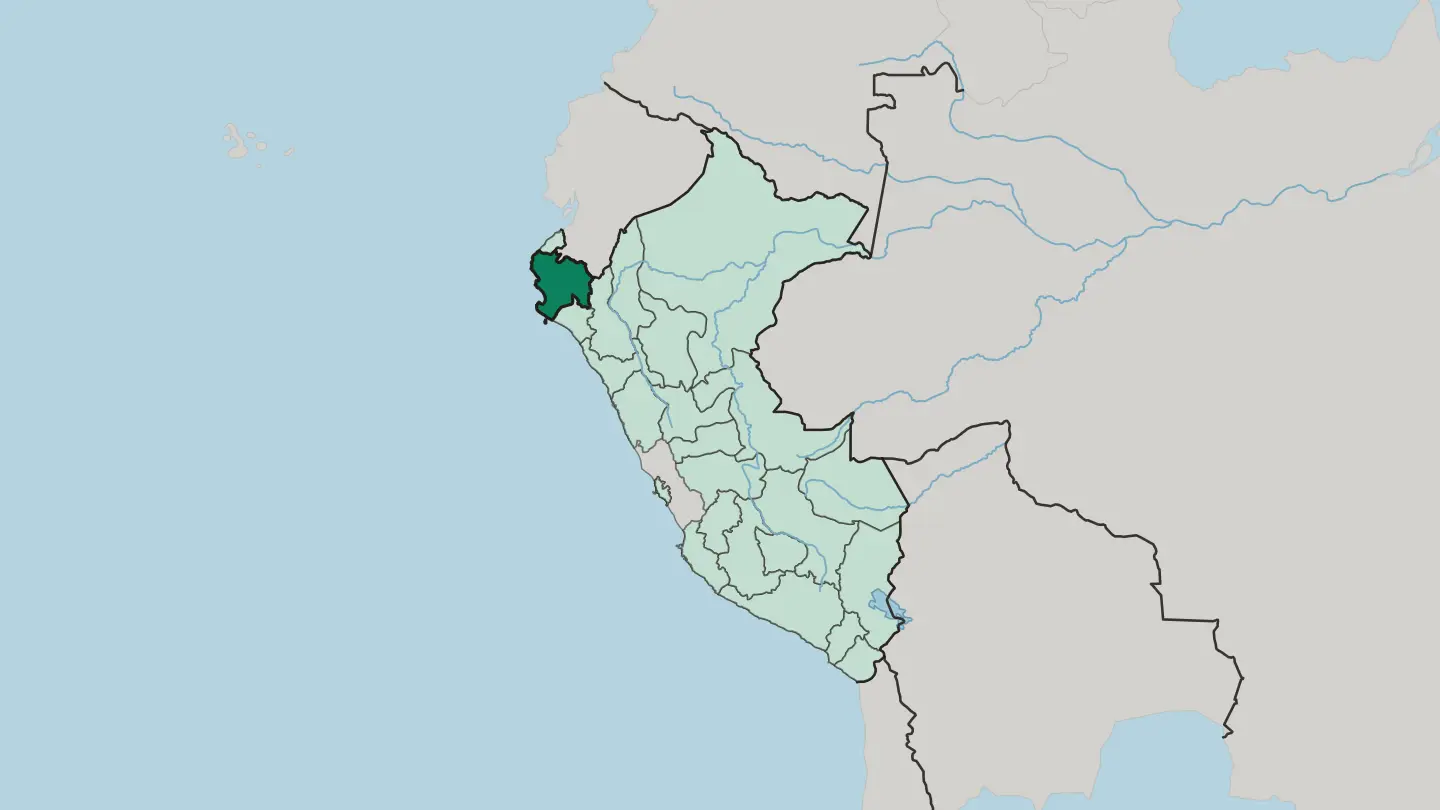 Peru
Peru
Departamento de Puno
Puno lines the Peruvian shore of Lake Titicaca, a cold Altiplano region of reed islands, alpaca herds and Andean folklore.Towns & cities →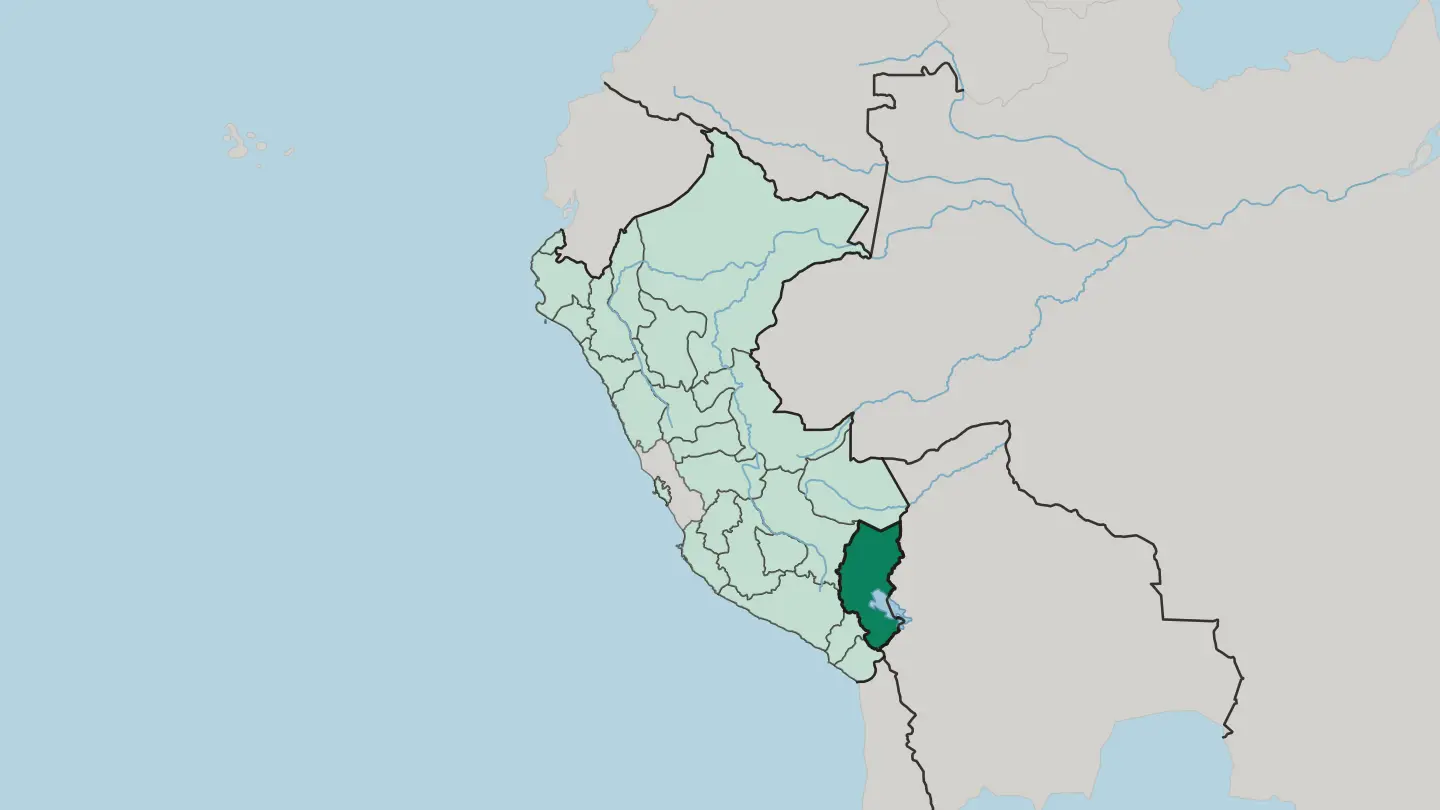
 Peru
Peru
Departamento de San Martín
Departamento de San Martín is a warm, forested region of northern Peru, where the Huallaga River carves wide valleys through the upper Amazon.Towns & cities →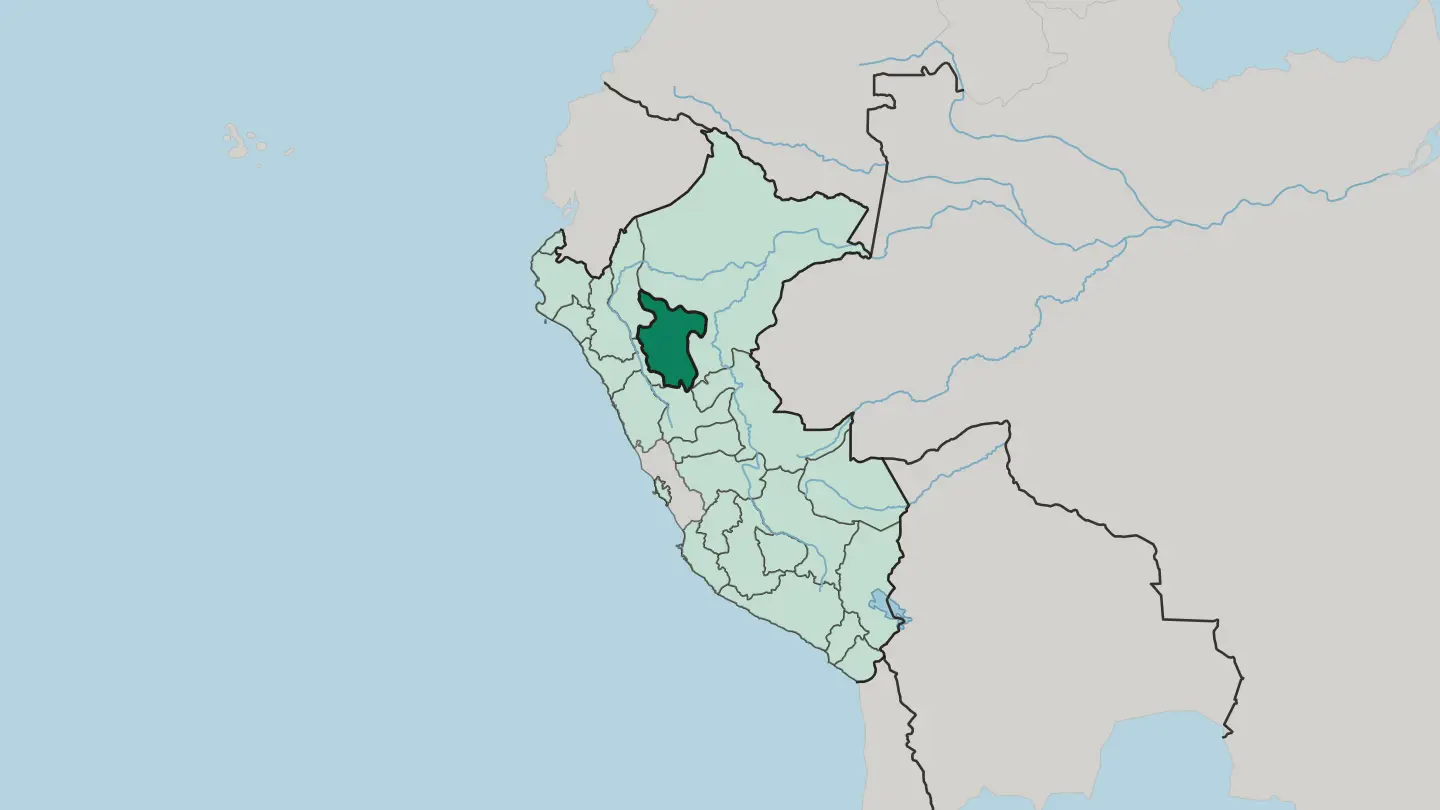 Peru
Peru
Departamento de Tacna
Tacna is the country's southernmost department, a corner of Peru that borders both Chile and Bolivia, administered from the city of Tacna.Towns & cities →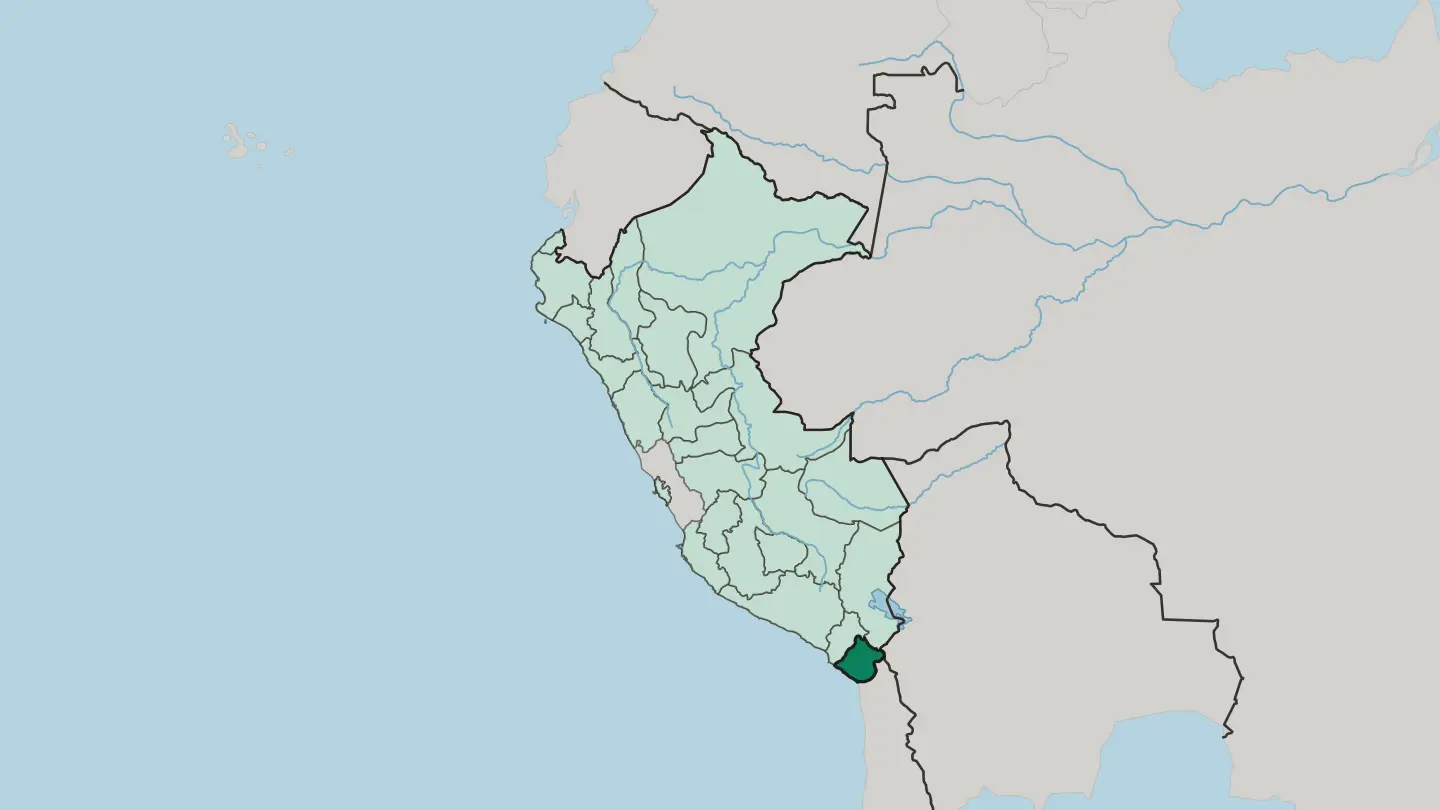 Peru
Peru
Departamento de Tumbes
Tumbes is Peru's smallest department, a warm coastal strip on the Ecuador border with beaches rated among the country's finest.Towns & cities →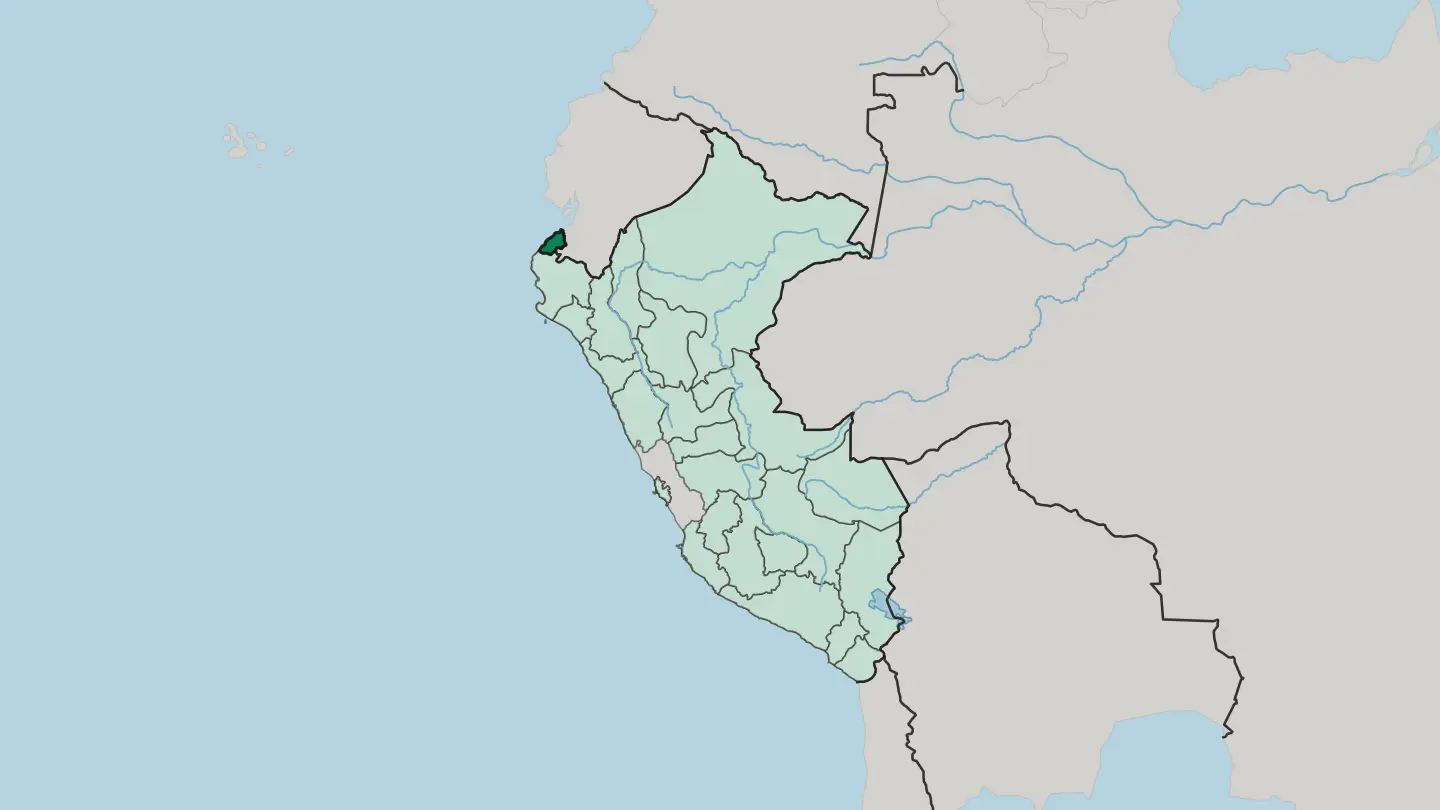
 Peru
Peru
Departamento de Ucayali
Ucayali is Peru's second-largest region, a vast Amazon lowland of rivers and rainforest centred on the port of Pucallpa.Towns & cities →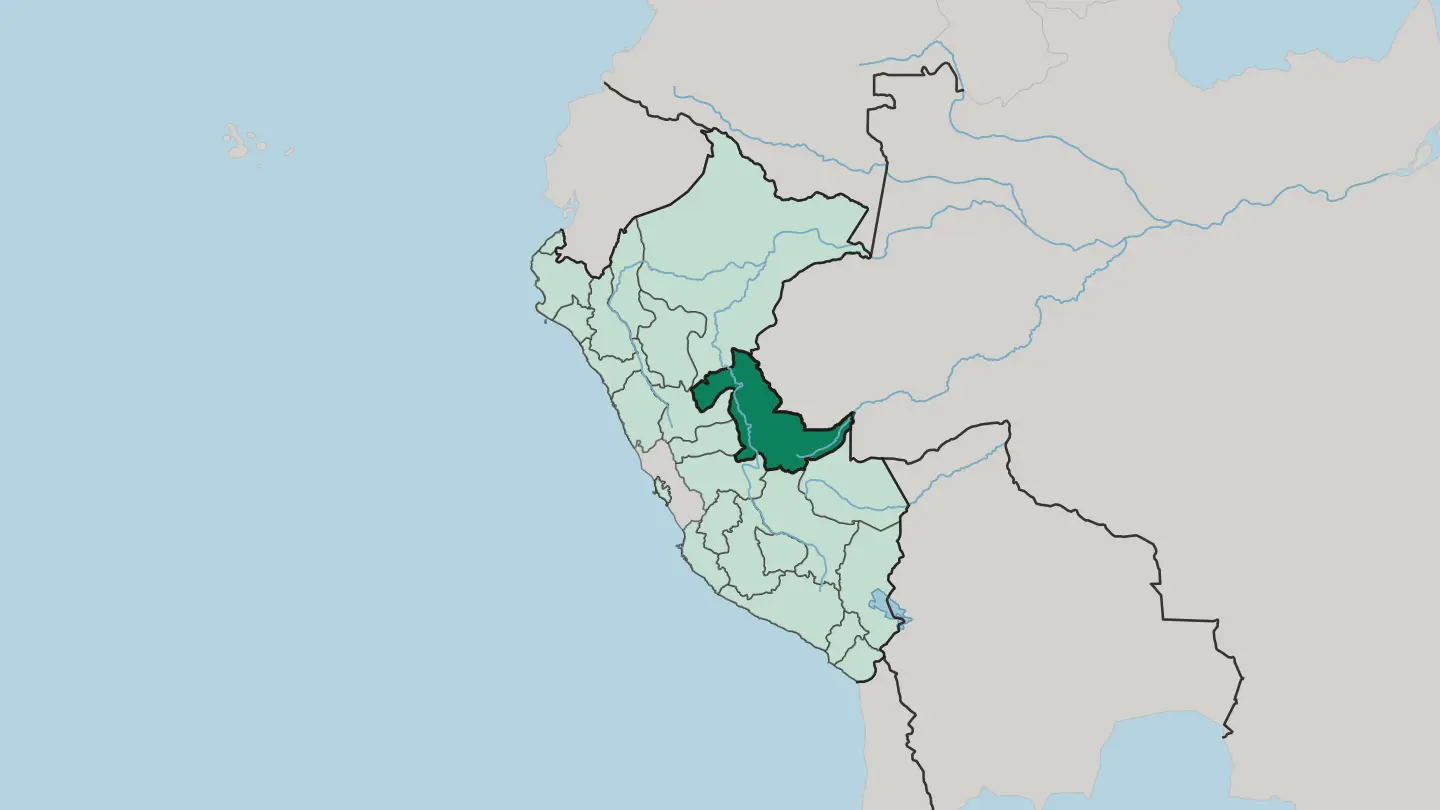 Peru
Peru
Provincia Constitucional del Callao
Callao is Peru's chief seaport, a constitutional province on the Pacific just west of Lima, guarding the harbour behind San Lorenzo Island.Towns & cities →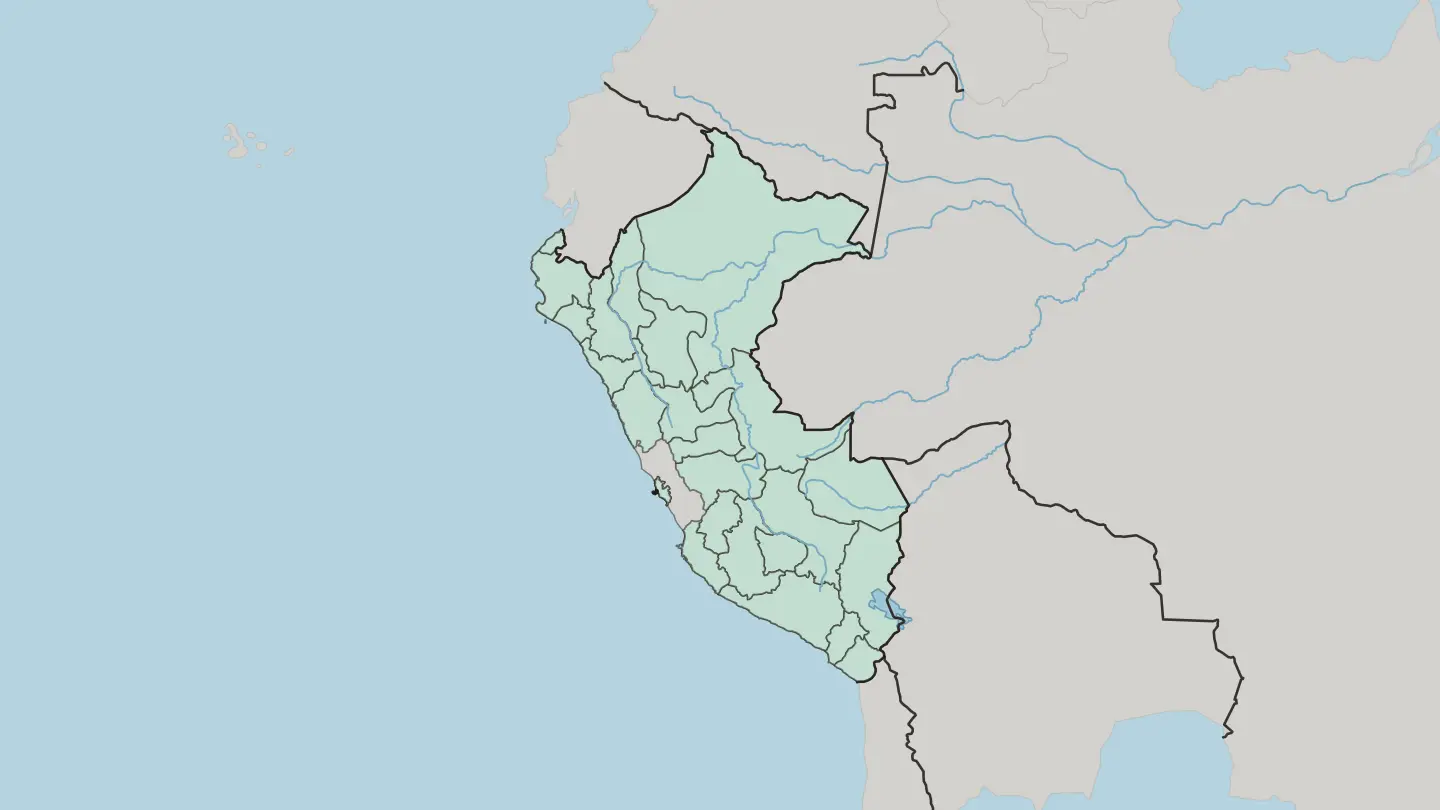 Peru
Peru
Provincia de Lima
Provincia de Lima is the coastal desert province around Lima, the capital of Peru, on the Pacific shore fed by three river valleys.Towns & cities →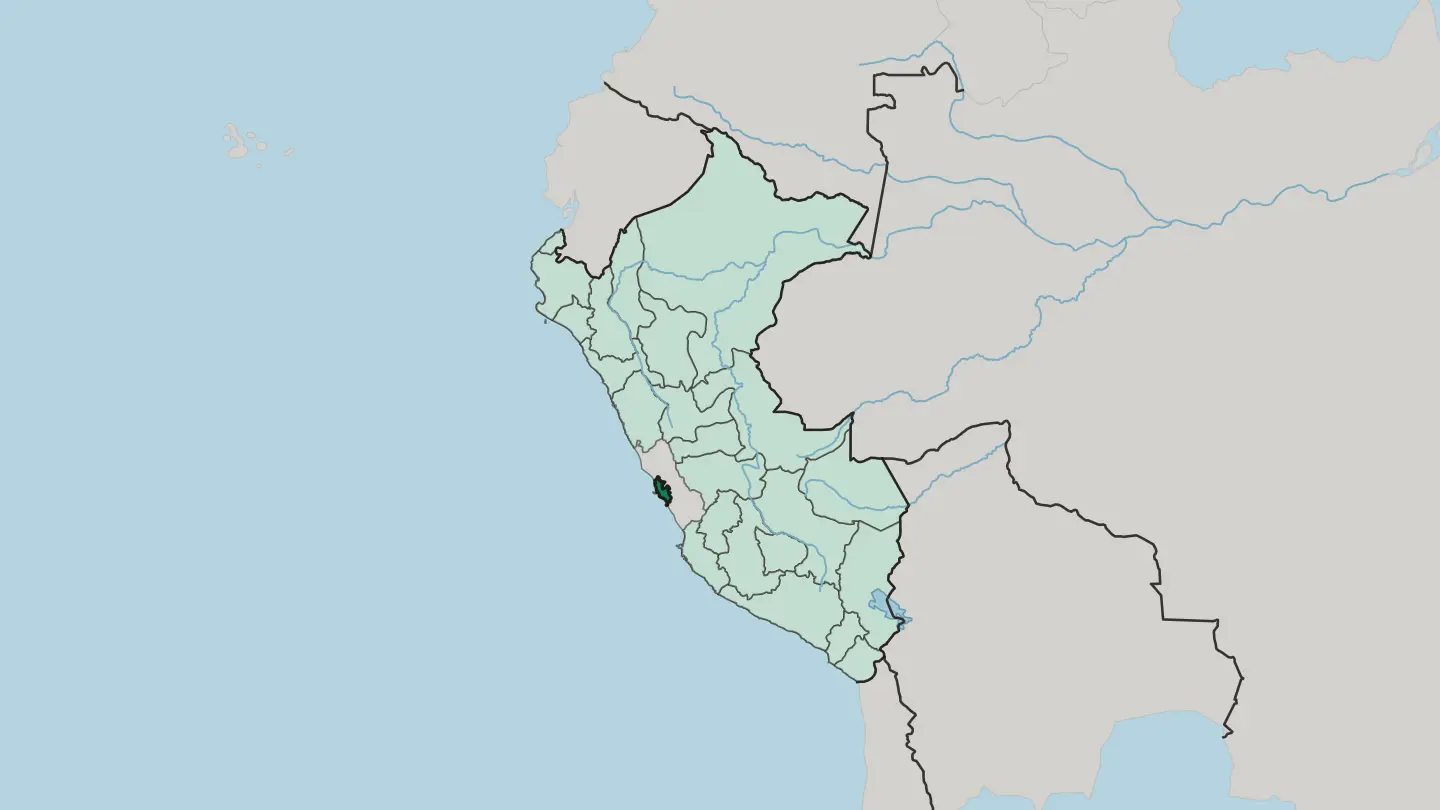
Explore by experience
Not sure which place? Start from how you want to travel.

About Peru
What is Peru known for?
Peru is best known for Machu Picchu, the lost Inca citadel high in the Andes, and for the vast Nazca Lines etched across its coastal desert. The country is megadiverse. Its habitats run from the Amazon rainforest in the east to the arid Pacific coast in the west, sheltering wildlife far beyond the familiar llamas and condors.
Its people are as varied as its land, a blend of many indigenous groups alongside mestizo and criollo traditions.
Where is Peru?
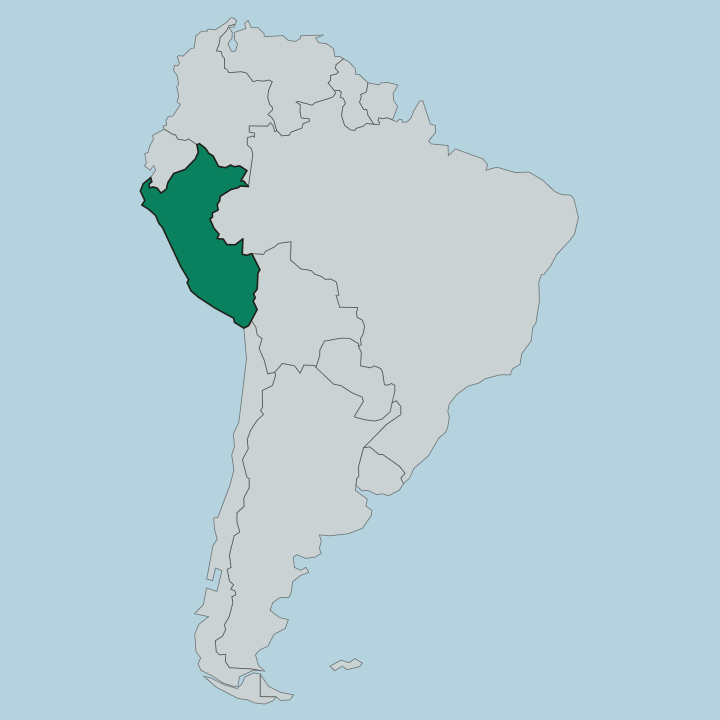
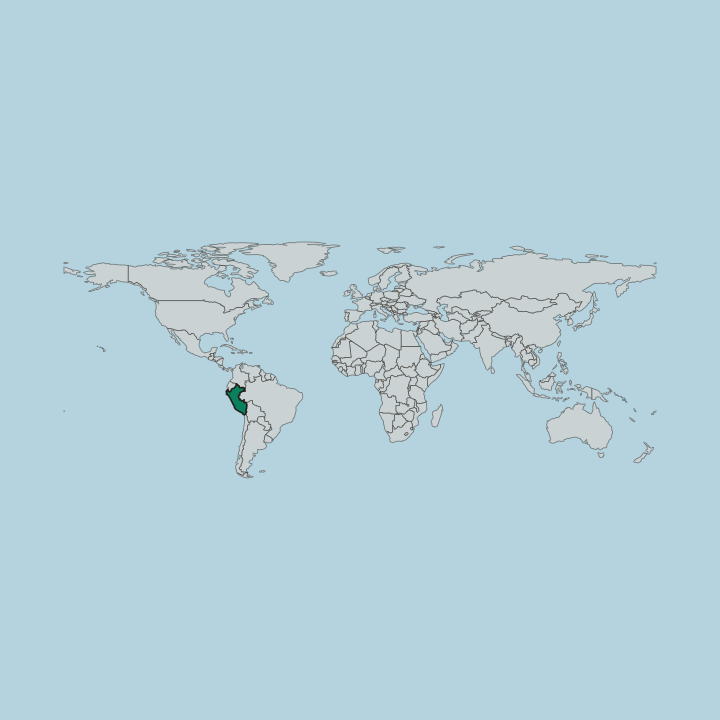
Peru occupies a large stretch of western South America, the third largest country on the continent by area. The Pacific Ocean forms its western and southern edge. Five nations ring the rest.
Ecuador and Colombia lie to the north, Brazil to the east, Bolivia to the southeast, and Chile to the south. Within those borders the land splits into three great bands that run the length of the country. A narrow desert coast fronts the Pacific in the west, a strip of arid plains where most of the shoreline lies.
Behind it the Andes rise, the mountain chain that crosses Peru from the north to the southeast and carries its highest, ice-capped peaks. East of the mountains the ground falls into the tropical Amazon basin, drained by the Amazon River. The three bands sit side by side, so a short journey inland can climb from sea-level desert to snow and then down into the rainforest.
This spread of settings, from arid coast to high mountain to jungle, makes Peru one of the most biodiverse countries on earth. Few countries hold so much at once.
What is the history of Peru?
Peru's story reaches back long before the modern republic. Great civilizations rose here in the ancient Andes and along the arid desert coast of the Pacific. The Inca are the best remembered.
Their mountain realm centred on the high Andes, and their finest surviving work is Machu Picchu, the stone citadel that still crowns a ridge deep in the range. Yet the Inca were latecomers in a much older human story. The Nazca Lines, the enormous figures and shapes traced across the southern desert, were cut into the ground by coastal peoples who lived there long before the Inca ever rose to power.
Layer upon layer of culture built up across the coast, the mountains, and the edge of the Amazon. The republic itself is young by comparison. Peru was founded as an independent state in 1821, drawing the coast, the Andes, and the Amazon into a single country.
Its people still carry that long inheritance, blending dozens of distinct indigenous groups with mestizo and criollo traditions. The past here is not distant. It stands there in the stone and the open desert for anyone to see.
What is Peru like?
Peru is one of the most culturally varied countries in South America. Its people are a blend of many roots. Dozens of distinct indigenous groups live across the land, alongside mestizo and criollo communities, each with its own traditions, dress, and cooking.
Spanish is the common language that ties them together. That mix is old and deep, the outcome of many peoples meeting on the same ground over long centuries. Food is a point of pride.
Every region sets its own table, drawing on what the coast, the mountains, and the jungle each provide, and the meeting of indigenous and later influences has given the country a name for its kitchens. Landscape shapes daily life as much as descent does. Communities of the arid Pacific coast, the high Andes, and the Amazon rainforest live in very different worlds within one nation.
Wildlife runs through it too, from highland llamas to the condors over the peaks. Their colourful traditions and food differ from valley to valley, so travelling here means meeting many cultures rather than one. That variety is the point.
What is the climate of Peru?
Peru holds several climates at once. The Pacific coast is a true desert, dry for most of the year under grey skies. The Andes set their own rules.
High in the mountains the air turns cold and thin, snow caps the tallest peaks throughout the year, and nights stay chill even when the lowlands are warm. East of the range the Amazon rainforest is hot and wet, humid under heavy jungle rain. One country runs from desert to snow to steaming forest.
How do you get to Peru?
Peru is a large country to cross, and most visitors arrive by air at Lima, the capital on the Pacific coast. From that hub the country opens in three directions. Roads and flights climb inland to the Andes and the highland approaches to Machu Picchu.
Others push east into the Amazon rainforest, a green lowland where much of the travel happens by river once the roads finally give out. The coast road runs the length of the desert shore, linking the Pacific towns and the Nazca Lines. Distances are vast.
Common questions
What is the best area to stay in Peru?
The Pacific coast: arriving in Lima and reaching the Nazca Lines. The Andes highlands: mountain travel to Machu Picchu. The Amazon: river and jungle journeys east of the mountains.
Good for
Updated September 2026