Peru · Departamento de Tumbes
Where to Stay in Tumbes, Departamento de Tumbes
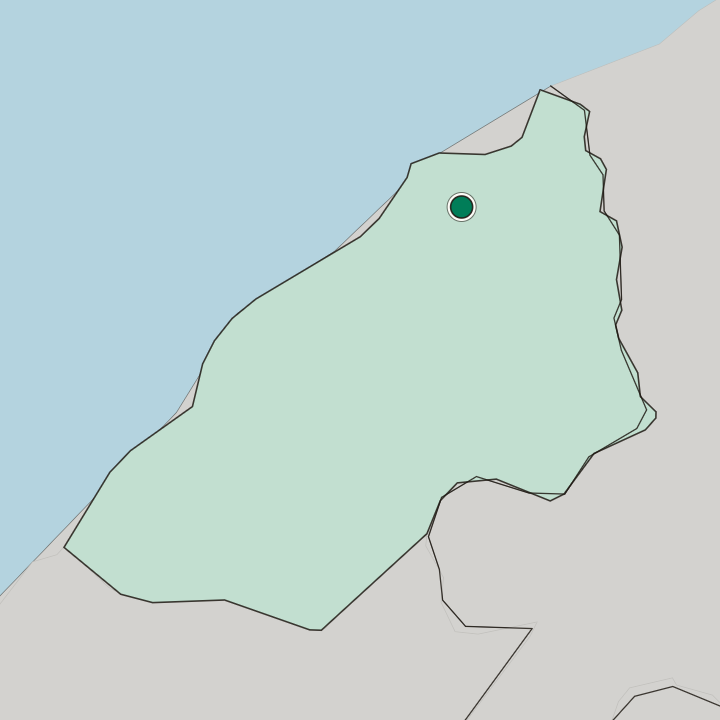
Tumbes stands on the banks of the Tumbes River in northwestern Peru, capital of the Tumbes Region and a city dating from 1532.
Hotel links are affiliate links: booking through them may earn us a commission, at no extra cost to you. It never affects how places are ranked. How this works


Where to stay in Tumbes
Where visitors usually base themselves, and why.
St. Nicholas Cathedral, Tumbes marks the centre a visitor is likely to sleep in. The blocks around it hold the working part of the Tumbes District, and the Tumbes River is close enough that the water is part of the walk rather than a separate trip. That is the default choice.
Estadio Mariscal Cáceres sits in the same city, so a match is a walk rather than a drive. Cabeza de Vaca asks for a morning out. The site and the Museo de Sitio de Cabeza de Vaca "Gran Chilimasa" lie away from the streets of the capital, in the wider Tumbes Province, which makes an early start worth more than a central address.
Beds out there are thin. Most visitors keep a room in the city and treat the site as a trip, returning to the Tumbes River side by afternoon. The coast pulls the other way.
Zorritos shares the Gulf of Guayaquil with Tumbes, so a stay on the shore trades the cathedral and the stadium for the sea, and the road between the two is the whole difference. Ecuador is not far either. The border sits near the Tumbes Region, which means a bed in the capital also suits anyone whose route continues across it.
Find hotels in Tumbes
Direct booking searches for these neighbourhoods.
The cathedral blocks
St. Nicholas Cathedral, Tumbes and Estadio Mariscal Cáceres stand in the same working part of the Tumbes DistrictFind hotels in The cathedral blocksEarly hours at Cabeza de Vaca and its site museumOut at Cabeza de Vaca
Cabeza de Vaca and the Museo de Sitio de Cabeza de Vaca “Gran Chilimasa” lie out in Tumbes Province, past the built-up capital. Rooms are few around here — worth securing early.Find hotels in Out at Cabeza de VacaNights on the Gulf of Guayaquil instead of the Tumbes RiverThe Zorritos shore
Zorritos shares the Gulf of Guayaquil with the capital, trading the cathedral streets for the coast of the Tumbes RegionFind hotels in The Zorritos shoreHotel links are affiliate links: booking through them may earn us a commission, at no extra cost to you. It never affects how places are ranked. How this works
About Tumbes
What is Tumbes known for?
The Tumbes River runs past the city, and the Gulf of Guayaquil lies along the same edge of northwestern Peru, which puts Tumbes on water twice over. Cabeza de Vaca belongs to an earlier layer. The Museo de Sitio de Cabeza de Vaca "Gran Chilimasa" interprets that ground, while St. Nicholas Cathedral, Tumbes serves the modern city.
Both sit in one small capital.
What are the main landmarks in Tumbes?
Four names cover it. St. Nicholas Cathedral, Tumbes and Estadio Mariscal Cáceres belong to the built-up city, while Cabeza de Vaca and the Museo de Sitio de Cabeza de Vaca "Gran Chilimasa" belong to the archaeological ground outside it. The split is clean.
One pair works on foot from a room near the Tumbes River, the other needs a vehicle and half a day.
What is the history of Tumbes?
Tumbes dates from 1532. The city stands on the banks of the Tumbes River, near the border with Ecuador, and that position has shaped its role for as long as it has existed. Cabeza de Vaca is older still.
The archaeological ground there belongs to a period before the Spanish name, and the Museo de Sitio de Cabeza de Vaca "Gran Chilimasa" exists to explain it. Administration piled up in one place. Tumbes is the capital of the Tumbes Region, of Tumbes Province and of Tumbes District, three units that share both a name and a seat.
The older label survives too. Region Grau appears for the same corner of northwestern Peru, and the department carries the city's name in every version. St. Nicholas Cathedral, Tumbes belongs to the Christian city that followed 1532.
Estadio Mariscal Cáceres belongs to a much later century, and between them they mark the two things the built-up town has added to the river bank since the founding. The Gulf of Guayaquil stayed constant. Zorritos shares that water with Tumbes, and the shore has been the region's second frontage for as long as the Tumbes River has been its first.
Where is Tumbes?
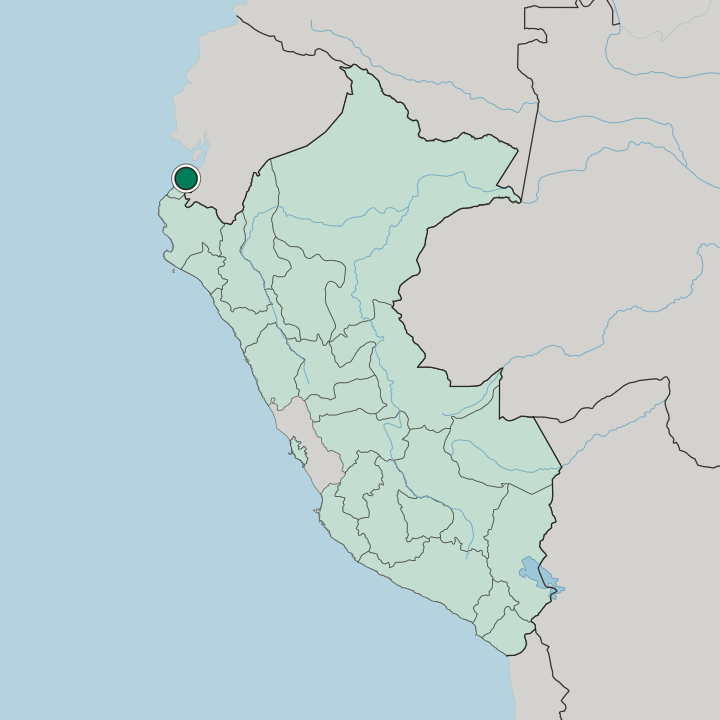
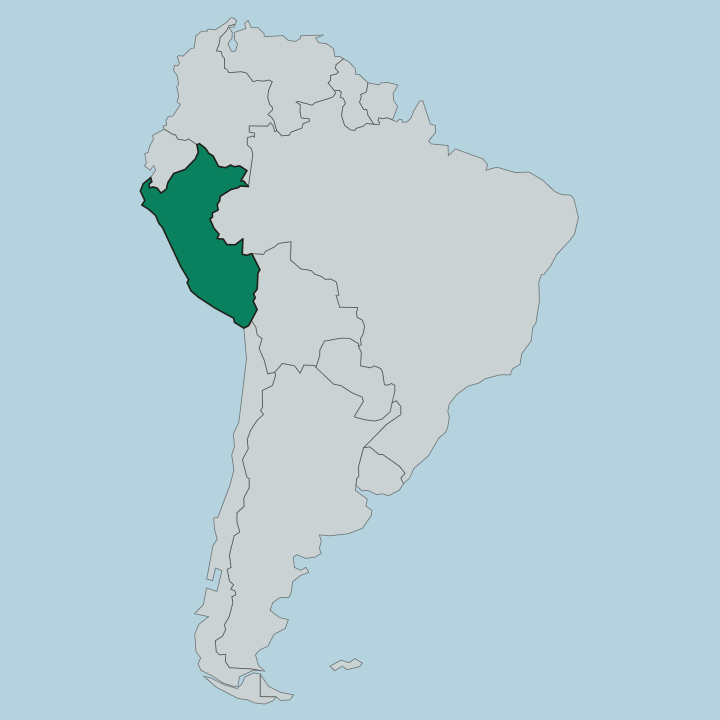
Water frames Tumbes on two sides. The city sits on the banks of the Tumbes River in northwestern Peru, with the Gulf of Guayaquil along the coast it shares with Zorritos, and the border with Ecuador close by. Cabeza de Vaca lies outside the built-up city.
The Tumbes Region takes in both the river and the shore.
What is the climate of Tumbes?
The Gulf of Guayaquil moderates the heat. Tumbes lies in the tropics south of the equator, so the year runs on wet and dry rather than on warm and cold, and the sea air reaches the streets along the Tumbes River most of the time. Shade matters by noon.
A walk out to Cabeza de Vaca goes better early than late anywhere in the Tumbes Region.
How do you get to Tumbes?
Flights land at the city's own airport. Cap. FAP Pedro Canga Rodriguez Airport serves the city, which gives the capital of the Tumbes Region an arrival point of its own.
The border adds traffic. Ecuador lies near the Tumbes Region, so the road along this coast serves border traffic as well as local movement, and Zorritos sits on the same route.
Common questions
What is the best area to stay in Tumbes?
The cathedral blocks: Walking to St. Nicholas Cathedral, Tumbes and Estadio Mariscal Cáceres. Out at Cabeza de Vaca: Early hours at Cabeza de Vaca and its site museum. The Zorritos shore: Nights on the Gulf of Guayaquil instead of the Tumbes River.
Good for
Updated September 2026