Papua New Guinea · National Capital District
Where to Stay in Port Moresby, National Capital District
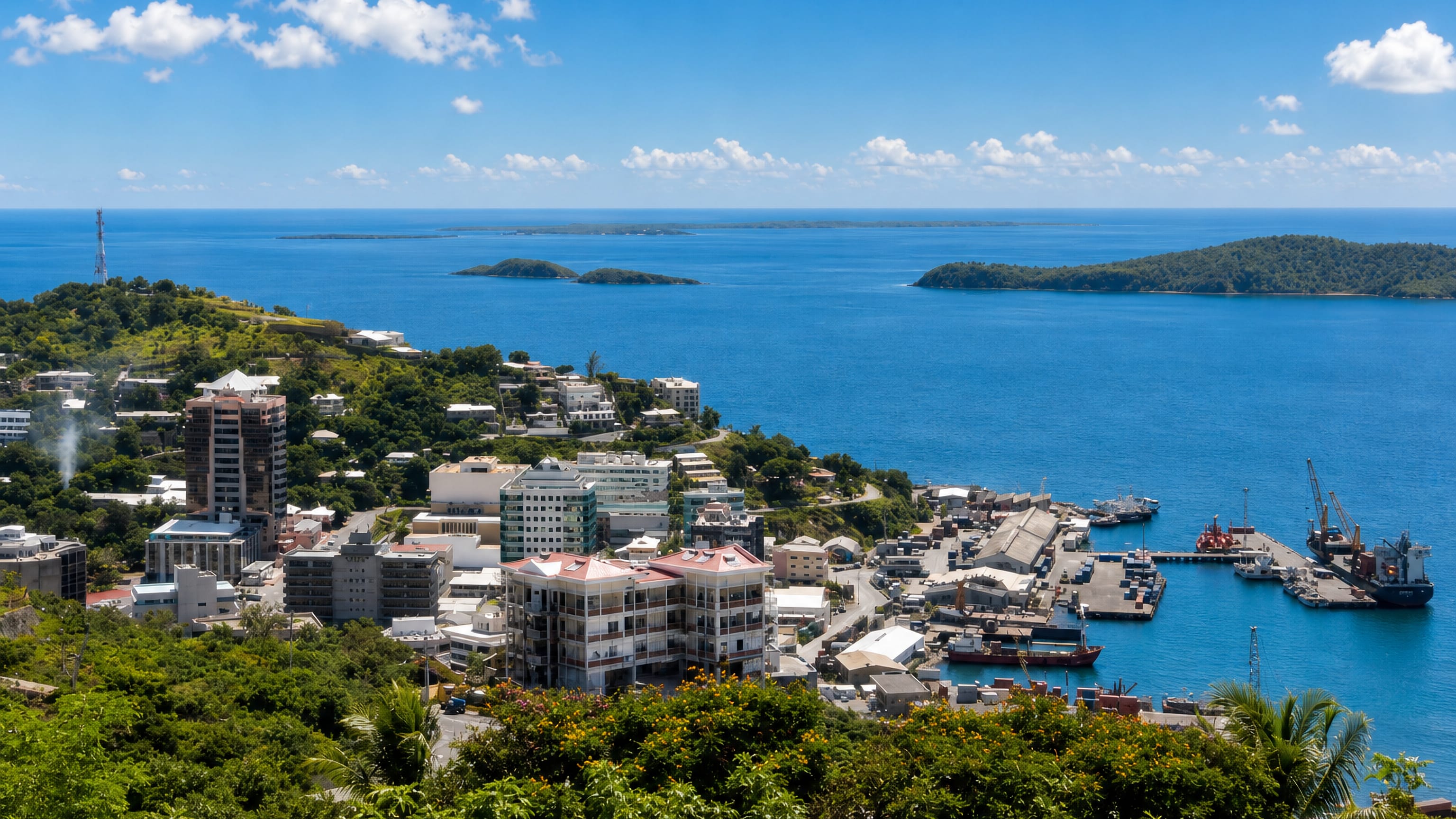
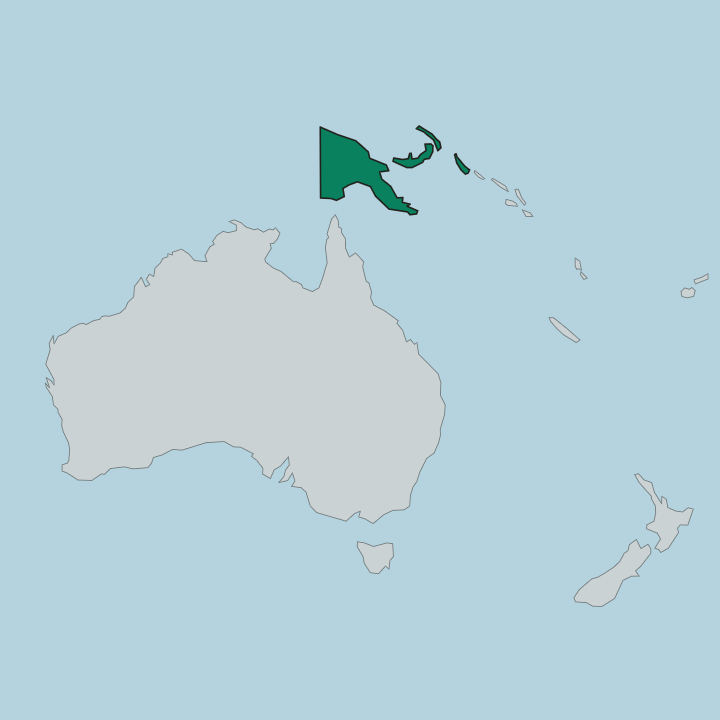
Port Moresby stands on the Coral Sea, the capital of Papua New Guinea on the Papuan Peninsula, known for its national museum and St. Mary's Cathedral.
Hotel links are affiliate links: booking through them may earn us a commission, at no extra cost to you. It never affects how places are ranked. How this works


Where to stay in Port Moresby
Where visitors usually base themselves, and why.
Most visitors to Port Moresby stay in the districts near the harbour and the commercial centre, close to the offices and the coast of the Coral Sea. The city spreads along the shore. Its central and waterfront areas gather the hotels, the Papua New Guinea National Museum and Art Gallery and St. Mary's Cathedral within reach of the port, which suits arrivals with business in the capital or a connection onward.
Away from the centre, newer quarters climb the low hills back from the water. Stay uphill for the higher ground and the outlook over the sea. These districts sit apart from the port, trading the harbour front for a calmer setting within the National Capital District of Papua New Guinea.
Beds concentrate near the centre and the airport road; base yourself along that corridor to keep the city and its onward flights close.
Find hotels in Port Moresby
Direct booking searches for these neighbourhoods.
Harbour centre
The waterfront and commercial streets on the Coral Sea hold the hotels, the national museum and St. Mary's Cathedral by the port.Find hotels in Harbour centreTravellers wanting higher ground and a sea outlookHill districts
The newer quarters on the low hills above the harbour keep a calmer setting back from the port of Port Moresby.Find hotels in Hill districtsHotel links are affiliate links: booking through them may earn us a commission, at no extra cost to you. It never affects how places are ranked. How this works
About Port Moresby
What is Port Moresby known for?
Port Moresby is known as the capital and largest city of Papua New Guinea, the main point of arrival for the country. It is the national hub. As a trade centre grown on the shore of the Coral Sea, the city holds the country's chief institutions, among them the Papua New Guinea National Museum and Art Gallery, and it lies at the heart of the National Capital District.
What are the main landmarks in Port Moresby?
Port Moresby's main landmarks gather its national institutions and places of worship. Heritage sits at the centre. The Papua New Guinea National Museum and Art Gallery holds the country's collections, St. Mary's Cathedral rises among the city's churches, the heritage site of Kikiniu records the older ground of the area, and the PNG Football Stadium draws crowds to the capital on the Coral Sea within the National Capital District.
What is the history of Port Moresby?
Port Moresby took shape from 1873 as a settlement on the shore of the Coral Sea, on the Papuan Peninsula of the island of New Guinea. Trade drew it into being. Through the later nineteenth century the harbour grew into a trade centre for the peninsula, its sheltered water making a natural port on this stretch of coast.
The city's course turned sharply in the Second World War. It became a prime military objective. During 1942 and 1943 the port served as a staging point and air base, its harbour and airfields fought over as the front swung across the region, and the wartime buildup left roads and airstrips that outlasted the fighting.
From that base Port Moresby grew into the capital and largest city of Papua New Guinea, the seat of the National Capital District.
Where is Port Moresby?
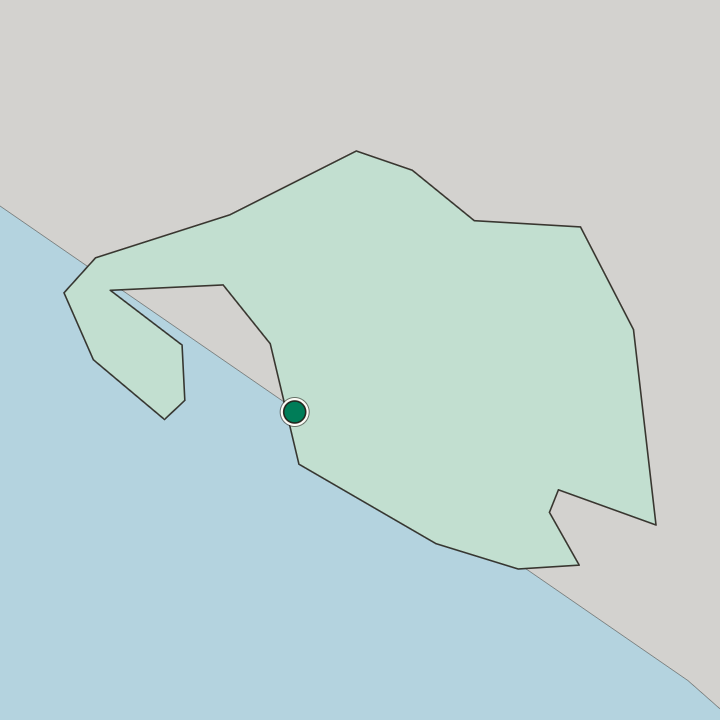
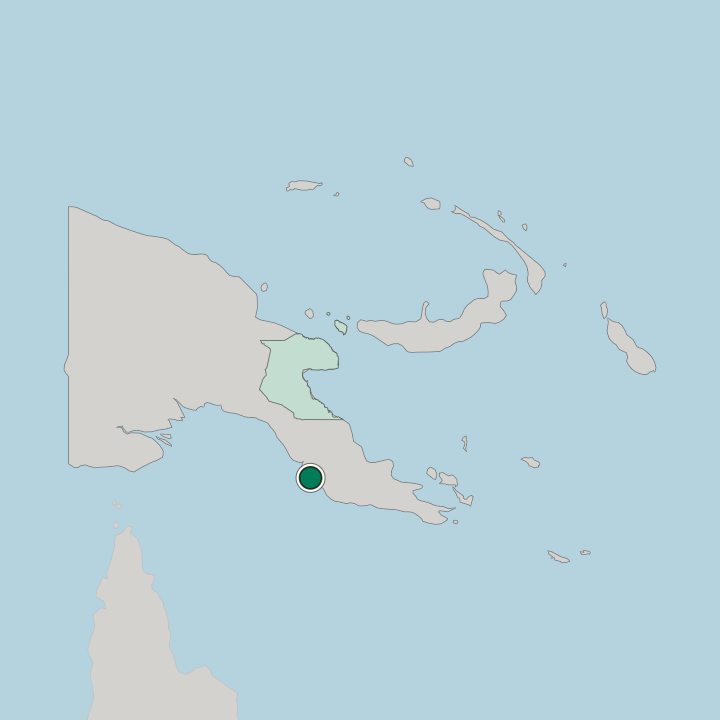
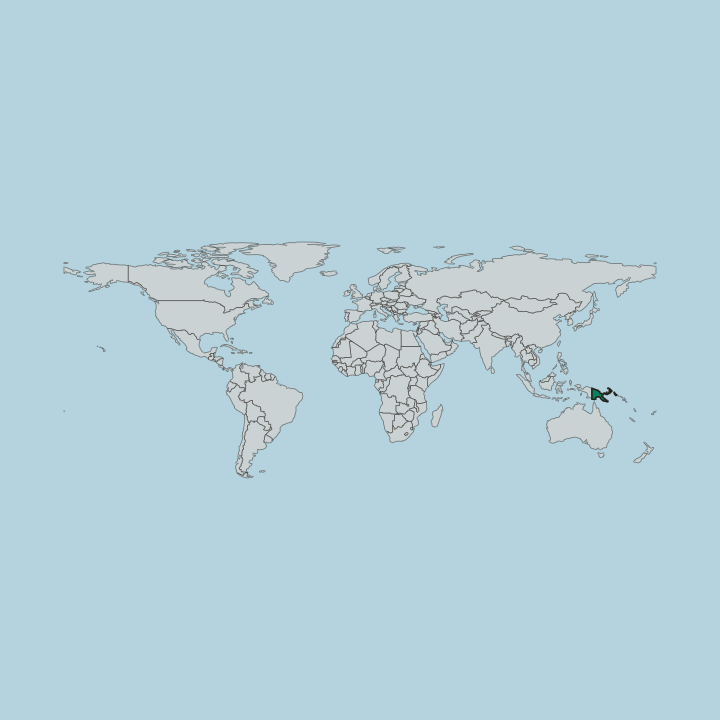
Port Moresby sits on the south-western coast of the Papuan Peninsula, on the shore of the Coral Sea. Its site is a working harbour. The city ranges along the water and up onto low hills behind it, at the south-eastern end of the island of New Guinea, where the peninsula narrows toward the sea.
Beyond the built-up ground the land rises inland from the coast of Papua New Guinea.
What is the climate of Port Moresby?
Port Moresby has a tropical climate, warm throughout the year on the coast of the Coral Sea. Rain, not heat, marks the seasons. The city lies in the southern tropics of Papua New Guinea, so it holds a distinct wet and dry rhythm, with a drier stretch that sets it apart from the wetter reaches of the island of New Guinea.
Temperatures stay high whatever the month.
How do you get to Port Moresby?
Port Moresby is the main point of entry to Papua New Guinea. Most arrive by air. Its airport is the country's chief international arrival point, and nearly every visitor to the country passes through the capital before flights fan out to the provinces beyond the National Capital District.
Ships also call at the harbour on the Coral Sea.
Common questions
What is the best area to stay in Port Moresby?
Harbour centre: Arrivals with business in the capital or a connection onward. Hill districts: Travellers wanting higher ground and a sea outlook.
Good for
Updated September 2026