Papua New Guinea: Regions, Cities & Travel Guide
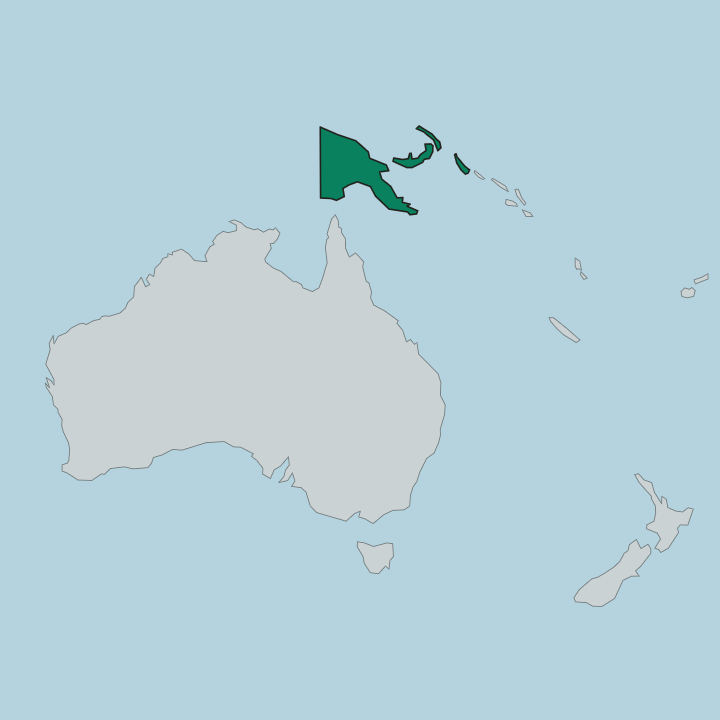
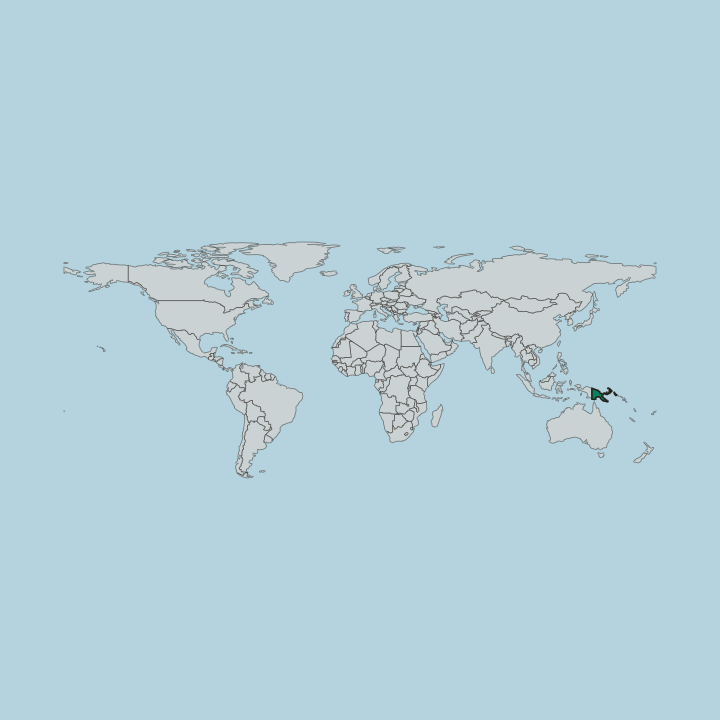
Papua New Guinea is a country in Melanesia holding the eastern half of New Guinea and hundreds of islands, with Port Moresby its capital.
Hotel links are affiliate links: booking through them may earn us a commission, at no extra cost to you. It never affects how places are ranked. How this works


Top destinations in Papua New Guinea
Cities to start from, then drill into areas and hotels.
 Papua New Guinea
Port Moresby
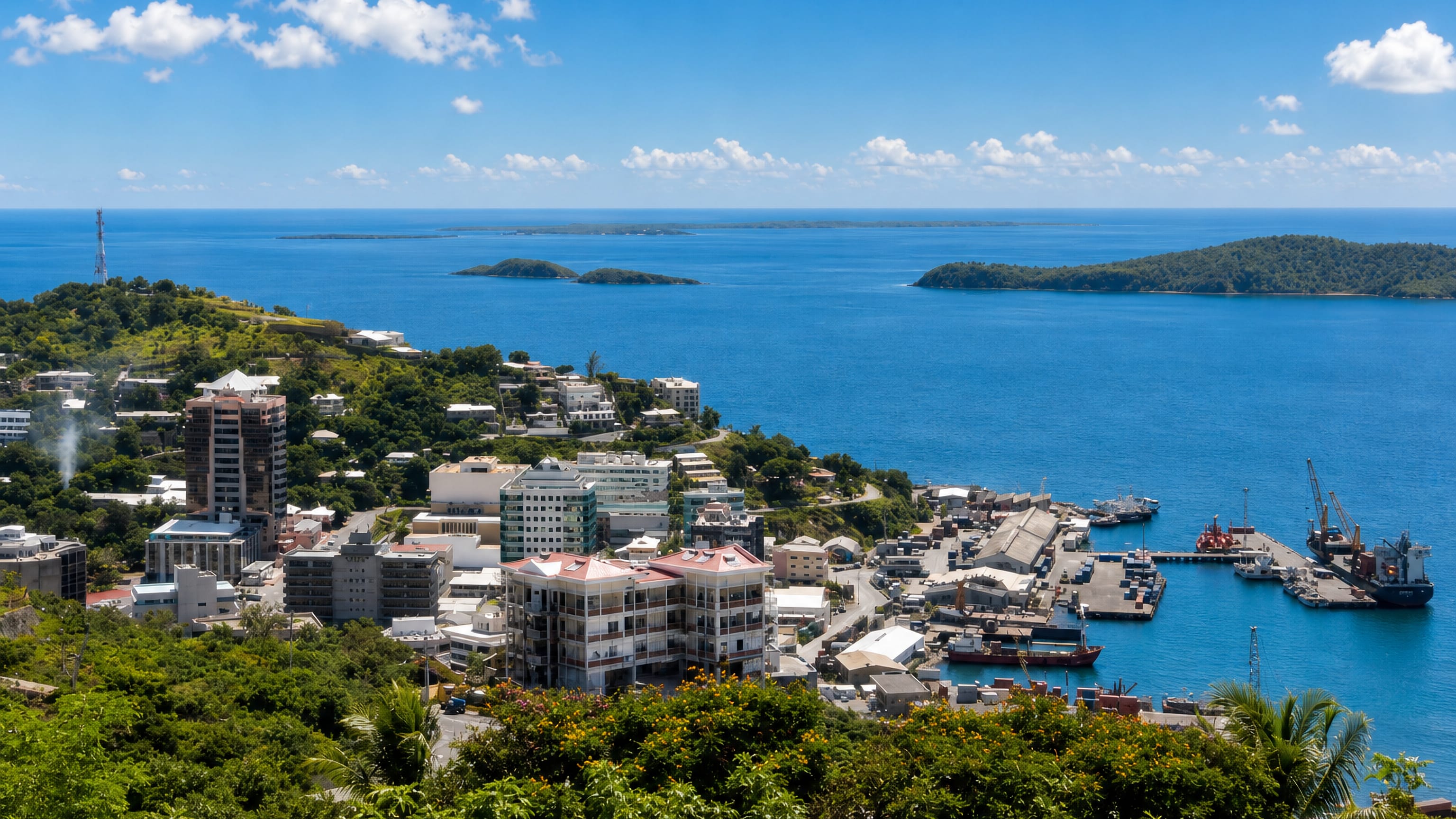
Port Moresby stands on the Coral Sea, the capital of Papua New Guinea on the Papuan Peninsula, known for its national museum and St. Mary's Cathedral.Where to stay →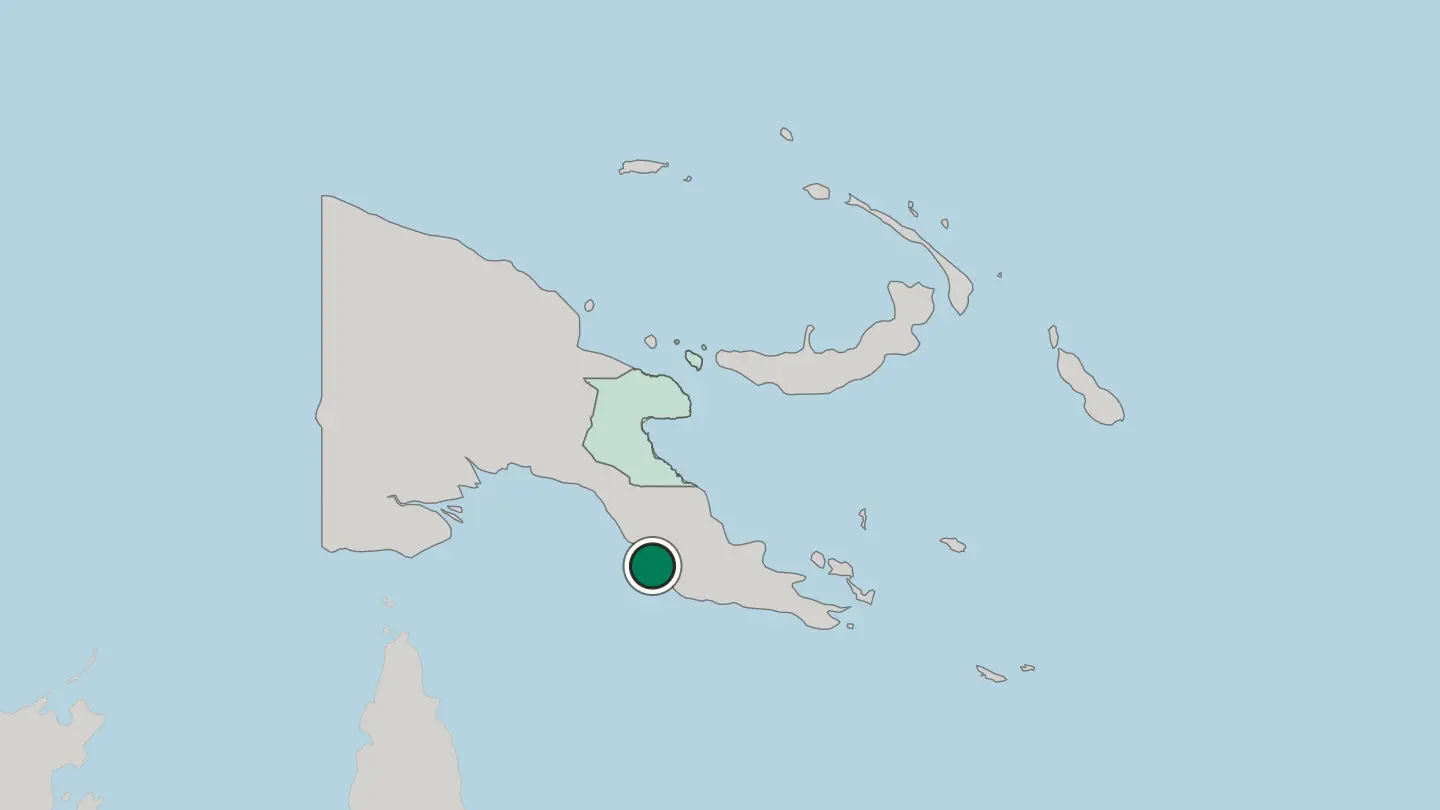 Papua New Guinea
Lae
Lae is the capital of Morobe Province and the second-largest city in Papua New Guinea, on the northern coast of Huon Gulf.Where to stay →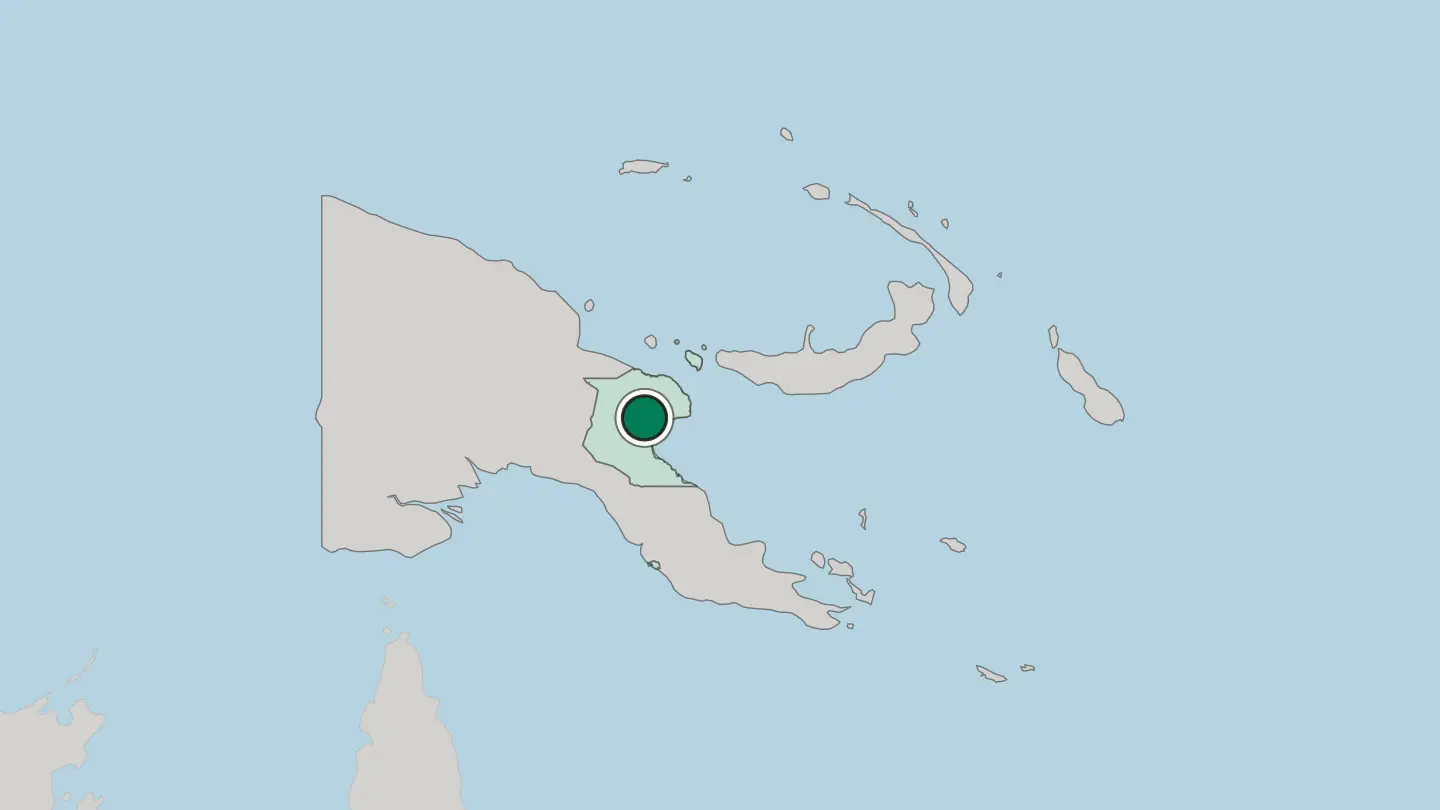
Hotel links are affiliate links: booking through them may earn us a commission, at no extra cost to you. It never affects how places are ranked. How this works
Regions of Papua New Guinea
Papua New Guinea
Morobe Province
Lae runs Morobe Province. The province holds the northern coast of Papua New Guinea, from the Huon Peninsula round to the Markham River delta.Towns & cities →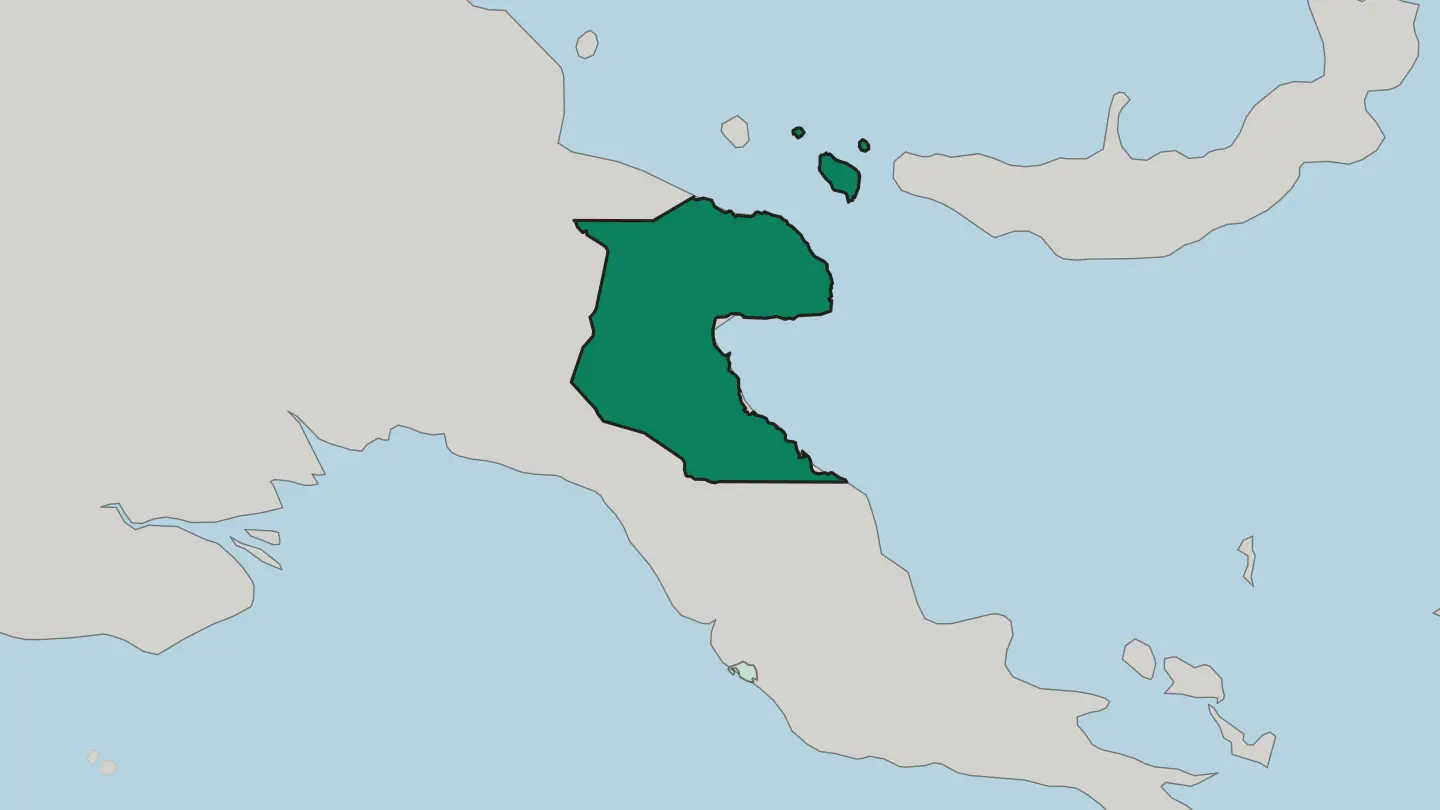 Papua New Guinea
National Capital District
The National Capital District is the incorporated area around Port Moresby, capital of Papua New Guinea, and sits outside Central Province.Towns & cities →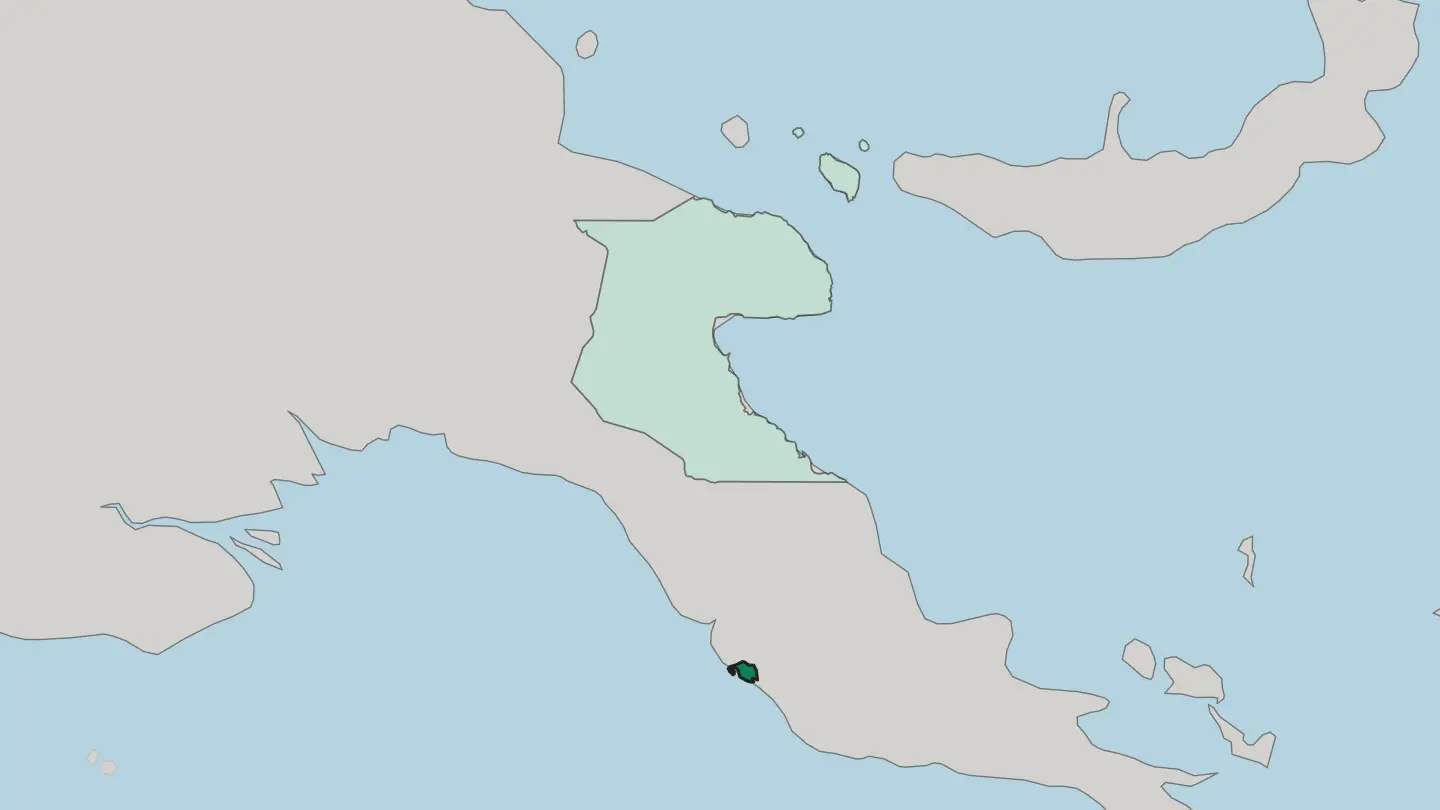
About Papua New Guinea
One country, many worlds.
What is Papua New Guinea known for?
The central spine climbs to Mount Wilhelm in the Bismarck Range, the highest point between the Himalayas and the Andes, while the Sepik River winds through swamp forest to the north coast. Below the water it is just as rich. The reefs of Kimbe Bay and Milne Bay sit inside the Coral Triangle, drawing divers to walls, wrecks, and coral gardens.
Add more than eight hundred languages and the cultural festivals of the Highlands, and the country reads like a continent in miniature.
Where is Papua New Guinea?
Papua New Guinea occupies the eastern half of New Guinea, the largest tropical island on earth, and shares its only land border with Indonesia to the west. A rugged mountain cordillera runs the length of the mainland, the New Guinea Highlands, splitting the country into a wet northern slope and a drier southern one. This is high, broken country.
Mount Wilhelm rises to more than four thousand metres in the Bismarck Range, cold enough for frost, while deep valleys between the ridges hold farming communities that stayed unknown to the outside world until the twentieth century. Rivers carve out everything below the ridges. The Sepik River loops for over a thousand kilometres across the northern lowlands before reaching the Bismarck Sea, and the Fly River drains the vast southern swamps toward the Gulf of Papua.
Offshore, the land keeps going. Hundreds of islands scatter across the Bismarck and Solomon Seas, among them New Britain with its live volcanoes near Rabaul, New Ireland, and Bougainville far to the east. Coral reefs ring much of the coast.
From alpine grassland to mangrove delta, few countries this size hold such a range of ground.
What is the history of Papua New Guinea?
People reached New Guinea tens of thousands of years ago, and agriculture began independently in the Highlands' Wahgi Valley among the earliest anywhere. The land stayed divided into countless small communities, each with its own tongue. Colonial powers carved it up late.
Germany took the north, Britain the south, and after the First World War Australia governed both territories as one. The Second World War then tore across the island. Japanese forces pushed toward Port Moresby over the Owen Stanley Range in 1942, and the fighting along the Kokoda Track, at Milne Bay, and around Rabaul left wrecks and memorials that travellers still visit.
Australian administration resumed afterward and slowly widened self-rule. Michael Somare, a leader from the East Sepik, guided the territory to full independence on 16 September 1975, becoming the country's first prime minister. Nationhood was young, but the human story beneath it was very old.
From that patchwork of languages and clans a single Pacific state was assembled in a lifetime.
What is Papua New Guinea like?
No country is more linguistically diverse. More than eight hundred languages are spoken across Papua New Guinea, roughly a tenth of the world's total, and most people bridge them with Tok Pisin, the Melanesian creole that ties the nation together. Custom runs through daily life.
Clan ties, exchange, and the wantok system of obligation to one's own language group still order much of society. The culture shows itself most vividly at the sing-sing. At the Goroka Show and the Mount Hagen Show, hundreds of tribes gather in feathered headdresses, shell ornaments, and painted faces to dance and drum in competition.
Along the Sepik River, master carvers produce the spirit masks, story boards, and haus tambaran ancestor houses that fill museums abroad. Bird-of-paradise plumes signal status here as they have for centuries. Cooking centres on the mumu, an earth oven of hot stones baking pork, sweet potato, and greens for a feast.
Art, language, and ceremony are not preserved for show. They remain the working grammar of everyday belonging.
What is the climate of Papua New Guinea?
In Papua New Guinea, height decides the climate. Altitude sets everything. The lowlands and islands are hot, humid, and tropical year round, with a wet northwest monsoon from December to March and drier southeast trade winds from May to October.
Climb into the Highlands and it changes fast. Around Mount Hagen and Goroka the days stay mild and the nights turn genuinely cold, while the peaks near Mount Wilhelm can see frost. Rain is heavy almost everywhere, feeding the rivers and the rainforest that covers most of the country.
How do you get to Papua New Guinea?
Almost everyone arrives by air. Jacksons International Airport at Port Moresby is the main gateway, with connections from Australia and Singapore feeding the domestic network onward. Inside the country, planes do the heavy lifting.
Rugged terrain and few sealed roads mean short flights link the coast to Highlands towns such as Mount Hagen and Goroka, and light aircraft reach the remote strips beyond. The Highlands Highway carries road traffic up from Lae, but for most travellers the bush plane is the workhorse.
Good for
Updated September 2026