Philippines · Davao
Where to Stay in Digos, Davao
Mango Capital of the Philippines. Digos is the capital of Davao del Sur, a component city of some 287 square kilometres in the Davao Region.
Hotel links are affiliate links: booking through them may earn us a commission, at no extra cost to you. It never affects how places are ranked. How this works


Where to stay in Digos
Where visitors usually base themselves, and why.
Davao del Sur's business brings most of the beds. Digos holds the provincial capital, and rooms in a city of this kind are filled by people with something to do at the offices rather than by holidaymakers working through a list of sights. There is no sight list.
What the record gives Digos is a nickname and a capital function, and a stay is planned around the practical matter of being in Davao del Sur rather than around anything to see in the city itself. Space is not the problem here. Some 287 square kilometres belong to the city, which is generous ground for a component city and means the built-up part is only a share of what carries the name.
Digos spreads. A room on the edge of the city sits closer to open ground than to neighbours, and the mango growing that produced the Mango Capital of the Philippines nickname happens outside the streets rather than in them. Regional traffic runs past.
Anyone moving through Davao del Sur on the way to somewhere else in the Davao Region will find Digos an easy overnight, and that is how most stays here are used.
Find hotels in Digos
Direct booking searches for these neighbourhoods.
Digos
Digos holds the capital of Davao del Sur, and the provincial business that comes with it is what fills the city's rooms.Find hotels in DigosRuns across the province the Mango Capital sits inDavao del Sur
Davao del Sur reaches well beyond the 287 square kilometres of Digos, and the mango growing behind the nickname happens outside the city streets.Find hotels in Davao del SurHotel links are affiliate links: booking through them may earn us a commission, at no extra cost to you. It never affects how places are ranked. How this works
About Digos
Mangoes gave Digos its byname.
What is Digos known for?
The city is called the Mango Capital of the Philippines, and that single nickname does more to identify it outside Davao del Sur than its administrative role does. Government is the other half. Digos is officially the City of Digos and the capital of Davao del Sur, so the provincial offices and the fruit reputation share the same address.
What are the main landmarks in Digos?
Digos dates to 1949 and carries no signature monument. The record attaches no named landmark to the city, which leaves the Mango Capital of the Philippines nickname doing the work that a cathedral or a museum does elsewhere in Davao del Sur. That absence shapes a visit.
What a visitor finds is a working provincial capital of 287 square kilometres, and the reputation for mangoes rather than a list of built sights.
What is the history of Digos?
The date on the record is 1949. Everything the archive holds about Digos as a unit of its own begins there, and the years before that belong to Davao del Sur and to the wider Davao Region rather than to the city under its present name. Two names sit in the record.
Digos is officially the City of Digos, and its standing as a component city is the classification the province and the Davao Region file it under. Mangoes entered the story separately. The nickname Mango Capital of the Philippines is not dated in the record, but it is the one description of Digos that travels beyond the province, and it points at agriculture rather than at administration as the source of the city's reputation.
Both roles still hold. A capital of Davao del Sur handles provincial government while a city of 287 square kilometres keeps enough ground for the growing that earned the byname, and neither part of that has displaced the other. Beyond that, the record goes quiet.
The account that can be given for Digos is therefore the administrative one and the agricultural one, a provincial capital with a fruit reputation and a 1949 date behind both.
Where is Digos?
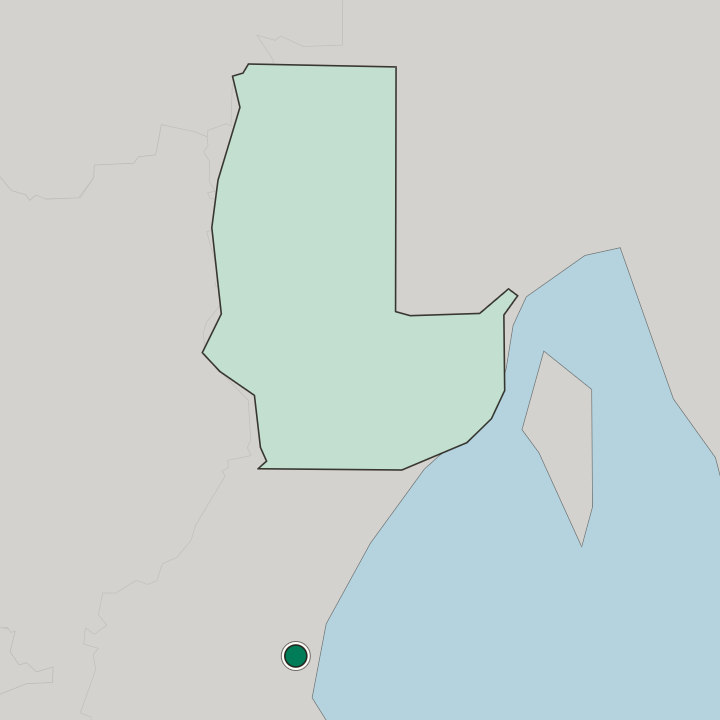
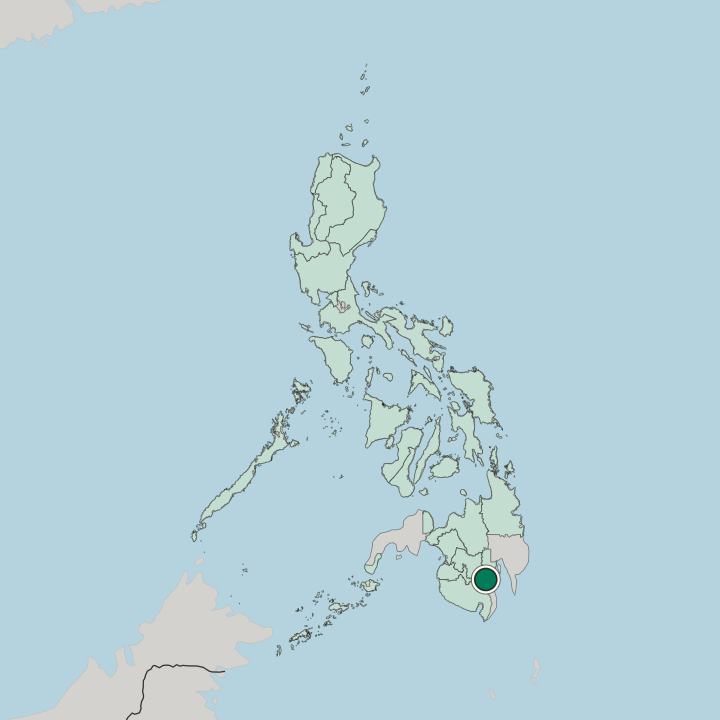
Some 287 square kilometres carry the city. Digos covers a large share of Davao del Sur for a single component city, and much of what falls inside the boundary is open ground rather than street. The Davao Region is the wider setting.
Scale rather than any single feature is what shapes the place, because a city this large on the map holds farmland, edges and a built centre inside one boundary.
What is the climate of Digos?
Rain divides the year, not temperature. Digos sits well inside the tropics, so warmth is a constant across Davao del Sur and the difference between one month and another is a difference in how wet it is. Mangoes need that.
The growing that earned Digos the Mango Capital of the Philippines nickname depends on a long warm season, and Davao del Sur supplies it without much variation from one part of the year to the next.
How do you get to Digos?
Davao del Sur's roads converge on its capital. Digos is where provincial business is done, so the routes that serve the province run to the city whether or not a traveller intends to stop there. The Davao Region continues past.
A journey through this part of the Philippines is likely to cross Digos on the way to somewhere further along, and the 287 square kilometres of the city make that crossing longer than the built-up part alone would suggest.
Common questions
What is the best area to stay in Digos?
Digos: Overnights built around Davao del Sur's provincial offices. Davao del Sur: Runs across the province the Mango Capital sits in.
More cities in Davao
Updated September 2026