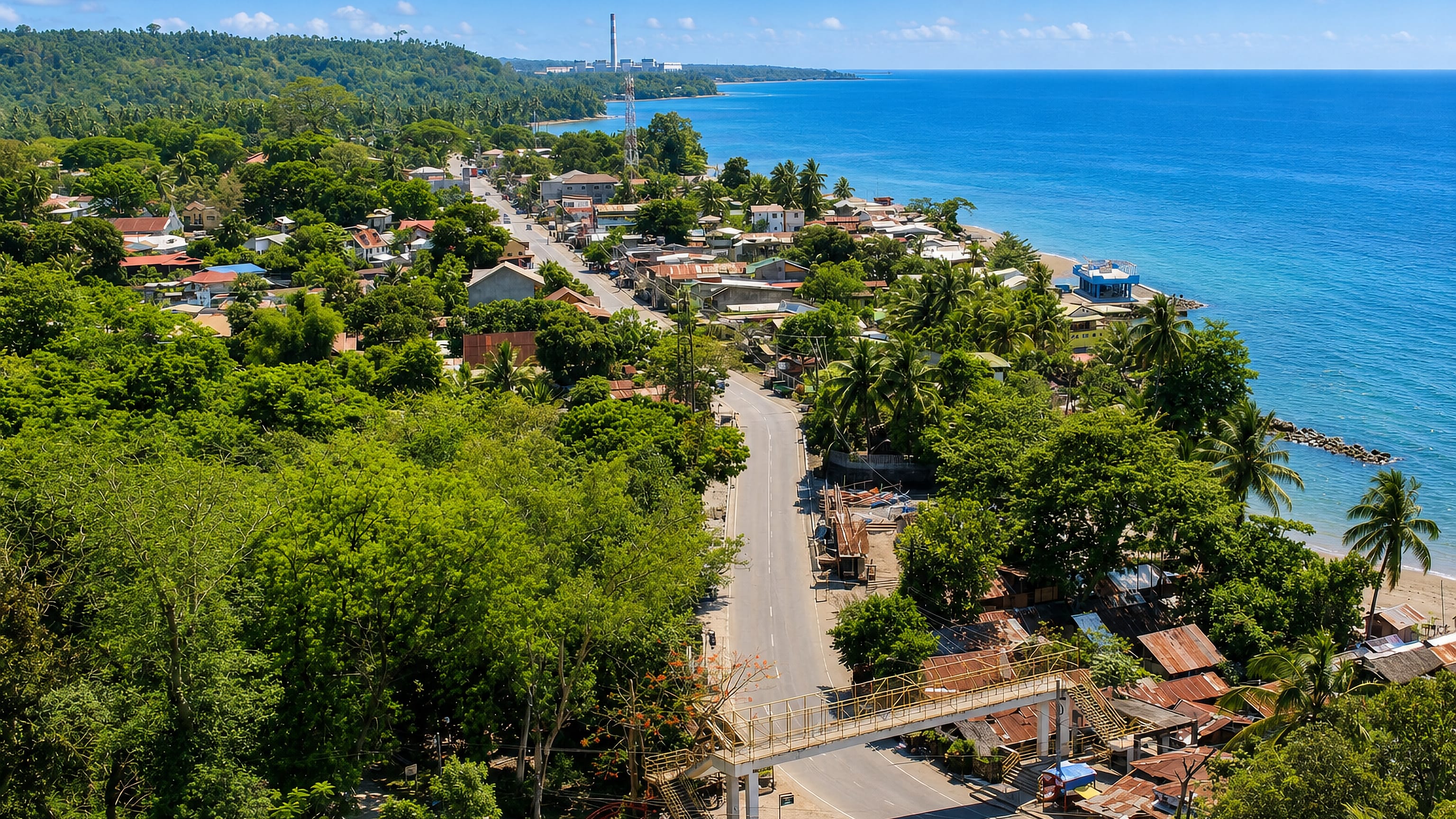
Philippines · Northern Mindanao
Where to Stay in Iligan, Northern Mindanao
Iligan is a port and industrial city on the north coast of Mindanao in the Philippines, known across the islands as the City of Waterfalls.
Hotel links are affiliate links: booking through them may earn us a commission, at no extra cost to you. It never affects how places are ranked. How this works


Where to stay in Iligan
How the choice of base plays out on the ground.
Where you stay in Iligan turns on the town or the falls. The streets around the centre keep the port, the markets, and the plaza within a walk, and staying downtown suits anyone here for the city and the harbour. The bay opens past the front.
Buses leave for the falls. Out toward the hills and the springs, the town gives way to the waterfalls, the cool pools of Timoga, and the green ravines. A room up the valley trades the streets for the spray of the falls, the spring-fed pools, and the shady picnic groves.
The water runs cold and clear. Stay downtown for the port, or up the valley for the falls. It is only a short drop back down from the falls into Iligan.
Find hotels in Iligan
Direct booking searches for these neighbourhoods.
The town centre
Around downtown on Iligan BayFind hotels in The town centreStays wanting the waterfalls and poolsThe falls and springs
Up the valleyFind hotels in The falls and springsHotel links are affiliate links: booking through them may earn us a commission, at no extra cost to you. It never affects how places are ranked. How this works
About Iligan
Iligan is the city of waterfalls on Mindanao.
What is Iligan known for?
On the shore of Iligan Bay in the north of the island, it is famous for the many falls that pour down its hills, and it keeps the mighty Maria Cristina Falls that light the city, the twin drop of Tinago hidden in a gorge, the cool spring pools of Timoga, and the steel mills and harbour that made it an industrial town. The white falls thunder down. The warm bay opens north.
What are the main landmarks in Iligan?
The Maria Cristina Falls are the glory of Iligan. The great white cataract on the Agus, split in two over a cliff and harnessed to light the city, thunders in a gorge above the town, the emblem of Iligan, on the river. A softer fall hides nearby.
The twin cascade of Tinago drops into a green ravine close by, while the Timoga spring pools, the old harbour, and the steel mills mark the country around Iligan.
What is the history of Iligan?
Iligan began as a coast town of the north of Mindanao. In Spanish days a fort and mission stood on the bay to guard the shore, and a small port grew below the falls where the Agus fell to the sea. The falls held great power.
When engineers dammed the Maria Cristina Falls after the war, its water turned the turbines that lit the whole island and drew mills to the town. Power made Iligan an industrial city. On the cheap current of the falls rose steel works, cement and chemical plants, and a busy harbour, so that Iligan grew into one of the great industrial towns of Mindanao.
The mills rose by the shore. Around them the city spread along the bay and up the hills among its many waterfalls, keeping its factories, its port, and its cool spring pools. The falls still turn the wheels.
Iligan keeps its harbour and its waterfalls on the coast of Mindanao.
Where is Iligan?
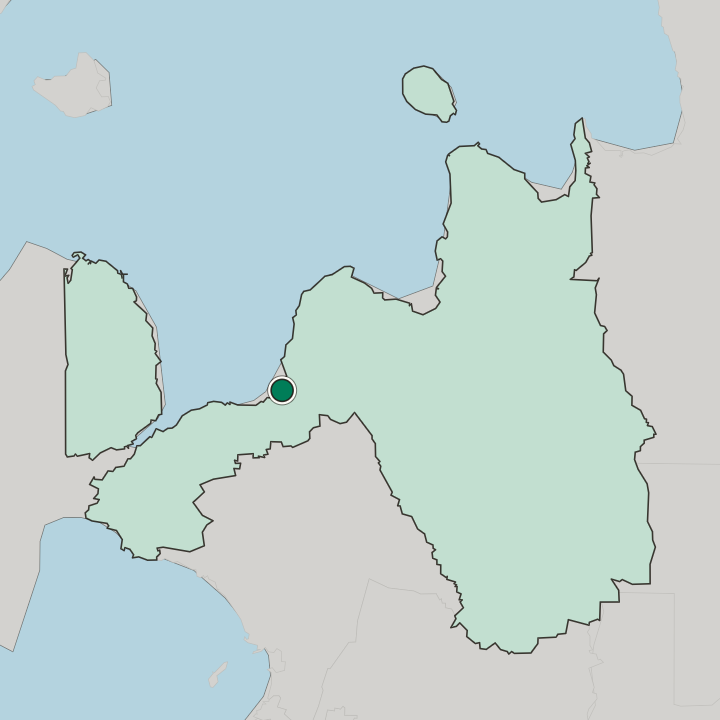
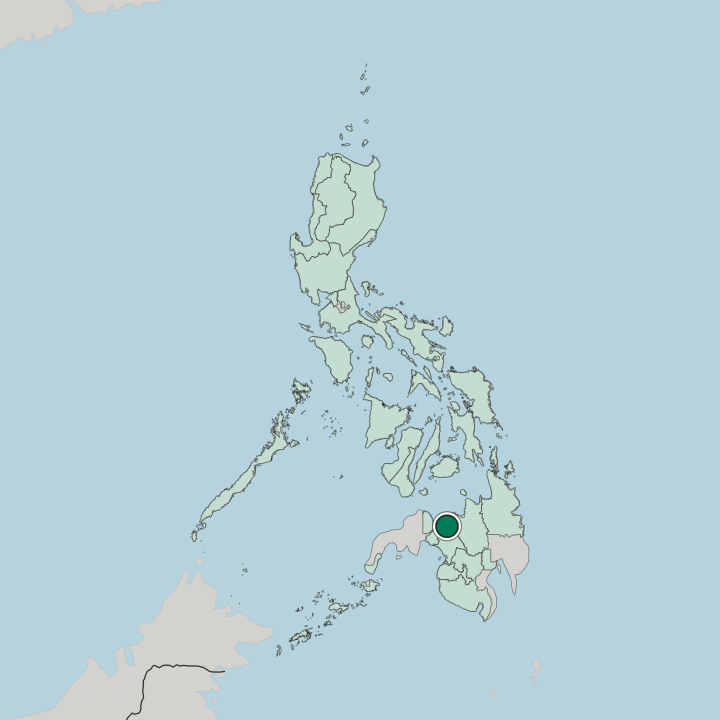
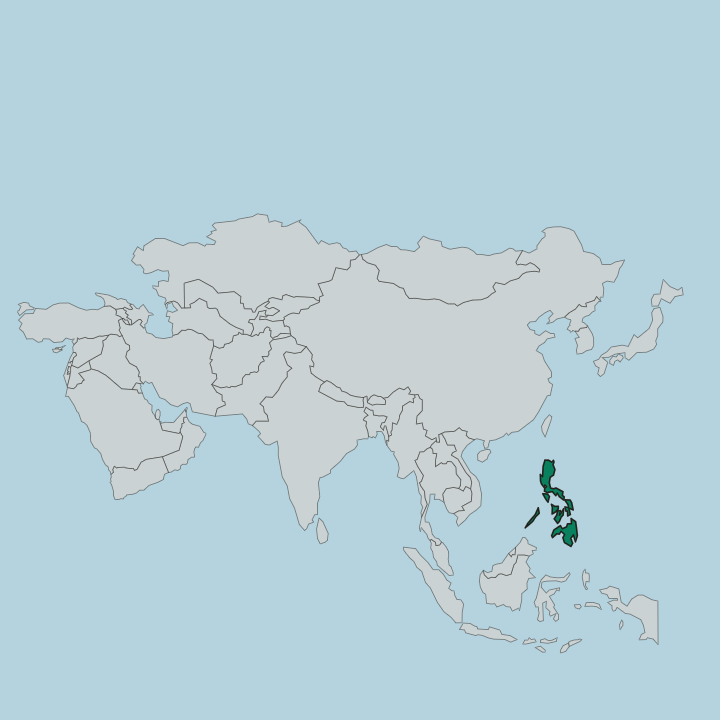
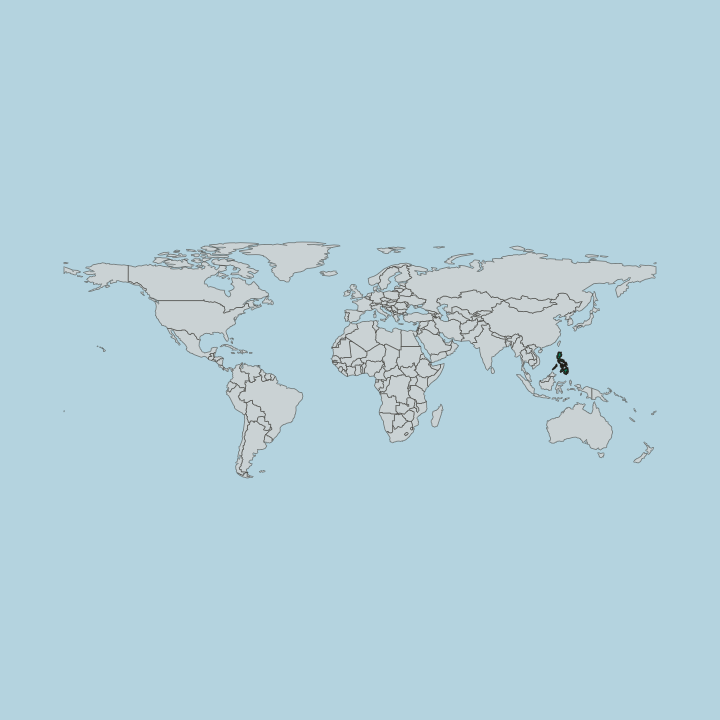
Iligan lies on the north coast of Mindanao, in the far south of the Philippines, at the mouth of the Agus river on Iligan Bay. The land climbs quickly from the shore to green highlands, so that rivers tumble down in falls to the sea, with Lake Lanao on the plateau above feeding the Agus. Steep hills rise behind.
The bay lies wide and warm.
What is the climate of Iligan?
Iligan lives under a hot, rainy tropical sky. Hot damp weather holds all year on the coast, with rain in every month and heavier downpours in the wet season, cooled a little by the sea. The rains feed the falls.
Warm days run much alike.
How do you get to Iligan?
Iligan sits on the north coast of Mindanao, on Iligan Bay. Ships and buses reach it along the coast road from Cagayan de Oro and up from the lake country, and a ferry crosses the bay. Vessels come and go from Iligan's harbour all day.
Cagayan de Oro lies east.
Common questions
What is the best area to stay in Iligan?
The town centre: Visitors here for the port and plaza. The falls and springs: Stays wanting the waterfalls and pools.
Good for
More cities in Northern Mindanao
Updated September 2026