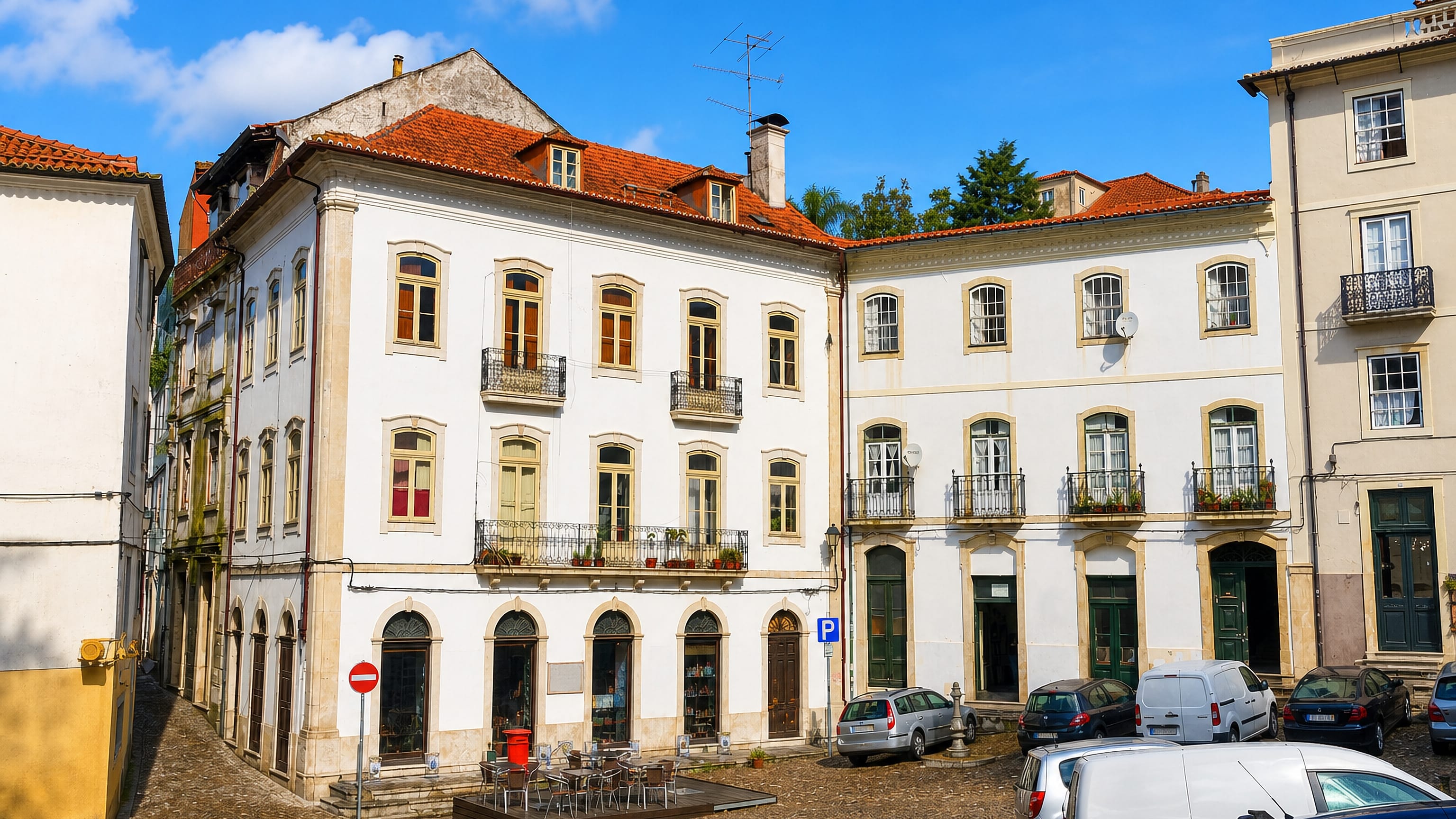
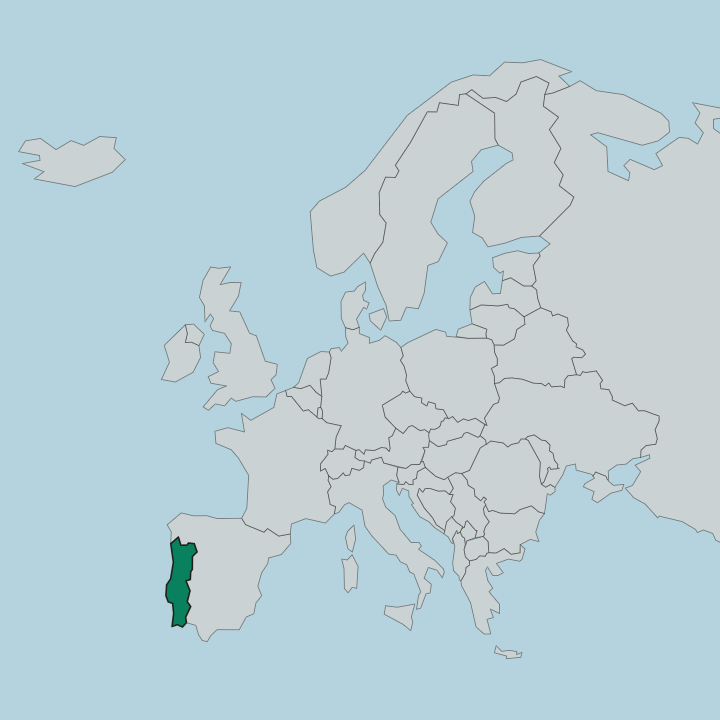
Portugal · Distrito de Coimbra
Where to Stay in Coimbra, Distrito de Coimbra
Coimbra carries an Old Cathedral and a New Cathedral, the Monastery of Santa Cruz, and a university that lends its name to a science museum.
Hotel links are affiliate links: booking through them may earn us a commission, at no extra cost to you. It never affects how places are ranked. How this works



Where to stay in Coimbra
Where visitors usually base themselves, and why.
Two cathedrals mark the choice. The Old Cathedral of Coimbra and the New Cathedral of Coimbra both sit on the historic ground with the Machado de Castro National Museum and the Paço de Sub-Ripas, and a room among them keeps the oldest entries on the register at walking distance. That is the dense end.
Students fill the other side of the picture, and a bed near the Coimbra University Stadium or the Pavilhão Multiusos de Coimbra suits anyone here for a match or an event rather than for the monasteries. Families have a third option. Portugal dos Pequenitos and the Exploratório - Centro Ciência Viva de Coimbra are the two entries built for children, and a stay planned around them puts the monasteries second.
The monasteries are not one cluster. The Monastery of Santa Clara-a-Velha, the Monastery of Celas and the Mosteiro de São Domingos de Coimbra each stand on their own ground, and covering all three from one bed means moving between quarters. Reasons decide it.
Anyone splitting time between the Igreja de São Tiago, the Igreja da Graça and the Edifício do Chiado is choosing the same historic quarter three times over.
Find hotels in Coimbra
Direct booking searches for these neighbourhoods.
The cathedral ground
The Old Cathedral of Coimbra, the New Cathedral of Coimbra and the Machado de Castro National Museum belong to the same historic quarter, which makes one room enough for the oldest part of the register.Find hotels in The cathedral groundfixtures at the stadium and events at the Pavilhão Multiusos de CoimbraAround the Coimbra University Stadium
The Coimbra University Stadium and the Pavilhão Multiusos de Coimbra bring a different crowd than the monasteries do, and rooms on that side get booked for dates rather than for sightseeing.Find hotels in Around the Coimbra University Stadiuma family day at Portugal dos Pequenitos and the Exploratório science centrePortugal dos Pequenitos side
Portugal dos Pequenitos and the Exploratório - Centro Ciência Viva de Coimbra are what a family day is built around, so a bed picked for them leaves the church list for another visit. Few places to stay nearby — book ahead.Find hotels in Portugal dos Pequenitos sideHotel links are affiliate links: booking through them may earn us a commission, at no extra cost to you. It never affects how places are ranked. How this works
Things to do in Coimbra
Ranked by global recognition; descriptions from Wikidata (CC0).
Museums & Galleries
3- Machado de Castro National Museum Heritage
- Edifício do Chiado Heritage
- Exploratório - Centro Ciência Viva de Coimbra
Churches & Religious Sites
8- Monastery of Santa Cruz Heritage
- Old Cathedral of Coimbra Heritage
- Monastery of Santa Clara-a-Velha Heritage
- New Cathedral of Coimbra Heritage
- Igreja de São Tiago Heritage
Show 3 more →
- Monastery of Celas Heritage
- Igreja de São João das Donas Heritage
- Church of Santo António dos Olivais (Coimbra) Heritage
Castles & Historic Sites
1- Paço de Sub-Ripas Heritage
Stadiums & Sports
3- Coimbra University Stadium Heritage
- Pavilhão Multiusos de Coimbra
- Centro de Estágios da Académica
Parks & Gardens
1- Portugal dos Pequenitos Heritage
Landmarks & Notable Places
2- Casa do Forno Heritage
- Casa da Nau Heritage
worth knowingacross 6 categories in Coimbra
About Coimbra
The university sets the tone.
What is Coimbra known for?
The Science Museum of the University of Coimbra and the Coimbra University Stadium both take the institution's name, and the Exploratório - Centro Ciência Viva de Coimbra extends the same scientific side of the city. Two cathedrals stand on the list. The Old Cathedral of Coimbra and the New Cathedral of Coimbra are separate entries, and the Monastery of Santa Cruz and the Monastery of Santa Clara-a-Velha give the monastic side its weight.
Then something built for children. Portugal dos Pequenitos sits on the same register as the Machado de Castro National Museum.
What are the main landmarks in Coimbra?
Coimbra keeps two cathedrals. The Old Cathedral of Coimbra and the New Cathedral of Coimbra head a register that runs through the Monastery of Santa Cruz, the Monastery of Celas and the Mosteiro de São Domingos de Coimbra. Smaller churches follow, among them the Igreja da Graça, the Igreja de São Tiago, the Igreja de São Bartolomeu and the Igreja do Carmo.
Then the secular entries. The Machado de Castro National Museum, the Science Museum of the University of Coimbra, the Paço de Sub-Ripas and the Edifício do Chiado carry the parts of the list that are neither church nor monastery.
What is the history of Coimbra?
Two cathedrals, not one. The Old Cathedral of Coimbra came before the New Cathedral of Coimbra, and the register keeps both, which is the clearest statement the city makes about its own layers. Monasteries came with it.
The Monastery of Santa Cruz, the Monastery of Santa Clara-a-Velha and the Monastery of Celas record religious houses that stood as institutions in their own right rather than as parish churches. The Mosteiro de São Domingos de Coimbra belongs to the same group. Learning reshaped the city.
The University of Coimbra lends its name to a science museum on the register, and the Coimbra University Stadium and the Centro de Estágios da Académica show how far that institution reached beyond its lecture rooms. Townhouses survived alongside. The Paço de Sub-Ripas, the Casa da Nau and the Casa do Forno are the domestic entries, and the Edifício do Chiado marks a later kind of building altogether.
Portugal dos Pequenitos and the Exploratório - Centro Ciência Viva de Coimbra came last, and they show a city that kept adding to its list rather than living off the old parts of it.
Where is Coimbra?
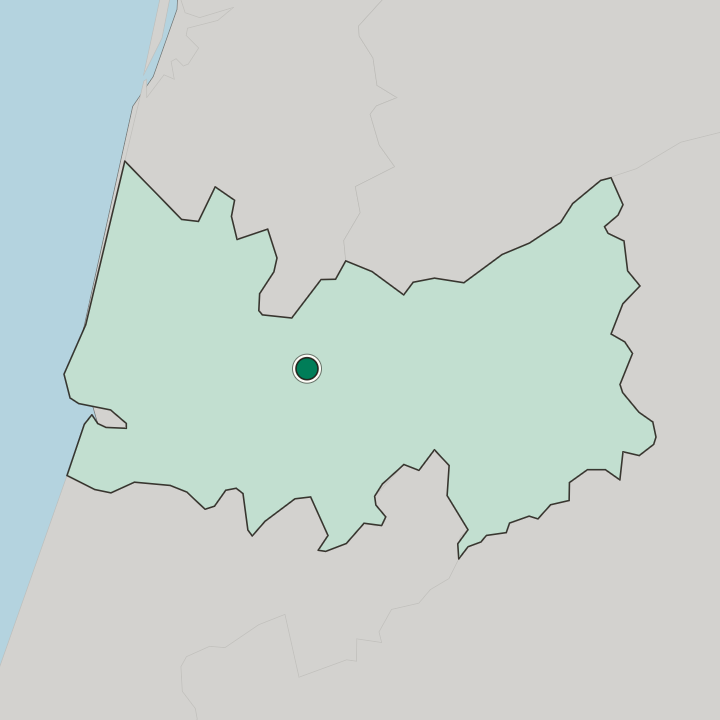
Two kinds of ground carry the list. The Old Cathedral of Coimbra, the Paço de Sub-Ripas and the Igreja de São Bartolomeu belong to the historic core, while the Monastery of Celas and the Church of Santo António dos Olivais carry the names of outlying quarters. Distances inside that core are short.
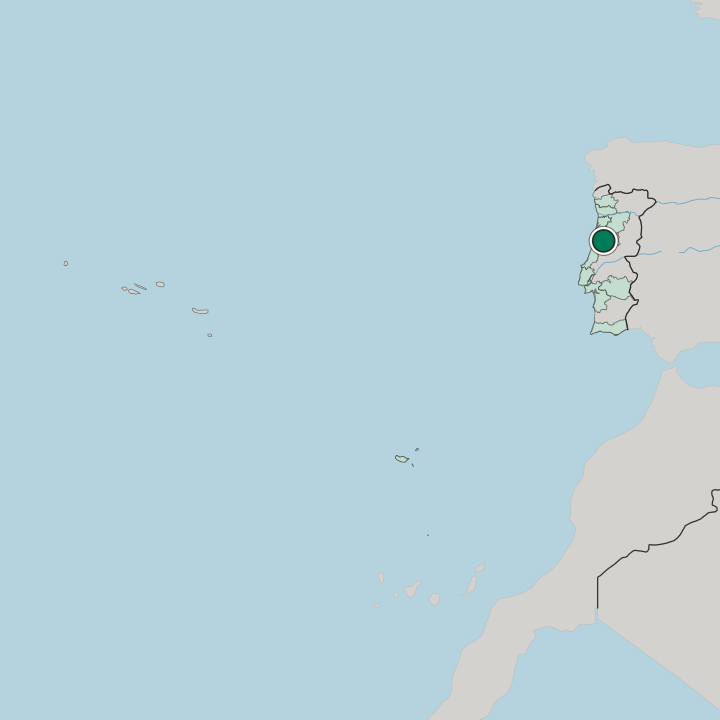
The Distrito de Coimbra takes its name from the city. The Coimbra University Stadium and the Pavilhão Multiusos de Coimbra need more room than the old streets have.
What is the climate of Coimbra?
Seasons here run four deep. Coimbra lies in the temperate zone, which means summer and winter arrive as opposites rather than as a wet season and a dry one, and the register divides along the same line. The warm months matter most.
Portugal dos Pequenitos and the Coimbra University Stadium are outdoor entries, and the walk between the two cathedrals is one too. The Machado de Castro National Museum, the Science Museum of the University of Coimbra and the Exploratório - Centro Ciência Viva de Coimbra cover the rest of the year without weather entering into it.
How do you get to Coimbra?
Coimbra concentrates most of its list in one quarter. The Old Cathedral of Coimbra, the New Cathedral of Coimbra, the Igreja de São Tiago and the Edifício do Chiado are covered on foot, but the Monastery of Celas and the Church of Santo António dos Olivais carry the names of quarters further out. That is a short hop.
The Distrito de Coimbra spreads around the city, and the Pavilhão Multiusos de Coimbra and the Coimbra University Stadium draw arrivals from across it on event days. Walking handles the core.
Common questions
What is the best area to stay in Coimbra?
The cathedral ground: the Old Cathedral of Coimbra and the Machado de Castro National Museum in one walk. Around the Coimbra University Stadium: fixtures at the stadium and events at the Pavilhão Multiusos de Coimbra. Portugal dos Pequenitos side: a family day at Portugal dos Pequenitos and the Exploratório science centre.
Good for
Updated October 2026