Portugal · Distrito de Évora
Where to Stay in Évora, Distrito de Évora
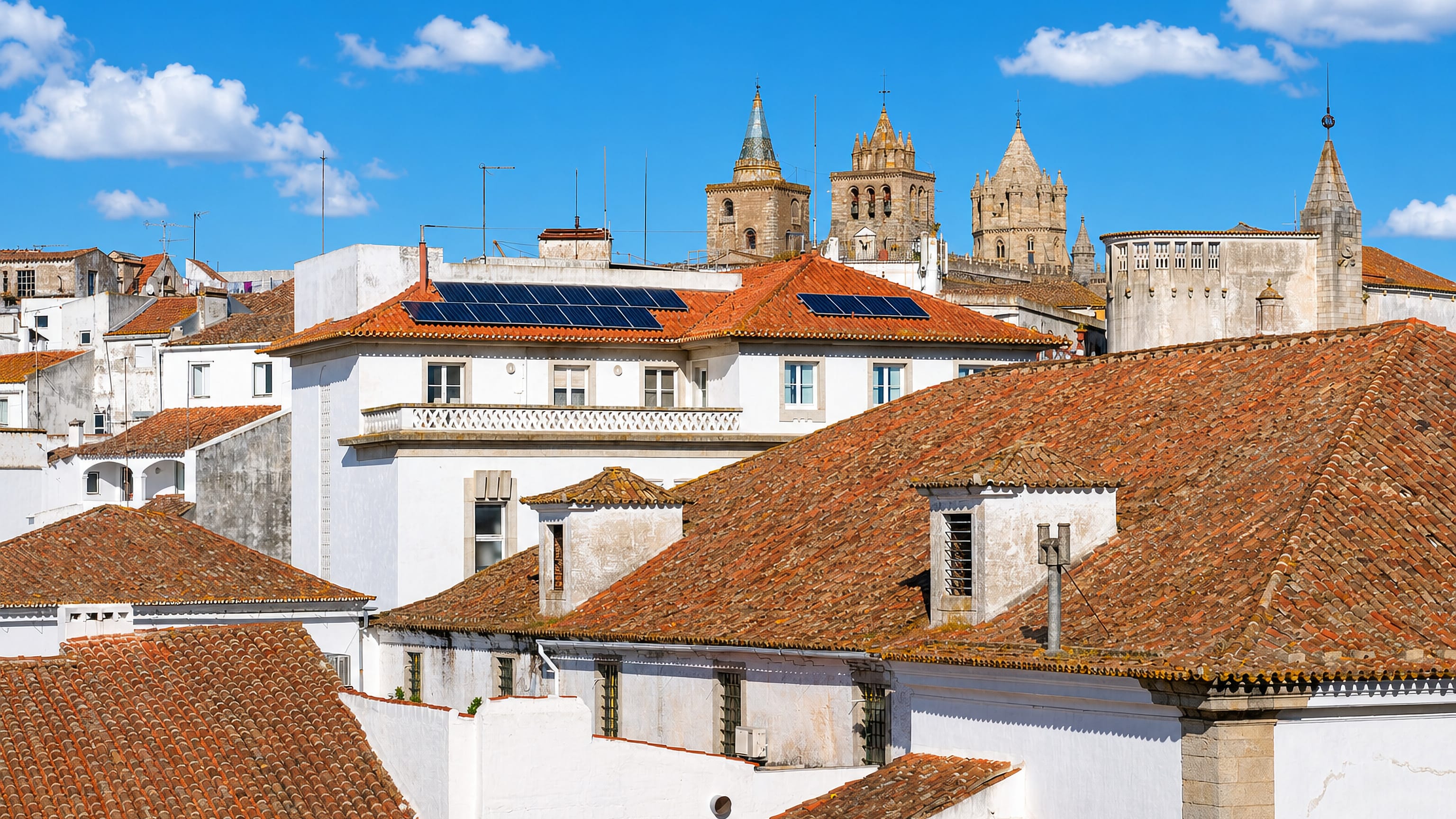
Évora is a walled Portuguese city in the Distrito de Évora, its Roman baths, cathedral, and painted noble houses set in one dense core.
Hotel links are affiliate links: booking through them may earn us a commission, at no extra cost to you. It never affects how places are ranked. How this works


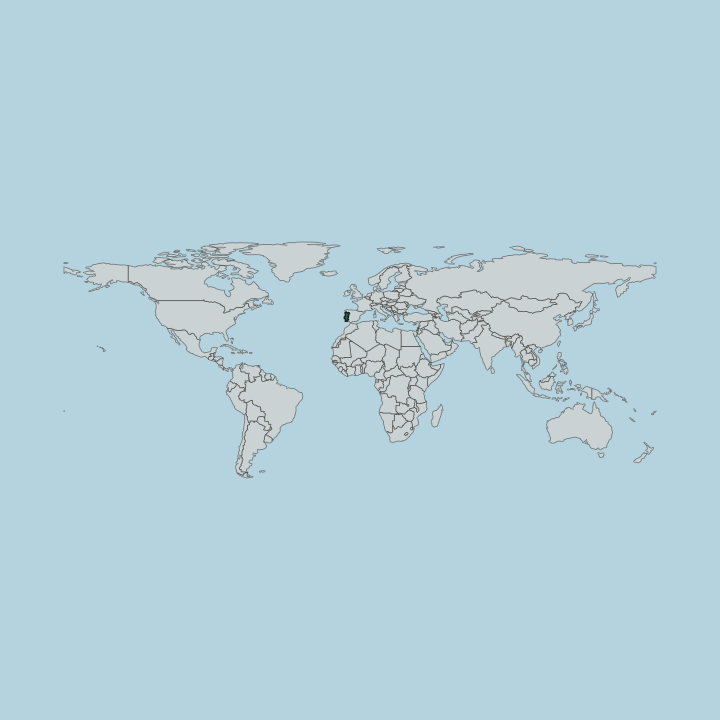
Where to stay in Évora
Where the beds are, and what that means for the visit.
Most beds sit inside the walls, on the lanes between the Cathedral of Évora and the Church of the Lóios, and that is the right choice for a first visit. Inside the walls, walking is enough. The walled core suits you if you would rather walk out of a doorway into the Igreja de São Francisco than plan a day around getting there, and it puts Casas Pintadas, Casa Cordovil, and the Paço de Vasco da Gama on the same short circuit.
Largo da Misericórdia offers a quieter address. Casa Nobre no Largo da Misericórdia gives that square its scale, and rooms nearby stay within reach of the Igreja da Misericórdia de Évora while sitting off the busiest lines through town. Santiago and São Mamede are the parish options.
Their churches, the Igreja Paroquial de Santiago and the Igreja de São Mamede, anchor stretches of the city that feel lived-in rather than visited. Outside is a different proposition. Convento da Cartuxa and the Igreja de Nossa Senhora do Espinheiro stand clear of the built city, and a bed on that side means driving in for dinner and driving out again afterwards.
Rooms are scarce out there.
Find hotels in Évora
Direct booking searches for these neighbourhoods.
Cathedral of Évora
Lanes inside the walls running from the Cathedral of Évora to the Church of the Lóios.Find hotels in Cathedral of ÉvoraA quieter square within the same wallsLargo da Misericórdia
The square that Casa Nobre no Largo da Misericórdia gives its scale to.Find hotels in Largo da MisericórdiaLived-in streets by the Santiago parish churchSantiago
Ground around the Igreja Paroquial de Santiago, off Évora's monument circuit.Find hotels in SantiagoAn ordinary Évora address rather than a monumental oneSão Mamede
Streets anchored by the Igreja de São Mamede instead of by the cathedral.Find hotels in São MamedeOpen country beyond Évora's gatesConvento da Cartuxa
Land out by Convento da Cartuxa and the Igreja de Nossa Senhora do Espinheiro. Few places to stay nearby — book ahead.Find hotels in Convento da CartuxaHotel links are affiliate links: booking through them may earn us a commission, at no extra cost to you. It never affects how places are ranked. How this works
Things to do in Évora
Ranked by global recognition; descriptions from Wikidata (CC0).
Museums & Galleries
2- National Museum Frei Manuel do Cenáculo
- Coleção de Carruagens
Churches & Religious Sites
8- Cathedral of Évora Heritage
- Igreja de São Francisco Heritage
- Convento da Cartuxa Heritage
- Church of Nossa Senhora da Graça Heritage
- Igreja de Santo Antão (Évora) Heritage
Show 3 more →
- Church of the Lóios Heritage
- Igreja da Misericórdia de Évora Heritage
- Igreja e Convento do Carmo de Évora Heritage
Castles & Historic Sites
2- Castelo de Évora Heritage
- Roman baths of Evora Heritage
Landmarks & Notable Places
6- Casa de Garcia de Resende Heritage
- Casa Cordovil Heritage
- Casas Pintadas Heritage
- Casa Nobre no Largo da Misericórdia Heritage
- Casa Soure Heritage
Show 1 more →
- Casa Piçarra Heritage
worth knowingacross 4 categories in Évora
About Évora
Churches crowd Évora.
What is Évora known for?
Cathedral of Évora dominates, but the Church of the Lóios, the Igreja de São Francisco, and the Church of Nossa Senhora da Graça each hold their own ground within a few minutes' walk of it. Rome left its mark below. Roman baths survive within the old core, and the National Museum Frei Manuel do Cenáculo and the Coleção de Carruagens gather what the city and its households collected.
What are the main landmarks in Évora?
The cathedral sets the scale. Cathedral of Évora, the Castelo de Évora, and the Roman baths mark three separate eras on the same walled ground, and the Igreja de Santo Antão, the Igreja de São Vicente, and the Igreja das Mercês fill in around them. Igreja e Convento do Carmo de Évora and the Church of Senhor Jesus da Pobreza add two more.
Noble houses answer them. Casa de Garcia de Resende, Casa Soure, Casa Piçarra, and the Casas Pintadas keep their façades along the old streets.
What is the history of Évora?
Roman work lies under the city. Roman baths survive from that layer, and the Castelo de Évora belongs to the fortified centuries that came after, when holding the hill mattered more than decorating it. Then the church took over.
Cathedral of Évora, the Church of the Lóios, the Igreja de São Francisco, and the Church of Nossa Senhora da Graça represent successive foundations, and the Igreja da Misericórdia de Évora added charity to worship in the usual Portuguese pattern. Convento da Cartuxa withdrew beyond the walls. Igreja de Nossa Senhora do Espinheiro stands out there too.
Court and commerce built the rest. Paço de Vasco da Gama carries one such name, the Casa de Garcia de Resende another, and the Casas Pintadas keep the painted interiors that gave the building its name. Casa Cordovil, Casa Soure, and Casa Piçarra belong to the same class of building.
Largo da Misericórdia holds another. Parish life ran alongside all of it, at the Igreja Paroquial de Santiago, the Igreja de São Mamede, the Igreja de Santo Antão, and the Igreja de São Vicente, none of them grand and all of them still standing. National Museum Frei Manuel do Cenáculo holds the surviving record.
Where is Évora?
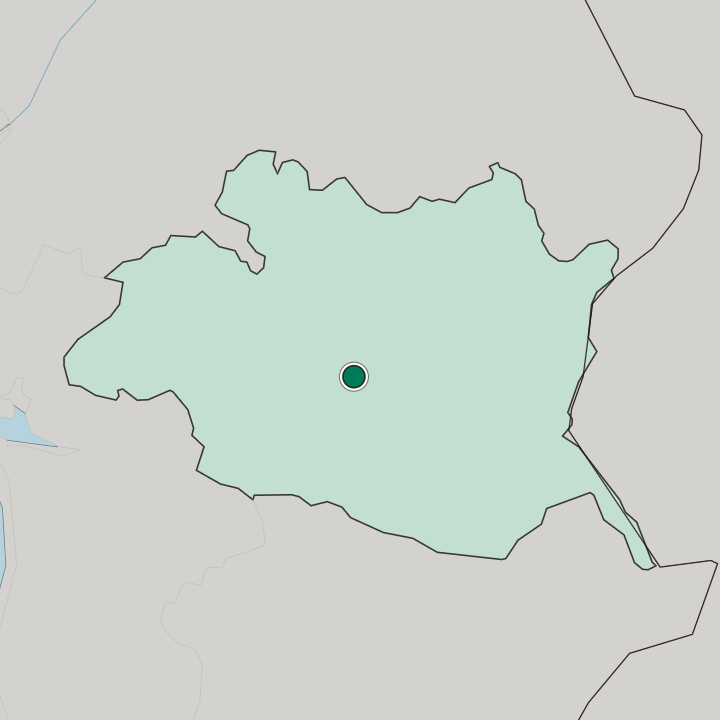
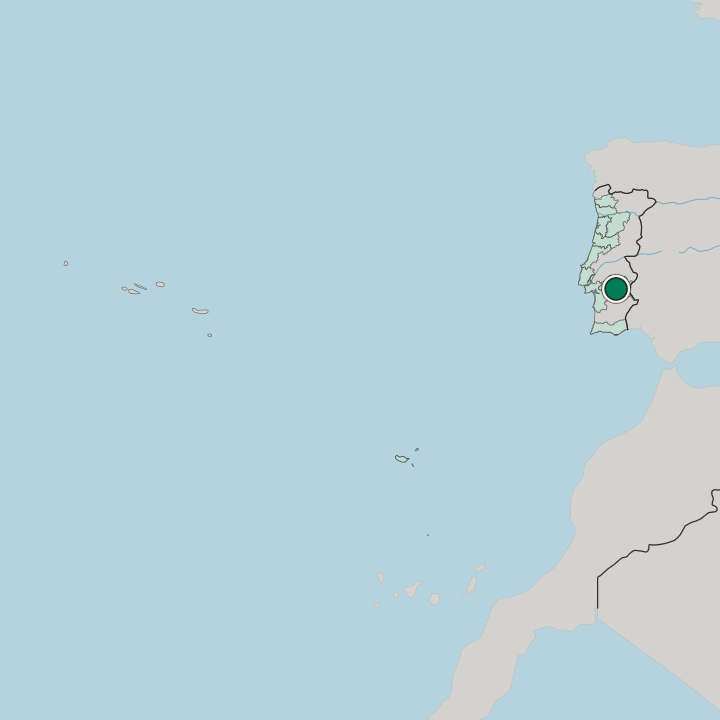
Évora names the Distrito de Évora around it. The walled city occupies rising ground, and Castelo de Évora sits at the point that made the position worth holding in the first place. Farmland begins immediately outside.
Convento da Cartuxa and the Igreja de Nossa Senhora do Espinheiro both stand out in that open country, far enough from the gates that the change from city to field happens in a single step.
What is the climate of Évora?
The old stone does the moderating. Thick walls at the Cathedral of Évora and the Castelo de Évora keep their interiors cool long after the streets outside have warmed, which makes them the obvious refuge on a warm afternoon. Évora's cold season passes quickly. The open country around Convento da Cartuxa feels the extremes more sharply than the sheltered lanes inside the walls.
How do you get to Évora?
The walls decide how arrivals work. Roads across the Distrito de Évora converge on the gates, and vehicles get awkward once inside, where the lanes between the Cathedral of Évora and the Igreja de São Francisco were laid out long before them. Walking solves most of it.
Castelo de Évora, the Roman baths, the National Museum Frei Manuel do Cenáculo, and the Casas Pintadas all sit within the same enclosure, while Convento da Cartuxa needs a vehicle.
Common questions
What is the best area to stay in Évora?
Cathedral of Évora: Waking up between the cathedral and the Lóios. Largo da Misericórdia: A quieter square within the same walls. Santiago: Lived-in streets by the Santiago parish church. São Mamede: An ordinary Évora address rather than a monumental one. Convento da Cartuxa: Open country beyond Évora's gates.
Good for
Updated October 2026