Portugal · Distrito de Faro
Where to Stay in Faro, Distrito de Faro
Faro is the Portuguese city that names the Distrito de Faro, its old core keeping a cathedral, a castle, and a maritime brotherhood's house.
Hotel links are affiliate links: booking through them may earn us a commission, at no extra cost to you. It never affects how places are ranked. How this works


Where to stay in Faro
Where visitors usually base themselves, and why.
The walled ground around the Cathedral of Faro and the Castle of Faro is the base most visitors picture, quiet after dark and small enough to cross without thinking about it. Rooms inside it are limited. That core suits you if the older stones are the point, since the Museu Municipal de Faro, the Casa das Açafatas, and the Casa dos Arcos all sit within the same handful of lanes.
Igreja do Carmo marks the busier side. Beyond the old walls the houses take over. Palacete Ferreira de Almeida, the Edifício da Família Mateus de Silveira, and the Vivenda Marília line streets that are ordinary to walk and unusually good to look at, and beds there are easier to find.
São Pedro and Conceição are the parish alternatives. Igreja de São Pedro and the Igreja de Nossa Senhora da Conceição anchor them, and each keeps a plainer, more lived-in feel than the streets inside the castle wall. Horta do Ourives lies further out.
Anyone choosing that side should expect a walk or a short drive back in, because the old farm buildings and the chapel there sit clear of everything the centre offers.
Find hotels in Faro
Direct booking searches for these neighbourhoods.
Castle of Faro
The enclosed ground shared by the Cathedral of Faro and the Museu Municipal de Faro. Rooms are few around here — worth securing early.Find hotels in Castle of FaroThe busier streets outside the old wallIgreja do Carmo
Blocks around the Igreja do Carmo, where Faro's everyday trade actually happens.Find hotels in Igreja do CarmoA parish base at the São Pedro matrix churchSão Pedro
Streets around the Igreja de São Pedro, plainer than anything inside the castle wall.Find hotels in São PedroThe Conceição parish, lived-in and unhurriedConceição
Ground by the Igreja de Nossa Senhora da Conceição, away from Faro's museum circuit.Find hotels in ConceiçãoFarm buildings and a chapel at the city's edgeHorta do Ourives
The Horta do Ourives estate, where Faro's built streets give out entirely. Few places to stay nearby — book ahead.Find hotels in Horta do OurivesHotel links are affiliate links: booking through them may earn us a commission, at no extra cost to you. It never affects how places are ranked. How this works
Things to do in Faro
Ranked by global recognition; descriptions from Wikidata (CC0).
Museums & Galleries
1- Museu Municipal de Faro
Churches & Religious Sites
8- Cathedral of Faro Heritage
- Igreja do Carmo Heritage
- Igreja de São Pedro, matriz de São Pedro Heritage
- Igreja da Ordem Terceira de São Francisco (Faro) Heritage
- Igreja e Hospital da Misericórdia de Faro Heritage
Show 3 more →
- Convento de Santo António dos Capuchos Heritage
- Igreja de Nossa Senhora da Conceição, matriz da Conceição Heritage
- Ermida de Nossa Senhora da Esperança Heritage
Castles & Historic Sites
1- Castle of Faro
Landmarks & Notable Places
8- Casa das Açafatas Heritage
- Casa do Poeta Dr. Cândido Guerreiro Heritage
- Conjunto da casa nobre, capela e antigas dependências agrícolas da Horta do Ourives Heritage
- Palacete Ferreira de Almeida Heritage
- Casa do Compromisso Marítimo Heritage
Show 3 more →
- Casa do Capitão Manuel de Oliveira Heritage
- Edifício da Família Mateus de Silveira Heritage
- Casa Trigoso Heritage
worth knowingacross 4 categories in Faro
About Faro
What is Faro known for?
Faro's old core is compact. Cathedral of Faro and the Castle of Faro occupy the same enclosed ground, and the Igreja do Carmo stands a few streets away with the Convento de Santo António dos Capuchos beyond it. The sea shaped its trade.
Casa do Compromisso Marítimo carries the name of the seafarers' brotherhood, and the Museu Municipal de Faro holds what the city has kept of its own past.
What are the main landmarks in Faro?
Faro's landmarks are mostly churches. Cathedral of Faro leads, with the Igreja do Carmo, the Igreja da Ordem Terceira de São Francisco, the Igreja e Hospital da Misericórdia de Faro, and the Ermida de Nossa Senhora da Esperança behind it. Castle of Faro holds the defensive line.
Domestic architecture supplies the rest: Casa Trigoso, the Casa da Família Cortes, the Casa de Domingos Guieiro, the Casa do Conde de Santa Maria, and the Casa do Capitão Manuel de Oliveira. Casa de José Maria Assis joins them. Museu Municipal de Faro gathers the movable part.
What is the history of Faro?
Faro's plan starts inside a wall. Castle of Faro and the Cathedral of Faro share the enclosed ground, the arrangement of a place that expected to be defended and governed from the same few streets. Religious houses filled in around it.
Convento de Santo António dos Capuchos, the Igreja da Ordem Terceira de São Francisco, and the Ermida de Nossa Senhora da Esperança each answered to a different order or brotherhood, while the Igreja e Hospital da Misericórdia de Faro combined worship with care of the sick. Two parishes grew outside. Igreja de São Pedro and the Igreja de Nossa Senhora da Conceição are their matrix churches.
The sea paid for much of what followed. Casa do Compromisso Marítimo belonged to the maritime brotherhood, and the merchant and professional families who prospered alongside it left Casa Trigoso, the Casa da Família Cortes, the Casa de Domingos Guieiro, and the Casa do Capitão Manuel de Oliveira. Titles arrived too.
Casa do Conde de Santa Maria and the Palacete Ferreira de Almeida record that, and the Edifício da Família Mateus de Silveira and the Vivenda Marília carry the taste of a later, more comfortable century. Horta do Ourives kept its farm buildings and chapel while the city built up around it, and the poet Cândido Guerreiro gave his name to a house that still stands. Museu Municipal de Faro assembles the evidence.
Where is Faro?
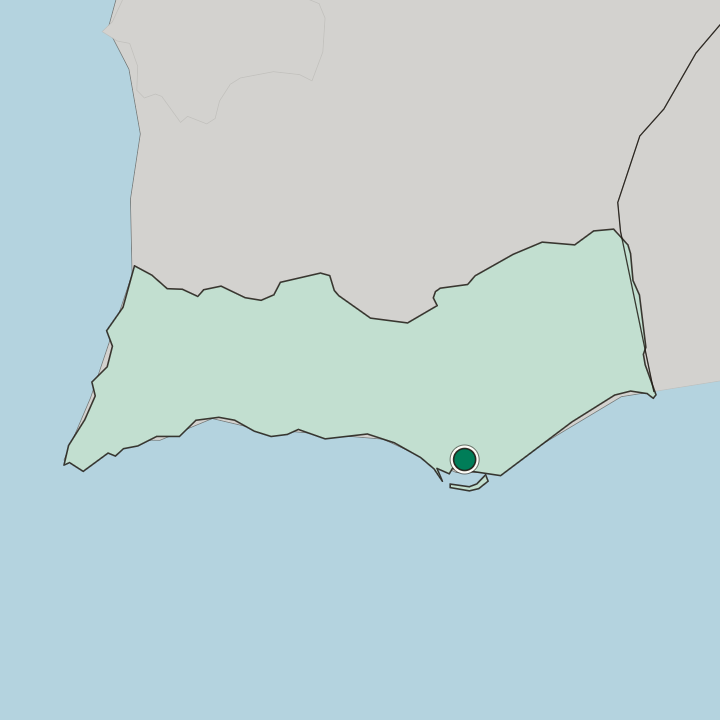
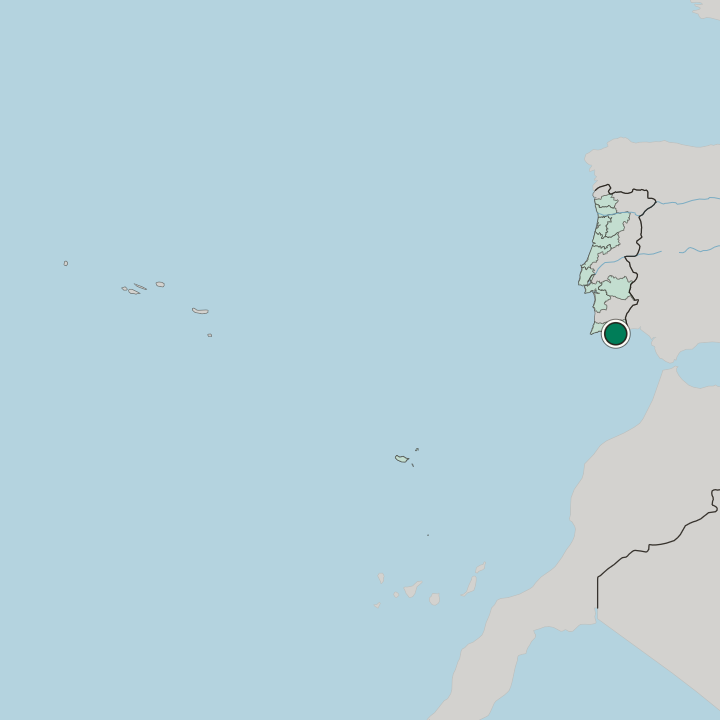
Faro gives the Distrito de Faro its name. The old city sits behind its wall on ground close to the water, and the parishes of São Pedro and Conceição spread out from there onto the land beyond. Horta do Ourives marks the rural edge.
Farm dependencies and a chapel survive on that side, which is as clear a boundary between the built city and the country as Faro keeps.
What is the climate of Faro?
The sea does the regulating here. Water beside the city keeps Faro from the extremes that inland towns take for granted, so the cold months stay short and the walk between the Cathedral of Faro and the Igreja do Carmo stays comfortable through most of the calendar. Shade is worth seeking.
The narrow lanes inside the castle wall hold it better than the open streets around the Museu Municipal de Faro.
How do you get to Faro?
Arrivals funnel toward the old wall. Roads through the Distrito de Faro reach the city from the landward side, and the enclosed ground beyond them is best crossed on foot. Water gave the older approach.
Casa do Compromisso Marítimo stands as the sign of it, and the Cathedral of Faro, the Igreja do Carmo, and the Museu Municipal de Faro are all a short walk from one another. Horta do Ourives needs wheels.
Common questions
What is the best area to stay in Faro?
Castle of Faro: Sleeping inside the walled cathedral core. Igreja do Carmo: The busier streets outside the old wall. São Pedro: A parish base at the São Pedro matrix church. Conceição: The Conceição parish, lived-in and unhurried. Horta do Ourives: Farm buildings and a chapel at the city's edge.
Good for
Updated October 2026