Paraguay · Departamento Central
Where to Stay in San Antonio, Departamento Central
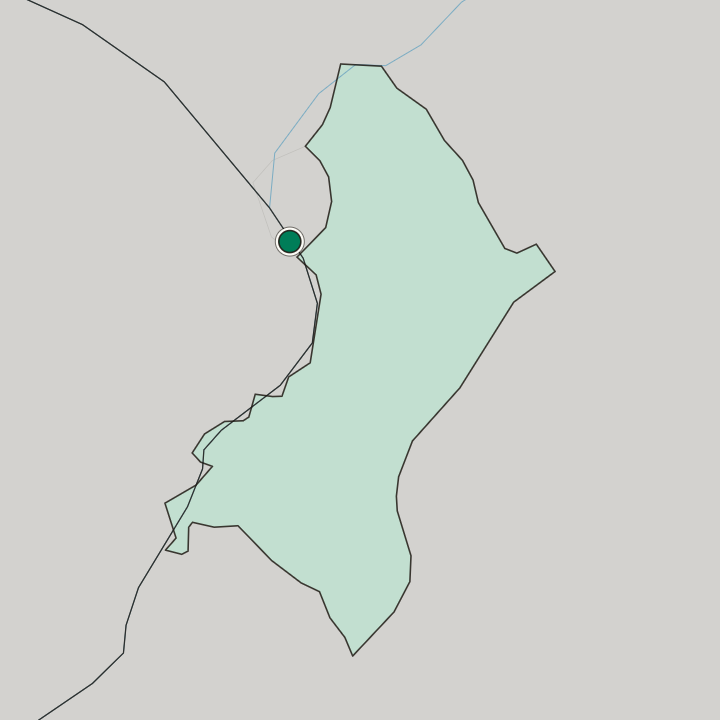
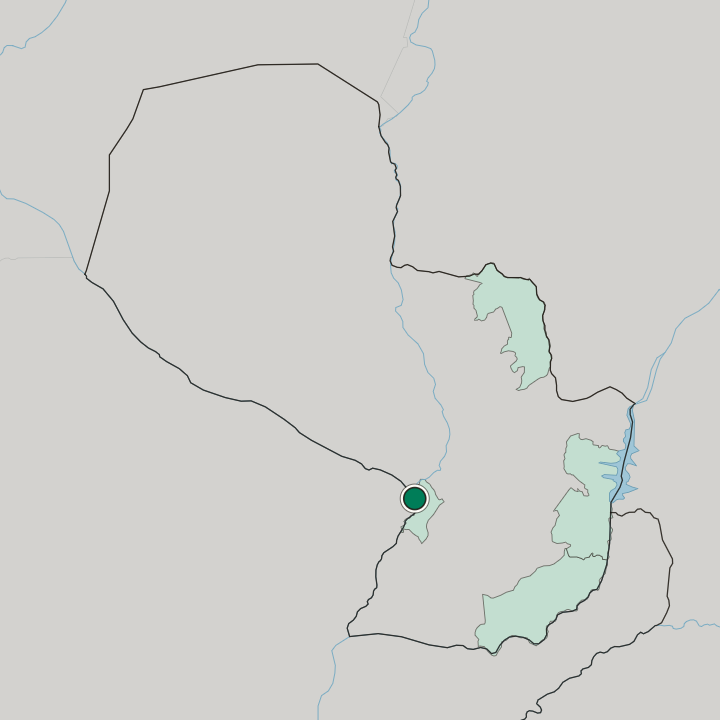
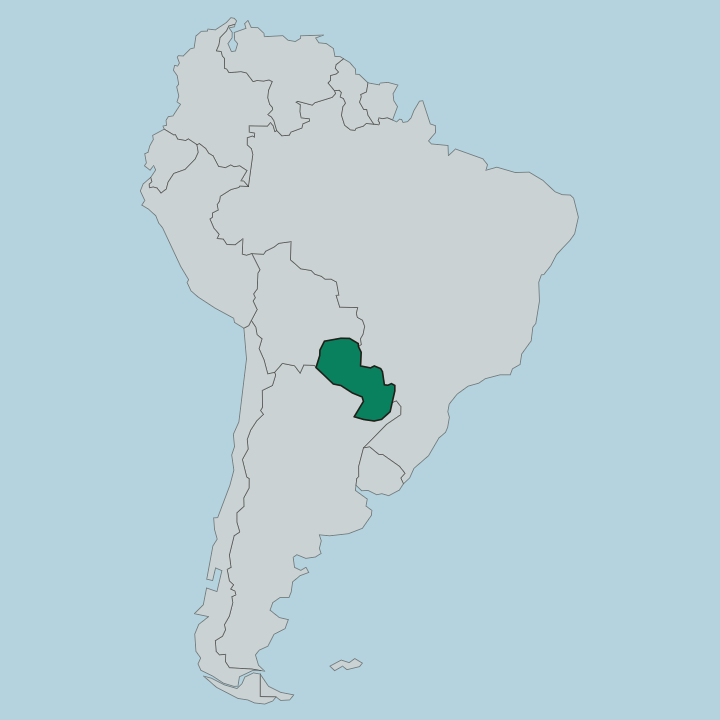
San Antonio is a city in Paraguay's Central Department, on the Paraguay River 25 km from Asunción, beside the colonial Royal Way to Villeta.
Hotel links are affiliate links: booking through them may earn us a commission, at no extra cost to you. It never affects how places are ranked. How this works


Where to stay in San Antonio
Where visitors usually base themselves, and why.
San Antonio runs along the river, and its June festival takes place on the riverbank. The main church stands where the colonial fort was. San Antonio's neighbourhoods run from San Francisco and Mbocayaty to Las Garzas, where the Arroyo Guazú flows.
Buses run to Asunción. Lines 15 and 119 start from the Achucarro neighbourhood, and line 15 runs through Ñemby, Villa Elisa, and Fernando de la Mora to central Asunción. Avenida San Antonio runs parallel to Ruta PY-01.
Find hotels in San Antonio
Direct booking searches for these neighbourhoods.
Riverfront
San Antonio's June festival takes place on the river beach, with a nautical procession of decorated canoes.Find hotels in Riverfrontbus trips to Asunción from the Achucarro terminalAchucarro
Bus lines 15 and 119 start in the Achucarro neighbourhood of San Antonio, line 15 running to central Asunción.Find hotels in Achucarrothe Arroyo Guazú and the Las Garzas neighbourhoodLas Garzas
The Arroyo Guazú, one of San Antonio's main streams, runs through the Las Garzas neighbourhood.Find hotels in Las GarzasHotel links are affiliate links: booking through them may earn us a commission, at no extra cost to you. It never affects how places are ranked. How this works
About San Antonio
San Antonio lives by the Paraguay River.
What is San Antonio known for?
The town's port has shipped fruit since Puerto Naranja opened in 1926, fishing for dorado, pacú, and surubí is an important trade, and each June the feast of its patron saint ends on the water, with a procession of decorated canoes and boats carrying his image. Meat gave San Antonio its first industry: the International Products Corporation slaughterhouse, opened in 1917, was the town's main employer.
What are the main landmarks in San Antonio?
The Parroquia San Antonio de Padua is San Antonio's main church. It was raised on the site of the wooden presidio that once guarded the frontier. Parque Ytororó is the most important forest reserve in the area, the banks of the Arroyo Ytororó saw the Battle of Ytororó in 1868, and the spring of Ycuá San Antonio carries a legend that suitors who drank from it were sure to marry.
What is the history of San Antonio?
San Antonio began as a fort beside the Royal Way, the colonial road to Villeta, guarding the first settlers from raids, and Franciscan missionaries tried to found a mission town at San Antonio in 1782 that did not last. Its port shipped oranges to the Río de la Plata under Francia and Carlos Antonio López. During the War of the Triple Alliance Brazilian troops landed at its ports in December 1868 on their way to the Battle of Ytororó, and the town had already been evacuated.
After the war its people came back, and Agustín Quiñónez and others led the resettlement. A law of 23 April 1903 made San Antonio a district, and families of French, Italian, German, and Spanish origin followed. The International Products Corporation opened its slaughterhouse in 1917, closed it in 1978, and the plant reopened under new owners in 1981.
City status came on 16 March 1981.
Where is San Antonio?
San Antonio lies on the Paraguay River in the Central Department, 25 km from Asunción. Ñemby and Villa Elisa border it on the north, Ypané on the south, Ñemby again on the east, and the river on the west. The Arroyo Guazú runs through the city to the river, and the city also reaches the banks of the Arroyo Ytororó. The district covers about 23 square kilometres.
What is the climate of San Antonio?
The Paraguay River keeps San Antonio's nights and early mornings fresh, while its days run very hot. Trees of many kinds shade the city. The lapacho, or tajy, is one, with cedar, laurel, and palm.
Common questions
What is the best area to stay in San Antonio?
Riverfront: the June feast of San Antonio on the riverbank. Achucarro: bus trips to Asunción from the Achucarro terminal. Las Garzas: the Arroyo Guazú and the Las Garzas neighbourhood.
Another city in Departamento Central
Updated October 2026