Qatar · Baladīyat ad Dawḩah
Where to Stay in Doha, Baladīyat ad Dawḩah
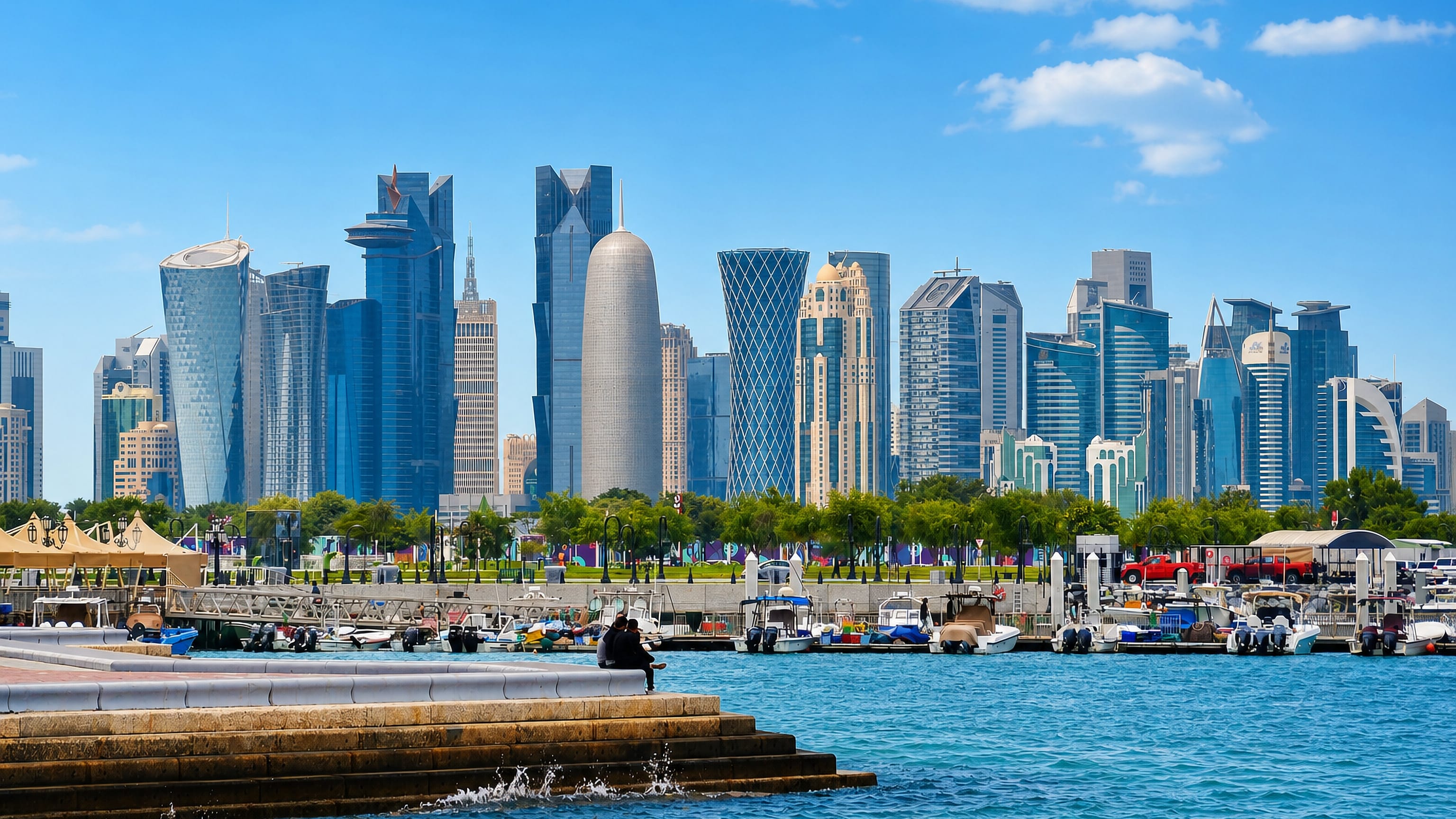
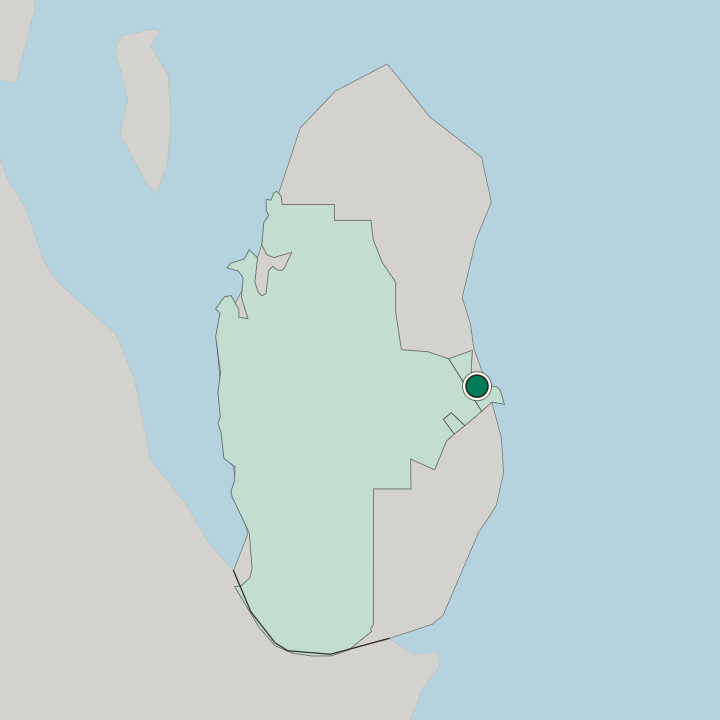
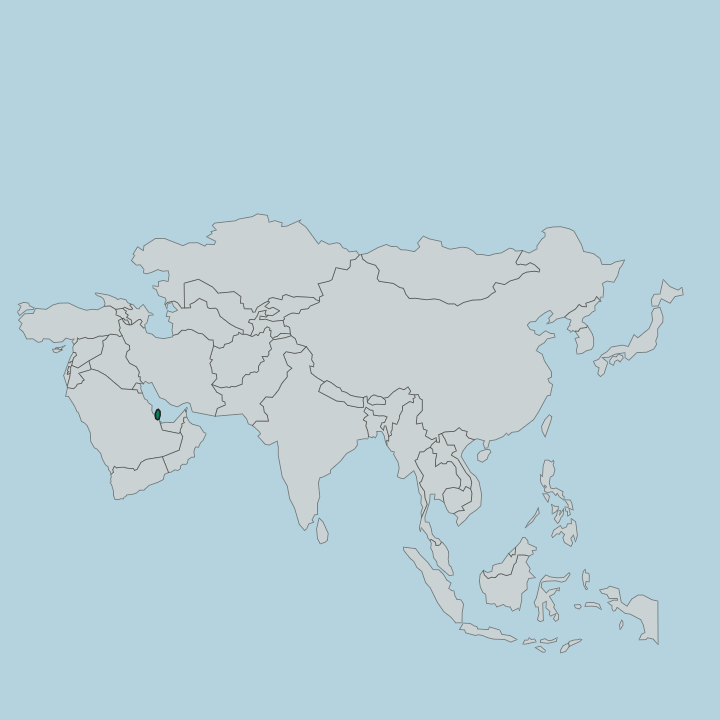
Doha stands on the Persian Gulf coast in eastern Qatar, capital of the country and seat of Baladīyat ad Dawḩah, known for the Museum of Islamic Art.
Hotel links are affiliate links: booking through them may earn us a commission, at no extra cost to you. It never affects how places are ranked. How this works


Where to stay in Doha
The right area depends on your trip — here's what each neighbourhood is best for.
 DohaQatar
Ad Dawḩah al Jadīdah
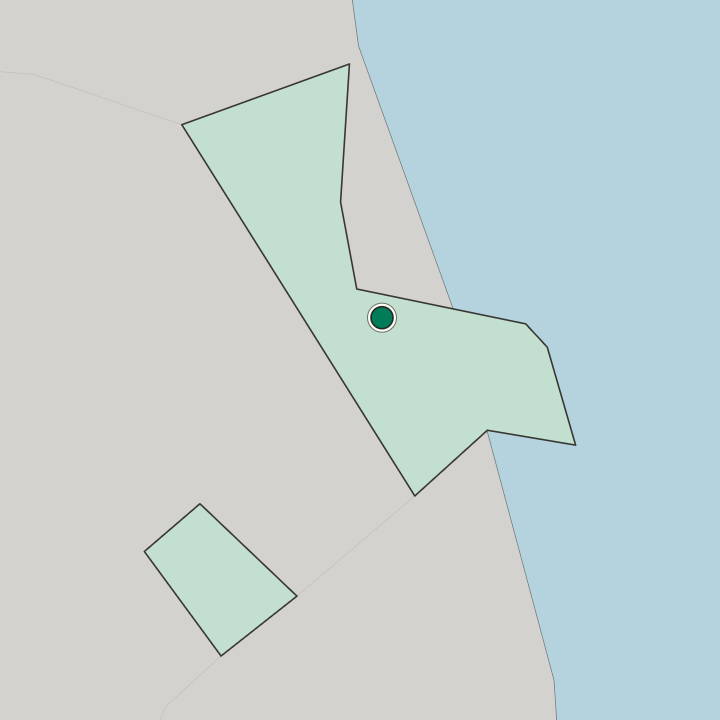
Ad Dawḩah al Jadīdah is a half-square-kilometre district of Doha, bordered by Mushayrib, Old Al Ghanim, Najma and Fereej Abdel Aziz.Where to stay → DohaQatar
Al Ghānim
Al Ghānim, filed in the record as Old Al Ghanim, forms part of the historic downtown of Doha, the Qatari capital.Where to stay → DohaQatar
Al Hitmī
Al Hitmī takes its name from the Al-Hitmi, a branch of the Al Bin Ali tribe, and shares Zone 37 of Doha with Fereej Bin Omran.Where to stay →DohaQatarAs Sulţah al Jadīdah
As Sulţah al Jadīdah covers some three and a half square kilometres of Doha, filed by the record under the name As Salatah al Jadidah.Where to stay → DohaQatar
Al Hilāl al Gharbīyah
Al Hilāl al Gharbīyah is the western half of Al Hilal, a multipurpose district of central Doha that the record also calls Al Hilal West.Where to stay →DohaQatarAl Hilāl ash Sharqīyah
Al Hilāl ash Sharqīyah is the eastern side of Al Hilal, the multipurpose district in central Doha where the Doha Mall stands.Where to stay →Hotel links are affiliate links: booking through them may earn us a commission, at no extra cost to you. It never affects how places are ranked. How this works
Find hotels in Doha
Direct booking searches for these neighbourhoods.
The bay waterfront
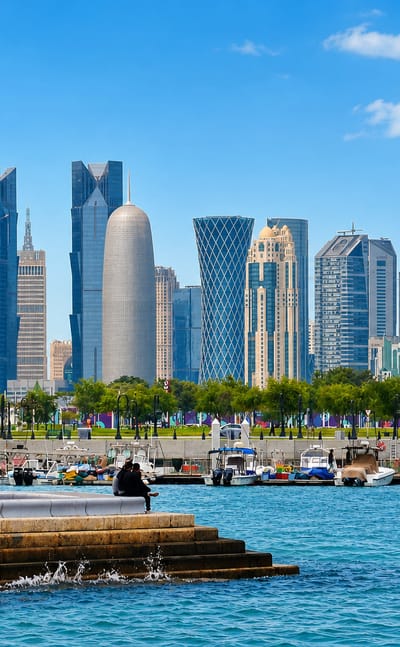
the curving harbour promenade of Doha runs past the Museum of Islamic Art, the capital's foremost landmark, with the Persian Gulf framing the seaward edge of eastern QatarFind hotels in The bay waterfronta walkable inland district around the Msheireb MuseumsMsheireb and the old core
the restored streets around the Msheireb Museums gather Doha's old core set back from the shore, a compact quarter within the seat of Baladīyat ad DawḩahFind hotels in Msheireb and the old coreHotel links are affiliate links: booking through them may earn us a commission, at no extra cost to you. It never affects how places are ranked. How this works
Things to do in Doha
Ranked by global recognition; descriptions from Wikidata (CC0).
Museums & Galleries
3- Museum of Islamic Art
- National Museum of Qatar
- Qatar Museums
Castles & Historic Sites
1- Arches Monument
worth knowingacross 2 categories in Doha
About Doha
What is Doha known for?
Doha is known for the cluster of museums that gather along its waterfront and inland streets. The Museum of Islamic Art anchors the harbour. The National Museum of Qatar, Qatar Museums, and the Msheireb Museums carry the city's cultural weight across the seat of Baladīyat ad Dawḩah, and the Arches Monument and the Fire Station, Doha add to the built landmarks that mark this capital on the Persian Gulf coast in eastern Qatar.
It grew from a pearl fishing village.
What are the main landmarks in Doha?
Doha holds a run of museums and monuments across the capital of Baladīyat ad Dawḩah. Its waterfront leads. The Museum of Islamic Art rises on the harbour of the Persian Gulf, and the National Museum of Qatar and Qatar Museums carry the city's collections inland from the shore.
Among older streets, the Msheireb Museums occupy a restored quarter, while the Arches Monument and the converted Fire Station, Doha mark further points across eastern Qatar. Together these landmarks orient the built face of the city on the Gulf.
What is the history of Doha?
Doha began as a pearl fishing village on the Persian Gulf coast in eastern Qatar, founded in 1850 on the shore of the bay. It was the Gulf that gave rise to Doha. Its early people drew their living from the pearl banks of the Gulf, and the settlement gathered along the harbour that would later carry the Museum of Islamic Art, a small port among the many coastal villages of the peninsula.
The bay held the boats. Fishing and pearling tied this stretch of shore to the wider trade of the Gulf long before the modern capital of Baladīyat ad Dawḩah spread inland across the coastal ground. Over the decades the village on the bay grew into the seat of the country and its largest settlement.
Growth reshaped the shore. Near the water, the old core gave way to a broader city, and the restored streets now held by the Msheireb Museums preserve a memory of that earlier Doha set back from the Persian Gulf. Recording this passage from pearling village to capital, the National Museum of Qatar and Qatar Museums join the built landmarks of the Arches Monument and the Fire Station, Doha among quarters that reach north toward Lusail.
The Gulf remains the constant.
Where is Doha?
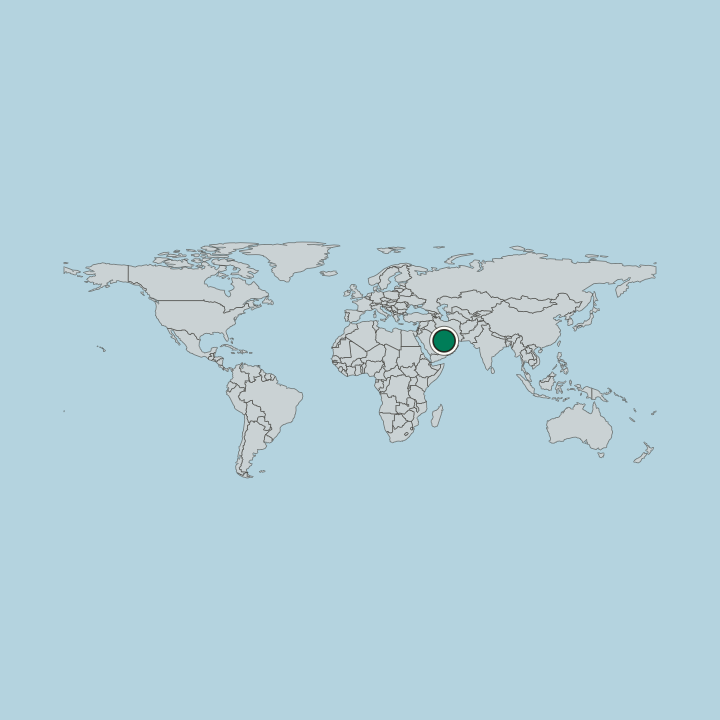
Doha lies on the Persian Gulf coast in eastern Qatar, the capital and seat of Baladīyat ad Dawḩah on a wide bay of the Gulf. It sits north of Al Wakrah. The city curves along the shore, with Lusail and Al Khor extending up the coast to the north and the low coastal ground reaching inland from the water.
The Persian Gulf sets the seaward edge, and the harbour that carries the Museum of Islamic Art marks the heart of the waterfront on this eastern side of the peninsula.
What is the climate of Doha?
Doha has a hot desert climate, shaped by its place on the Persian Gulf coast in eastern Qatar. Summers run long, intensely hot, and humid off the sea. Milder, dry winters follow, when the days ease across the coastal ground of Baladīyat ad Dawḩah.
Rain is scarce here. The Gulf keeps the summer air heavy with humidity along the bay, while the desert setting inland from the shore leaves the wider peninsula parched through most of the year.
How do you get to Doha?
Doha sits on the Persian Gulf coast in eastern Qatar, and travel reaches the capital across the low coastal ground of the peninsula. The bay orients the city. Roads run up and down the shore, linking Doha with Al Wakrah in the south and Lusail and Al Khor to the north, while the seat of Baladīyat ad Dawḩah forms the hub they gather toward.
The Persian Gulf closes off the eastern side, so overland approaches follow the coast inland from the water toward the harbour of the Museum of Islamic Art.
Common questions
What is the best area to stay in Doha?
The bay waterfront: staying beside the Museum of Islamic Art on the Persian Gulf. Msheireb and the old core: a walkable inland district around the Msheireb Museums.
Good for
Updated September 2026