Romania · Mehedinţi
Where to Stay in Drobeta-Turnu Severin, Mehedinţi
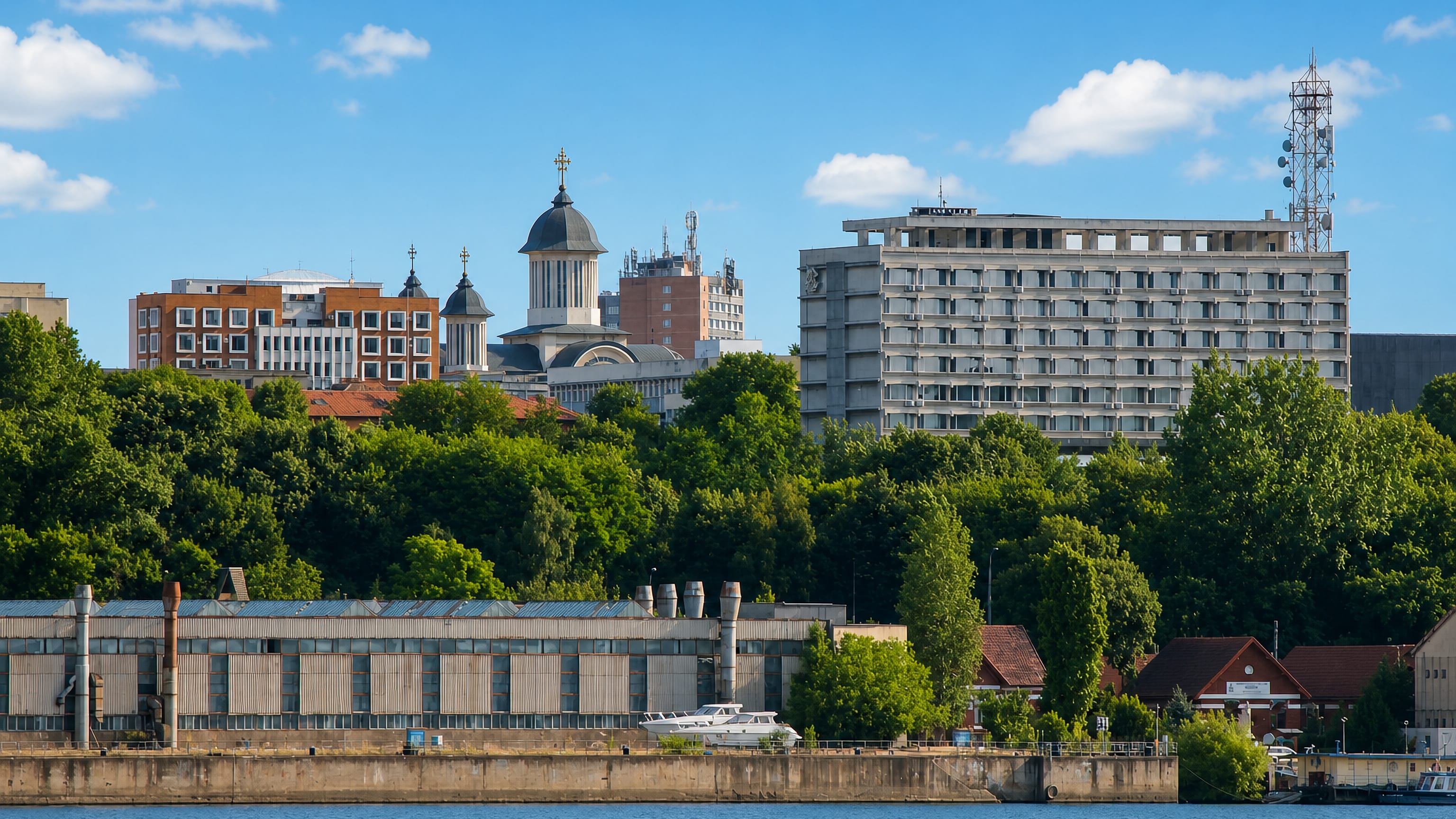
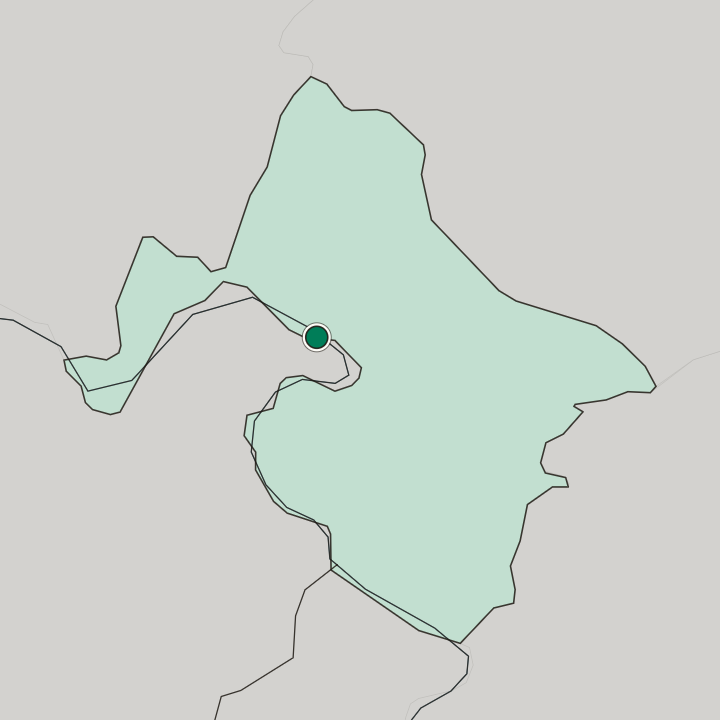
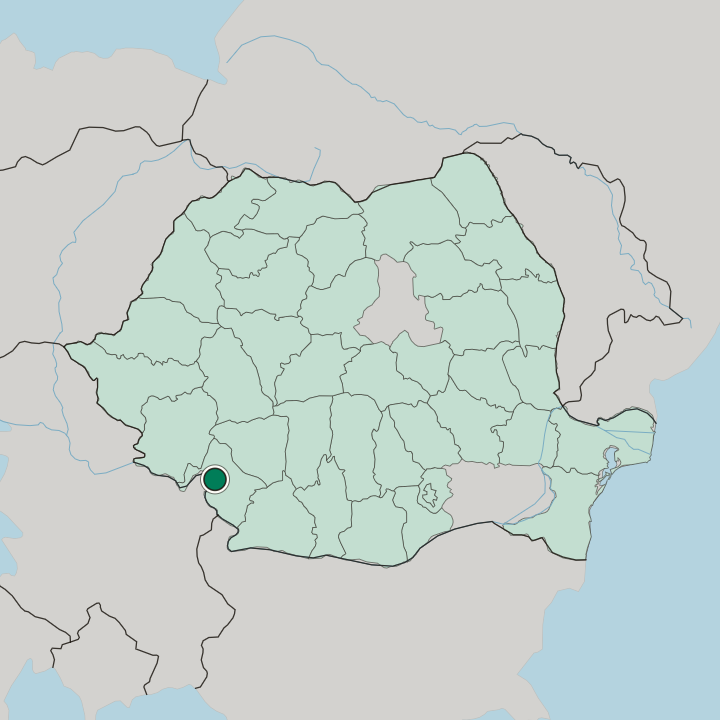
Drobeta-Turnu Severin sits on the Danube near the Iron Gates, seat of Mehedinți County and heir to the Roman town of Drobeta in Oltenia.
Hotel links are affiliate links: booking through them may earn us a commission, at no extra cost to you. It never affects how places are ranked. How this works


Where to stay in Drobeta-Turnu Severin
One neighbourhood here has its own guide — here's what it is best for.

 Drobeta-Turnu SeverinRomania
Schela Cladovei
Schela Cladovei is a district of Drobeta-Turnu Severin, the Danube city near the Iron Gates, and stands on record from 1774.Where to stay →Hotel links are affiliate links: booking through them may earn us a commission, at no extra cost to you. It never affects how places are ranked. How this works
Find hotels in Drobeta-Turnu Severin
Direct booking searches for these neighbourhoods.
The Iron Gates Region Museum quarter
The Iron Gates Region Museum, the Archaeological site from Drobeta Turnu Severin and the Danube frontage stand within a few minutes of one anotherFind hotels in The Iron Gates Region Museum quarterCalm nights between the cathedral and the Biserica romano-catolică „Înălțarea Maicii Domnului”Around Drobeta-Turnu Severin Cathedral
Drobeta-Turnu Severin Cathedral and the Roman Catholic church stand back from the museum quarter, leaving the Danube a walk away rather than a doorstepFind hotels in Around Drobeta-Turnu Severin CathedralDrivers working Oltenia and the Iron Gates from a parked carThe outer streets toward Mehedinți County
Parking is easy where the built-up town thins toward Mehedinți County, and the Church of the Assumption of Virgin Mary marks that edge. Rooms are few around here — worth securing early.Find hotels in The outer streets toward Mehedinți CountyHotel links are affiliate links: booking through them may earn us a commission, at no extra cost to you. It never affects how places are ranked. How this works
Things to do in Drobeta-Turnu Severin
Ranked by global recognition; descriptions from Wikidata (CC0).
Museums & Galleries
2- Iron Gates Region Museum Heritage
- Art Museum in Drobeta-Turnu Severin Heritage
Churches & Religious Sites
4- Grecescu Church Heritage
- Biserica romano-catolică „Înălțarea Maicii Domnului” Heritage
- Ruinele bisericii cu contraforturi Heritage
- Church of the Assumption of Virgin Mary Heritage
Castles & Historic Sites
1- Archaeological site from Drobeta Turnu Severin Heritage
worth knowingacross 3 categories in Drobeta-Turnu Severin
About Drobeta-Turnu Severin
The Iron Gates Region Museum anchors the town.
What is Drobeta-Turnu Severin known for?
Its collections read the Danube gorge and the Roman crossing at Drobeta together, and the Archaeological site from Drobeta Turnu Severin lies close enough that museum and excavation work as a single visit. Two rites divide what follows. Grecescu Church, the Drobeta-Turnu Severin Cathedral and the Church of the Assumption of Virgin Mary carry the Orthodox line, while the Biserica romano-catolică "Înălțarea Maicii Domnului" marks a second rite and the Art Museum in Drobeta-Turnu Severin holds the painting.
What are the main landmarks in Drobeta-Turnu Severin?
Drobeta-Turnu Severin leads with a pair of museums. The Iron Gates Region Museum holds the Danube gorge and the Roman record together, the Art Museum in Drobeta-Turnu Severin covers the painting, and the Archaeological site from Drobeta Turnu Severin keeps the ancient ground itself open. Churches follow.
Drobeta-Turnu Severin Cathedral is the largest, with Grecescu Church and the Church of the Assumption of Virgin Mary among the parishes and the Biserica romano-catolică "Înălțarea Maicii Domnului" serving the Roman Catholic rite. Ruinele bisericii cu contraforturi is older fabric again.
What is the history of Drobeta-Turnu Severin?
Drobeta came first. The Dacian and Roman towns on this site carried that name, and the Archaeological site from Drobeta Turnu Severin is what remains of them where the Danube narrows toward the Iron Gates. Rome held the crossing here.
The modern settlement is far younger: Turnu Severin was laid out in 1833, and the century that followed gave it the county functions it still performs for Mehedinți County. Building followed the charter. Ruinele bisericii cu contraforturi survives from an older phase, while Grecescu Church, the Church of the Assumption of Virgin Mary and the Biserica romano-catolică "Înălțarea Maicii Domnului" belong to the town that grew after 1833 and record more than one congregation among the same streets.
The cathedral came later still. Drobeta-Turnu Severin Cathedral is the most recent of the large churches, and the Art Museum in Drobeta-Turnu Severin and the Iron Gates Region Museum gather what the town and the county have kept. The name changed in the twentieth century.
Turnu Severin received the additional name Drobeta under Nicolae Ceaușescu, binding the county seat in Oltenia to the ancient town beneath it, and the double name has stayed.
Where is Drobeta-Turnu Severin?
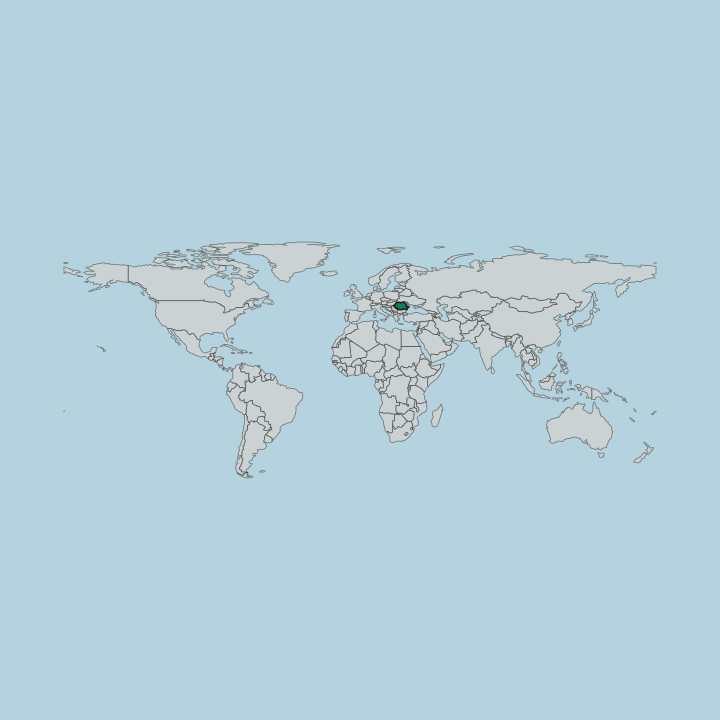
The Danube sets the edge. Drobeta-Turnu Severin stands on the northern bank where the river approaches the Iron Gates, and Mehedinți County runs inland behind it into the wider Oltenia region. Nothing about the town is spread out.
Its central streets hold the Iron Gates Region Museum, Grecescu Church and the Archaeological site from Drobeta Turnu Severin within one walk, with the water always a few blocks below.
What is the climate of Drobeta-Turnu Severin?
The valley of the Danube shapes it. Drobeta-Turnu Severin lies in the temperate band of the northern hemisphere, and the channel narrowing toward the Iron Gates funnels air along the water, so the embankment runs hot in summer and exposed in winter. Shoulder seasons are short.
Spring and autumn suit the walk between Grecescu Church and the Iron Gates Region Museum best, before valley heat settles over the river.
How do you get to Drobeta-Turnu Severin?
Arrival is by land, beside the Danube. Drobeta-Turnu Severin is the seat of Mehedinți County, so the county roads run into it and destinations across Oltenia are reached from here rather than the other way round. The river marks its lower edge.
Traffic upstream and down passes the Iron Gates, and the town is one of six Romanian county seats standing on the Danube, which puts it on a through route rather than at the end of one.
Common questions
What is the best area to stay in Drobeta-Turnu Severin?
The Iron Gates Region Museum quarter: Visits built around the Iron Gates Region Museum and the Drobeta excavations. Around Drobeta-Turnu Severin Cathedral: Calm nights between the cathedral and the Biserica romano-catolică „Înălțarea Maicii Domnului”. The outer streets toward Mehedinți County: Drivers working Oltenia and the Iron Gates from a parked car.
Good for
Updated October 2026