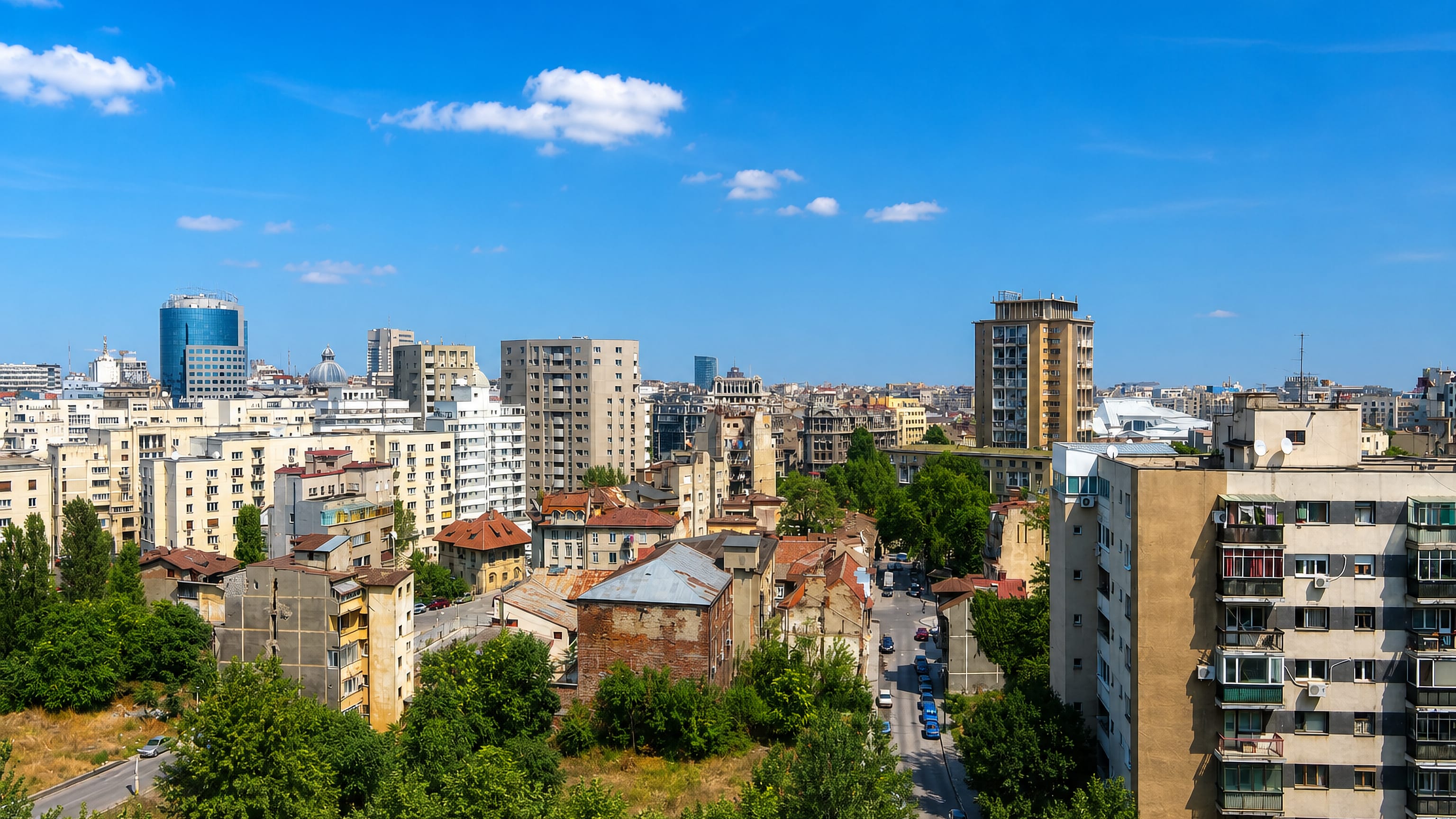
Romania: Regions, Cities & Travel Guide
The Danube and the Black Sea edge România, a country in Southeast and Central Europe, known for its mountain landscapes and historic cities.
Hotel links are affiliate links: booking through them may earn us a commission, at no extra cost to you. It never affects how places are ranked. How this works


Top destinations in Romania
Cities to start from, then drill into areas and hotels.
 Romania
Bucharest
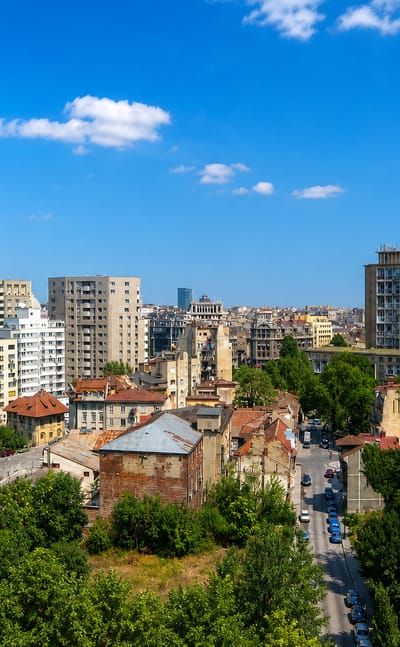
Old churches and glass towers crowd Calea Victoriei in Bucharest, the capital of România on the River Dâmbovița, known for its museums and monasteries.Where to stay →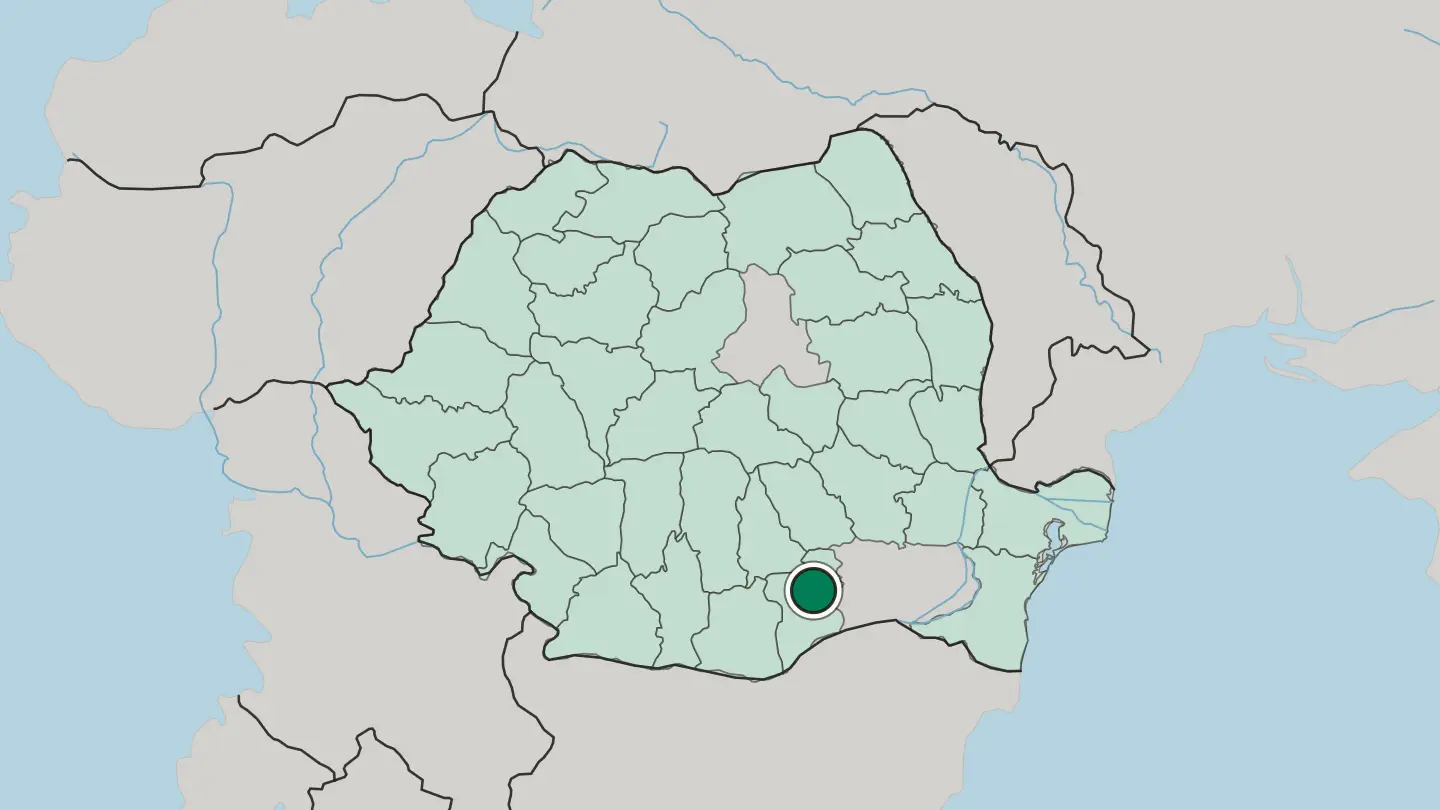
 Romania
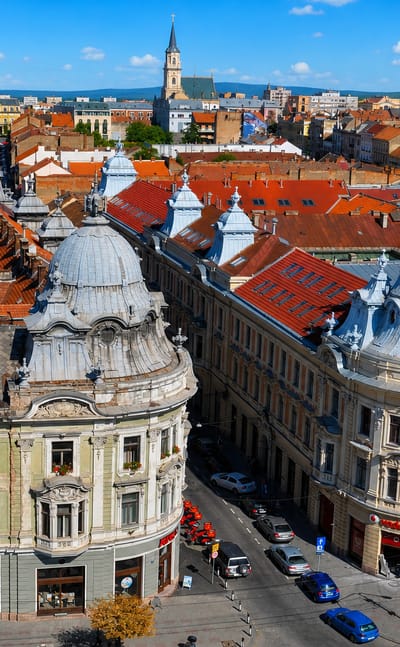
Cluj-Napoca
Cluj-Napoca sits in the Someșul Mic valley of northwestern Romania, the unofficial capital of Transylvania and seat of Cluj County.Where to stay →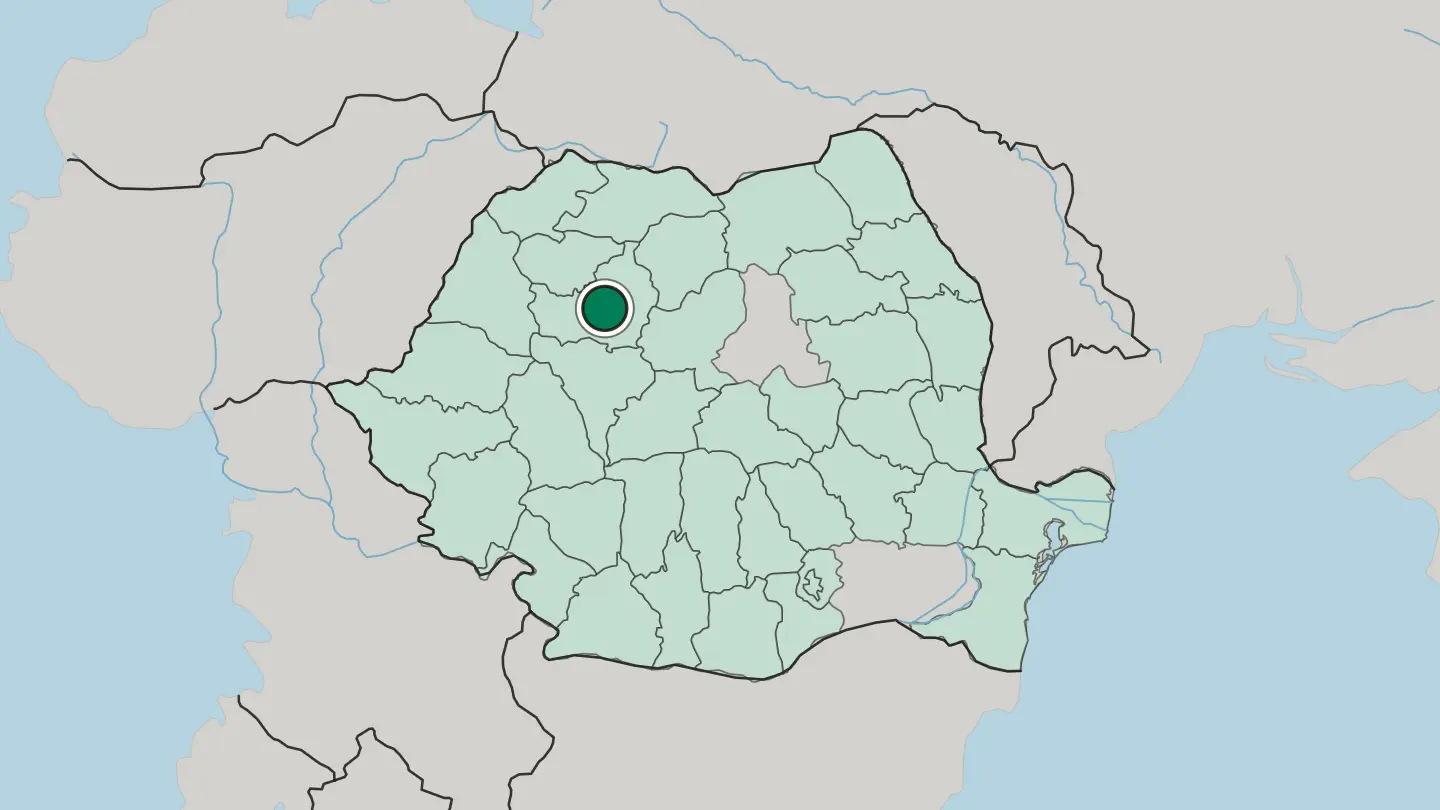
 Romania
Timişoara
Timișoara is the seat of Timiș County in the Banat, a city of squares holding the National Museum of Banat and the Piarist Church.Where to stay →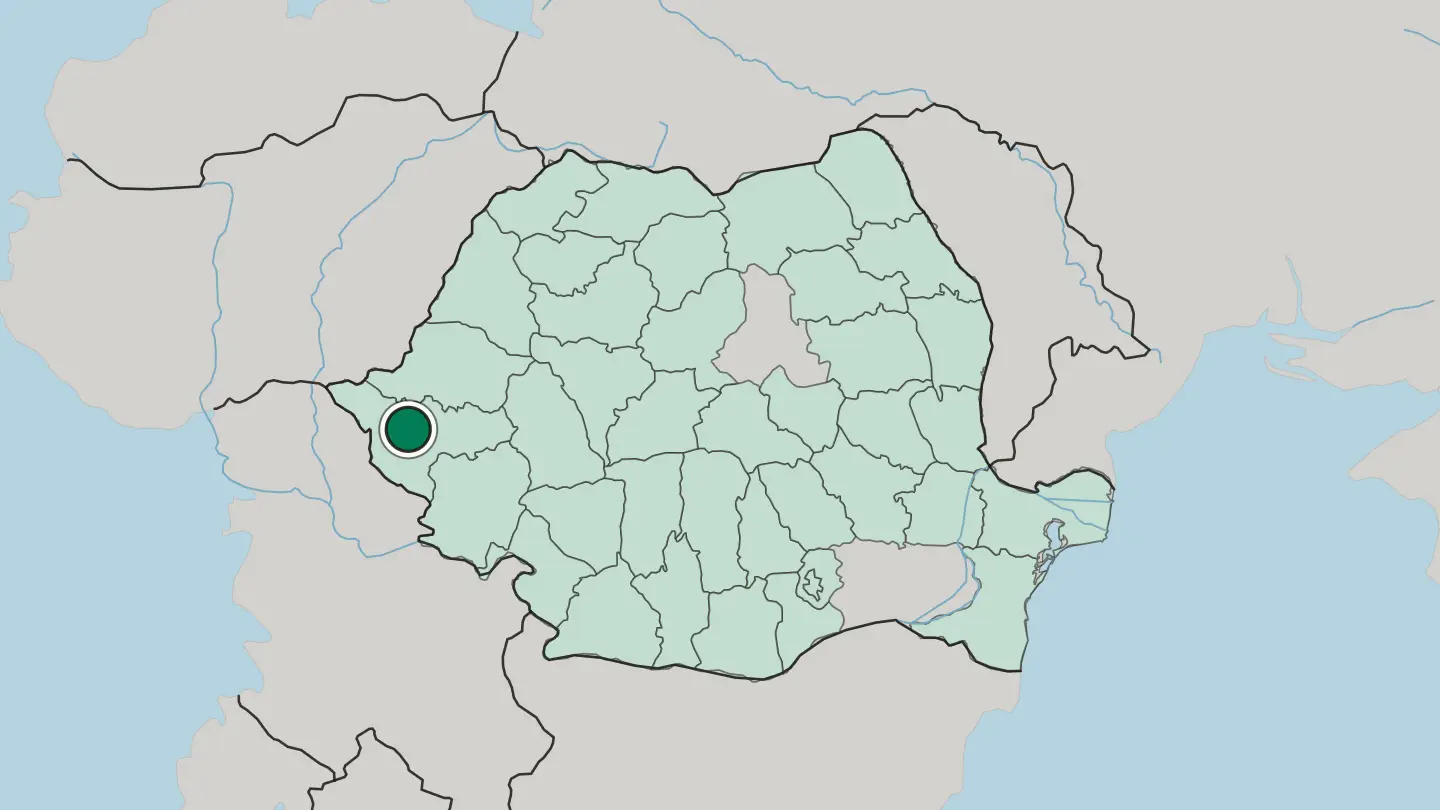
 Romania
Braşov
Braşov stands under the Carpathian Mountains in Transylvania, its Old Town built around the Black Church and the Council House since 1234.Where to stay →
 Romania
Iaşi
Church spires rise over Iaşi, a city of the historical region of Moldavia in Iaşi County, known for the Palace of Culture and Trei Ierarhi Monastery.Where to stay →
 Romania
Constanţa
Constanţa is Romania's principal Black Sea port, the capital of Constanța County, and the city that grew over ancient Tomis.Where to stay →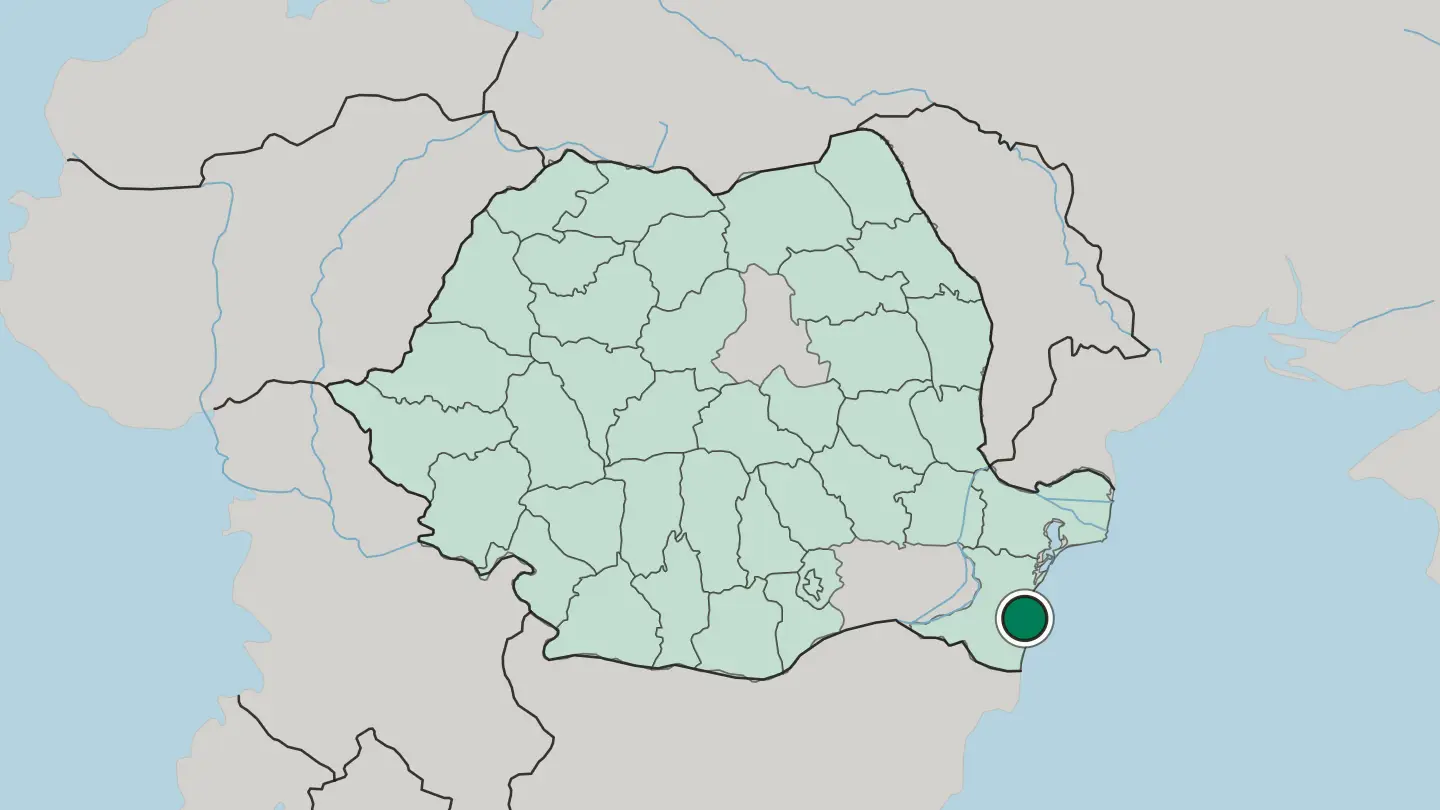
 Romania
Sibiu
Sibiu straddles the Cibin River. The Transylvanian county seat holds the Brukenthal National Museum and towers that carry the names of old trades.Where to stay →
 Romania
Oradea
Oradea straddles the Crișul Repede River as the capital of Crișana and the administrative centre of Bihor County, on record since 1113.Where to stay →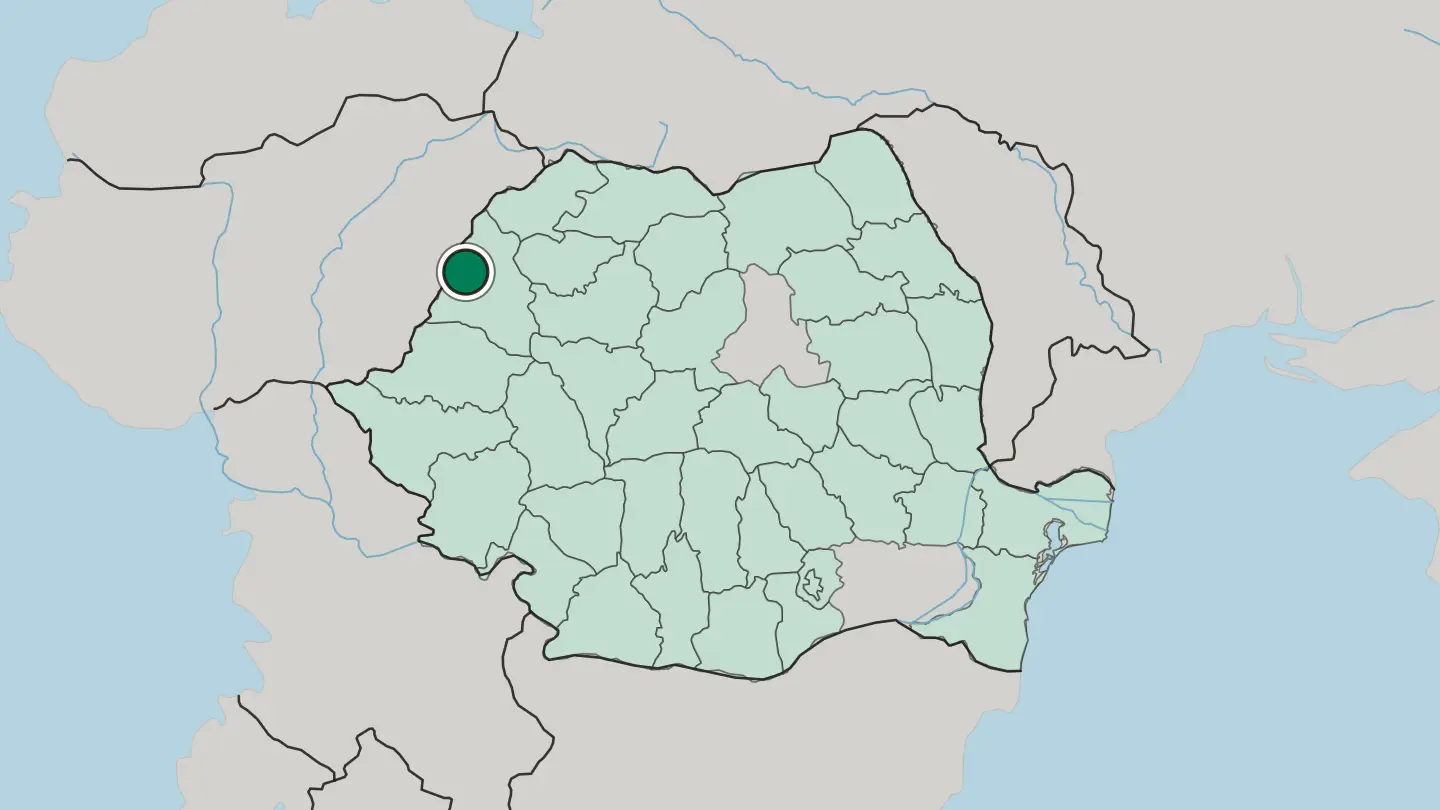
 Romania
Târgovişte
Târgovişte is the seat of Dâmbovița County and was the capital of Wallachia from 1396, its Curtea Domnească standing above the Ialomița River.Where to stay →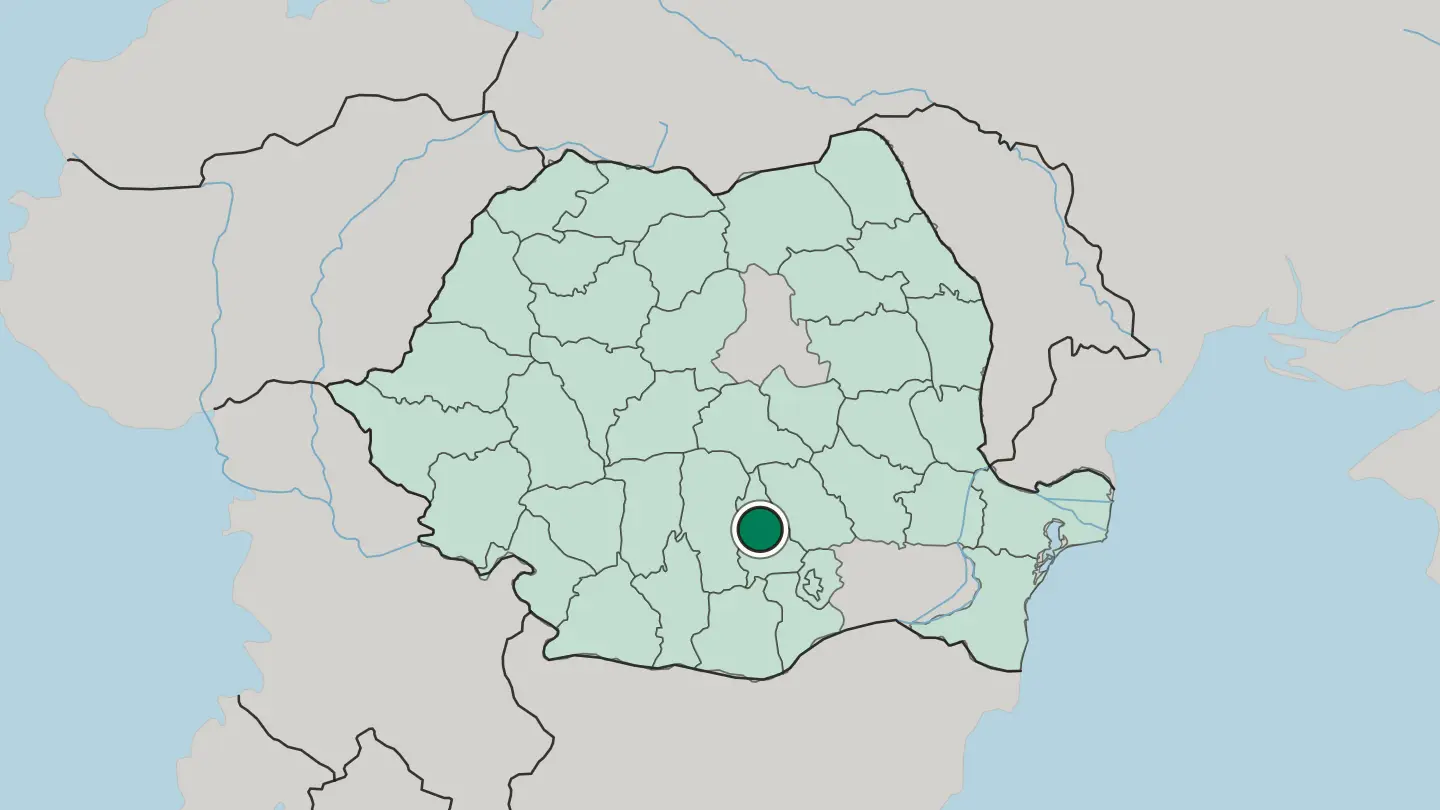
Hotel links are affiliate links: booking through them may earn us a commission, at no extra cost to you. It never affects how places are ranked. How this works
Regions of Romania
 Romania
Alba
Alba is a county of central Romania in Transylvania, cut by the Mureș and ringed by the Apuseni Mountains.Towns & cities →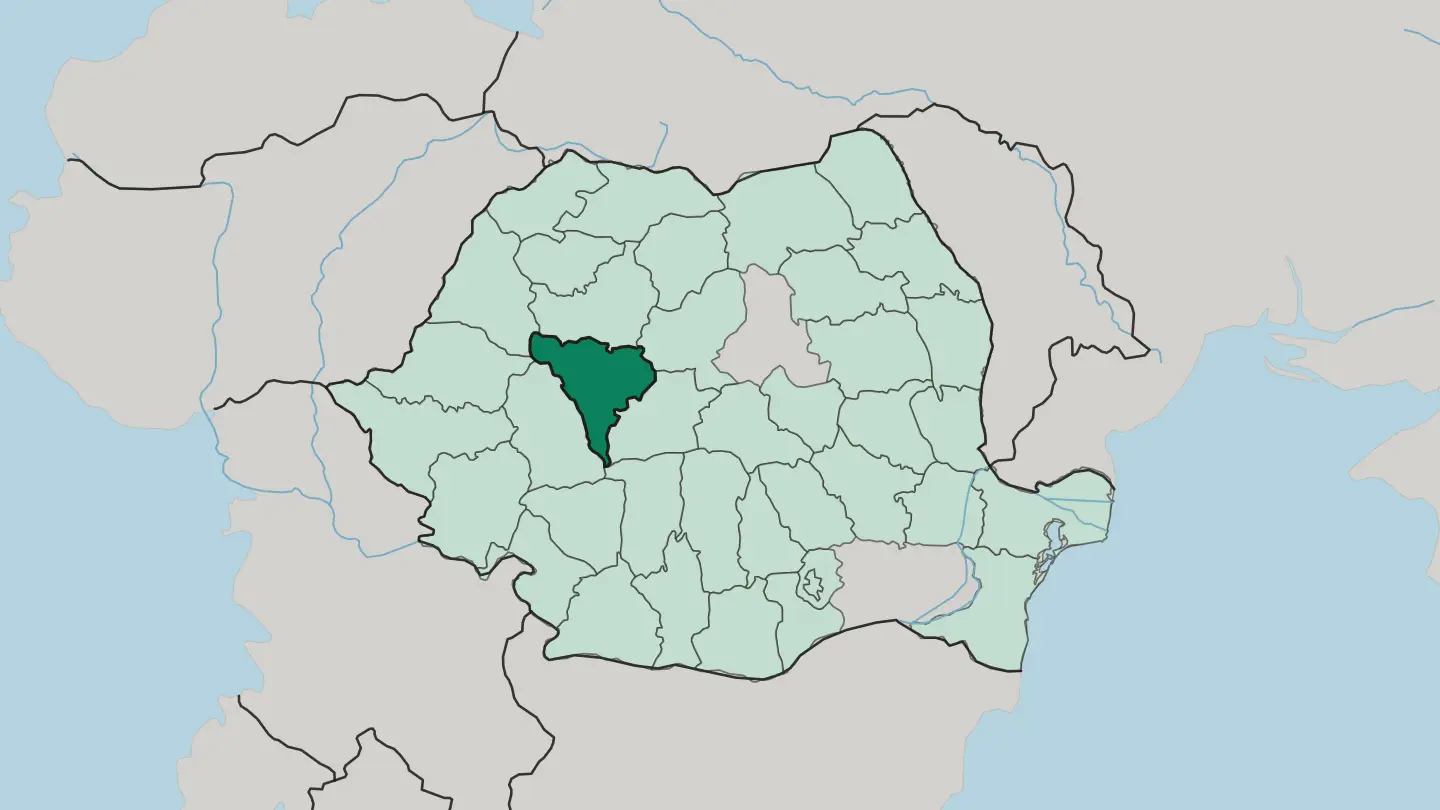
 Romania
Arad
Arad County spreads across western Romania, where the Mureș leaves the hills for the plain toward the Hungarian border.Towns & cities →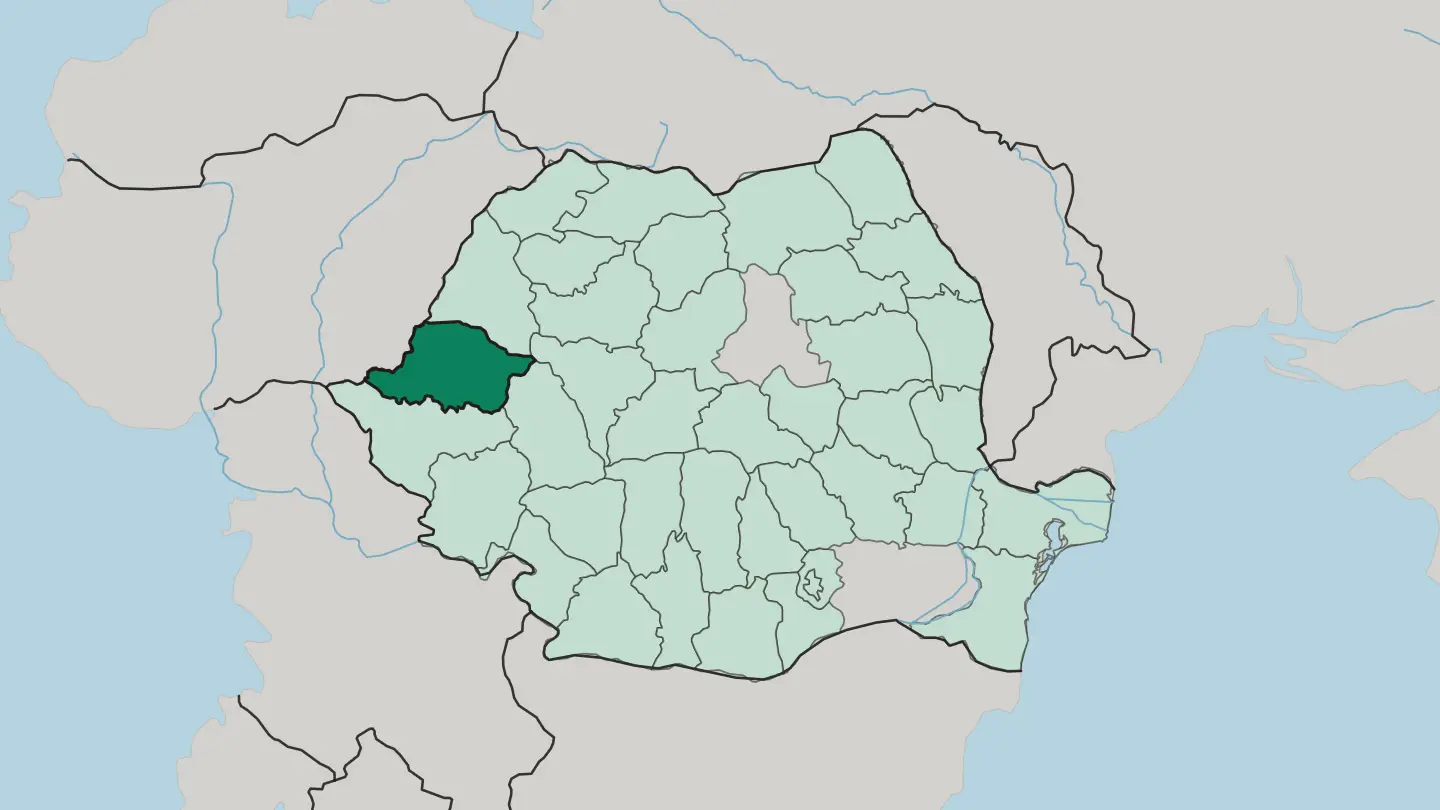
 Romania
Argeş
Argeș is a county of southern Romania, running from the Făgăraș peaks down to the plain, drained by the Argeș river.Towns & cities →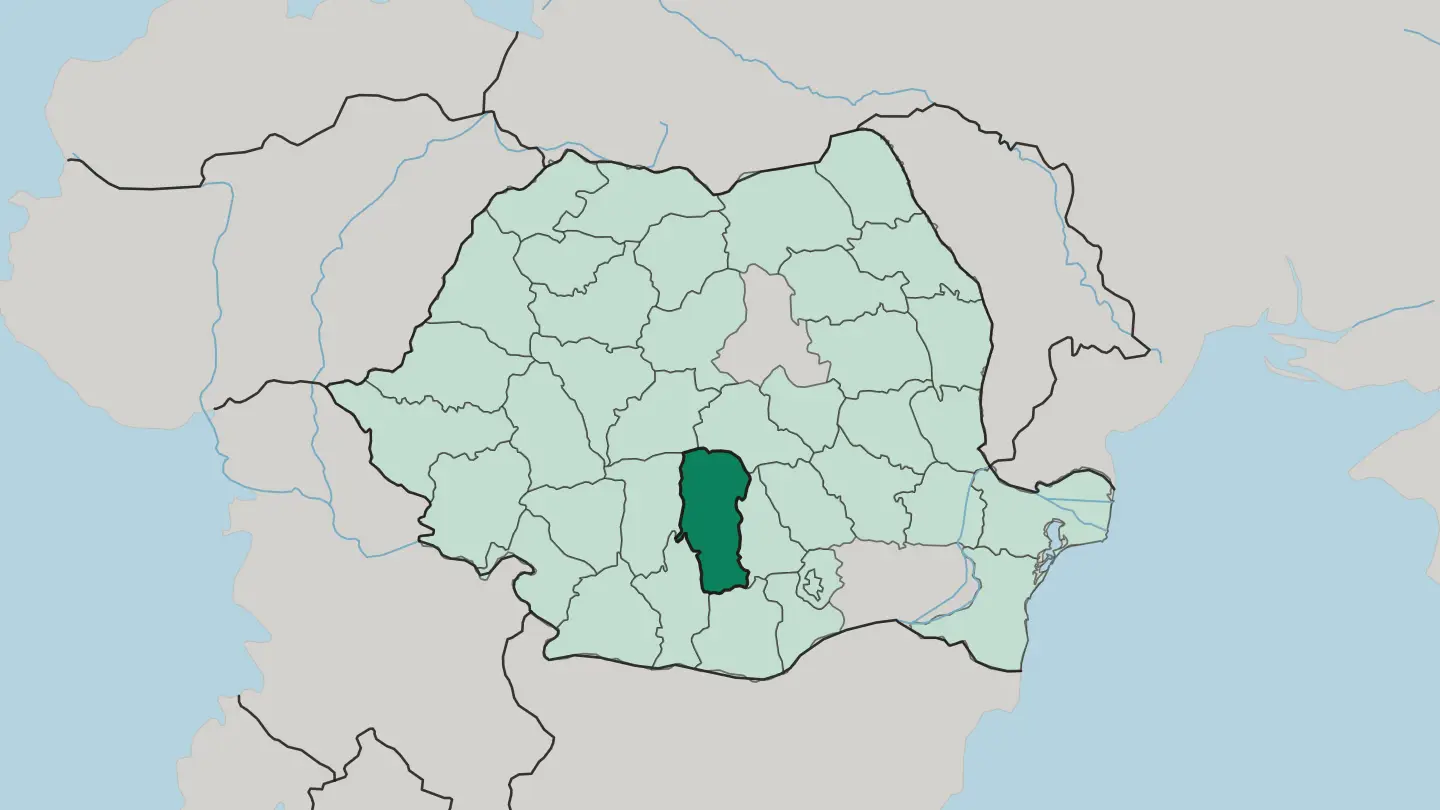
 Romania
Bacău
Bacău is a county of eastern Romania, where the Bistrița joins the Siret below the Carpathian foothills of Moldavia.Towns & cities →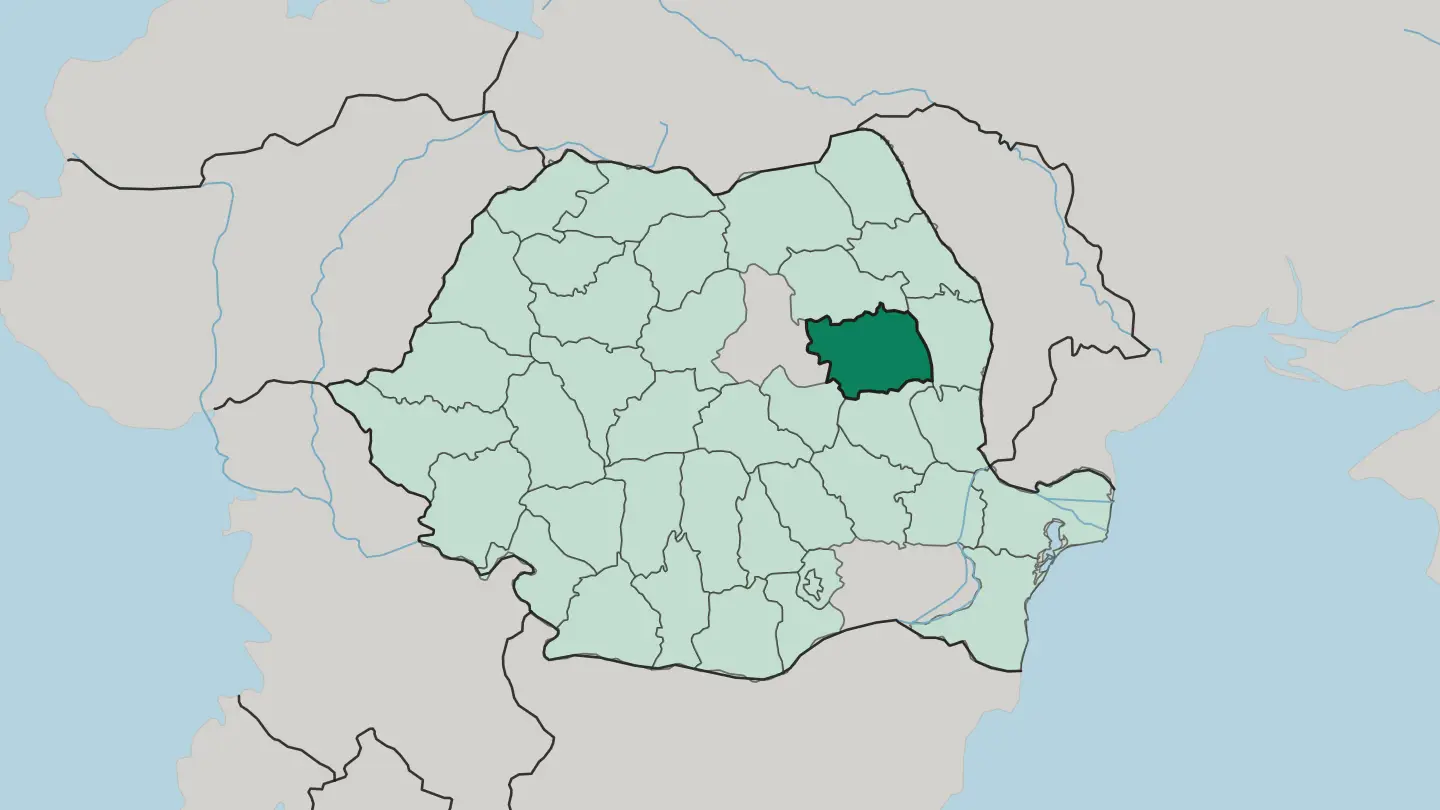 Romania
Bihor
Bihor is a county in western Romania, running from the Apuseni Mountains down to the plain, with Oradea as its capital.Towns & cities →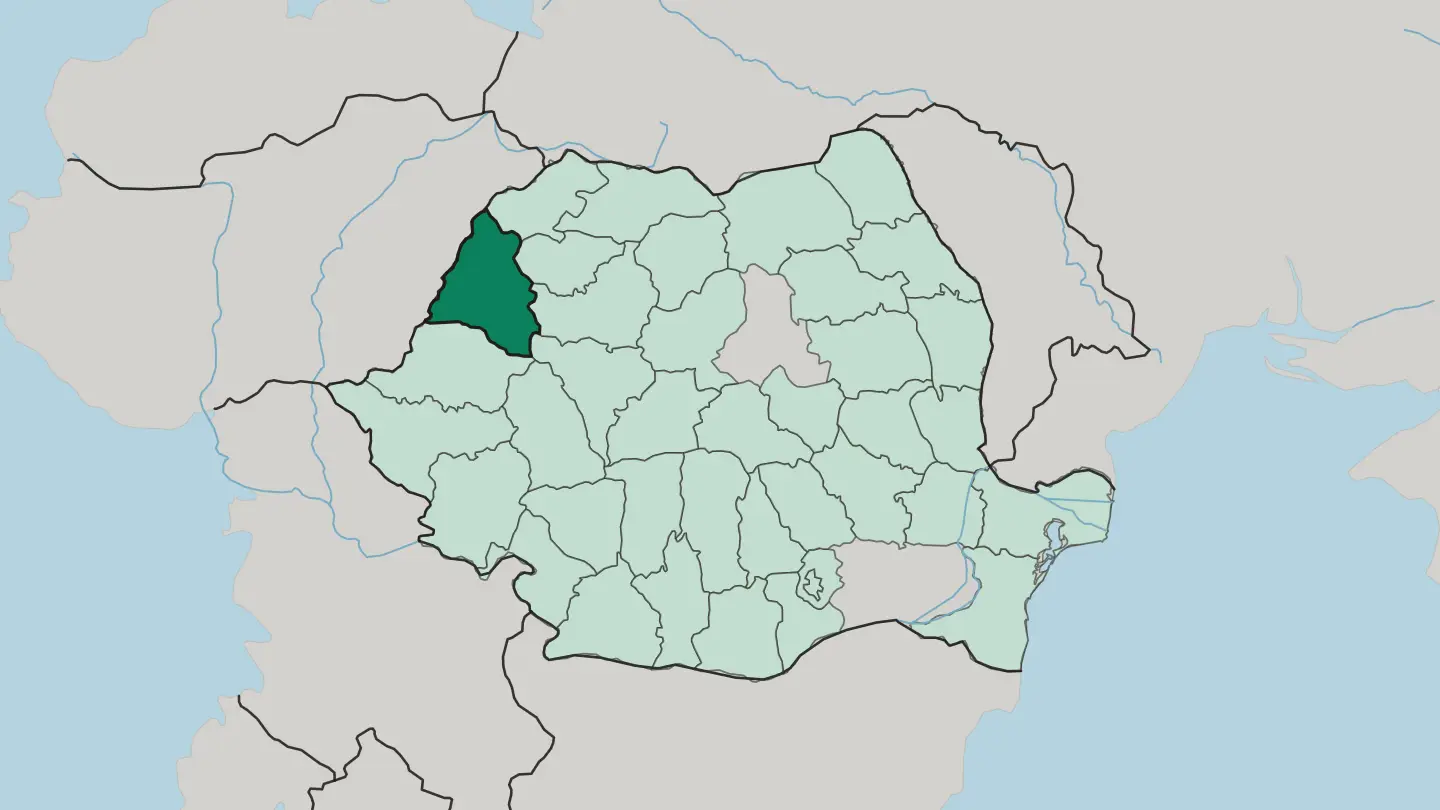
 Romania
Bistriţa-Năsăud
Bistriţa-Năsăud is a county of Romania in Transylvania, an inland stretch of temperate country administered from the city of Bistriţa.Towns & cities →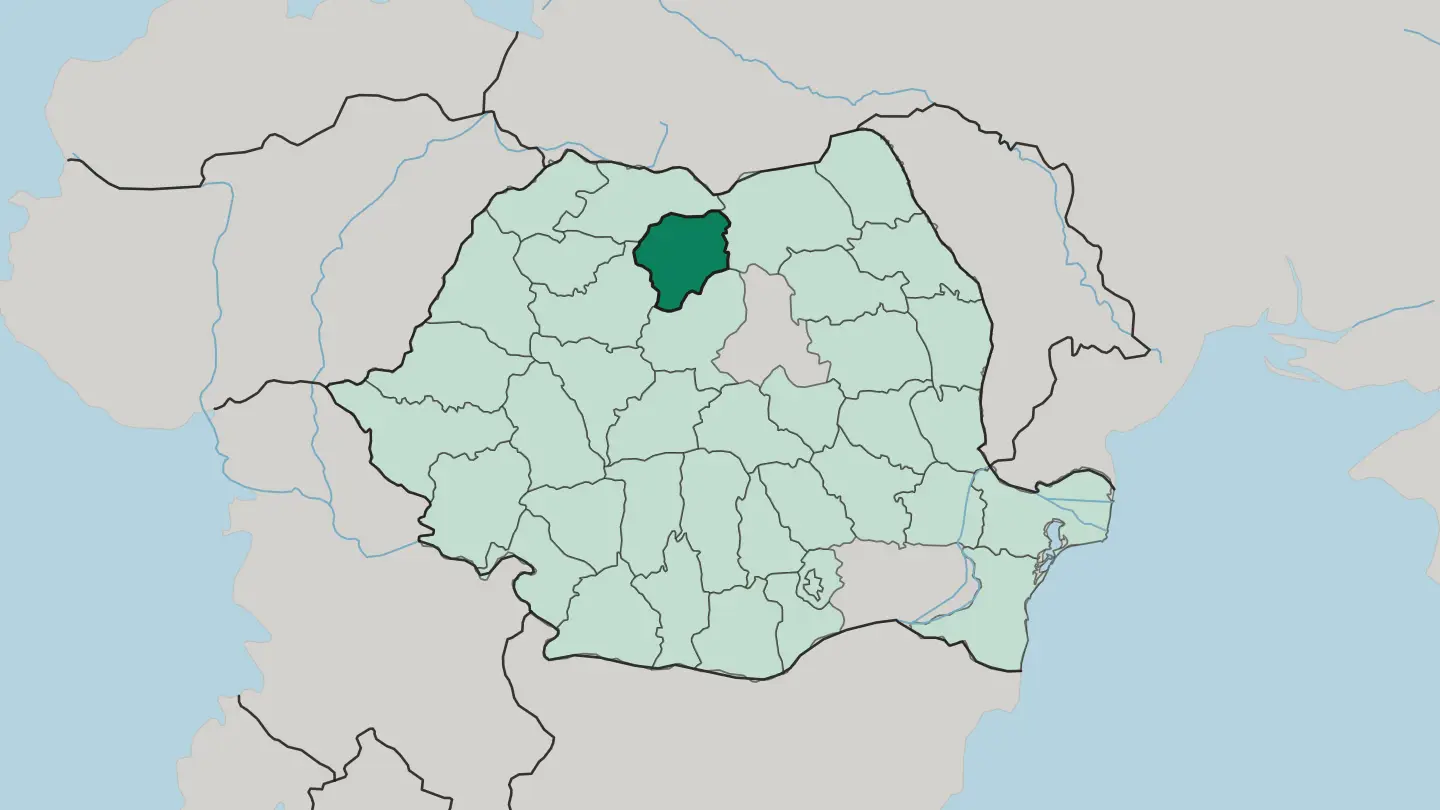 Romania
Botoşani
Botoșani County caps the far north-east of Romania, a rolling corner of Moldavia held between the Prut and the Siret.Towns & cities →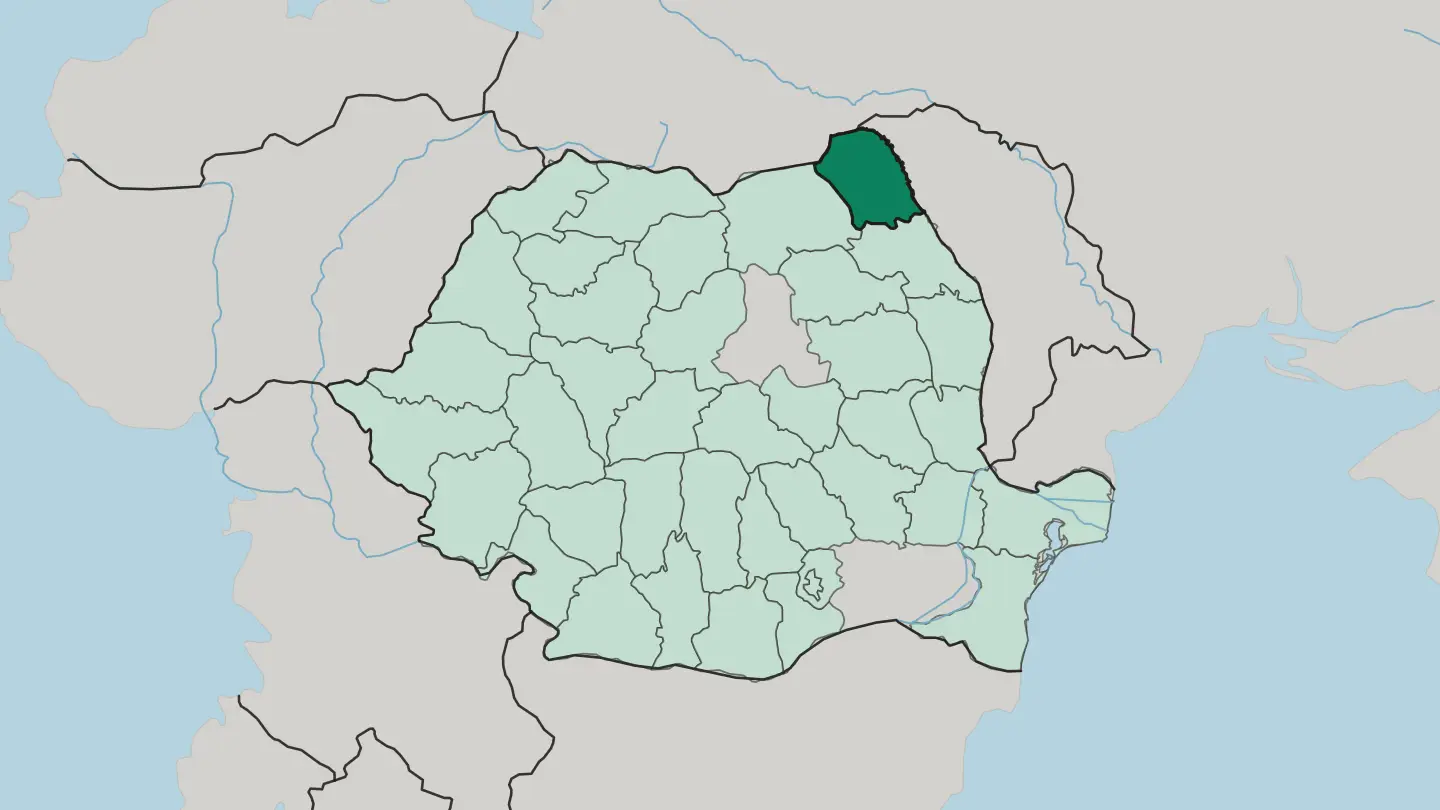 Romania
Braşov
Braşov is a county of central Romania in Transylvania, where the Southern and Eastern Carpathians meet around the Ţara Bârsei plain.Towns & cities →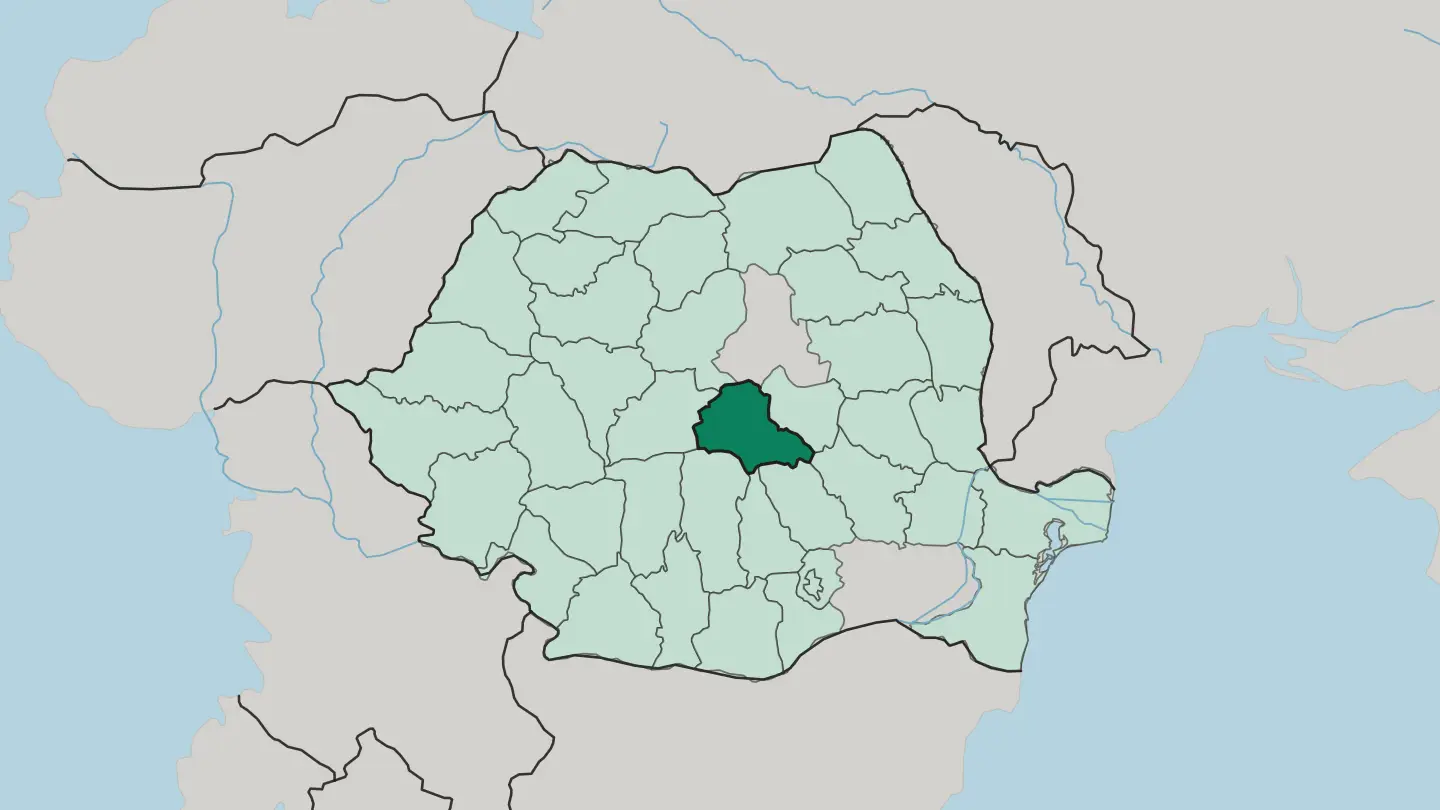
 Romania
Brăila
Brăila is a county of Romania in Muntenia, a temperate stretch of country that takes its name from its capital city.Towns & cities →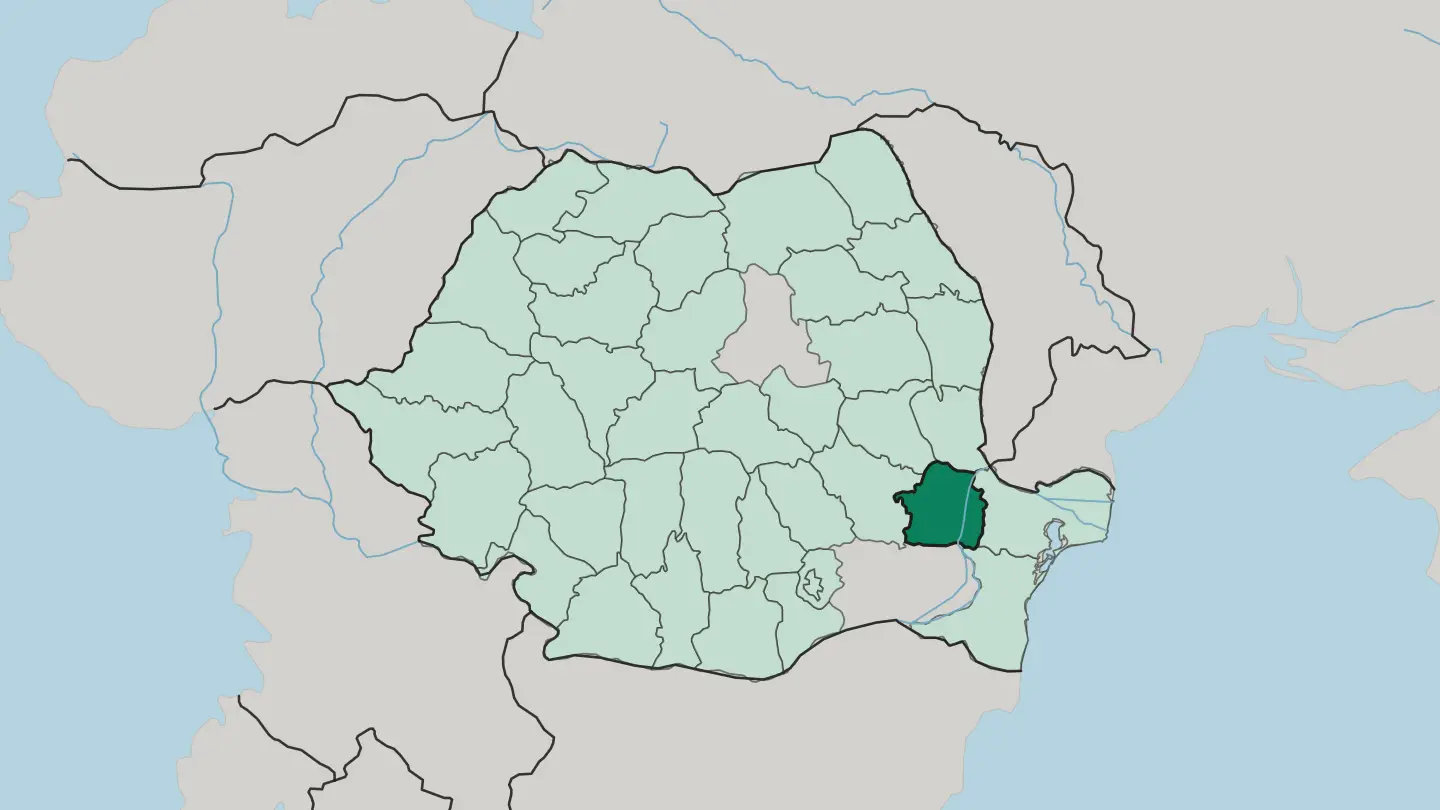 Romania
București
The River Dâmbovița crosses București, the capital region of România, an enclave set around the city of Bucharest within Ilfov County.Towns & cities →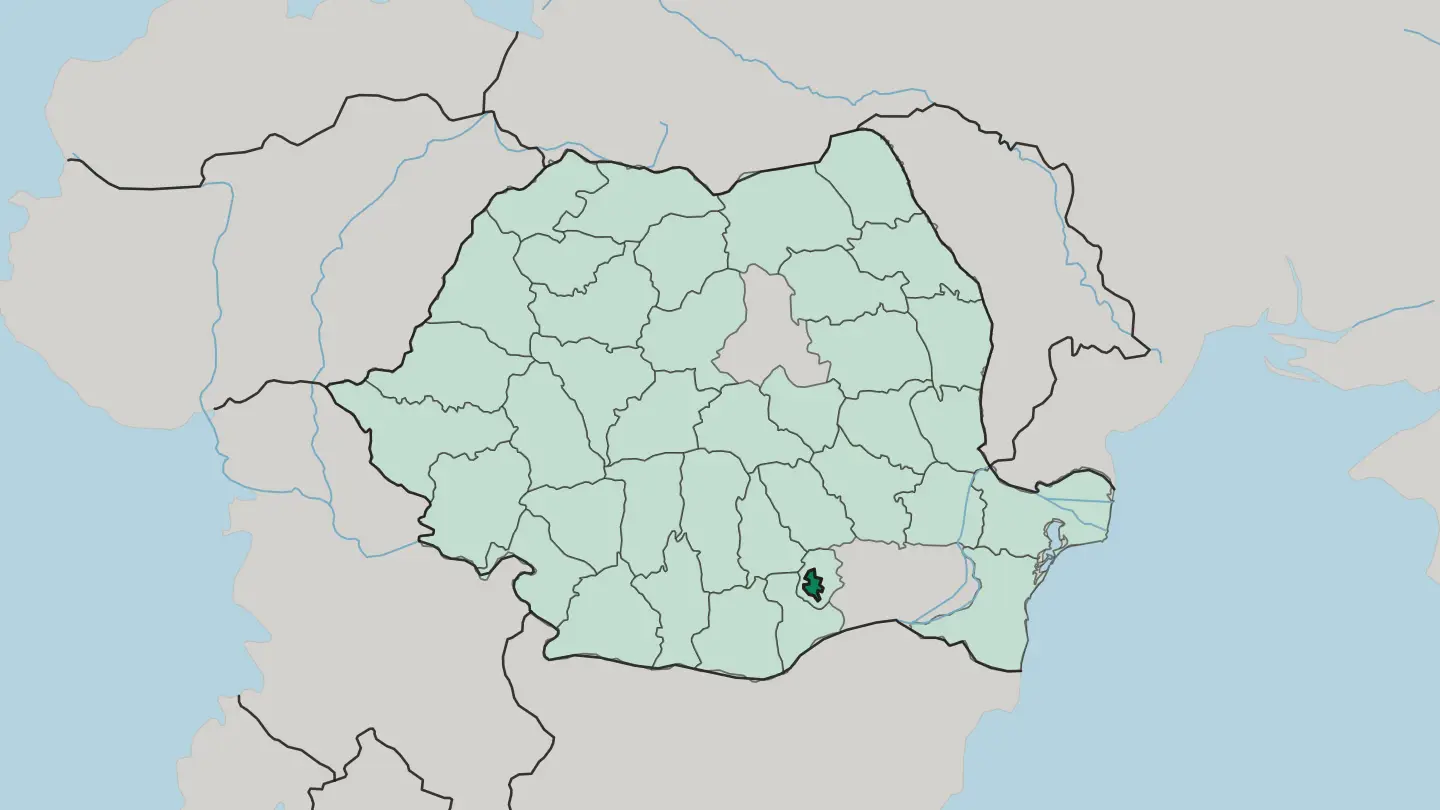
 Romania
Buzău
Buzău is a county of south-eastern Romania, running from the Carpathian curve down to the flat Bărăgan Plain.Towns & cities →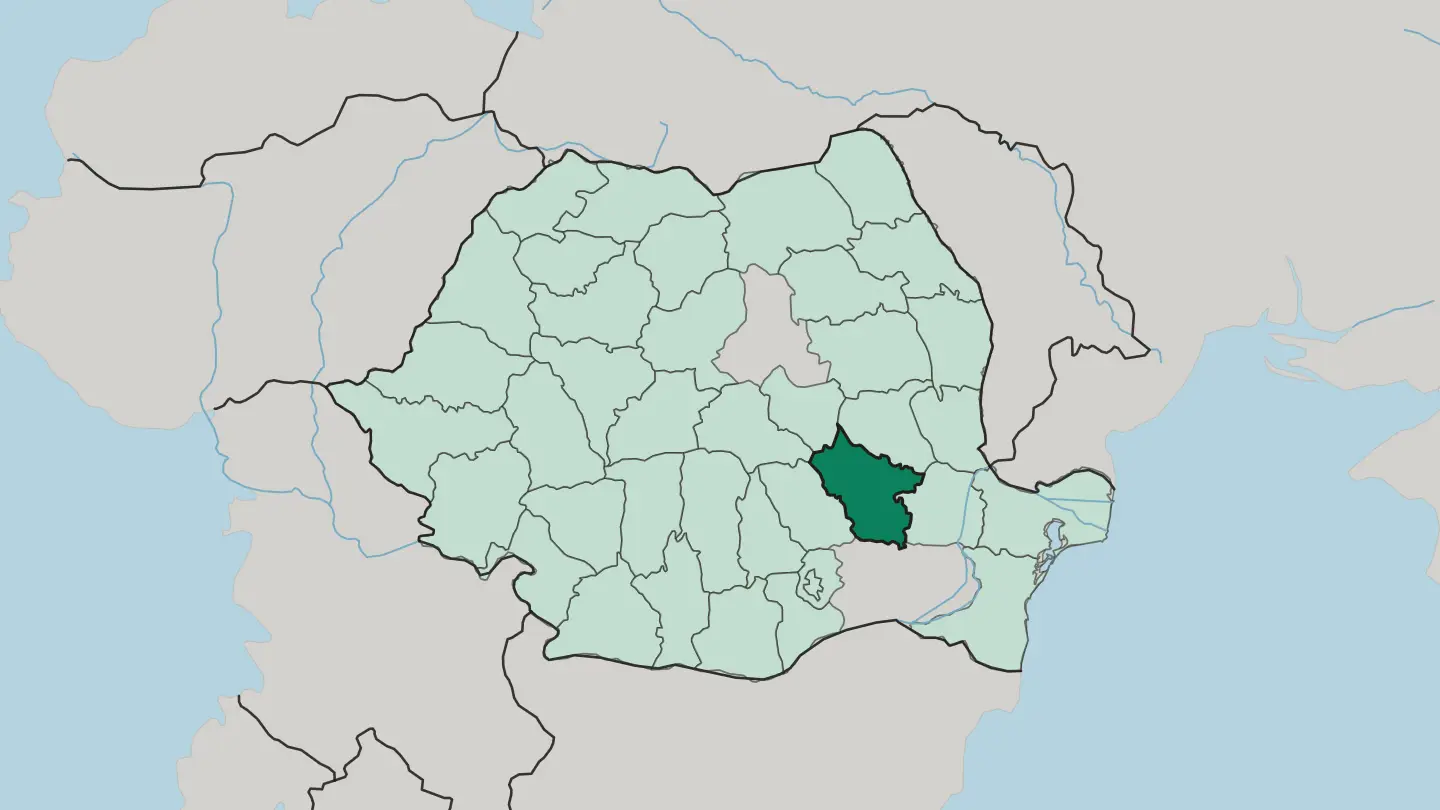
 Romania
Caraş-Severin
Banat country, bordering Serbia. Caraş-Severin holds Reșița as its seat and reaches into Transylvania at its far north-eastern corner.Towns & cities →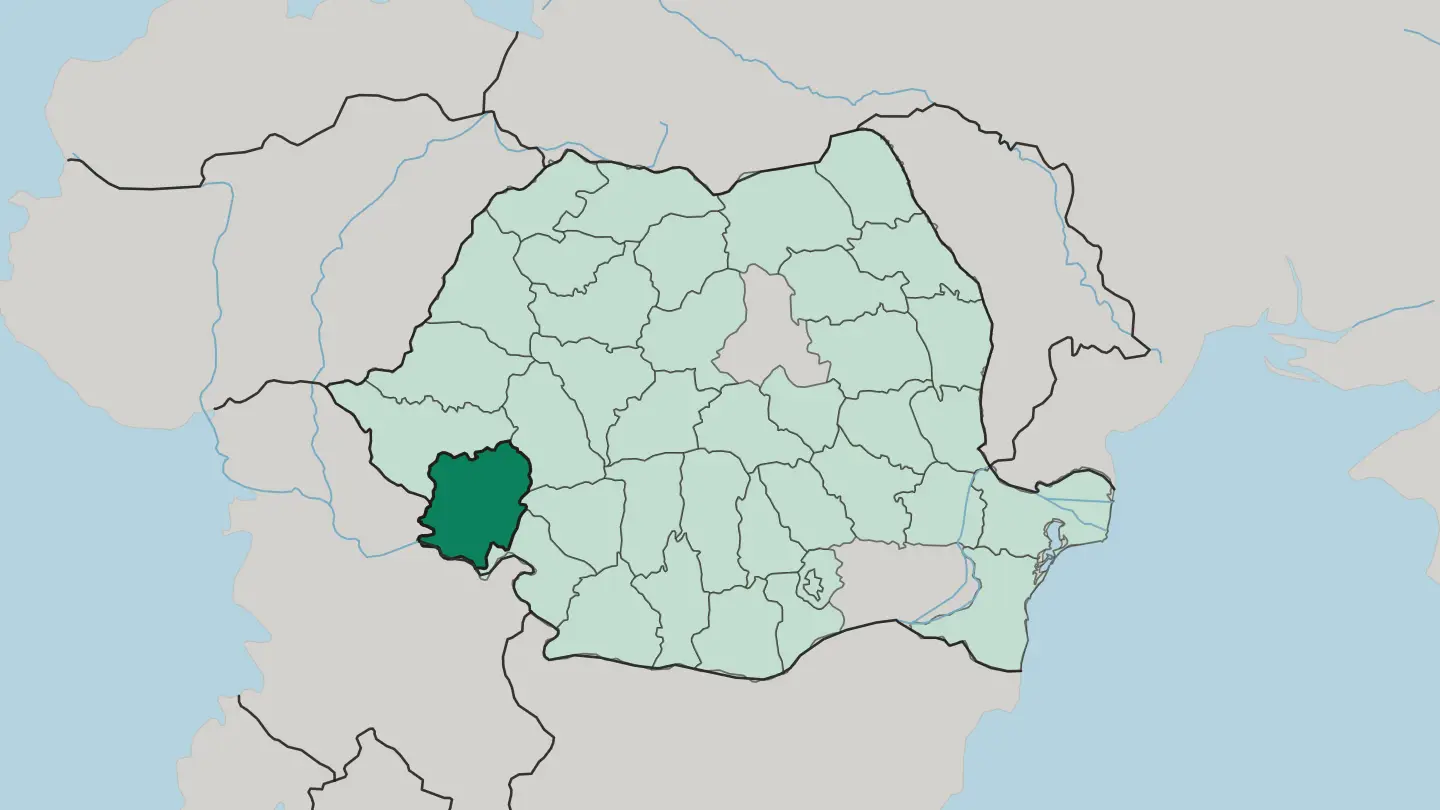 Romania
Cluj
Cluj is a county of northwestern Romania, built around Cluj-Napoca in the Someșul Mic valley, Transylvania's unofficial capital.Towns & cities →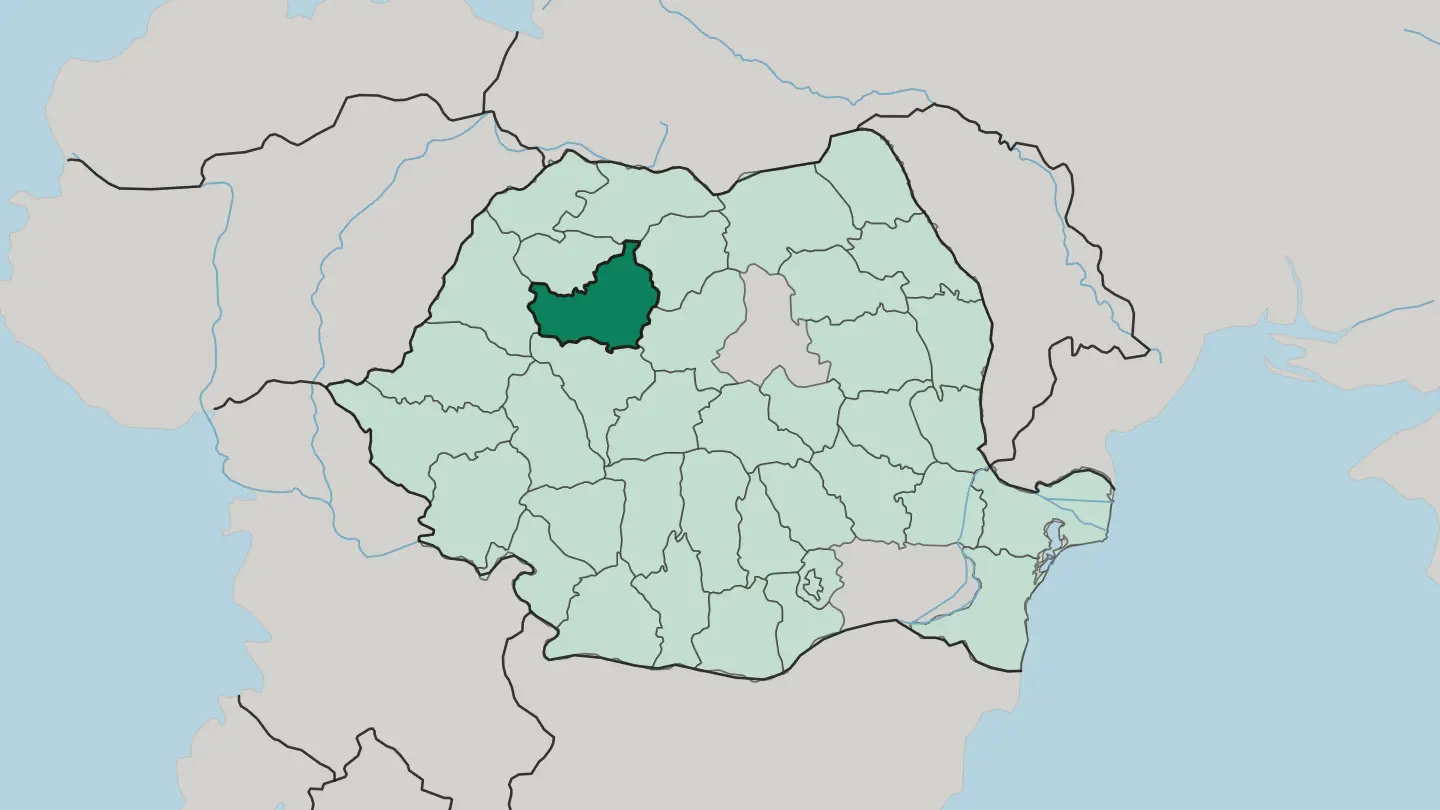 Romania
Constanța
Constanța County holds Romania's Black Sea coast, from the Danube in the west to the resort beaches around its ancient port capital.Towns & cities →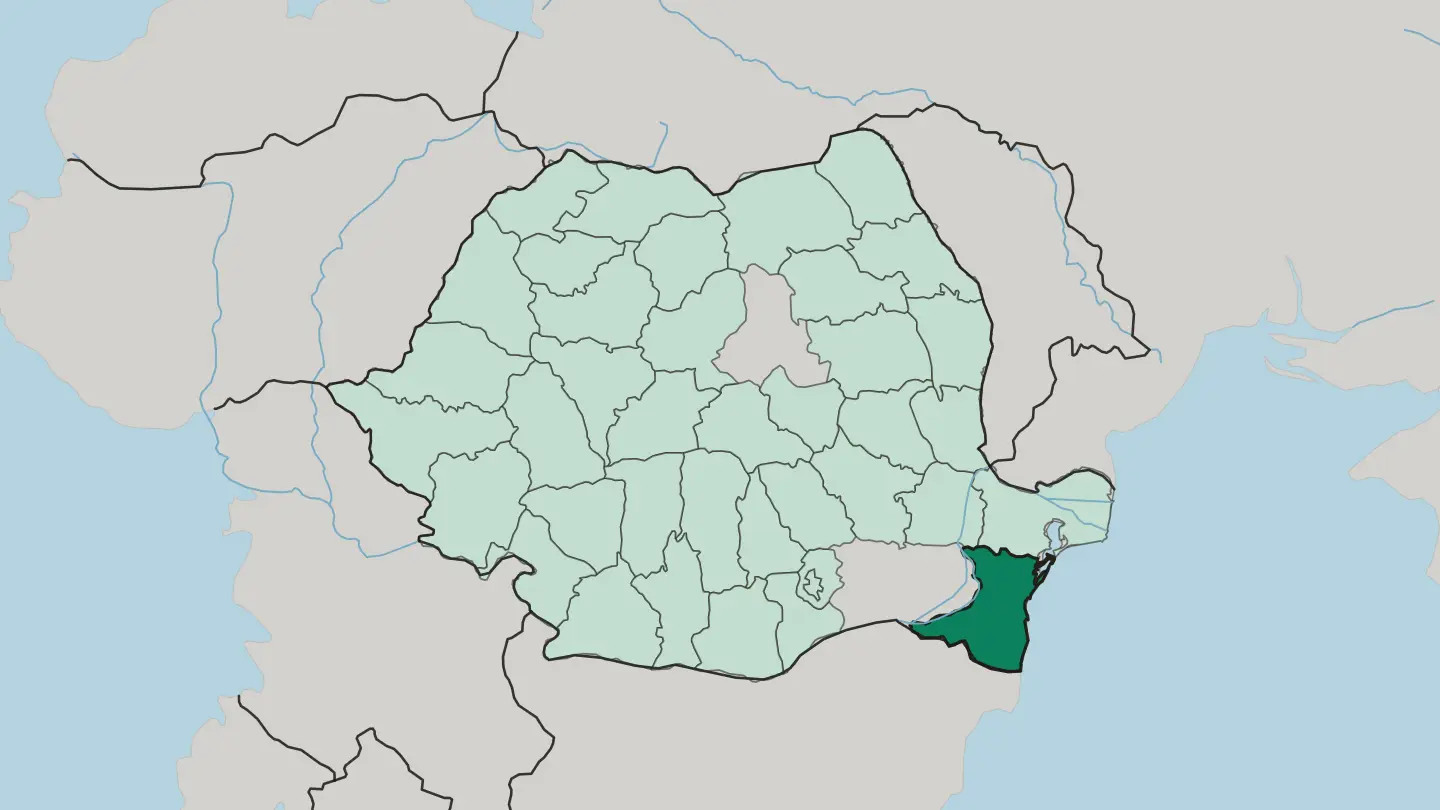
 Romania
Covasna
Eastern Transylvania, in short. Covasna is a county of Romania that sits within Transylvania and keeps its seat at Sfântu Gheorghe.Towns & cities →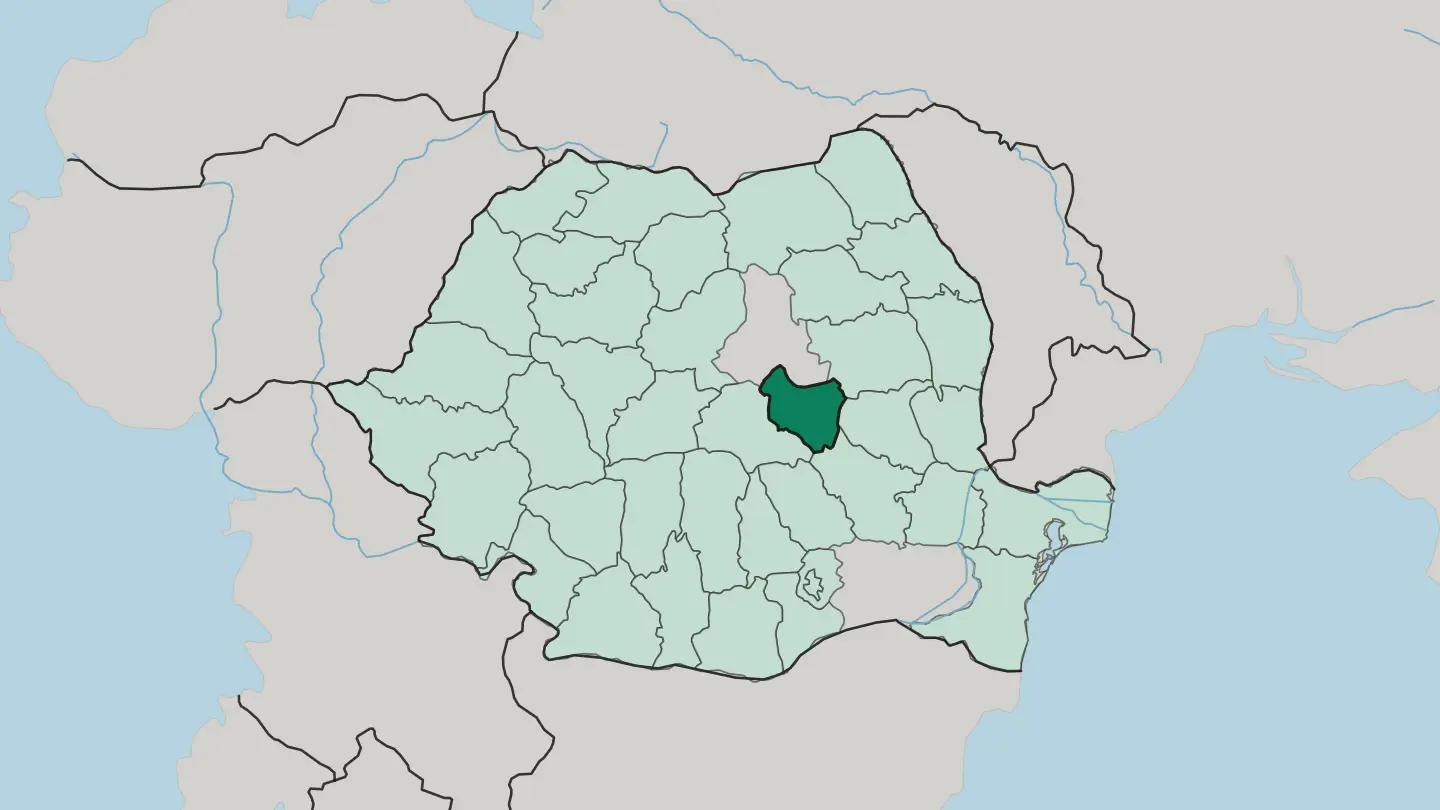
 Romania
Dolj
Dolj is a plains county of south-western Romania, in Oltenia, where the Jiu meets the Danube and Craiova anchors the region.Towns & cities →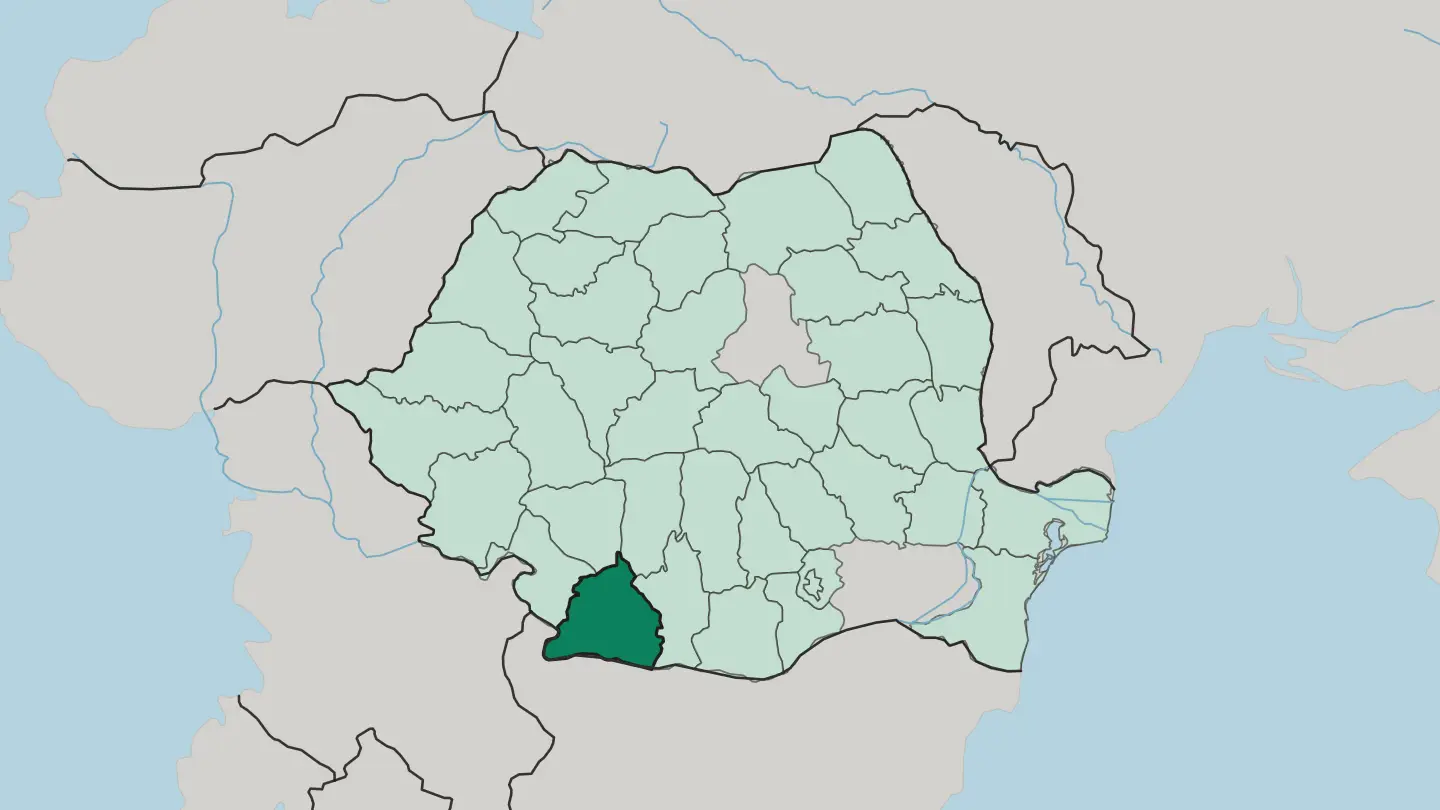 Romania
Dâmboviţa
Dâmbovița is a county in southern Romania that climbs from the Titu Plain to Omu Peak, with Târgoviște, Wallachia's old capital, at its heart.Towns & cities →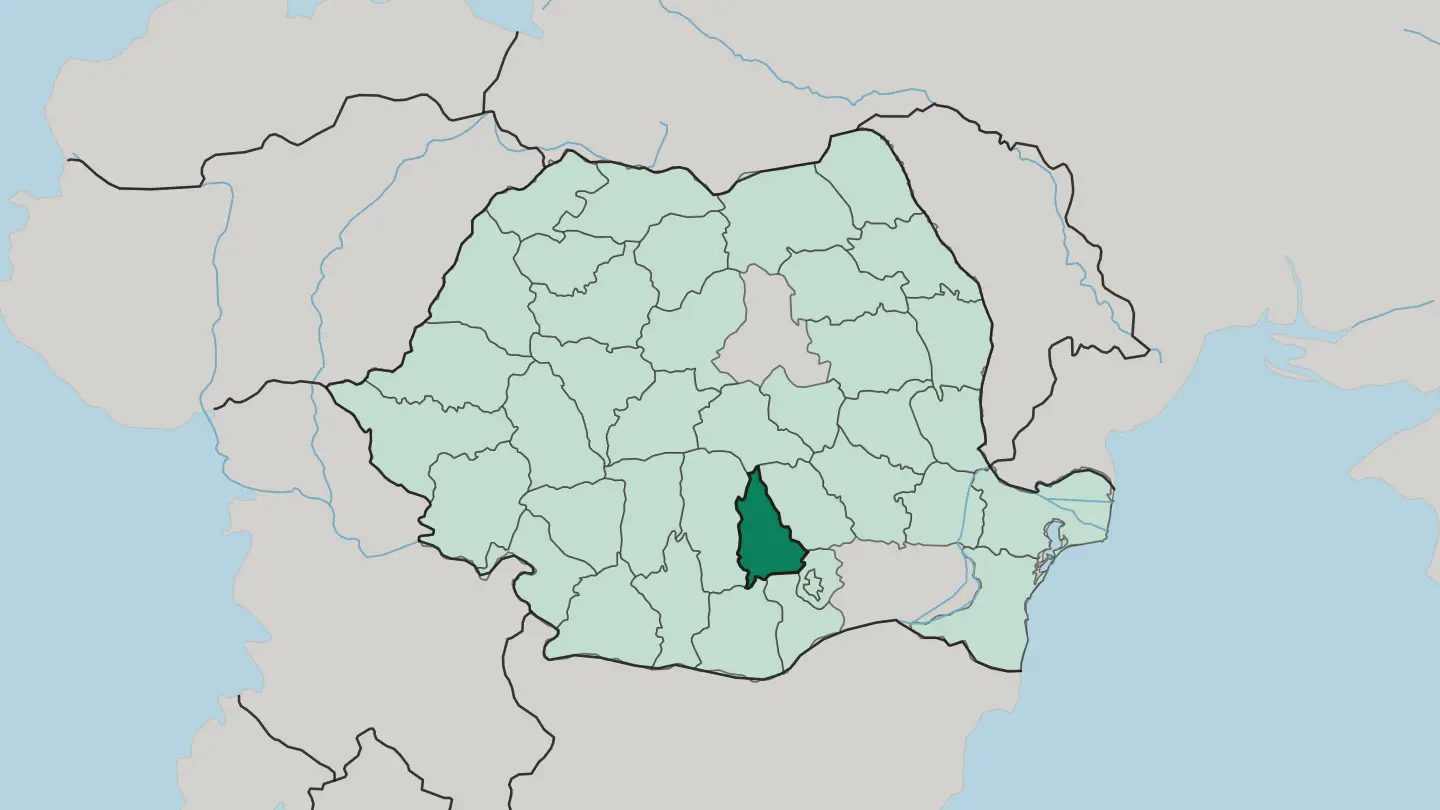
 Romania
Galaţi
Galați is a Danube county in south-eastern Romania, wedged between the Prut and the Siret near the Black Sea.Towns & cities →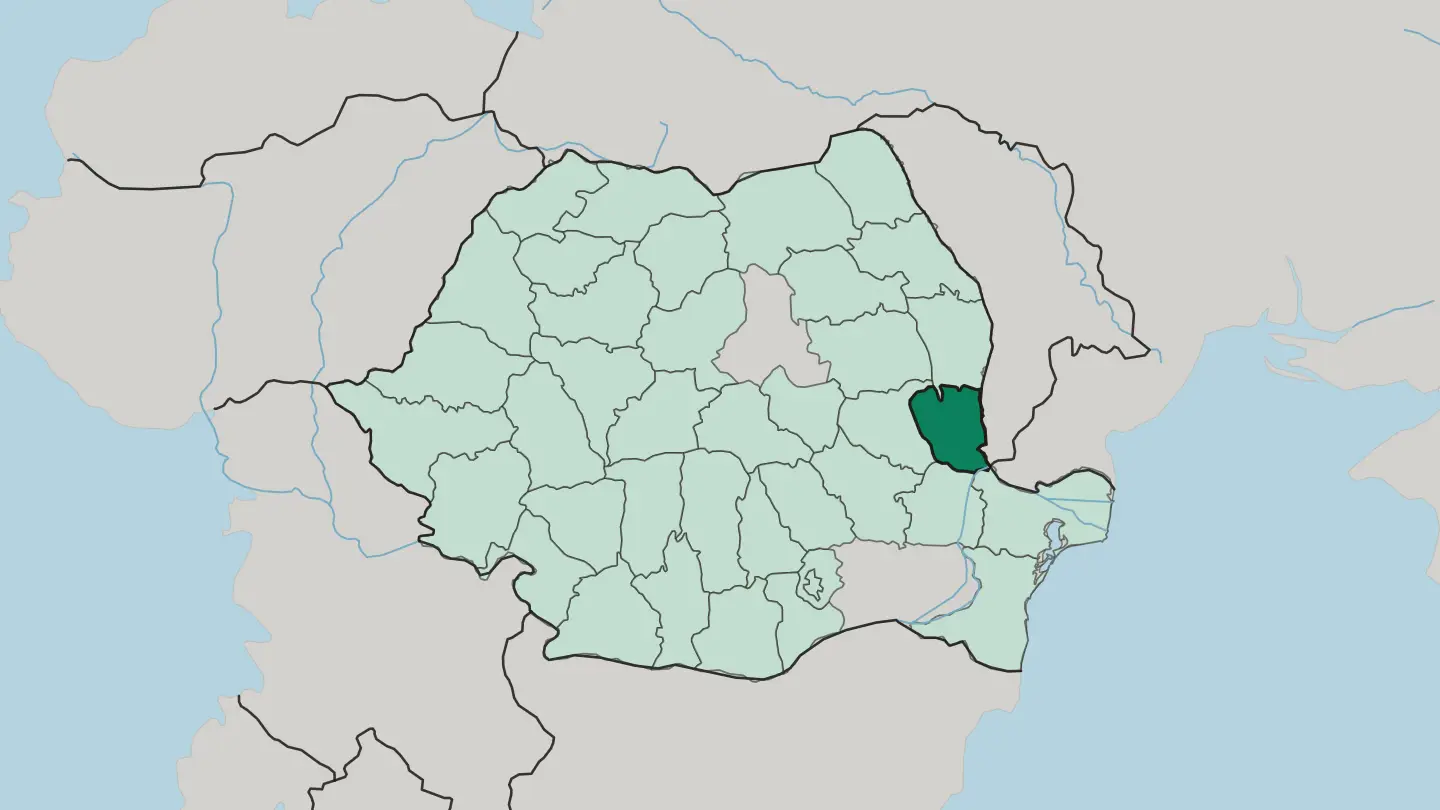
 Romania
Giurgiu
Muntenia at the Bulgarian line. Giurgiu County shares its name with its capital city and runs against the border Romania keeps with Bulgaria.Towns & cities →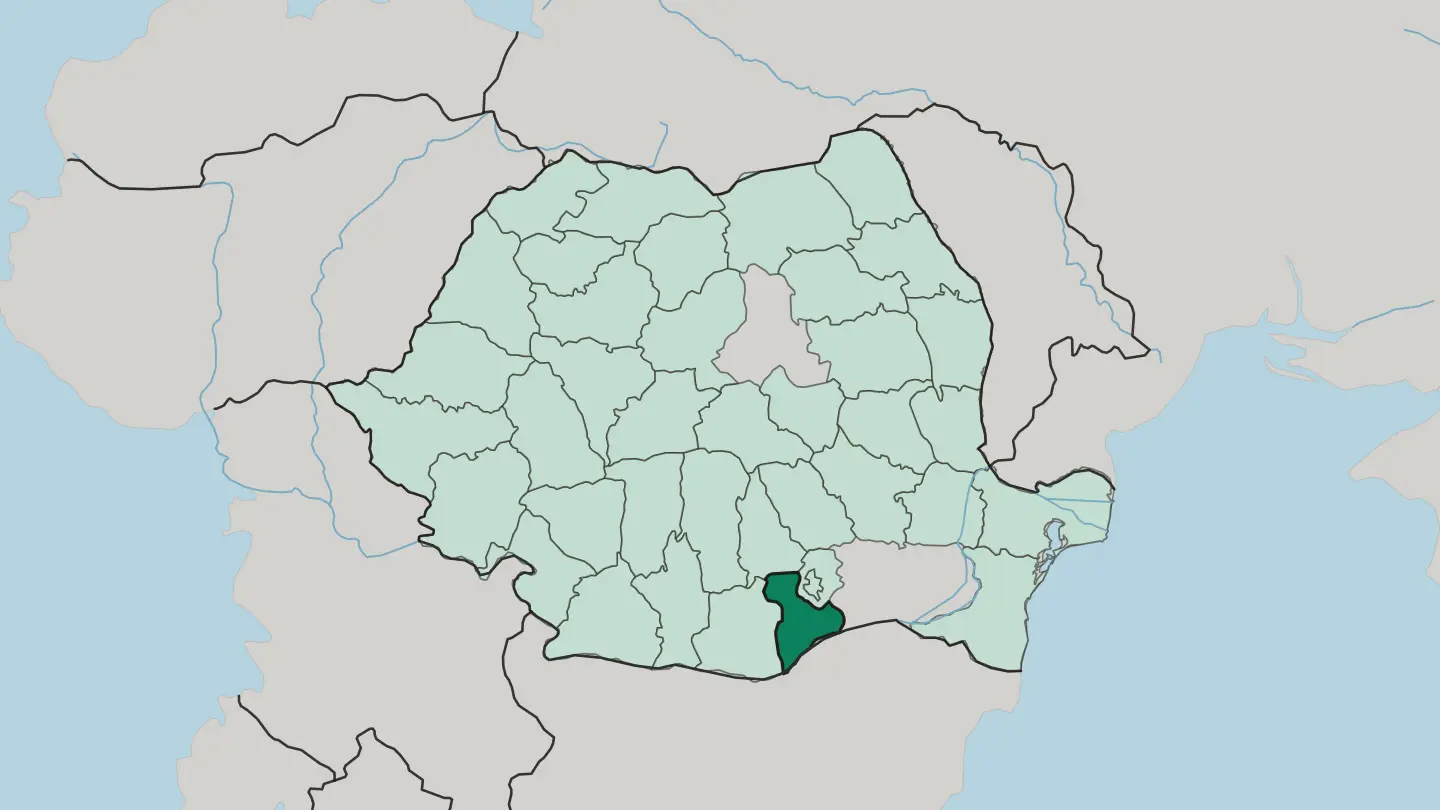
 Romania
Gorj
Gorj is a county in the Oltenia region of south-western Romania, where the Jiu River leaves the Carpathians for the plain.Towns & cities →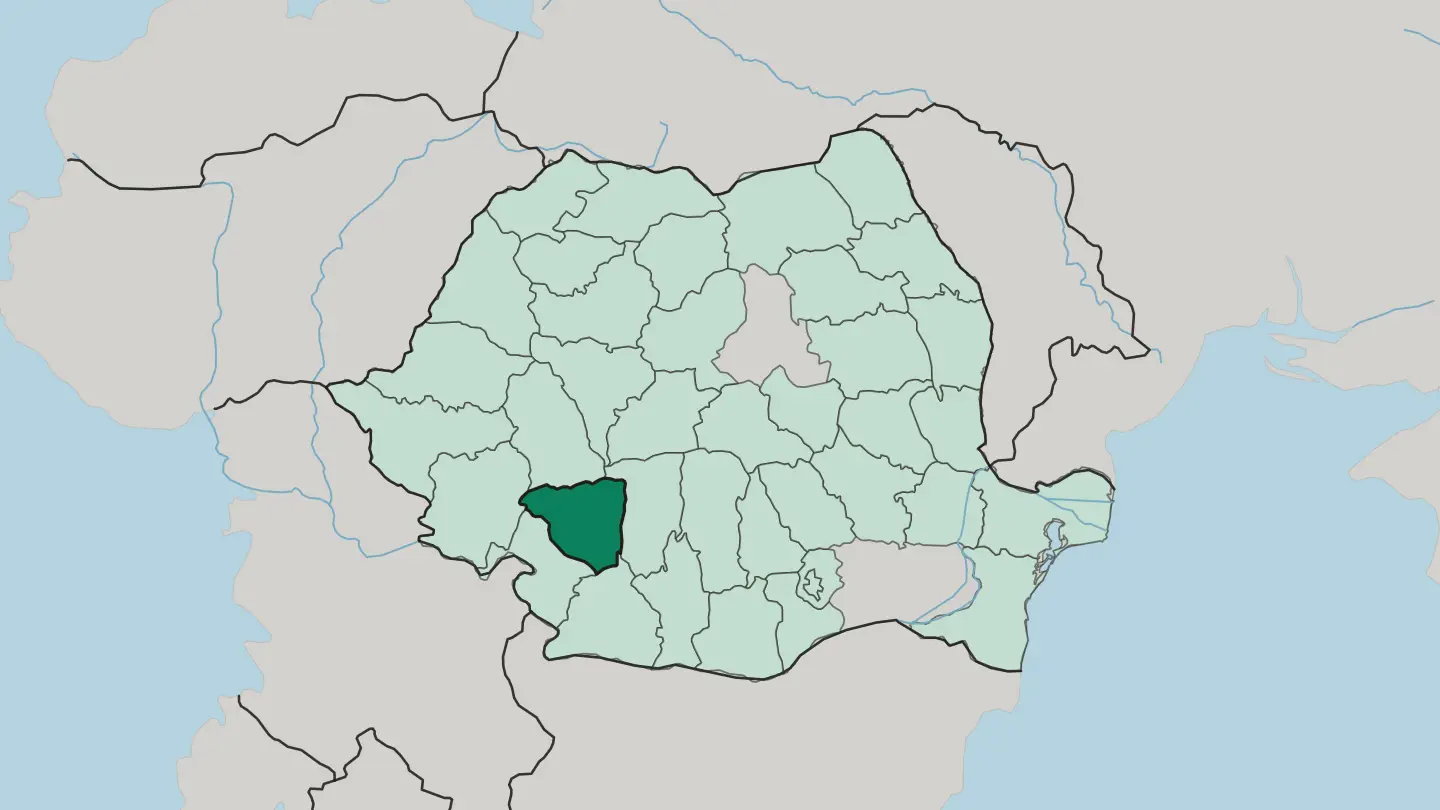
 Romania
Hunedoara
Hunedoara is a mountain county of southwestern Transylvania, where the Mureș cuts west between Dacian ruins and the Retezat peaks.Towns & cities →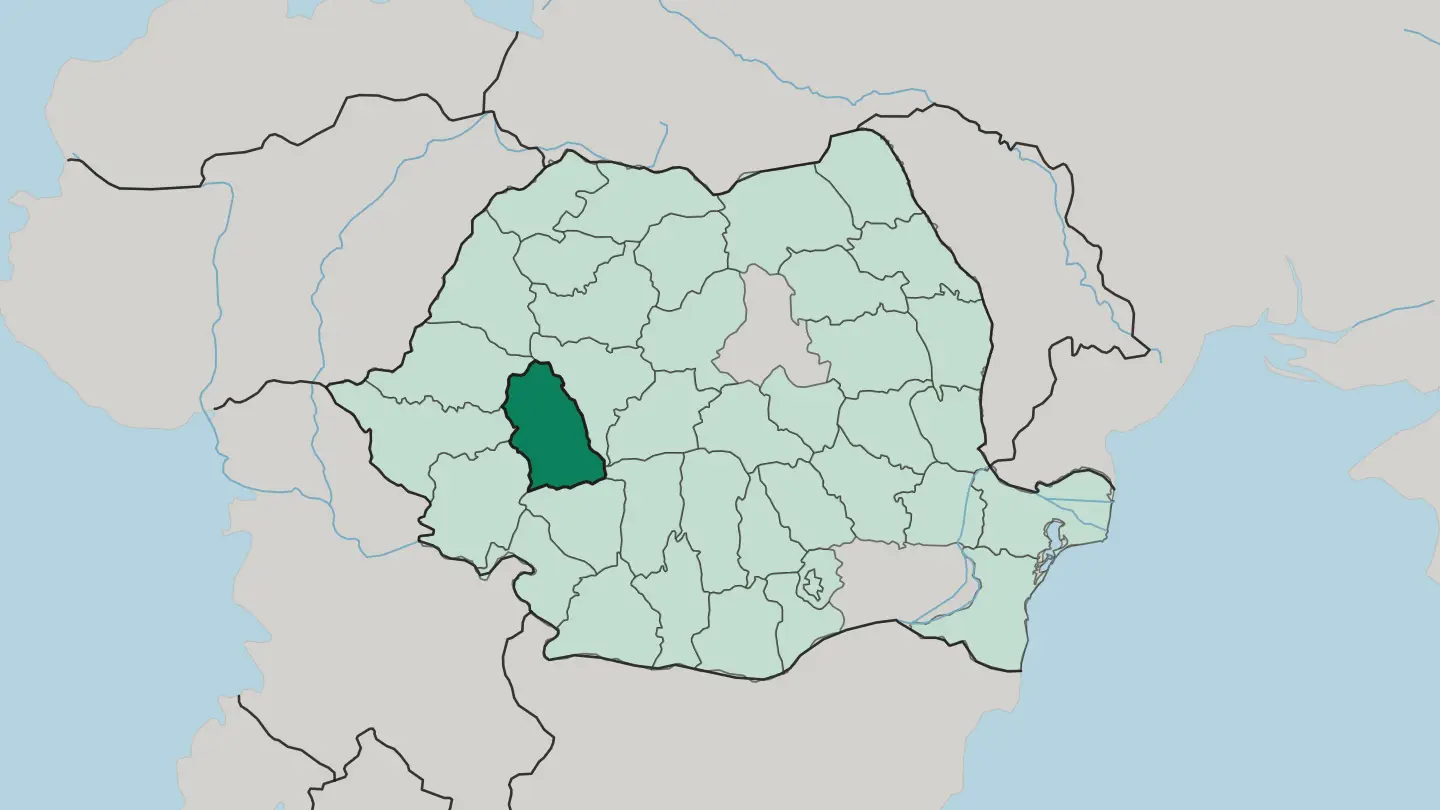 Romania
Iaşi
Iași is Romania's easternmost county, the historic capital of Moldavia, spread over hills between the Siret and the Prut.Towns & cities →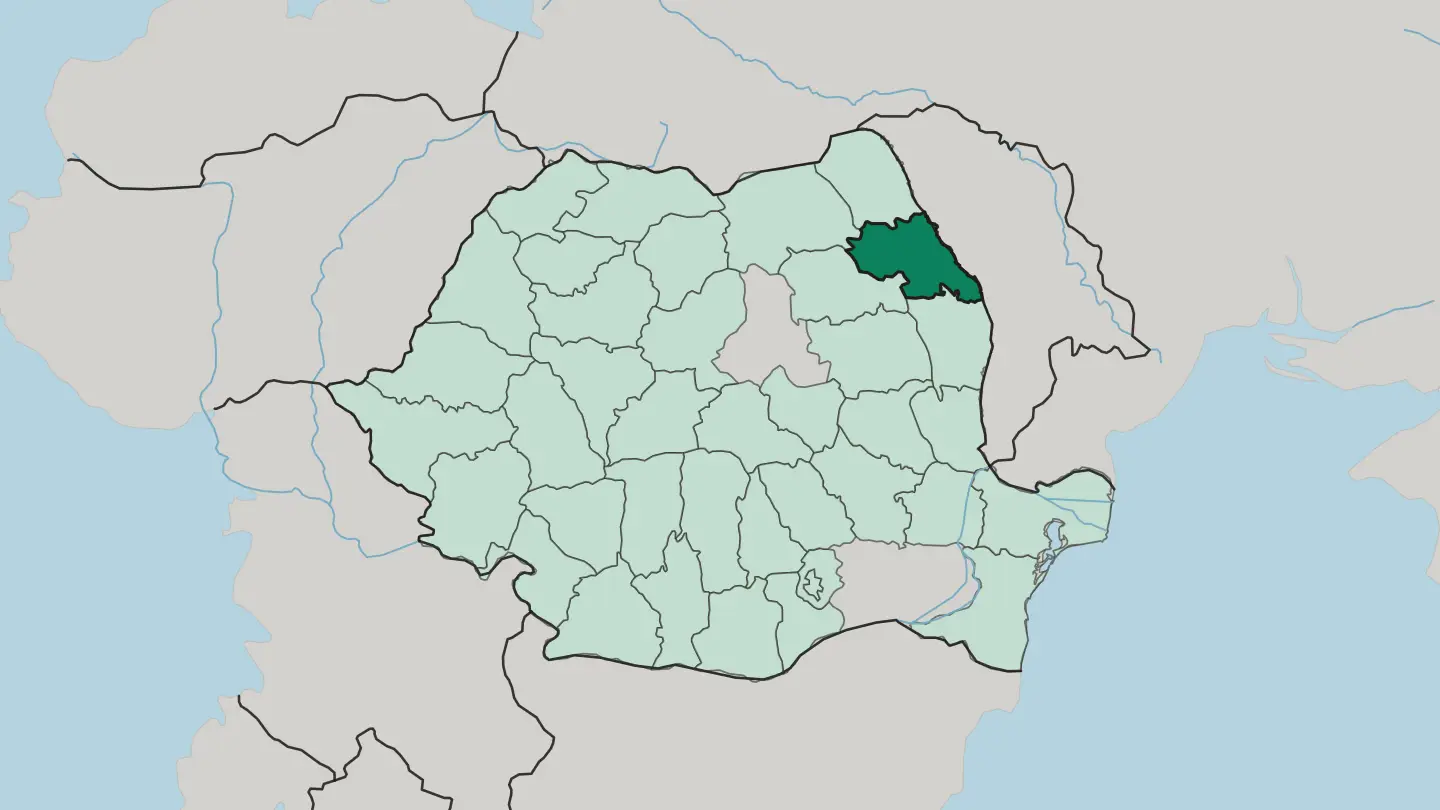 Romania
Ilfov
Ilfov is the ring of plain, forest and lake that wraps around Bucharest on the Wallachian Plain.Towns & cities →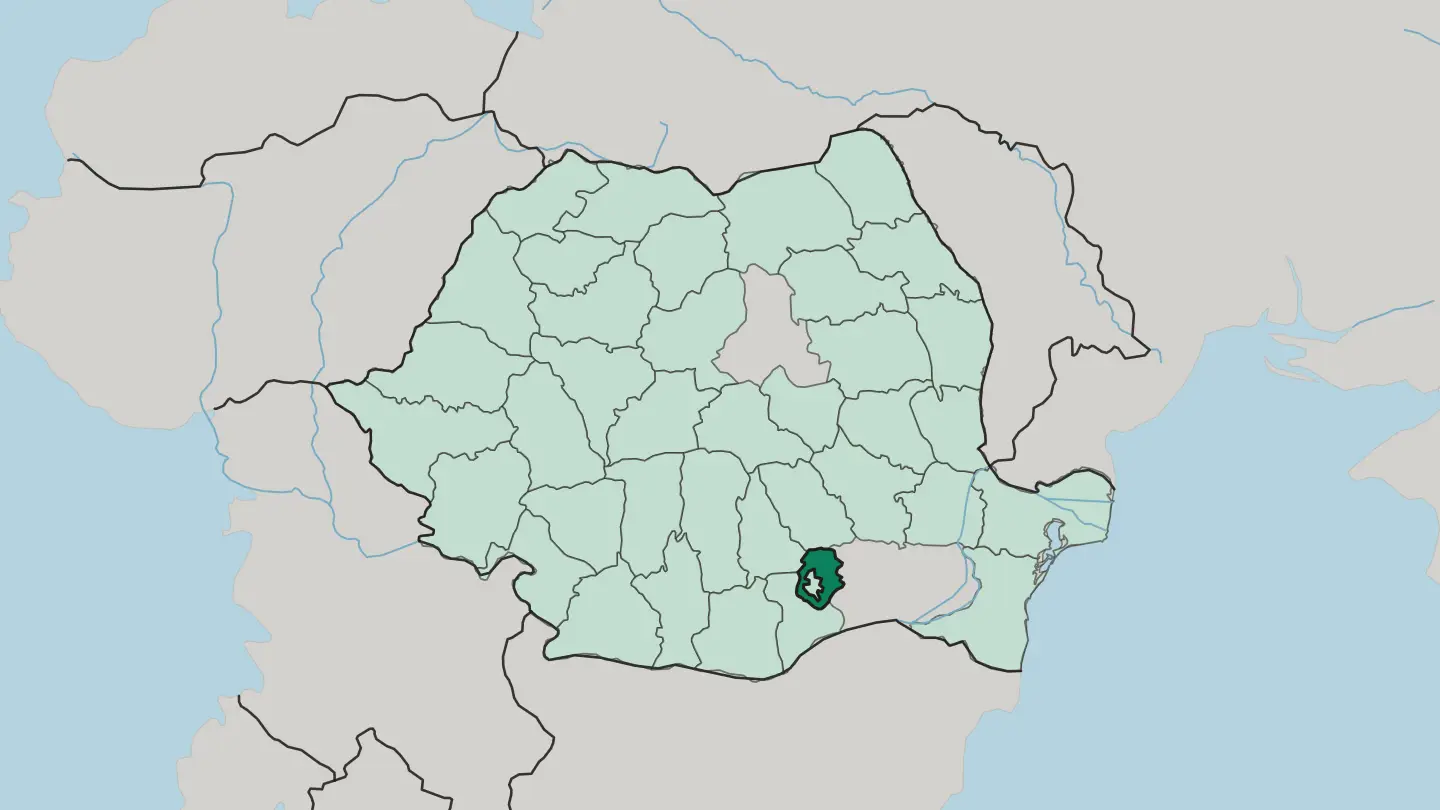 Romania
Maramureş
Maramureş is a mountainous region of northern Romania, edged by Ukraine and famous for its wooden churches and Merry Cemetery.Towns & cities →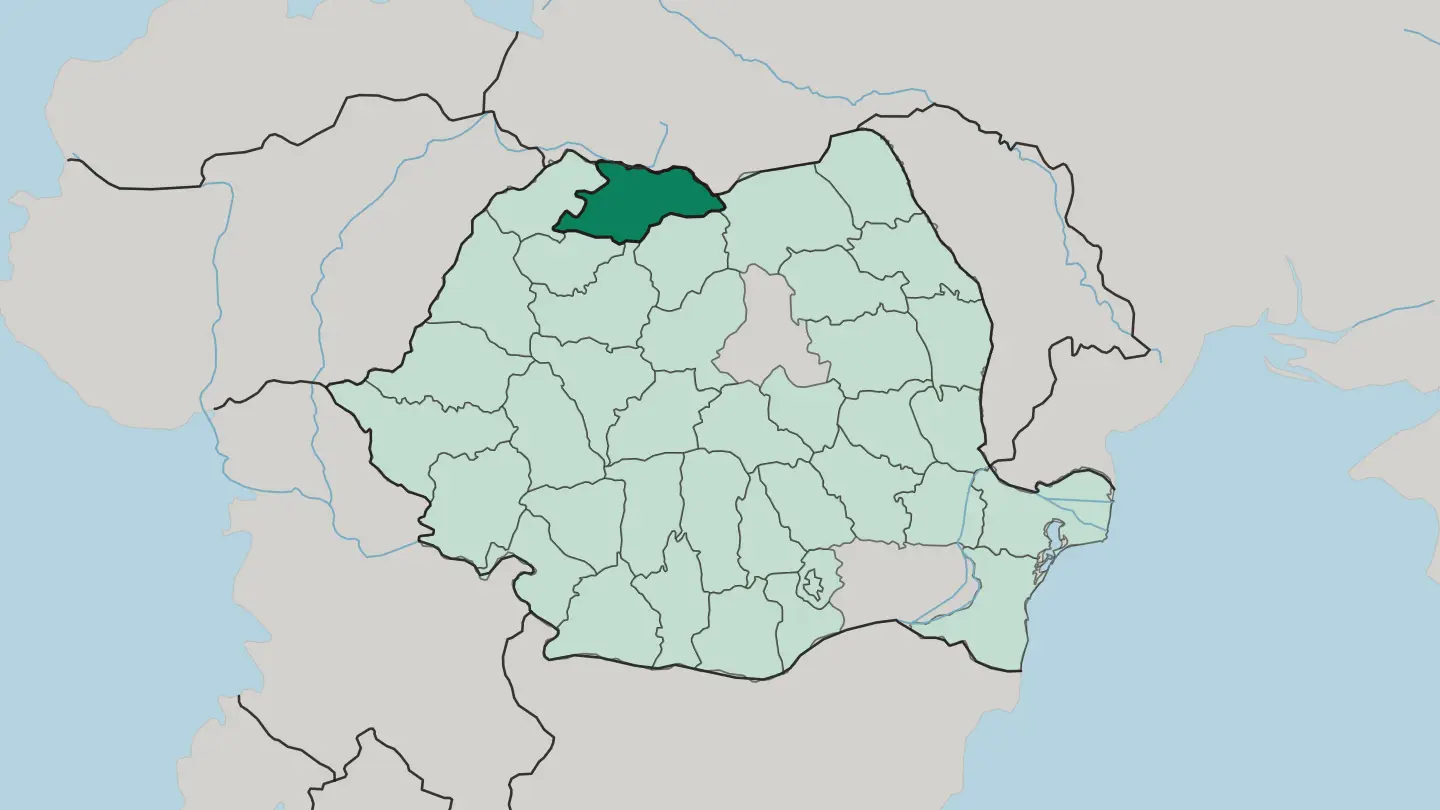
 Romania
Mehedinţi
Two frontiers, one county. Mehedinţi meets Serbia and Bulgaria, lies mostly in Oltenia, and administers from Drobeta-Turnu Severin.Towns & cities →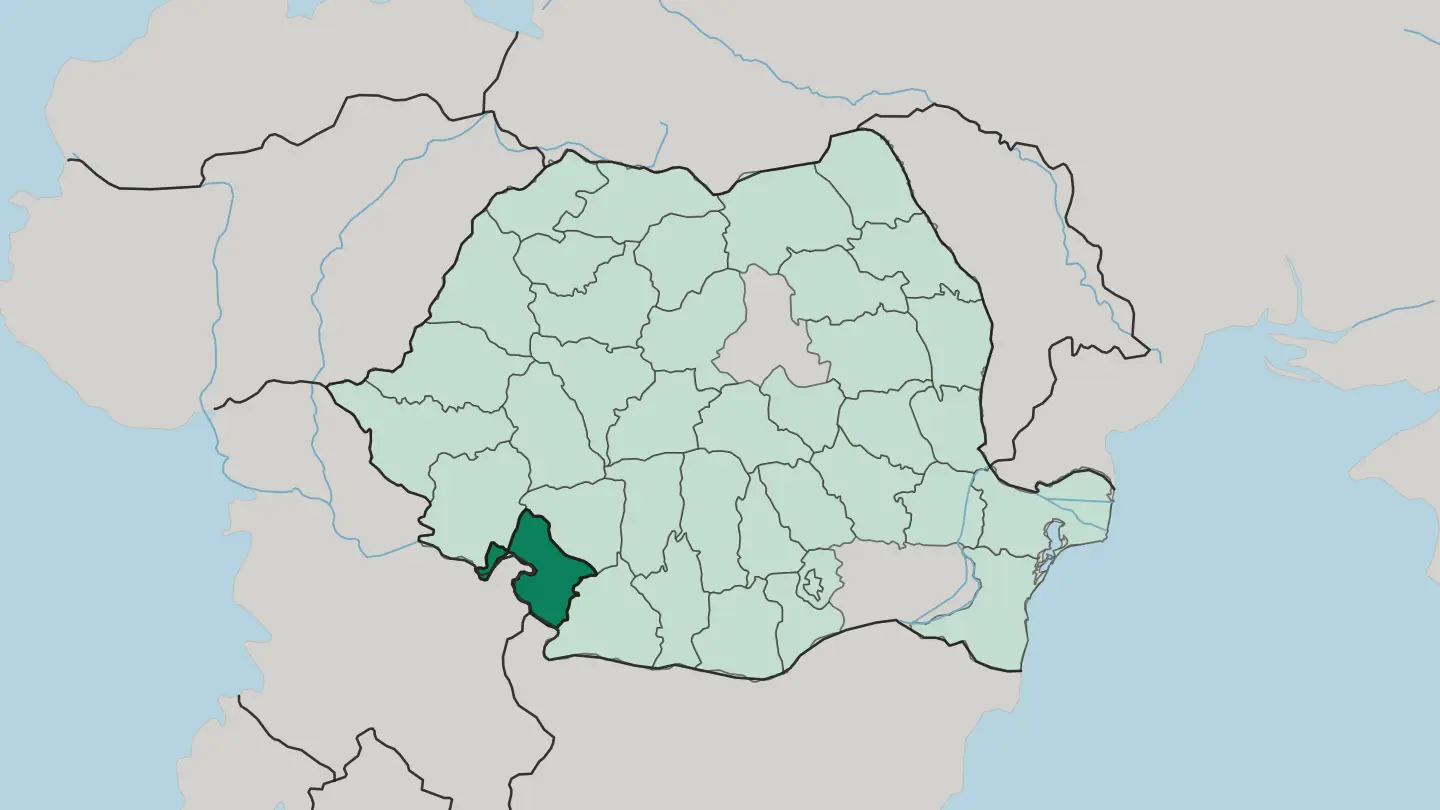
 Romania
Mureş
Mureș is a county in the heart of Transylvania, built around the Mureș river and the medieval citadel of Sighișoara.Towns & cities →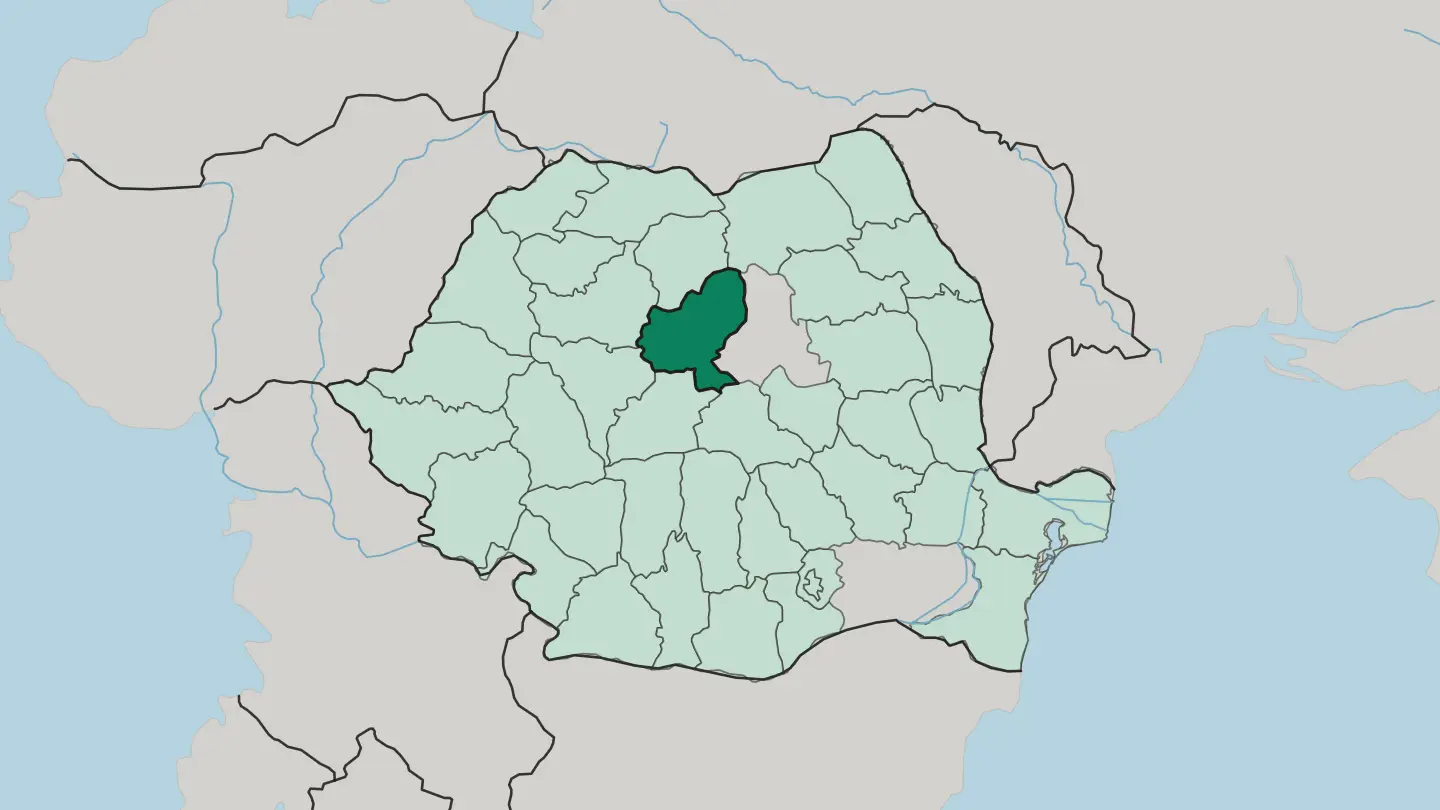
 Romania
Neamţ
Neamț is a mountain county in northeastern Romania, where the Eastern Carpathians and the Bistrița river frame Piatra Neamț.Towns & cities →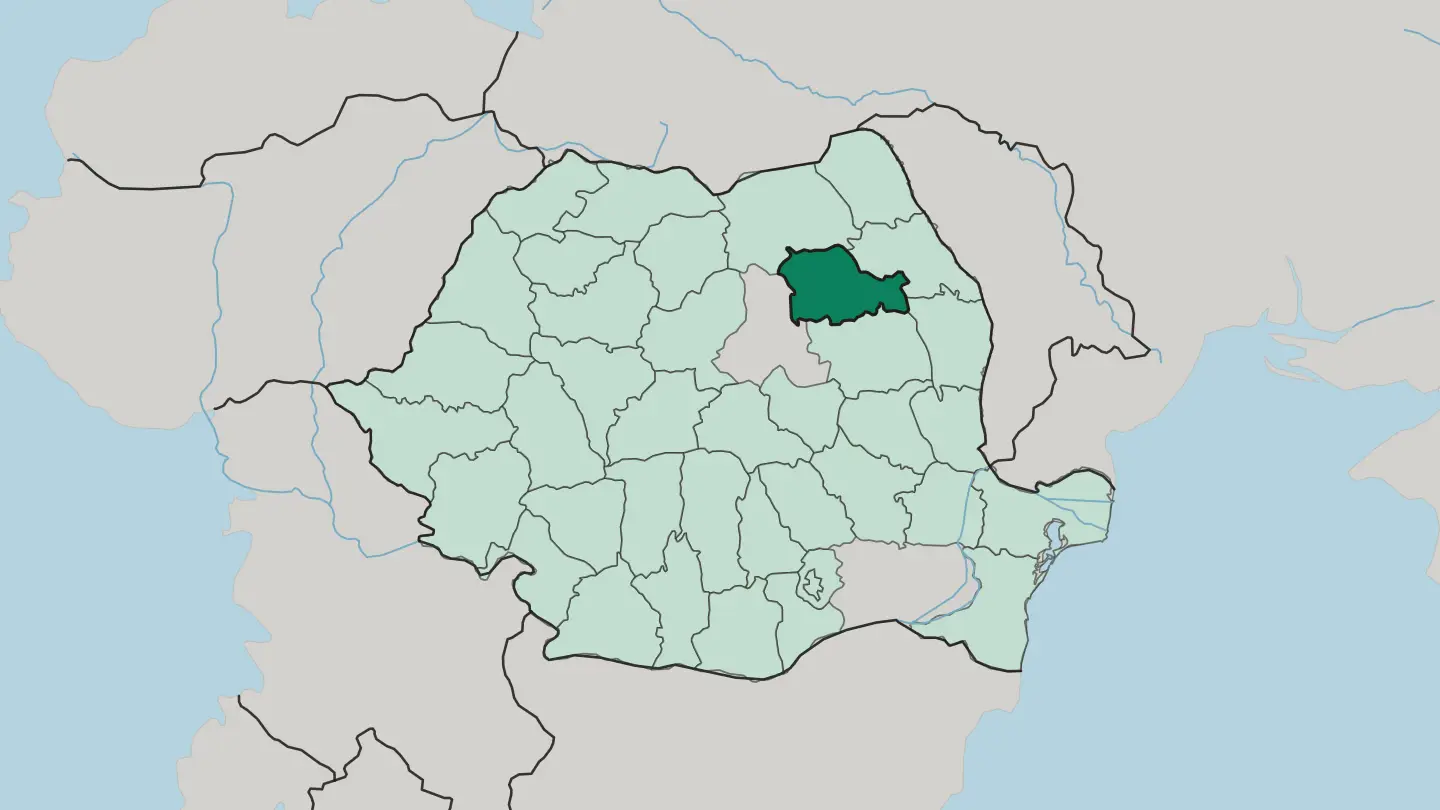
 Romania
Olt
Olt is a county of the Romanian Plain, split down the middle by the Olt River between old Oltenia and Muntenia.Towns & cities →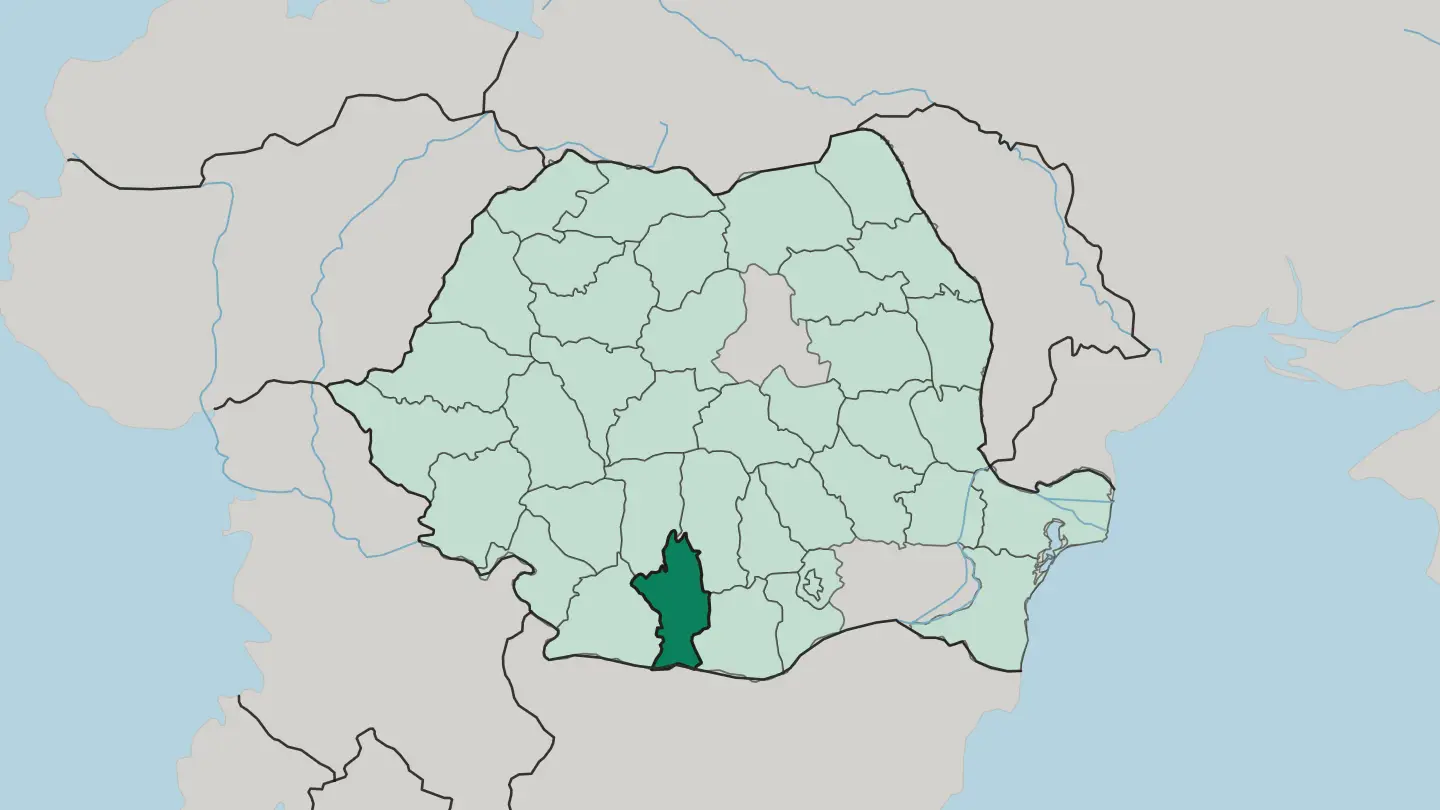
 Romania
Prahova
Prahova rises from the oil city of Ploiești to the Carpathian ski resorts of the Prahova Valley, north of Bucharest.Towns & cities →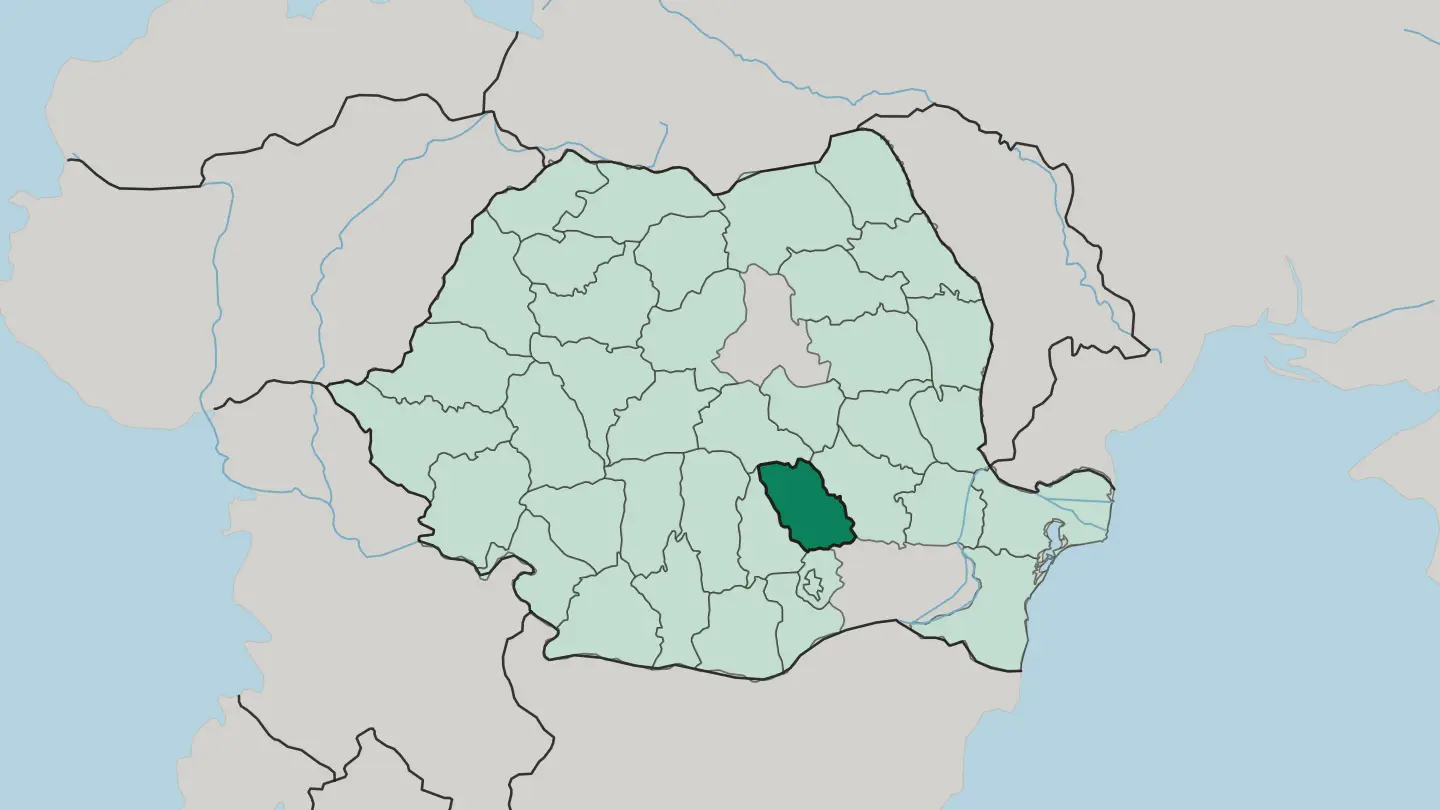
 Romania
Satu Mare
Satu Mare is Romania's north-western corner, where the Someș plain meets the Oaș hills at the Hungarian and Ukrainian borders.Towns & cities →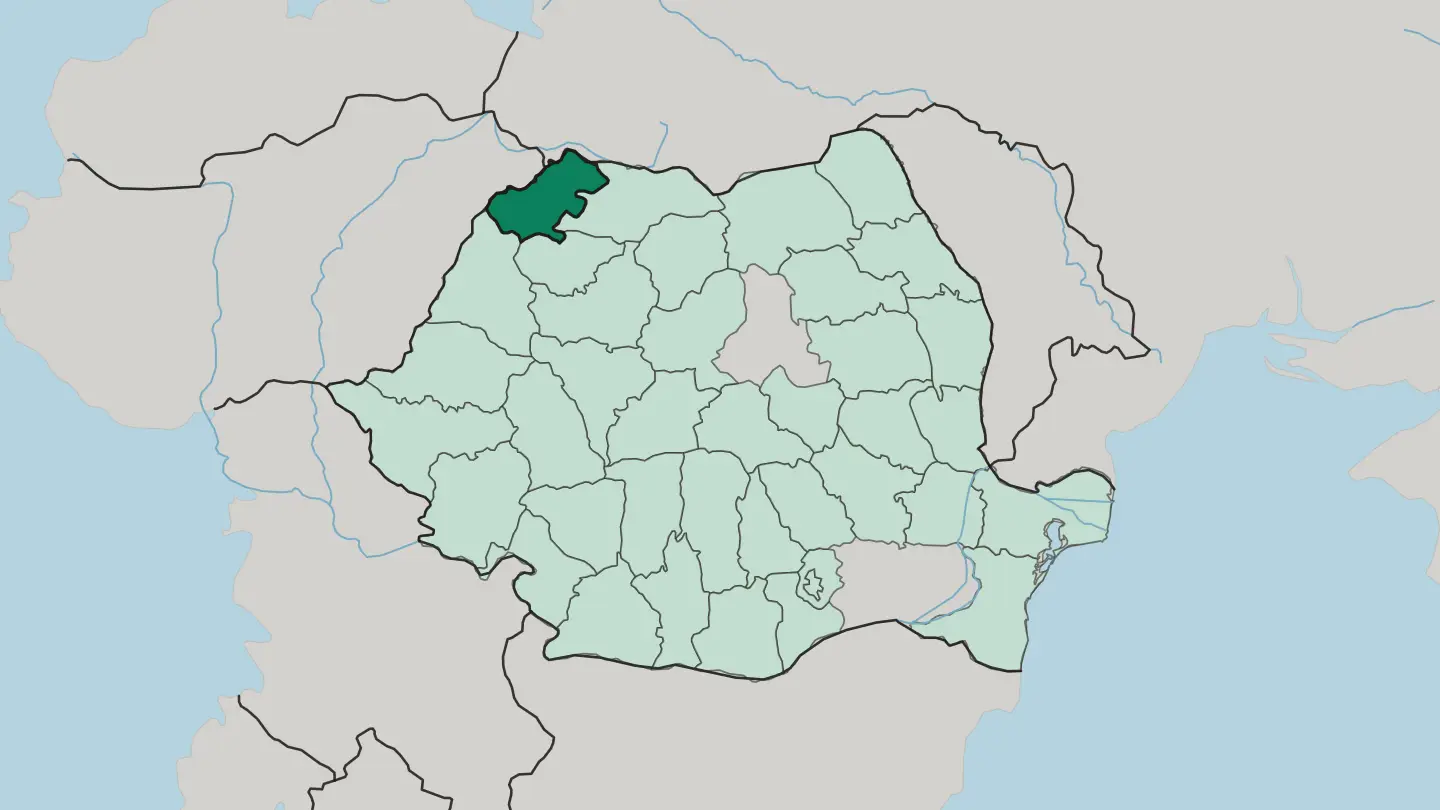 Romania
Sibiu
Sibiu County sits in southern Transylvania, where the Cibin valley meets the Făgăraș wall and the Saxon town of Hermannstadt.Towns & cities →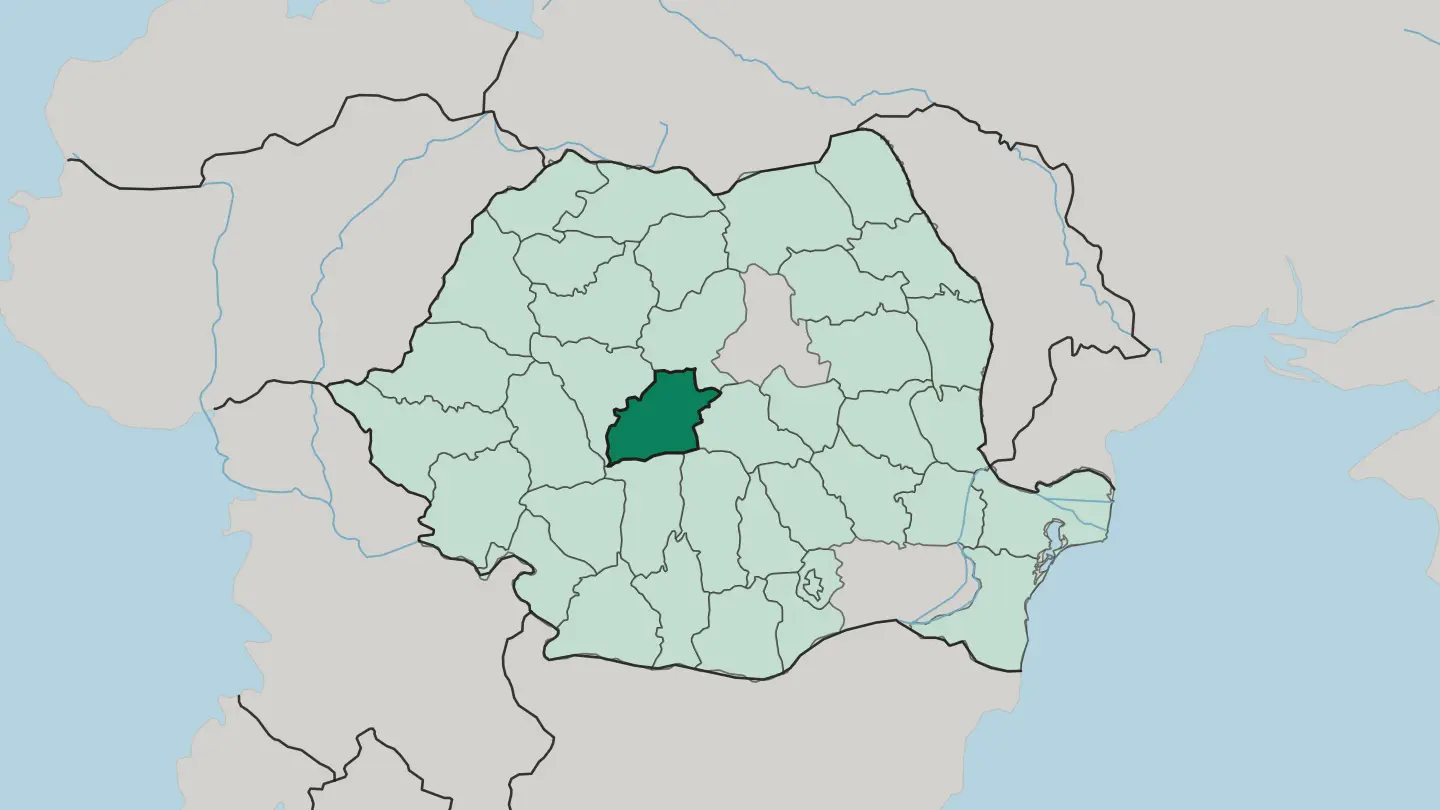
 Romania
Suceava
Suceava is a county in north-eastern Romania, the heart of southern Bukovina and its painted monasteries.Towns & cities →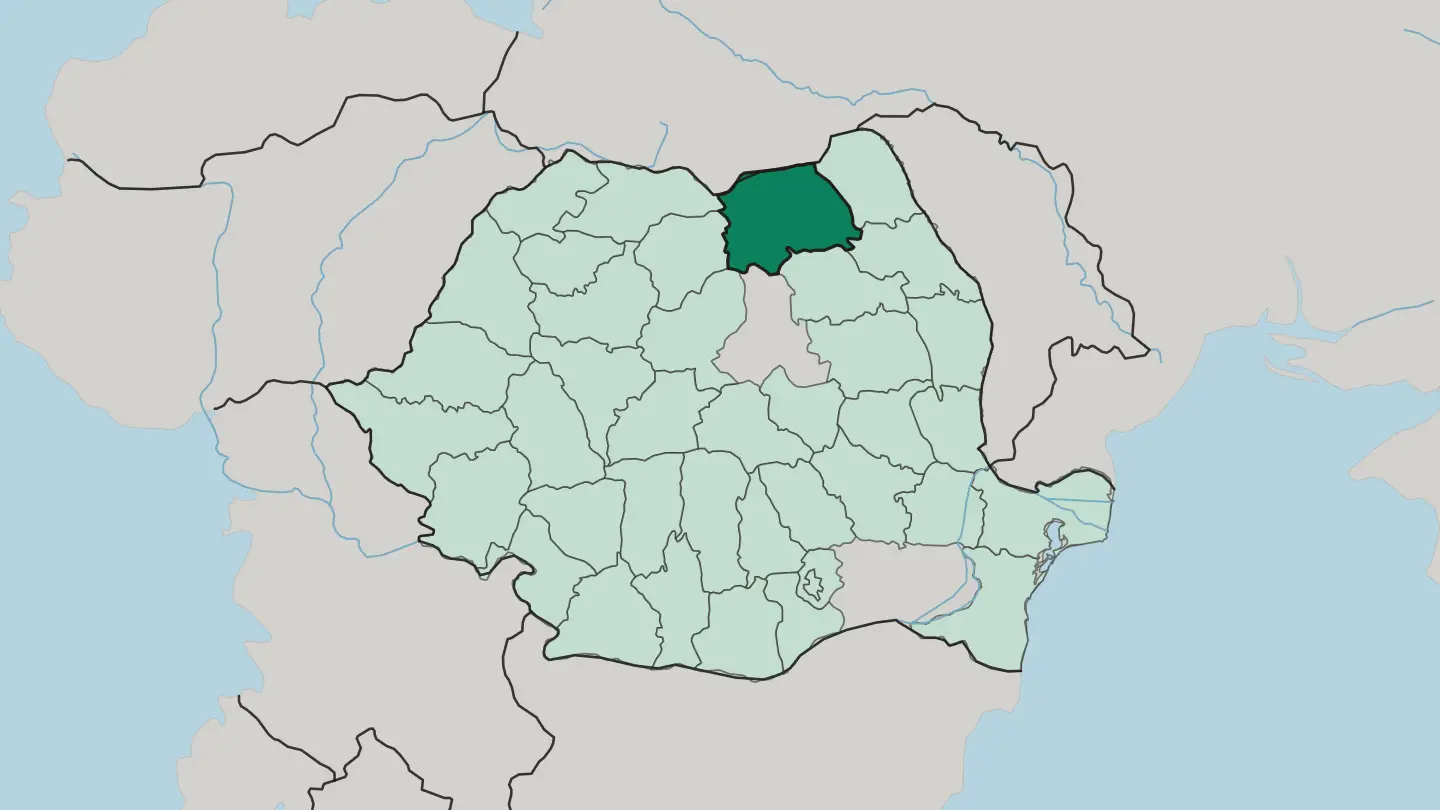
 Romania
Sălaj
Between Crișana and Transylvania. Sălaj is bordered by Satu Mare, Maramureș, Bihor and Cluj, with Zalău as its seat and largest city.Towns & cities →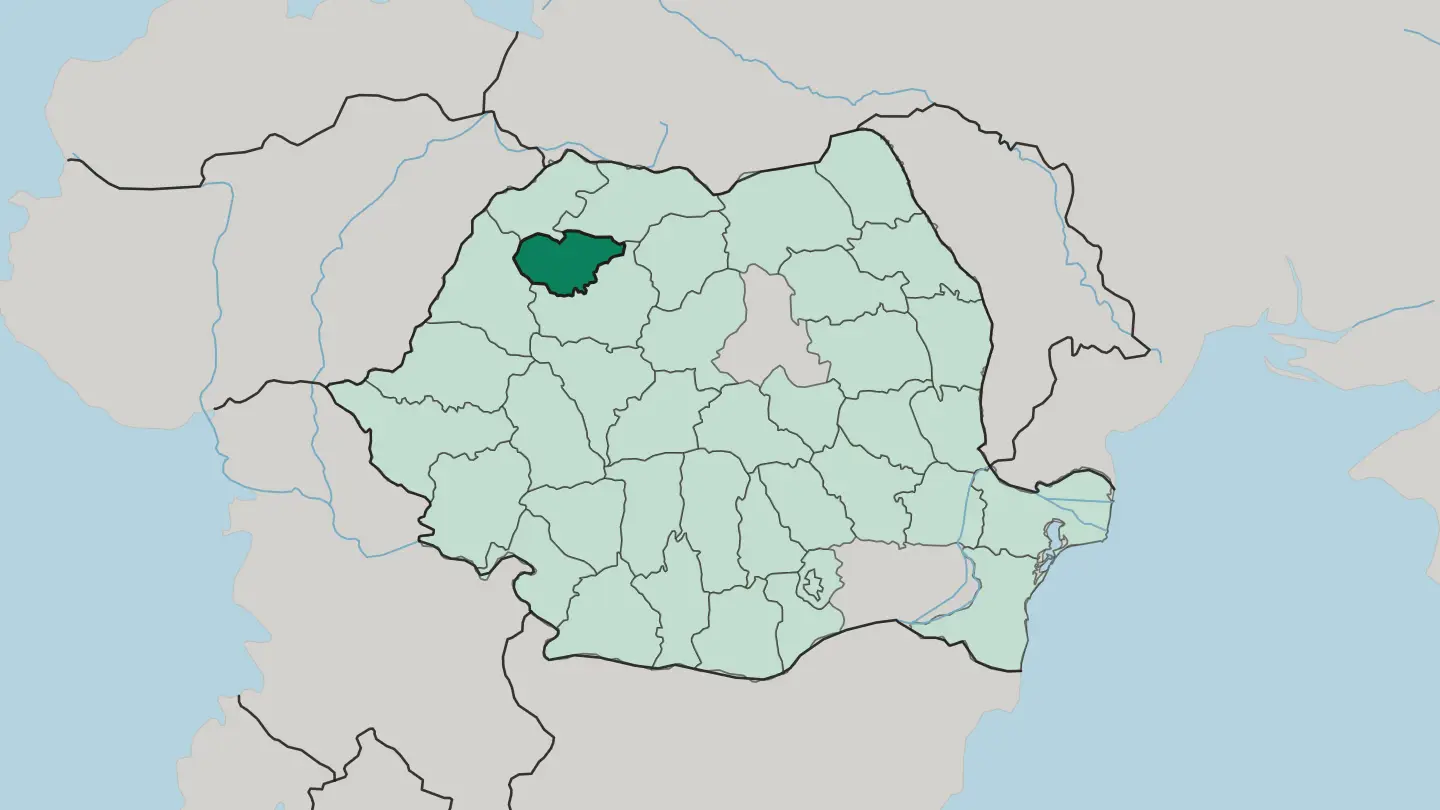 Romania
Teleorman
Teleorman is a flat farming county of southern Romania, pressed against the Danube on the Bulgarian border, its capital at Alexandria.Towns & cities →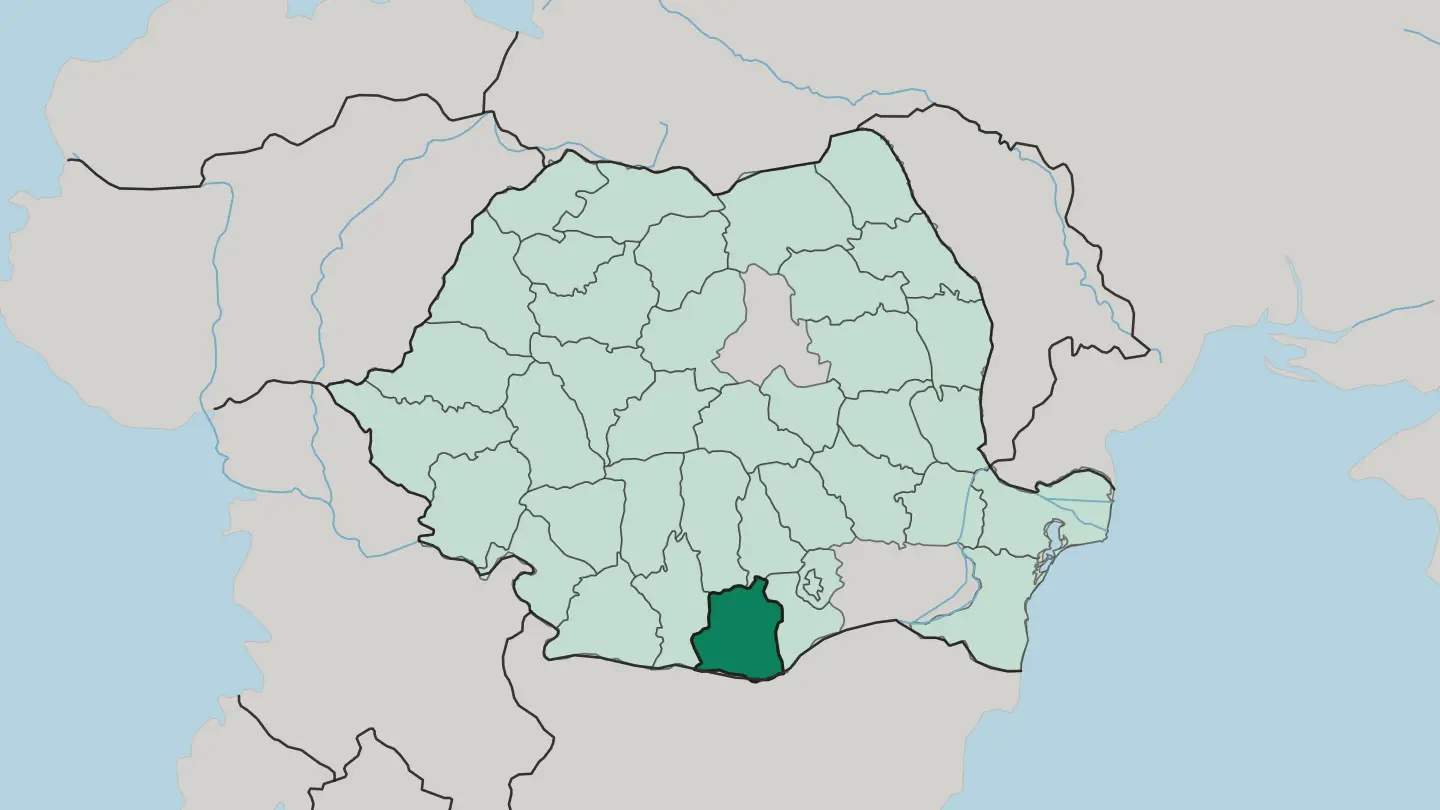 Romania
Timiş
Timiș is Romania's largest county, spread across the Banat plain in the far west, with Baroque Timișoara at its heart.Towns & cities →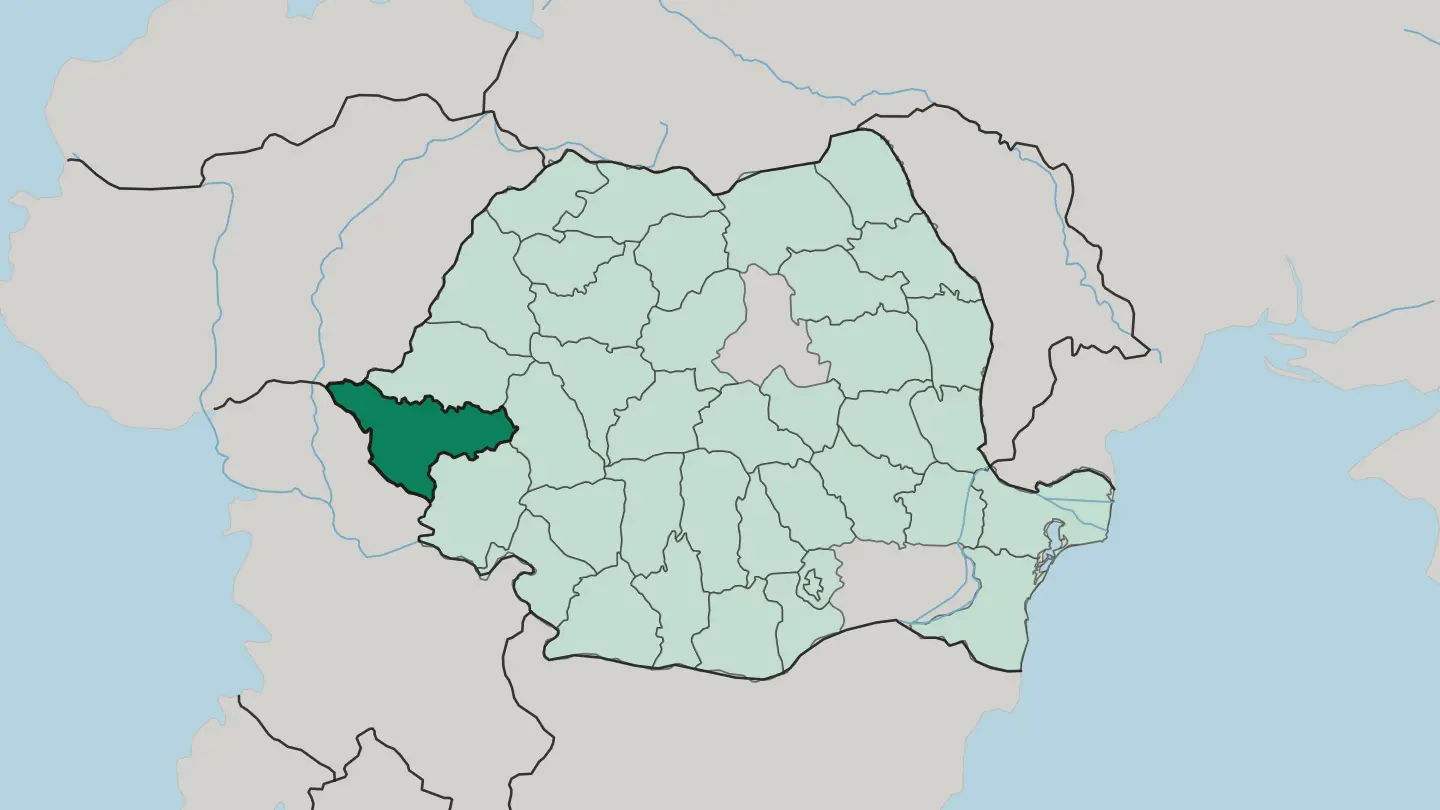
 Romania
Tulcea
Northern Dobruja, and the Danube's delta. Tulcea County keeps its capital city at Tulcea and takes in the delta across its north-eastern corner.Towns & cities →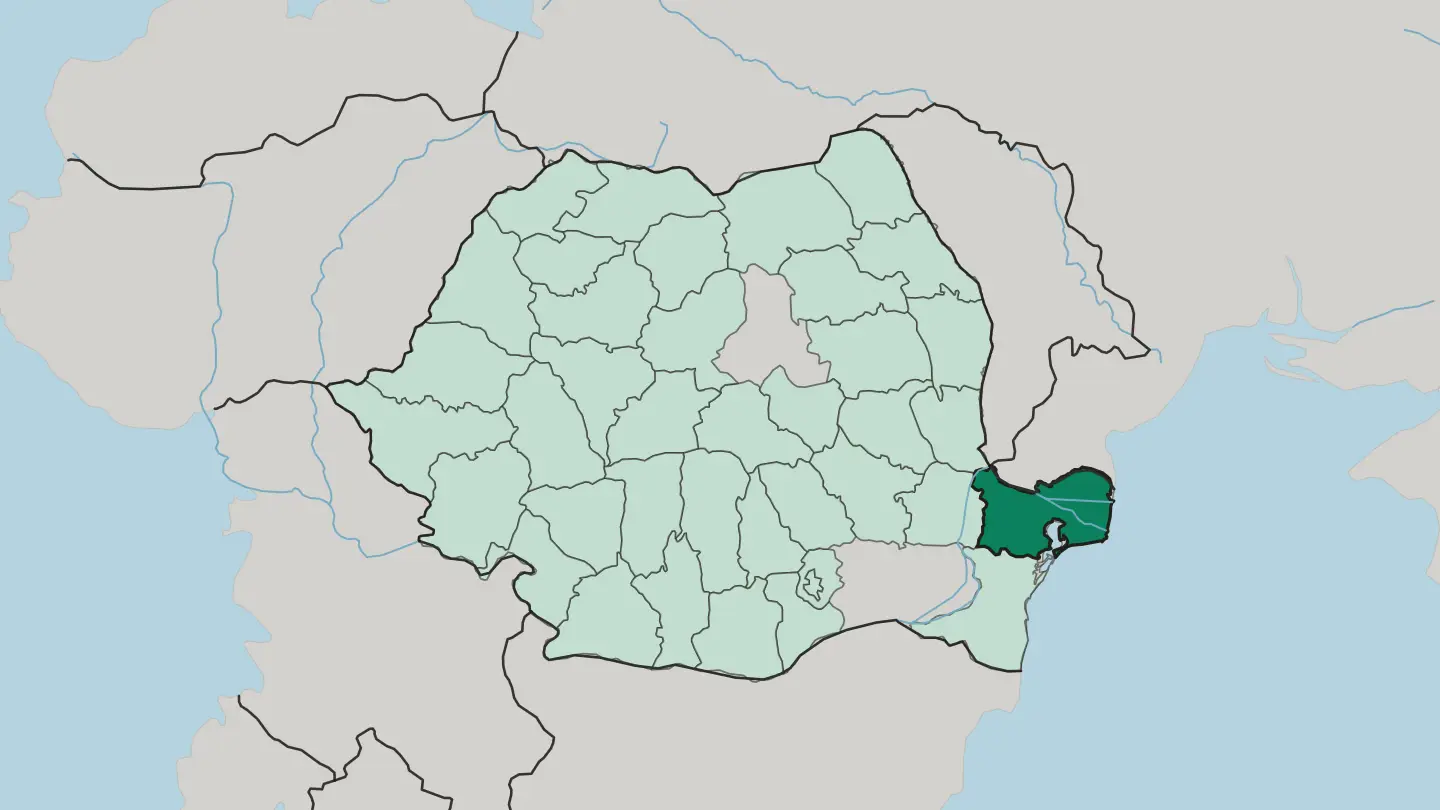
 Romania
Vaslui
Vaslui is a hilly county of eastern Romania, in Western Moldavia, where the Bârlad River threads its towns and the Prut marks the Moldovan border.Towns & cities →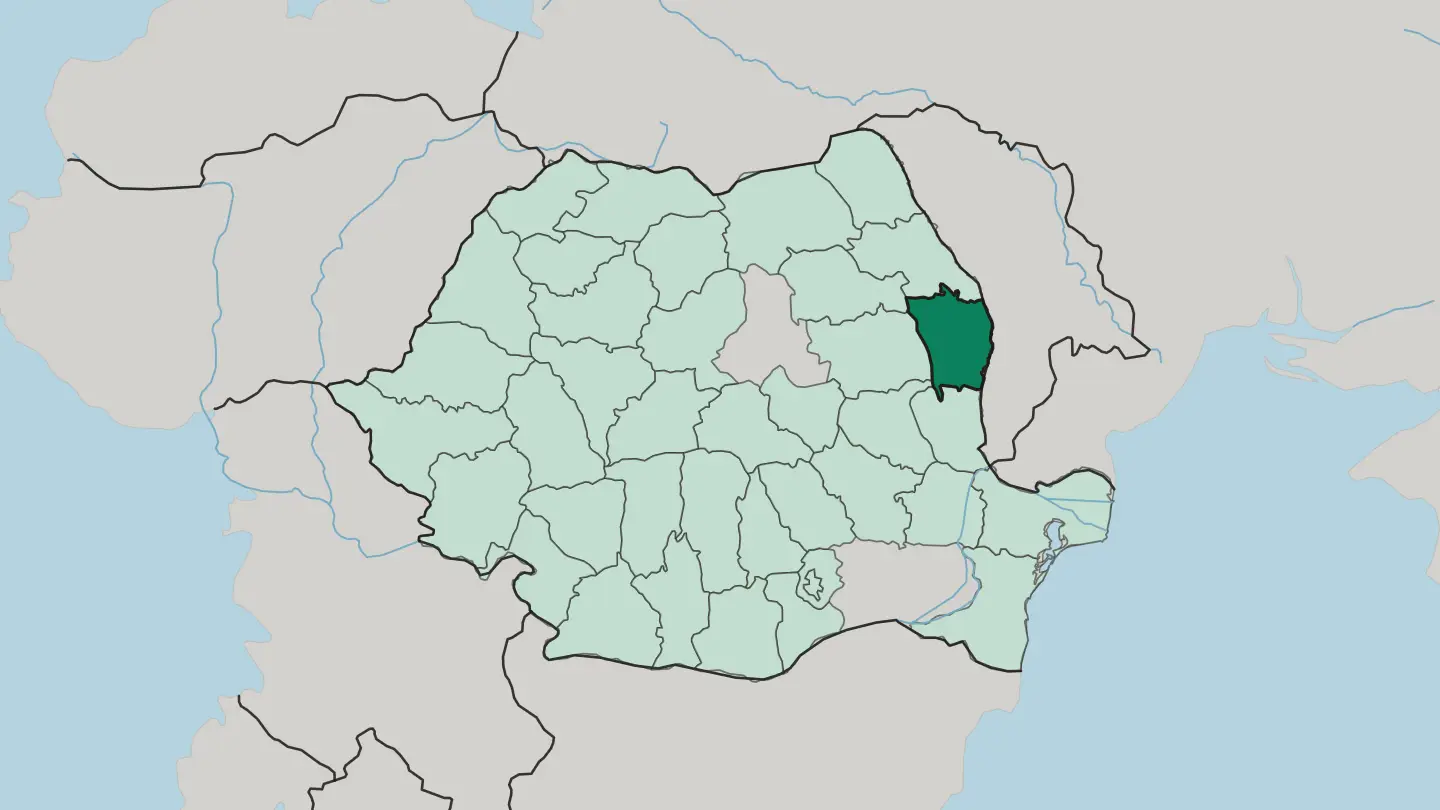
 Romania
Vrancea
Vrancea is Romania's biggest wine county, where the Curvature Carpathians drop to the Siret plain around Focșani.Towns & cities →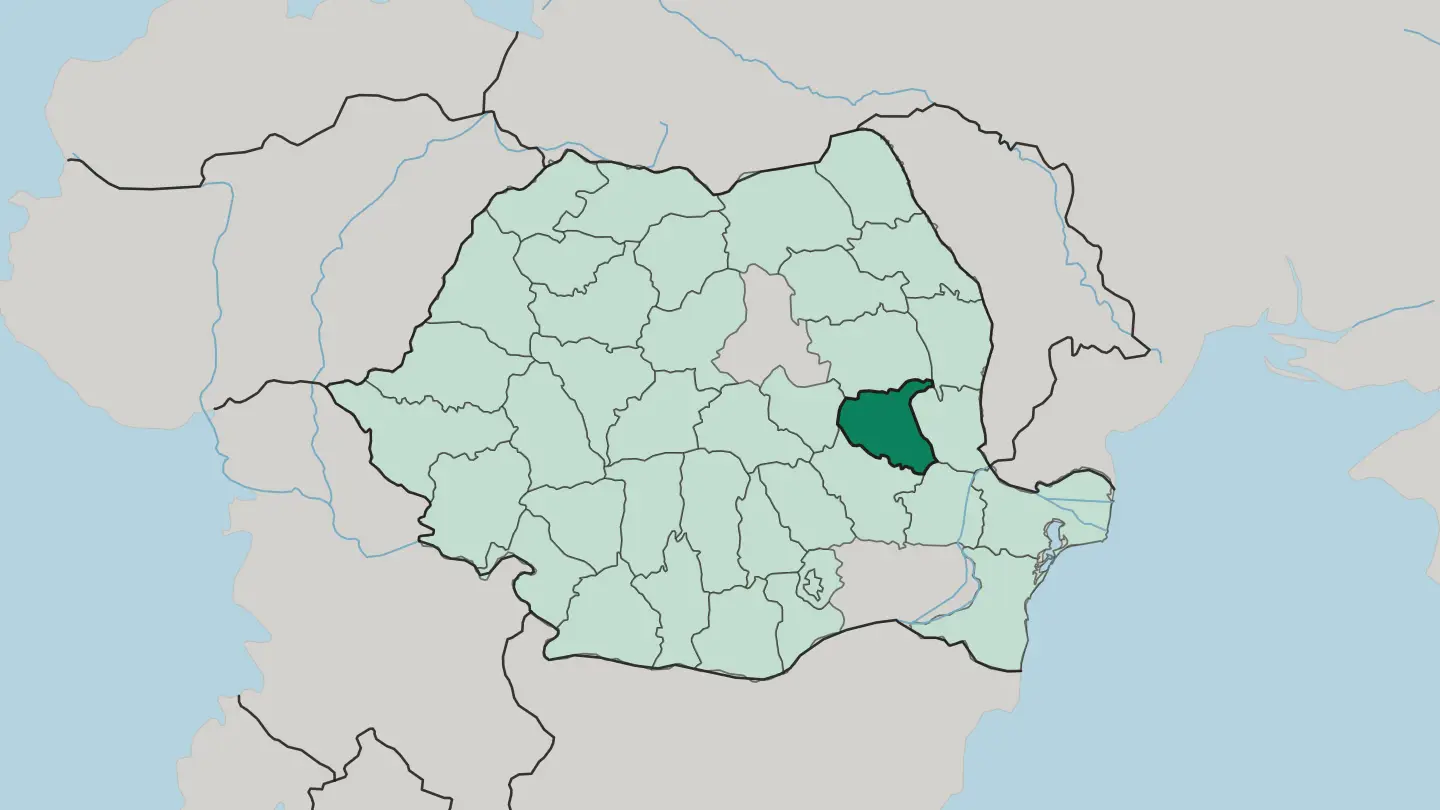
 Romania
Vâlcea
Vâlcea is a Romanian county where the Olt River cuts through the Southern Carpathians past Cozia and the painted Horezu Monastery.Towns & cities →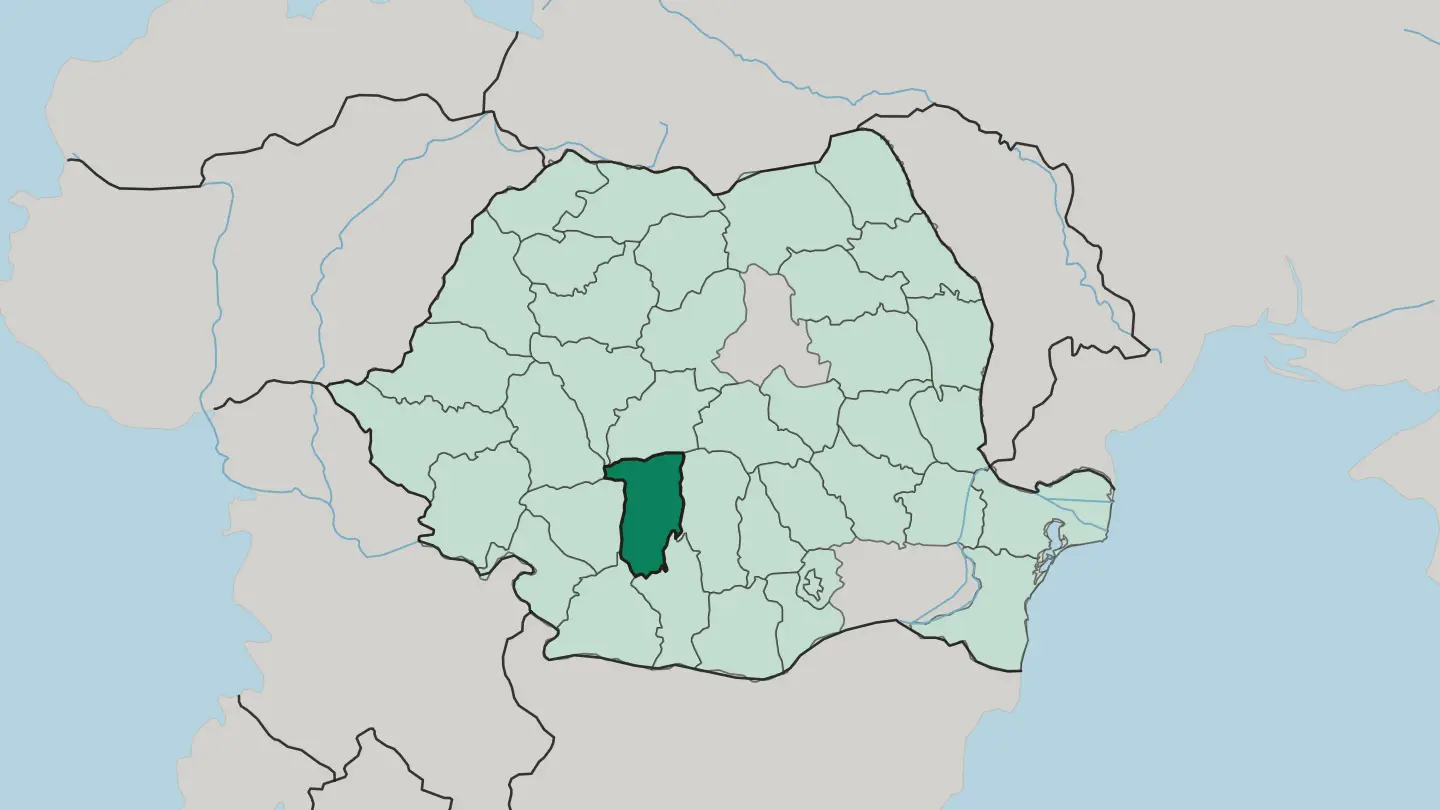
Explore by experience
Not sure which place? Start from how you want to travel.
About Romania
What is Romania known for?
România is known for its mountain landscapes, its rural countryside, and its historic cities. The Danube winds toward the Black Sea, and the country holds seven UNESCO World Heritage Sites, one natural and six cultural. Variety defines it.
Old cities such as Cluj-Napoca, Iași, Brașov, and Timișoara draw visitors alongside the capital, Bucharest, and the shore of the Black Sea.
Where is Romania?
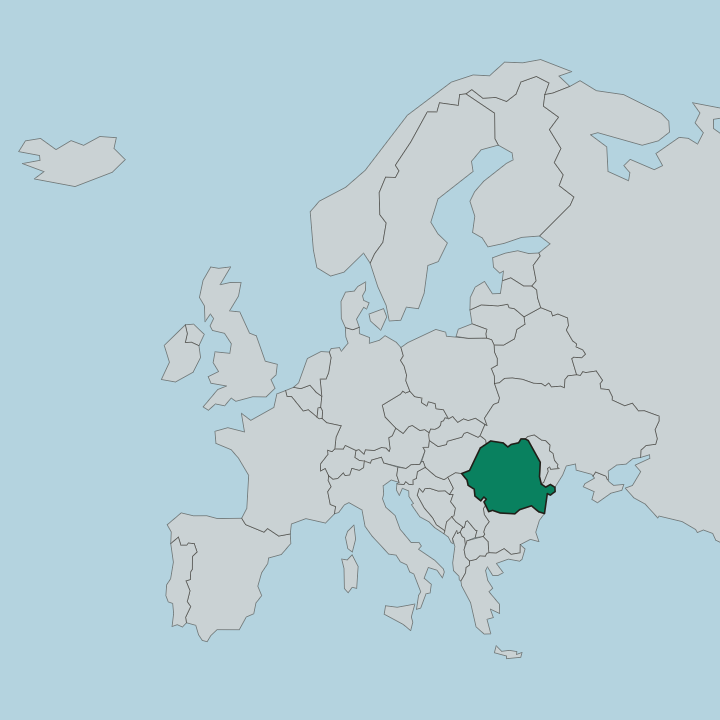
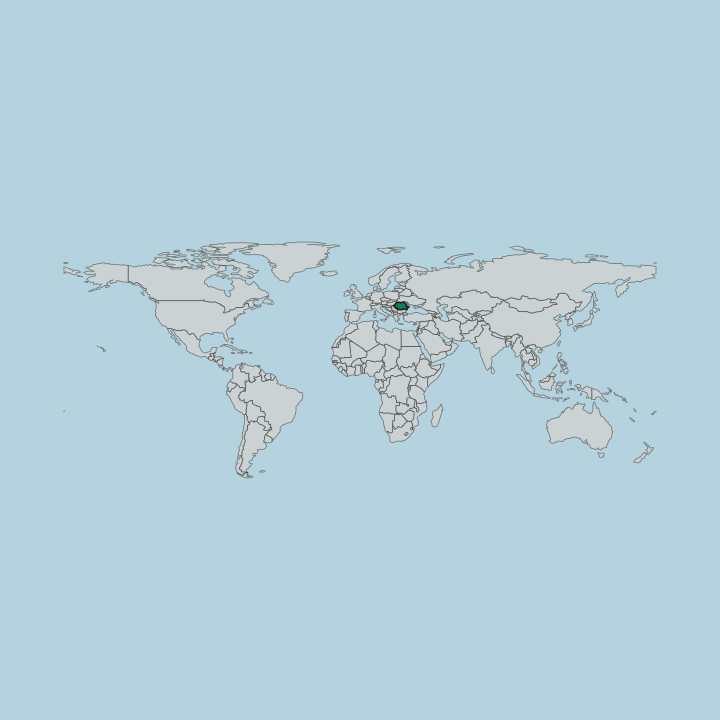
România sits in Southeast and Central Europe, on the lower course of the Danube and the northwestern shore of the Black Sea. Five countries border it. Ukraine lies along the north and east, Hungary to the west, Serbia to the southwest, Bulgaria to the south, and Moldova to the east.
The Black Sea closes the southeastern corner, and the Danube crosses the south of the country before it empties into the sea. Water frames the borders. Away from the rivers and the coast, mountain landscapes and unspoilt rural areas fill much of România.
The land climbs inland. Historic cities such as Cluj-Napoca, Iași, Timișoara, and Brașov sit among the hills and plains, while Constanța lies toward the Black Sea and Bucharest anchors the interior. North of the Balkan Peninsula, the country bridges the plains of Central Europe and the mountains of the southeast.
The rural districts stretch between the towns, where old villages and farmland cover the ground between the mountains and the river valleys. Seven UNESCO World Heritage Sites lie scattered across these landscapes, from the coast to the mountains. The country reads as many landscapes at once.
What is the history of Romania?
România took its modern shape in 1859, when the union of its principalities formed a single country. The union made the nation. From that founding the country gathered a range of ethnic, linguistic, and confessional groups, a mix that still runs through its cities and countryside.
Different faiths and languages settled side by side, and that older pattern shaped the character of the regions. Historic cities such as Brașov, Cluj-Napoca, Iași, and Timișoara carry the older layers of that past in their streets and buildings. The past sits in the stone.
Culture ran alongside politics through România's history. The country's cultural heritage survives in six of its UNESCO World Heritage Sites, set among the historic cities and the countryside. Each site records a chapter of the country's cultural past, kept among the historic cities and rural regions.
Modern milestones followed. România joined the European Union in 2007, tying the country into the wider continent of Central and Southeast Europe. Through all of it the Danube and the Black Sea kept their old role as the country's routes to the world beyond.
History still runs to the water.
What is Romania like?
România feels like several countries folded into one. Its people speak more than one language. The ethnic, linguistic, and confessional groups found across the country give its towns and villages distinct characters, and the old cities each keep a flavour of their own.
Old churches and town squares stand at the centre of each city, each shaped by the community that built it. Brașov, Cluj-Napoca, Iași, and Timișoara carry that variety in their squares and churches. Difference is the rule here.
Life in România runs between the cities and the countryside. The rural areas hold much of the old way of living, with villages and farmland spread through the hills and the river valleys of the interior. Along the Danube and the Black Sea the pattern shifts toward the water, where ports and coast towns face outward.
Food, festivals, and faith differ from region to region, carried by the many communities of the country. The country's cultural heritage, marked by its UNESCO World Heritage Sites, ties the modern cities back to that older rural world. It is a country of contrasts.
What is the climate of Romania?
România has a temperate climate, shaped by its position between Central Europe and the Black Sea. Winters run cold, summers warm. The mountain landscapes hold snow well into the cold months, while the lower Danube plain and the Black Sea coast stay milder through the year.
Away from the sea, the interior swings further between the seasons than the shore.
How do you get to Romania?
România connects to Europe by land, water, and air, with the capital, Bucharest, as its main point of entry. Most arrivals pass through Bucharest. Land borders open from Hungary and Serbia in the west, Bulgaria across the Danube in the south, and Ukraine and Moldova in the north and east.
The Black Sea gives the country its sea link, while the Danube carries traffic inland from the coast. Roads and rail tie the cities together.
Good for
Updated September 2026