Russia · Belgorod Oblast
Where to Stay in Belgorod, Belgorod Oblast
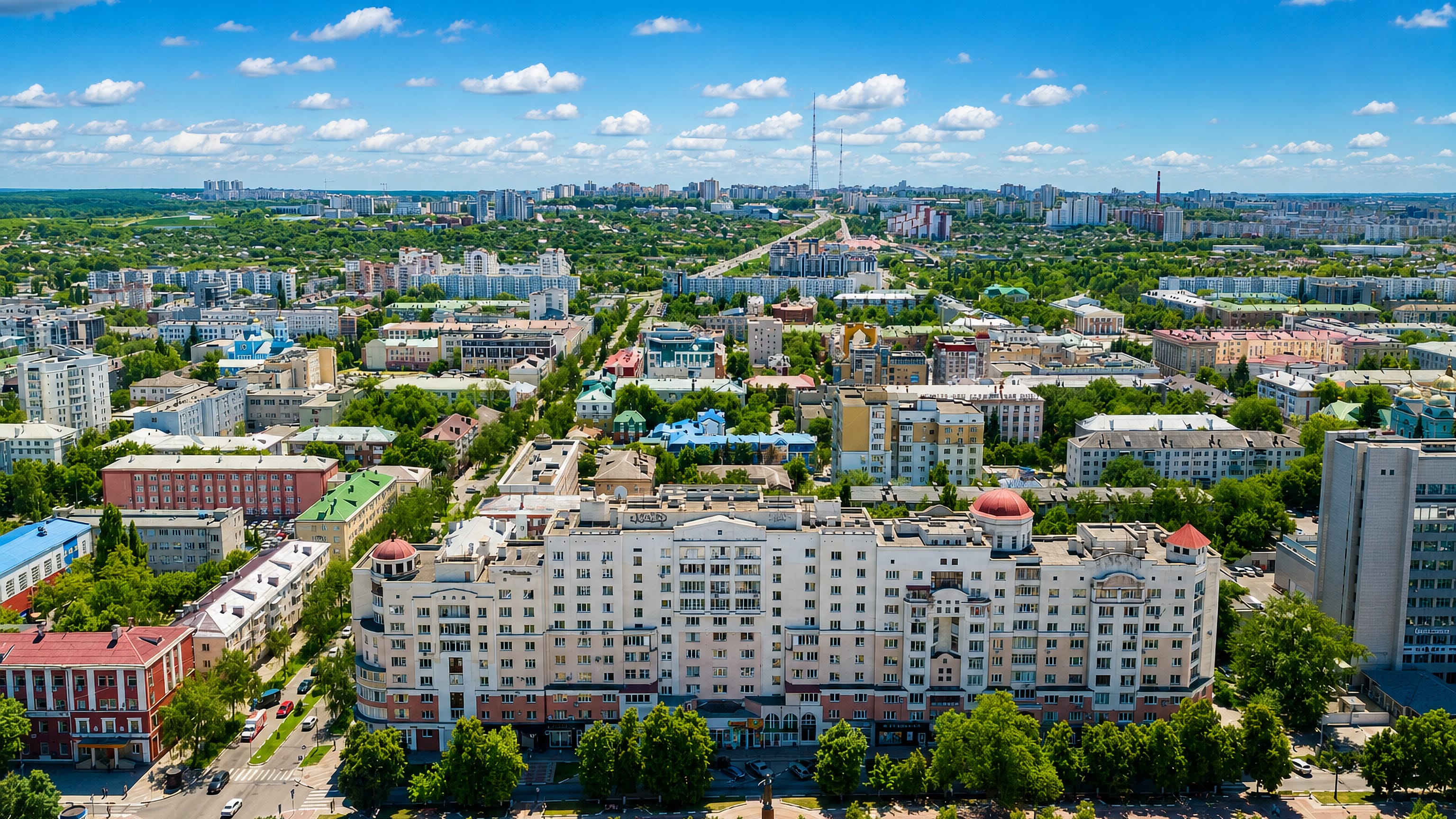
Belgorod is the seat of Belgorod Oblast, a city founded in 1596, its cathedrals and monuments standing across the old centre.
Find your area →


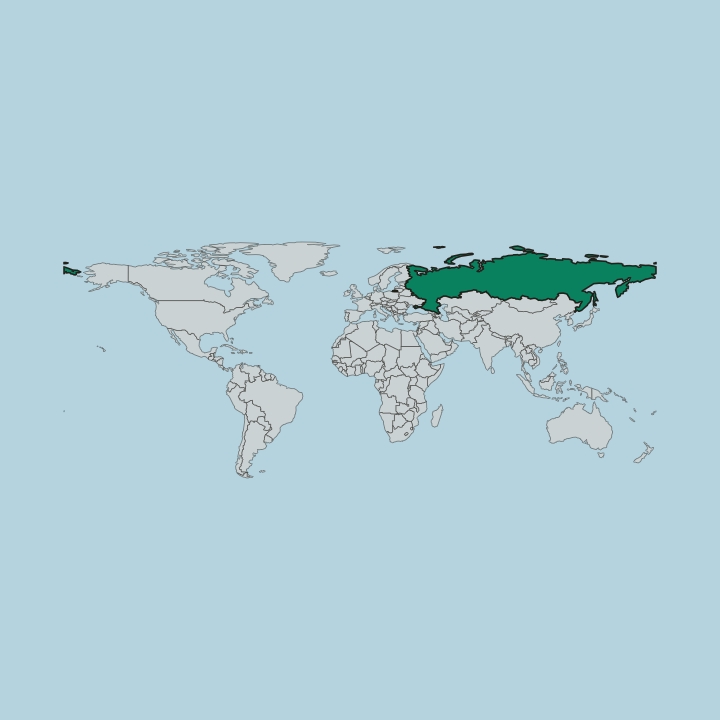
Where to stay in Belgorod
Where the beds are, and what that means for the visit.
Belgorod puts most visitors in the centre. The old core gathers around the Transfiguration Cathedral and the Belgorod Drama Theatre, with the Evropeyskaya Hotel among the beds close at hand. The Belgorod Museum of Folk Culture and the city's galleries sit within the same few streets.
Everything is close on foot. Cafes and the main squares lie a few minutes apart, which suits a first stay of a night or two. Stay central to have the city at your door.
Two other draws pull visitors out from the core. The Saint Vladimir Monument rises tall over the city, a landmark that draws its own visitors up to the higher ground. On the museum side, the Museum diorama Kursk-Battle, the Belgorod Art Museum, and the Belgorod Regional Homeland Museum cluster together, good for a base built around galleries.
Quiet lies out toward the city's edges. The Marfo-Mariinsky Monastery keeps a calmer corner away from the busy streets. The old Selivanov House lines a quieter block.
A slower look rewards the patient visitor. Pick the centre for sights, or the monument side for the view.
Things to do in Belgorod
Ranked by global recognition; descriptions from Wikidata (CC0).
Museums & Galleries
3- Museum diorama Kursk-Battle
- Belgorod Regional Homeland Museum
- Belgorod Art Museum
Churches & Religious Sites
6- Transfiguration Cathedral, Belgorod Heritage
- Смоленский собор Heritage
- Dormition Church Belgorod Heritage
- Polish-Lithuanian Church (Belgorod) Heritage
- Church of Saint Michael the Archangel Heritage
Show 1 more →
- Exaltation of the Cross church Heritage
Castles & Historic Sites
3- Памятник генералу Апанасенко (Белгород) Heritage
- Saint Vladimir Monument
- Monument to City of Military Glory (Belgorod)
Landmarks & Notable Places
8- Белгородская ТЭЦ Heritage
- Marfo-Mariinsky Monastery in Belgorod Heritage
- Belgorod Drama Theatre Heritage
- Selivanov House Heritage
- Administration of Belgorod Oblast Heritage
Show 3 more →
- Evropeyskaya Hotel Heritage
- Volkova Homestead, Belgorod Heritage
- Жилой дом с магазином Heritage
worth knowingacross 4 categories in Belgorod
About Belgorod
Belgorod is known for its cathedrals and monuments.
What is Belgorod known for?
The Transfiguration Cathedral rises over the old centre, and the Saint Vladimir Monument stands over the city. The Museum diorama Kursk-Battle recalls the Battle of Kursk, and the Monument to City of Military Glory marks the war years. Stone and memory shape the place.
Theatres and museums fill the streets between.
What are the main landmarks in Belgorod?
Belgorod carries a broad mix of monuments. The Transfiguration Cathedral leads its churches, with the Dormition Church and the Church of Saint Michael the Archangel among the others, and the Marfo-Mariinsky Monastery set a little apart. The Saint Vladimir Monument rises tall over the city.
Museums fill the civic side, chief among them the Museum diorama Kursk-Battle and the Belgorod Art Museum, with the Belgorod Drama Theatre close by. Old merchant houses like the Selivanov House survive between them.
What is the history of Belgorod?
Belgorod was founded in 1596. For centuries it grew as a provincial town, and its old churches still mark that past. The Transfiguration Cathedral and the Dormition Church rose among them.
The Marfo-Mariinsky Monastery kept its own grounds nearby. More churches followed, among them the Church of Saint Michael the Archangel and the Exaltation of the Cross church. A Polish-Lithuanian Church stood among the Orthodox ones, a trace of other faiths in the town.
Merchant families built solid homes in stone, the Selivanov House and the Volkova Homestead among the survivors. Faith and trade shaped the early city. Later history left its own mark on Belgorod.
The Museum diorama Kursk-Battle recalls the Battle of Kursk, and the Monument to City of Military Glory stands for those years. The Saint Vladimir Monument was raised over the city in later years. Museums and stages grew across the centre, the Belgorod Art Museum, the Belgorod Regional Homeland Museum, and the Belgorod Drama Theatre among them.
The Belgorod Museum of Folk Culture kept the region's crafts and customs. Old churches and new memorials share the same streets. The city holds both together.
Where is Belgorod?
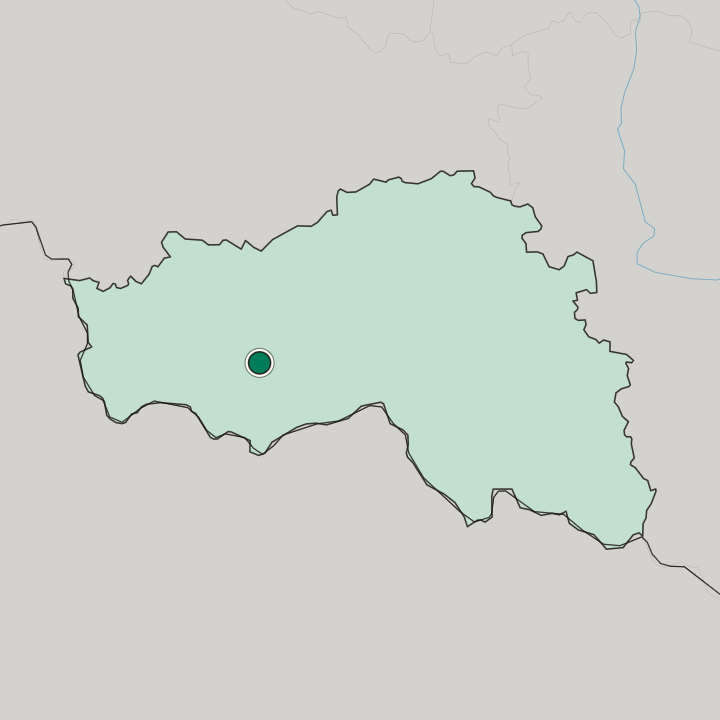
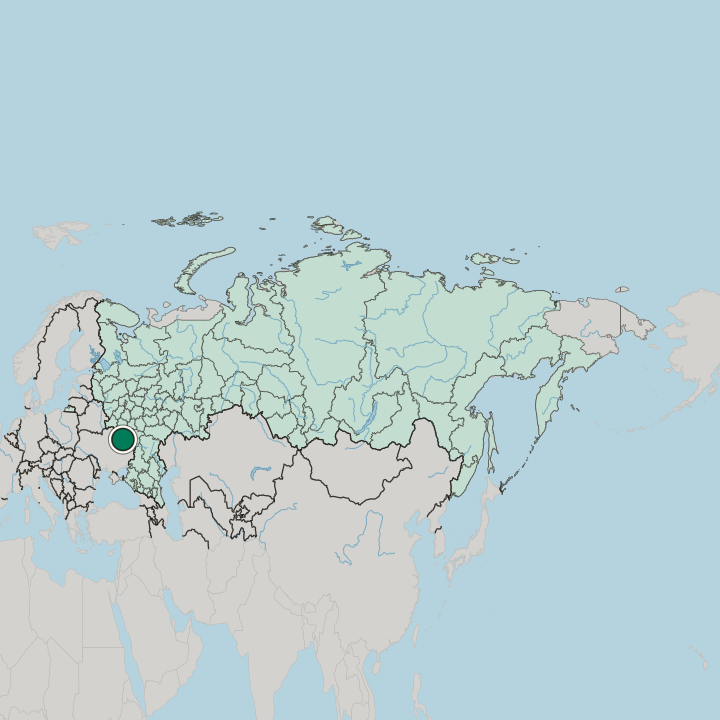
Belgorod is the principal city of Belgorod Oblast, and its old core holds the centre. The Transfiguration Cathedral and the Belgorod Drama Theatre stand among the main streets, with the Administration of Belgorod Oblast close to them. The Saint Vladimir Monument rises as a tall marker over the city.
Newer districts spread out from the centre. The whole sits in the temperate zone.
What is the climate of Belgorod?
Belgorod sits in a temperate climate. Winters are cold and often snowy, the Transfiguration Cathedral standing white against grey skies, while summers turn warm and dry. The turn between them is quick.
Spring and autumn run short, wet stretches giving way to clear ones over the town. The seasons keep a firm rhythm.
How do you get to Belgorod?
Belgorod is reached through Belgorod Oblast, at the meeting of the region's roads and rail. Routes converge on the city from across the oblast and beyond. From the centre the Transfiguration Cathedral and the main squares lie close together, easy to reach on arrival.
Most visitors head straight for the old core. Local buses carry on from there.
Good for
More cities in Belgorod Oblast
Updated October 2026