Russia · Ivanovo Oblast
Where to Stay in Shuya, Ivanovo Oblast
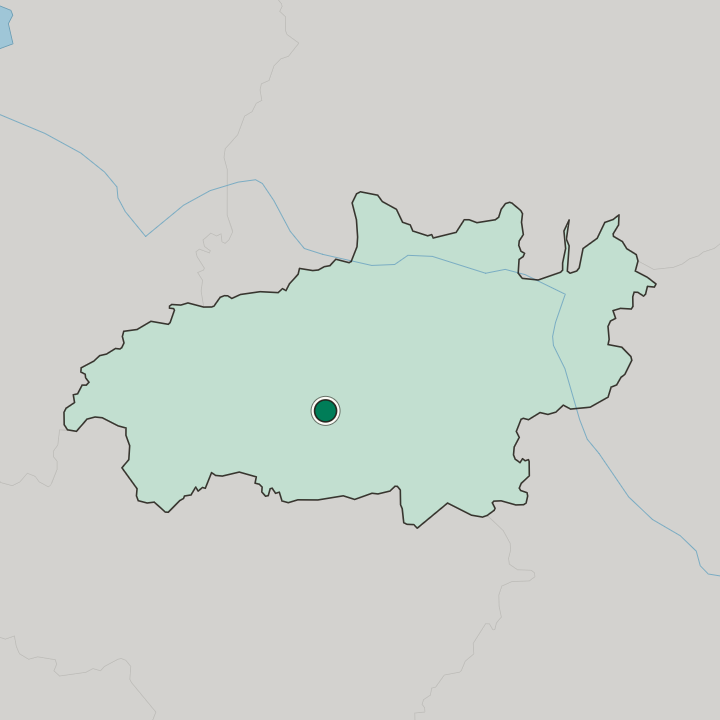
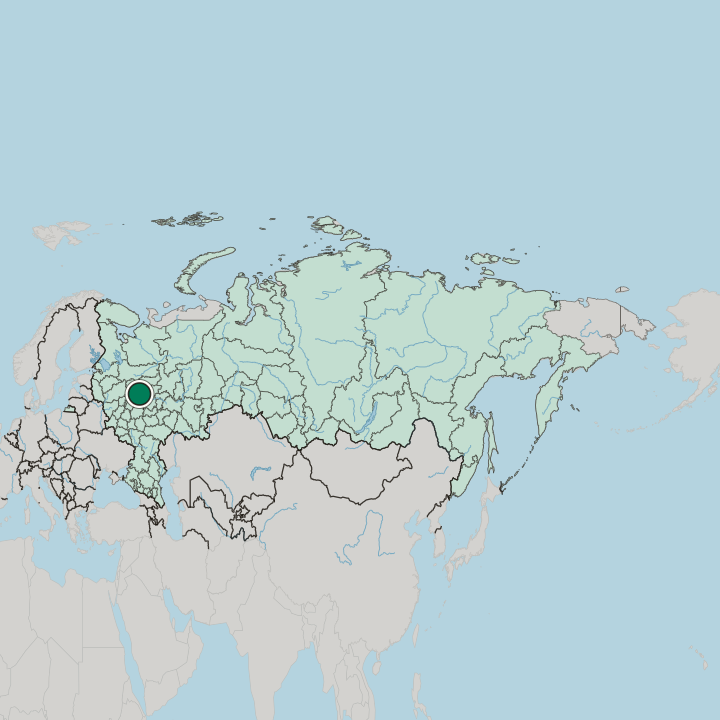
Shuya holds the high left bank of the Teza in Ivanovo Oblast, a town dating from 1539 with its bell tower over Torgovaya Square.
Find your area →


Where to stay in Shuya
How the choice of base plays out on the ground.
Torgovaya Square is where a visitor should aim. The bell tower and the Church of the Resurrection of Christ are on its edge, the old warehouses and the former hotel building stand within sight, and a room anywhere around it leaves the whole protected core of Shuya to be covered on foot. Little of the town is level with the water.
Because the streets sit high on the left bank of the Teza, the walk down to the river is a descent and the walk back is a climb, which is worth knowing before choosing an address by its distance alone. Soyuznaya Street and the lanes behind it are the quieter option, lined with the frontages of the Sukharev, Zhinkin and Kitayev families and a short walk from the Intercession church. If your interest runs to the estates rather than the shops, the Dudkin and Krasilnikov houses sit out that way as well, and the Exaltation of the Cross church is close by.
Two suburbs lie across the water. Rooms on the right bank of the Teza are fewer and plainer, and the crossing adds time at both ends of the day, but the ground is quiet and the view back toward the bell tower is the best one the town affords.
Things to do in Shuya
Ranked by global recognition; descriptions from Wikidata (CC0).
Churches & Religious Sites
3- Church of the Resurrection of Christ Heritage
- Intercession church, Shuya Heritage
- Exaltation of the Cross church, Shuya Heritage
Castles & Historic Sites
1- Шуйский кремль Heritage
Landmarks & Notable Places
8- Saint Nicholas church, Shuya Heritage
- Torgovaya Square, Shuya Heritage
- Усадьба Дудкина (Шуя) Heritage
- Колокольня (Шуя) Heritage
- Дом-особняк с интерьером (Шуя) Heritage
Show 3 more →
- Cклады (Шуя) Heritage
- Бывший дом Балина (Шуя) Heritage
- Гостиница (Шуя) Heritage
worth knowingacross 3 categories in Shuya
About Shuya
The bell tower is what people come for.
What is Shuya known for?
It stands beside the Church of the Resurrection of Christ on the ground the Shuya kremlin once occupied, and from Torgovaya Square below it the whole shape of the old trading town is legible in an afternoon. Merchant frontages fill the rest. The Sukharev House, the Balin House, the Kiselyov House and the Kitayev House line the streets that run back from the square, together with the Zemstvo council building and a mansion protected along with the interior it still contains.
What are the main landmarks in Shuya?
The bell tower dominates. Around it are the Church of the Resurrection of Christ and the ground of the Shuya kremlin, with the Intercession church, the Exaltation of the Cross church and two churches dedicated to Saint Nicholas standing elsewhere in the streets. Civic and commercial fabric fills the register in between: Torgovaya Square with its warehouses and former hotel, the Zemstvo council building, the Fadeyev House that served as a shelter, and the frontages listed as complete groups along Soyuznaya Street and one of the lanes.
Estates survive on the fringes. The Dudkin and Krasilnikov houses belong to that outer ring.
What is the history of Shuya?
A fortress came first. The Shuya kremlin held the high left bank above the Teza, and the record of the town runs from 1539, when the settlement was already established on ground chosen for the drop to the water rather than for any crossroads. Trade followed the river.
The Teza is navigable, and goods moving down it toward the Klyazma made a market of Torgovaya Square, which is why the streets radiating from the square carry more listed frontages than a place of this size would otherwise keep. Merchant families built what survives. The Sukharev House and the Zhinkin House are on the register, so are the Balin, Kiselyov and Kitayev frontages, the Ardzhannikov House is listed under a second family name as well, and the Krasilnikov and Dudkin estates mark the wealthier edge of the same century.
Charity and administration took their turn, in the Fadeyev House that served as a shelter and in the Zemstvo council building raised for the district assembly. Churches multiplied along the way. The Church of the Resurrection of Christ and its bell tower rose on the kremlin ground, the Intercession and the Exaltation of the Cross churches took their own quarters, and two dedications to Saint Nicholas were added, so that the skyline above the Teza belongs to the parishes and the bell tower rather than to anything built since.
Where is Shuya?
Height is the point here. The Teza runs below a bank steep enough to lift Torgovaya Square and the bell tower clear of the water, while two suburbs of Shuya occupy the flatter right bank opposite and depend on the crossing. The river reaches the Klyazma downstream.
Thirty-odd square kilometres of streets, gardens and river frontage make up the whole town, a small footprint even by the standards of Ivanovo Oblast.
What is the climate of Shuya?
The Teza governs how the year feels. Winter shuts the river down and leaves the climb up from the bank icy for months, and the cold half of the year in this part of Ivanovo Oblast brings snow enough to bury the gardens behind the merchant frontages. Spring is loud with meltwater.
High water comes down toward the Klyazma, the low right bank takes the worst of it, and by early summer the walk along the frontage below Torgovaya Square is dry again.
How do you get to Shuya?
Roads across Ivanovo Oblast bring almost everyone. Shuya sits inland from any large centre, so the approach is a drive or a bus through farm country, and the two suburbs on the right bank of the Teza are reached by the crossing rather than by any separate route. The Teza itself is navigable.
On arrival the protected streets around Torgovaya Square and the bell tower are compact enough that a car can be left where it stops.
Good for
More cities in Ivanovo Oblast
Updated October 2026