Russia
Ivanovo Oblast, Russia — Towns & Travel Guide
Ivanovo Oblast is Russia's smallest oblast, set between the Volga and the Klyazma in the central textile belt north-east of Moscow.
Find your area →


Towns & cities in Ivanovo Oblast
Pick a town or city — each links to where to stay.
 Russia
Ivanovo
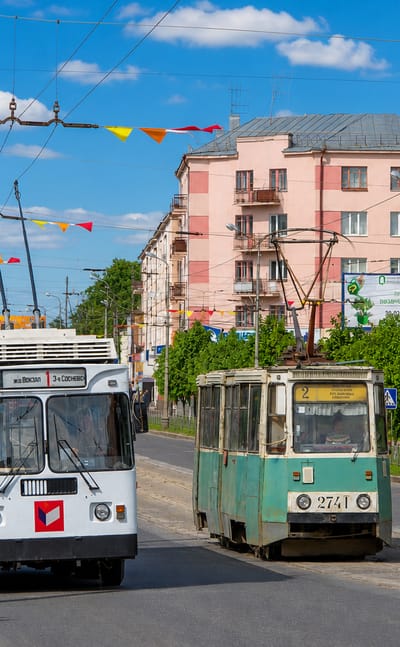
Ivanovo is a textile city in Ivanovo Oblast, Russia, grown from the mill town of Ivanovo-Voznesensk, known for the Vvedensky Monastery and its factories.Where to stay →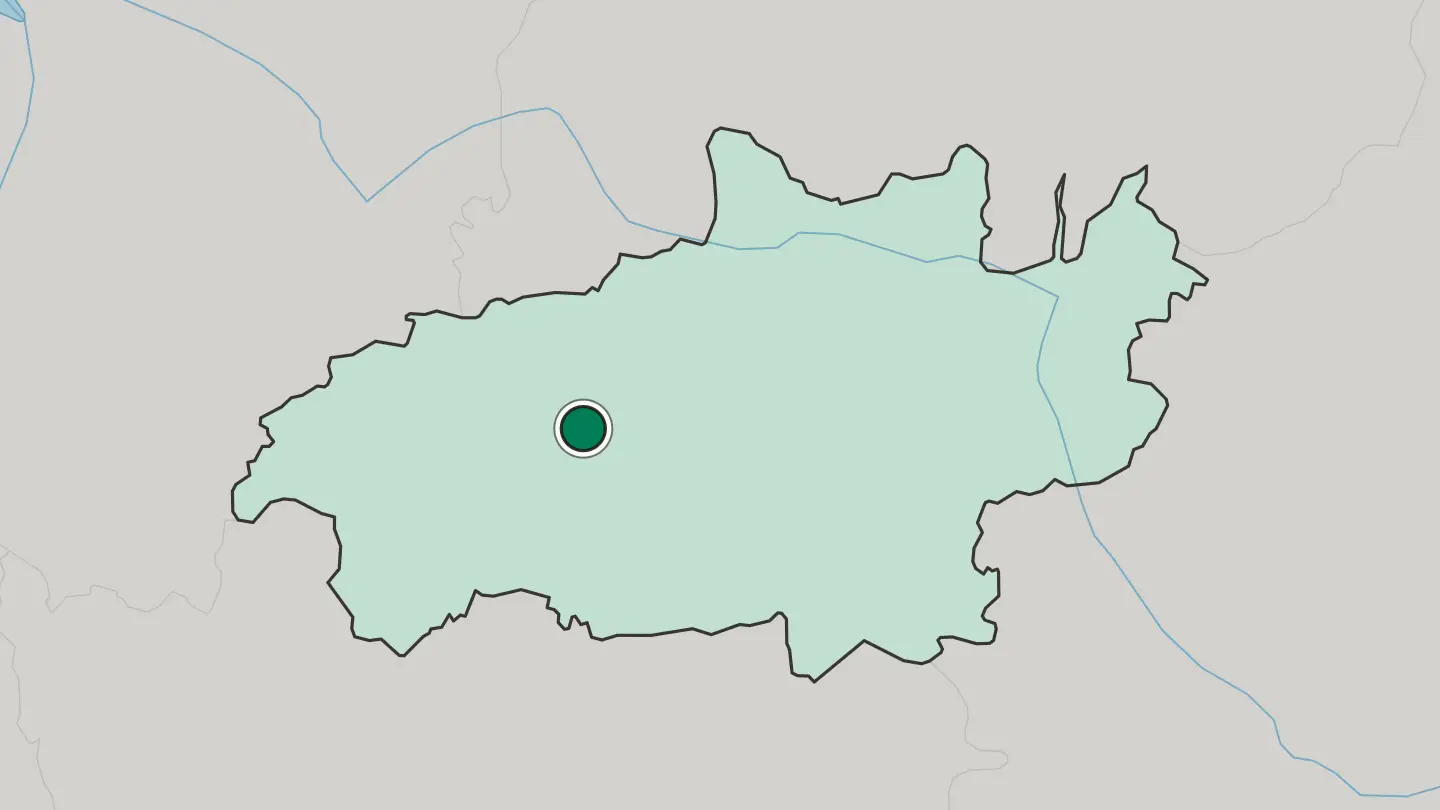 Russia
Kineshma
Chartered in 1504, Kineshma strings itself for fifteen kilometres along the Volga, a merchant town of Ivanovo Oblast crowded with churches.Where to stay →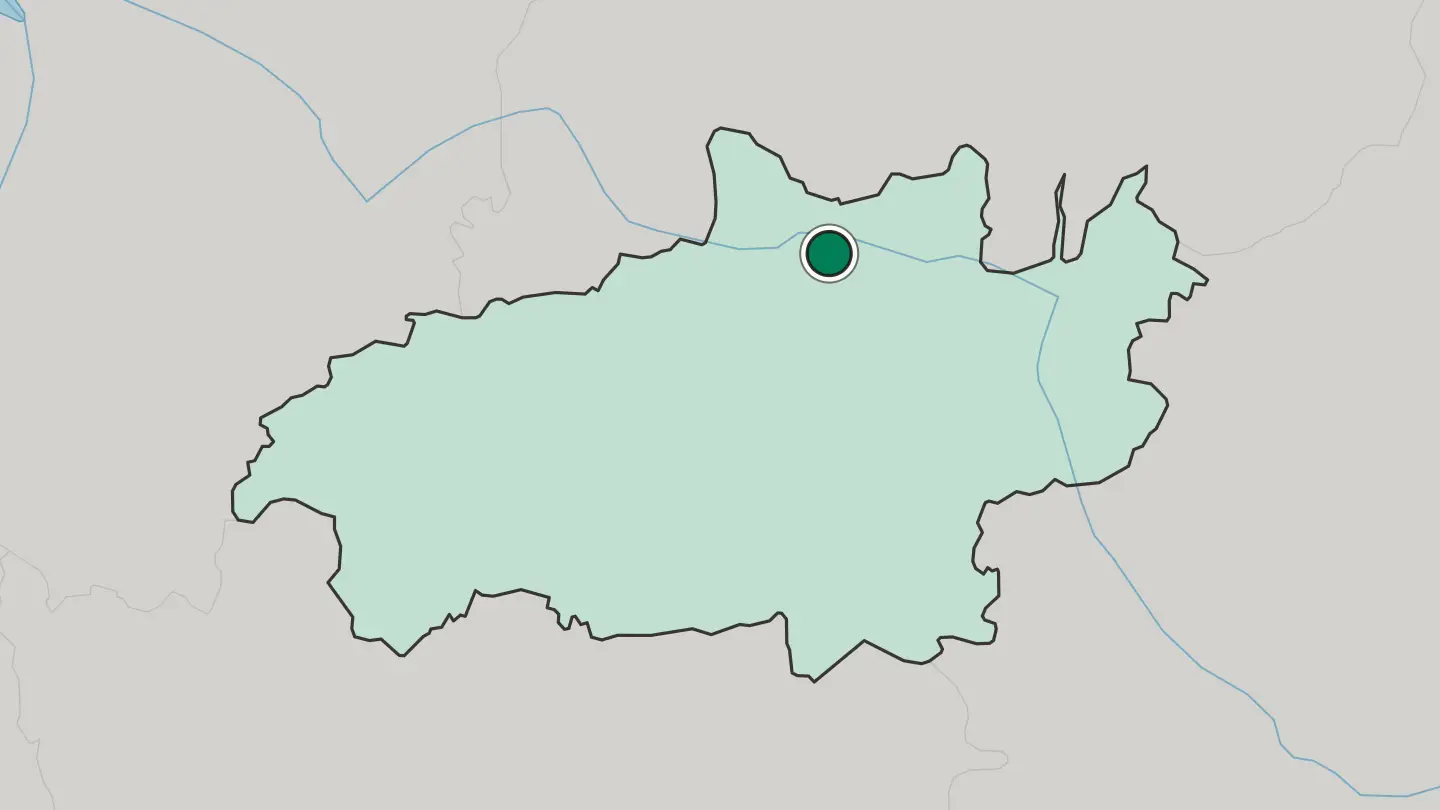 Russia
Shuya
Shuya holds the high left bank of the Teza in Ivanovo Oblast, a town dating from 1539 with its bell tower over Torgovaya Square.Where to stay →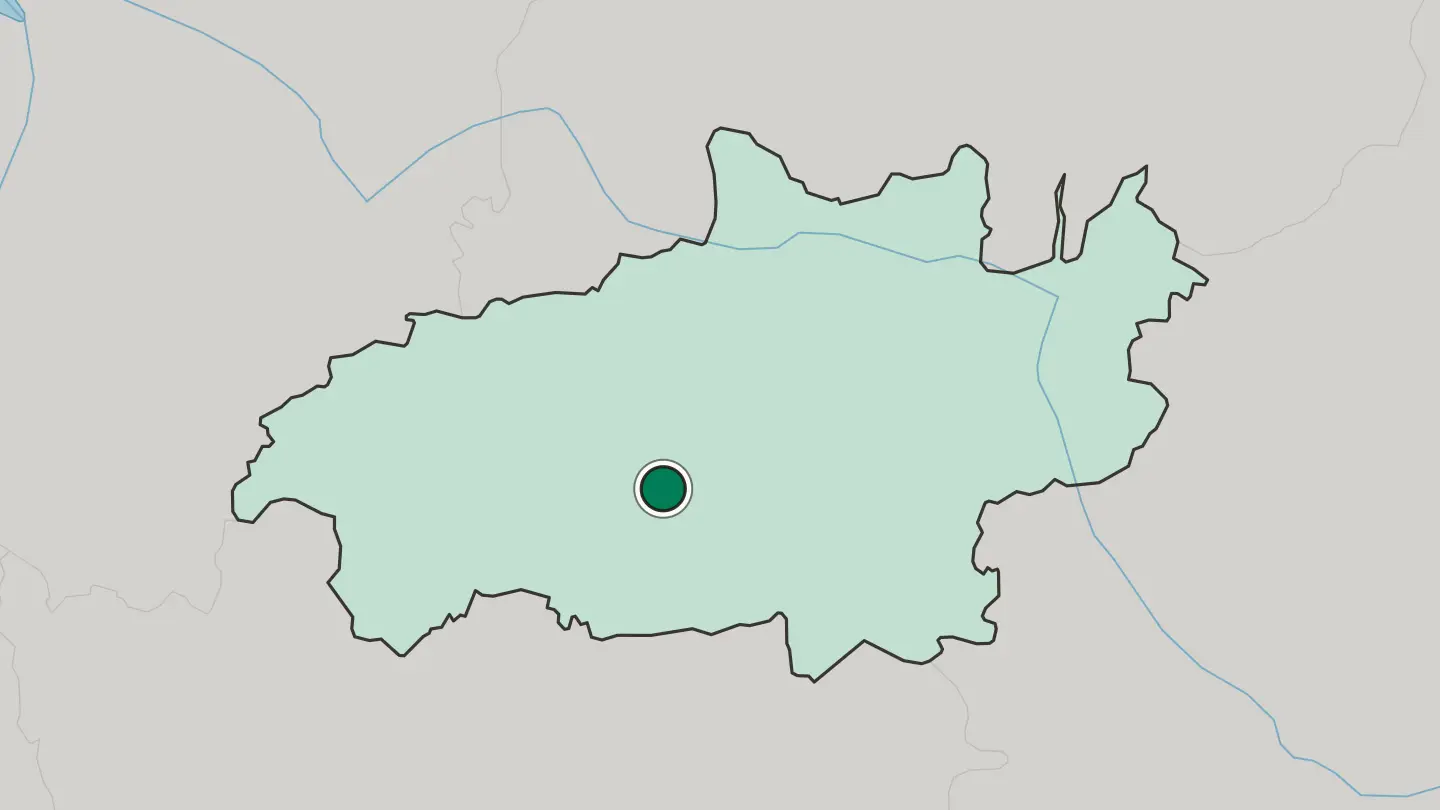
About Ivanovo Oblast
This is cotton country.
What is Ivanovo Oblast known for?
The mills of Ivanovo spun so much cloth that the city earned the tag of Russia's textile capital, and a lopsided workforce of weaving women gave it a second nickname, the city of brides. Two of the region's towns belong to the Golden Ring: Plyos, where Isaac Levitan painted the Volga through three summers, and Palekh, whose workshops turned icon-painting into the black-lacquered miniatures collectors prize. Shuya adds accordions and calico.
The draw here is old craft, not resort glamour.
Where is Ivanovo Oblast?
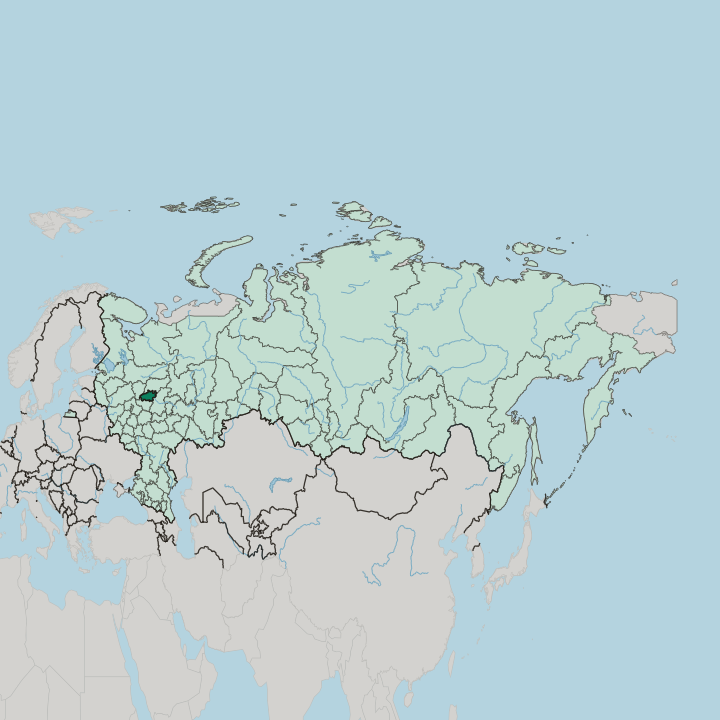
Ivanovo Oblast lies in the middle of European Russia, folded into the land between two rivers. The Volga forms its northern edge, curving past the bluffs of Plyos and the wharves of Kineshma before rolling on toward the Caspian. The Klyazma marks the softer southern boundary, gathering the smaller streams that drain the interior.
No oblast is smaller. Kostroma Oblast borders it to the north across the Volga, Nizhny Novgorod to the east, Vladimir to the south, and Yaroslavl to the west. Between those rivers the country is low and quietly worked.
Forests of birch and pine give way to peat bogs, water meadows, and the small fields that never repaid hard farming. That poor soil is the reason the mills came. Roughly two thousand rivers and streams thread the oblast, and the Teza, deep enough for barges, carries the town of Shuya on its high left bank.
Water was the region's first industry, washing and dyeing cloth long before any factory rose. Moscow sits some three hundred kilometres to the south-west, near enough to feed the mills and far enough to leave the towns their own slow rhythm.
What is Ivanovo Oblast like?
Craft defines the culture more than anything else. When farming failed on the thin northern soil, whole villages turned to cloth, and by the close of the seventeenth century Ivanovo was already printing and dyeing linen for the trade fairs downriver. The mills that grew from that trade made the region Russia's cotton heartland and, by an accident of who tended the looms, the city of brides.
Radical politics grew in the same sheds. Ivanovo's weavers walked out in one of the empire's great textile strikes, and the young Soviet state later rewarded the city with a wave of constructivist building, some fifty avant-garde blocks shaped like ships, horseshoes, and birds. The finer arts kept to the villages.
In Palekh, icon-painters who lost their churches after the revolution reinvented themselves in 1923, laying elongated gold figures over black lacquer on papier-mâché boxes that now sit in museums abroad. Shuya bends the same steady hands to accordions. And Plyos gave Russian painting its quietest masterpieces, the Volga dusks Levitan set on canvas across three summers on the hill above the water.
Folk craft and factory grit share the same ground here.
What is the history of Ivanovo Oblast?
The oblast itself is young, drawn up in 1936, but the towns inside it are old. Kineshma predates it by centuries. It was chartered in 1504, a Volga trading post long before any factory chimney.
Ivanovo grew rich on printed cloth through the eighteenth and nineteenth centuries, and the railway of 1871 that linked it to Kineshma shifted the river trade onto the tracks, leaving Plyos to fade from port to backwater. Out of that crucible came strikes and revolution.
What is the climate of Ivanovo Oblast?
The weather here is firmly continental. Winter clamps down for months, with January hovering well below freezing and the Volga icing over hard enough to cross on foot. Summer is short and green, July settling into the high teens, which is exactly the season Levitan chose to paint the river light at Plyos.
Spring arrives late and muddy as the snow lets go, and autumn turns the birch forests gold before the cold returns. Snow lies long across the whole oblast.
How do you get to Ivanovo Oblast?
Most travellers reach the oblast overland from Moscow, three hundred kilometres to the south-west by road or by the rail line that has run since 1896. The train wins. It pulls into Ivanovo's cavernous 1934 station, one of the largest modernist buildings in the country and a sight in its own right.
Ivanovo Yuzhny Airport handles the modest civil flights. In the warm months the Volga does the rest, cruise boats calling at Plyos and Kineshma on the run between the Golden Ring towns.
Common questions
What is the best area to stay in Ivanovo Oblast?
Ivanovo: arriving and touring the textile capital. Kineshma: Volga cruise stops downstream. Shuya: reaching the Palekh craft villages.
More regions in Russia
Updated September 2026