Russia · Kalmykiya
Where to Stay in Elista, Kalmykiya
Elista is the capital of Kalmykia in southern Russia, the seat of Europe's only Buddhist people and home to a famous purpose-built Chess City.
Find your area →


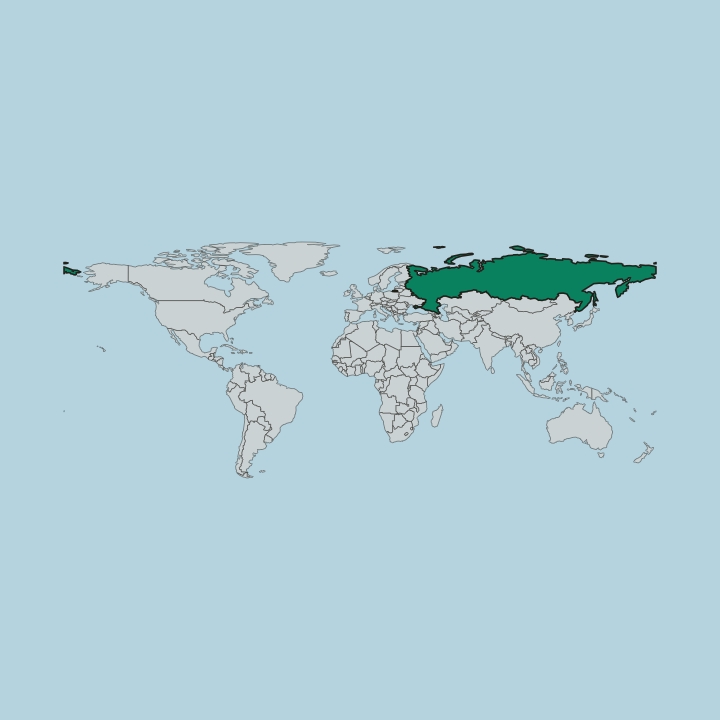
Where to stay in Elista
How the choice of base plays out on the ground.
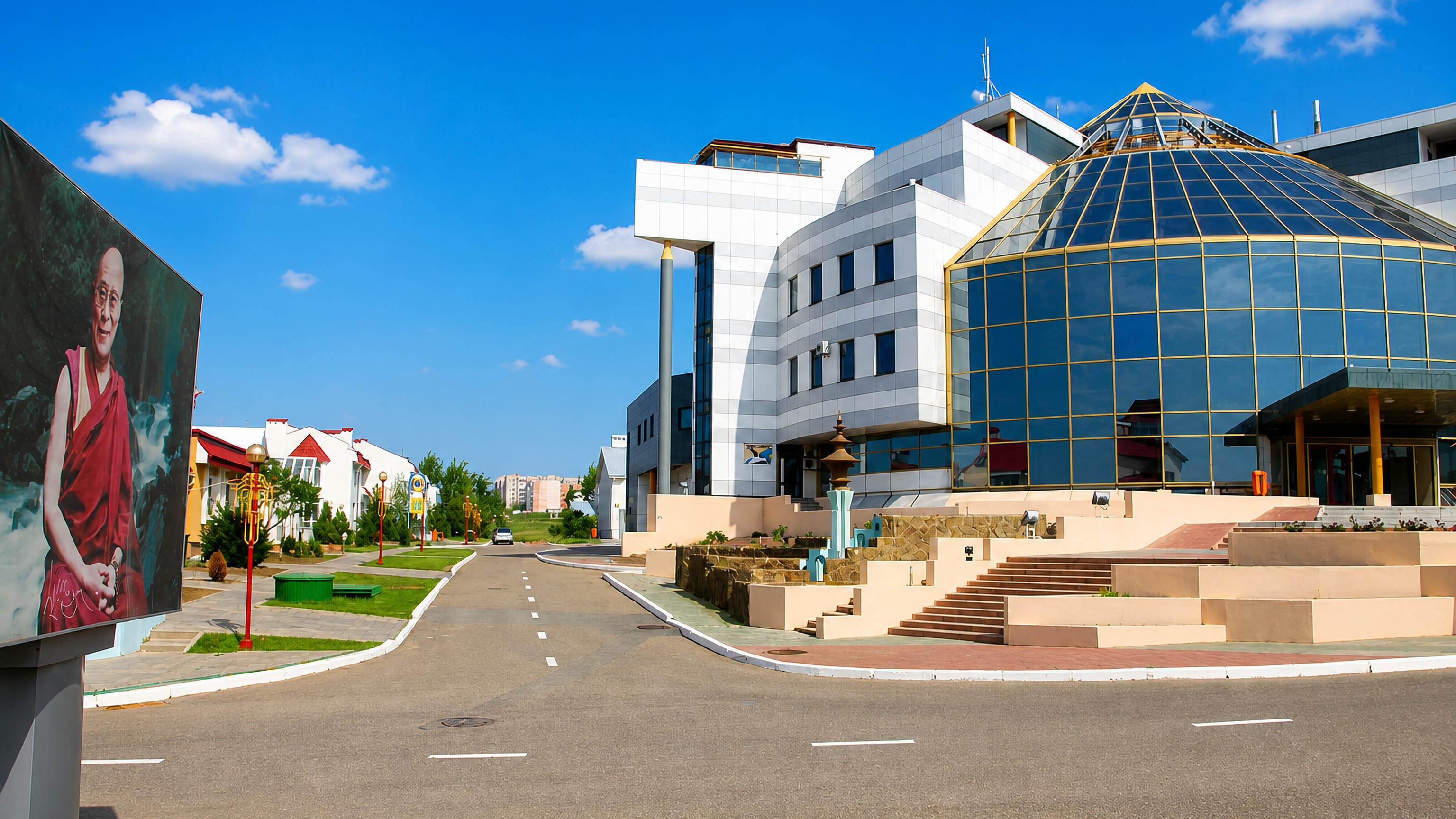
Staying in Elista is a choice between the temple quarter and the outer streets. The streets around the main square and the golden temples keep the museums, the markets, and the shrines within a walk, and staying in the centre suits anyone here for the Buddhist capital. The square is quiet after dark.
Rooms gather near the temples and the square. Out toward the Chess City and the edges, the town spreads into wide, plain streets. A room on the outskirts trades the temples for space, parking, and a look at the Chess City's pagodas.
The steppe begins past the last houses. If you want the temples and the museums, stay in the centre; if you want space and the chess pagodas, take a room on the edge. Either way, Elista is small and quick to cross.
Things to do in Elista
Ranked by global recognition; descriptions from Wikidata (CC0).
Museums & Galleries
3- National Museum of Kalmykia
- Chess Museum
- Museum of Nomadic Cultures
Churches & Religious Sites
2- Holy Cross Church
- Часовня Святого Сергия Радонежского (Элиста)
Castles & Historic Sites
6- Monument to Oka Gorodovikov Heritage
- Jangarchi Eelyan Ovla monument Heritage
- Памятник жертвам сталинского геноцида Heritage
- Bortkha Heritage
- Lenin monument in Elista Heritage
Show 1 more →
- Памятник Кирову (Элиста) Heritage
Stadiums & Sports
1- Chess City
Landmarks & Notable Places
1- Rodina cinema, Elista Heritage
worth knowingacross 5 categories in Elista
About Elista
Elista is known for two rare things.
What is Elista known for?
It is the capital of the Kalmyks, a Mongol people whose Tibetan Buddhism makes Kalmykia the only Buddhist region in Europe, and its skyline mixes golden temples with the Chess City's pagodas, raised for a world chess olympiad. The Golden Horseman rides at the city gate. Faith and chess set the town apart.
What are the main landmarks in Elista?
The golden temples are Elista's wonder. Buddhist shrines and pagodas rise across the steppe capital, unlike anything else in Europe, and the Chess City's pagodas stand on the edge of town. The strange and the sacred mix here.
The Golden Horseman rides at the gate, while the National Museum of Kalmykia and the Museum of Nomadic Cultures gather the story of the Kalmyk people.
What is the history of Elista?
The Kalmyks came from far to the east. In the seventeenth century these Buddhist nomads, an Oirat Mongol people, drove their herds west from Central Asia and settled the steppe by the Volga. The grass fed their horses.
They kept their Tibetan faith and their nomad ways on the edge of Russia, and Elista grew as a small steppe settlement at their heart. The twentieth century brought terror and rebirth. Stalin deported the whole Kalmyk nation to Siberia in 1943, and only years later were the survivors allowed home to rebuild their land.
Memory still marks the town. In the modern age Elista became famous for chess, and a whole Chess City of pagodas rose for a world olympiad, while golden Buddhist temples were raised anew across the capital. Museums like the National Museum of Kalmykia and the Museum of Nomadic Cultures keep the nomad past.
The Golden Horseman guards the road into the city.
Where is Elista?
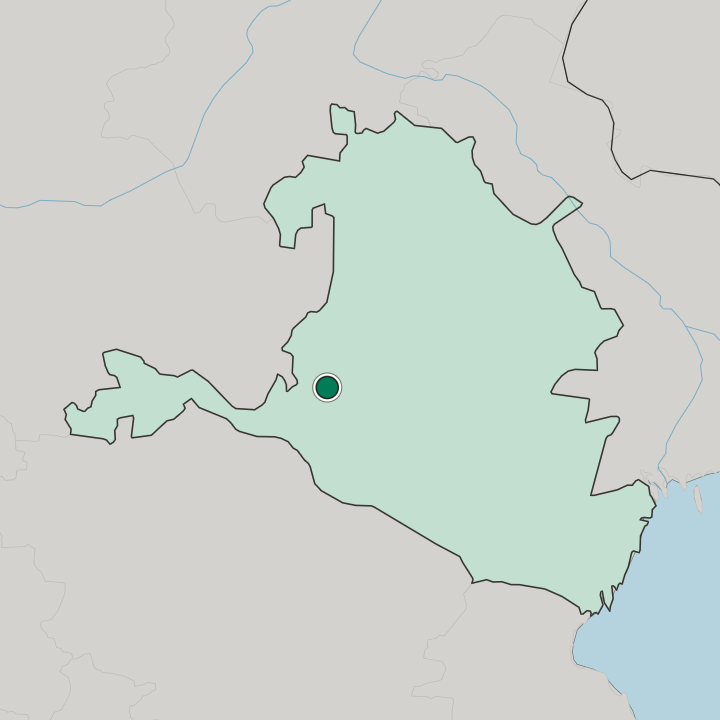
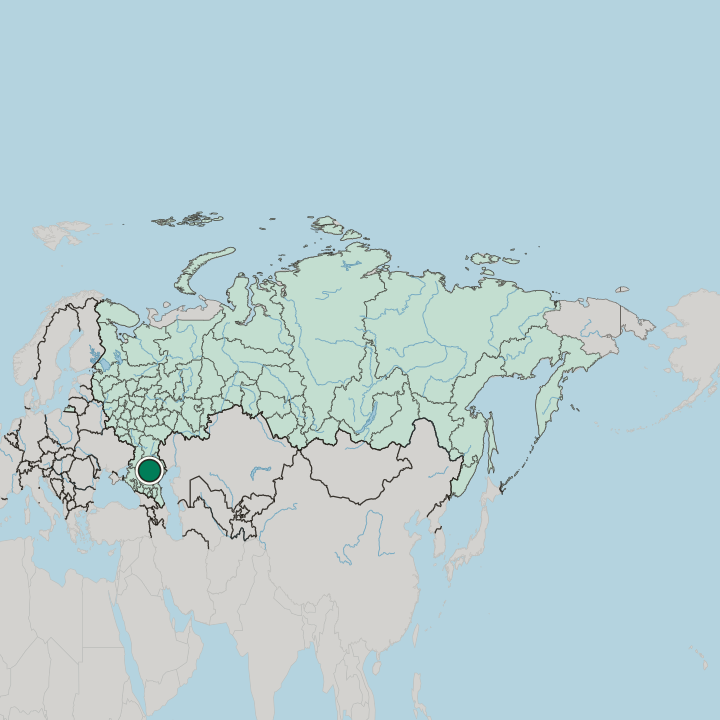
Elista lies on the open steppe. The city stands amid the dry grasslands of Kalmykia in southern Russia, a flat country of steppe and semi-desert north of the Caucasus. Dust and grass stretch to the horizon.
The bare steppe rings the town on every side.
What is the climate of Elista?
The continental climate over Elista is a dry one. Hot, parched summers bake the steppe, and the winters turn cold and windy under wide skies, with little rain in any season. Dry winds sweep the grasslands all year.
The steppe stays harsh and open.
How do you get to Elista?
Elista lies deep in the southern steppe. Roads run to it across the grasslands from Volgograd and the towns of the Caucasus, and a small airport links the capital to Moscow. Buses cross the steppe to the villages around.
Most arrive by road over the long grass plains.
Good for
Updated September 2026