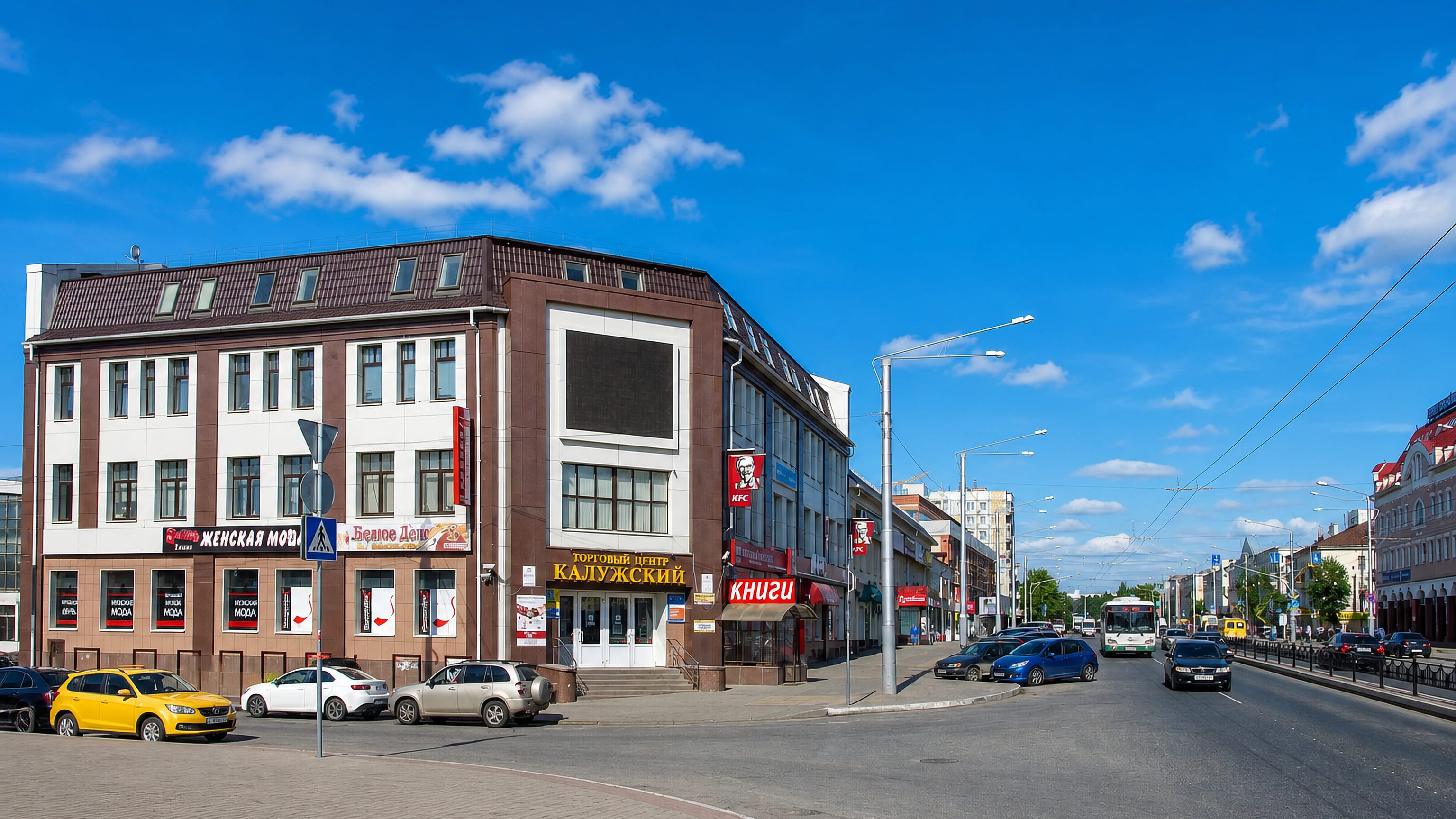
Russia · Kaluga Oblast
Where to Stay in Kaluga, Kaluga Oblast
Kaluga is a historic city in Kaluga Oblast, Russia, founded in 1371 and known as the cradle of cosmonautics and the home of Konstantin Tsiolkovsky.
Find your area →


Where to stay in Kaluga
Where the beds are, and what that means for the visit.
Kaluga spreads over an old centre and quieter districts in Kaluga Oblast, and where you stay depends on how much of the cosmonautics trail you want to walk. The historic core around Mira Square gathers the museums, the churches, and the Kaluga Stone brige. For a first visit to Kaluga, the historic core is where to begin.
Travellers drawn to the space story settle near the Tsiolkovsky State Museum of the History of Cosmonautics, where the Tsiolkovsky memorial house, the Chizhevsky House Museum, and Tsiolkovsky Park sit within a short walk. Across the older streets, the churches and merchant houses of the 1371 town stand among calmer residential blocks. If you have come for the heritage, base yourself near the Korobov House and the Church of the Nativity of the Theotokos.
Each quarter carries its own tone. Which quarter of Kaluga suits you is yours to decide.
Things to do in Kaluga
Ranked by global recognition; descriptions from Wikidata (CC0).
Museums & Galleries
5- Tsiolkovsky memorial house (Kaluga) Heritage
- Korobov House Heritage
- The Chizhevsky House Museum Heritage
- House masters Heritage
- Дом, в котором в 1857-1863 гг. жил после возвращения из ссылки член Северного общества Г. С. Батеньков (Калуга) Heritage
Churches & Religious Sites
6- Church of the Myrrhbearers Heritage
- Church of the Nativity of the Theotokos (Kaluga) Heritage
- Church of the Dormition of the Theotokos (Kaluga) Heritage
- Church of Saint George za lavkami (Kaluga) Heritage
- Church of the Nativity of Christ in Kozhevniki Heritage
Show 1 more →
- Church of the Theotokos of Kazan Heritage
Castles & Historic Sites
3- Monument to the 600th anniversary of Kaluga Heritage
- Monument to Konstantin Tsiolkovsky on Mira Square in Kaluga Heritage
- Bust to Karl Marx Heritage
Nature & Outdoors
1- Tsiolkovsky Park Heritage
Landmarks & Notable Places
7- Kaluga Stone brige Heritage
- Government block Heritage
- Church of the Blessed Vasily (Kaluga) Heritage
- Church of the Transfiguration na Podole (Kaluga) Heritage
- Kologrivova-Zolotaryov House Heritage
Show 2 more →
- Rakov Building (Kaluga) Heritage
- 111, Lenina Street (Kaluga) Heritage
worth knowingacross 5 categories in Kaluga
About Kaluga
What is Kaluga known for?
Kaluga is known above all for its link to spaceflight in Kaluga Oblast. Konstantin Tsiolkovsky worked out the theory of rocketry here, and the Tsiolkovsky State Museum of the History of Cosmonautics tells that story where his own Tsiolkovsky memorial house still stands. The city keeps older marks as well.
The Kaluga Stone brige spans a ravine near the centre, the Chizhevsky House Museum honours another local scientist, and churches such as the Church of the Nativity of the Theotokos anchor the streets of the 1371 town.
What are the main landmarks in Kaluga?
Kaluga's landmarks blend science, faith, and old civic building. The Tsiolkovsky State Museum of the History of Cosmonautics is the great draw, joined by the Tsiolkovsky memorial house and the Chizhevsky House Museum that honour the city's scientists. Older stone carries its own weight.
The Kaluga Stone brige and the Korobov House survive from the merchant town, while the Church of the Theotokos of Kazan and the Church of the Nativity of Christ in Kozhevniki keep the skyline of the 1371 city, near the Monument to Konstantin Tsiolkovsky on Mira Square.
What is the history of Kaluga?
Kaluga was founded in 1371 as a frontier fortress guarding the approaches of Kaluga Oblast, and it grew into a merchant town whose stone still stands. The Korobov House and the Kaluga Stone brige survive from that prosperous era, and churches such as the Church of the Transfiguration na Podole and the Church of the Theotokos of Kazan rose over the old quarters. For centuries the town lived by trade.
Then a schoolteacher changed its meaning. Konstantin Tsiolkovsky settled in Kaluga and worked out the mathematics of rocket flight in the modest Tsiolkovsky memorial house, laying the theory behind spaceflight. The city took that legacy as its own.
A great museum, the Tsiolkovsky State Museum of the History of Cosmonautics, was raised to hold it, while the Monument to Konstantin Tsiolkovsky on Mira Square honours him in bronze and the Chizhevsky House Museum remembers another Kaluga scientist. Later, the Monument to the 600th anniversary of Kaluga marked the long span from fortress to space town. From a fort of 1371, Kaluga became the cradle of cosmonautics.
Where is Kaluga?
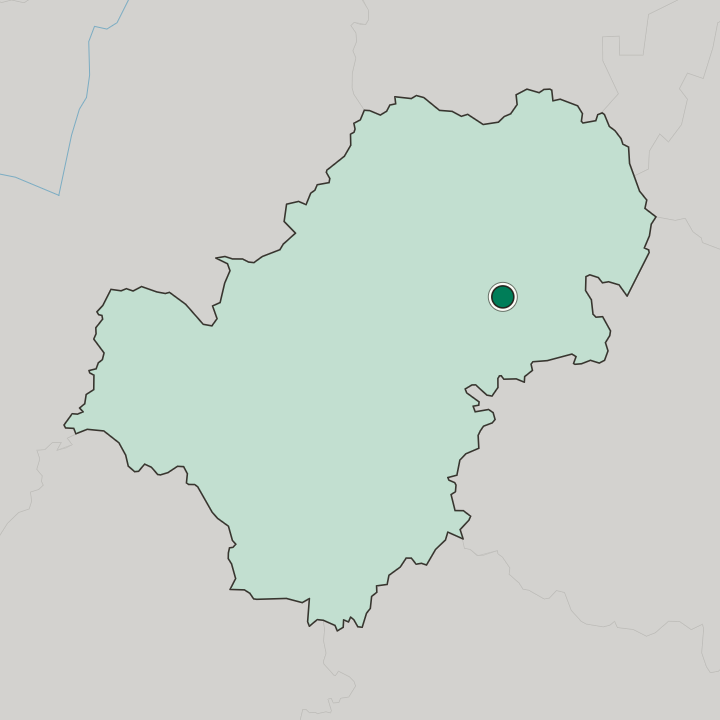
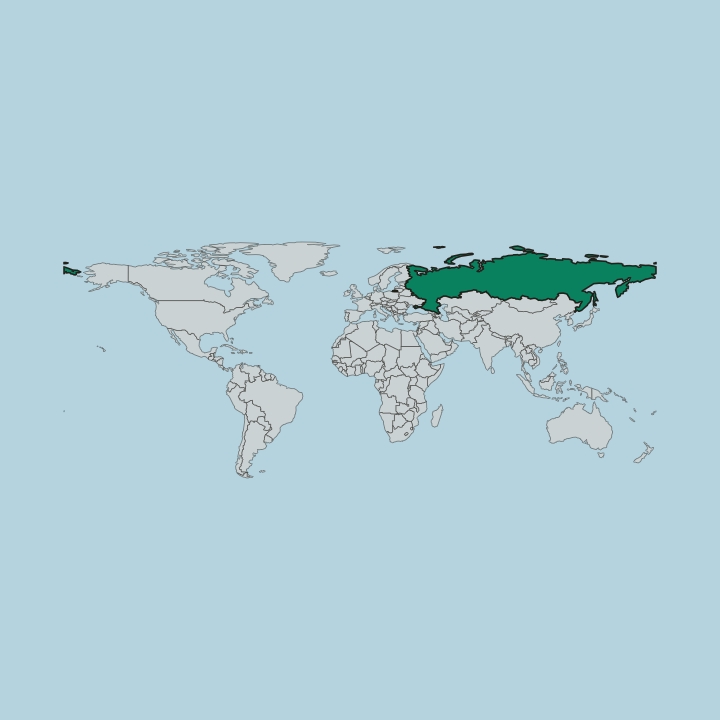
Kaluga stands in Kaluga Oblast as the administrative and cultural seat of the region. The city spreads over a rolling site of roughly 169 square kilometres, its old centre set on higher ground near the Kaluga Stone brige and its ravines. Temperate seasons rule here.
Beyond the built-up streets, the oblast opens into the mixed woods and farmland of central Russia, and Kaluga holds the weight of that surrounding country from its long-settled core.
What is the climate of Kaluga?
Kaluga has a temperate continental climate of cold winters and warm summers. Snow lies over the churches and the Kaluga Stone brige through the long cold season, and the woods of Kaluga Oblast stand bare and white. Spring arrives slowly.
When the thaw comes, the parks around the Tsiolkovsky State Museum of the History of Cosmonautics green quickly before the warm summer days settle over the old city.
How do you get to Kaluga?
Kaluga is reached by road and rail from across Kaluga Oblast and central Russia. Long-distance roads run in toward the old centre near the Kaluga Stone brige, and trains link the city to the wider network. Its position keeps it well connected.
Once in the city, the Tsiolkovsky State Museum of the History of Cosmonautics, the Tsiolkovsky memorial house, and the churches of the 1371 town all lie within easy reach of Mira Square.
Good for
Another city in Kaluga Oblast
Updated October 2026