Russia · Kirov Oblast
Where to Stay in Kirov, Kirov Oblast
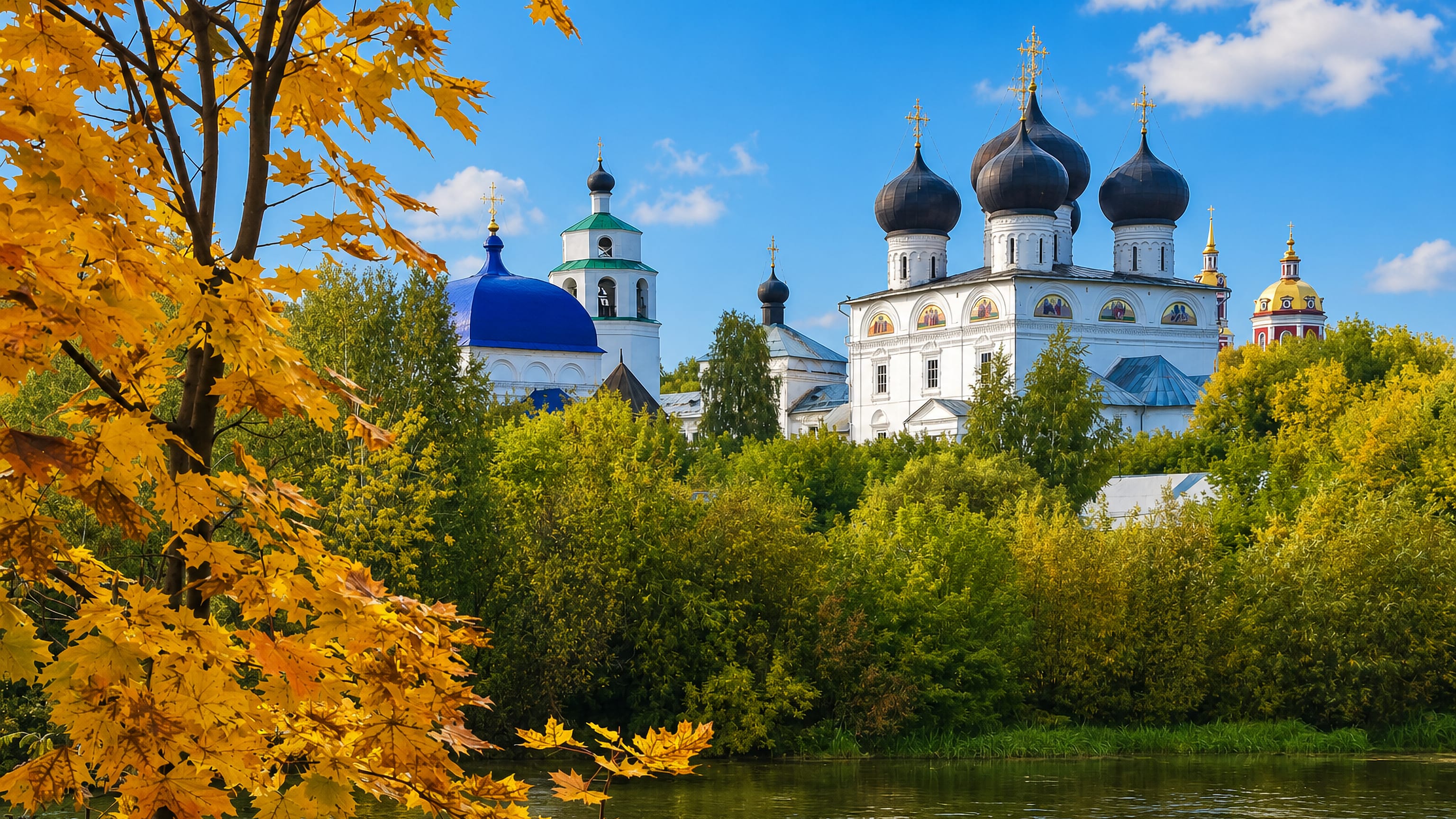
Kirov, long known as Vyatka, is a river city in Kirov Oblast, Russia, home to the Alexander Nevsky Cathedral and the Vyatskiy Art Museum.
Find your area →


Where to stay in Kirov
How the choice of base plays out on the ground.
Kirov spreads across the older Vyatka quarters and the newer blocks of Kirov Oblast, and where you stay depends on how much of the historic core you want at your door. The central streets around the Alexander Nevsky Cathedral gather the main museums and the civic squares. They suit a first visit.
Travellers who want the galleries within walking distance settle near the Vyatskiy Art Museum, where the painting collection, the Khokhryakov House, and the Church of Christ the All-Savior sit close together. Away from the centre, the calmer residential districts stretch toward the edges of the city in quieter, greener streets. If you have come for the Vyatka name and its museums, base yourself near the Museum of Tsiolkovsky, aviation and aerospace and the Vyatka paleontologic museum.
No two of Kirov's quarters feel quite alike. Which one you pick is up to you.
Things to do in Kirov
Ranked by global recognition; descriptions from Wikidata (CC0).
Museums & Galleries
3- Vyatskiy Art Museum Heritage
- Museum of Tsiolkovsky, aviation and aerospace
- Vyatka paleonthologic museum
Churches & Religious Sites
3- Saint John the Baptist Church, Kirov, Kirov Oblast Heritage
- Alexander Nevsky Cathedral, Vyatka
- Church of Christ the All-Savior
Castles & Historic Sites
3- Statue of Marshall Konev in Kirov Heritage
- Памятник Васнецовым Heritage
- Памятник Степану Халтурину Heritage
worth knowingacross 3 categories in Kirov
About Kirov
What is Kirov known for?
Kirov is known for its old Vyatka heritage and a cluster of museums in Kirov Oblast. The Vyatskiy Art Museum holds the city's painting collection, and the Vyatka paleontologic museum draws visitors for its fossil finds. Two monuments anchor the civic memory here: the statue of Marshal Konev and the monument to the Vasnetsov painters, sons of the region.
Faith left its mark too. The Church of Christ the All-Savior and the domes of the Alexander Nevsky Cathedral rise over the older streets, while the Museum of Tsiolkovsky, aviation and aerospace ties the city to Russia's space story.
What are the main landmarks in Kirov?
Kirov's landmarks range from cathedrals to museums of art and science. The Alexander Nevsky Cathedral and the Church of Christ the All-Savior mark the older skyline, while the Saint John the Baptist Church stands among the working streets. Art and memory sit close by.
The Vyatskiy Art Museum, the Kirov region local museum, and the monument to the Vasnetsov painters honour the region's makers, and the Museum of Tsiolkovsky, aviation and aerospace carries the story of flight. The statue of Marshal Konev keeps its own watch over the city.
What is the history of Kirov?
Kirov carries two names. The city grew up as Vyatka, a river settlement whose old quarters still shape the centre of Kirov Oblast, and the Vyatka name endures in its museums and civic memory. The Vyatskiy Art Museum and the Kirov region local museum keep the record of that long settlement, gathering the paintings, crafts, and documents of the surrounding country.
Faith and civic pride left standing monuments across the older streets. The Alexander Nevsky Cathedral and the Church of Christ the All-Savior rose as the town's spiritual anchors, and the Saint John the Baptist Church served its working districts. Later generations added memory of a different kind.
The monument to the Vasnetsov painters honours sons of the region, the statue of Marshal Konev marks a wartime commander, and the Museum of Tsiolkovsky, aviation and aerospace ties Kirov to the science that carried the country into flight. Each layer stayed. Together they tell how a Vyatka river town became the modern city of Kirov.
Where is Kirov?
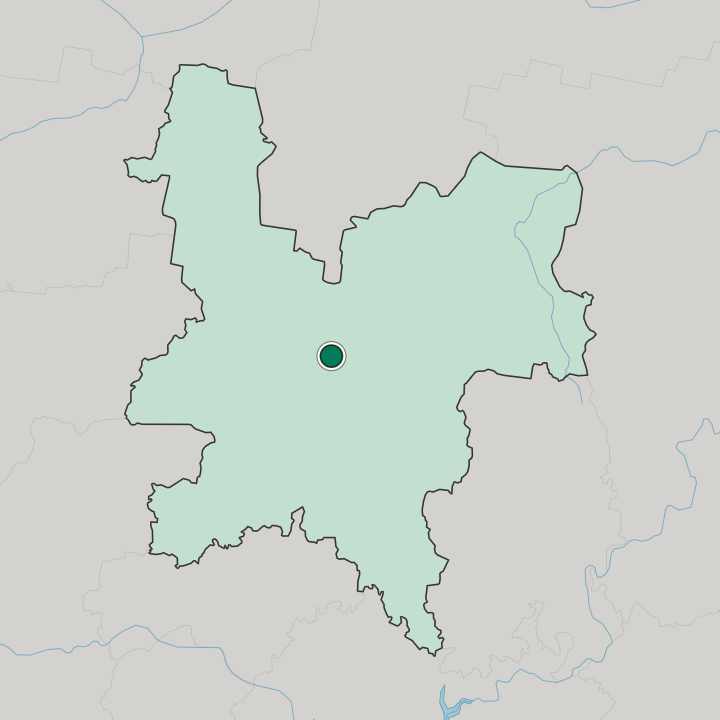
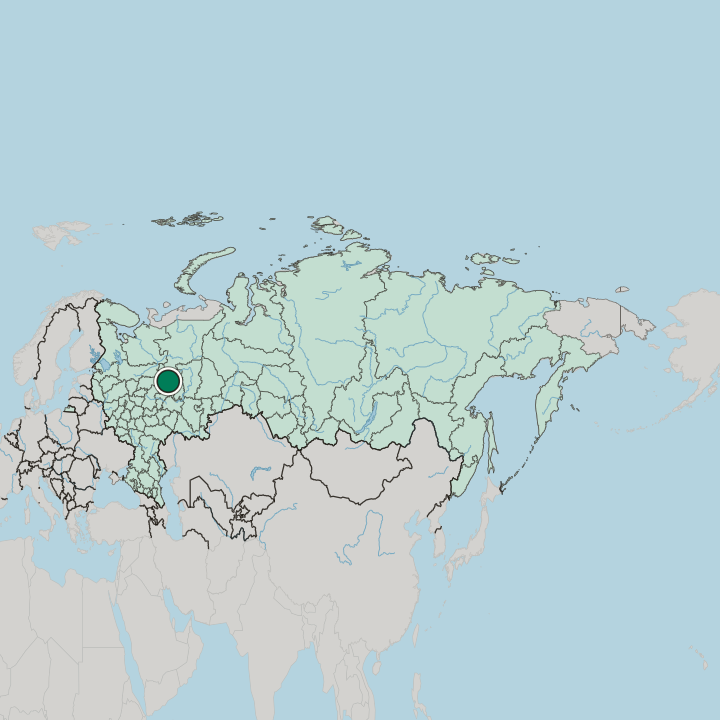
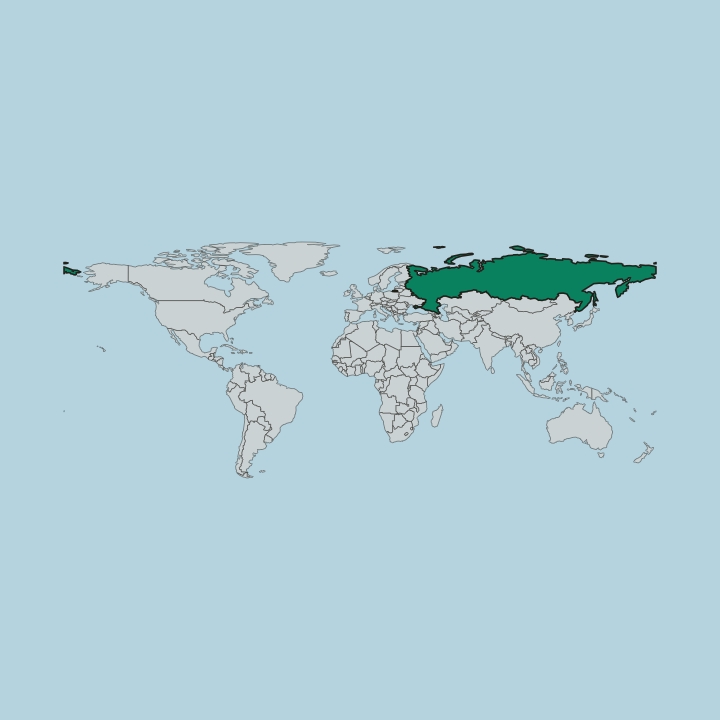
Kirov sits in Kirov Oblast, the seat and largest city of the region once called Vyatka. It is an inland city. Its older core rises on higher ground, and newer districts spread across a broad site of nearly 170 square kilometres toward the edges of the built-up area.
Temperate seasons shape the streets around the Alexander Nevsky Cathedral. Beyond the city, the wider oblast reaches out into deep forest and farmland, and Kirov holds the administrative and cultural weight of that surrounding country.
What is the climate of Kirov?
Kirov has a temperate continental climate marked by long cold winters and short warm summers. Snow settles over the older Vyatka streets and the domes of the Alexander Nevsky Cathedral for much of the year, and the surrounding forests of Kirov Oblast turn deep white. Spring is a long time coming.
When it arrives, the thaw brings a brief, bright green to the city before the warm months open the museums and squares to longer days.
How do you get to Kirov?
Kirov is reached by rail, road, and air across Kirov Oblast. Trains link the city to the wider Russian network, and long-distance roads carry traffic in from the surrounding forest country toward the centre near the Alexander Nevsky Cathedral. Air service adds a faster route.
Once in the city, the museums of the old Vyatka quarter, the Vyatskiy Art Museum, and the Museum of Tsiolkovsky, aviation and aerospace all lie within easy reach of the central streets.
Good for
Another city in Kirov Oblast
Updated September 2026