Russia
Kirov Oblast, Russia — Towns & Travel Guide
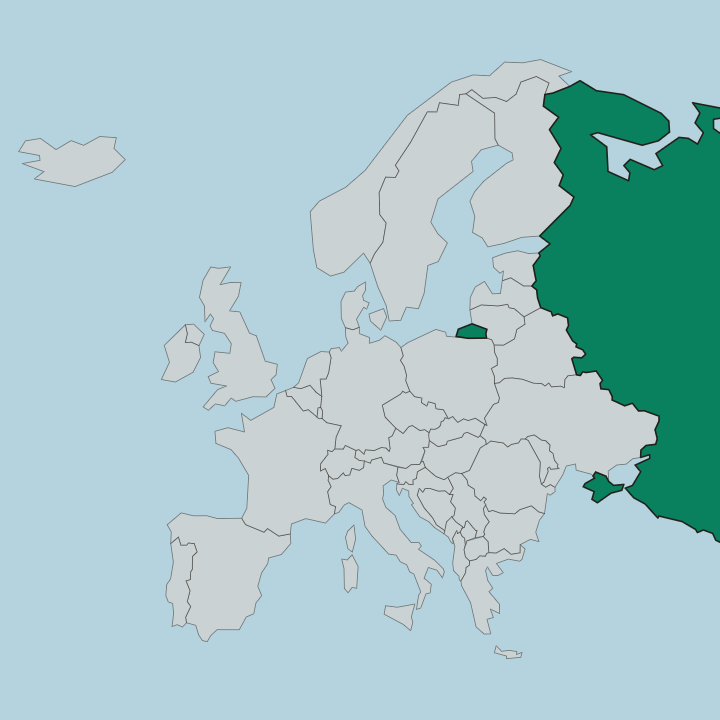
Kirov Oblast fills the Vyatka river basin in Eastern Europe, a taiga region of Russia centred on the city of Kirov.
Find your area →


Towns & cities in Kirov Oblast
Pick a town or city — each links to where to stay.
 Russia
Kirov
Kirov, long known as Vyatka, is a river city in Kirov Oblast, Russia, home to the Alexander Nevsky Cathedral and the Vyatskiy Art Museum.Where to stay →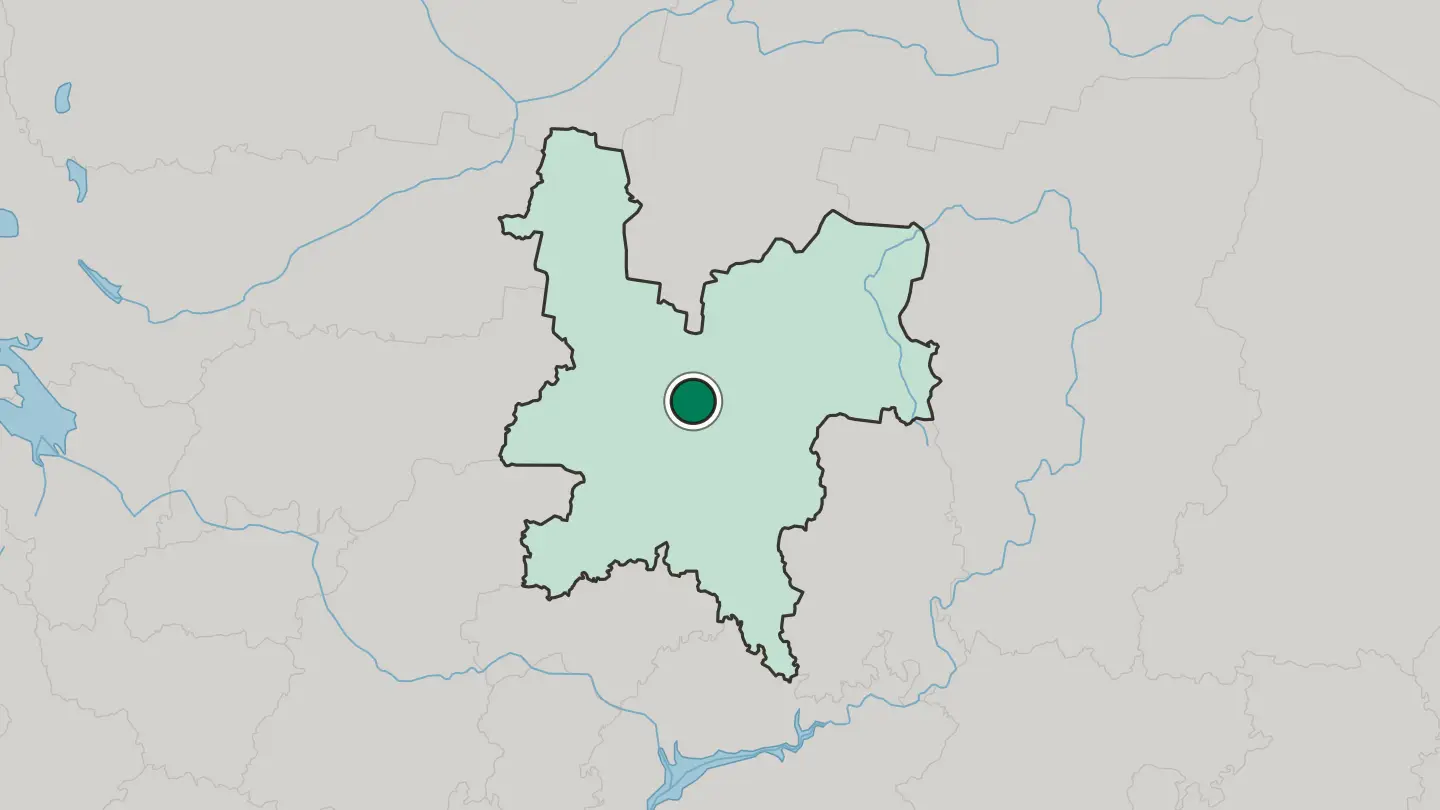 Russia
Kirovo-Chepetsk
Kirovo-Chepetsk stands where the Cheptsa joins the Vyatka, a town of Kirov Oblast a short drive east of Kirov.Where to stay →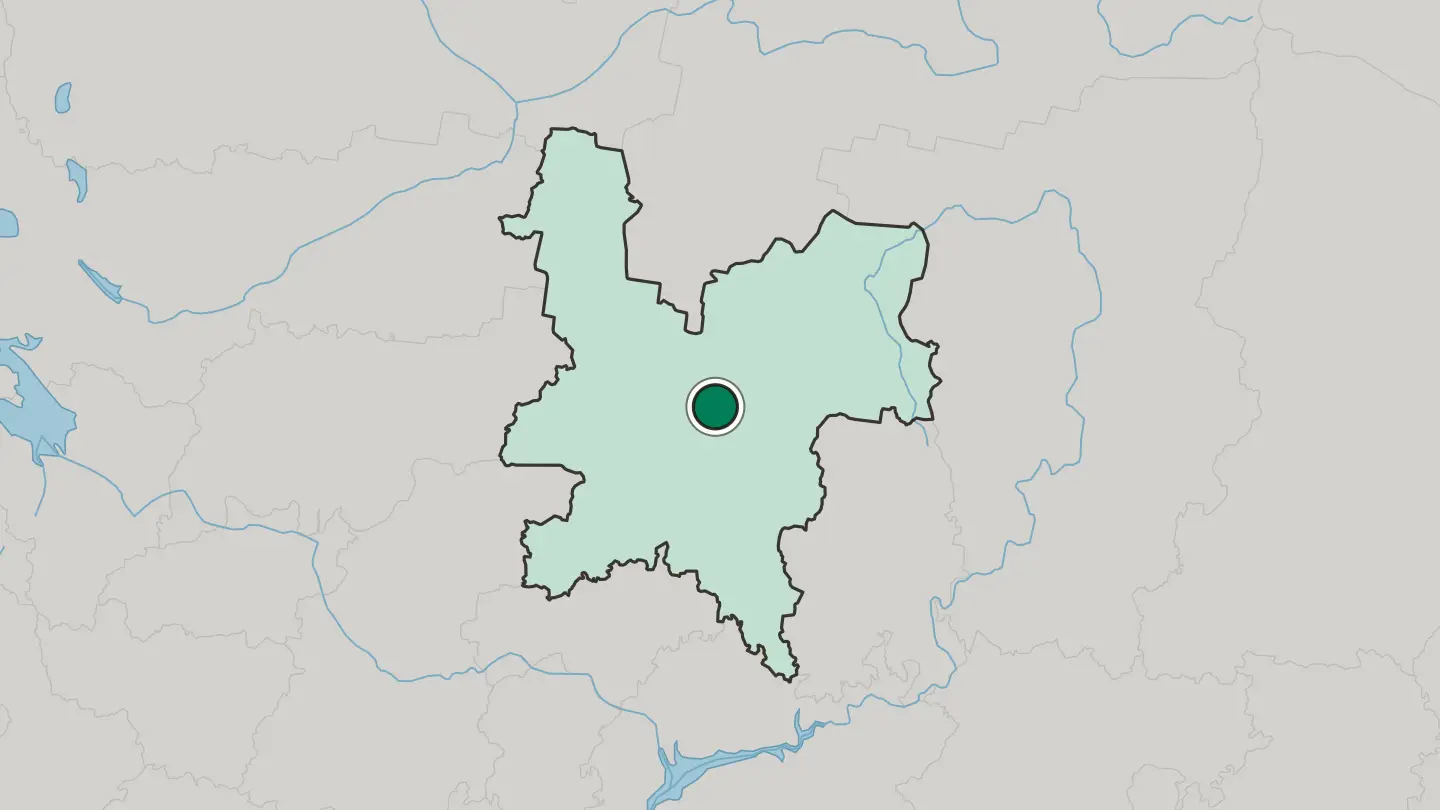
About Kirov Oblast
What is Kirov Oblast known for?
The Vyatka river defines this part of Russia, winding the length of the oblast before it empties into the Kama far to the south. Its banks gave the region its old name. The oblast was called Vyatka until 1934, and its capital carried that name too before both took the name Kirov.
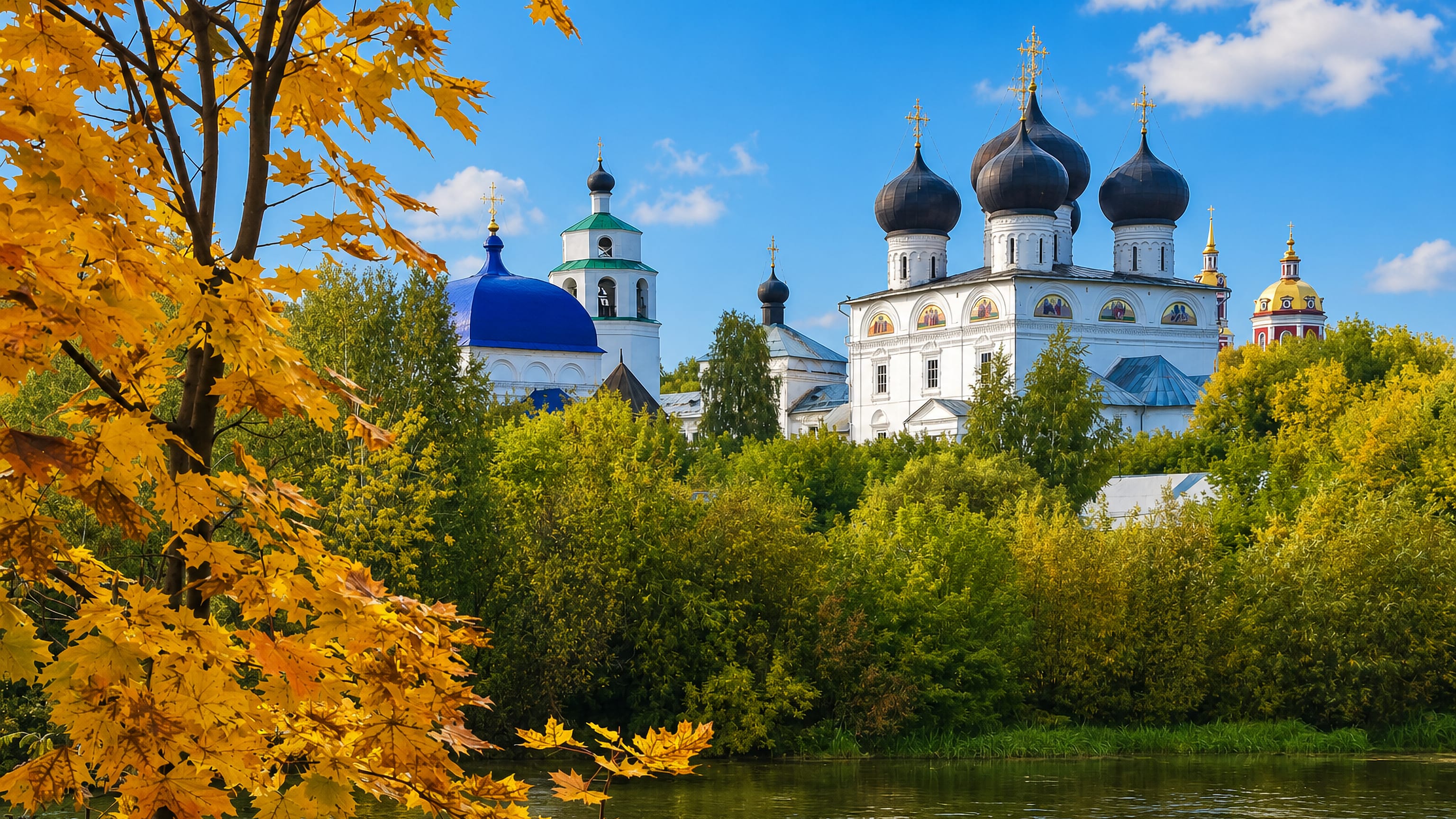
One craft above all travels beyond these forests: the Dymkovo toy, a painted clay whistle-figure moulded for four centuries in a riverside settlement now folded into the city of Kirov. Taiga covers most of the rest.
Where is Kirov Oblast?
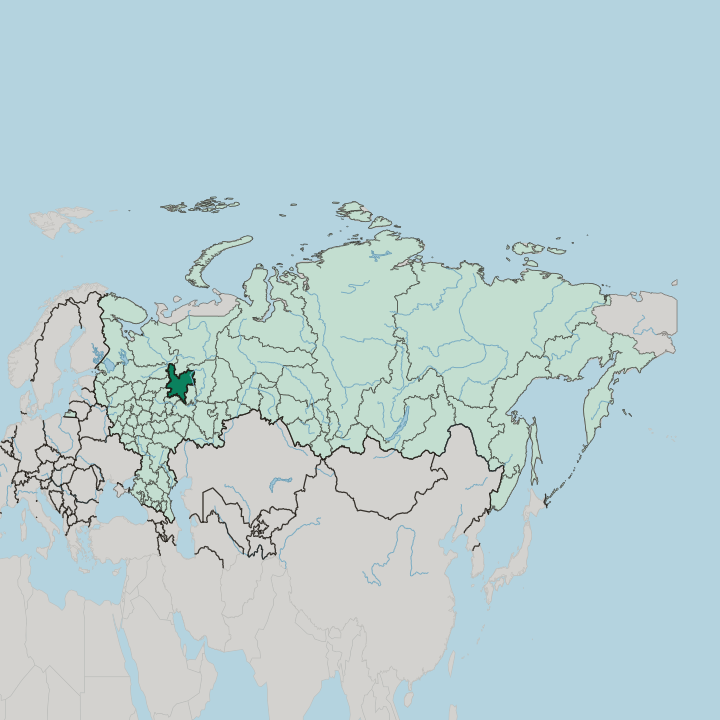
Kirov Oblast sits in Eastern Europe, in the north-east of European Russia, spanning almost the whole basin of the Vyatka river. The land runs a long way each direction. It reaches roughly 570 kilometres from north to south and 440 kilometres from west to east, an area of 120,800 square kilometres of mostly level, forested ground.
The Vyatka threads the middle of it, rising in the north and flowing south through the region toward the Kama, which drains on to the Volga. Seven regions ring the oblast. Nizhny Novgorod Oblast lies to the south-west and Kostroma Oblast to the west, Vologda Oblast to the north-west, and Arkhangelsk Oblast with the Komi Republic across the north. Perm Krai borders the north-east. Udmurtia sits to the south-east and Mari El to the south, where the Vyatka valley softens.
Taiga is the constant everywhere. Conifers and birch cover most of the surface, thinning only in the far south, where oak and other broadleaf trees begin to appear. Swamp and slow river fill the low ground between.
No coast touches the oblast at any edge.
What is Kirov Oblast like?
Folk craft is the thing the Vyatka country is known for at home. The Dymkovo toy leads it. Made in the Dymkovo settlement now within Kirov, each is a clay figure whistled and hand-painted in bright bands, a tradition kept alive for roughly four centuries and treated as the emblem of the whole region.
Two other crafts carry the same name: Vyatka lace, and carving worked from the burled capa-root of the birch. The people behind them are a mix. Slavic settlers from Novgorod moved into the Vyatka land from the twelfth century onward and mingled with the Finno-Ugric peoples already there, kin to the Udmurt and Mari of the neighbouring republics.
Russian is the everyday language across the oblast. The capital at Kirov holds the museums, theatres and old merchant churches, but the character of the place is provincial and riverine rather than metropolitan. Life here has always faced the Vyatka.
Timber, the river trade and these handed-down crafts shaped the towns far more than any grand plan ever did.
What is the history of Kirov Oblast?
Russian settlers reached the Vyatka land in the twelfth and thirteenth centuries, drawn deeper into the forest as the Mongol advance pushed people north and east. They built on the river. The merchant town that grew there was known first as Khlynov, later as Vyatka.
Its name changed for good in 1934, when Vyatka was renamed Kirov after the assassinated Soviet politician Sergei Kirov, and a Kirov Krai was carved out around it. The oblast in its present form followed on 5 December 1936, under the new Soviet constitution. The old name still clings to the river and the craft.
What is the climate of Kirov Oblast?
The oblast has a temperate continental climate, set by its inland position far from any sea. Winters bite. Snow holds for months and January stays deep below freezing across the taiga, a cold sharpened by the open forest and the frozen Vyatka.
Summers are short and warm rather than hot, a brief green window when the river runs free again. Spring thaw and autumn rain fill the seasons between. The south, toward Mari El, runs a touch milder than the forested north near the Komi Republic.
How do you get to Kirov Oblast?
The Trans-Siberian Railway is the way in. Kirov stands as a major junction on that line, roughly 896 kilometres north-east of Moscow, a night's train ride from the capital before the rails press on toward the Urals and Siberia. Pobedilovo Airport, some 22 kilometres from the city, adds a handful of flights.
Once you arrive, road and river link Kirov with the smaller towns down the Vyatka. Distances are long and the forest is wide, so the train remains the sensible spine of any trip.
Common questions
What is the best area to stay in Kirov Oblast?
Kirov: a first base in the Vyatka basin.
More regions in Russia
Updated September 2026