Russia · Kostroma Oblast
Where to Stay in Kostroma, Kostroma Oblast
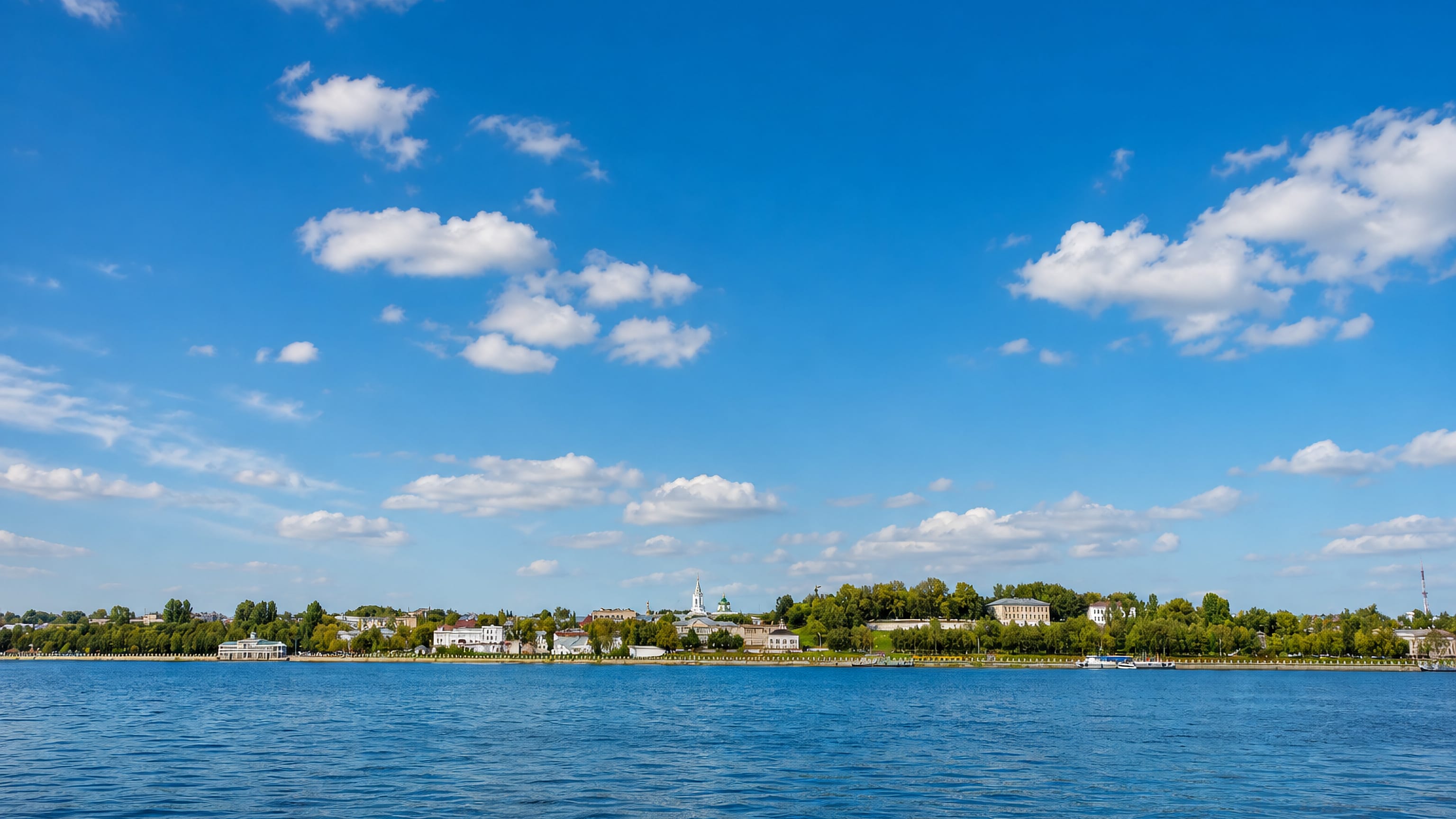
Golden Ring churches crown the riverbank at Kostroma, a historic city where the Kostroma River meets the Volga, the seat of Kostroma Oblast.
Find your area →


Where to stay in Kostroma
Where the beds are, and what that means for the visit.
Kostroma splits its lodging between the fan-shaped centre and the riverside near the monastery. The heart of town radiates from the old trading rows, where the Guard house and the Church of the Holy Mandylion in the Rows anchor a walkable grid of merchant arcades, hotels, and cafes. That trading-row heart makes the natural first base.
From here the Romanov Museum and the Kostroma Historical and Architectural Museum-Reserve sit within an easy stroll of the Volga embankment. Across the Kostroma River, near the Holy Trinity Church at Ipatiev Monastery and the Kostromskaya Sloboda open-air museum, a quieter base puts the great monastery on the doorstep. The two rivers frame the whole city.
Travellers who want the arcades and museums pick the centre; those drawn to Ipatiev choose the far bank and cross for the shops and cafes. Either base keeps the Church of the Resurrection and the linen-trade streets a short walk from the water.
Things to do in Kostroma
Ranked by global recognition; descriptions from Wikidata (CC0).
Museums & Galleries
4- Kostromskaya Sloboda open-air museum Heritage
- Romanov Museum Heritage
- Kostroma Historical and Architectural Museum-Reserve Heritage
- Kostroma region Museum of Nature Heritage
Churches & Religious Sites
8- Church of the Resurrection Heritage
- Holy Trinity Church at Ipatiev Monastery Heritage
- Church of the Holy Mandylion in the Rows Heritage
- Church of the Resurrection of Christ, Kostroma Heritage
- Saint John Chrysostom Church Heritage
Show 3 more →
- Church of the Nativity of Christ on Gorodische, Kostroma Heritage
- Church of the Saviour Behind the Pond in Kostroma, Russia Heritage
- Church of the Transfiguration, Kostroma Heritage
Castles & Historic Sites
3- Guard house, Kostroma Heritage
- Gorodishche Heritage
- Власть на службе народа
Landmarks & Notable Places
1- Big Kostroma linen manufactory Heritage
worth knowingacross 4 categories in Kostroma
About Kostroma
Kostroma is known as a Golden Ring city on the Volga.
What is Kostroma known for?
It ranks among the old towns that ring Moscow's north-east, prized for medieval churches and monasteries above the water. The Holy Trinity Church at Ipatiev Monastery is the best known of them. Merchant trade in linen and timber built the fan-shaped centre, and the Romanov Museum and Kostromskaya Sloboda open-air museum carry the story on.
River town and pilgrim town at once.
What are the main landmarks in Kostroma?
Kostroma's landmarks are churches, monasteries, and museums. The Holy Trinity Church at Ipatiev Monastery leads them, the cradle of the Romanov dynasty. Around town stand the Church of the Resurrection, the Church of the Transfiguration, Kostroma, and the Church of the Holy Mandylion in the Rows.
The Kostromskaya Sloboda open-air museum gathers wooden buildings, while the Romanov Museum, the Guard house, and the Kostroma Historical and Architectural Museum-Reserve hold the city's history. Stone and timber together tell its past.
What is the history of Kostroma?
Kostroma was founded in 1152. It grew where the Kostroma River joins the Volga, a fortified river port on the frontier of the early Russian principalities, and the trade in linen and timber carried down the great river made its merchants rich. Fire and siege struck it often.
Rebuilt again and again, the town took its famous fan-shaped plan of streets spreading back from the Volga embankment in the imperial era. The monastery quarter gave Kostroma its place in national history. At the Holy Trinity Church at Ipatiev Monastery the Romanov dynasty took its throne, a tie that the Romanov Museum records.
Churches multiplied across the centuries, from the Church of the Resurrection to the Church of the Transfiguration, Kostroma. The Kostromskaya Sloboda open-air museum preserves the wooden architecture of the surrounding land. River trade, monastery, and dynasty run through the whole story.
Where is Kostroma?
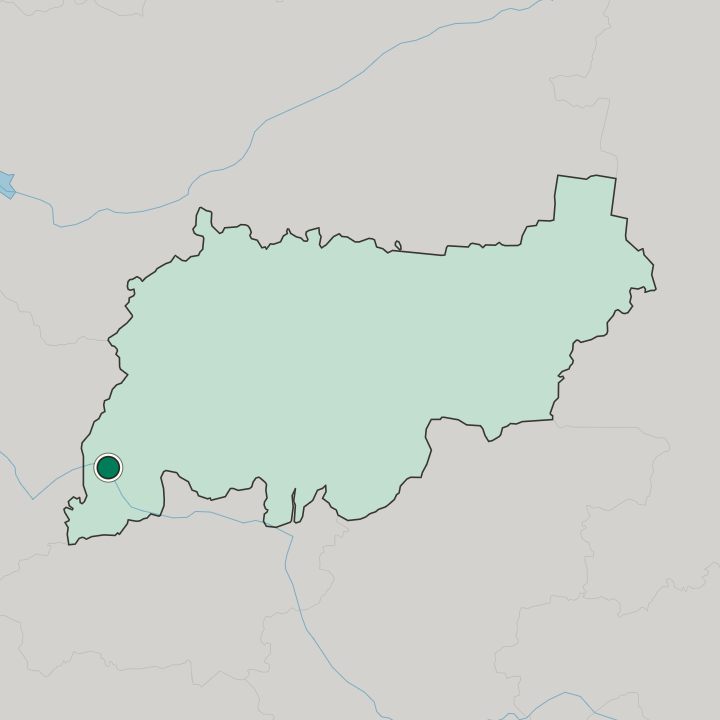
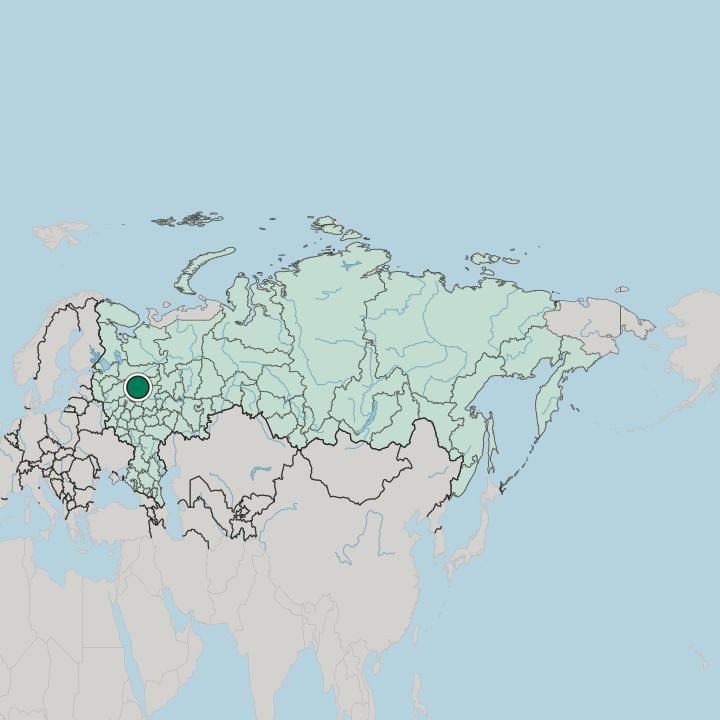
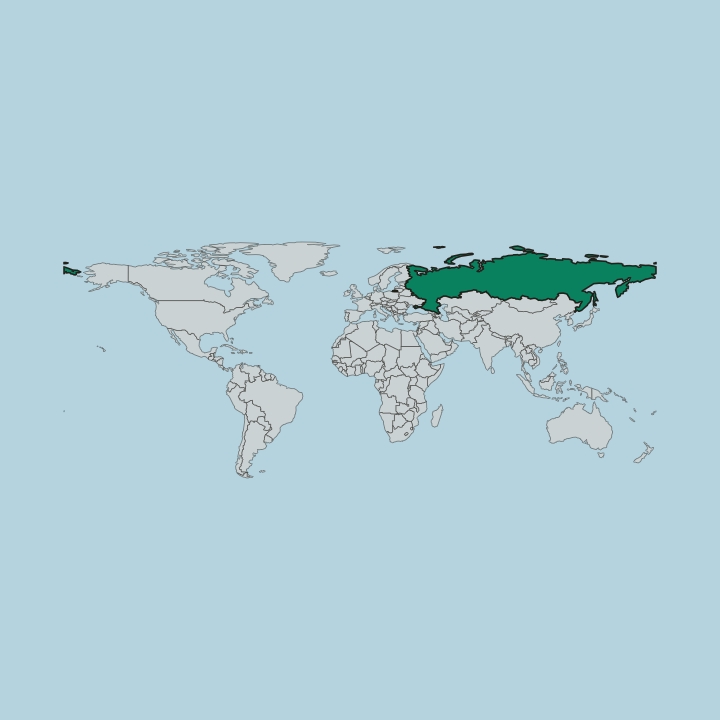
Kostroma stands at the confluence of the Kostroma River and the Volga. The Volga sweeps past the city's main bank, while the smaller Kostroma River joins it from the north, dividing the town from the monastery quarter. It lies north-east of Moscow, the seat of Kostroma Oblast among the forests and plains of central Russia.
Woodland surrounds the city. The two rivers and the low, wooded ground are the setting's defining features.
What is the climate of Kostroma?
Kostroma sits under a sharply continental climate. Winters are long and cold, and the Volga and the Kostroma River freeze through months of snow that blanket the surrounding forests. Summers are short and warm.
Thunderstorms cross the river valleys in the warmest weeks, while spring and autumn move fast between the extremes. The frozen river is the season's defining sight.
How do you get to Kostroma?
Kostroma is reached by rail and road. Trains and highways link it to Moscow and to the neighbouring Golden Ring cities, and river cruises call along the Volga in the warm season. The confluence carries holiday boats rather than commuters.
Most visitors reach Kostroma by rail or road. From the station, the fan-shaped centre and the trading rows lie a short ride from the Volga embankment.
Good for
Updated September 2026