Russia
Kostroma Oblast, Russia — Towns & Travel Guide
Kostroma Oblast is a forested region of northeastern European Russia, on the Volga where the Romanov dynasty began.
Find your area →


Towns & cities in Kostroma Oblast
One town here has its own guide — it links to where to stay.
 Russia
Kostroma
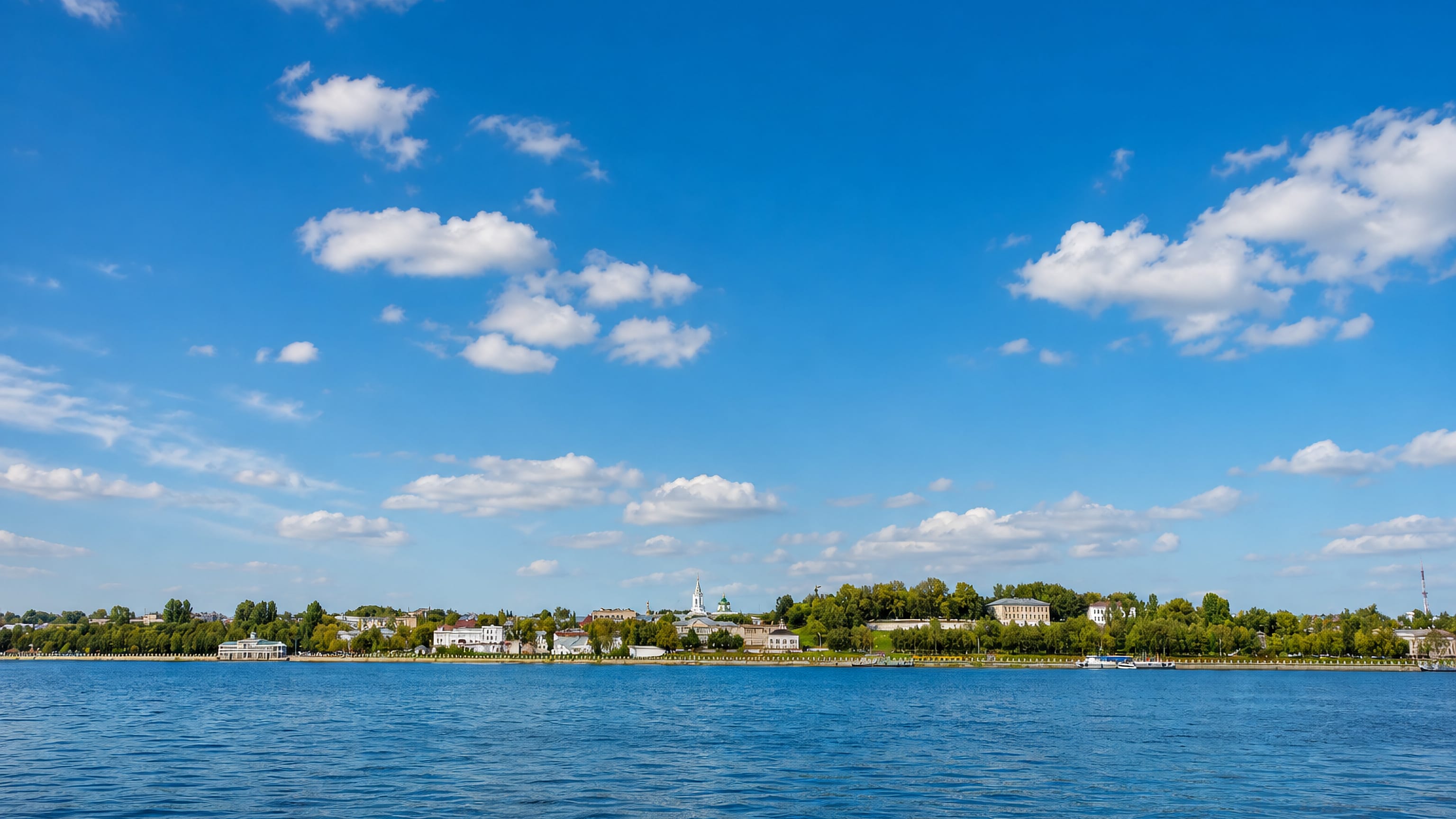
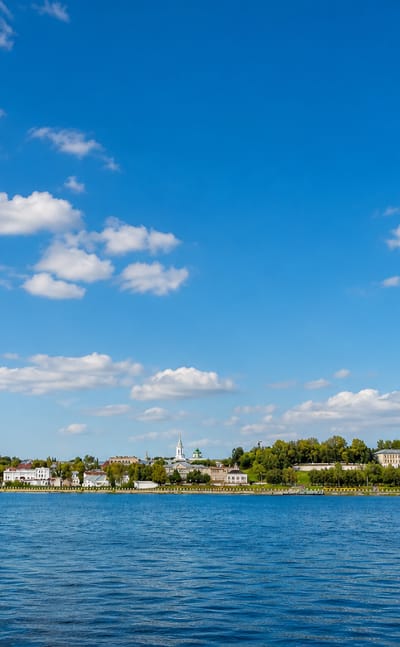
Golden Ring churches crown the riverbank at Kostroma, a historic city where the Kostroma River meets the Volga, the seat of Kostroma Oblast.Where to stay →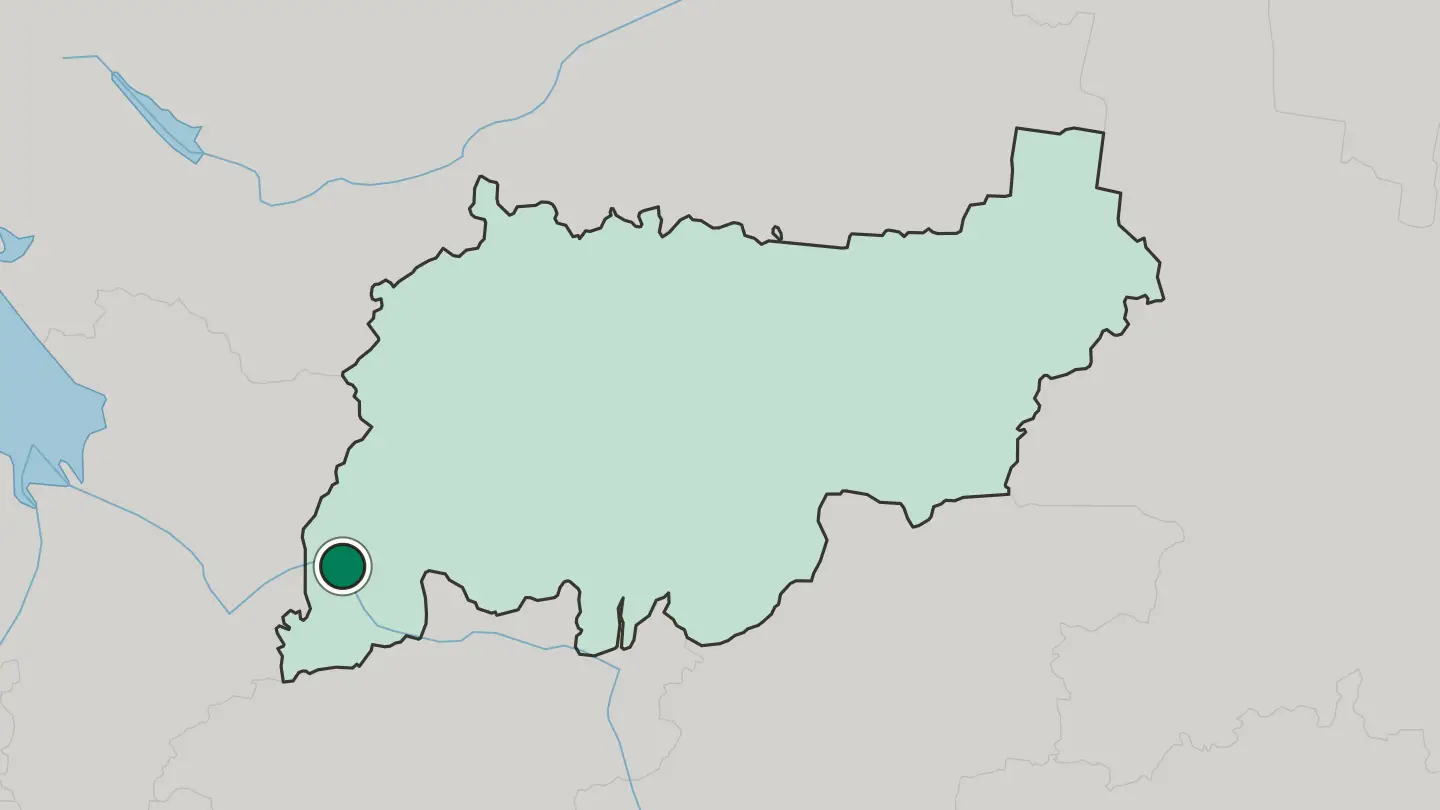
About Kostroma Oblast
Timber and the Romanovs define it.
What is Kostroma Oblast known for?
Taiga covers roughly three-fifths of the oblast, and it ranks among Europe's principal timber-producing regions. Its capital, Kostroma, is one of the eight principal towns of the Golden Ring, the loop of old Russian cities northeast of Moscow. At the Ipatiev Monastery, on the far bank of the Kostroma River, Mikhail Romanov was proclaimed tsar in 1613, ending the Time of Troubles and founding a dynasty that ruled for three centuries.
Where is Kostroma Oblast?
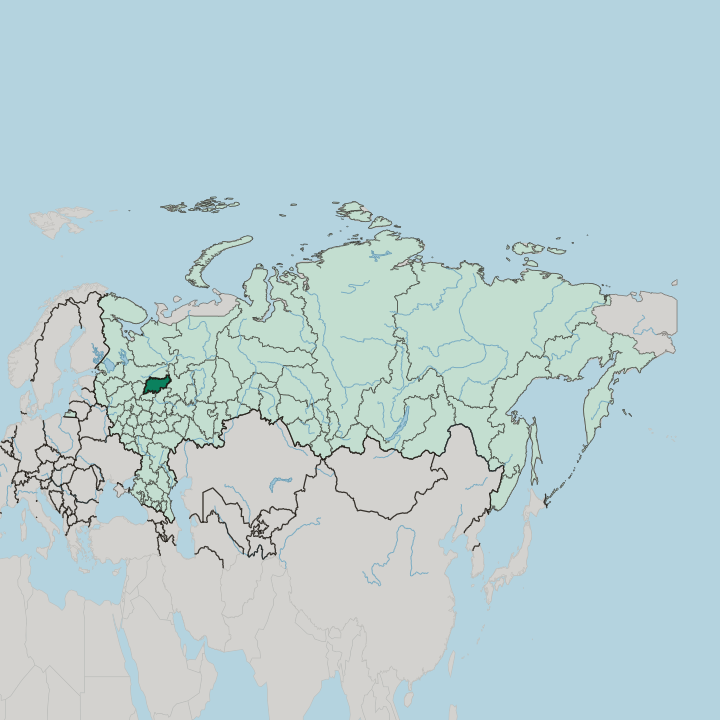
Kostroma Oblast lies in the northeast of European Russia, part of the Central Federal District and one of the middle Volga's forested backwaters. Yaroslavl Oblast borders it toward Moscow. Vologda Oblast wraps the north, Kirov Oblast the east, and Ivanovo and Nizhny Novgorod oblasts close off the south. The Volga itself only clips the region, running about 89 kilometres across the southern edge past the capital before continuing on downstream toward the Caspian. Most of the land is a rolling plain.
Old ice sheets scraped it flat and left it dotted with lakes and broad peat bogs, and it tilts down toward the Volga from the low crest of the Severnye Uvaly, the Northern Uvals, along the north. Some two thousand six hundred rivers thread the oblast. The largest after the Volga is the Kostroma River, which winds 354 kilometres before joining the Volga right at the city that shares its name.
Taiga fills the space between. It is one of the emptier corners of the Golden Ring, a country of forest, marsh, and small towns rather than crowded roads.
What is Kostroma Oblast like?
Legend hangs heavy over this region. Two Russian folk figures were born of its forests and marshes, and both still pull visitors in. Ivan Susanin, the peasant who led a Polish detachment to their deaths in the swamps to shield the young Mikhail Romanov, is remembered on the capital's main square, which carries his name.
The Snow Maiden belongs here too. Alexander Ostrovsky drew the tale from local folklore and wrote his verse play at Shchelykovo, his estate out in the eastern woods, and the region markets itself as her home. Craft runs alongside the myth.
Linen weaving has worked the region's flax since the early eighteenth century, and the village of Krasnoye-na-Volge has turned out silver jewellery for generations. The common language is Russian, as across the whole country. White-walled churches and monastery towers stand over the Volga towns, and wooden architecture survives in the smaller settlements inland.
It is a quieter, more rural face of the Golden Ring than the crowded cathedrals nearer Moscow.
What is the history of Kostroma Oblast?
The region's fame rests on one day. In 1613 a national assembly proclaimed the sixteen-year-old Mikhail Romanov tsar at the Ipatiev Monastery outside Kostroma, where he had taken refuge, ending the Time of Troubles and starting a line that held the Russian throne until 1917. The land itself is far older, its towns sacked by the Mongols in the thirteenth century and later gathered under Moscow.
The oblast as a unit is modern. It was carved out of Yaroslavl Oblast in 1944.
What is the climate of Kostroma Oblast?
Kostroma cold arrives hard and stays long. The oblast has a moderate continental climate, and the taiga sets the tone: January hovers around minus twelve, with deep snow lying over the forests and the frozen Volga for months. Summers turn warm and green, July averaging near plus eighteen, when the marshes thaw and the flax fields grow.
Spring and autumn are short and muddy, the thaw turning back roads to mire. This is inland weather, unsoftened by any sea, colder and snowier the further you go toward the eastern woods and the Severnye Uvaly.
How do you get to Kostroma Oblast?
Most travellers come by road or rail from Moscow, some 320 kilometres to the southwest. Trains run north to the capital and on to Galich and Sharya along the Trans-Siberian's northern branch, while the highway follows the classic Golden Ring loop through Yaroslavl. The Volga carries cruise boats that call at the city in summer.
There is no major airport of note. For most, Kostroma is a stop on a longer overland circuit out of Moscow rather than a place you fly into.
Common questions
What is the best area to stay in Kostroma Oblast?
Kostroma: the Romanov cradle and the waterfront.
Good for
More regions in Russia
Updated September 2026